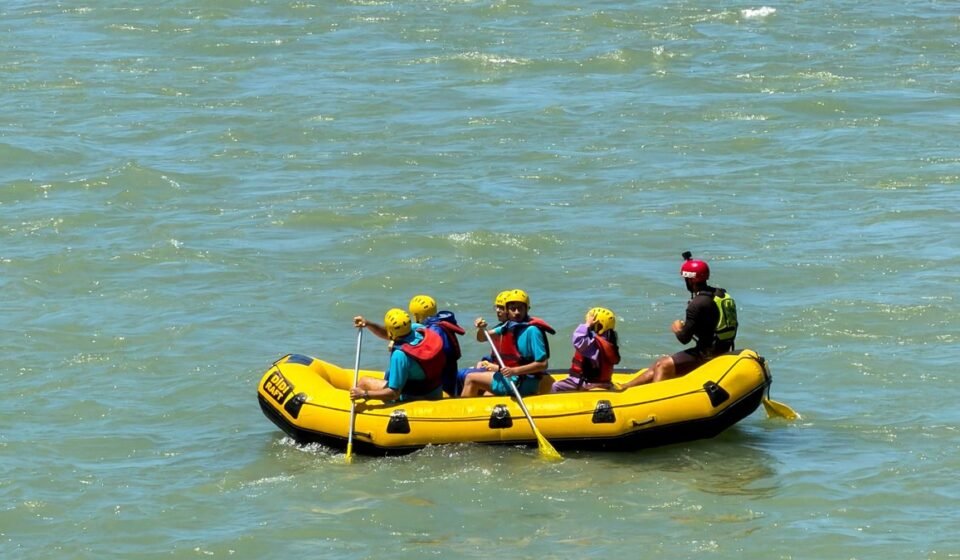

The New River rolls through its gorge in southern West Virginia all summer long, forgiving and warm enough for a first-timer in a life jacket to grin the whole way down. The Gauley River, twenty-some miles north, waits until September. Then the Army Corps of Engineers opens the gates at Summersville Dam, the water temperature drops into the 50s, and a river that spent all year being merely pretty turns into one of the hardest commercially rafted stretches of whitewater in the country. This loop strings together both rivers and the towns around them: roughly 160 miles, best done over 3 to 4 days, starting and ending in Fayetteville, West Virginia.
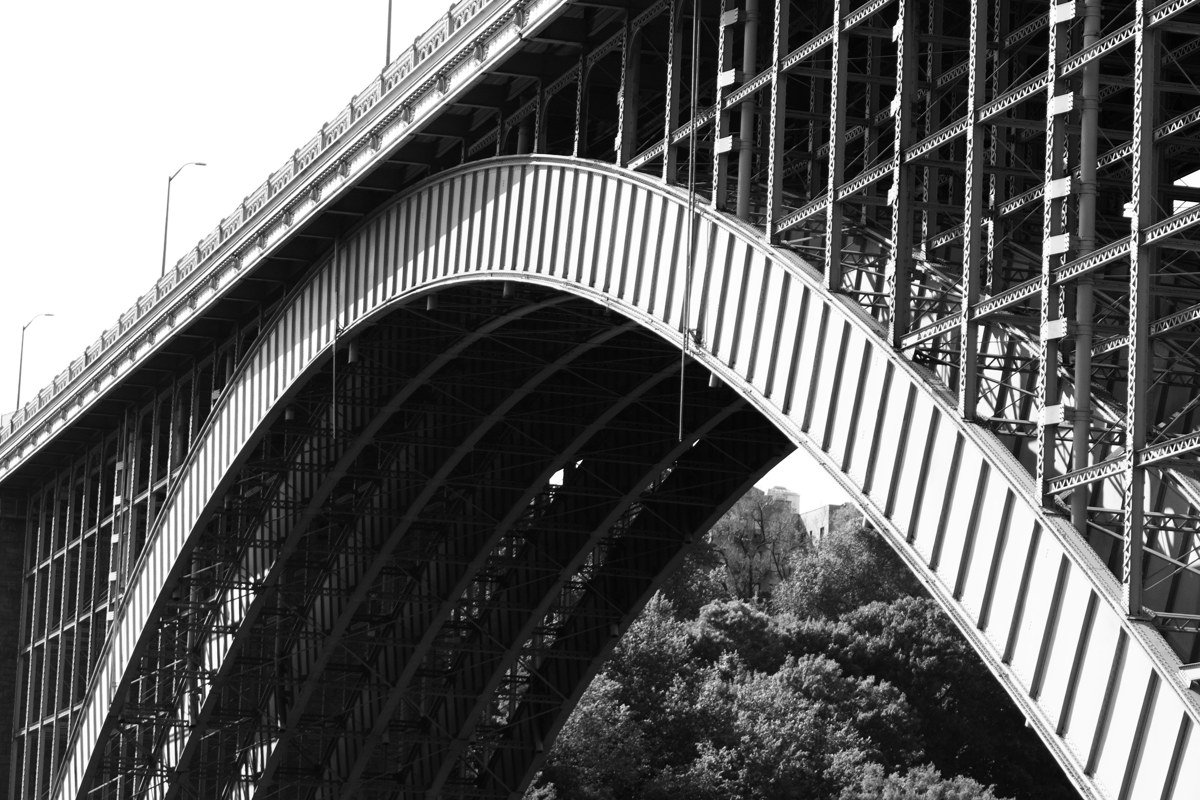
Stop 1: Fayetteville, West Virginia
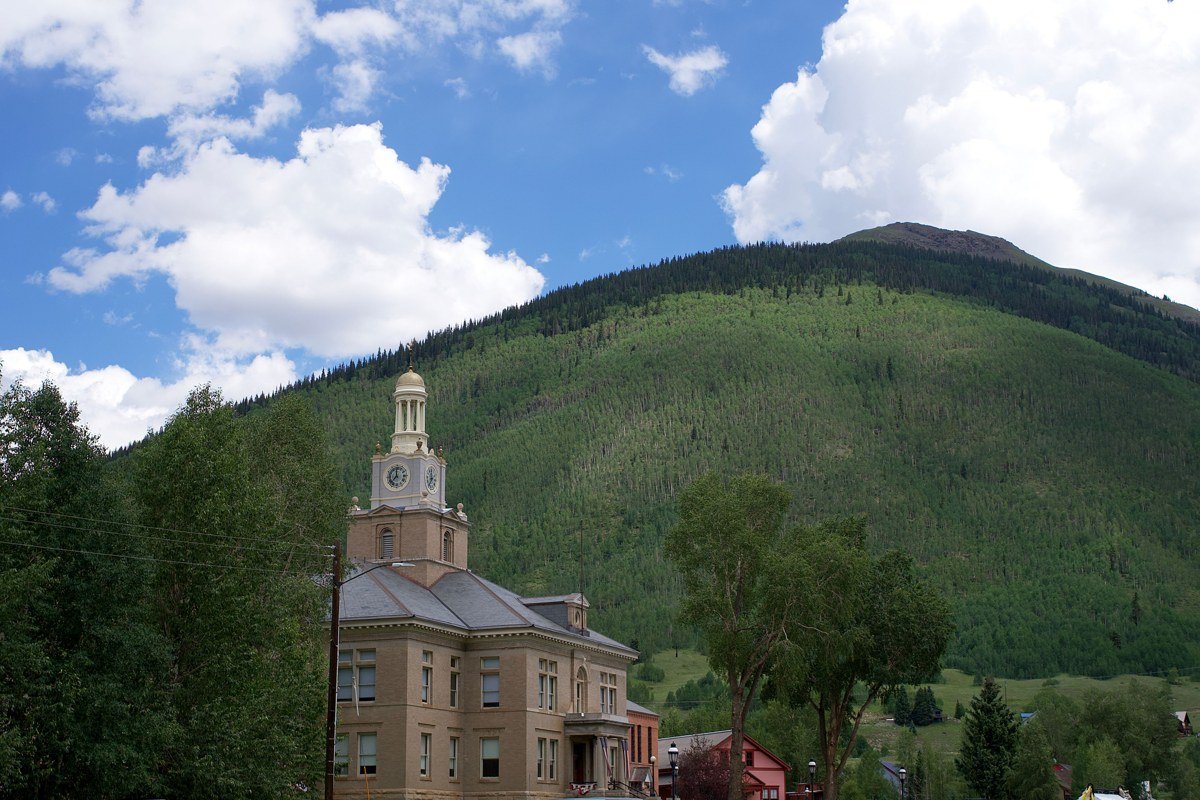
A few blocks of outfitters, gear shops, and breakfast diners perched right above the New River Gorge make Fayetteville the obvious base camp. Most of the big rafting companies, Class VI, ACE Adventure Resort, Adventures on the Gorge, run their offices and bunkhouses out of here or just down the road. If you’re booking whitewater rafting trips in West Virginia for the first time, this is where you do it, and outfitters here run both the New and the Gauley depending on season. Park at your outfitter’s lot rather than trying to find street parking near the bridge overlook on a weekend, it fills by mid-morning in October leaf season.
Next leg: 10 minutes south on US-19 to the New River Gorge Bridge overlook.
Stop 2: New River Gorge Bridge, West Virginia
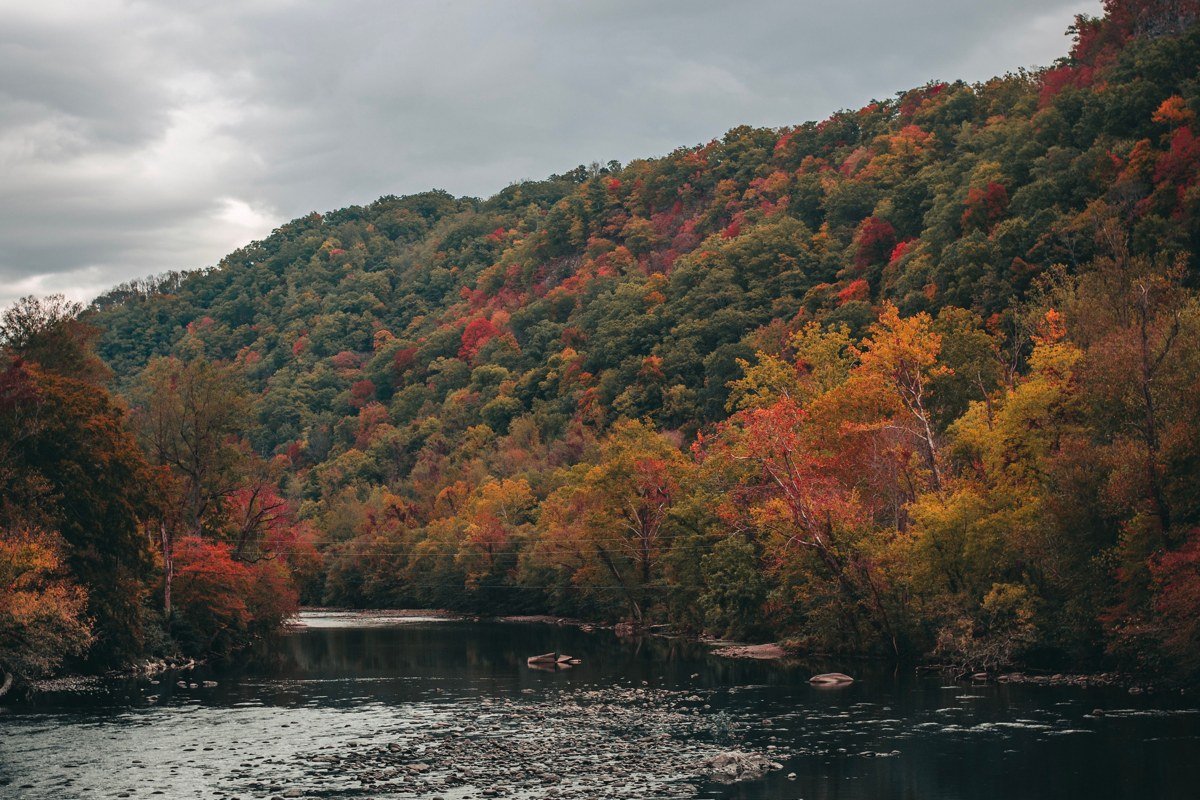
One of the longest steel arch bridges in the Western Hemisphere, 876 feet above the river, this is the postcard. The Canyon Rim Visitor Center has the best accessible overlook and clean restrooms, worth the stop even if you’ve seen the photos a hundred times on Pinterest. There’s no fee to visit the overlook itself, since New River Gorge National Park doesn’t charge a general entrance fee, though some backcountry and rafting permits are managed separately through outfitters and the park service. Bridge Day, held one Saturday every October, closes the bridge to cars and opens it to BASE jumpers and roughly 100,000 spectators, so build your schedule around it rather than getting stuck in that traffic by accident.
Next leg: 20 minutes to Thurmond via Route 25 and Thurmond Road.
Stop 3: Thurmond, West Virginia
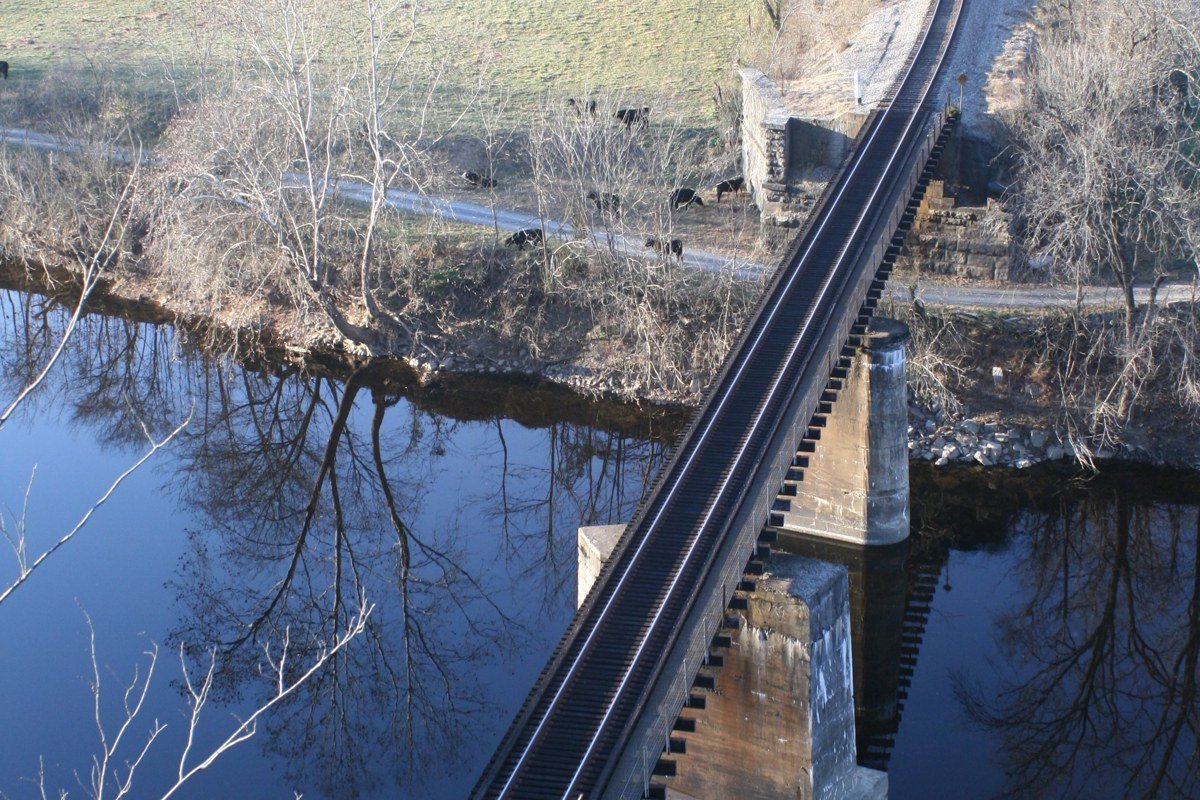
A row of early-1900s coal and railroad buildings that once handled more freight revenue than Cincinnati and Richmond combined, Thurmond is a near-ghost town inside New River Gorge National Park. Now it’s maybe a dozen residents and a restored depot run by the Park Service, free to walk through. The narrow one-lane bridge in and the dead-end road out keep it quiet even in peak season. It’s a good leg-stretch between bridge crowds and your first rafting stop, and it explains, better than any museum plaque, why this gorge mattered before it was a playground.
Next leg: 25 minutes back to Fayetteville, then 15 minutes to the Lower New River put-in area.
Stop 4: Lower New River Gorge, West Virginia
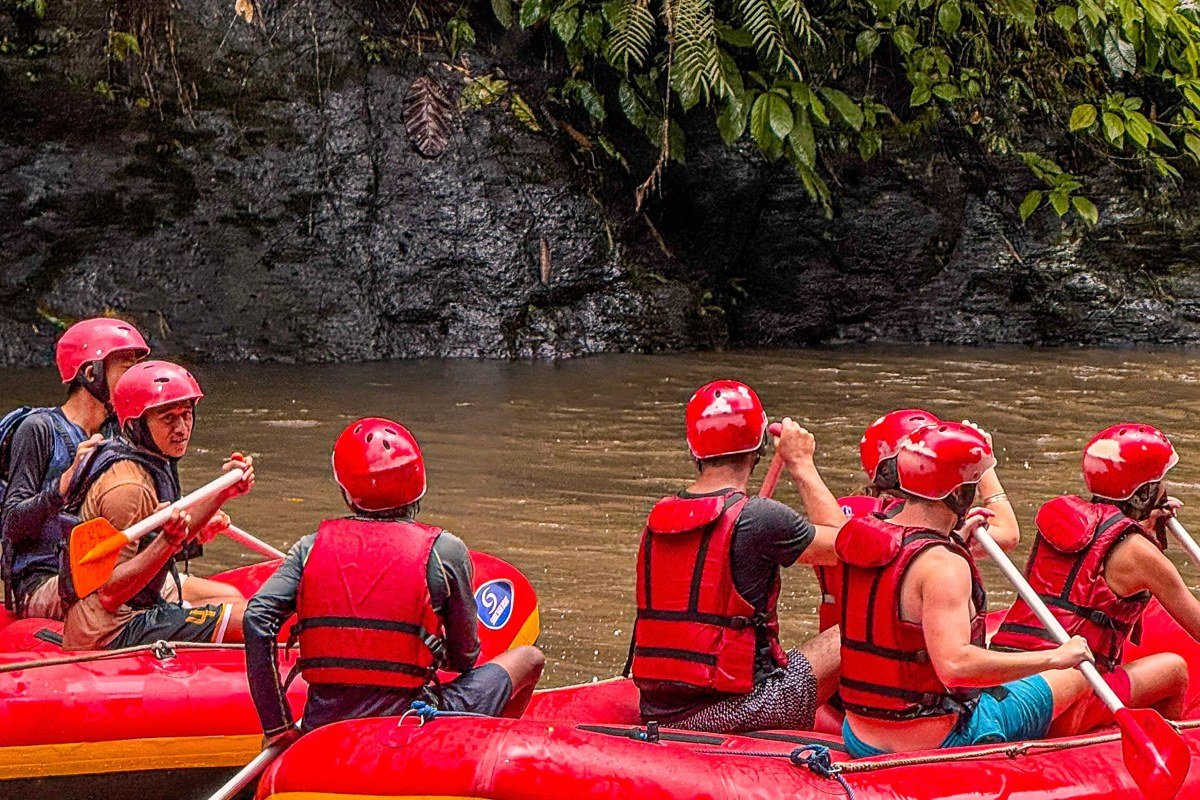
Most people run their first whitewater rafting trip here, and it’s a smart call. The Lower New is big-volume, warm relative to the Gauley, and full of named Class III and IV rapids, Surfin’ Wave, Double Z, Miller’s Folly, that build your nerve without wrecking your day. Trips run daily from late spring through October, typically a half-day (around $50 to $70 per person) or full-day (around $100 to $130 per person) with lunch on a gravel bar, prices varying by outfitter and season. If you’re searching “whitewater rafting trips near me” from anywhere in the mid-Atlantic, this stretch is usually the one Google hands you, and it earns the ranking.
Next leg: 15 minutes north to Summersville Lake via WV-129 and US-19.
Stop 5: Summersville Lake, West Virginia

Summersville Lake is the reservoir behind Summersville Dam, and it’s the reason the Gauley’s season exists at all. The lake itself is worth a stop on its own merits, some of the clearest water in the state, sandstone cliffs popular with rock climbers, a public beach for anyone who wants a swim that isn’t full of rapids. But its real job is upstream of you: all summer the Corps holds water back here, and for about 22 days starting the Friday after Labor Day, they release it on a controlled schedule, usually five Fridays through Sundays or Mondays, to generate hydropower and, not incidentally, hand rafters the best water of the year.
Next leg: 10 minutes to Summersville Dam.
Stop 6: Summersville Dam, West Virginia
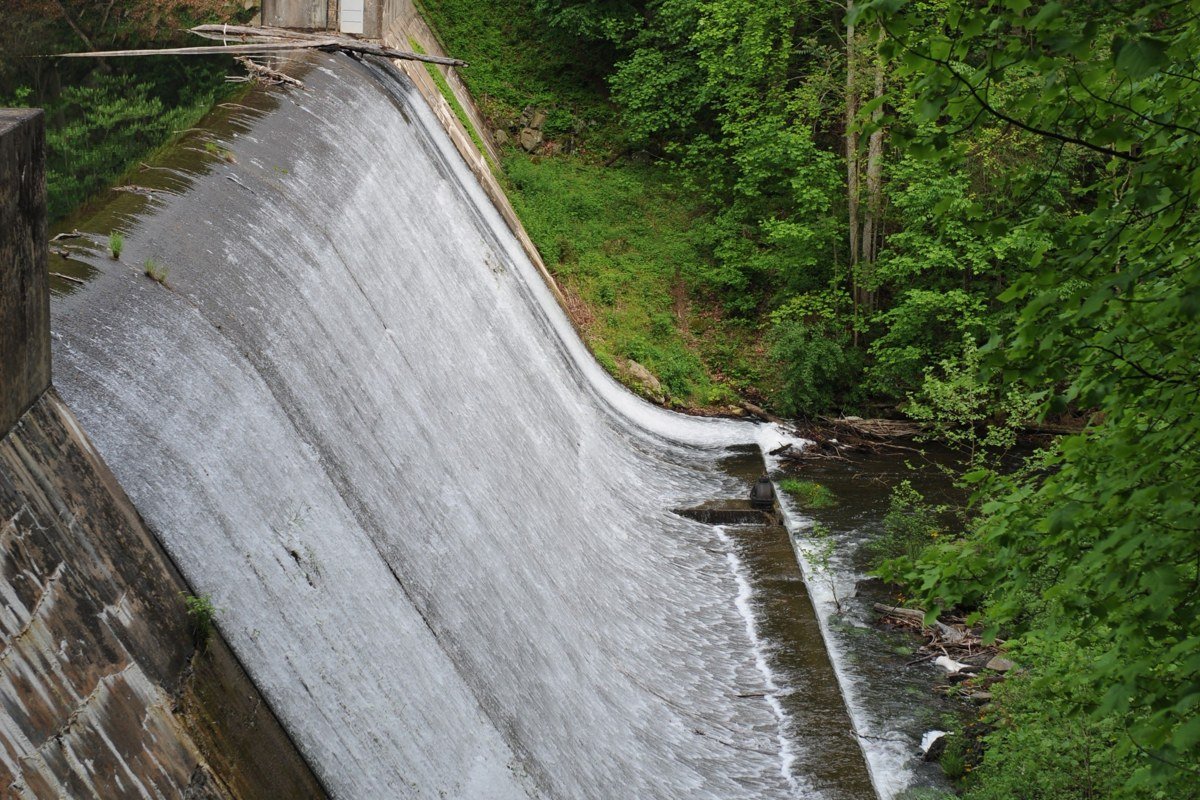
Scheduled releases typically run around 2,800 cubic feet per second, built up from a base flow closer to 300 to 500 CFS, and standing at the dam overlook on a release morning you can watch that jump happen in real time. This is the detail that makes the whole trip worth timing around: the Gauley isn’t rafted on natural flow like most rivers. It exists as a commercial run because of this dam, on this schedule, for about six weekends total each fall. Outfitters post the release calendar well ahead of Labor Day, and the popular Friday and Saturday dates for the Upper Gauley sell out months in advance, so this is not a trip to plan the week of.
Next leg: 20 minutes to the Upper Gauley put-in near Summersville.
Stop 7: Upper Gauley River, West Virginia
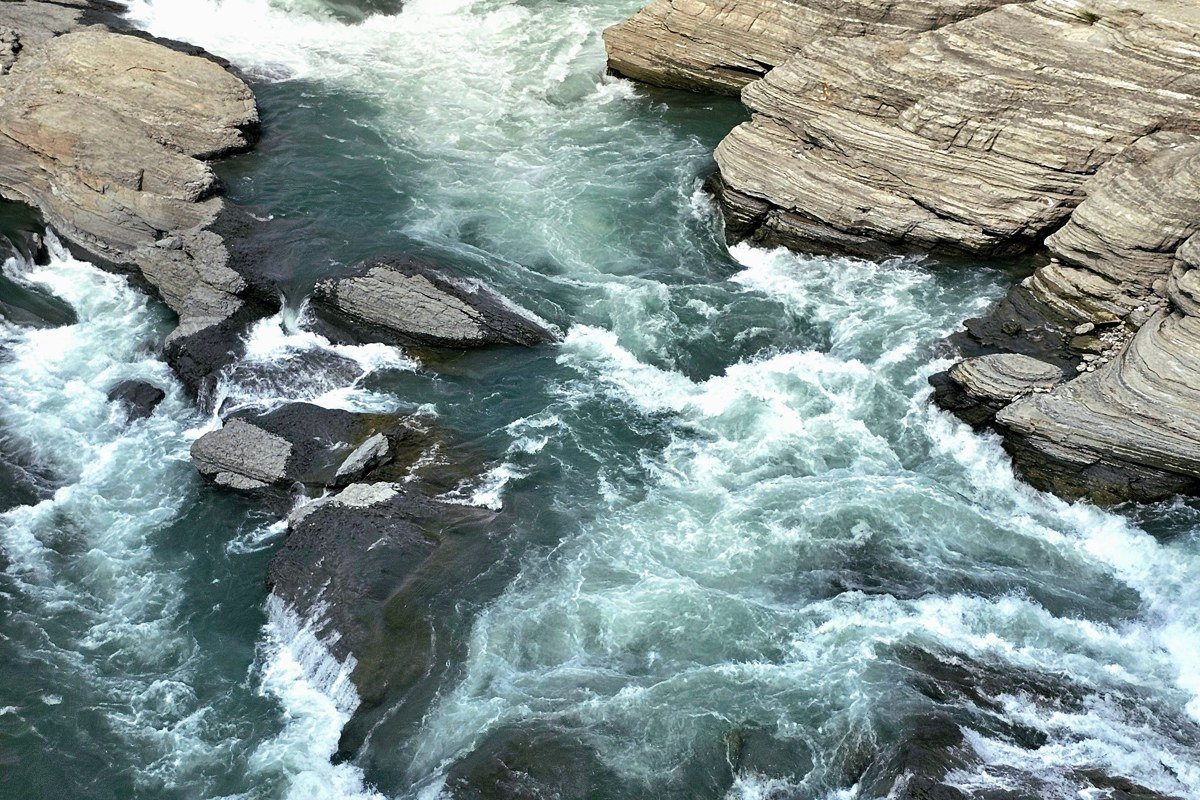
Five Class V rapids in the first few miles, Insignificant, Pillow Rock, Lost Paddle, Iron Ring, Sweet’s Falls, hit back to back with barely time to catch your breath between them, which is why serious rafters build their whole September around this one stretch. This is not a trip for first-timers. Class VI and ACE Adventure Resort require previous whitewater rafting experience (typically a prior Class IV or V trip) and a minimum age, usually 16, before they’ll book you on the Upper. Adventures on the Gorge is somewhat more flexible with strong swimmers and a frank conversation about nerve, but even they’ll steer total beginners to the Lower Gauley or Lower New instead. Expect to pay roughly $150 to $200 for a single-day Upper Gauley trip. Water temperature in September sits in the 50s, so a wetsuit or splash jacket isn’t optional gear, it’s the difference between a good day and a miserable one.
Next leg: The Lower Gauley put-in is about 20 minutes downstream by road, following WV-39 and Fenwick Road.
Stop 8: Lower Gauley River, West Virginia
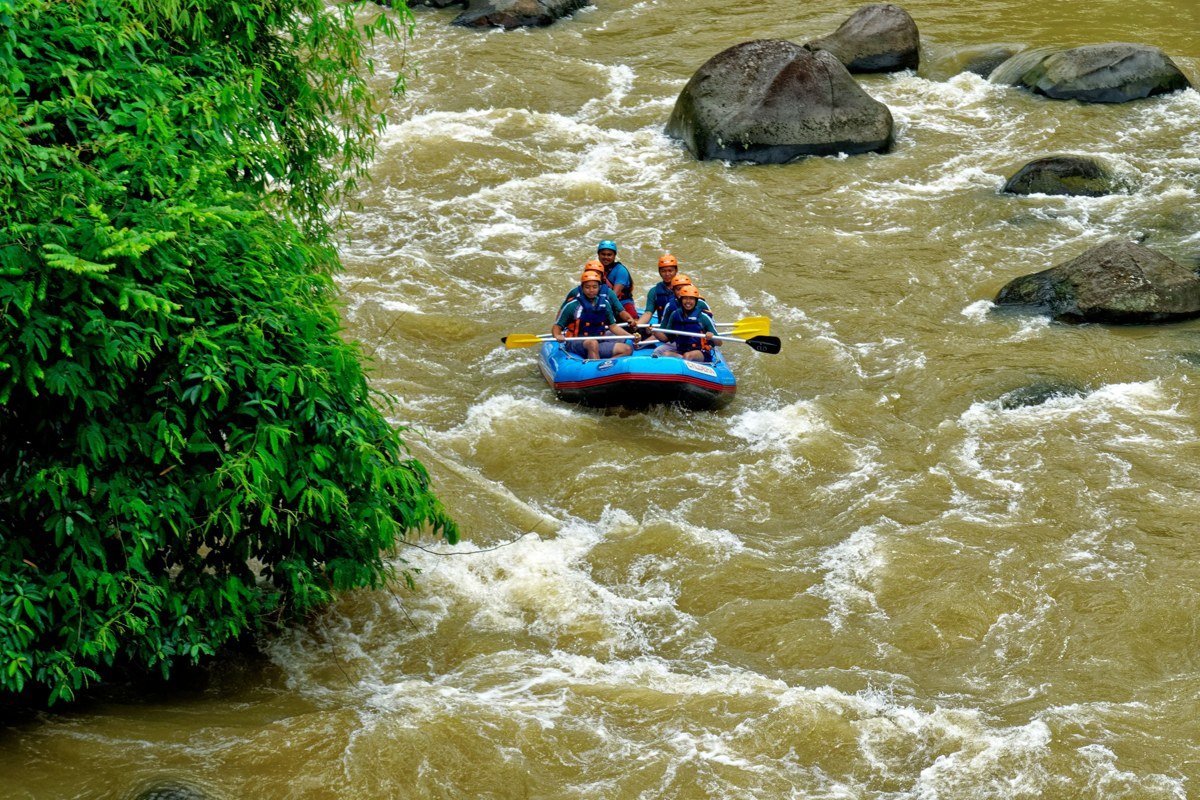
Still Class IV and V in stretches, Pure Screaming Hell among them, the Lower Gauley is the slightly gentler sibling and the one outfitters recommend if you want Gauley bragging rights without the Upper’s five-rapid gauntlet right out of the gate. A single day typically runs $130 to $160 per person. Many companies combine Upper and Lower into a two-day package during release weekends, often $300 to $400 per person, with a night of camping or a bunkhouse stay between them. If you only have one Gauley day in you, ask your outfitter honestly which stretch matches your rafting resume; this is the one place on the loop where overselling yourself has real consequences.
Next leg: 45 minutes back to Fayetteville via US-19 to close the loop, or continue to Hawks Nest for one more stop.
Stop 9: Hawks Nest State Park, West Virginia
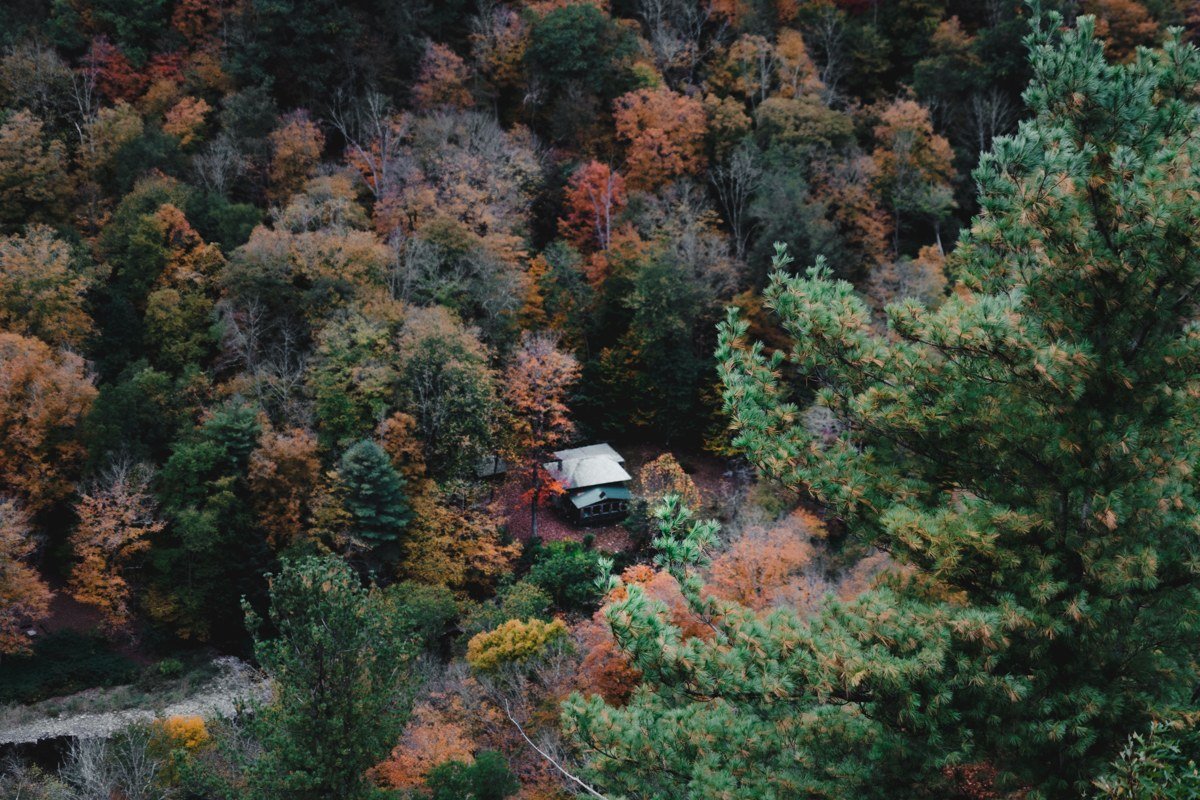
The overlook sits 585 feet above the New River, and the aerial tramway (seasonal, round trip tickets run about $10 to $12 for adults, worth checking operating days before you drive up) drops you down near the river itself without the hike. Hawks Nest Lodge rooms run roughly $110 to $150 a night depending on season, with a restaurant on site serving dinner with a gorge view. It’s the natural place to end the loop: tramway ticket in hand, one more look at the water that started this whole trip 160 miles and three days ago.
If you only have 3 days
Cut Thurmond and Hawks Nest. Base in Fayetteville, run the Lower New on day one, drive up to Summersville Lake and the dam on day two with an afternoon Upper Gauley trip if the release schedule and your nerve allow it, then do the Lower Gauley or a recovery day at the New River Gorge Bridge overlook on day three. That’s the honest, compressed version of this trip: the two rivers, the dam that makes the famous one possible, and the bridge everyone photographs. Everything else is bonus mileage, good mileage, but bonus.
Doing it in reverse
Starting from Hawks Nest works just as well if you’re driving in from the east on I-64, it just flips the emotional order: big calm overlook first, then two days building toward the Gauley’s Class V water instead of winding down from it. Either direction, book your Gauley trip dates before you book anything else. The release calendar runs on its own clock, only six weekends a year, and it does not move for your vacation days.