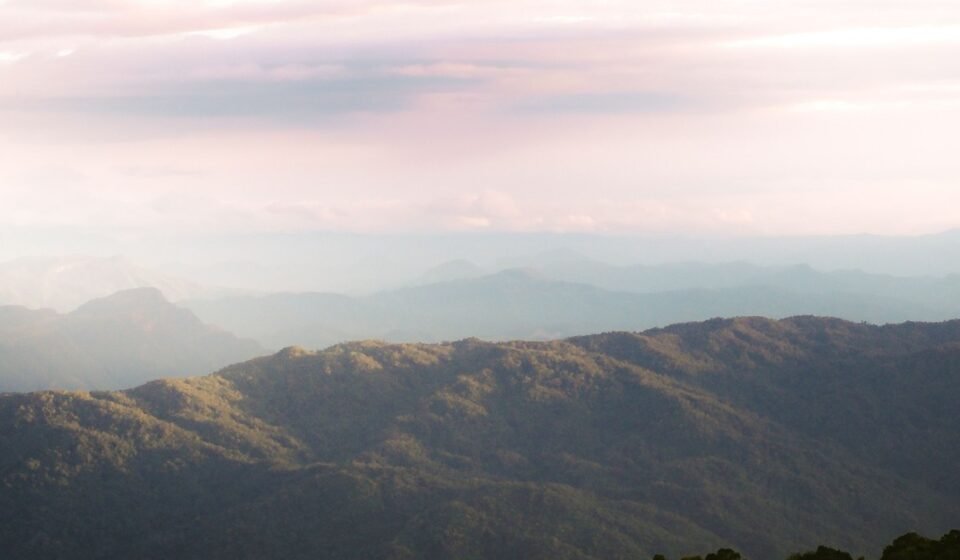

Timing is the entire trip. The Great Smoky Mountains straddle Tennessee and North Carolina, and their sunrise show depends on a narrow overlap of leaf color, fog density, road access, and whether a tour van from Gatlinburg beat you there. Hit that window right and you get a valley of clouds under a ridgeline lit up gold. Miss it by three weeks and you get a parking lot full of brake lights and a sun that just looks like a sun.
Most “best sunrise spots” lists just name Clingmans Dome and Newfound Gap and call it done. Those two are legitimately good, which is exactly the problem: everyone with a smartphone already knows about them, and by late September you’re sharing the guardrail with dozens of strangers and a couple of idling tour buses. The ten pullouts below are real, mapped, and driveable, but most people blow past them in the dark because there’s no sign that says “overlook” in letters big enough to read at 55 miles an hour. Each one has a specific best window. Go outside it and you’re either fighting leaf-season traffic, staring at a flat gray sky with no fog, or, in a couple of cases, looking at a locked gate.
One more practical note before the list: any stop inside Great Smoky Mountains National Park now requires a parking tag, daily, weekly, or annual, displayed on your dashboard. This applies to the overlooks and pullouts on this list that sit inside park boundaries (Clingmans Dome Road, Newfound Gap, Cataloochee), not just the big visitor centers. Buy it ahead of time if you can, since there’s no staffed booth at 6 a.m.
Foothills Parkway West, Tennessee – best in early-to-mid April
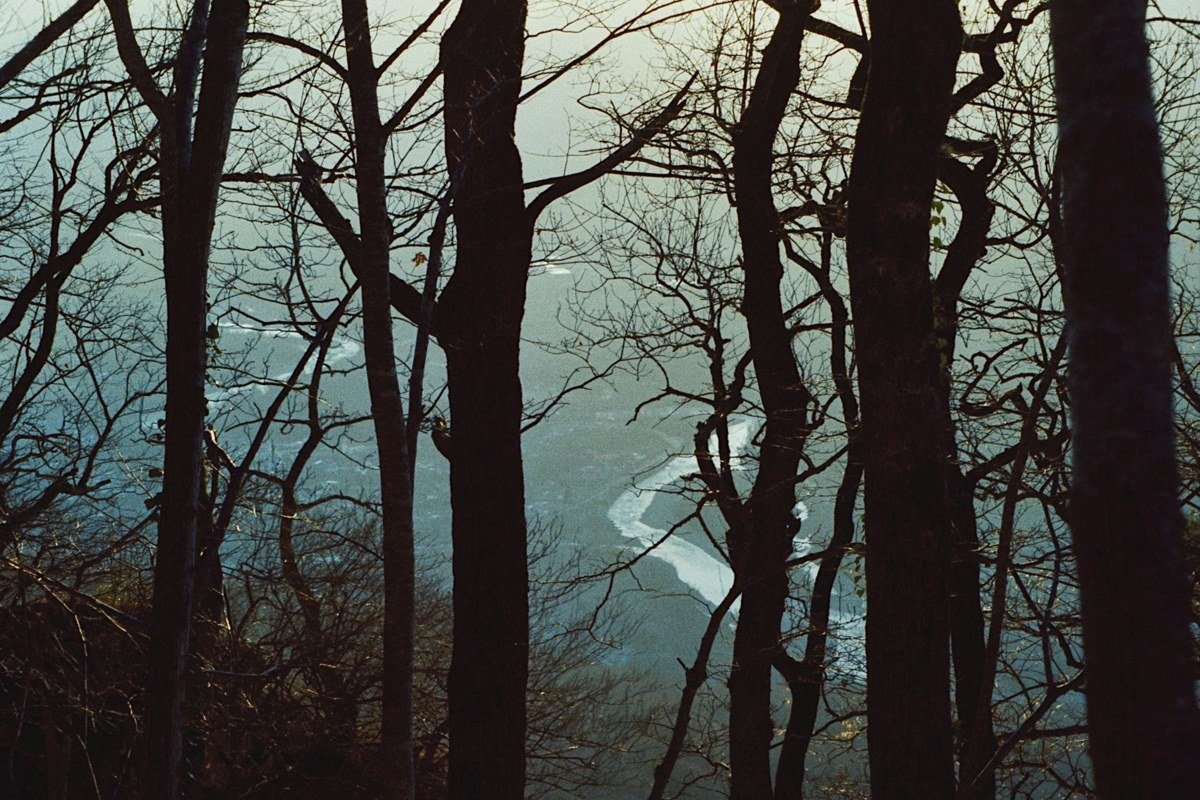
This stretch between Walland and Chilhowee, a half hour or so from Knoxville, catches morning fog pooling in the valley below before spring leaf-out fills in the view. In early April the trees are still bare enough that you see the full fog layer instead of a wall of green, and the parkway’s pullouts (there are several unmarked gravel ones past the main overlook) sit nearly empty at sunrise because this road isn’t on the standard Gatlinburg itinerary. The air up here still has a late-winter bite to it, woodsmoke drifting up from a farmhouse chimney somewhere below the fog line. Go in July and the same spot is pretty but you lose the long sightlines through the bare canopy. The parkway has a history of seasonal and construction-related closures, so check the NPS road status page before you drive out in the dark. There’s nothing worse than a locked gate less than an hour before sunrise.
The Blue Ridge Parkway’s Waterrock Knob, North Carolina – best in late April

Waterrock Knob sits at one of the higher elevations on the southern end of the Blue Ridge Parkway, roughly an hour from Asheville, and late April is when spring wildflowers carpet the slopes while the ridgeline still gets that cold-morning haze. The visitor center parking lot is small and doesn’t tend to fill before mid-morning outside of peak fall weekends, so early risers have the place to themselves. Outside this window you either lose the wildflowers (by June) or deal with lingering ice on the access road (into March). Park at the lower lot if the upper one is gated for the season and walk the extra quarter mile; the climb itself, cold grass soaking through your shoes, is part of the payoff.
Look Rock Tower, Tennessee – best in May
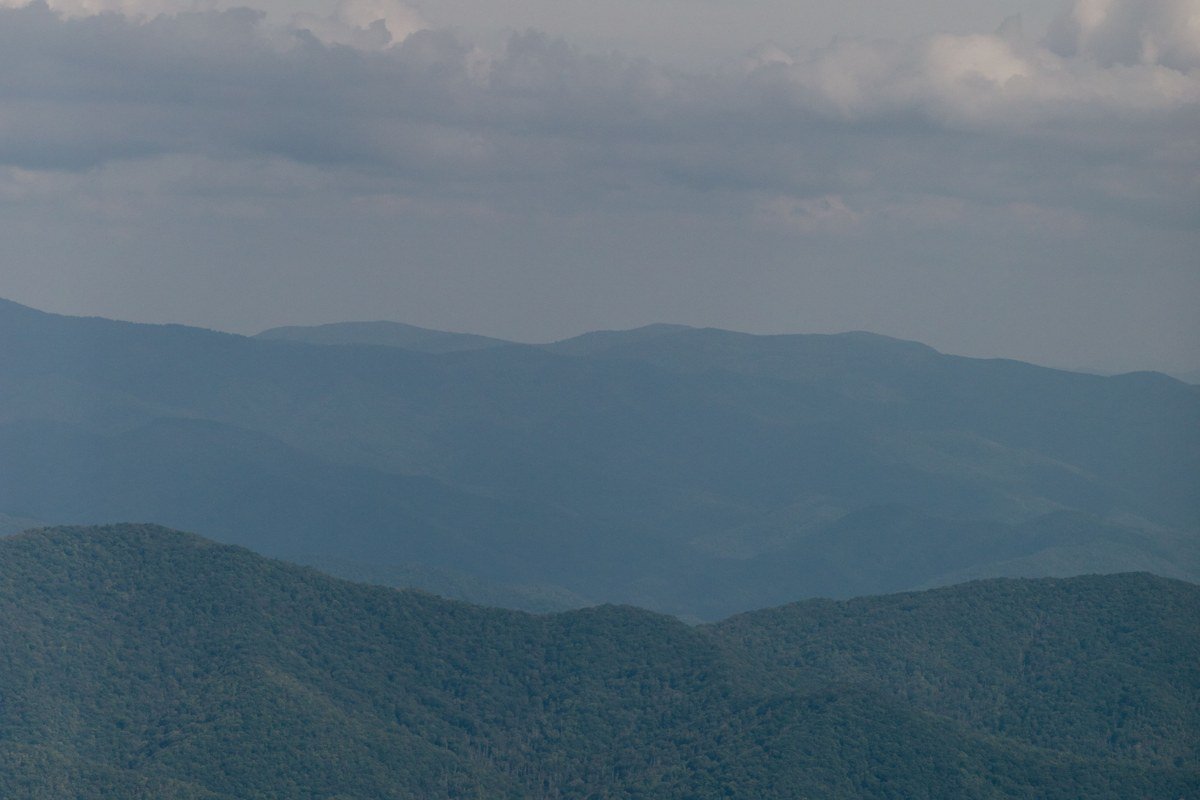
Look Rock is a short, steep half-mile paved walk from its own parking area on the Foothills Parkway, and the fire tower at the top gives a 360-degree view that most day-trippers never bother to find because it requires actually getting out of the car and climbing stairs. May mornings bring warm days and cool nights, the exact recipe for valley fog, without the parking chaos of fall. The metal stairs hum and flex a little underfoot in any wind, so this isn’t the spot if you’re wobbly on open heights. Outside May, summer haze (real haze, from humidity, not the pretty kind) tends to flatten the long-distance views by mid-morning.
Clingmans Dome Road pullouts (not the dome itself), Tennessee/North Carolina – best in early June
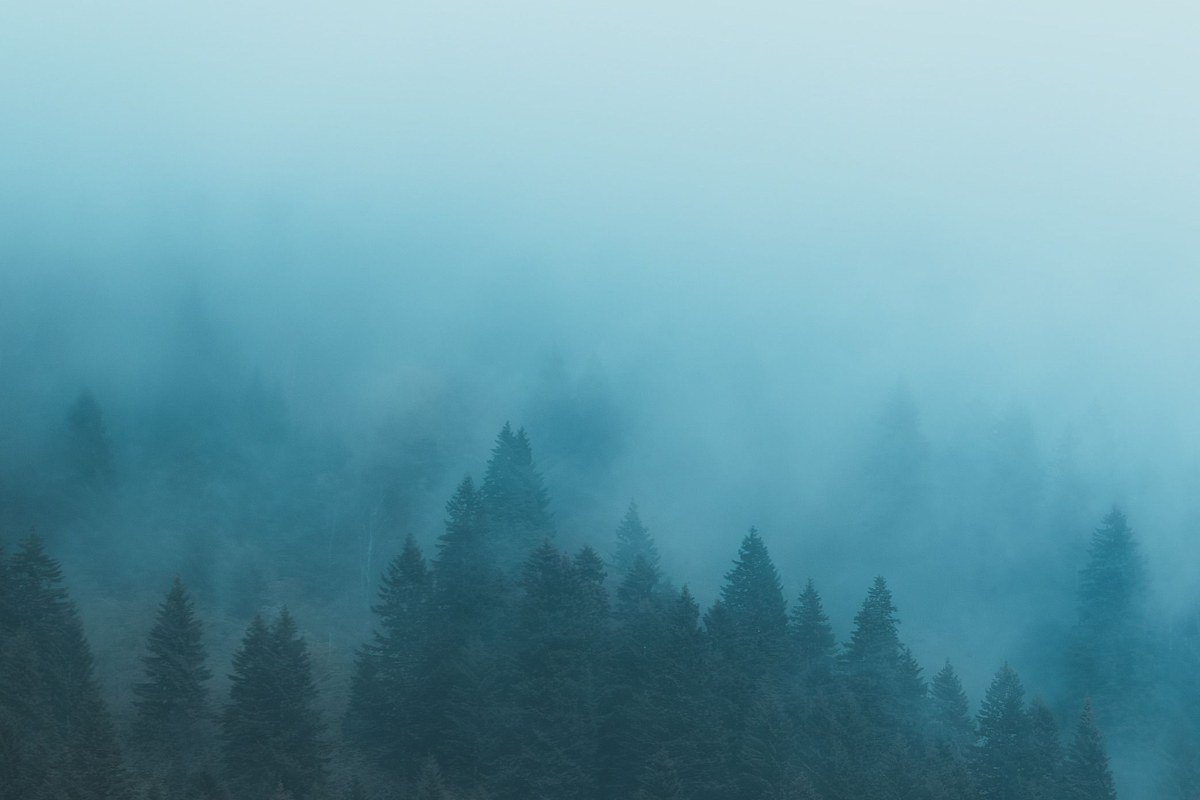
Everyone drives Clingmans Dome Road straight to the parking lot and the paved trail up to the observation tower. Skip that and use one of the unmarked gravel pullouts a mile or two before the main lot instead. In early June the spruce-fir forest at this elevation, among the highest in the park, holds fog in thick ribbons between the trees, and the needles underfoot smell sharp and resinous once the sun starts warming them. Because there’s no “overlook” sign, tour groups drive past without stopping. The road closes seasonally in winter (roughly December through March, weather and conditions dependent; confirm on the NPS road status page), so this window only exists because the road is open, dry, and still quiet before summer vacation traffic starts in late June. Get there well before sunrise if you can, since the single-lane sections make it awkward to pull off once other cars appear.
Heintooga Ridge Road’s Mile High Overlook, North Carolina – best in mid-June
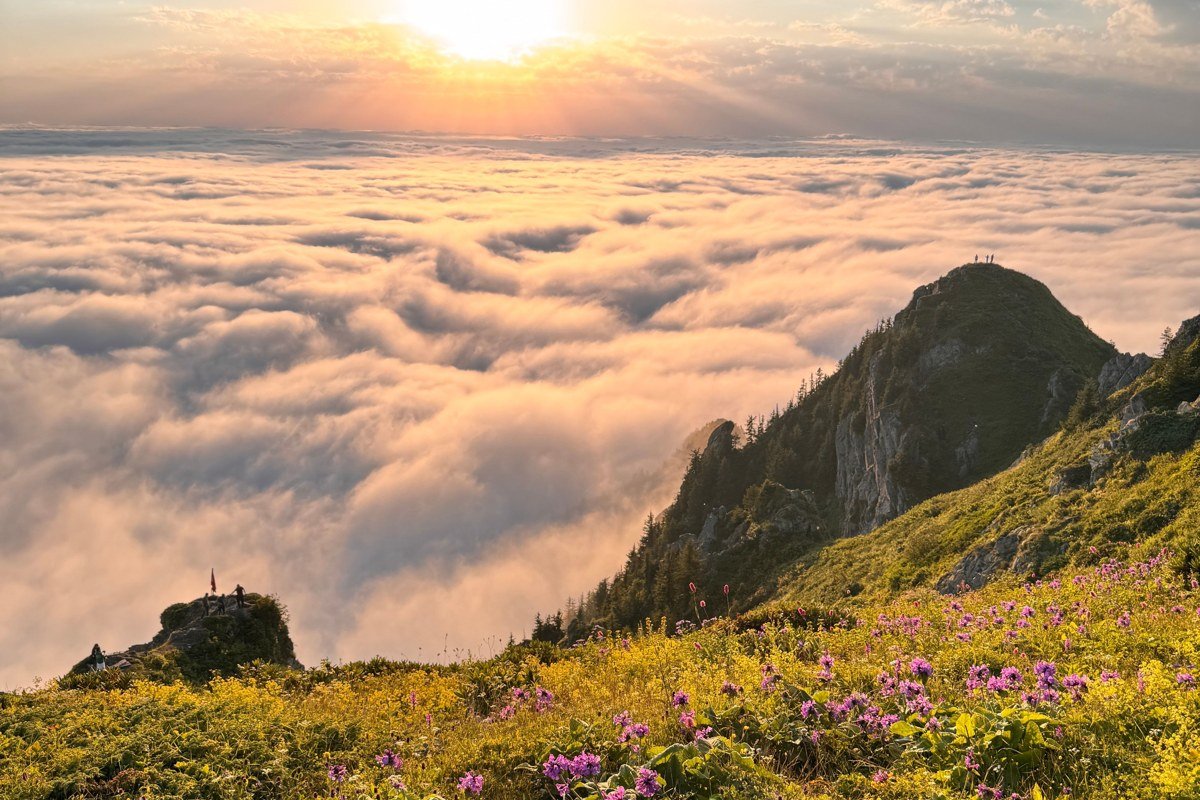
Heintooga Ridge Road branches off the Blue Ridge Parkway near Balsam Mountain, about 90 minutes from Asheville, and it’s gated shut for roughly half the year. Mid-June is the sweet spot: the road has reopened for the season, rhododendron is often still blooming at this elevation, and the overlook earns its name on a good fog morning. Because the road turns to gravel past a certain point and the drive takes real commitment, this pullout almost never sees a tour bus; a ranger at the Balsam Mountain contact station once told me most visitors turn around before they even reach the gravel. Check the NPS road status page before you go, since the opening date shifts year to year with snowpack and maintenance, and don’t attempt it in the dark if you’ve never driven it before. There are no guardrails on some of the curves.
Newfound Gap, Tennessee/North Carolina – best in the first two weeks of October

This is the one everybody already knows, and it earns the hype during the first two weeks of October when fall color arrives at this elevation before it hits the lower valleys. It’s also the spot where the “tour buses skip” premise breaks down, because buses absolutely come here. The trade: arrive early for sunrise in early October and you’ll beat both the buses and the leaf-peeper traffic climbing from Gatlinburg. Show up even a little later during peak color weekends and you’re parking well down the shoulder. If you want the view without the circus, this is the one place on this list worth treating as an exception and just going early.
Looking Glass Rock view from the Blue Ridge Parkway, North Carolina – best in mid-to-late October
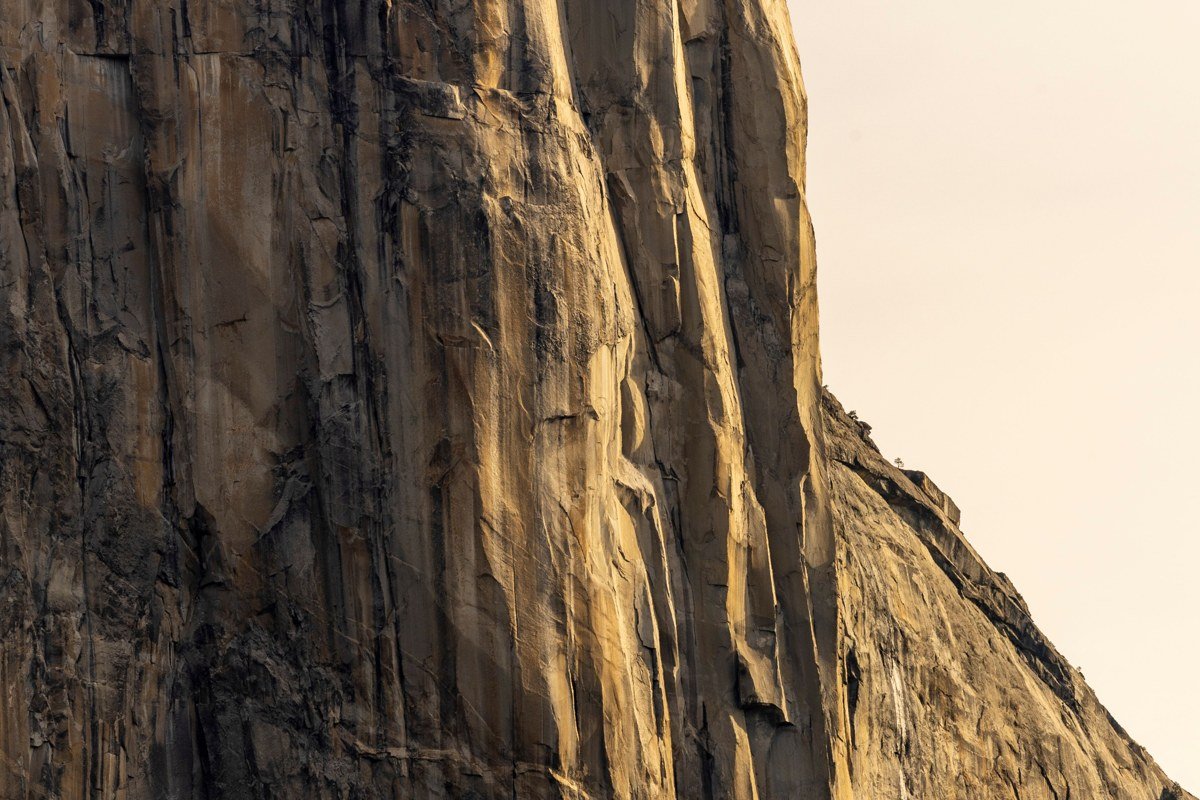
The pullout overlooking Looking Glass Rock’s granite dome, south of Asheville on the parkway, peaks when the hardwoods below finally catch up to the ridgetop color, usually two to three weeks after Newfound Gap peaks. That lag is the whole trick: by the time this overlook is at its best, the crowds have already shifted their attention elsewhere, chasing what they read was “peak” two weeks earlier. The dome itself catches the first light and glows pink-gold against fog still pooled in the valley floor, and on a still morning you can hear the valley waking up well before you can see it. Outside this narrow window the rock just looks like gray stone. There’s no formal lot, just a wide shoulder pullout, so arrive early enough to park fully off the white line.
Max Patch, North Carolina – best in early November
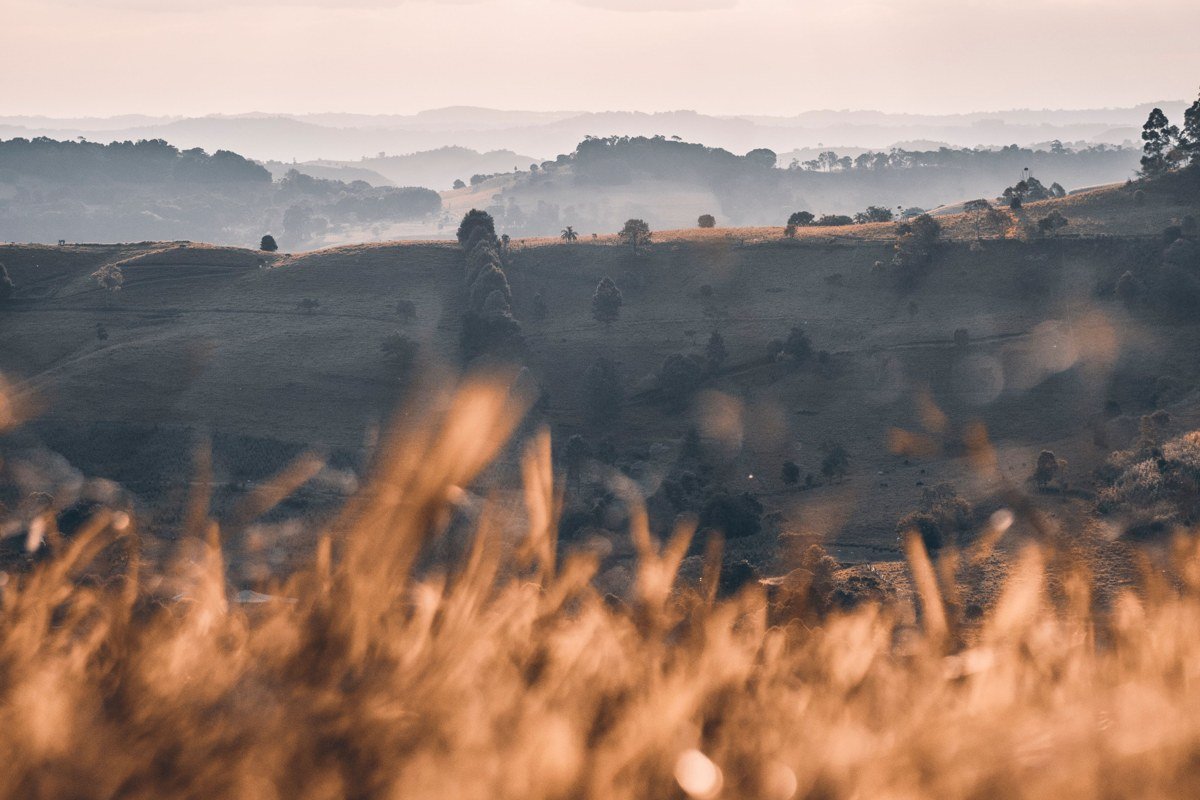
Max Patch is a grassy bald about an hour from Asheville, reached by a short, popular hike from a small gravel lot that has become noticeably overcrowded in recent years, enough that the Forest Service has restricted overnight camping there. Early November is underrated: the leaf crowds have moved on, the grass often carries the first frosts (it crunches, actually crunches, underfoot before the sun hits it), and the 360-degree views catch low fog in the surrounding valleys without summer haze. The lot still fills on weekends, so a sunrise visit on a quiet weekday in early November might be the single best crowd-to-view ratio on this entire list. Bring real layers. Open balds are windy and exposed, and November mornings at this elevation run well below the temperature in the valley towns.
Foothills Parkway East (the “missing link” section near Wears Valley), Tennessee – best in mid-November

The newer eastern stretch of the Foothills Parkway opened within the last several years and still isn’t on most visitors’ mental map of the park. Mid-November, after leaf-peeper season has officially “ended” by the calendar everyone else is using, the bare trees open up long views toward the main range, and the valley fog that gives the mountains their name is often at its thickest and most photogenic, because cold nights have arrived but the deep winter closures haven’t started. This is a short drive, maybe 20 to 30 minutes, from Pigeon Forge, Tennessee, making it absurdly convenient for how empty it stays. The tradeoff is color: there isn’t much left by mid-November, so if you want fog and solitude over orange leaves, this is your trade.
Cataloochee Valley overlook, North Carolina – best in late November through early December
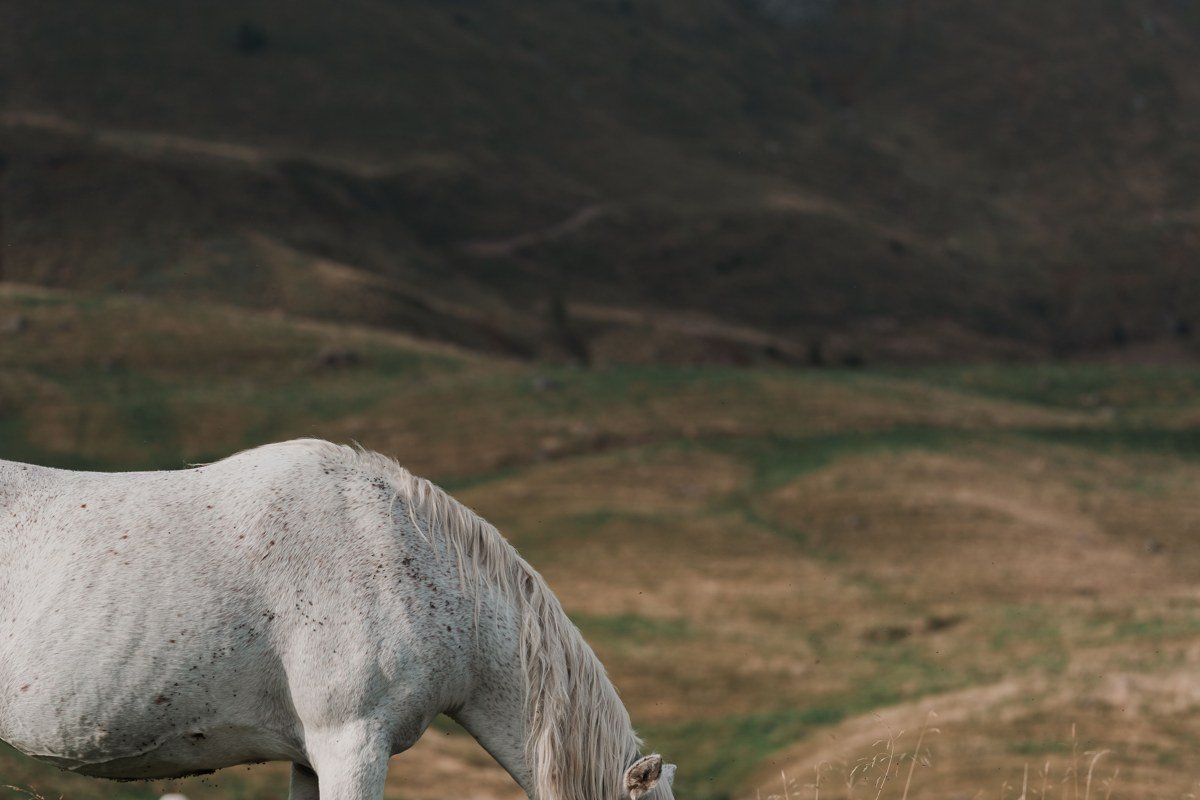
Cataloochee sits down a long, winding gravel-and-pavement road in a remote corner of the park, about two hours from Asheville and genuinely inconvenient to reach, which is precisely why tour operators never build it into a day trip. Late November through early December brings reliable valley fog, frosted meadows, and a real chance of spotting elk moving through the mist as the sun clears the ridgeline, their breath visible before they are. The access road has sections that get rough and occasionally icy this late in the year, so a vehicle with decent clearance matters more here than anywhere else on this list. If you only have energy for one true “overlook tour buses skip” experience, drive time and remoteness included, this is it.
Month-by-month quick picks
- January through March: skip sunrise chasing, most high routes are gated or icy, go hiking at lower elevations instead
- April: Foothills Parkway West (early-mid month), Waterrock Knob (late month)
- May: Look Rock Tower
- June: Clingmans Dome Road pullouts (early month), Mile High Overlook on Heintooga Ridge Road (mid-month)
- July-August: skip it, summer haze flattens most long views by mid-morning regardless of spot
- September: scout trips only, true peak color hasn’t arrived at most elevations yet
- October: Newfound Gap (first two weeks), Looking Glass Rock overlook (mid-late month)
- November: Max Patch (early month), Foothills Parkway East (mid-month), Cataloochee Valley (late month)
- December: Cataloochee Valley, if the access road is clear
Before any of these, check the NPS Great Smoky Mountains road status and closures page and remember the parking tag requirement; a locked gate or an unpaid tag will cost you the sunrise far more reliably than weather will.