
Show up in Moab, Utah the wrong week and you’ll spend your trip squinting into dust, paying triple for a motel room, or standing in a parking lot that filled up before 8 AM. Show up in the right week and the same red rock looks like a different planet, the rivers run at the speed you actually want, and you get a trailhead to yourself. Moab’s whole identity, mountain biking, rafting, climbing, canyoneering, runs on seasons that don’t match the school-holiday calendar most visitors use to plan. This is the order to chase them in.
Fisher Towers, Utah, best in late March
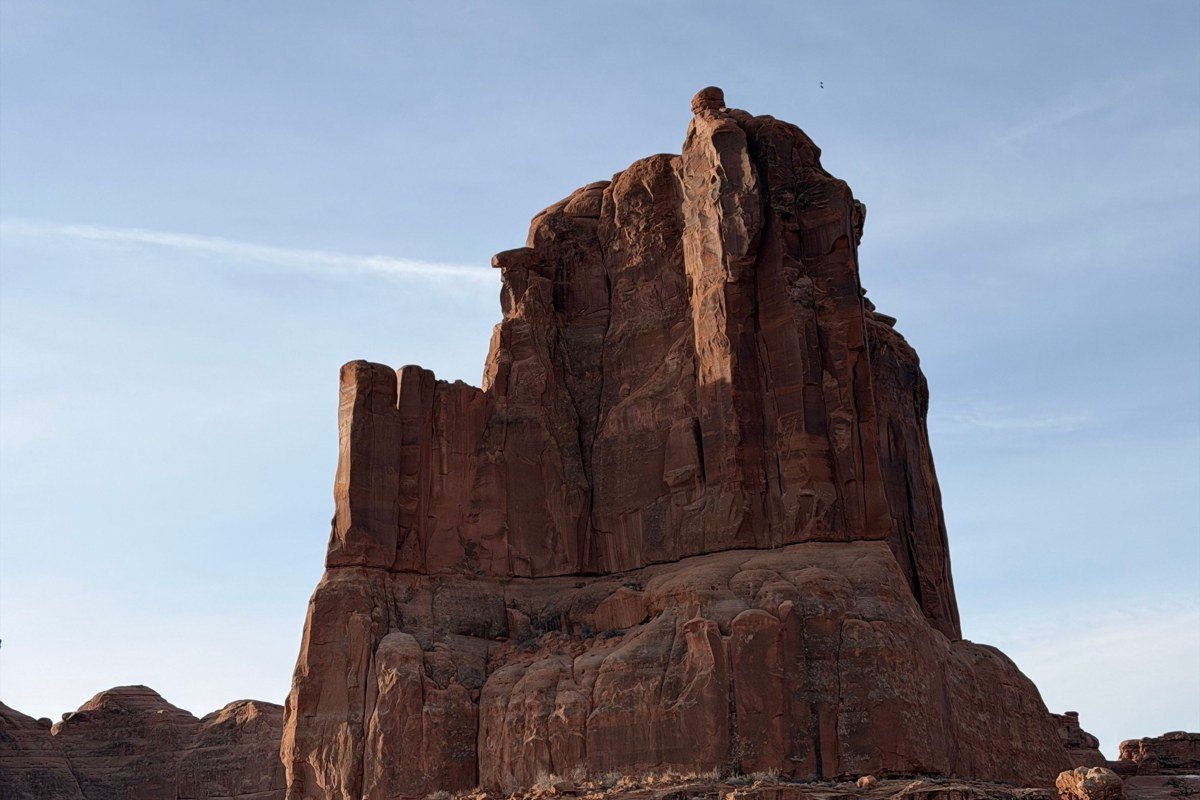
Late March is when the Titan and its neighboring spires catch morning light without the summer haze, and daytime temps on the 4.4-mile loop trail sit in the 60s instead of the 100s. Go in July and you’re hiking exposed sandstone with zero shade in triple-digit heat, which is how people end up needing a rescue. The approach road off Utah 128 (the Colorado River road) is unpaved but graded and fine for a standard car in dry weather. Climbers aiming for the Titan itself should know this is serious, loose rock, multi-pitch terrain, not a scramble, so this season works best as a hiking and photography detour unless you’re already roped up for bigger objectives elsewhere.
Fruita, Colorado (Kokopelli Trails), best in early April, as a day trip
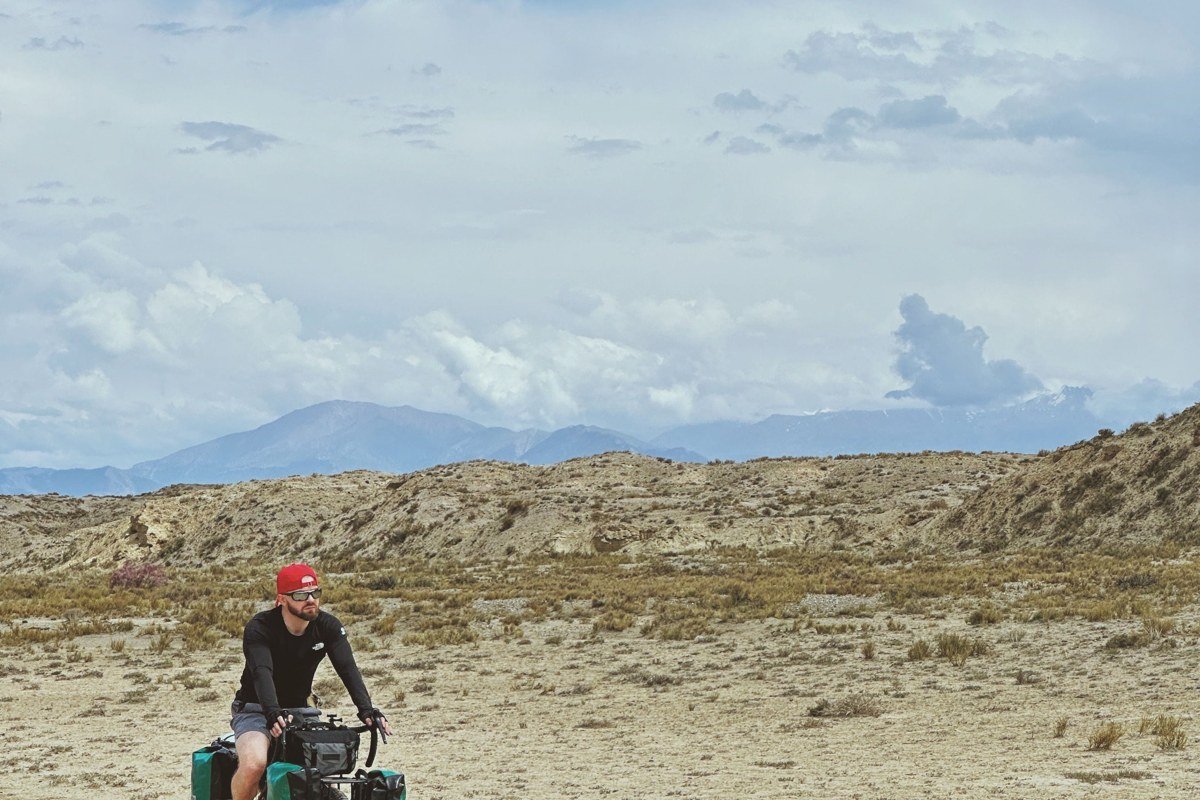
Fruita sits about an hour east of Moab on I-70, close enough that it doesn’t need its own lodging plan. Ride it as a day trip out of Moab, not a separate base. Early April puts dirt in that perfect tacky window, firm enough for speed, not yet the bone-dry hardpack of June, and riders use this cluster of trails as the warm-up or the overflow valve when Moab’s Slickrock Trail is slammed with spring break traffic. Wait until late May and you’re riding in afternoon heat that saps you by mile six. Book your shuttle or bike shop rental a few weeks out if you’re coming during Utah’s or Colorado’s spring break weeks, because that’s when every rental fleet in the region is spoken for.
Colorado River (Fisher Towers to Moab), Utah, best in mid-April through May
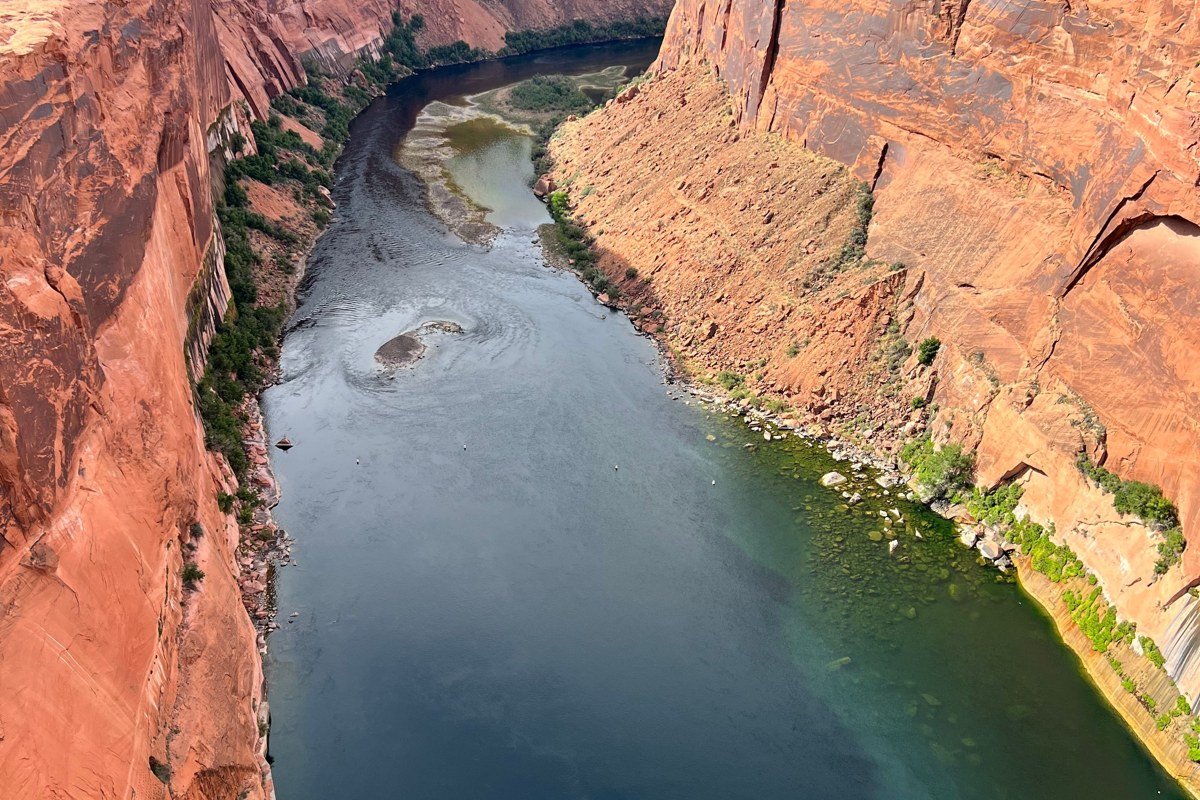
This is the stretch of Highway 128 the guidebooks call one of the best drives in the country, and it doubles as the put-in for an easy, scenic float that doesn’t require permits or whitewater experience, the kind of half-day trip outfitters run constantly out of downtown Moab. Mid-April through May catches spring runoff, so the current has enough push to make the float feel alive without the raft-flipping chaos of peak snowmelt further upstream on bigger rivers. By July the flow drops and it’s more of a lazy paddle, which some families actually prefer. Drive the river road itself around 9 AM or after 3 PM, the canyon walls catch the light best at those hours and the road is narrow enough that you don’t want to be fighting sun glare on the curves.
Arches National Park (the parts everyone skips), Utah, best in late April
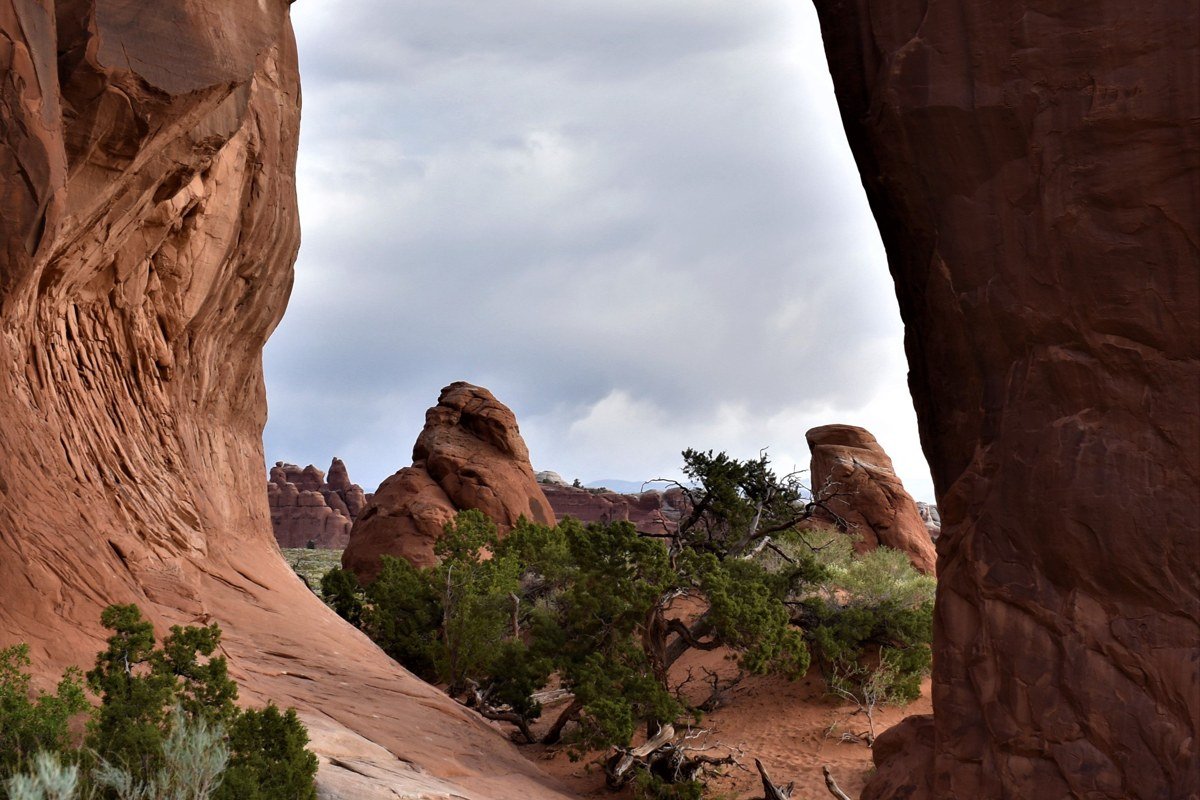
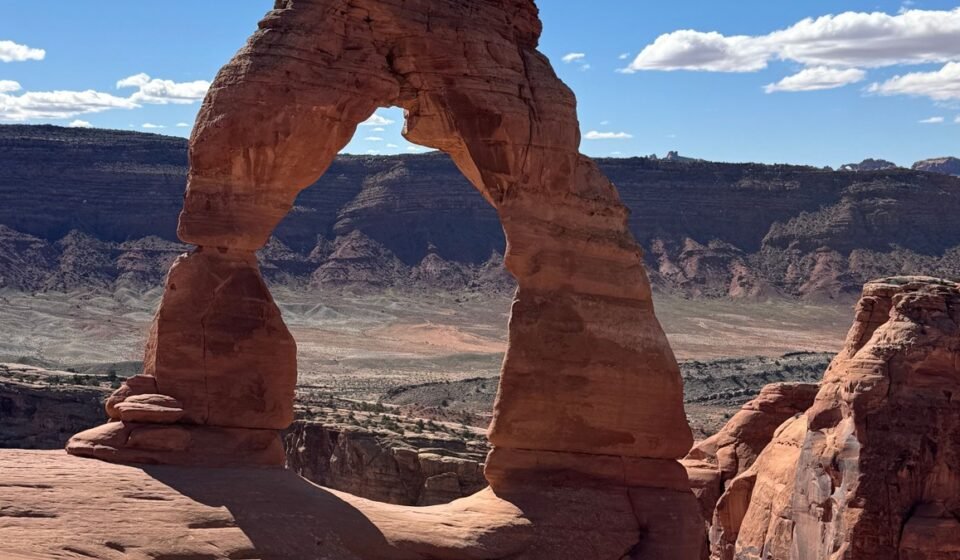
Arches is six miles from downtown Moab and it’s what most people mean when they say they’re “doing Moab,” but late April gives you something most visitors never experience there: short lines at the entrance and actual parking at trailheads past Double Arch. The park now runs a timed-entry reservation system during the busiest stretch of the year, and missing that window means circling the entrance road for a slot that may not open up. Go in June or July instead and you’re hiking slickrock in 100-plus heat with a packed lot at every pullout. If you want the park without the reservation headache, aim for a weekday in late April and arrive before 8 AM.
Canyonlands National Park (Island in the Sky), Utah, best in May
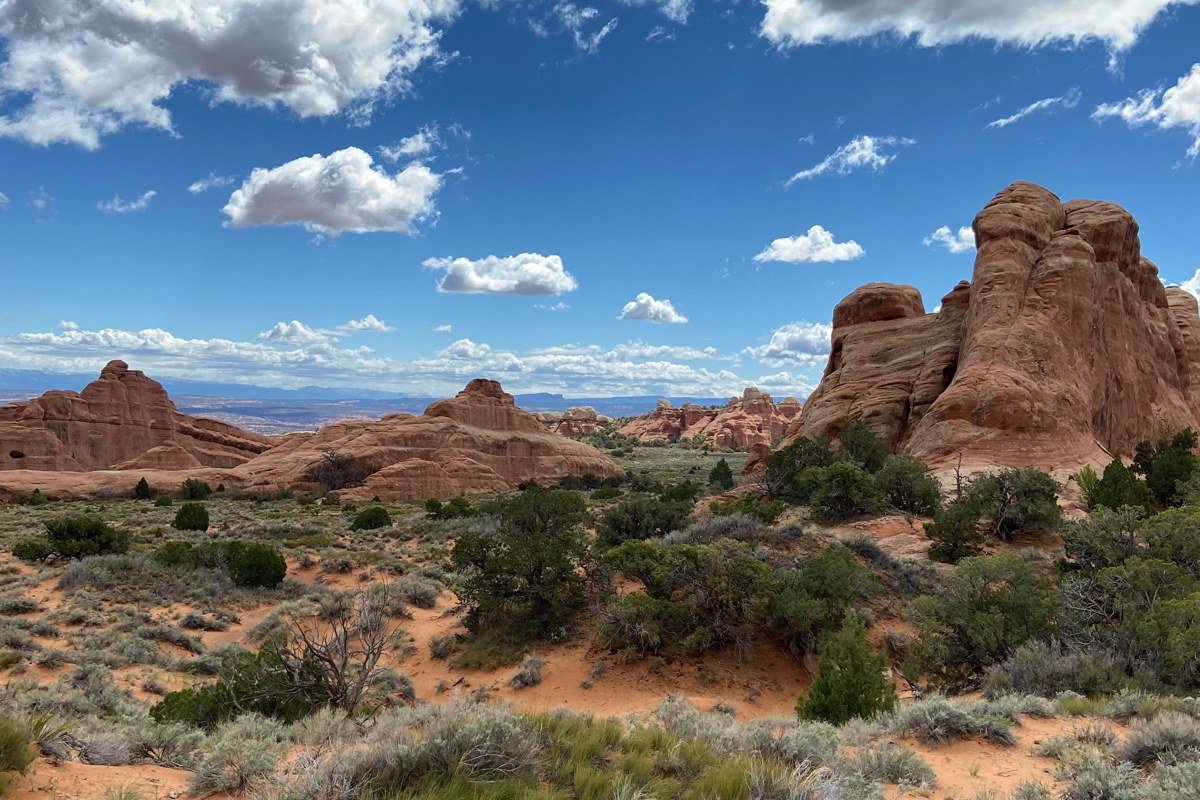
Canyonlands sits 32 miles from Moab, reached by paved Utah 313 off Highway 191, and it gets a fraction of Arches’ crowds despite arguably bigger views. May delivers clear air and wildflowers in the washes before summer haze sets in, and the Island in the Sky mesa-top roads stay comfortable for the longer overlook hikes like Mesa Arch and Grand View Point. The other access, Utah 279 along the Colorado River toward Dead Horse Point, is partly backcountry dirt and not the route for a sedan after rain. No entrance reservation is required here the way it increasingly is at Arches, which alone makes May at Canyonlands the better call for anyone who hates planning around a timed slot.
Moab’s via ferrata and canyoneering routes, Utah, best in early June

Early June threads the needle between spring wind and full summer heat, and it’s prime time for the area’s guided via ferrata routes and technical canyoneering trips through slot canyons outside town. Outfitters like Moab Adventure Center and Desert Highlights run half-day and full-day trips with gear included, which matters because via ferrata cabling and canyoneering rappel anchors are not something to improvise. A guide at one Main Street shop put it plainly when I asked about DIY rappelling: “People think it’s hiking with a rope. It’s not. The anchors are the whole trip.” Push into July and August and you’re doing exposed rock climbing moves in heat that turns metal rungs into a frying pan. Book guided trips at least a week ahead in early June, this is also graduation and early-summer travel season and the good outfitters fill fast.
Highline season near Moab, Utah, best in mid-June
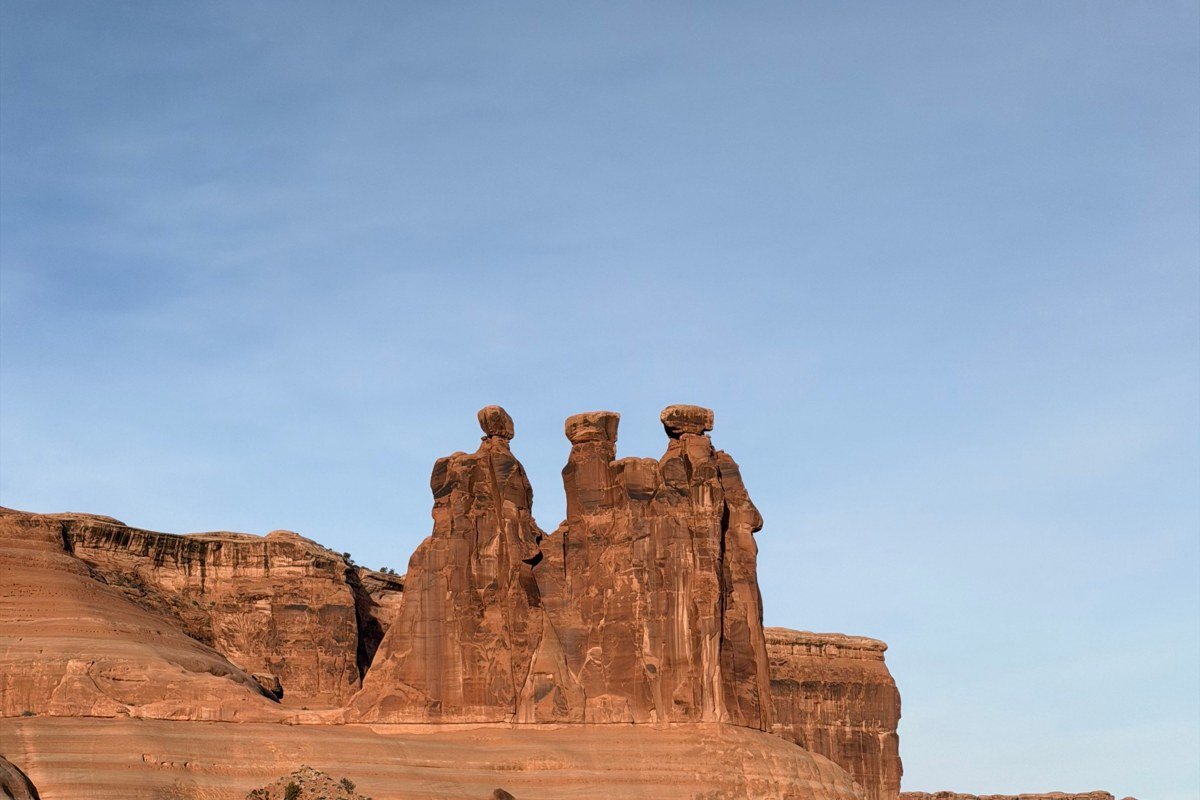
Moab has a real reputation in the highlining and BASE jumping communities, and mid-June brings the stable high-pressure weather window these disciplines need, low wind, predictable thermals, clear exits. This is not a beginner activity, and it’s not one to improvise your way into watching, either: wandering off-trail near an active exit point is how spectators get in the way or get hurt. The reliable legal vantage point is the overlook at the Fisher Towers trailhead itself, where lines are sometimes rigged between the formations and visible from the established trail without trespassing onto climbing anchors. For current conditions and etiquette, the Moab Area BASE and highline community coordinates informally through local gear shops rather than any official hotline, so asking in person beats searching online. Fall brings its own jump window too, but June’s longer, stiller days are when the community is most active.
Westwater Canyon, Utah, best in July
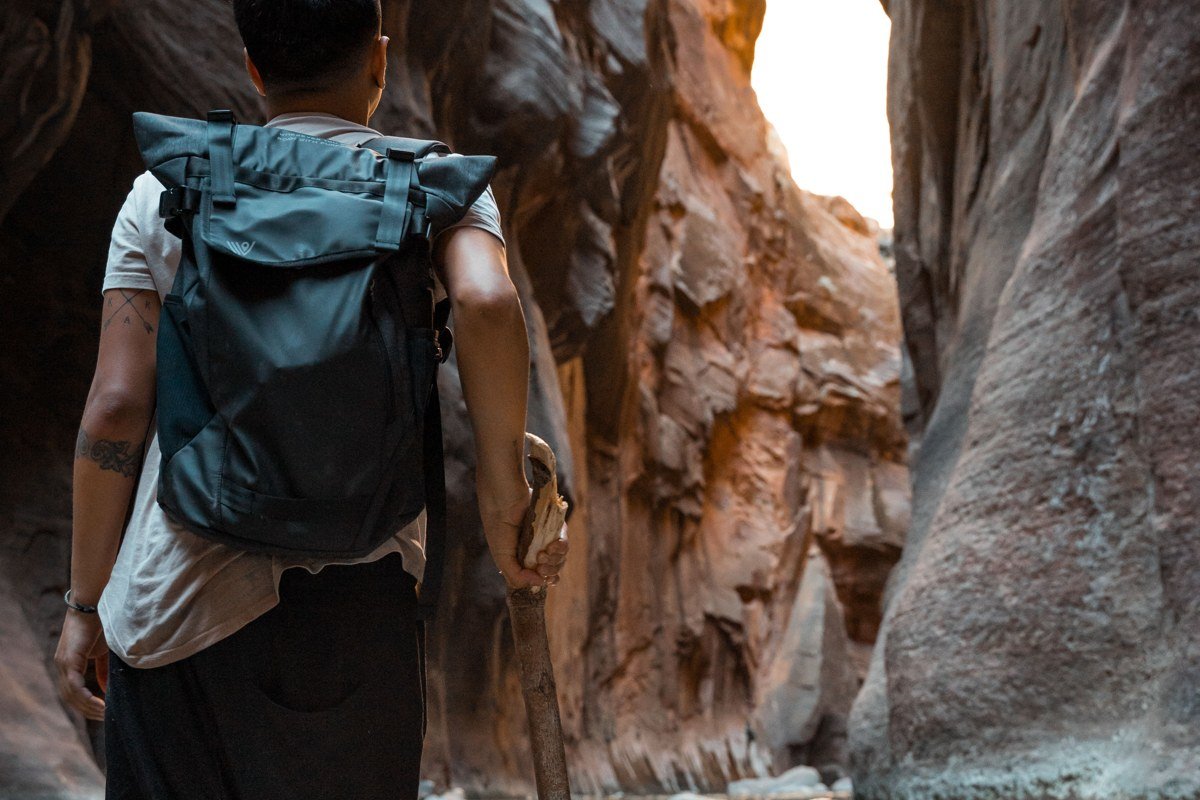
Westwater is the serious whitewater below Fisher Towers’ mellow float, Class III-IV rapids through a granite-walled gorge, and it runs on a permit system managed separately from the park permits everyone fixates on. July is when outfitters consistently run full-day trips here with reliable flows and warm enough water that an unplanned swim isn’t miserable. Outside summer, flows get unpredictable and cold water turns a flip into a real hazard. Private-boater permits go through the BLM’s lottery, with applications due in January for the following season, so this is not a trip you book the week you arrive in Moab. Hire an outfitter if you missed the lottery window; commercial trips run on separate allocations and can often still get you on the water.
Moab Folk Festival, Utah, best in late October
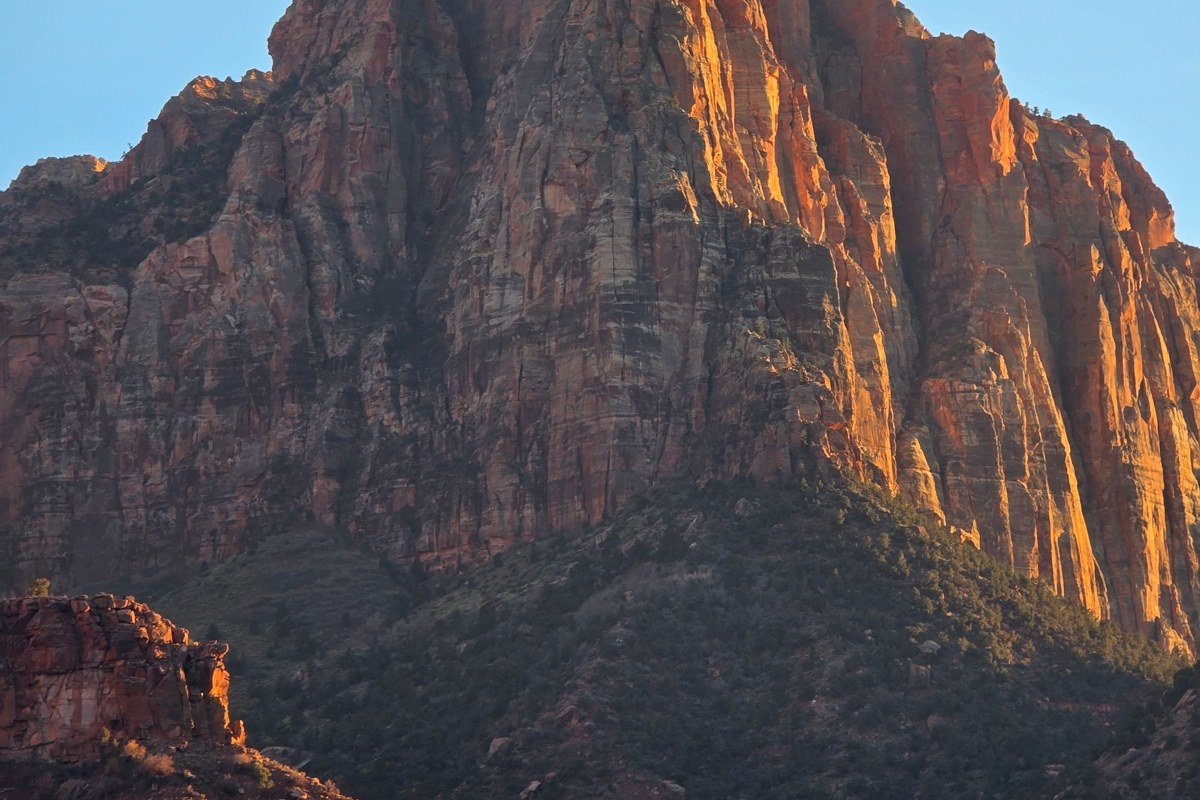
The Moab Folk Festival runs in late October (check the current year’s exact dates, since the festival has shifted between late October weekends in recent years) and lines up cooler desert evenings with the tail end of the area’s most comfortable hiking temperatures, a stretch locals consider the best-kept secret of the year. Lodging prices ease off their summer peak and the brutal heat that defines June through August has finally broken, so this is also when Arches and Canyonlands become genuinely pleasant again without needing to beat the sunrise crowds. Push into November and you risk early cold snaps and shorter daylight cutting hikes short. Check the festival’s own listings before you book, since a festival weekend changes room availability fast and the exact dates move year to year.
Dead Horse Point State Park, Utah, best in late September
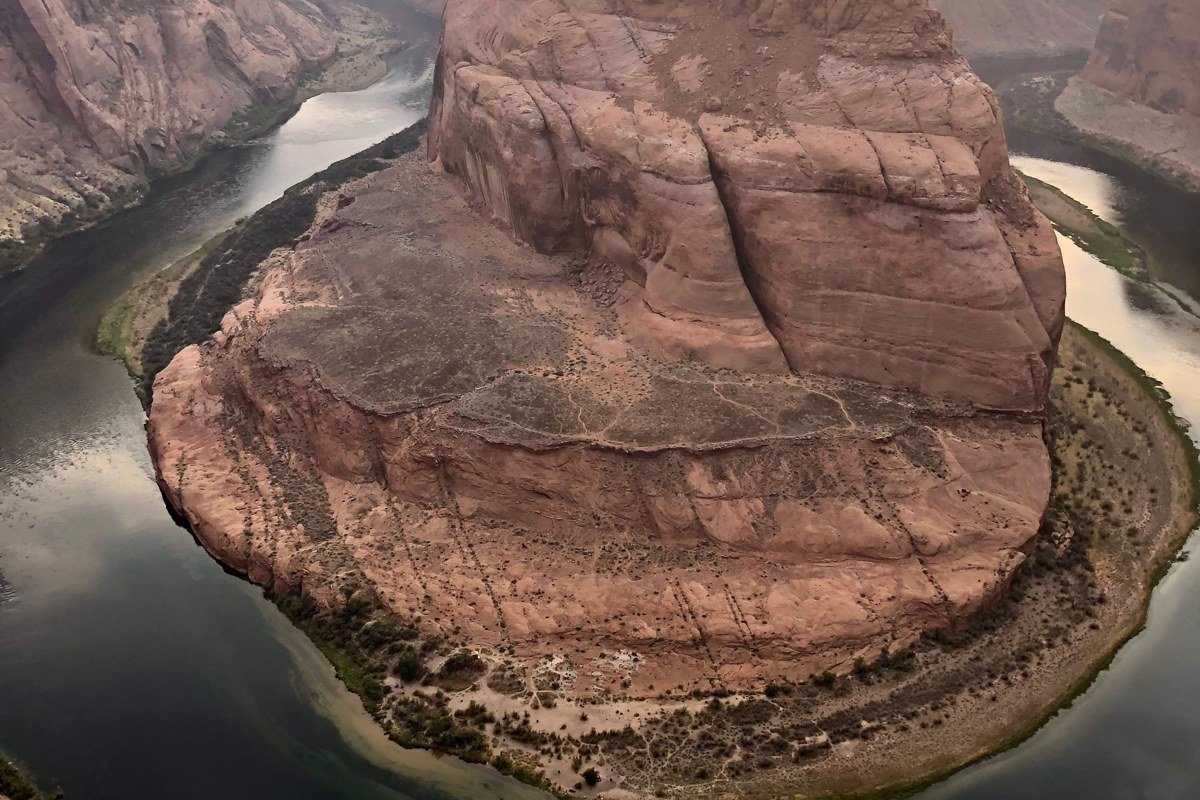
Late September gives you the postcard shot, the Colorado River’s gooseneck bend 2,000 feet below the rim, without summer’s haze or heat shimmer softening the view. This park sits off Utah 313 on the way to Canyonlands, easy pavement the whole way, and it’s criminally underused compared to the national parks nearby despite having one of the best overlooks in the entire region. Go at midday in August and the light flattens the canyon into a washed-out photo; go at sunset in late September and it’s the shot everyone’s Pinterest board is missing. Entrance runs $20 per vehicle, no reservation system, no timed entry, which alone makes it the detour to default to when Arches’ entrance line is backed up.
Month-by-month pick
- January: skip outdoor adventure, apply for the Westwater permit lottery instead (applications close this month)
- February: quiet shoulder season, good for budget lodging and short hikes
- March: Fisher Towers hiking and photography
- April: Kokopelli trails near Fruita, Colorado (day trip), plus early river floats
- May: Canyonlands Island in the Sky
- June: via ferrata, canyoneering, and highline season
- July: Westwater Canyon whitewater (permit required, book ahead)
- August: hottest month, early morning only, hydrate hard or stay low-key
- September: Dead Horse Point State Park at sunset
- October: Moab Folk Festival, best all-around hiking weather
- November: shoulder season climbing and mountain biking before cold sets in
- December: quiet, cold, good for a slower trip and holiday lodging deals