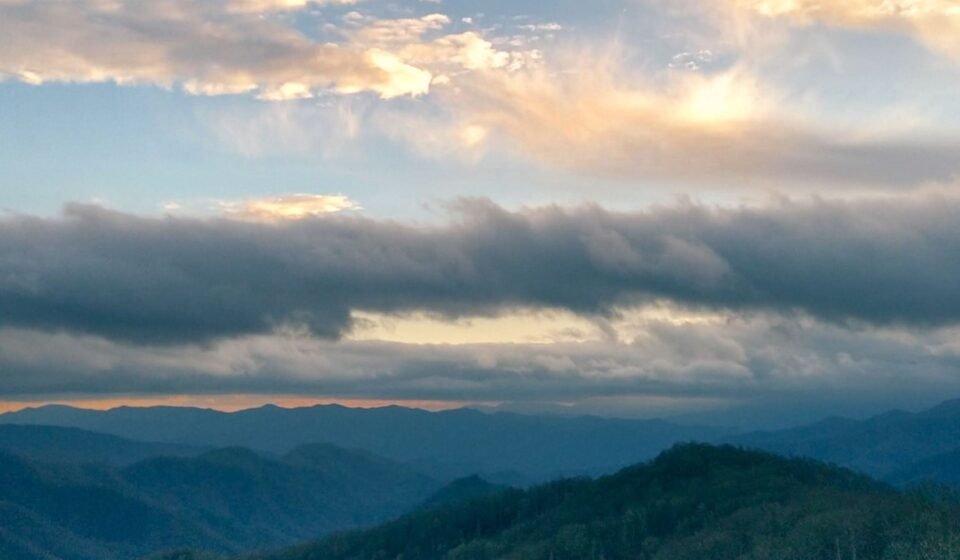

The best Smoky Mountains sunrise is the one where you can’t tell fog from cloud from mountain, and everything below the ridgeline has simply dissolved.
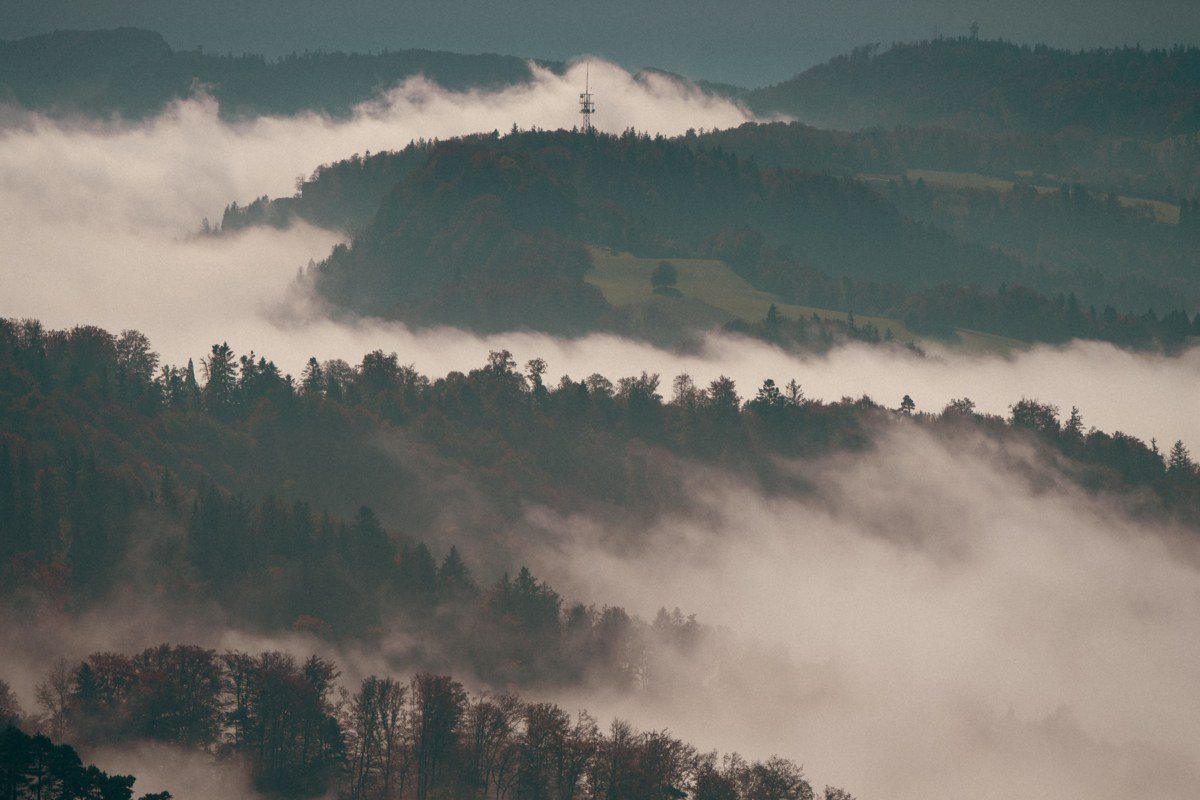
That dissolving effect is not luck. The Smokies get their name and their namesake haze from a particular kind of humidity trap: warm, moist air rises off the forest canopy and the rivers in the valley bottoms, then cools overnight and pools as fog once temperatures drop. Add in a cold front, a damp summer night, or the first chilly mornings of October, and you get temperature inversions where the valleys fill with cloud while the high ridges stay clear. Stand on the right overlook at the right elevation and you’re above the weather, watching it move like paint across the lower slopes.
This happens most reliably in late spring through early fall, especially after rain, and again in autumn when cold nights follow warm days. Winter mornings can be spectacular too, but roads to the highest overlooks sometimes close with ice. Sunrise itself shifts by season: plan on roughly 6:45 a.m. in early June, closer to 6:30 a.m. around the summer solstice, and as late as 7:40 a.m. by late October. Check the exact time for your dates before setting an alarm, since a 20-minute miscalculation is the difference between watching the inversion form and just watching a sunny valley.
One more planning note that applies park-wide: the Great Smoky Mountains National Park now requires a paid parking tag for any vehicle parked longer than 15 minutes, at every lot and pullout covered below. Daily, weekly, and annual tags are available online and at visitor centers; keep one visible on the dashboard before you set off at 5 a.m., since rangers do check overlook lots in the early morning.
The high spine: Newfound Gap and Clingmans Dome
This cluster sits along the park’s main crossing road, US-441, which connects Gatlinburg, Tennessee to Cherokee, North Carolina. It’s the most visited part of the Smokies and also the highest, which is exactly why it delivers the most dramatic fog shows.
Clingmans Dome, Tennessee/North Carolina
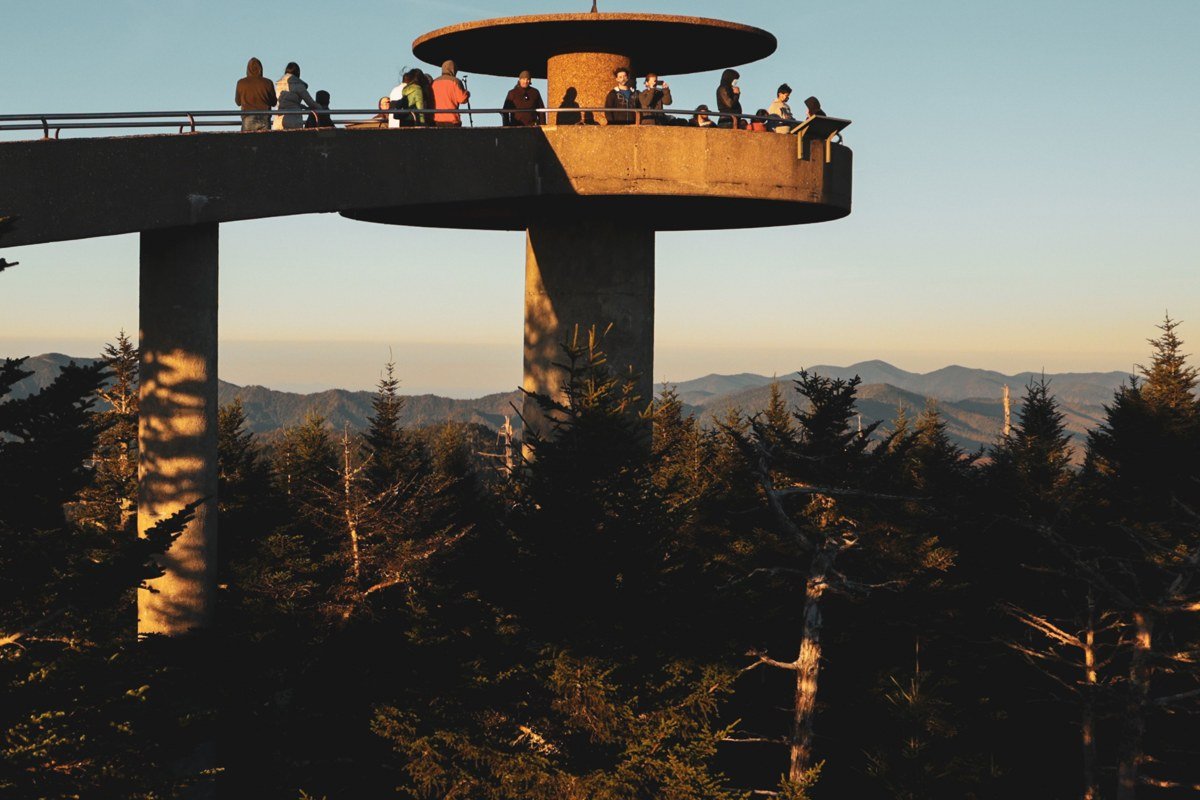
At 6,643 feet, Clingmans Dome is the highest point in the park and one of the few spots where you can stand above a true cloud inversion rather than just watching fog in the distance. The paved but steep half-mile trail to the tower gains about 330 feet, and it’s worth doing in the dark with a headlamp and a grippy pair of trail shoes or boots, not sandals or worn-down sneakers; the pavement is often damp and slick with condensation before sunrise, and ice can linger into April on the shadier stretches. The summit itself, not just the parking area, is where the view opens up, so don’t stop short.
The access road closes seasonally, typically from early December through late March, so this one is a warm-weather and shoulder-season play only. Parking fills fast even before dawn in October; arrive at least 45 minutes before sunrise, and have your parking tag displayed, since this lot is one of the most frequently checked in the park. In summer, bring a layer: it’s routinely 10 to 15 degrees cooler at the summit than in Gatlinburg, and standing still in pre-dawn wind at 6,643 feet feels colder still.
Pair it with: Newfound Gap, a 15-minute drive down the mountain.
Newfound Gap, Tennessee/North Carolina
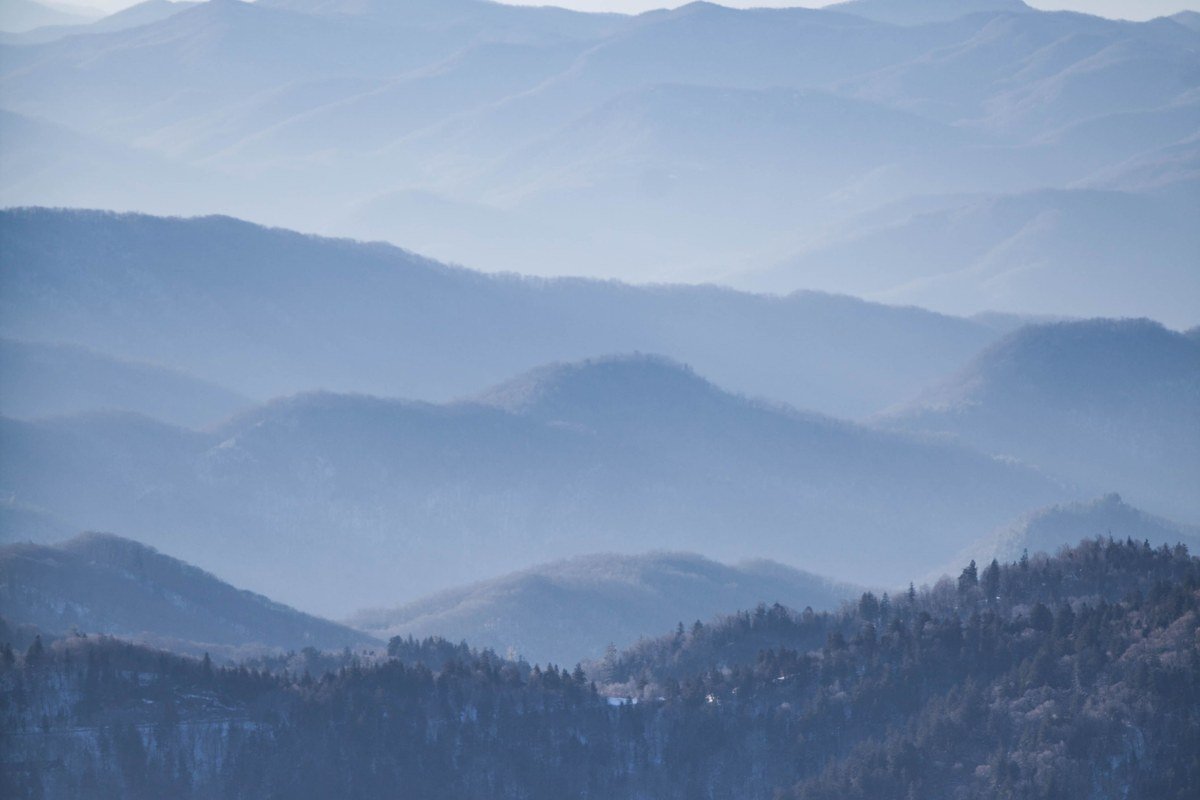
This is the most famous Smoky Mountains sunrise point precisely because it requires the least effort: a large paved overlook right on US-441 at 5,046 feet, straddling the Tennessee-North Carolina line. On a good inversion morning, the valleys on both sides fill with fog while the parking lot itself stays clear and startlingly cold. It’s also the spot where crowds are heaviest, since tour vans and photographers both know about it, so claim a spot at the rock wall early and expect to share it. Some visitors find it too crowded for a quiet moment, and they have a point if solitude is the goal, but no other roadside pullout in the park delivers this view with zero hiking required.
Pair it with: Clingmans Dome, 15 minutes up the spur road.
The quiet eastern approach: Cataloochee and Big Creek
Fewer people make the drive to this corner of the park in North Carolina, which is reached via back roads rather than the main highway. That isolation is the whole appeal. It’s roughly a 40-minute drive from Maggie Valley, North Carolina, or about 50 minutes from Gatlinburg if you’re willing to cross the mountain first.
Cataloochee Valley Overlook, North Carolina
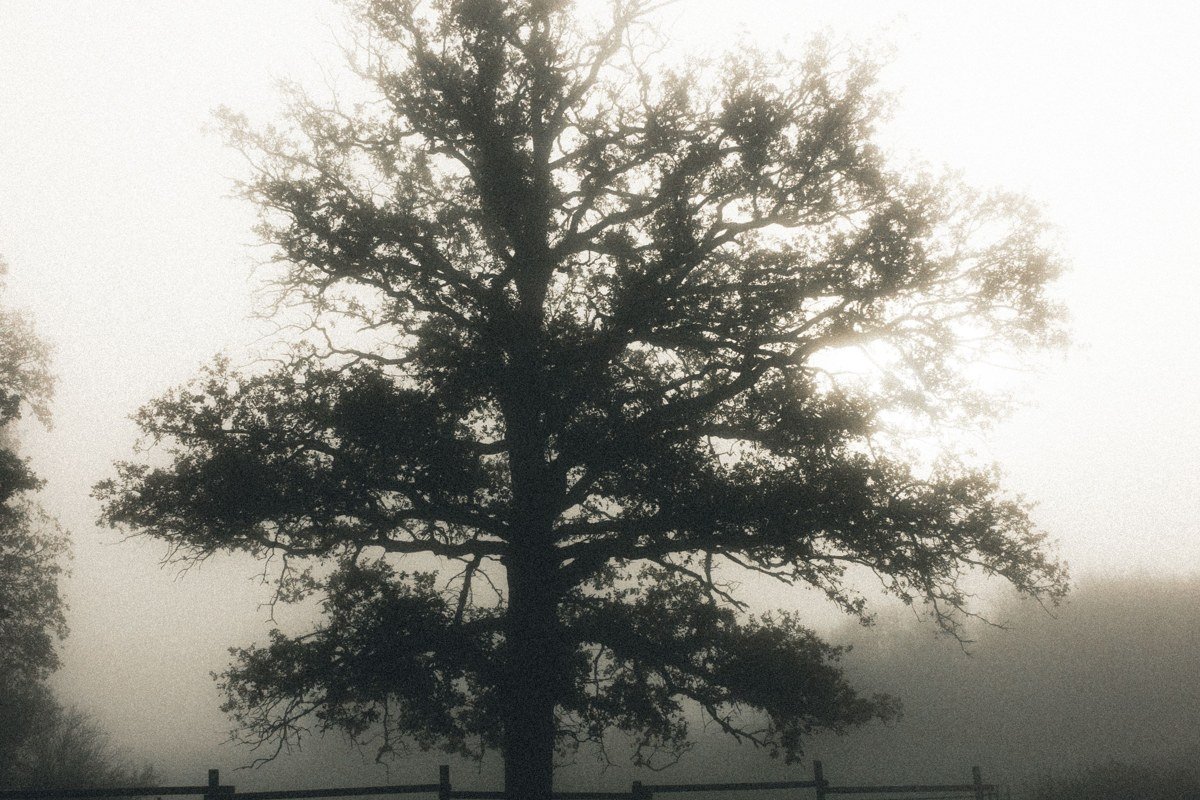
The gravel road down into Cataloochee is narrow, slow, and closed to RVs and trailers, which keeps the crowds thin even in peak leaf season; budget extra time and go slow on the switchbacks in the dark. Fog tends to settle thick and low in this bowl-shaped valley, wrapping around the old homestead buildings, the restored Palmer Chapel, and the elk herd that grazes here at dawn. This is less a single overlook than a slow, scenic descent where you pick your own pullout along the road once the valley floor comes into view below you. Elk are most active at first light, so keep a long lens or binoculars handy, and keep your distance; rangers patrol for anyone approaching the herd.
Pair it with: Big Creek, about 25 minutes away via back roads.
Big Creek, North Carolina
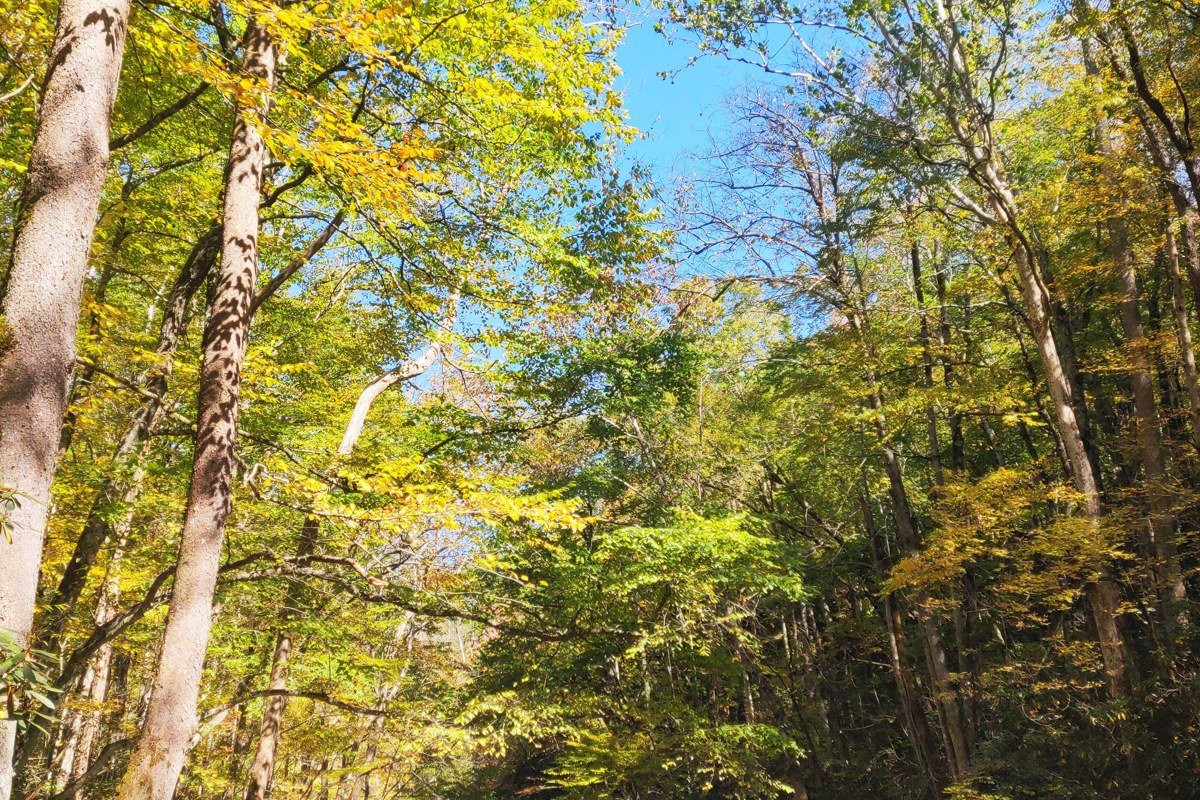
Big Creek is a sunrise hike more than an overlook: a gentle trail along a cold, fast creek where mist rises directly off the water rather than filling a valley below you. It’s intimate rather than panoramic, best for photographers who want fog wrapped around rhododendron and old-growth trunks instead of a wide mountain view. The trail surface is packed dirt and exposed roots, uneven enough that a headlamp alone isn’t quite enough; bring a handheld flashlight too and wear trail shoes with real tread, since the footing near the creek stays damp year-round. The trailhead parking is small and unpaved, so this is a spot where arriving before first light matters for a parking space, not just the light.
Pair it with: Cataloochee Valley, the better choice if you want elk and open sky in the same morning.
The ridge-top drive: Foothills Parkway
Foothills Parkway runs along the park’s western edge in Tennessee, and unlike the crowded main corridor, it was built specifically for views. The Spur section was expanded in recent years, opening new overlooks that many visitors still don’t know about.
Look Rock Tower, Tennessee
Look Rock sits along the parkway’s western stretch, about a 45-minute drive from Townsend, Tennessee, with a half-mile uphill walk from the parking area to the tower itself. The payoff is a 360-degree view where you can watch fog form simultaneously in multiple valleys, not just one. This is one of the least crowded sunrise spots in the entire park because it’s far from both Gatlinburg and Cherokee, which is its main draw.
Pair it with: the Foothills Parkway Spur overlooks, about 20 minutes north.
Foothills Parkway Spur Overlooks, Tennessee
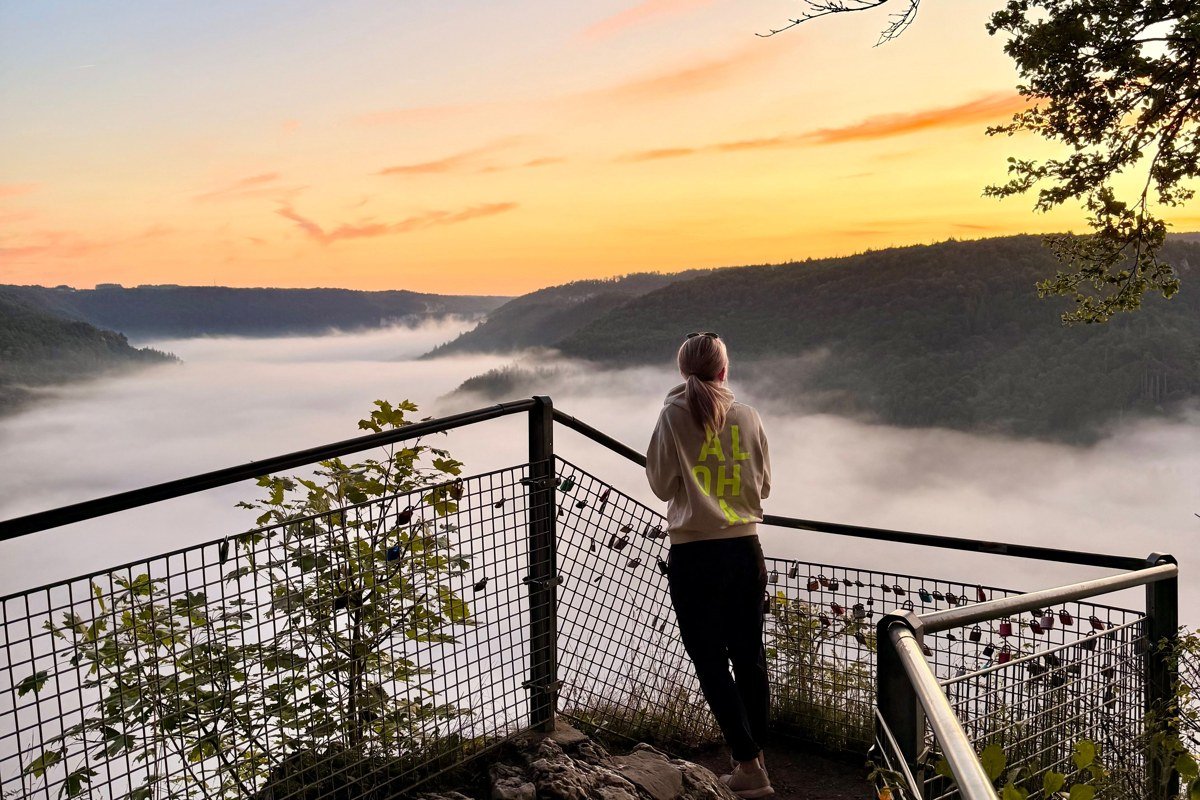
The Spur connects the parkway to Walland, Tennessee, and its overlooks face east in a way that catches first light directly, with gold breaking through blue-gray fog layers in classic, widely photographed fashion. Pullouts here are small, holding only a handful of cars, so this works best as a weekday trip or for a party willing to split up. It’s also one of the few stretches where you can realistically catch both sunrise and, later, a very different but equally good sunset without moving far.
Pair it with: Look Rock Tower, 20 minutes south for a higher vantage point.
Where to actually watch it from Gatlinburg
Not everyone wants a pre-dawn mountain road. This cluster covers the in-town and near-town options, good for families, early risers without a rental car built for gravel, or anyone staying at a cabin on the edge of town who wants a short drive.
Anakeesta, Tennessee
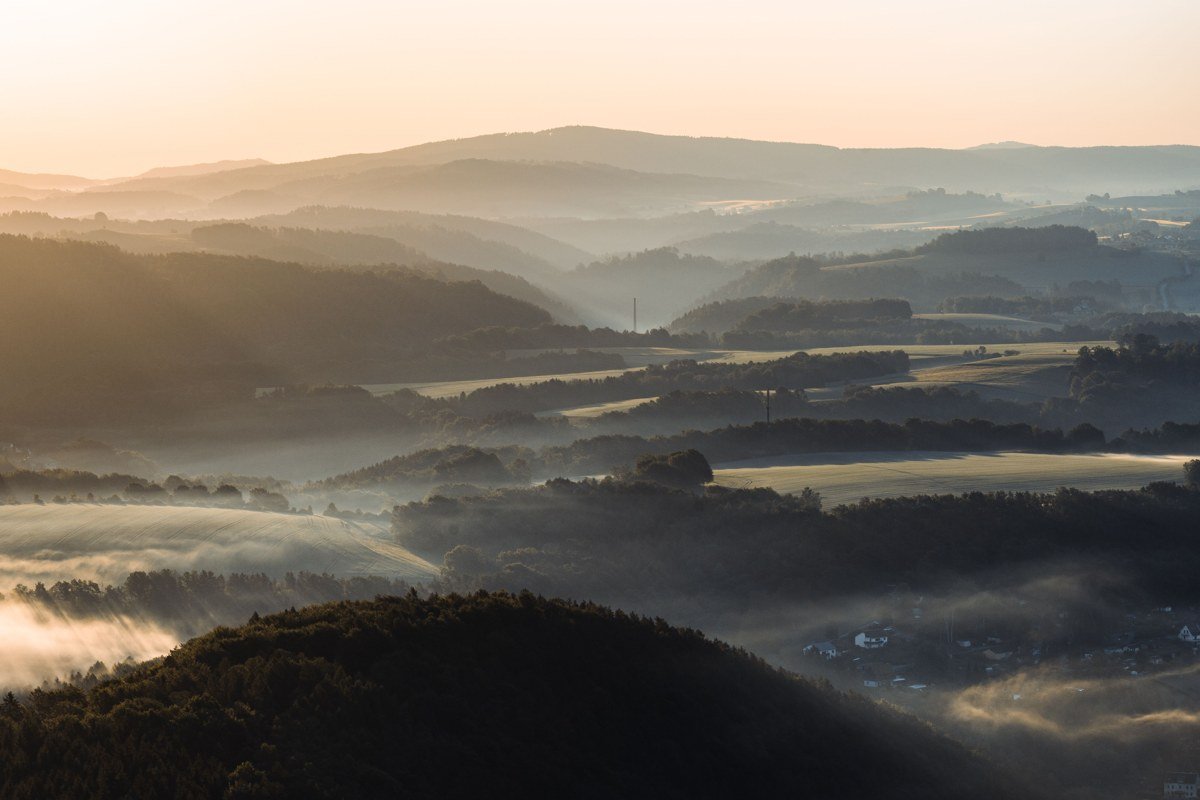
Anakeesta is a mountaintop adventure park in downtown Gatlinburg, reached by gondola, with treetop walkways that put you above the morning fog sitting in the valley below town. It’s not a wilderness experience, and admission runs roughly $30 to $50 depending on age and season (with ticket options that bundle rides and attractions), but for anyone wanting a sunrise view with coffee and a short walk rather than a trailhead, it delivers one of the more accessible elevated views in the region. Check operating hours carefully, since early sunrise access isn’t guaranteed outside of special event mornings.
Pair it with: a distillery tasting back in town afterward. Several Gatlinburg distilleries along the parkway open by mid-morning and make an easy second stop once the fog has burned off.
Morton Overlook, Tennessee

Morton Overlook sits on US-441 between Gatlinburg and Newfound Gap, about 20 minutes from downtown Gatlinburg, and it’s famous enough among photographers that the small pullout fills completely on clear October mornings. The layered ridgelines here catch warm light beautifully, which is why this spot shows up constantly in photography circles. Arrive at least 30 minutes before the posted sunrise time, since there’s no overflow parking and latecomers simply keep driving.
Pair it with: Newfound Gap, 10 minutes further up the road, for a two-stop sunrise morning without much extra driving.
For a long weekend, the Newfound Gap and Clingmans Dome cluster is the right call if this is your first trip: it’s the most reliable combination of elevation, accessibility, and road quality, and it sits within a short drive of Gatlinburg no matter where you’re staying. Save Foothills Parkway for a return trip, once you’ve seen what the fog does from the main spine and want the same show with none of the crowd.