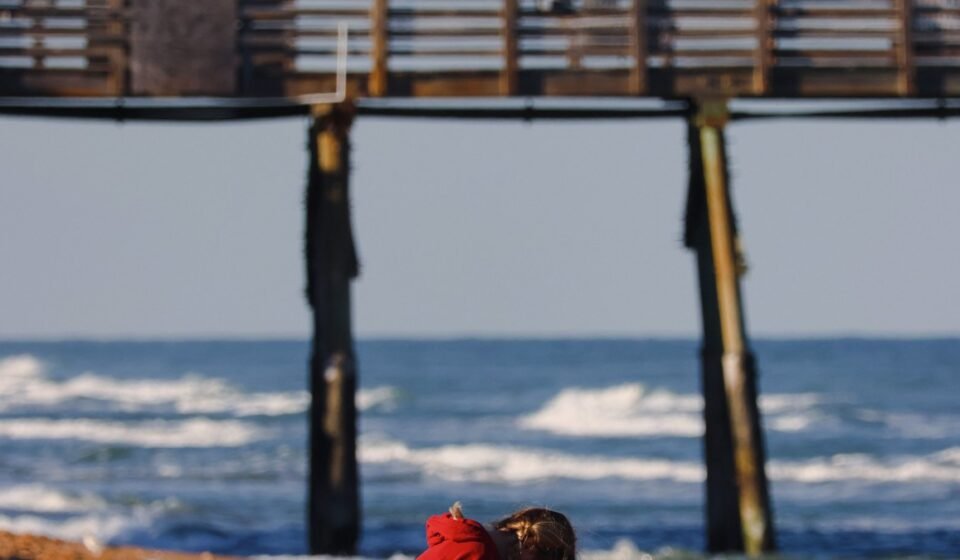

The same village on the Outer Banks of North Carolina can feel like two different places depending on whether you show up in July or October. Go at peak season and you’re sitting in Highway 12 traffic behind a boat trailer; go three weeks later and you’ve got the beach, the ferry dock, and Owens’ Restaurant in Nags Head practically to yourself. Timing here isn’t a preference, it’s the whole trip.
The Cape Cod comparison gets thrown around a lot, so it’s worth being specific about where it holds and where it doesn’t. A waterfront house in Chatham or Wellfleet in August routinely runs $600 to $900 a night; comparable Outer Banks rentals in Ocracoke or Hatteras Village run $200 to $350 in shoulder season and still $400 to $600 at peak, meaning the gap is real but not as wide as people assume. The bigger difference is distance from a major metro: Cape Cod is a two-hour drive from Boston, so it fills up every weekend all summer regardless of weather. The Outer Banks is three-plus hours from the nearest large city (Raleigh or Richmond) and over an hour past that from Hampton Roads, Virginia, which thins out the casual day-tripper traffic considerably once you’re south of Nags Head. Ocracoke, reachable only by ferry or small plane, is the one village that matches Cape Cod’s walkable-harbor-town feel without matching its crowd density. Here are eight villages, arranged by the month each one actually peaks.
Corolla, North Carolina – best in late May
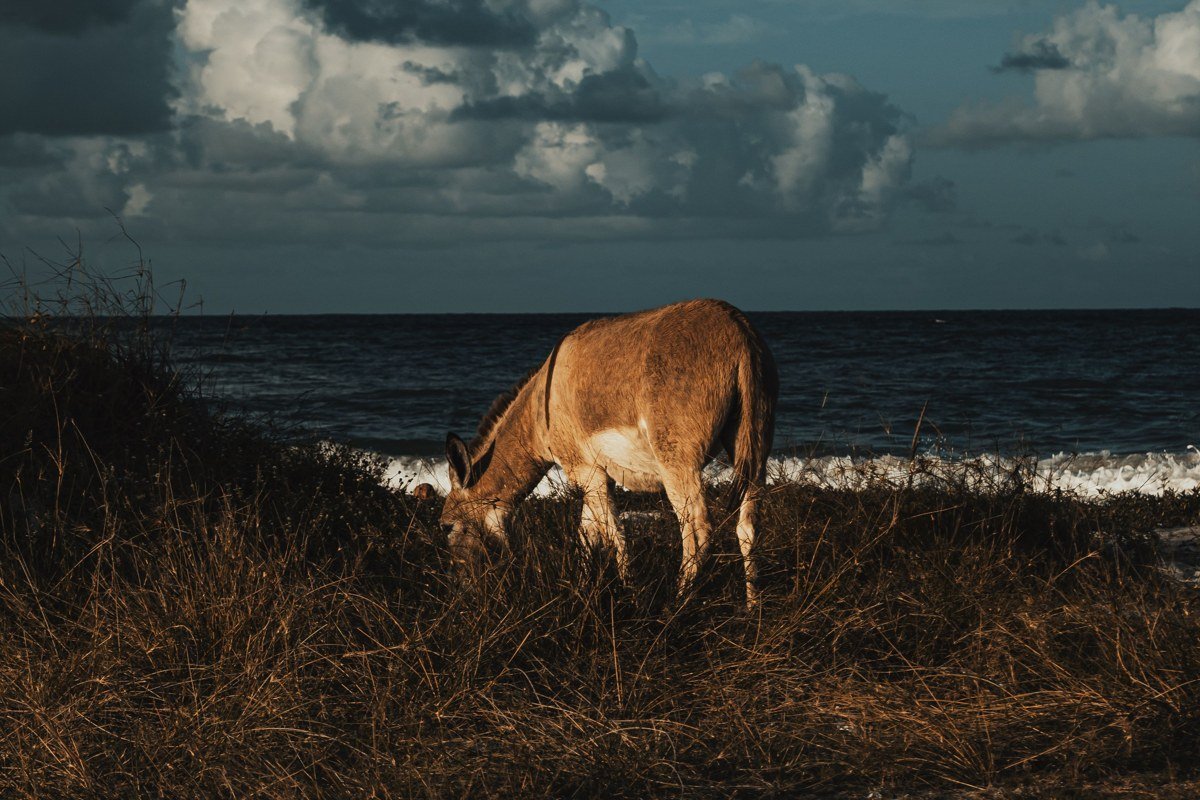
Late May is the sweet spot before North Carolina’s summer humidity sets in and before the four-wheel-drive beaches north of Corolla fill up with every truck in the county. The wild Spanish mustangs that roam this stretch of unpaved coastline are easiest to spot in the mornings, before beach traffic picks up. Go in July or August and you’ll pay peak rental rates for a house, plus sit in a line of trucks waiting to air down their tires at the ramp. Book a wild horse tour in advance for late May, since outfitters run fewer trips than in summer but the sightings are often better with lighter crowds.
Kitty Hawk, North Carolina – best in early June

Kitty Hawk sits at Milepost 0, where the Wright Memorial Bridge dumps you onto the Beach Road. People treat it as a drive-through on the way to Nags Head, which is the mistake. Early June gives you warm water without the mid-summer crowds at the Wright Brothers National Memorial, where the visitor center and the stone monument on Kill Devil Hill get genuinely packed by late June. Skip August, when parking at the memorial fills early and the humidity makes the walk up the hill miserable. This is also your first chance, if you’re driving down from Virginia, to learn the Mileposts system: the green roadside markers that count up from 0 here to 16 at Whalebone Junction, which makes finding anything on the Bypass or the Beach Road far easier than relying on street addresses.
Kill Devil Hills, North Carolina – best in mid-June

Kill Devil Hills is the most developed stretch covered here, and it earns its spot anyway because of Jockey’s Ridge State Park, the tallest natural sand dune system on the East Coast. Mid-June is when the hang gliding classes run daily but the dune itself hasn’t turned into a furnace underfoot, which happens by July. Climbing it at sunset is free and remains one of the few things on the whole Outer Banks that costs nothing and never gets old. Outside this window, midday heat on bare sand gets brutal fast, so plan any dune visit for early morning or the two hours before sunset regardless of month.
Nags Head, North Carolina – best in mid-June for swimming
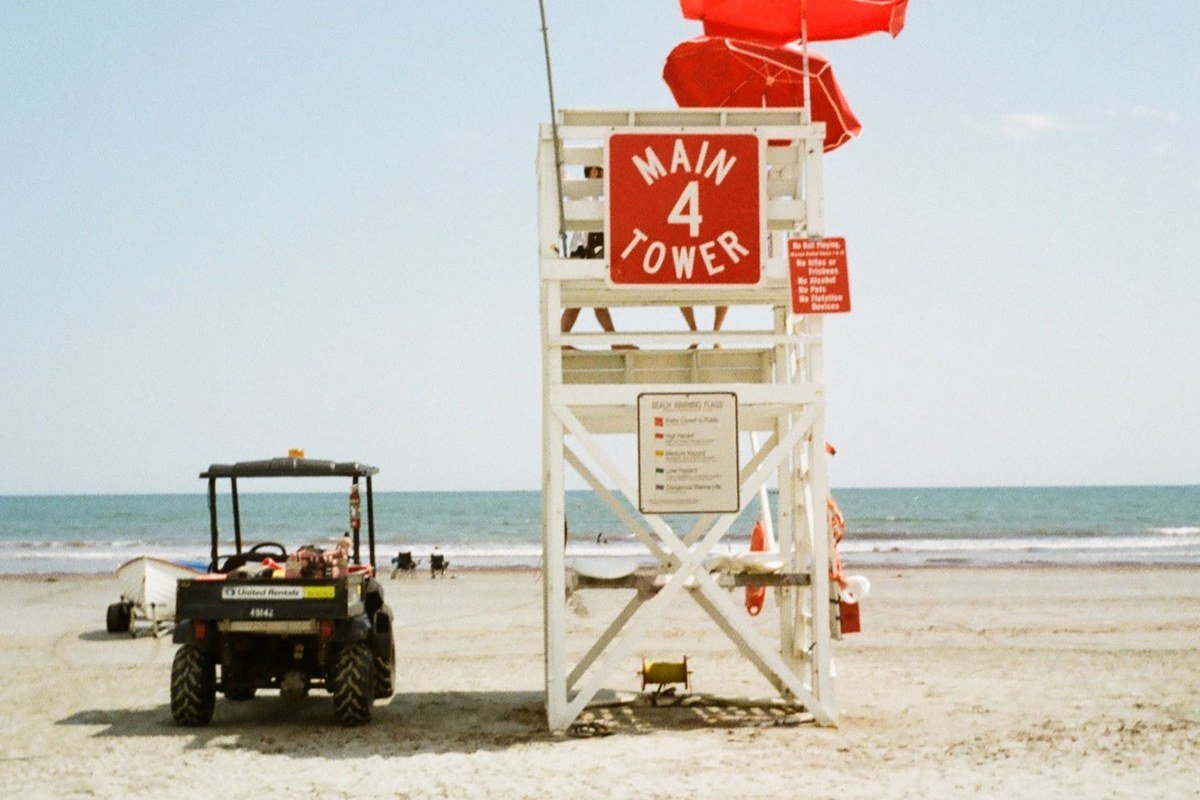
Mid-June is the honest answer for swimming. Water temperatures have come up from the chilly spring Atlantic, lifeguards are on duty at the main public beaches, and the worst of the rip currents, a real and ongoing hazard here, not a brochure warning, tend to be more manageable before late-summer storm systems start spinning up offshore. Go earlier than June and the water’s still cold even on a sunny day. Go in September and the water’s warmer, but there’s a higher chance swimming gets called off entirely if a tropical system is offshore. For a post-swim meal, Sam and Omie’s on the Beach Road has been serving breakfast and seafood to fishermen and tourists alike since 1937 and is worth the wait. Always check the flag system before going in, and don’t assume a calm-looking day is a safe one; the undertow here is a genuine, lifeguard-respected danger rather than an exaggeration for tourists.
Roanoke Island, North Carolina – best in July
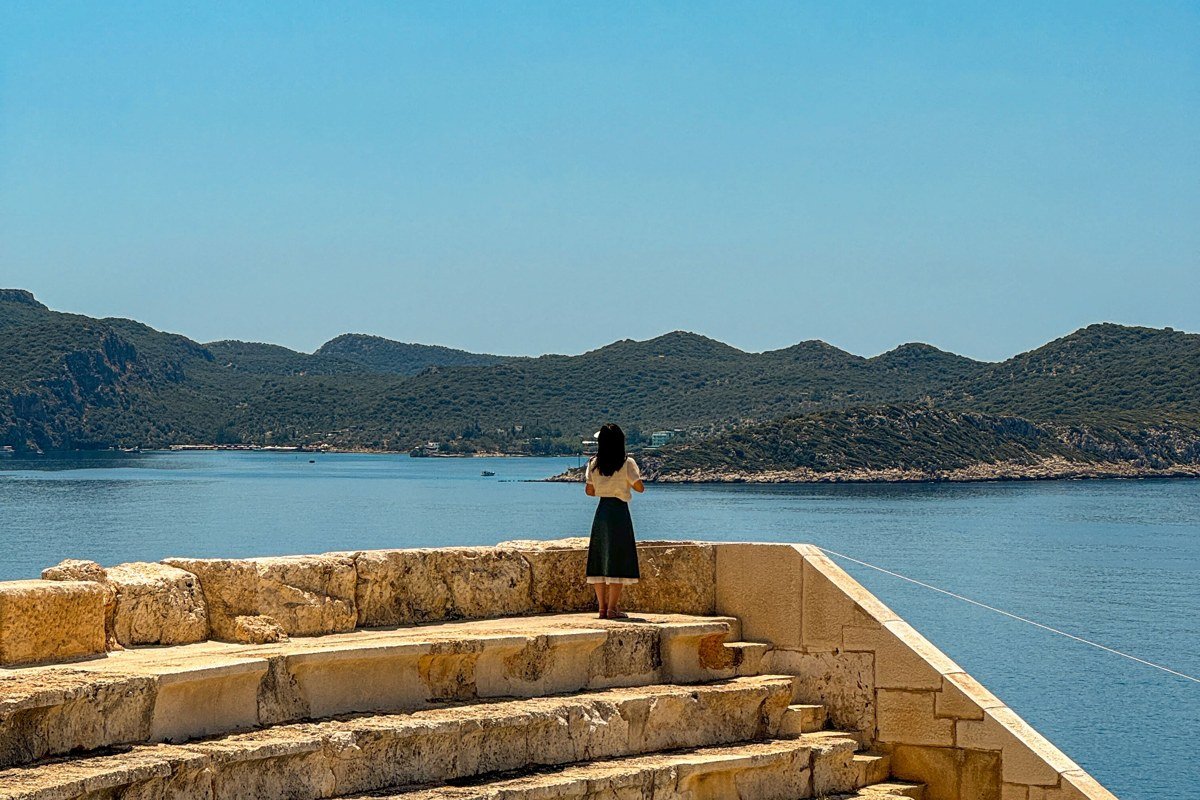
Roanoke Island, tucked behind the barrier islands on the sound side, runs on a different rhythm than the beach towns. July is when The Lost Colony, the long-running outdoor symphonic drama about the Roanoke colonists and the birth of Virginia Dare, is in full nightly production at $35 for adult general admission as of recent seasons, and the soundfront setting is genuinely atmospheric once the sun goes down. Popular weekend dates can sell out a week or more in advance during peak July weeks, so buy ahead rather than hope for walk-up seats. Skip the show outside summer and it simply isn’t running, so this is one of the few entries on this list where visiting off-season means missing the main event entirely rather than just trading crowds for solitude. Go on a weeknight rather than a weekend; the crowd is smaller and you’ll actually hear the dialogue over fewer rustling programs. Afterward, Lost Colony Brewery in downtown Manteo is a short drive and stays open late enough to make a full evening of it.
Rodanthe, North Carolina – best in September
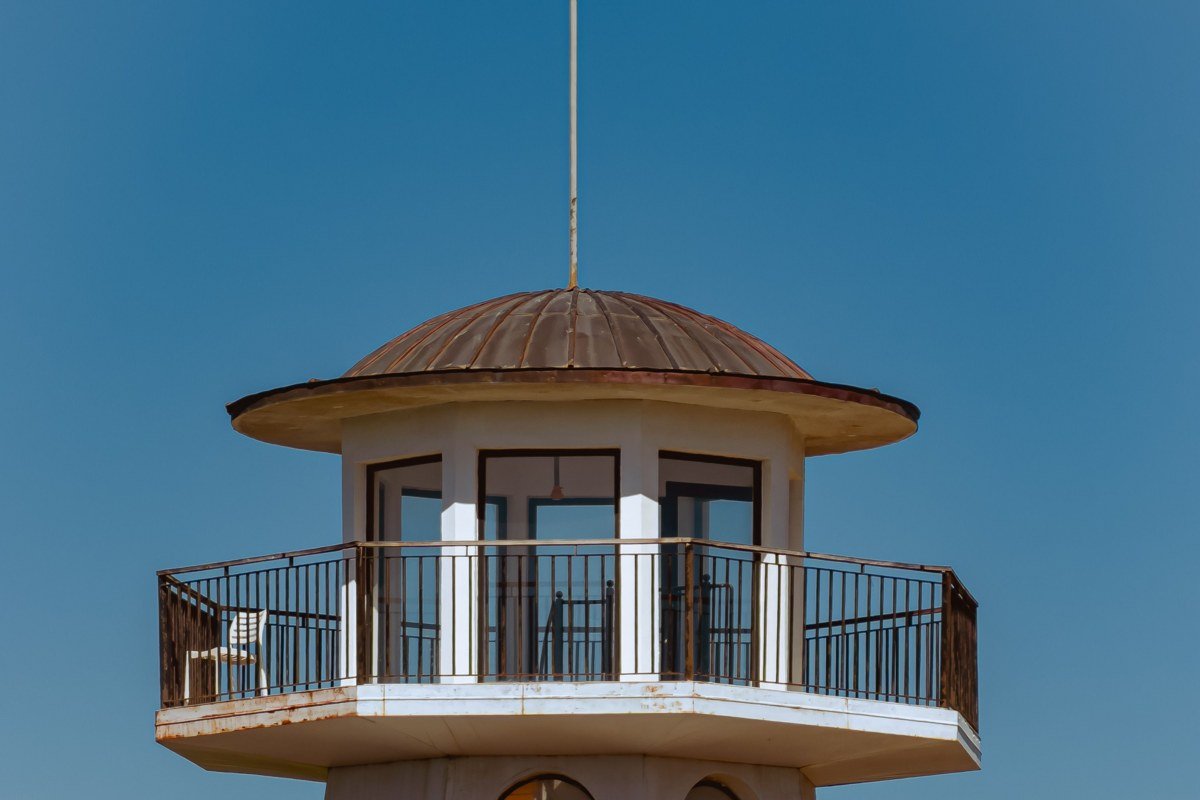
September is when Rodanthe quiets down enough that you can actually absorb the Chicamacomico Life-Saving Station, the most intact complex of its kind left in the country, without a tour group ahead of you in every room. It’s also hurricane season’s peak, which is the trade-off: watch the forecast, since Highway 12 here has a history of washing out or closing entirely during bad storms, sometimes for days. The upside is real. Rental rates in September commonly run 20 to 30 percent below August’s peak prices for the same house, the famous Rodanthe surf (this is the actual “Nights in Rodanthe” house stretch) empties out, and the pier at dawn belongs to a handful of fishermen. Build a flexible day or two into any September trip here in case Highway 12 closes behind or ahead of you.
Hatteras Village, North Carolina – best in early October
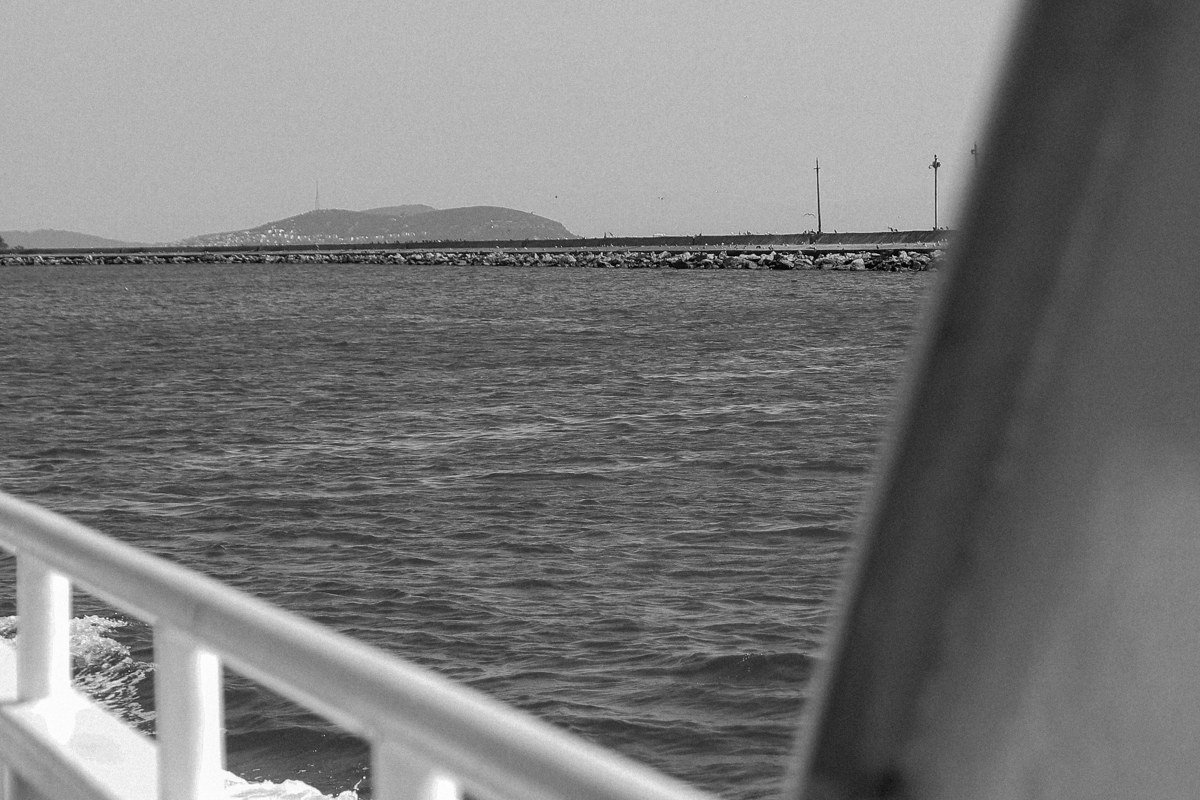
Hatteras Village sits at the end of the road, literally, where Highway 12 stops and the free Hatteras-Ocracoke ferry takes over, a roughly 60-minute crossing with no reservation required (though vehicle lines can still mean a wait at peak times). Early October is close to ideal: the ferry still runs close to its summer schedule before the state trims it back for winter, the water’s warm enough for one last swim, and the wait at The Dinner Bell or Breakwater Restaurant drops from a 45-minute peak-summer line to something close to a walk-in table. Go in deep summer and you may watch two or three sailings leave without you before your car gets loaded; go in deep winter and the ferry still runs, just on a thinner schedule that means planning your day around departure times rather than your own. For the longer sound-crossing runs out of Hatteras, Swan Quarter and Cedar Island are the mainland alternatives: both take about 2 hours 15 minutes and cost around $15 per vehicle, and both require a reservation, unlike the Hatteras-Ocracoke run. Reserve a vehicle spot ahead if you’re hauling a trailer or boat, since walk-up loading on any of these routes isn’t guaranteed even in shoulder season.
Ocracoke, North Carolina – best in late September
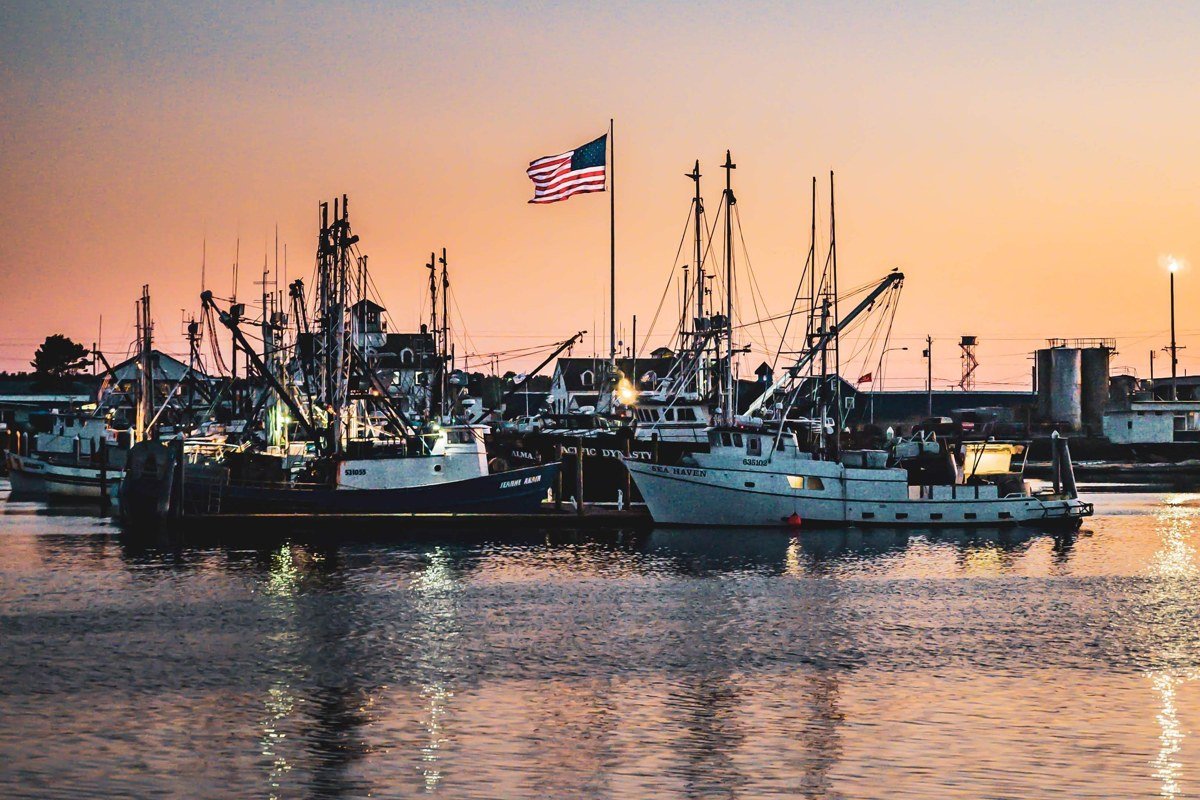
Ocracoke is the village that actually earns the Cape Cod comparison: a working harbor, a short walkable village core, a lighthouse you can still see without a crowd blocking the view. Late September is after Labor Day traffic but before the ferry schedule contracts for winter, so you get full services, open restaurants like Howard’s Pub, which stays open nearly year-round and is the default answer to “where do we eat tonight,” and a village that feels like it belongs to the people who live there again rather than to day-trippers off the Hatteras boat. The only way onto the island is by ferry or small plane, which is exactly what keeps it from ever feeling like Nags Head. Outside the May-to-September stretch, some shops close for the season entirely, so call ahead rather than assume. This is the village to recommend to anyone who says the rest of the Outer Banks feels too built up.
Driving the whole stretch, Corolla to Ocracoke, takes a full day once you factor in the ferry crossing, so don’t try to see all eight villages on one trip. Most visitors drive down from the Hampton Roads area of Virginia (about 1.5 to 3 hours depending on the village) or from Raleigh or Richmond (4 to 5 hours), and the Wright Memorial Bridge at Milepost 0 is your entry point no matter which route you take.
Month-by-month pick
- January to April: skip the beach villages, this is true off-season with reduced ferry schedules and many businesses closed
- May: Corolla, for the wild horses before the crowds
- June: Kitty Hawk, Kill Devil Hills, and Nags Head, for history, dunes, and swimming
- July: Roanoke Island, for The Lost Colony’s full run
- August: the least rewarding month everywhere on the list, peak heat, peak crowds, peak prices
- September: Rodanthe and Ocracoke, for quiet beaches and rates roughly 20 to 30 percent below August, with half an eye on the hurricane forecast
- October: Hatteras Village, for the last warm ferry crossings before winter scheduling kicks in
- November to December: mostly closed for the season, worth it only for a quiet, cold walk on an empty beach