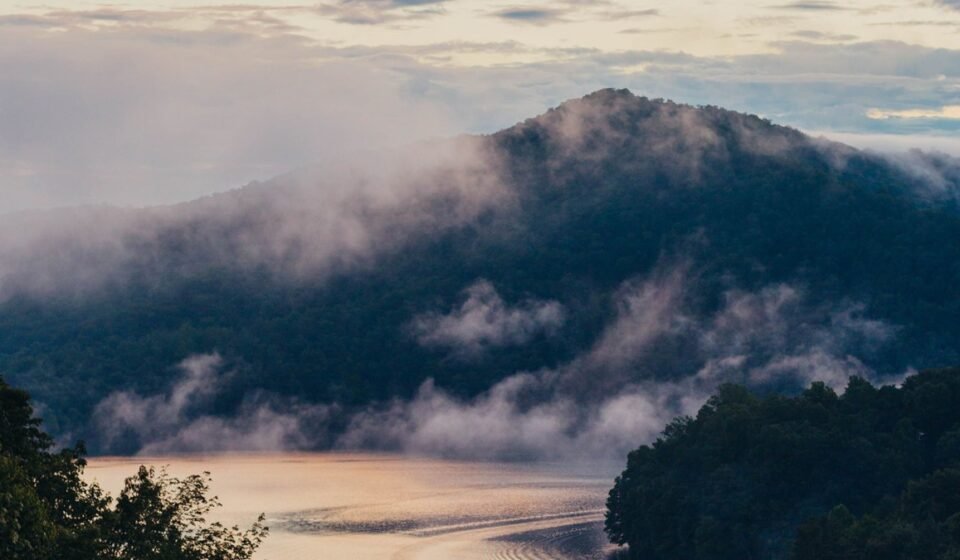

Cades Cove at dawn and the Foothills Parkway at dawn are supposed to be the same mountains, but they rarely feel like it. Cades Cove sits low, boxed in by ridgelines, and the cold air that drains off those slopes overnight collects in the bowl of the valley like water filling a tub. The Foothills Parkway runs the opposite way, along a high spine, so instead of standing in the fog you stand above it, watching a white sea cover the lower hollows while the sun comes up clean and orange over your head. Same mountain range, same morning, two completely different shows.

This is the defining trick of the Smokies, and it is a trick of geography, not luck. The Great Smoky Mountains straddle Tennessee and North Carolina, and their valleys trap cool, moisture-heavy air overnight while the warmer air above holds it in place, a phenomenon locals just call “the smoke.” It is most dramatic from late summer through fall, when warm days and cool, clear nights create the sharpest temperature gap, and it burns off within an hour or two of sunrise, which is exactly why timing beats everything else on this list. This guide is for the person who wants a specific overlook, a specific road, and a specific sunrise time, not just the general idea of a pretty mountain morning.
The high overlooks above Gatlinburg
This cluster sits close to Gatlinburg, Tennessee, and rewards anyone willing to drive up before the sky lightens. These are the spots you want for sunrise photography, because you’re above the fog line looking down, not down in it looking up.
Foothills Parkway East, Tennessee
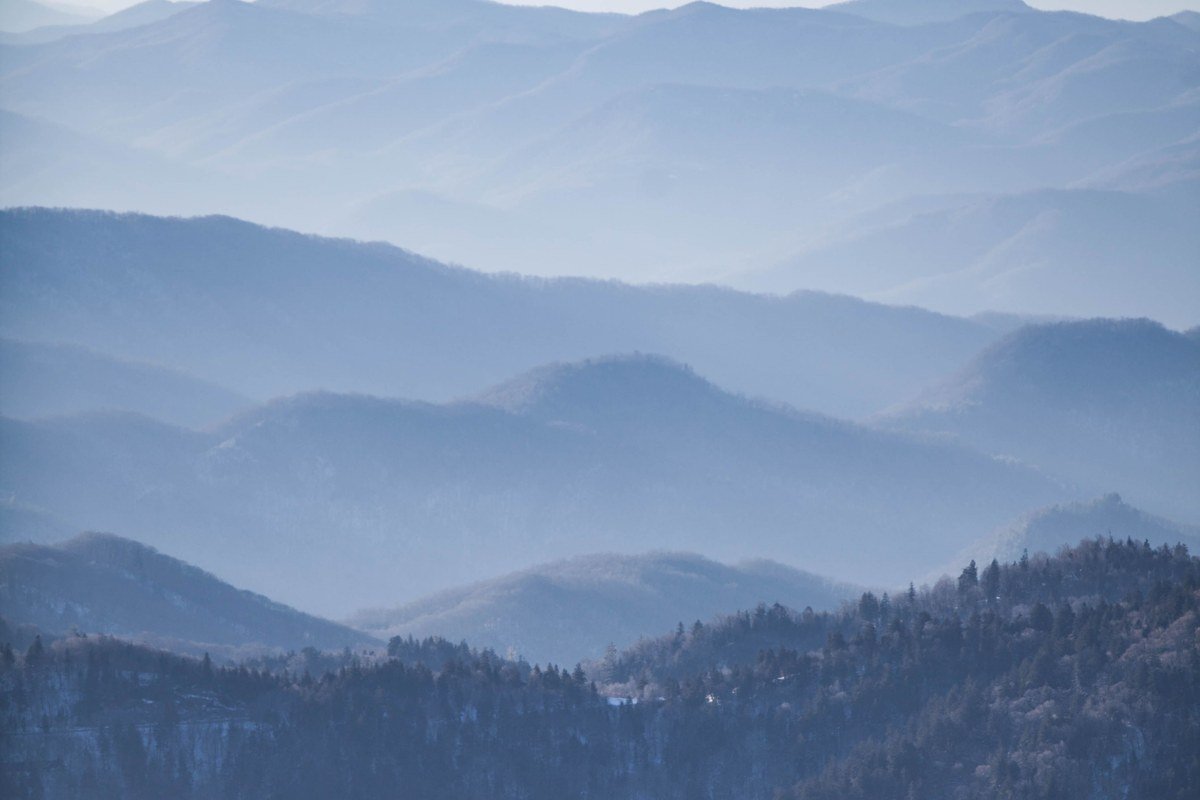
The stretch between Walland and Wears Valley climbs well above the valley floor, and this is the single best-known Smoky Mountains sunrise point for a reason. The Look Rock pull-off, roughly mile marker 11 on the parkway, holds about 15 cars and lets you watch fog settle into the folds below while the ridges poke through like islands. Arrive twenty to thirty minutes before official sunrise, because the light show starts before the sun clears the horizon and the lot turns over fast once word gets out on a clear morning. The road has no gate closure in most of the year, but call the NPS Smokies road status line (865-436-1200) after winter storms, since ice closes it without much warning.
Pair it with: Look Rock Tower, a short half-mile walk from the same lot, for a 360-degree view once you’ve shot the overlook.
Clingmans Dome, Tennessee / North Carolina
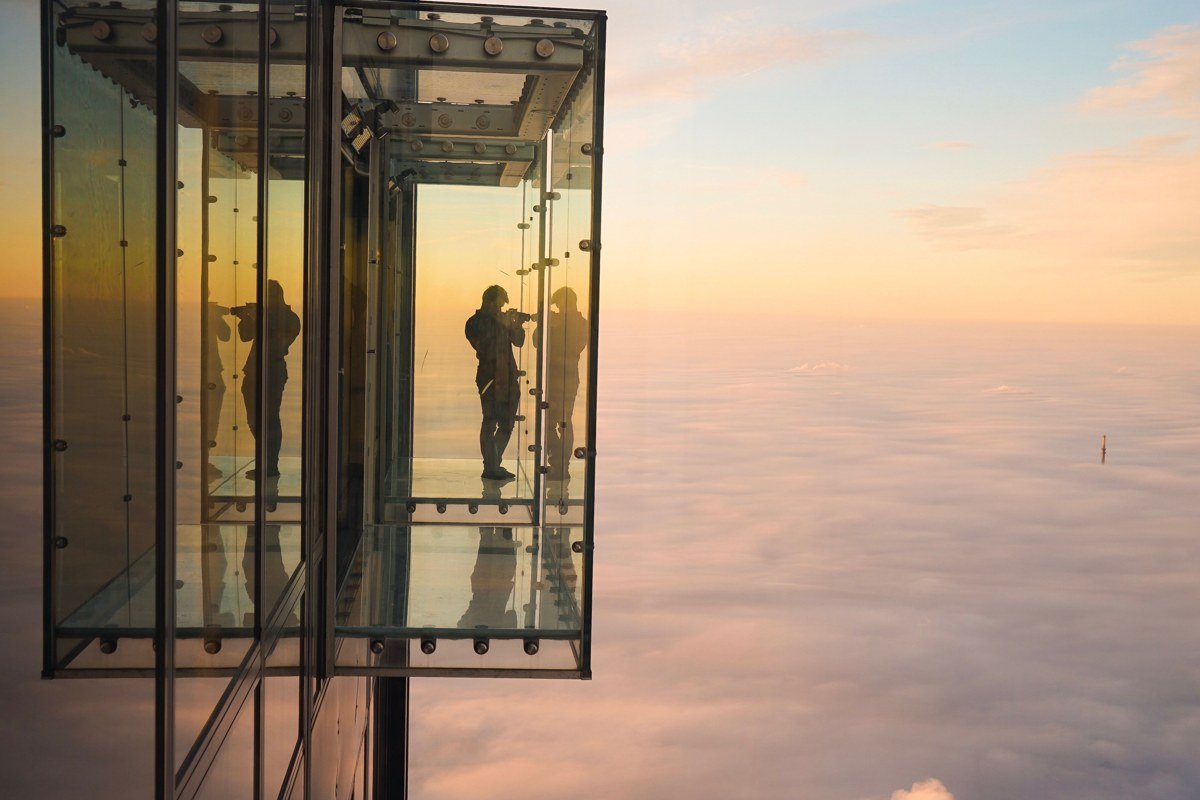
At 6,643 feet, Clingmans Dome is the highest point in the Smokies, and on the right morning you are not watching fog in the distance, you are standing above an actual cloud layer that stretches to the horizon. Bring a headlamp and sturdy shoes: the half-mile paved walk up to the tower is steep enough to leave you breathing hard in the dark. The access road closes in winter, typically late fall through early spring, so check the NPS Smokies road status line before planning a trip outside summer or early fall. Go between June and October for the best odds of a clean cloud inversion rather than plain haze.
Pair it with: Newfound Gap, eight miles down the access road, for a second sunrise angle if clouds roll in at the summit.
Morton Overlook, Tennessee
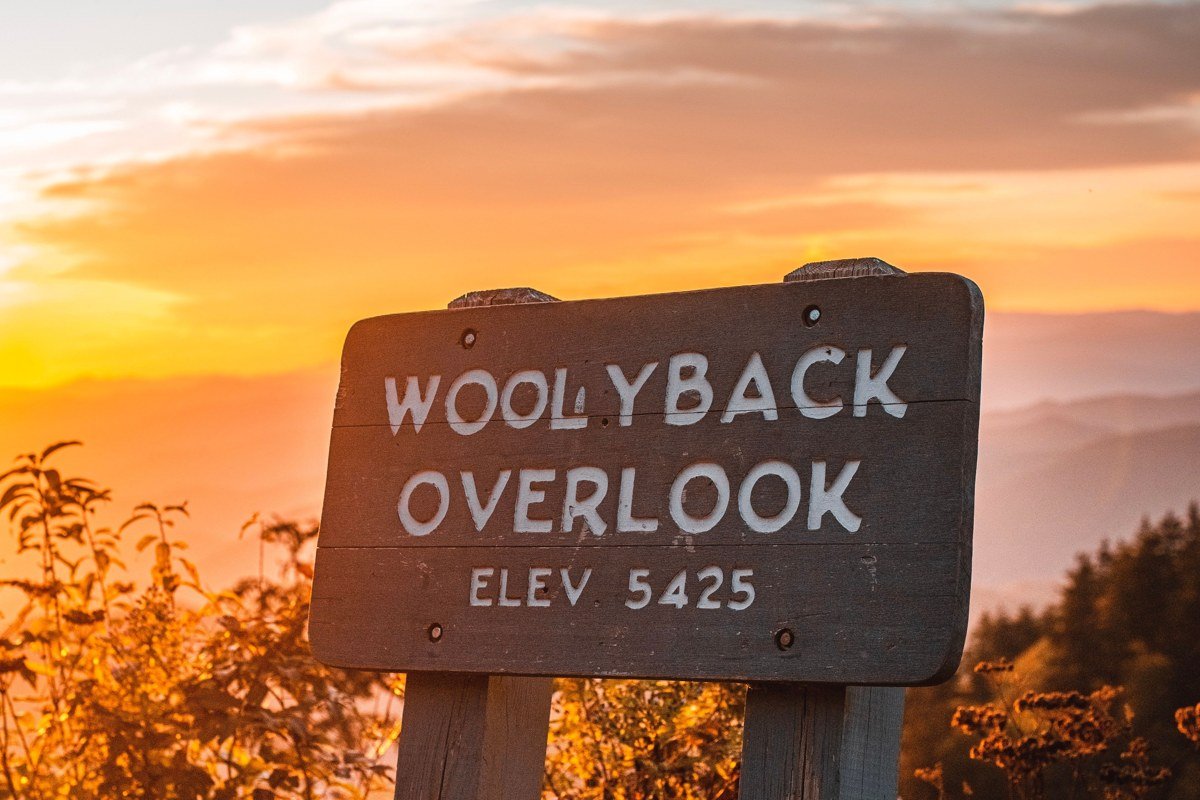
Better known for sunset, Morton rewards a clear-morning visit with long shadows and warm light raking across ridges, minus the crowd that shows up at dusk. The lot holds about a dozen cars and fills on weekends even at sunrise in October, so have a backup pull-off in mind. People will tell you the sunrise here can’t match Foothills Parkway, and they’re right: the valley fog view is thinner from this angle. Come for the light on the rock faces, not the pooling fog.
Pair it with: Foothills Parkway East, about a 25-minute drive, if Morton is too crowded or too cloud-socked.
Valley floors where the fog actually pools
This is the cluster for people who want to stand inside the fog, not above it. Expect cooler temperatures, wet grass, and a stillness you don’t get from the overlooks.
Cades Cove, Tennessee
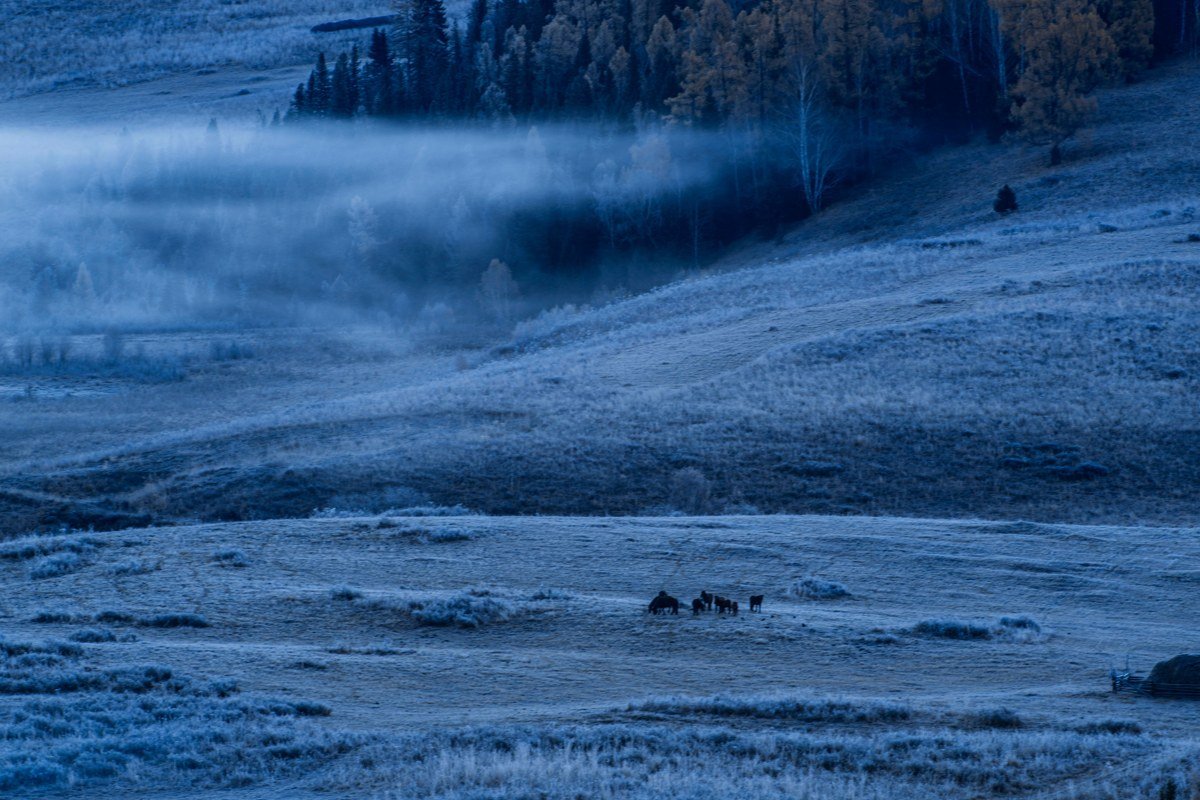
The reason this whole phenomenon has a following: an 11-mile loop road sitting in a low bowl surrounded by ridges, where fog can hold chest-high in the open meadows well into mid-morning on clear fall days, especially with no wind to push it out. The loop road opens at sunrise year-round, and arriving at gate-opening time is the only way to beat the single-lane traffic that builds up fast, especially during October leaf season. The lot at the loop’s start (near the Cades Cove Visitor Center) fills within an hour of opening on peak fall weekends. Wildlife, deer and sometimes elk, tends to move through this fog at first light, which is its own reason to be there with a car and no rush.
Pair it with: Sparks Lane or Hyatt Lane, the loop’s own cut-throughs, which let you shortcut back for a second pass if the fog is still holding.
Cataloochee Valley, North Carolina
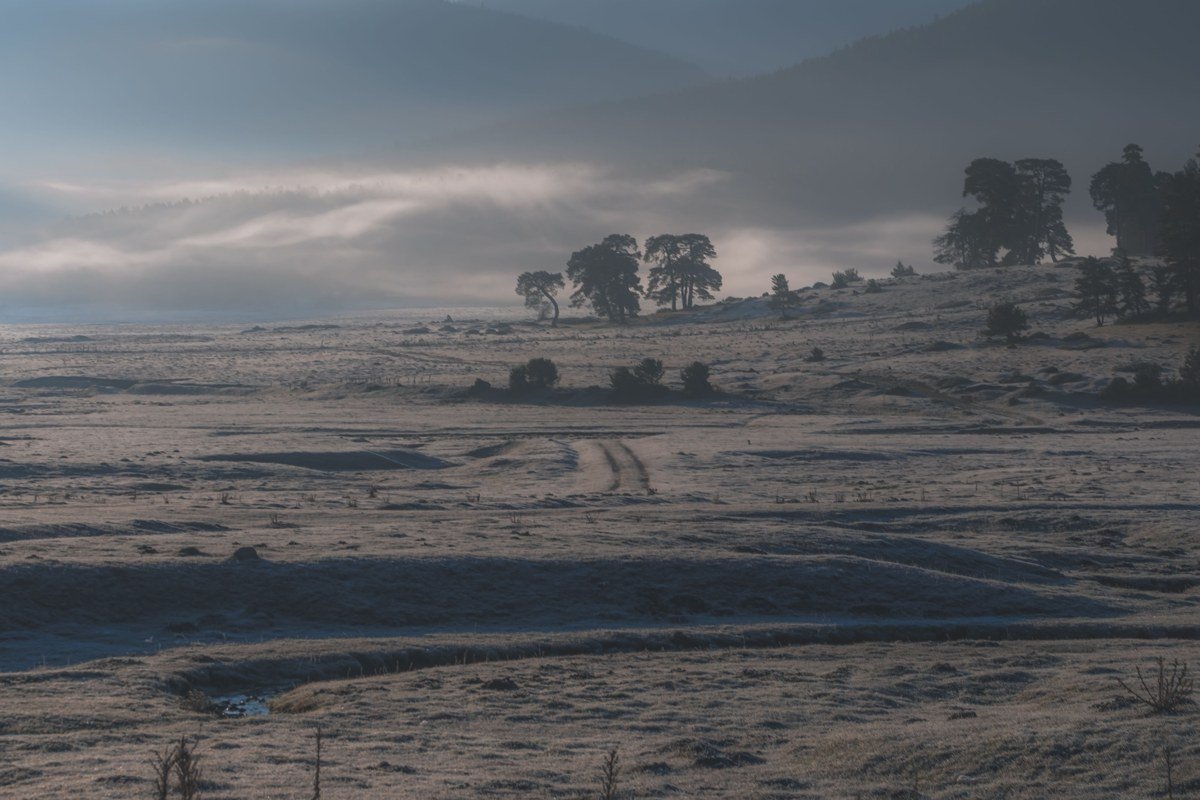
Reached by Cove Creek Road, a winding, partly gravel route out of Maggie Valley, North Carolina, Cataloochee is Cades Cove’s quieter cousin, and the drive alone keeps the crowds thin even in October. The valley holds fog the same way, pooling along Cataloochee Creek and the open pastures where the reintroduced elk herd grazes at dawn. This is the spot for a Smoky Mountains sunrise hike without actual elevation gain, since most people just walk the flat valley road and loop trails near the historic buildings. Cove Creek Road has no guardrails in sections, so this isn’t the one to drive half-asleep before coffee.
Pair it with: Big Cataloochee Trailhead, right at the valley’s edge, for a short post-sunrise walk once the fog starts lifting.
Sunrise with a roof over your head
Not every great sunrise means standing in a field. This cluster is for travelers who want comfort, a porch, or a built attraction timed to the same natural show.
Gatlinburg SkyLift Park, Tennessee
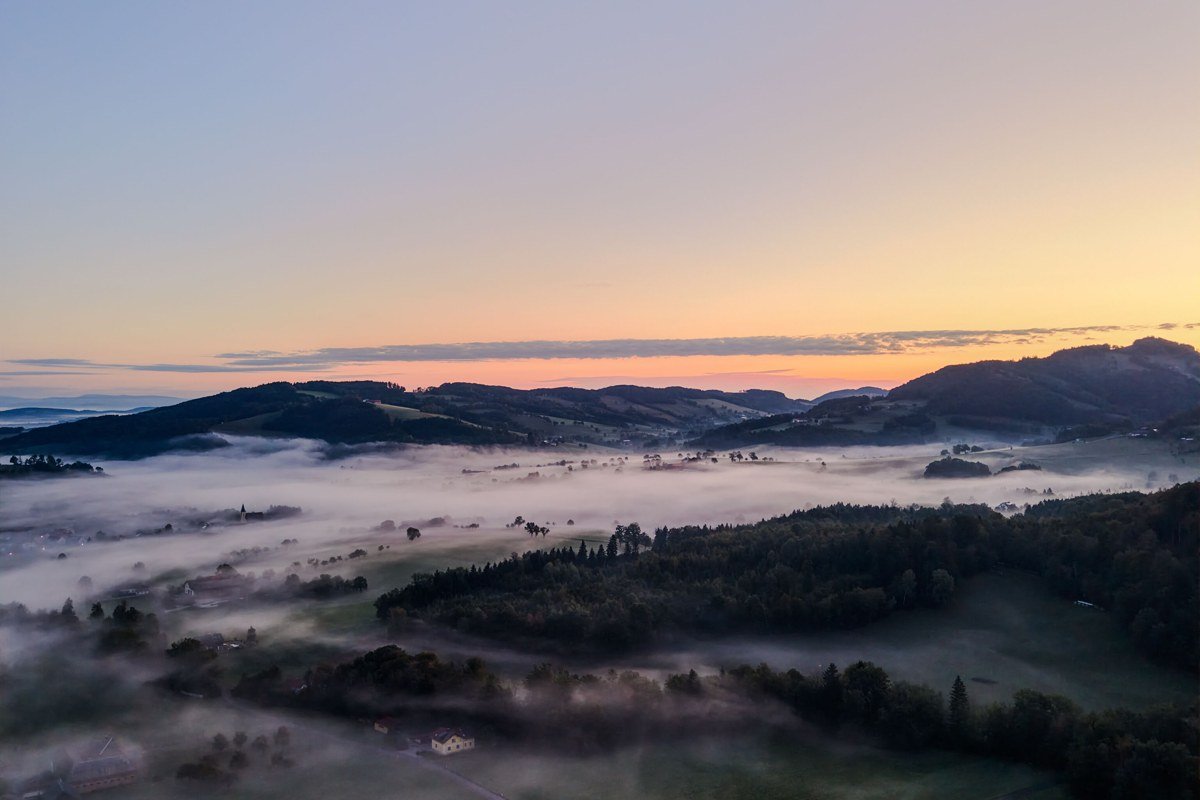
Search “Smoky Mountains sunrise skypark” and this is what you land on. The SkyLift carries you above downtown Gatlinburg, Tennessee, to the SkyBridge, a long pedestrian suspension bridge with valley views, and on foggy mornings you get fog pooling over the town itself below you. There’s a ticket price and fixed operating hours to work around, and the park doesn’t always open early enough for true first light, so check the park’s posted hours before planning around sunrise specifically. Go for the novelty and the easy access, not for solitude.
Pair it with: downtown Gatlinburg’s strip for breakfast immediately after, since you’re already parked in town.
A sunrise cabin in Wears Valley, Tennessee
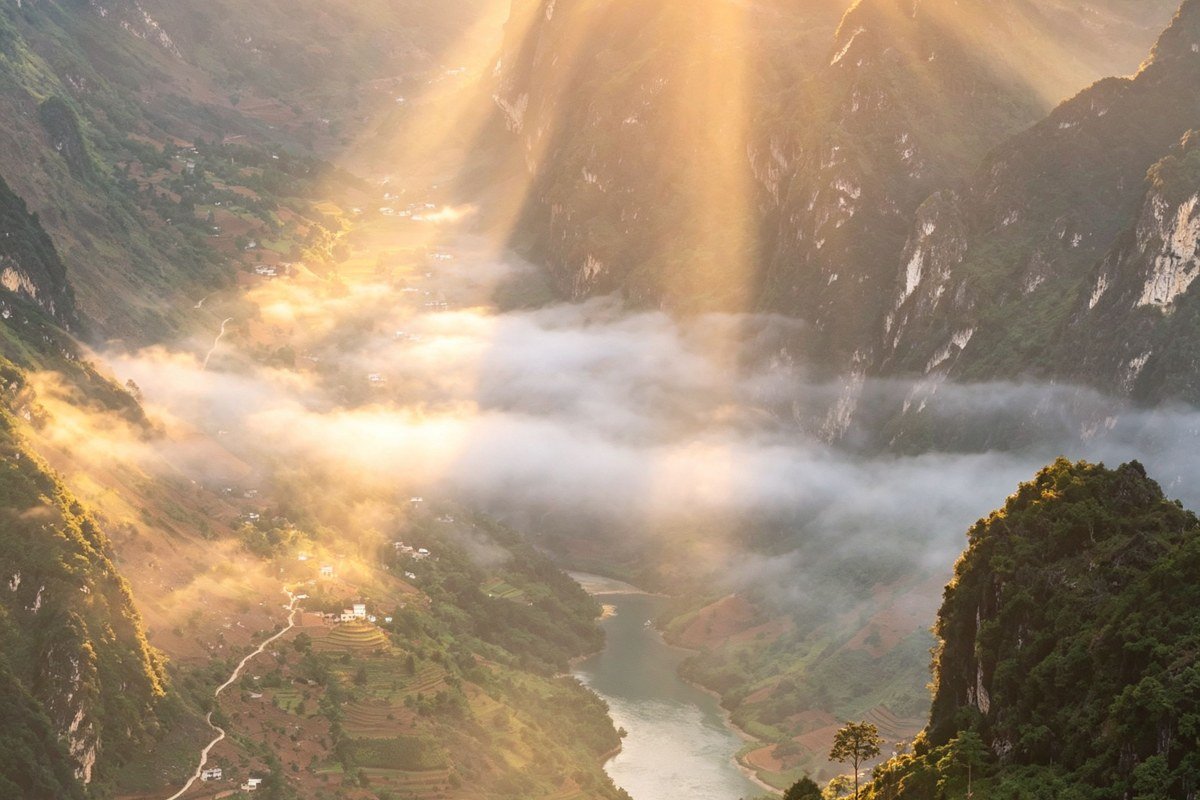
Less a single place than a strategy: Wears Valley is the best-positioned area for a sunrise cabin because its slopes face east toward the main range, while a west-facing porch in Gatlinburg proper won’t get you the same payoff. Book one specifically described as having a “mountain view” or “long-range view” rather than a “wooded view,” since the tree-heavy lots are far more common and block the valley entirely. This is the lazy-but-effective option: coffee on the porch, no drive, no parking scramble, just the fog lifting off the valley while you’re still in pajamas.
Pair it with: Foothills Parkway East, a 20-to-30-minute drive, for a second sunrise the next morning if the view from the porch hooks you.
Note: searches for a “smoky mountain sunrise moonshine” experience usually mean one of the hillside distilleries around Gatlinburg with porches and early tasting-room hours. It’s a pleasant add-on, not a sunrise destination: most don’t open at true first light, so treat it as a mid-morning stop after you’ve already caught the fog elsewhere.
North Carolina’s quieter ridgelines
Fewer visitors come from this side, which means better odds of an empty overlook on an October morning.
Waterrock Knob, North Carolina
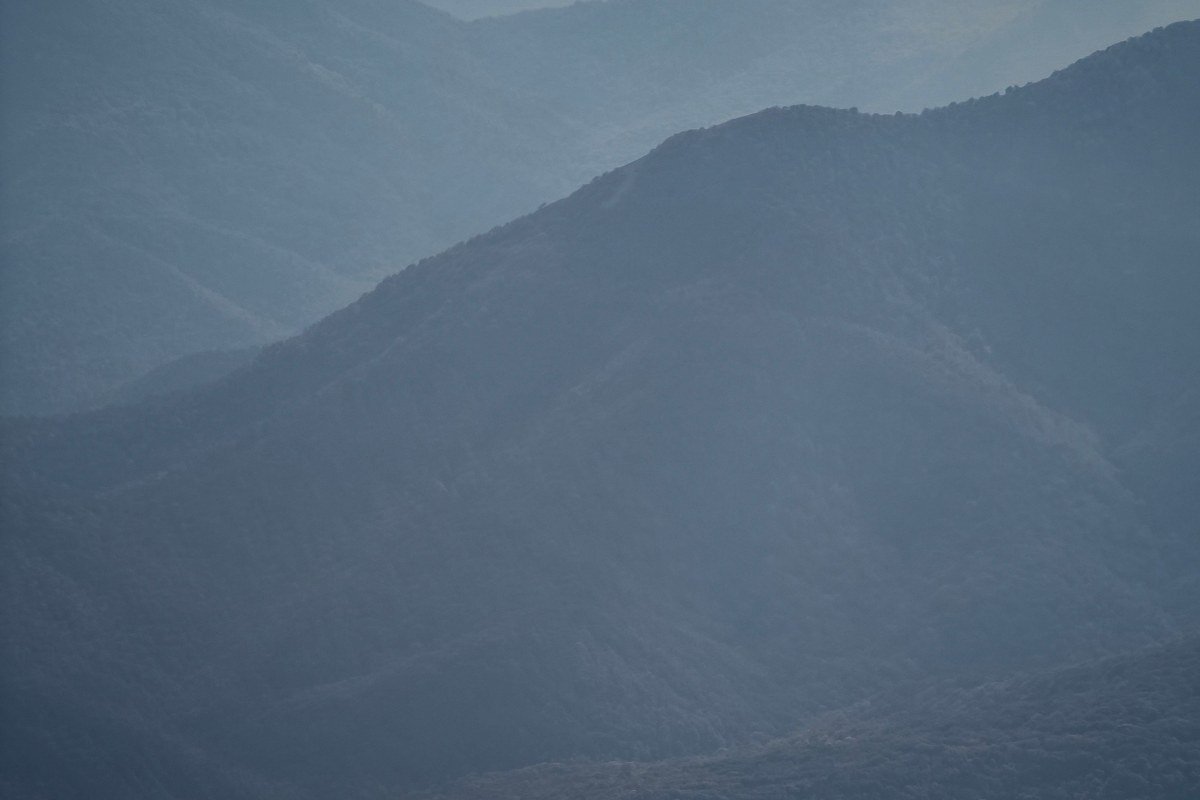
Blue mountain after blue mountain fading into haze, fog usually pooling in the lower valleys rather than at your feet: that’s the view at Waterrock Knob, sitting right on the Blue Ridge Parkway near its junction with the Smokies. The parking area, which holds around 20 cars, sits right off the parkway at milepost 451.2, and the road closes seasonally in bad weather, so check the Blue Ridge Parkway road status page before a cold-weather trip. A short, steep trail leads to the summit for an even wider view, worth it if you’ve got twenty extra minutes before the light peaks.
Pair it with: the Blue Ridge Parkway itself, driving south toward Balsam, for more overlooks along the same ridge without much extra time.
Mile High Overlook, North Carolina
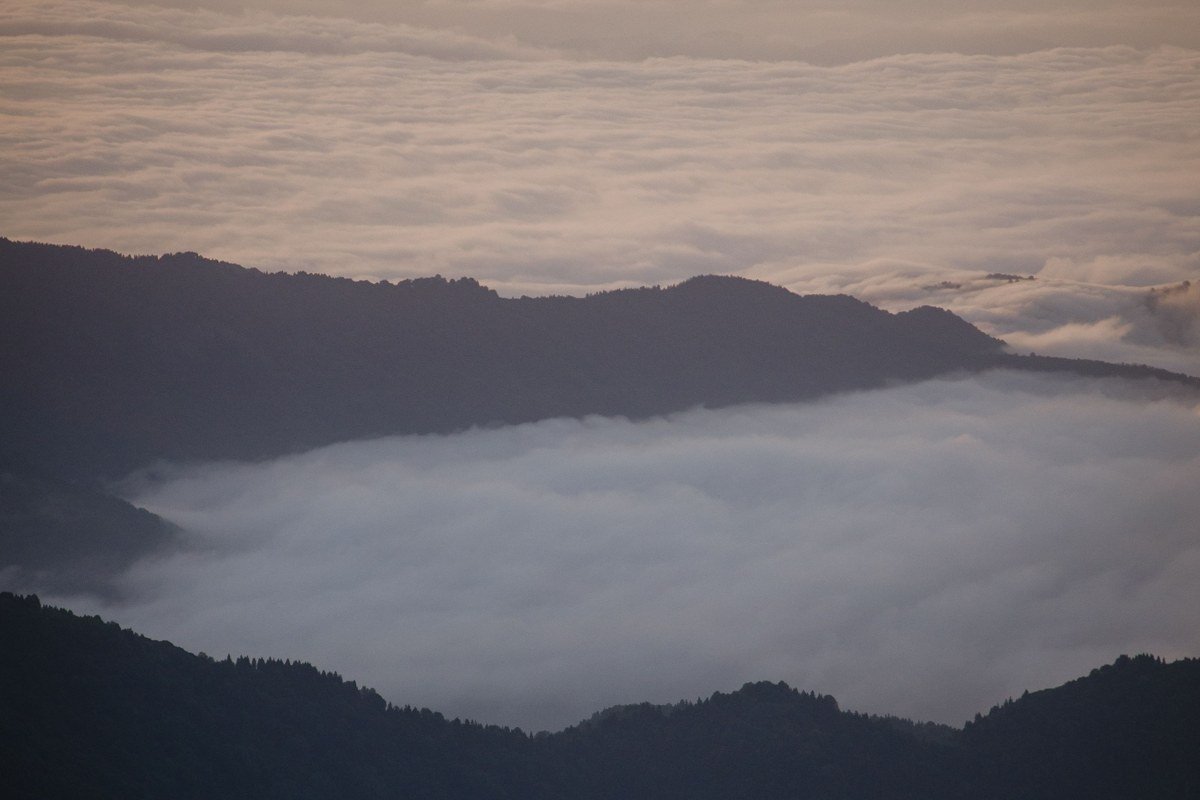
Weekday mornings at Mile High Overlook, near Maggie Valley, North Carolina, can mean having the whole pull-off to yourself, since it’s far less known than the Tennessee-side spots despite a steep drop into the valley that makes the fog below feel dramatic rather than distant. The small gravel pull-off holds only about six cars, so arrive early on weekends. The access road in is narrow with tight turns, best driven slowly even in daylight, and definitely not the stretch to rush on a pre-dawn drive. This is the pick for travelers who’ve already done Clingmans Dome and want a similar payoff without the tower crowd.
Pair it with: Waterrock Knob, about a 20-minute drive south on the parkway, for a two-stop sunrise-to-mid-morning loop.
For a long weekend, the Gatlinburg overlook cluster is the easiest sell: short drives, reliable fog, and breakfast in town the moment the light burns off. If you’d rather stand inside the fog than above it, base yourself near Townsend or Maggie Valley and build your mornings around Cades Cove and Cataloochee instead. Whichever cluster you pick, the fog doesn’t linger for stragglers. Set an alarm that gets you parked and in position before the sky starts to lighten, not after.