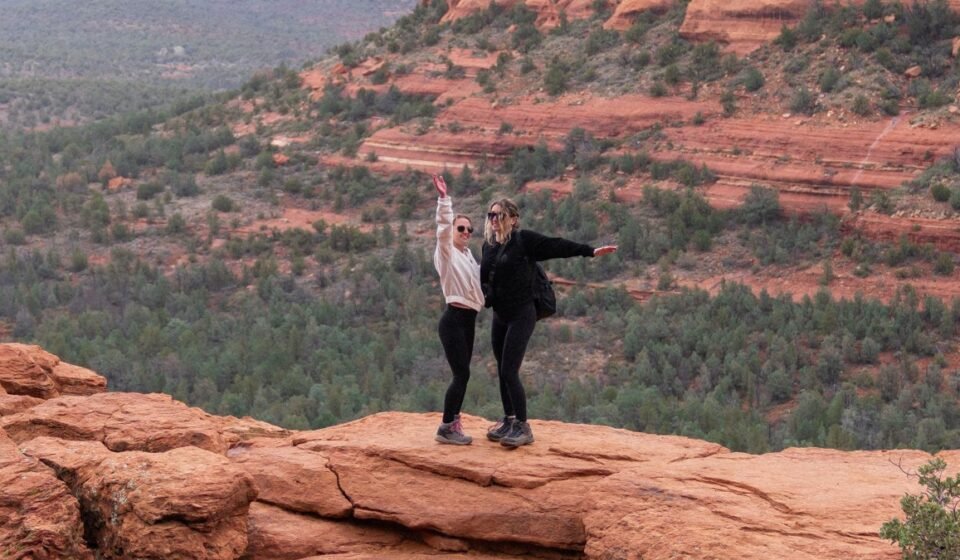

Most people build their Sedona road trip itinerary around the four vortex sites (Airport Mesa, Cathedral Rock, Bell Rock, and Boynton Canyon), park at each one for ten minutes, and call it a day. They’re not fake, exactly, but they’re oversold: you’re mostly paying ten minutes of parking-lot hassle for a view you’d get anyway from the trailheads below. If you still want the vortex experience, Airport Mesa is the one worth the stop, since it doubles as a legitimate sunset overlook even if you don’t buy into the energy claims. Otherwise, skip the loop and spend that time on what actually makes this part of Arizona worth the drive: the switchback byway south of town, the swimming hole locals actually use, the ghost town turned artist colony up Highway 89A. The best stop on this list isn’t a vortex at all. It’s the drive through Oak Creek Canyon itself, because unlike every single-destination stop here, the road is the attraction for its full 14 miles, and it’s one stretch you cannot get anywhere else in Arizona.
Drive order for a single loop day: Highway 179 (Bell Rock) into town, Chapel of the Holy Cross, Red Rock Crossing or Red Rock State Park, out to Palatki/Honanki, back through town and up Highway 89A through Oak Creek Canyon, with Slide Rock as your stop partway up. Jerome sits southwest and is its own detour, not an add-on to this loop; budget it as a half day on its own.
Heads up on parking before you go: most trailheads and pullouts along Highway 179 and 89A require a Red Rock Pass, sold at self-pay stations near the trailheads and at visitor centers, rather than a per-site ticket. A day pass runs a few dollars and covers multiple stops, so buy one at the first trailhead you hit rather than guessing you can skip it.
8. Chapel of the Holy Cross, Arizona
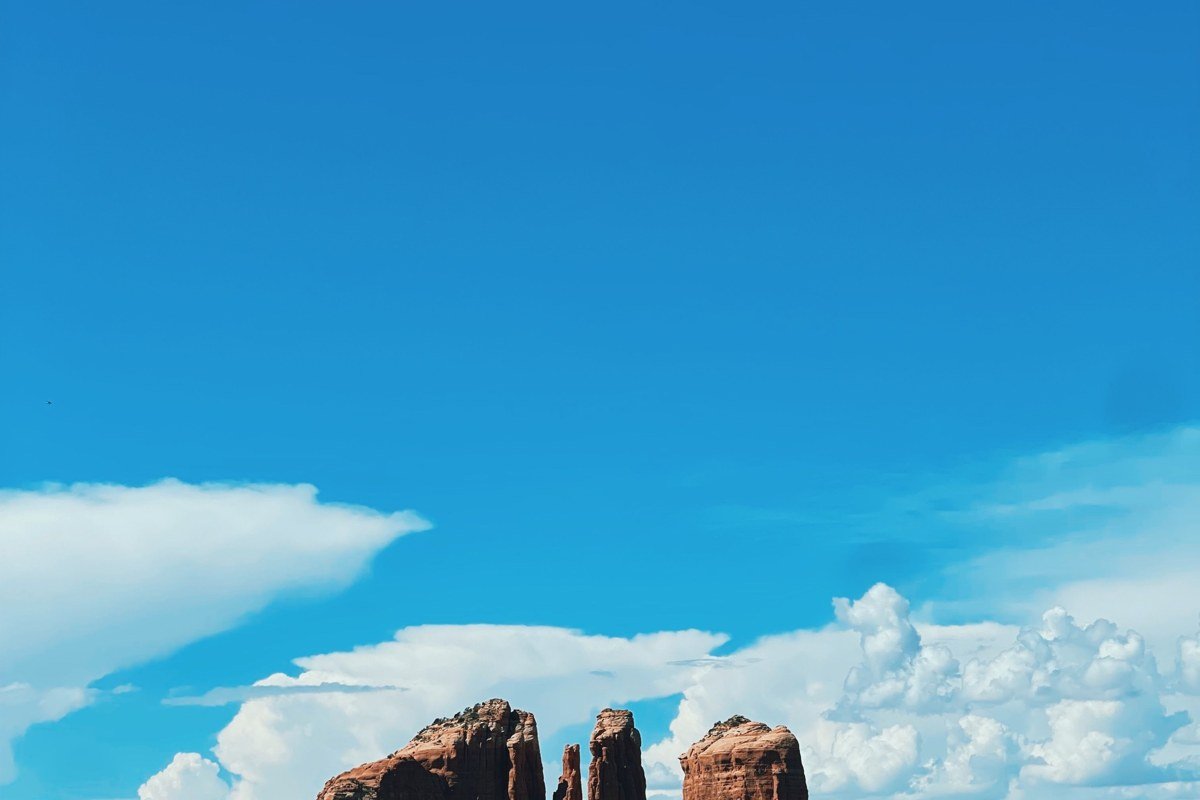
This small chapel is wedged into a red rock spur on the south side of Sedona, visible from Highway 179 long before you reach the turnoff. The building itself takes five minutes to see: a single nave, a wall of glass facing the Verde Valley, a cross embedded in the concrete facade. Go right at sunrise or within an hour of sunset, when the rock behind it turns deep orange and the parking lot hasn’t filled yet. By midday on a Saturday, though, this is the most photographed stop in Sedona after the vortexes, and you’ll be circling the small lot or parking down on the access road and walking up in the heat.
7. Red Rock State Park, Arizona
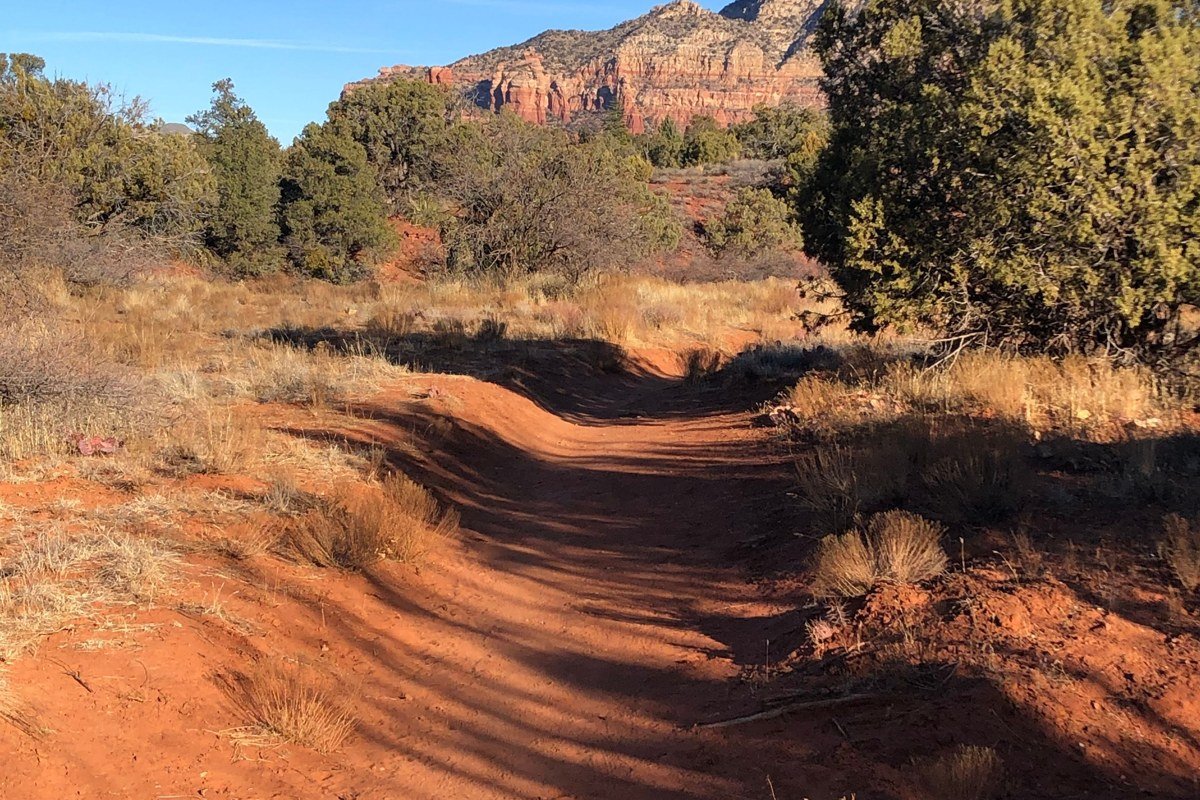
This is a different park from the more famous Red Rock Crossing viewpoint, and people mix them up constantly. Red Rock State Park is a quieter, fee-based preserve along Oak Creek (entrance fee is a few dollars per adult, cash or card at the gate) with about five miles of interconnected trails, ranger-led walks, and a visitor center with real shade and real bathrooms. The move is the Eagle’s Nest Trail loop, a moderate climb that gets you above the creek for a full view of the canyon without the crowds stacked at Cathedral Rock. There’s no swimming allowed here, unlike the creek access points elsewhere on this list, so if you came for water, this isn’t the stop.
6. Red Rock Crossing and Crescent Moon Picnic Site, Arizona
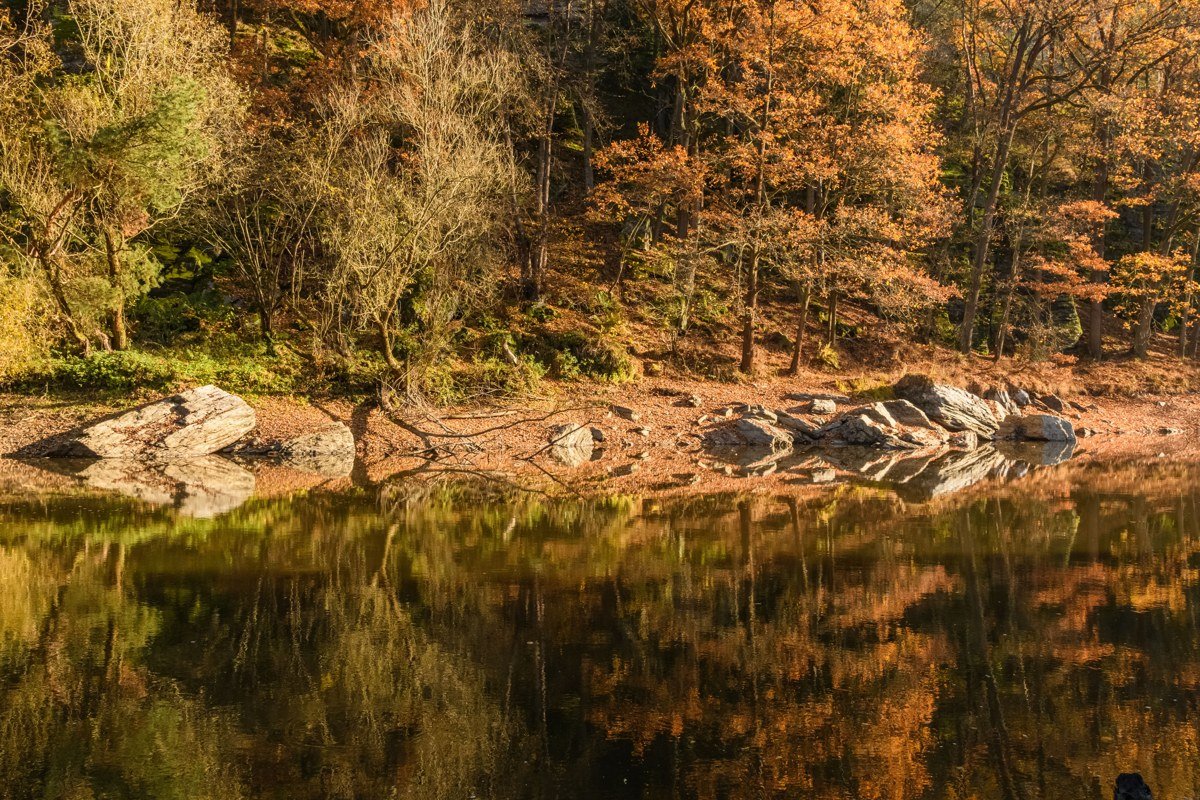
This is the spot behind nearly every postcard shot of Cathedral Rock, the one with the creek in the foreground and the twin spires reflected in still water. It’s a short, flat walk from the parking area to the creek’s edge, and kids can wade right in near the crossing itself. Go at golden hour for the reflection shot. The small lot fills fast, though, and the Forest Service often closes access once it’s full, especially on fall weekends when the cottonwoods turn. If you hit that wall, Red Rock State Park (above) gets you a Cathedral Rock view with a parking spot guaranteed.
5. Jerome, Arizona
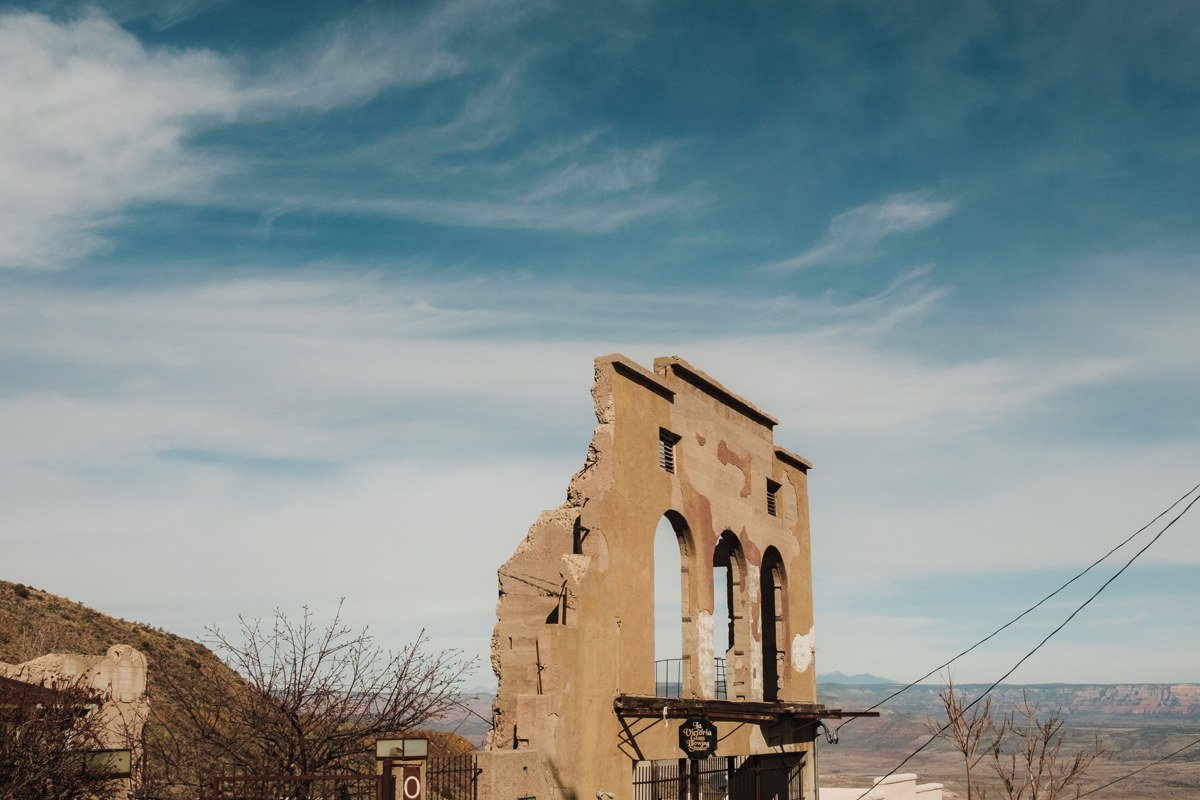
Jerome sits about 25 miles southwest of Sedona, built into the side of Cleopatra Hill at a steep enough grade that some streets stack directly on top of others. It was a booming copper town a century ago and is now part ghost town, part functioning artist colony, with galleries, a winery tasting room, and a genuinely unsettling old hotel people claim is haunted. Walk Main Street, duck into Jerome State Historic Park for the mining history, and get lunch on a patio with a view down into the Verde Valley. Budget close to two hours round trip from Sedona just for the drive: it’s switchbacks the whole way up and down, and it isn’t a great add-on if anyone in the car gets carsick.
4. Palatki and Honanki Heritage Sites, Arizona
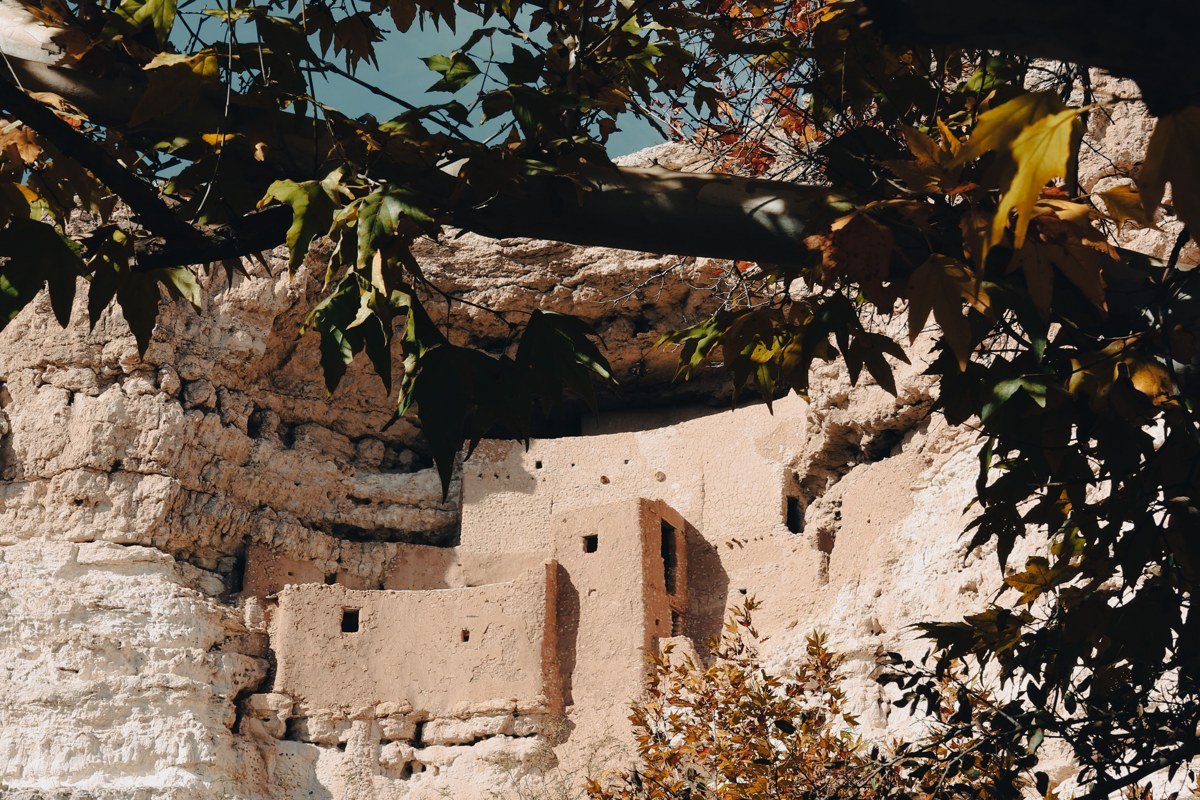
West of Sedona, down a stretch of unpaved road, sit two of the best-preserved cliff dwelling and rock art sites in the Verde Valley. Palatki has structures tucked into an alcove that date back centuries, along with pictograph panels layered by different cultures over thousands of years. Honanki, a short drive further, is less visited and feels closer to how these sites looked before tourism found them. Palatki requires a timed reservation, and in practice you should call a day or two ahead rather than showing up and hoping, since same-day slots often don’t exist. The access road is rough enough that low-clearance sedans struggle after rain, so check conditions before you commit the afternoon.
3. Slide Rock State Park, Arizona
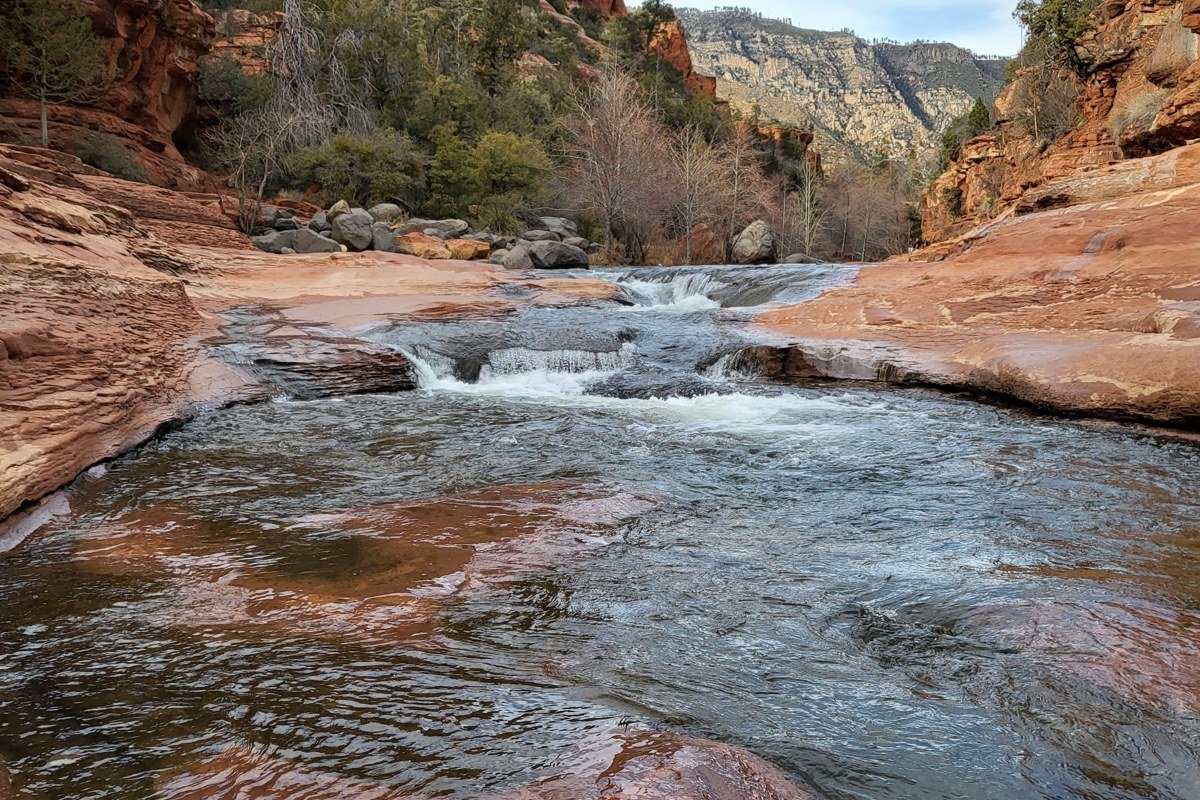
This is the swimming hole every Sedona road trip itinerary mentions and almost nobody visits correctly. Oak Creek has carved a natural rock chute here that people slide down into a pool below, and in July it is packed, loud, and exactly as fun as it looks in photos. The park caps the lot at a few hundred vehicles and turns cars away at the gate once that’s hit, often before 10 a.m. on summer weekends, so arrive before 9 a.m. if you want in at all. Go in May or September instead if you can, when the water’s cold but the crowds have thinned. Winter closes the swimming entirely, though the orchard and the canyon views still make it worth a stop.
2. Red Rock Scenic Byway (Highway 179), Arizona
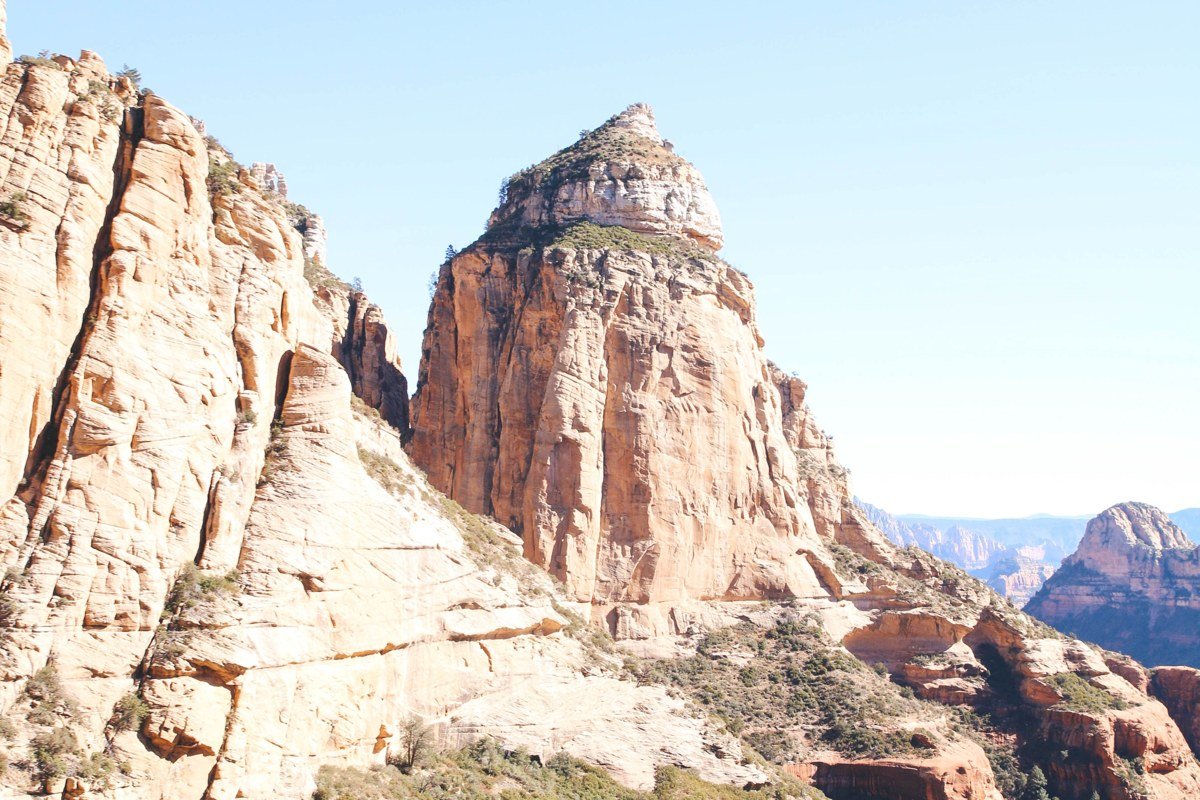
This is the southern approach into Sedona from the Interstate 17 junction, and it’s where the red rocks first announce themselves if you’re driving up from Phoenix. Bell Rock and Courthouse Butte sit right off the highway, close enough that you can pull into a trailhead, do a short loop around the base, and be back in the car in under an hour. The byway itself has several designated pullouts built for exactly this kind of stop-and-shoot driving, which makes it easy to string together without a real itinerary. If you’re coming from Phoenix, this is also your entry point: the drive is roughly two hours door to door, making Sedona a realistic single-day trip from the Valley, though most people regret not staying the night once they see how much ground there is to cover.
Sidebar: Doing This as a Las Vegas to Sedona Road Trip
If you’re searching for a Las Vegas to Sedona road trip itinerary, know upfront this is a real commitment: it’s close to 300 miles and around 4.5 to 5 hours of driving one way via Kingman and Highway 89A, or a bit faster via Flagstaff on I-40.
Most people who attempt this as a day trip from Las Vegas regret it. The better version is two nights in Sedona, which gives you a full day to run this exact loop (Highway 179 up to Jerome, over to Palatki, back through the canyon) without feeling like you’re sprinting between stops.
If you only have one day total, prioritize Oak Creek Canyon and skip Jerome. The drive-up switchbacks aren’t worth it if you’re already exhausted from five hours on I-40.
1. Oak Creek Canyon via Highway 89A, Arizona
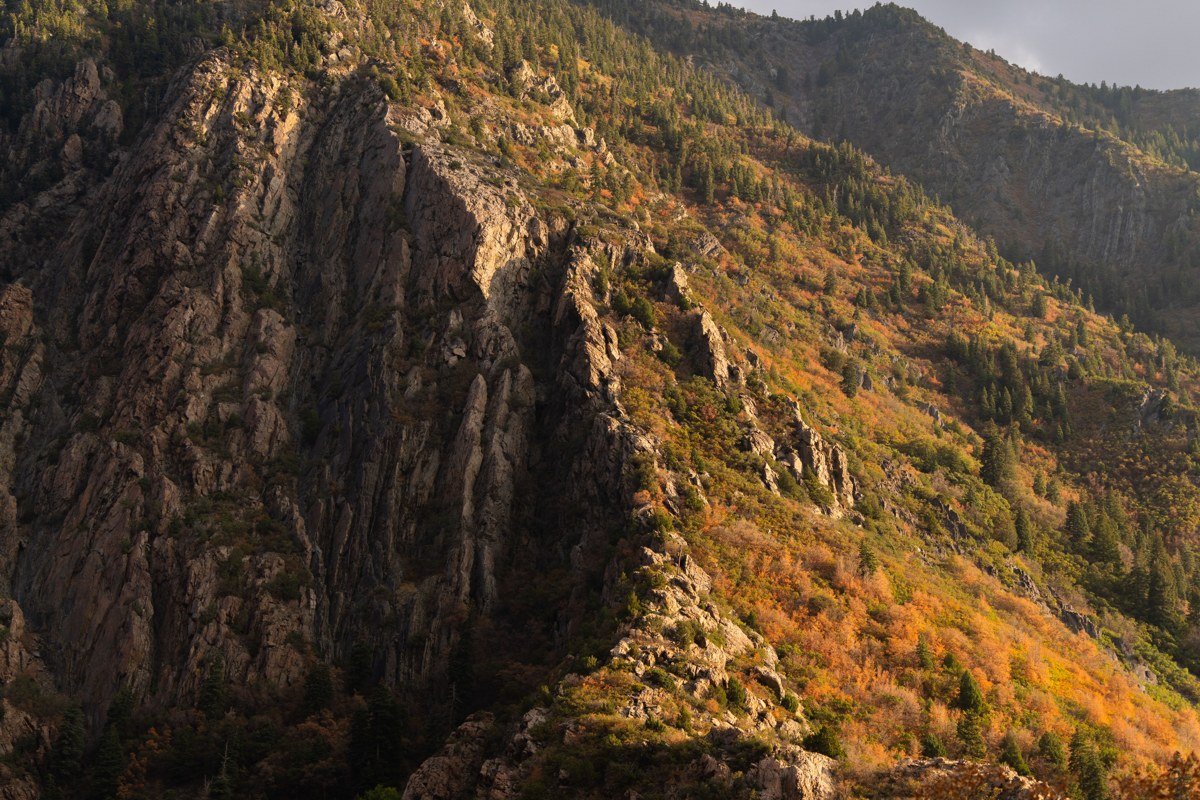
North of Sedona, Highway 89A climbs through Oak Creek Canyon on its way to Flagstaff, and this 14-mile stretch is the best drive in northern Arizona, full stop. The road hugs the creek at the canyon floor before switchbacking up through the walls near the top, with pullouts at the Oak Creek Vista overlook that give you the whole canyon in one frame. Do it in October if you can: the maples along the creek turn a color you don’t expect from the desert, and the contrast against the red rock is the single best photo opportunity on this entire itinerary. This is also the most congested road in the region during peak fall weekends and after any snow, since it’s the only direct route between Sedona and Flagstaff. Budget extra time, and consider driving it on a weekday morning instead of a Saturday afternoon.
How I’d pick
If this is your first trip to Sedona, drive the Highway 179 byway in on arrival, do Slide Rock early the next morning before the crowds, and close with Oak Creek Canyon up toward Flagstaff. That’s the shape of a real Sedona road trip itinerary without overbuilding the day. Families should anchor around Slide Rock and Red Rock Crossing, since both offer safe, shallow water and short walks from the car. Couples looking for the postcard shot should make time for Jerome and the Chapel at golden hour, even if it means skipping Palatki. And if you’ve only got one weekend and you’re driving up from Phoenix or flying into Flagstaff, cut Jerome entirely and spend that saved time doing Oak Creek Canyon twice: once at sunrise heading north, once at sunset heading back.