
Picture a taverna owner pulling a handwritten menu from his apron pocket, four tables on a terrace, the Aegean going violet below, and not a single other tourist in the frame. That image exists in Greece right now, on islands that carry every visual element of the Greek isle fantasy and appear on almost no first-timer shortlist. Santorini and Mykonos deliver the aesthetic, but they deliver it alongside cruise-ship crowds and prices that make the dream feel secondhand. The ten islands below do not.
1. Tilos
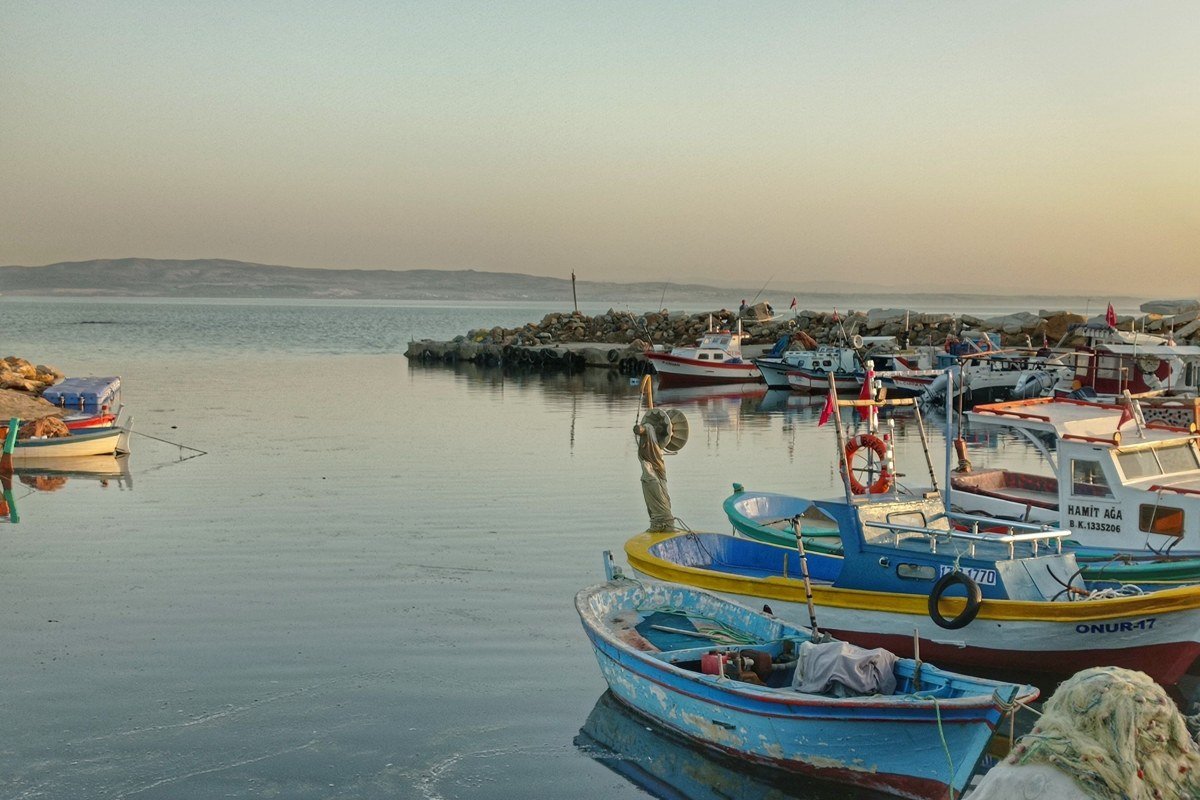
Tilos sits in the Dodecanese between Rhodes and Kos, and it manages to feel genuinely untouched without being inconvenient to reach. The main village of Livadia is exactly the low-key visual you are chasing: a crescent bay, a handful of pastel fishing boats, a waterfront lined with bougainvillea so dense it pulls up against the cafe awnings. The island declared itself a wildlife refuge decades ago, which means the interior hilly landscape stays wild and unfenced, giving the late-afternoon light a quality that photographers describe as almost Aegean-perfect.
The best thing to do here is rent a scooter and ride north to the abandoned medieval settlement of Mikro Horio, a ghost village with a tiny castle and unobstructed views over the sea. Ferry connections from Rhodes are reliable in high season, but if you visit in May rather than August you will share those views with almost nobody.
Accommodation reality check: Tilos has around a dozen small hotels and studios concentrated in Livadia. Book by February for July dates.
Best month: May, for wildflowers in the wildlife refuge and near-empty trails.
2. Iraklia
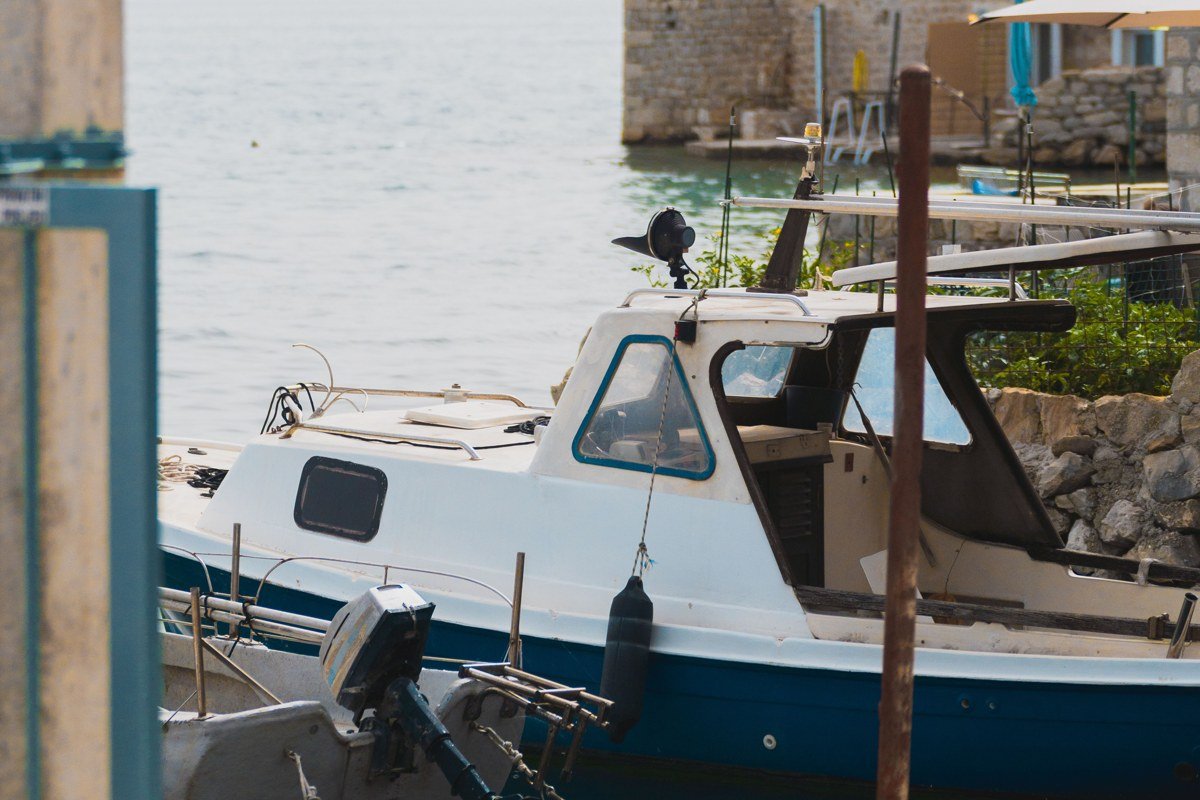
Iraklia is the smallest and westernmost of the Small Cyclades, a chain of largely overlooked islands strung between Naxos and Amorgos. It has a permanent population of around 150 people, one main settlement at Agios Georgios, and a single paved road that ends before it gets anywhere in particular. The harbor scene is pure early-Cyclades: unrestored whitewashed buildings, cats on the quayside, a kafeneion with no menu because the owner decides the menu each morning.
The island’s signature walk crosses the scrubby interior to the Cave of the Sacred Icon, a stalactite cave with a small chapel inside that has been a pilgrimage site for centuries. The trail takes roughly two hours return from the port, and the cave entrance, framed by wild sage and looking out over the open Aegean, is one of those compositions that needs no filter.
Ferries connect Iraklia to Naxos and Piraeus via the small-ferry route run by Express Skopelitis, a vessel so embedded in Small Cyclades life that locals call it simply “the Skopelitis.” Schedules are limited: check Ferryhopper before committing to dates.
Accommodation reality check: Fewer than ten rooms-to-rent operations on the whole island. Book as early as January for summer travel.
Best month: September, when the summer boats thin out but the water is at its warmest.
3. Ikaria
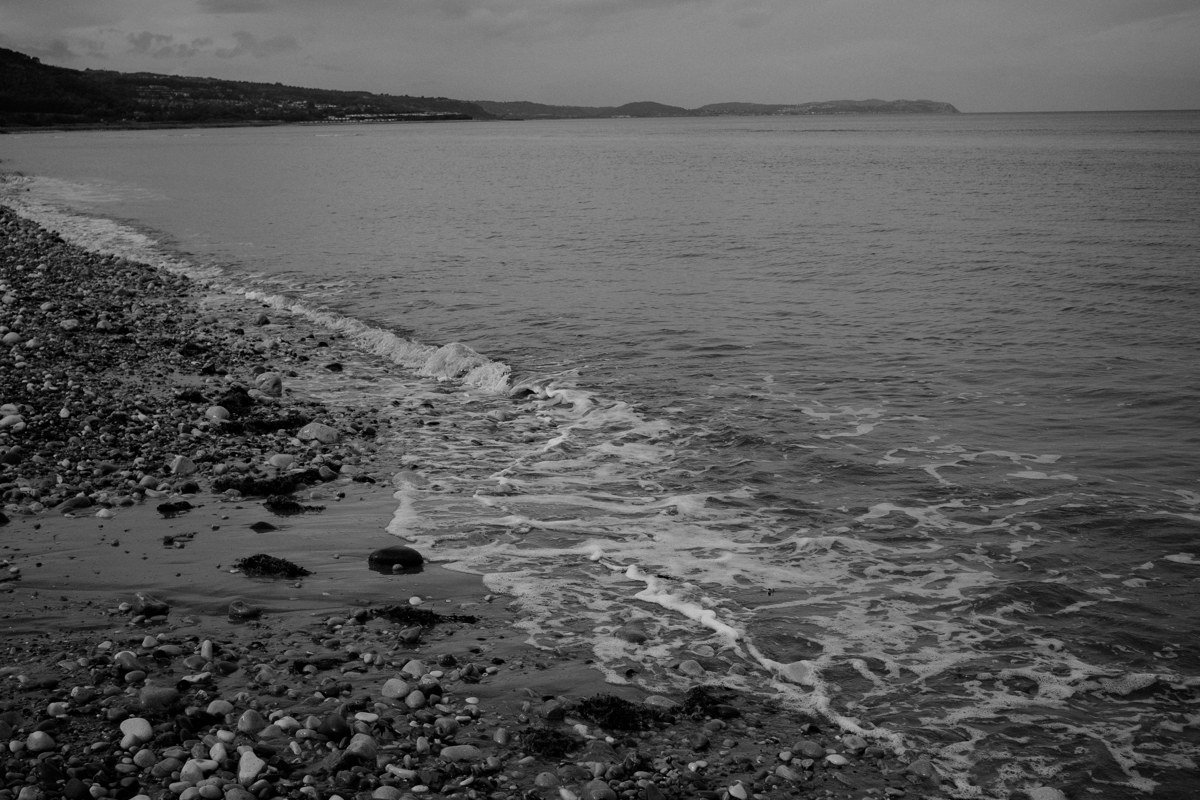
Ikaria carries the Blue Zones label now, and yes, people here live unusually long. Move past that and you find something the documentary does not linger on. The thermal baths at Therma on the north coast are radioactive in the mildest, most therapeutic sense: natural hot springs that flow directly into a concrete pool cut into the sea rocks, open to anyone who walks down from the road. Locals have been soaking there for arthritis and general endurance since before the term wellness tourism existed.
The panigiri festival calendar is the other thing worth planning around. These are village saints-day celebrations held across the island between late July and late August, each one in a different village. The one at Agios Isidoros draws hundreds of people to an outdoor dance that starts at midnight and genuinely does not stop until midmorning. There is no ticket, no stage, no wristband. You show up, eat grilled meat, and dance.
The north coast is dramatic and almost Celtic in feel, with forested ravines and dark rock, while the south opens into warmer bays with the amber Aegean tones you expect. The river at Nas flows from an inland gorge directly onto a pebbled beach, forming a tidal pool where fresh and salt water meet, and the ruins of an ancient temple sit right at the headland above it. Come for the village of Christos Raches, which famously operates on a nocturnal schedule, shops opening at 11 p.m., and experience an island that simply does not care what time zone you brought with you.
Accommodation reality check: Rooms and small hotels are concentrated around Agios Kirykos and Armenistis. Availability opens later than other islands, but book April for August to get waterfront options.
Best month: Late July for the panigiri season, or October for dramatic skies and empty roads.
4. Halki (Chalki)
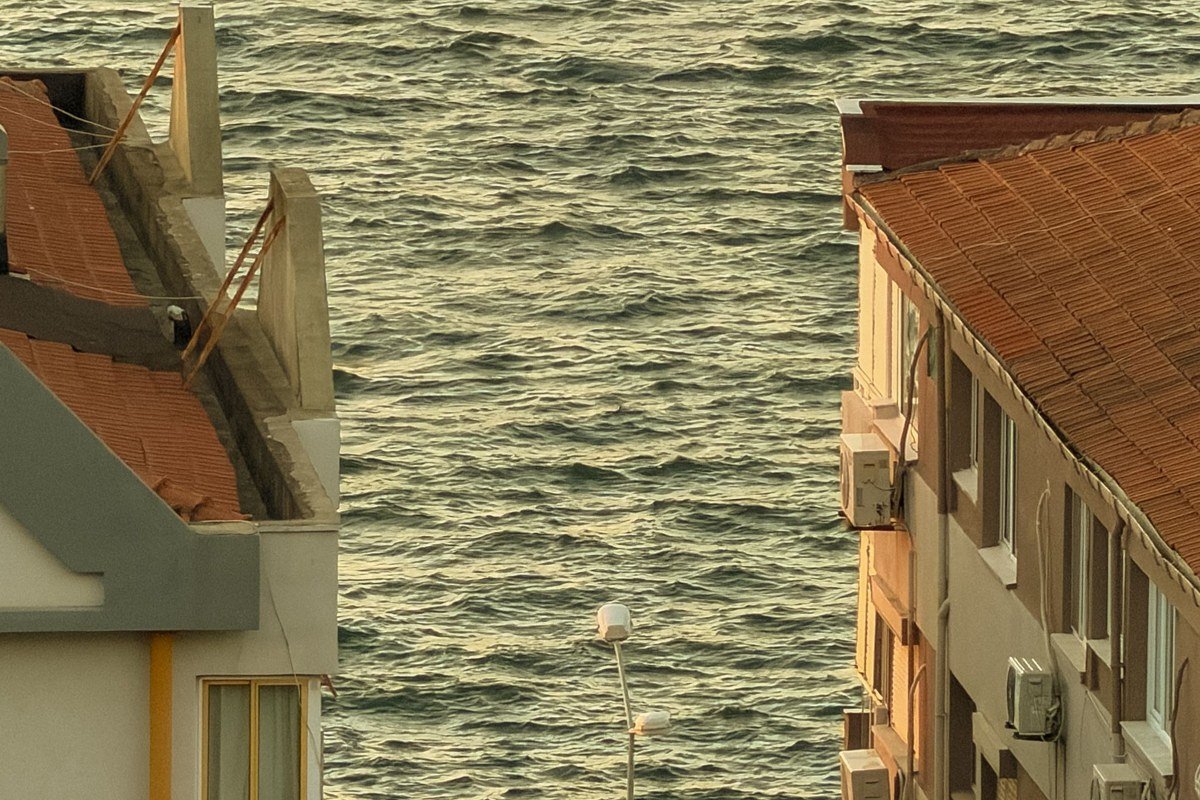
Halki is one of the smallest inhabited islands in the Dodecanese and its harbor village, Nimborio, is the kind of place that makes photographers stop mid-sentence. The neoclassical mansions lining the waterfront are painted in dusty terracotta, ochre, and faded yellow, and they reflect into the almost-still harbor water in a way that reads like a painting rather than a travel photo. There are no cars and no mopeds allowed on the island, just a small ferry, donkeys on the upper paths, and complete quiet.
The best thing to do is walk the old mule track up to the Knights of St. John castle above the village, where the view back down to Nimborio and across to the Turkish coast is genuinely arresting. A day trip from Rhodes is possible, but staying overnight earns you the village after the day-trippers have left, which is when it becomes something else entirely.
Accommodation reality check: Around eight small guesthouses and restored mansion rooms in Nimborio. Book by March for July.
Best month: June, warm enough to swim but before the Rhodes day-trip boats run at full frequency.
5. Lipsi
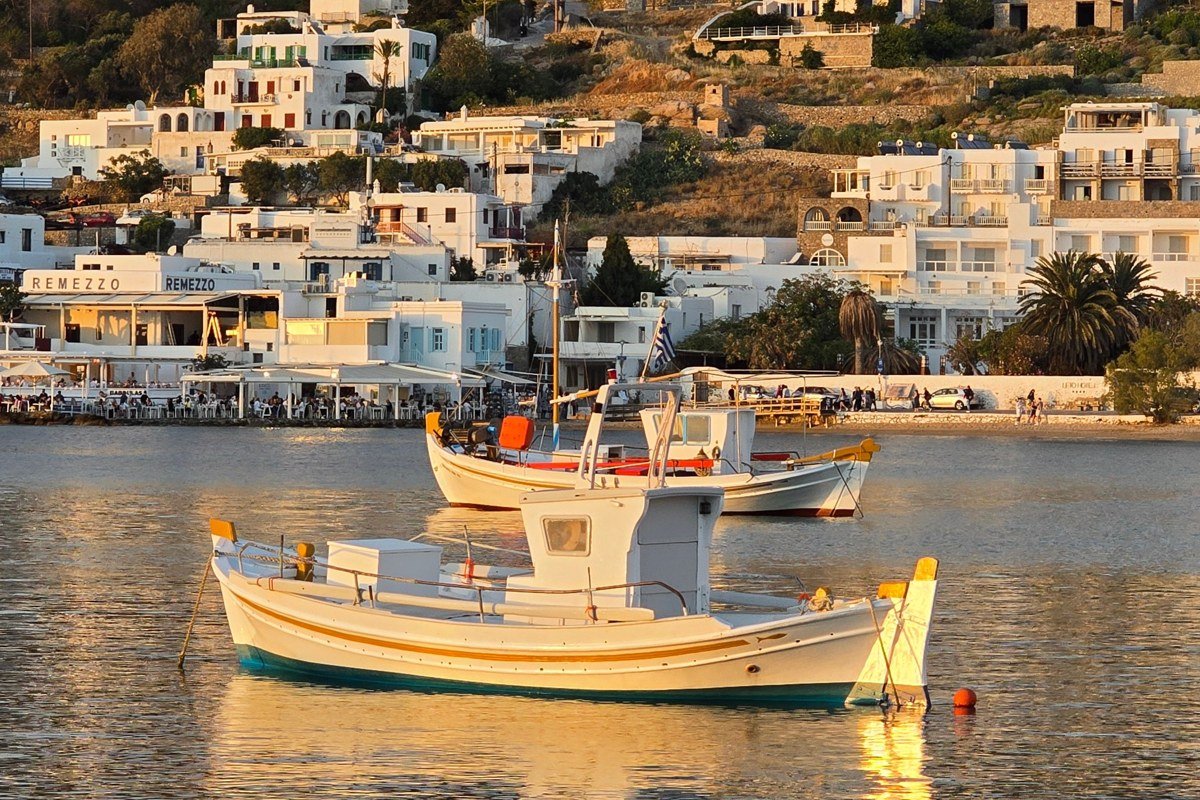
Lipsi is a tiny island in the Dodecanese cluster near Patmos, and it has managed to stay small partly because the accommodation stock never expanded to invite mass tourism. The single main settlement is a quiet grid of white buildings rising from a harbor full of wooden fishing boats, with a blue-domed church that photographs from literally any angle. The beaches, particularly Katsadia and Platys Gialos, are shallow and warm and framed by low scrubland, giving them that unhurried quality where you can see your feet on the sandy bottom in thigh-deep water.
Pick up a jar of the local wild fig preserve from the small shop near the ferry port. Connections to Lipsi route through Patmos, departing from Agia Marina port on Patmos’s eastern coast, so folding Lipsi into a Patmos visit is logistically straightforward and worth doing for at least two nights.
Accommodation reality check: A small number of family-run guesthouses and studios. Options fill quickly in August; book April at the latest.
Best month: June for warm water, quiet beaches, and reliable ferry schedules out of Patmos.
6. Anafi
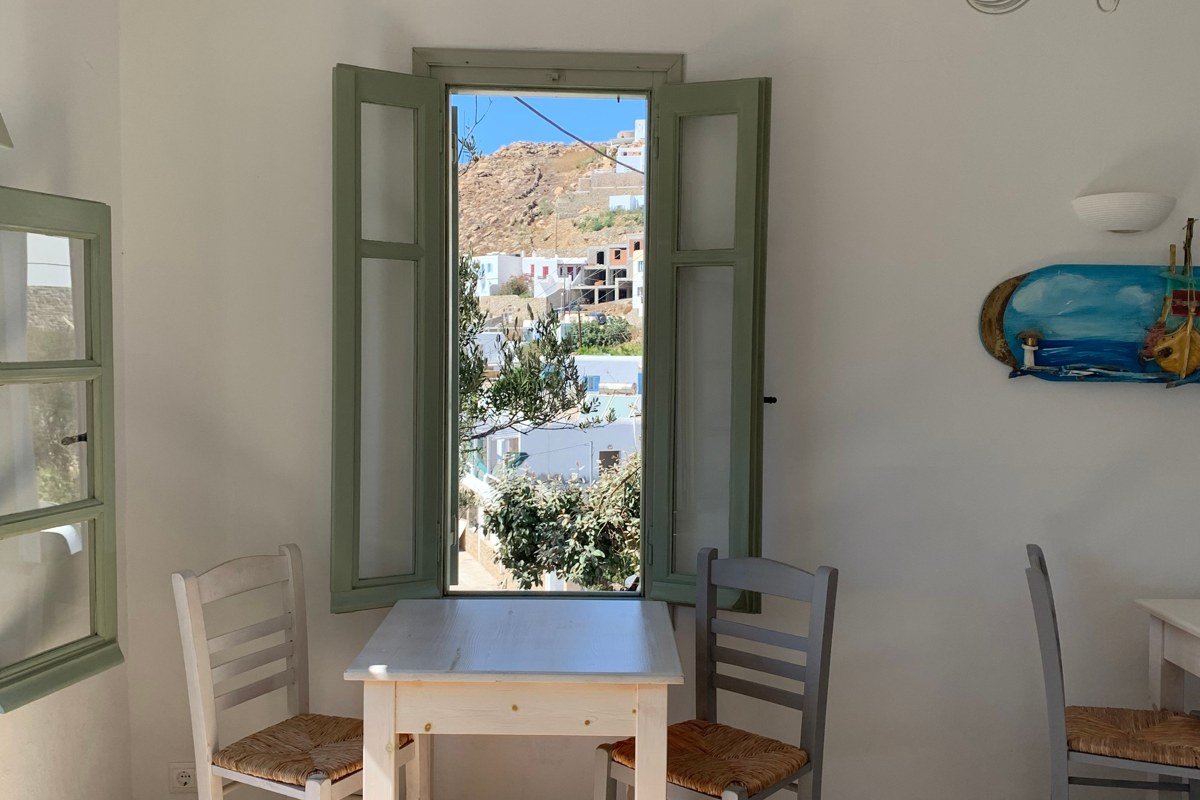
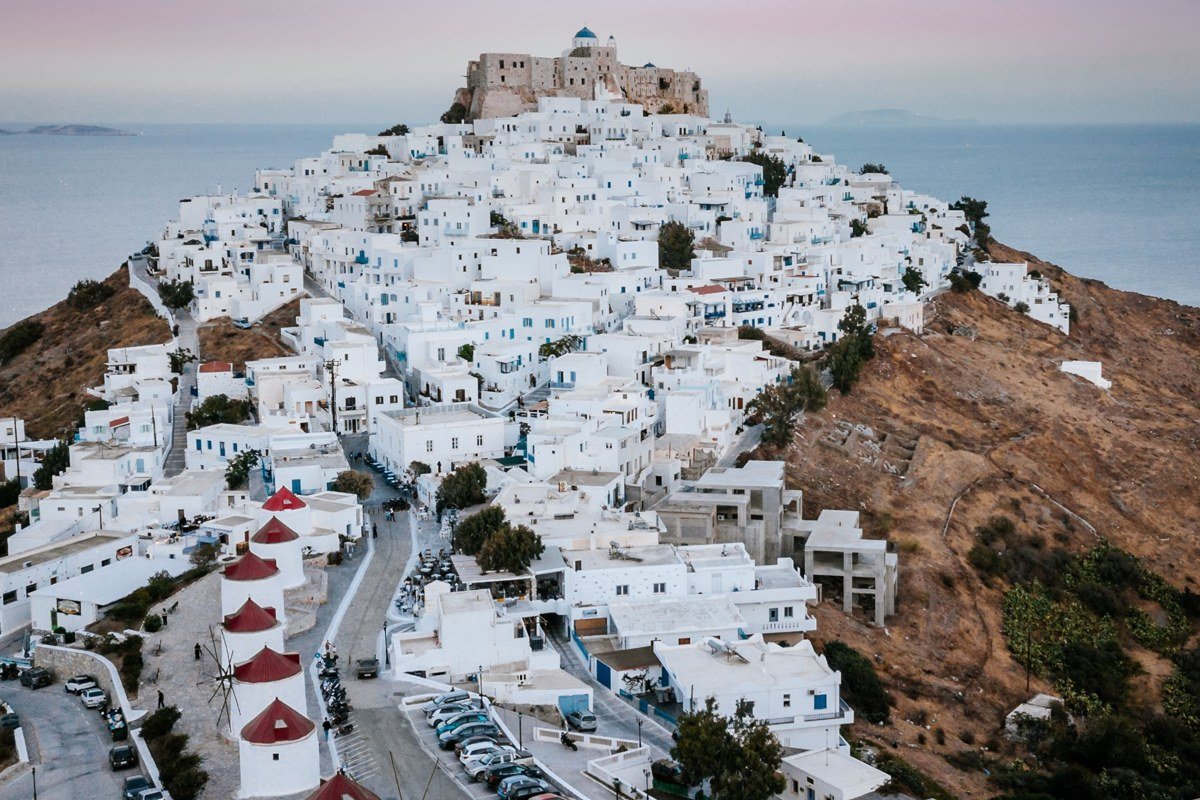
Anafi is the last island east of Santorini before open sea, and it is the one you reach when you genuinely want to disappear. The Chora is small and completely white, with no concession to tourism in the architecture or the pace, and it sits high above the coast in a way that gives every direction a view. The island’s defining feature is the Kalamos rock, a monolith rising dramatically from the sea at the eastern tip with a small monastery clinging to its upper ledge.
The hike to that monastery along the coastal path is the central physical experience of Anafi: two hours of rocky trail with the Aegean dropping away below and almost no shade, so start before 7 a.m. Ferry connections from Santorini currently run three times weekly on Blue Star Ferries, schedules permitting, so plan for a minimum three-night stay to avoid being stranded by a cancellation.
Accommodation reality check: A handful of small rooms-to-rent in Chora and near Klisidi beach. Supply is genuinely tight; contact guesthouses directly as early as February.
Best month: May or early June, before the Santorini heat becomes punishing and while the Kalamos trail is still shaded by low scrub in flower.
7. Thirasia
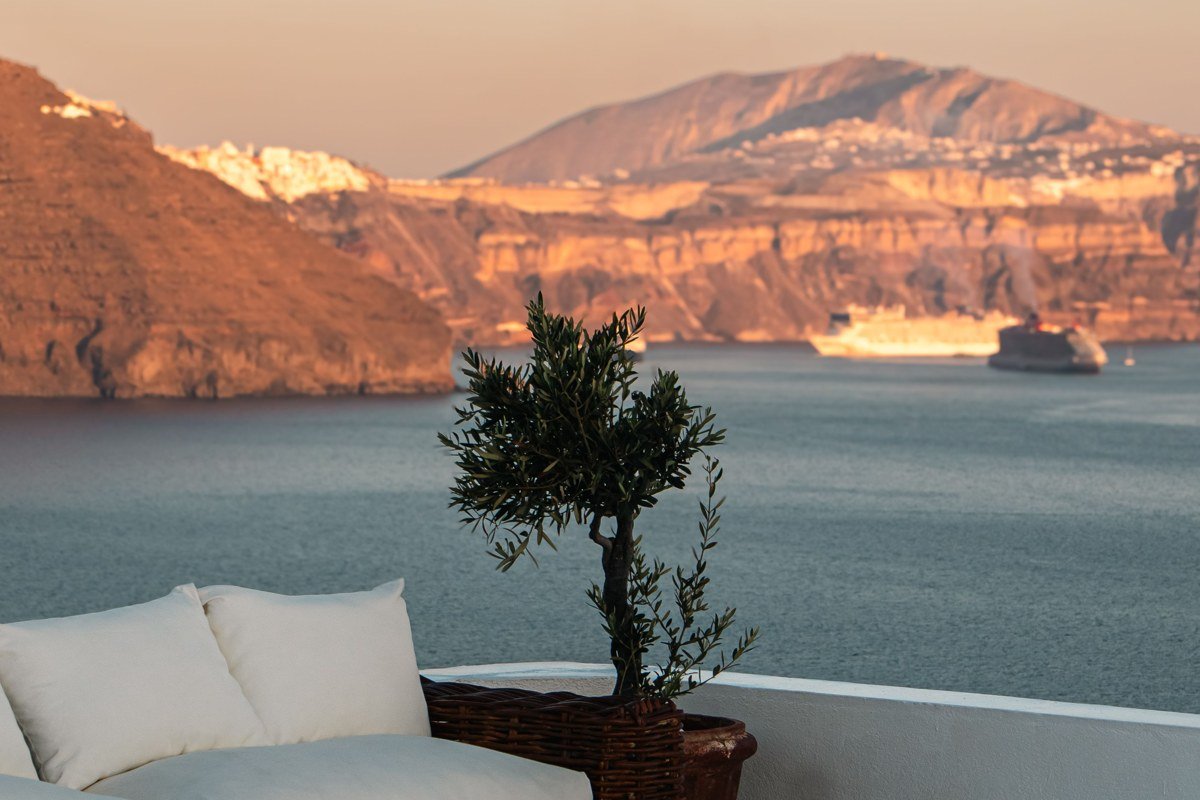
Thirasia is the other inhabited island inside the Santorini caldera, sitting directly across the water from Oia. Most visitors see it from a boat without stopping. The few that do land at Korfos port and climb the steep stone-cut path (or hire a donkey) to the small village of Manolas, where two or three tavernas look across caldera water that delivers the same dramatic view as Santorini’s famous sunset vistas, with a fraction of the people present.
The volcanic soil here supports small vineyards growing Assyrtiko grapes under the same conditions that make Santorini wine famous, and some of the local tavernas pour their own rough but honest carafe wine. A water taxi or small catamaran from Oia or Fira makes Thirasia a half-day side trip, but arriving in early afternoon and staying for sunset puts you in Manolas when the light is at its full theatrical best.
Accommodation reality check: Options are very limited, a few rooms operated by local families. This is better treated as an overnight stop than a base; confirm availability months in advance if you want to sleep here.
Best month: Late May or early June, when the caldera light is clean and the day-trip boats from Santorini are not yet running at peak frequency.
8. Meganisi
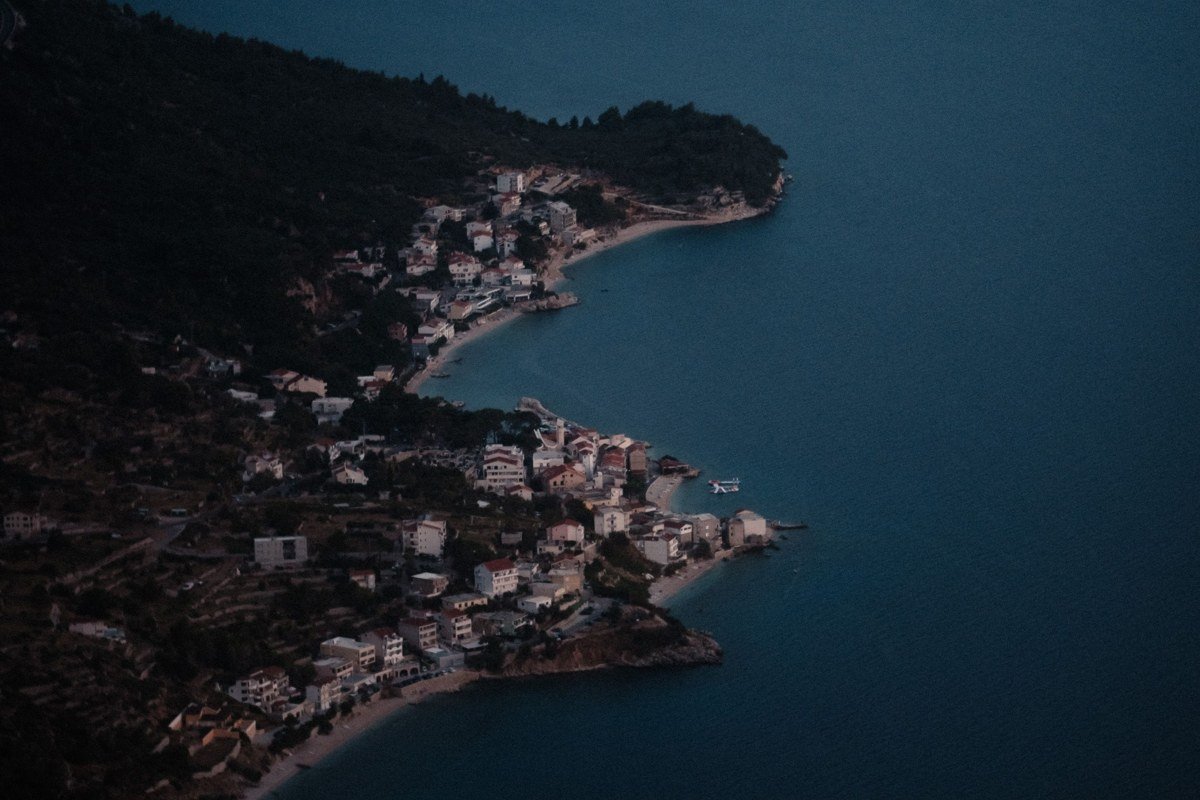
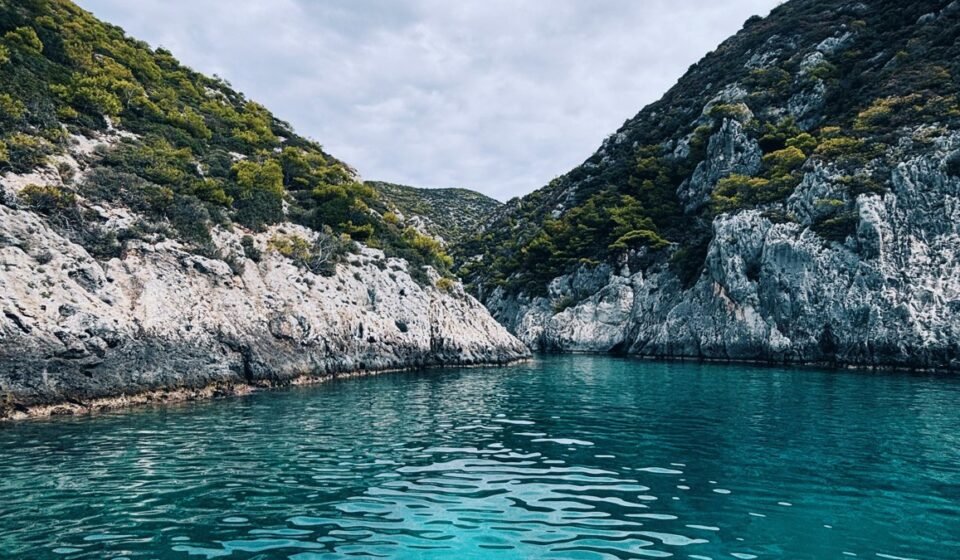
Meganisi is a small Ionian island reachable by regular ferry from Nidri on Lefkada, with crossings taking around 20 minutes and running multiple times daily in summer. It sits in the sheltered water east of Lefkada in a landscape of dense Mediterranean pine, deep coves, and a sea color that shifts from emerald in the shallows to deep sapphire offshore.
The island has three villages: Spartochori, Katomeri, and Vathy. Spartochori sits high on a ridge above the port and is the visual centerpiece, a cluster of white and pastel buildings that opens onto a terrace with a panoramic view across the channel toward the mainland mountains. The harbor at Vathy is the sailing crowd’s anchorage of choice, a near-perfect natural bay where yachts from across the Ionian collect in the evenings for an unofficial gathering that needs no organizing.
What Meganisi offers that larger Ionian islands do not is the combination of easy access and genuine quiet. You can leave Lefkada town after breakfast, be swimming in a Meganisi cove by midmorning, and eat grilled fish at a Vathy waterfront taverna by early evening, all without a tour operator involved.
Accommodation reality check: A modest number of small hotels, studios, and rooms spread across the three villages. Vathy fills fastest; book by March for July travel.
Best month: June or September, when the sailing flotillas are thinner and the Vathy anchorage has room to breathe.
9. Erikousa
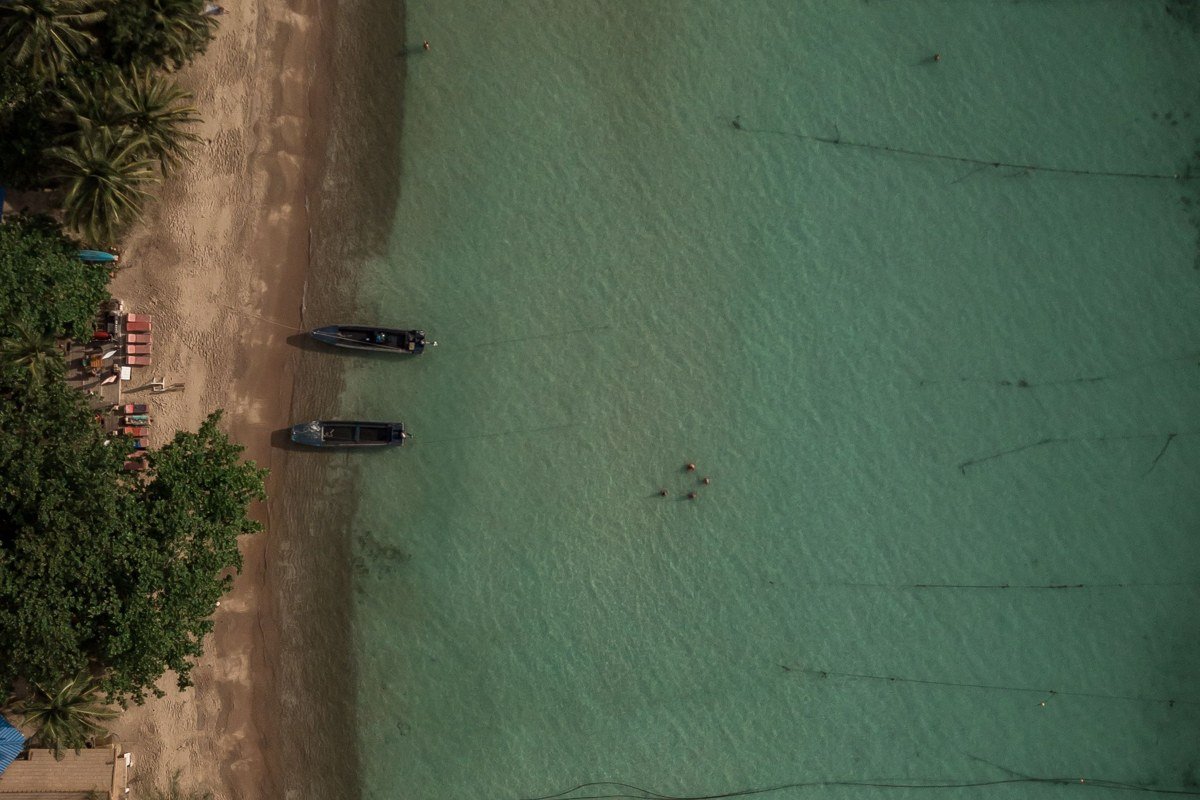
Erikousa is one of three small Diapontia Islands northwest of Corfu and it receives ferry service from Corfu port, making it accessible despite its obscurity. The main beach at Erikousa is a long crescent of white sand backed by pine trees, and it is the kind of beach that shows up in aspirational travel photography without the location ever being labeled. The village is small enough that you will know most of the locals by the second day, and the pace reflects that intimacy.
Several of the island’s families have been there for generations and keep small rooms for rent that are genuinely inexpensive by any standard. Come in late June before the Corfu summer crowd discovers the ferry route, and you will find the beach almost empty, the water already warm, and a taverna owner happy to describe exactly where to find the island’s one wild orchid meadow in the interior.
Accommodation reality check: A small number of family-run rooms and one or two simple guesthouses. Options are limited enough that emailing ahead, even months out, is genuinely worth doing.
Best month: Late June, warm water and pre-peak quiet, with reliable ferry service from Corfu already running.
10. Agistri
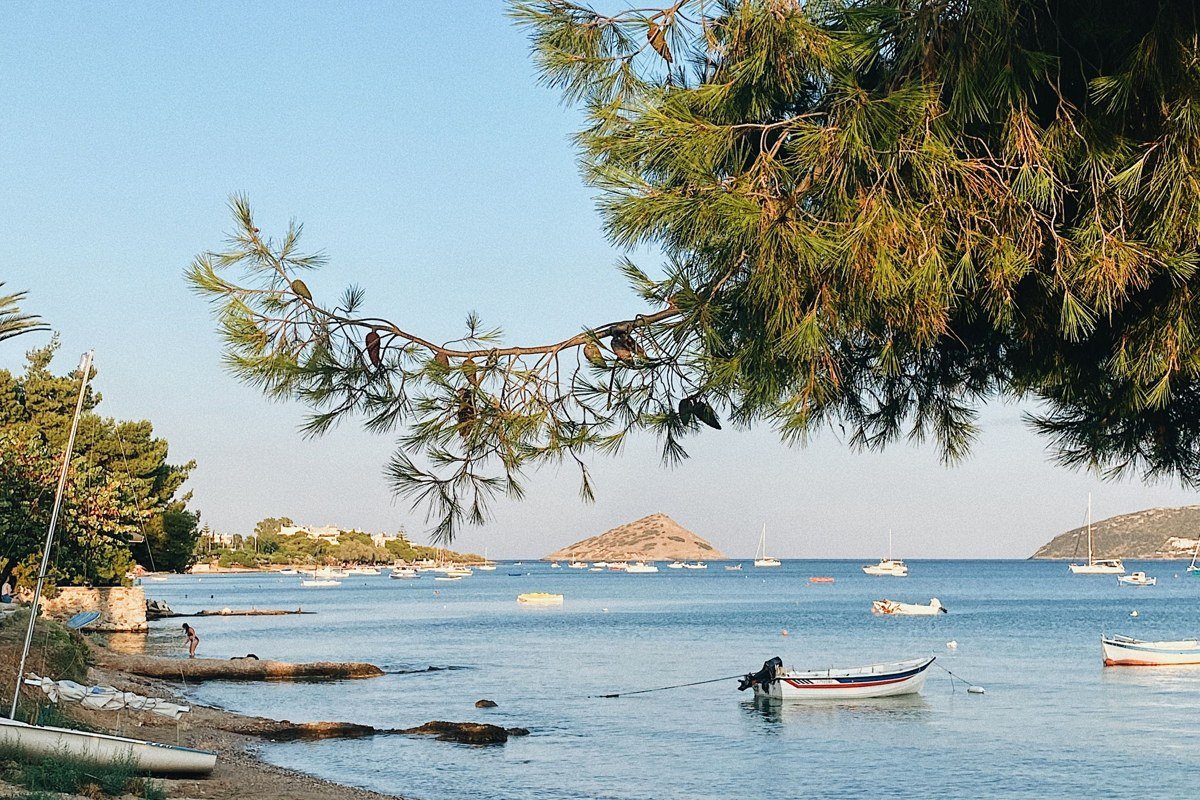
Agistri is a small pine-covered island in the Saronic Gulf, roughly 90 minutes from Piraeus by conventional ferry or under an hour on the Flying Dolphin hydrofoil. That proximity to Athens is its defining practical advantage: you can be swimming in clear Saronic water on a Friday afternoon having left central Athens after lunch, without a flight, a connection, or a layover.
The island has two main settlements. Skala is the busier arrival point, with a waterfront of tavernas and a handful of small hotels. Megalochori, a short walk inland, is quieter, more traditionally vernacular in its architecture, and where most of the island’s year-round residents actually live. The best beaches are on the island’s west and south coasts, reached by local bus or bicycle: Dragonera and Chalikiada are sheltered pebble-and-sand coves framed by pine forest coming to the waterline, with water colour that surprises people who expect the Saronic to be murky.
Agistri will not replace a week in the Cyclades for visual drama, but for Athens-based travelers, weekend visitors, or anyone building a trip that starts or ends in the capital, it delivers a convincing Mediterranean aesthetic at genuinely low logistical cost.
Accommodation reality check: A reasonable spread of small hotels and studios in Skala and Megalochori. Book in advance for August weekends, when Athenian demand is high; shoulder season is walk-in friendly.
Best month: May or October, when the Athenian weekend crowd is absent and the pine-cooled paths through the island interior are at their most pleasant.
How to Actually Get to These Islands
Most of the islands above require a layover on a larger hub. Use this as a rough routing guide:
| Island | Hub | Notes |
|---|---|---|
| Tilos | Rhodes | Reliable Dodecanese ferry service May to September |
| Iraklia | Naxos or Piraeus | Via Express Skopelitis small-ferry route; check Ferryhopper for schedule |
| Ikaria | Piraeus or Samos | Direct ferries from Piraeus; also reachable via Samos |
| Halki | Rhodes | Day trip possible; overnight strongly recommended |
| Lipsi | Patmos (Agia Marina port) | Route through Patmos, not Rhodes directly |
| Anafi | Santorini | Blue Star Ferries, currently 3x weekly, schedules permitting |
| Thirasia | Santorini (Oia or Fira) | Water taxi or small catamaran, half-day or overnight |
| Meganisi | Lefkada (Nidri) | Regular ferry, around 20 minutes, multiple daily crossings in season |
| Erikousa | Corfu | Ferry from Corfu port; limited winter service |
| Agistri | Piraeus | Conventional ferry 90 minutes; Flying Dolphin hydrofoil under an hour |
Build your itinerary with hub nights in either direction. Ferries in the Dodecanese and Cyclades are generally reliable from late May through late September, with the most frequent schedules in July and August. Outside that window, check Ferryhopper before committing to dates.
For any island smaller than Iraklia, carry cash, keep a power bank charged, and do not assume there will be an ATM. Download offline maps of each island before you lose signal on the ferry.
The practical trade-off for most of these places is time. They cost more days than a hop between Santorini and Mykonos, but they deliver the Mediterranean aesthetic without the performance of it, which is the point.