
Wales has been hiding in plain sight. These fairy-tale villages offer the same brooding skies, moss-covered stone, and cinematic river valleys that pull millions toward the Scottish Highlands every summer, but the footfall here is a fraction of what you find in Glencoe or Portree. If your travel mood board leans misty, ancient, and quietly dramatic, you are already halfway to Wales.
1. Beddgelert, Snowdonia
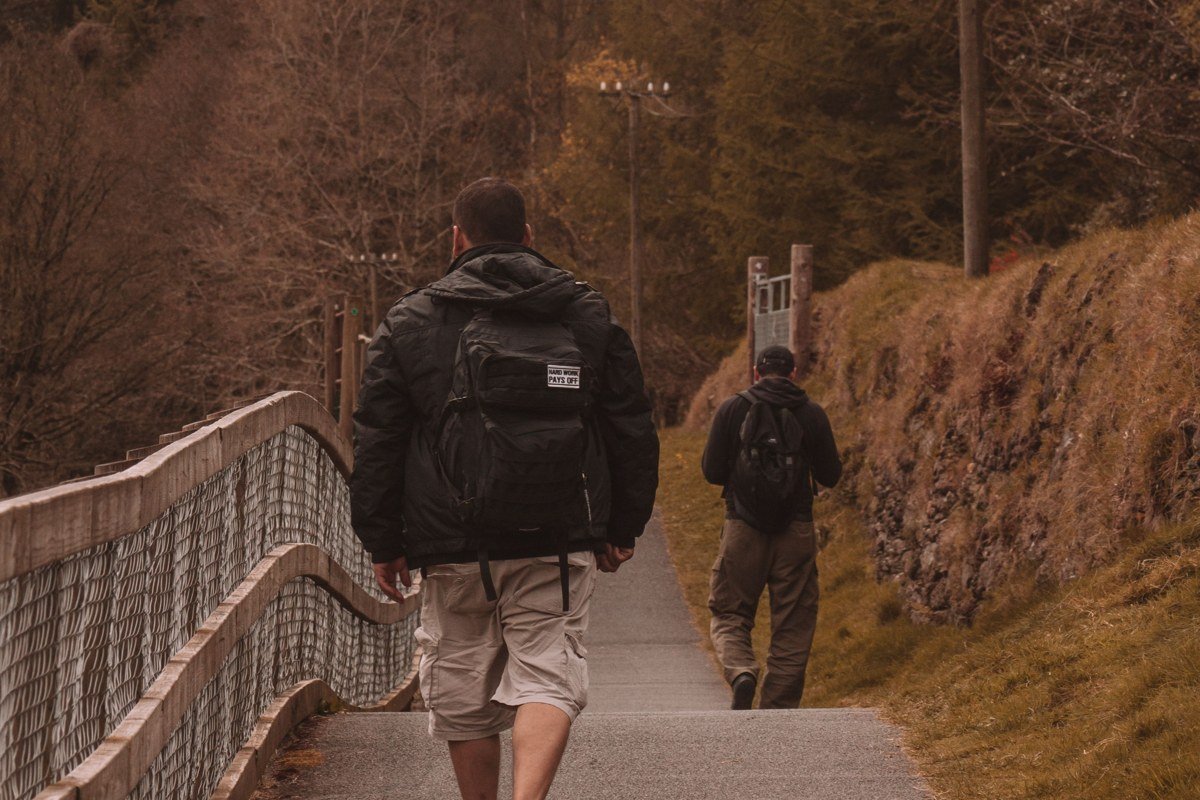
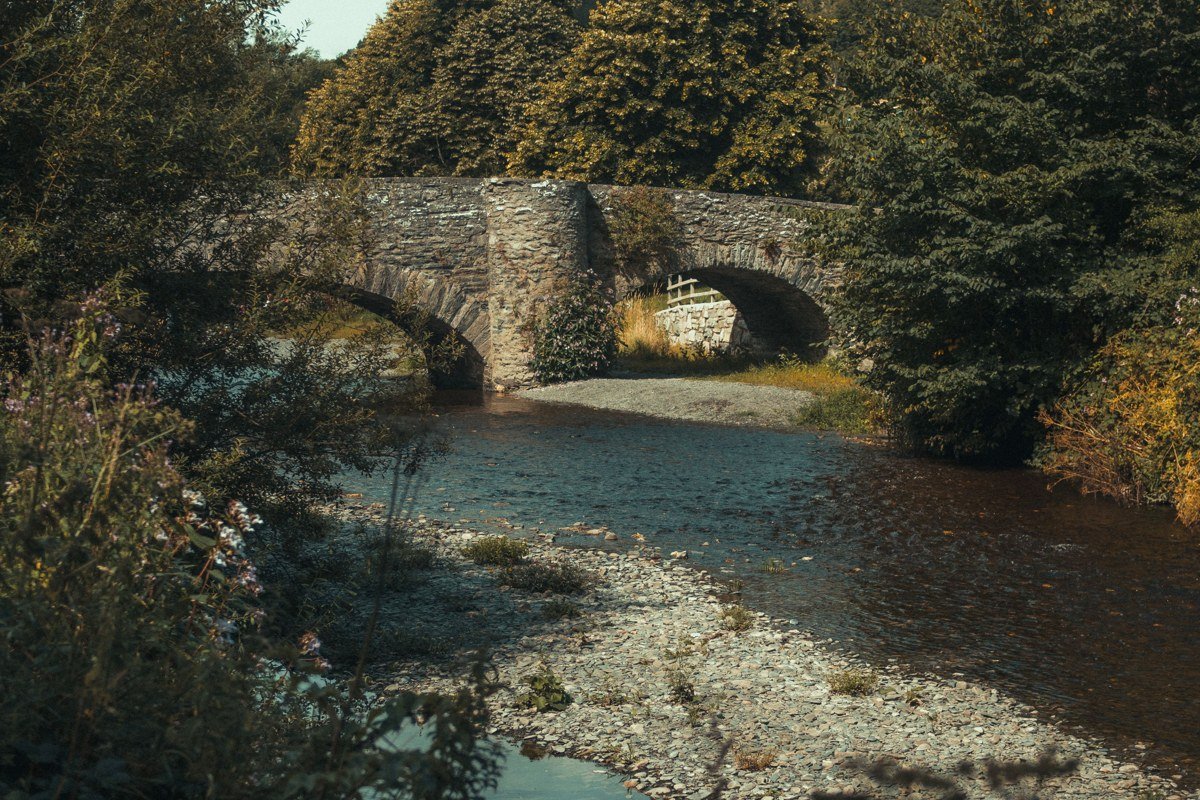
Beddgelert sits at the confluence of the Glaslyn and Colwyn rivers inside Snowdonia National Park, and the geometry of that setting is almost unfair. A single-arch stone bridge frames a scene that photographers keep returning to throughout the year because the light and the fog behave differently every single time. The village itself is small enough to walk end to end in ten minutes, which means the photogenic density is extremely high. The best single thing to do here is follow the river path south toward Aberglaslyn Pass, where the gorge narrows and the trees close overhead like a cathedral roof. Go in October when the bracken turns amber and the tourist coaches have thinned out considerably.
Stay at the Royal Goat Hotel on the main street, a former coaching inn with stone walls thick enough to muffle any weather the valley throws at it.
2. Hay-on-Wye, Brecon Beacons Border
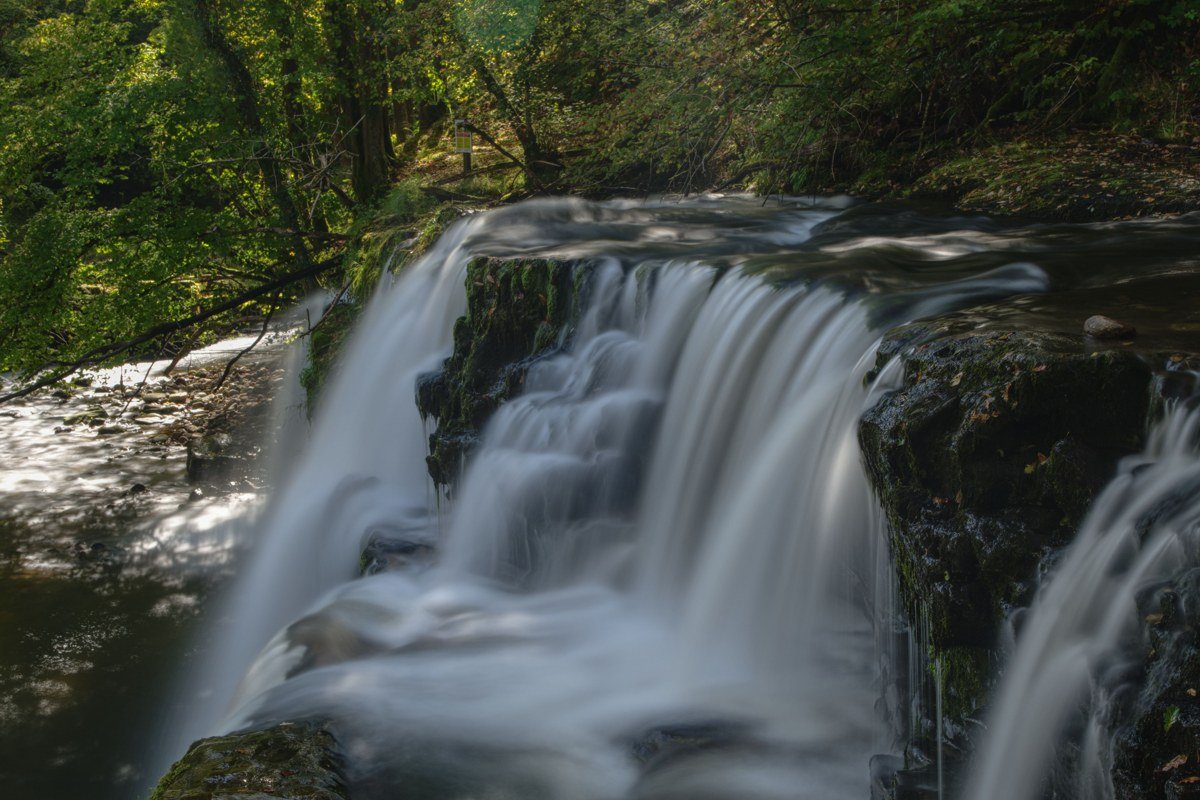
The buildings lean in Hay-on-Wye, visibly and without apology. Dozens of independent bookshops occupy structures so old they have settled into their own angles, and the combination of creaking floorboards, floor-to-ceiling shelves, and fog coming off the Wye outside creates an atmosphere that is genuinely hard to manufacture anywhere else. The town sits on the border of England and Wales at the edge of the Black Mountains, and if the interior aesthetic leans more witchy-librarian than pure highland, the surrounding countryside delivers rolling, brooding drama in full. Walk out of town along the Wye Valley Walk for twenty minutes and you get the pastoral backdrop without anyone else in frame. The Hay Festival runs in late May and brings crowds, so aim for March or November if you want the village at its moodiest and most navigable.
The Old Black Lion on Lion Street is a seventeenth-century inn with low beams and a reputation for feeding people well before they disappear into the bookshops for the afternoon.
3. Crickhowell, Brecon Beacons
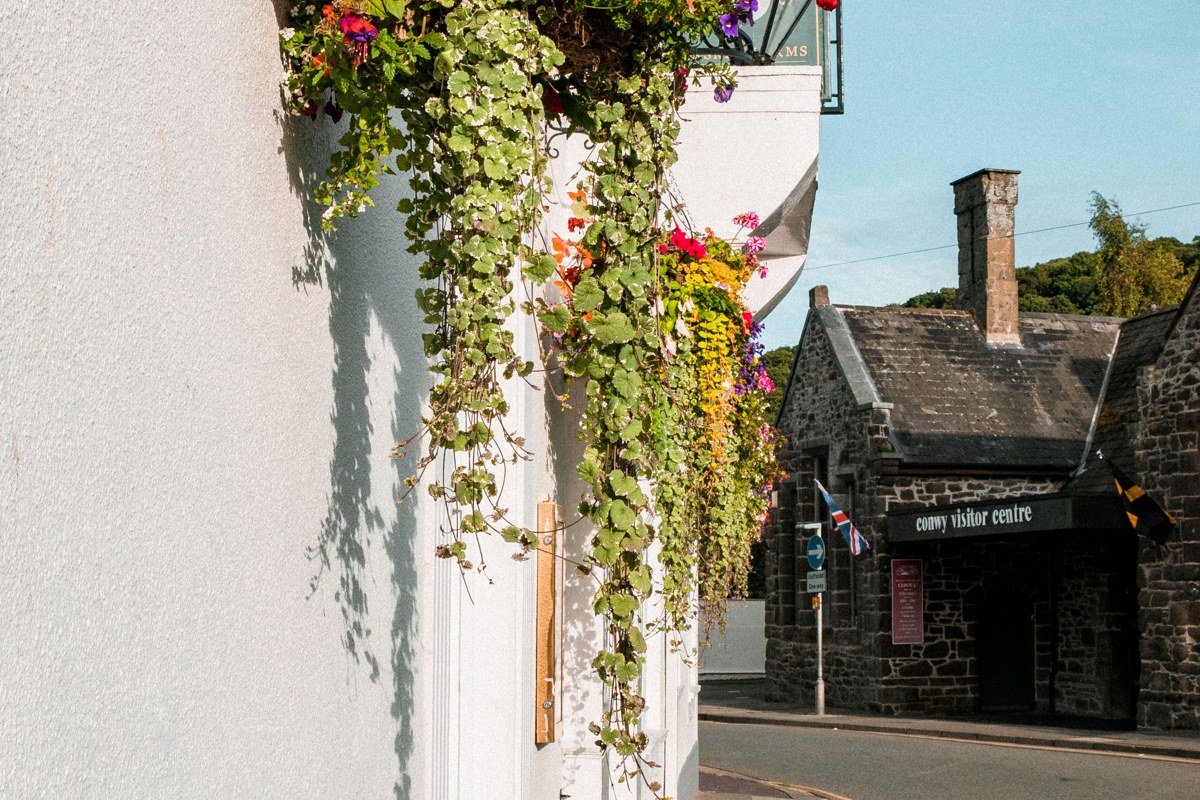
Crickhowell earned its reputation as one of Wales’ finest small towns by becoming the UK’s first plastic-free town, a practical distinction that reflects something real about the place: an unusually dense concentration of independent food shops, delis, and makers who have stayed put rather than been replaced by chains. The thirteen-arched bridge crossing the River Usk dates to the sixteenth century and is the kind of structure that stops you mid-walk simply because it looks like concept art. Table Mountain, the flat-topped escarpment directly above the village (locally it is Pen Cerrig-calch, the pale limestone ridge that gives the formation its profile), rewards the ascent with a summit view that earns its drama. Looking north from the top, the Usk valley floor spreads out in a wide green curve; turning south, the Sugar Loaf fills the middle distance; and the full Pen y Fan ridge hangs on the horizon to the west. It is the kind of panorama that takes a moment to fully accept as real.
Bear Hotel on the high street has been receiving travellers since the fifteenth century and still handles the role with more character than any alternative in the area.
4. Llanrhaeadr-ym-Mochnant, Tanat Valley
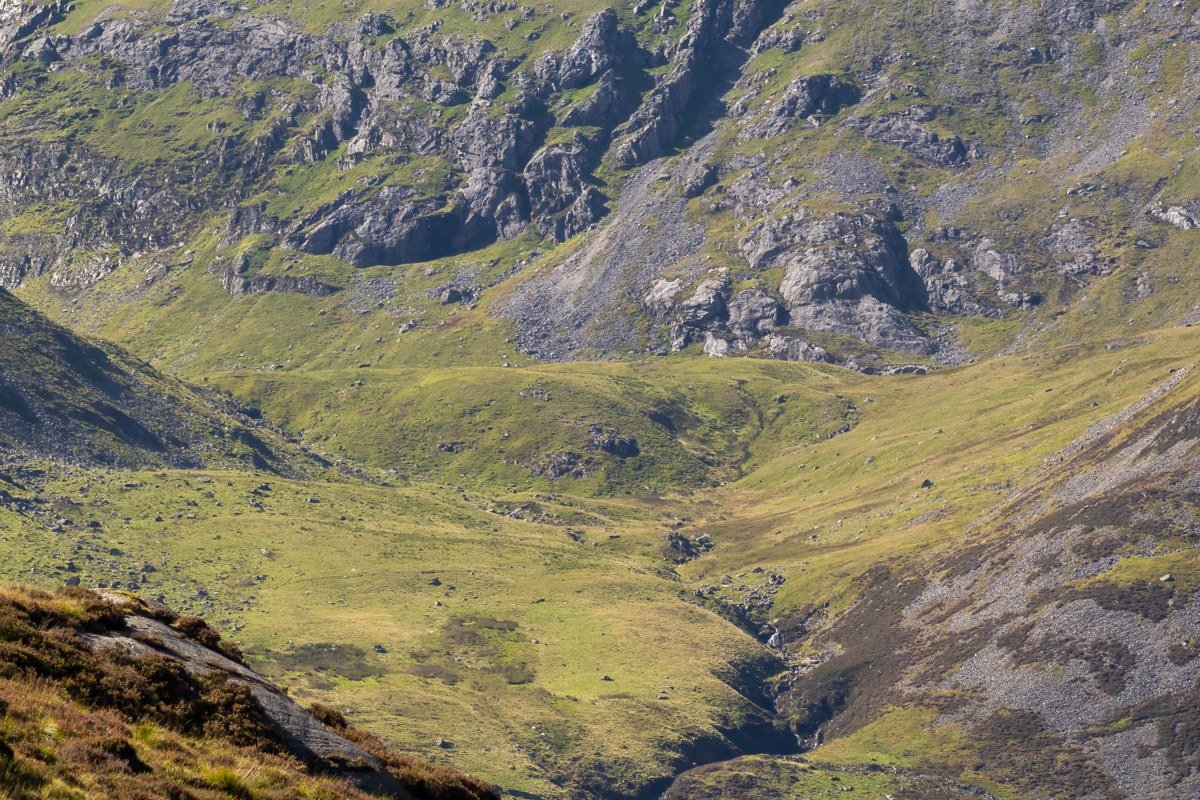
Most people have never heard of this village, which is precisely the point. Llanrhaeadr-ym-Mochnant is the closest settlement to Pistyll Rhaeadr, a waterfall that drops around 73 metres in a single sheet and then passes through a natural stone arch below, making it one of the most genuinely dramatic pieces of Welsh landscape you can visit. The drive into the Tanat Valley from any direction involves single-track roads with passing places, sheep wandering across tarmac, and a sequence of views that feel more Norwegian than English. The atmosphere here shares something with the approach roads into Glen Torridon: the same sense of the landscape gradually closing in and the outside world becoming irrelevant. The village itself is quiet to the point of being sleepy, but the local pub serves food and is the kind of room where the ceiling is low enough that tall people duck instinctively. Visit on a weekday in April or September when the waterfall runs full and the car park at the trailhead stays manageable.
5. Betws-y-Coed, Conwy Valley
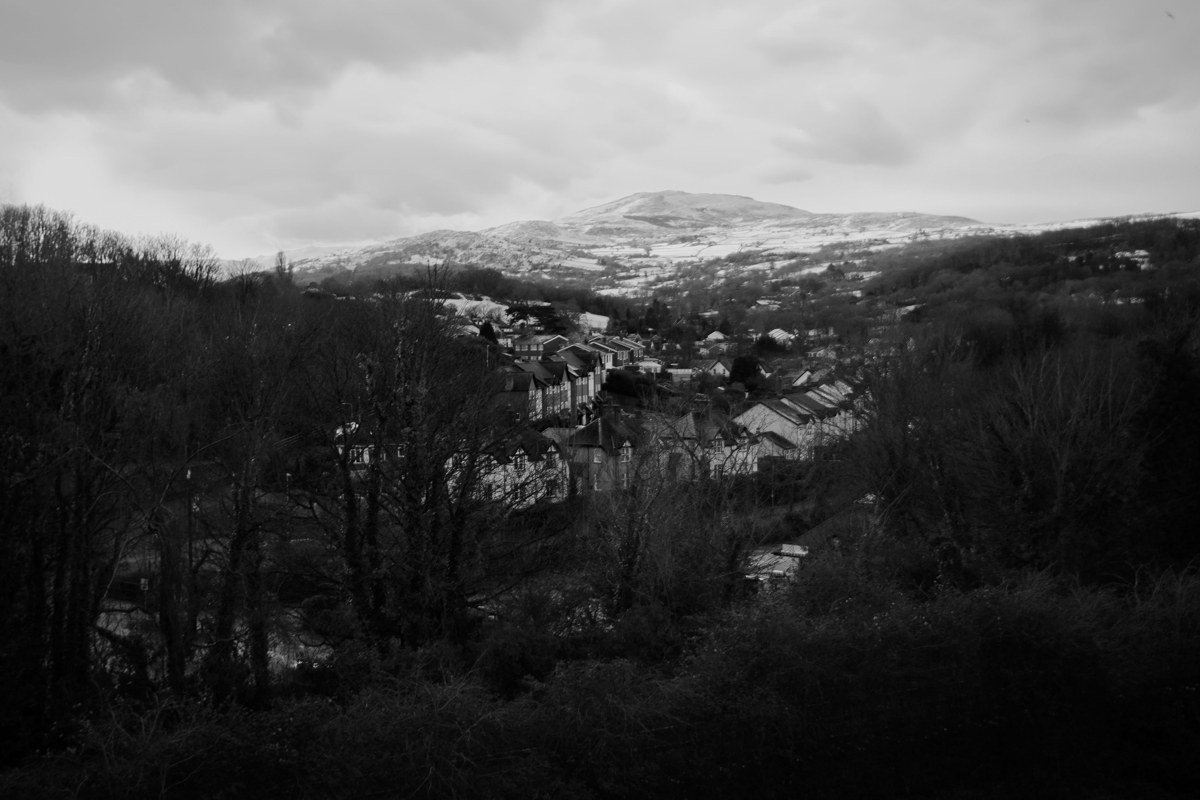
Betws-y-Coed sits inside a forest at the point where the Conwy, Llugwy, and Lledr rivers meet, and the result is a village surrounded on almost every side by rushing water and ancient oak canopy. It is the most visited entry on this list, worth stating plainly, but the crowds cluster around the Swallow Falls car park and the main street and dissolve almost entirely the moment you walk ten minutes in any direction. The Miners Bridge, a narrow wooden footbridge a short walk upstream, provides a vertigo-inducing view down into the river gorge that photographs dramatically without requiring any special equipment. For something that rarely makes the standard guides, follow the Llugwy upstream past Beaver Pool to the Fairy Glen, a narrow slot of sculpted rock where the river compresses into a series of pools and the light, on a clear morning between roughly eight and ten, hits the water at an angle that makes the whole thing glow. The rail line from Llandudno Junction to Blaenau Ffestiniog stops here, so you can arrive without a car and still access the full forest network.
The Swallow Falls Hotel sits at the edge of the forest and doubles as a useful base for anyone planning to walk the gorge routes over two days rather than one.
6. Aberdaron, Llyn Peninsula
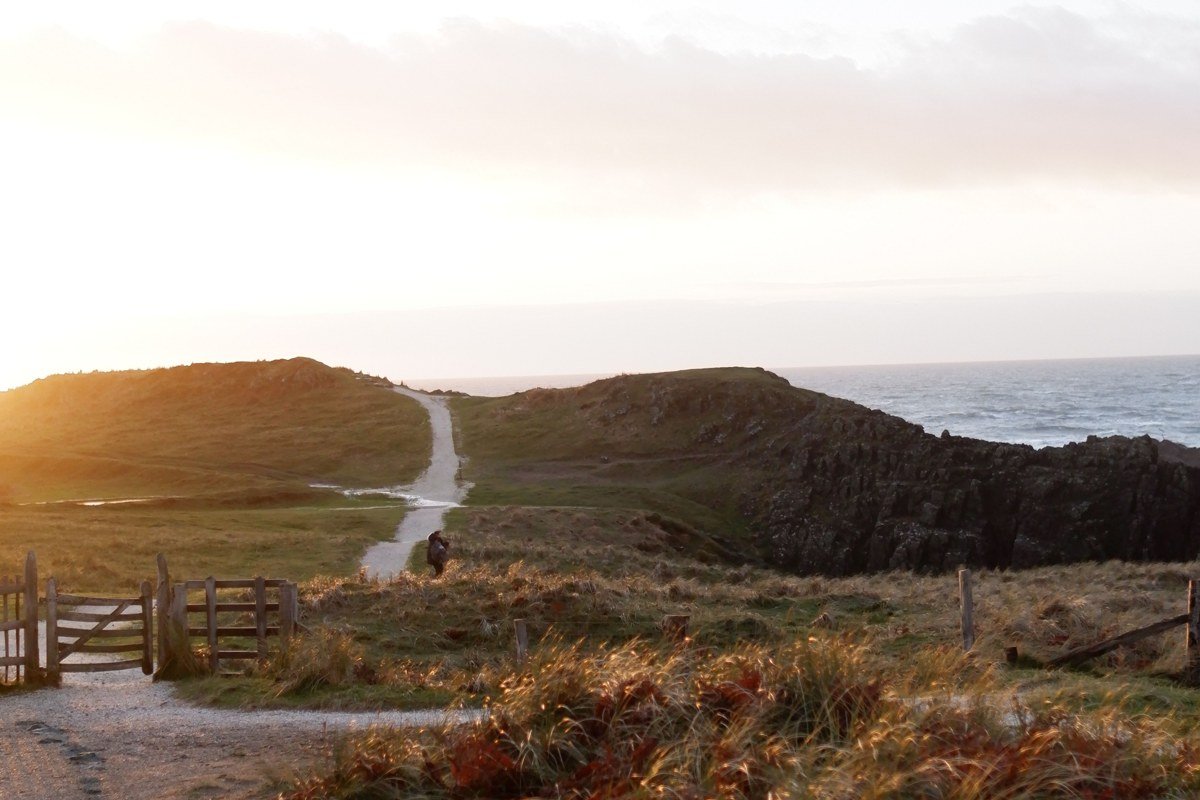
Aberdaron is at the very tip of the Llyn Peninsula, a stretch of coastline that juts into the Irish Sea and receives very little tourist infrastructure for how beautiful it actually is. The village is a loose cluster of whitewashed and stone cottages above a curved bay, with a medieval church so close to the water that the graveyard stones overlook the tideline directly. Pilgrims historically used Aberdaron as a final stop before crossing to Bardsey Island, which lies a short distance offshore and carries a reputation for mysticism and rare birds in roughly equal measure. The Wales Coast Path runs right through the village and offers headland walks in both directions with views that are completely uncluttered by development. The Llyn Peninsula as a whole receives a fraction of the visitors that Gower or Pembrokeshire draws, and the quiet here has the same quality you find on the Ardnamurchan peninsula in Scotland, the sense that tourism simply has not caught up with the landscape yet. The trade-off is that accommodation is limited and the roads in are genuinely slow, so plan the logistics early and treat the drive itself as part of the experience.
Ty Newydd, a small hotel in the village, has direct bay views and is practically the only accommodation option within walking distance of the headland paths.
7. Blaenavon, South Wales Uplands
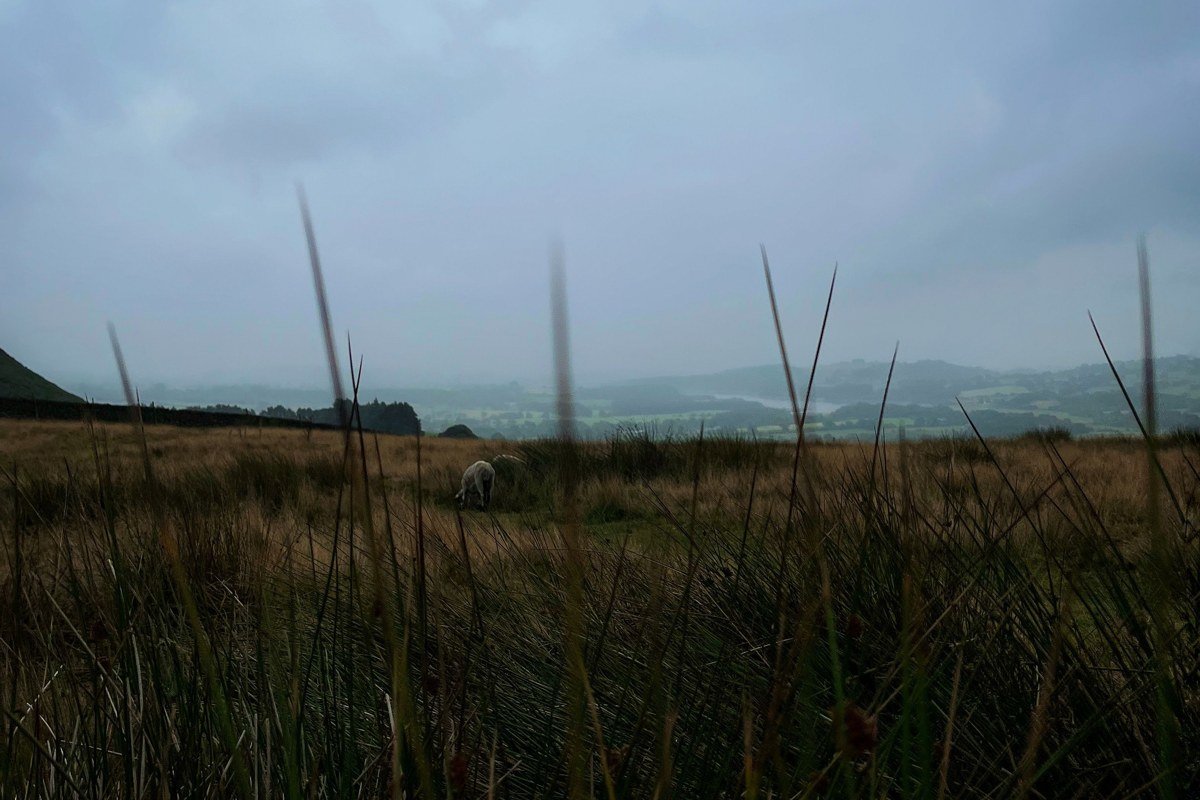
Blaenavon is different from every other place on this list in a way that takes a moment to calibrate. It is a UNESCO World Heritage Site recognised for its ironworks and mining heritage rather than pastoral beauty, and the aesthetic here is ruined-industrial-gothic rather than fairy-tale cottage. The hillsides above the town are still scarred and dark from nineteenth-century ironworking, the old ironworks complex sits in partial ruin at the edge of town, and on an overcast day the whole landscape has the texture of something from a Victorian novel. For travellers whose Pinterest board mixes highland moodiness with a harder, more melancholic edge, this is genuinely unmissable. The Big Pit National Coal Museum is free to enter and includes underground tours that are visceral and educational in equal measure. Visit in winter when the frost sits on the old furnace walls and the low light flattens the hillside into a near-monochrome palette.
The Parkhead Hotel on Broad Street is a plain and honest place to stay that suits the character of the town better than anything more polished would.
8. Rhayader, Mid-Wales River Country
Rhayader is not the most photographed entry on this list, but it is arguably the most rewarding for people who want to feel genuinely remote without being remote. The town itself is a modest market settlement on the River Wye, but it serves as the gateway to the Elan Valley, a sequence of Victorian reservoirs flanked by steep moorland that produces the kind of melancholy grandeur you associate with the wilder parts of the Scottish Highlands. The dam structures are extraordinary pieces of engineering with a gothic waterworks aesthetic, and the roads that run beside the reservoirs are almost completely free of commercial development. The atmosphere on a grey afternoon compares directly to driving the B851 beside Loch Duntelchaig in Inverness-shire: the same pewter water, the same treeless ridgeline, the same sense of having arrived somewhere that does not need to perform for visitors. Red kites circle overhead in numbers large enough that it stops feeling exotic and starts feeling like a different world entirely. The best approach is to drive the full Elan Valley road circuit in the late afternoon when the water goes silver and the kites are most active, then eat in Rhayader and stay overnight to walk earlier the next morning.
The Triangle Inn on Dark Lane is small, central, and straightforward, the kind of place where the landlord knows the valley walking routes and will tell you which paths are worth the mud.
Practical Takeaway
The strategic advantage of Welsh fairy-tale villages over Scottish Highlands destinations comes down to logistics as much as aesthetics. Driving distances between the villages on this list are modest by UK standards, most are reachable from Birmingham or Bristol in under two hours, and accommodation prices run meaningfully lower than comparable places in Highland Scotland.
A genuinely useful five-day circuit pairs Beddgelert and Betws-y-Coed in the north, Llanrhaeadr-ym-Mochnant and Rhayader in the mid-Wales transition, and Crickhowell or Hay-on-Wye in the south. Aberdaron warrants its own overnight rather than a day trip given the driving time involved.
Named places worth booking directly: Royal Goat Hotel (Beddgelert), Old Black Lion (Hay-on-Wye), Bear Hotel (Crickhowell), Swallow Falls Hotel (Betws-y-Coed), Ty Newydd (Aberdaron), Parkhead Hotel (Blaenavon), Triangle Inn (Rhayader). A Welsh Rarebits membership card gives discounts at many independent inns and guesthouses across the network and is worth picking up before you travel.
The best months are March through April for snowmelt and waterfalls running full, October for colour, and November through January for drama and near-empty landscapes. Summer brings crowds to the most obvious spots (Beddgelert, Betws-y-Coed) and should be approached with an early start or a weekday arrival.
The final honest note: Wales stays underestimated partly because it does not advertise aggressively and partly because the reputation of its weather precedes it. That weather is what makes every stone wall run with lichen, every valley fill with mist, and every one of these villages look exactly the way your mood board promised they would.