
The Carpathians stretch across eight countries and shelter valleys, ruins, and ridge trails that look lifted straight from a fever dream about medieval Europe. If you have been searching for ethereal places to visit that carry that moody, mist-soaked Highland energy without the Skye crowds and Edinburgh price tags, this range is your answer. The region has stayed genuinely off the radar for decades, partly because communist-era infrastructure left few paved approach roads to the best terrain, partly because there are almost no English-language trail guides in print, and partly because the language barrier across Romanian, Slovak, and Polish makes independent research harder than it looks. Almost nobody is pinning it yet, which makes right now the exact right time to go.
1. Transfăgărășan Road Valley, Romania
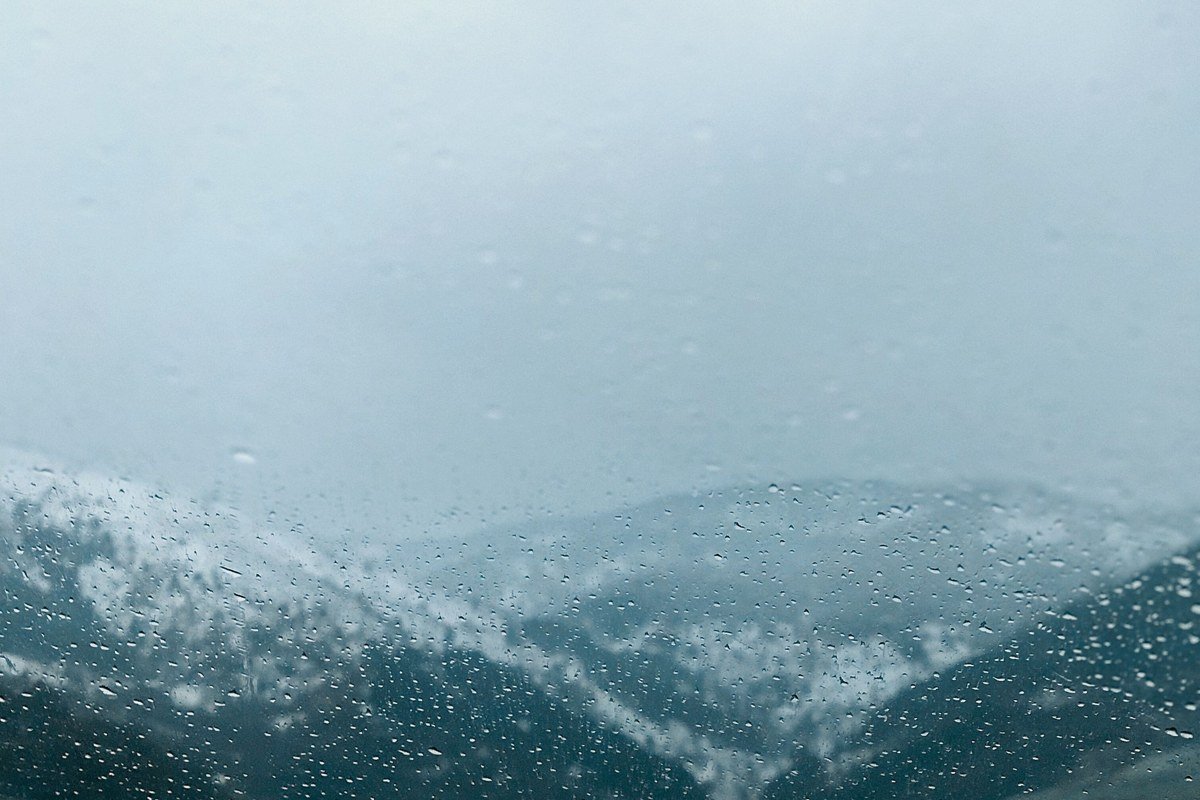
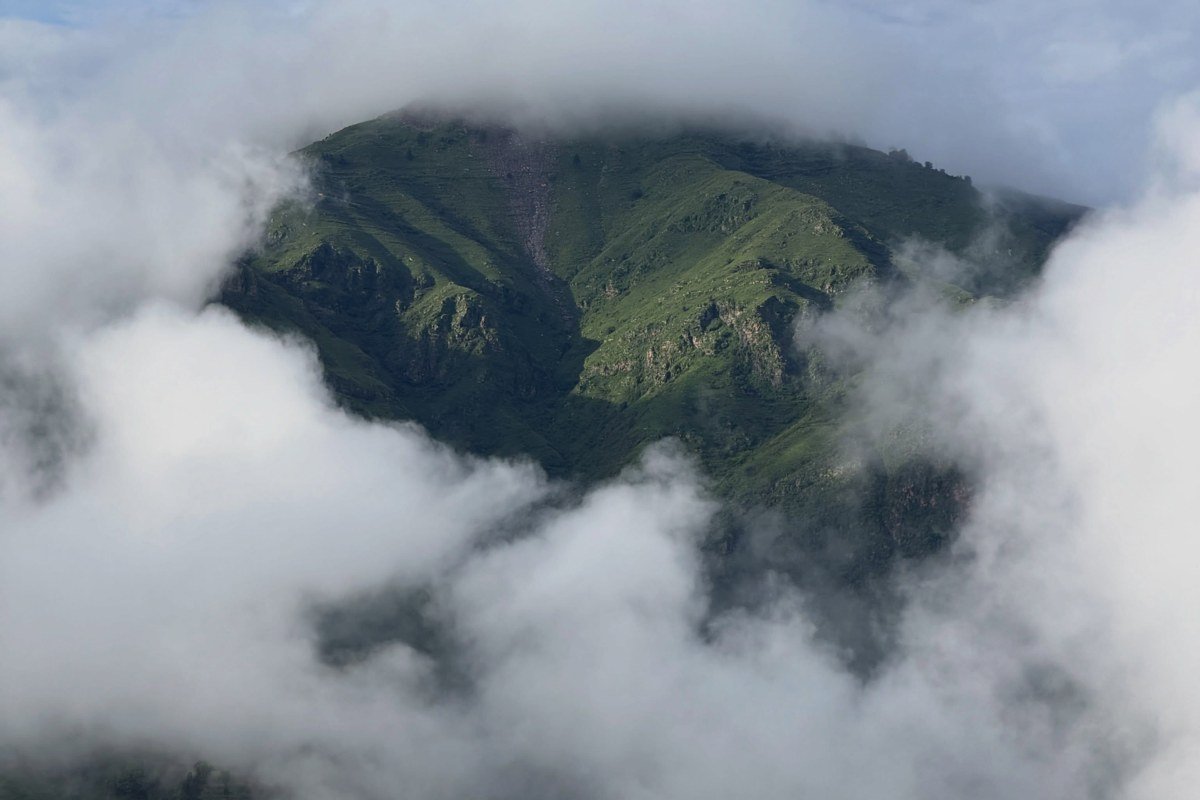
This high-altitude road through the Southern Carpathians is genuinely cinematic in a way that photographs cannot fully prepare you for. The road itself gets all the attention, but the real visual payoff is in the wide glacial bowl of Bâlea Lake at the top, where the water shifts between steel-grey and jade depending on cloud cover, and the surrounding peaks disappear into fog so thick it feels theatrical. Walk the trail east from the lake toward Capra Glacier in early September and you will hit golden grass, lingering snow patches, and near-total solitude. The window between mid-July and late September is the only reliable period before the road closes for winter, and arriving before 8am beats the tour buses by several hours.
2. Apuseni Natural Park, Romania
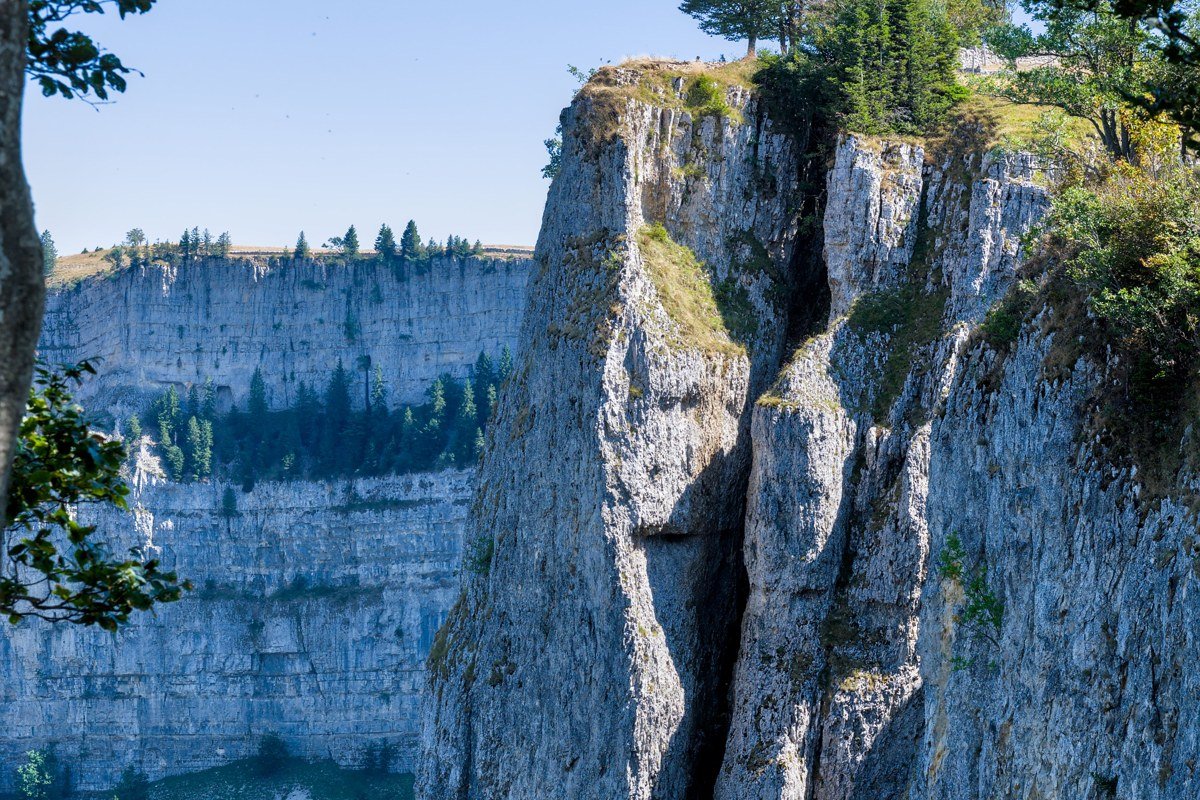
Apuseni sits in western Romania and is largely ignored by international visitors despite holding some of the most dramatic karst scenery in the entire range. The Turda Gorge (Cheile Turzii) is a slot canyon cutting through white limestone walls draped in ferns and moss, and on overcast mornings the light that filters through is exactly the flat, grey-green quality that makes Highland landscape photography look so good. Go on a weekday in May or October and the gorge trail is essentially yours. Bring a polarising filter if you shoot on camera, because the wet rock face and diffused light create a contrast problem that is hard to fix in post.
The Scarișoara Ice Cave sits nearby and is worth treating as a separate half-day: a permanent underground glacier inside a cavern that has been accumulating ice for thousands of years, the atmosphere inside shares something with the subterranean cold and low light of Scottish sea caves or a Highland glen in deep winter, an enclosed, otherworldly quiet that earns its place in the wider trip even if it sits slightly apart from the ridge-and-moorland aesthetic of the rest of this list.
3. Bieszczady Mountains, Poland
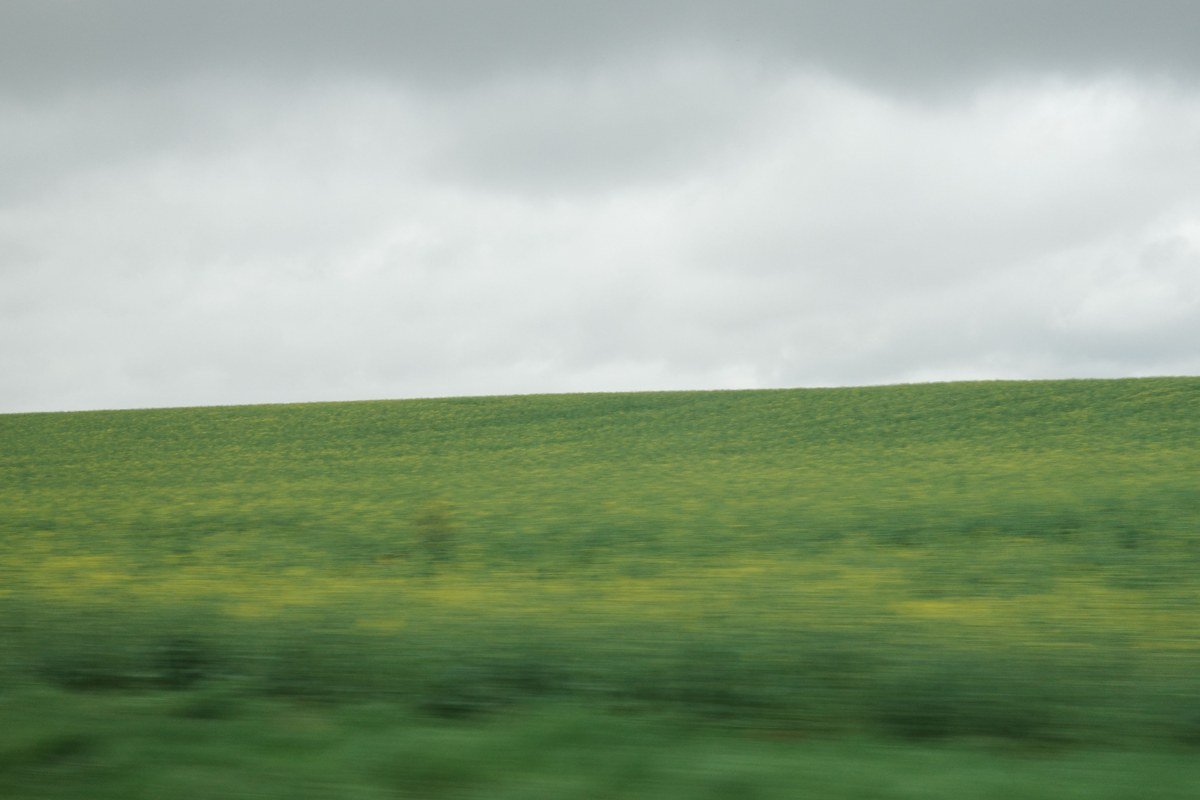
The Bieszczady sit in Poland’s far southeastern corner where the country meets Ukraine and Slovakia, and the landscape at higher elevations opens into rolling sub-alpine meadows called połoniny that look uncannily like Scottish moorland, right down to the rough grasses bent sideways by wind. There are almost no trees on the upper ridges, which creates uninterrupted sightlines and a sense of exposure that feels genuinely wild. The Tarnica to Halicz ridge walk is the standout route: around six hours return, crossing meadow after meadow with no buildings in view. European bison, wolves, and lynx all live here, and while sightings are not guaranteed, the evidence of their presence (tracks, distant movement at dusk) adds a real edge. Visit in late September when the meadow grasses go amber and rust.
4. Mala Fatra National Park, Slovakia
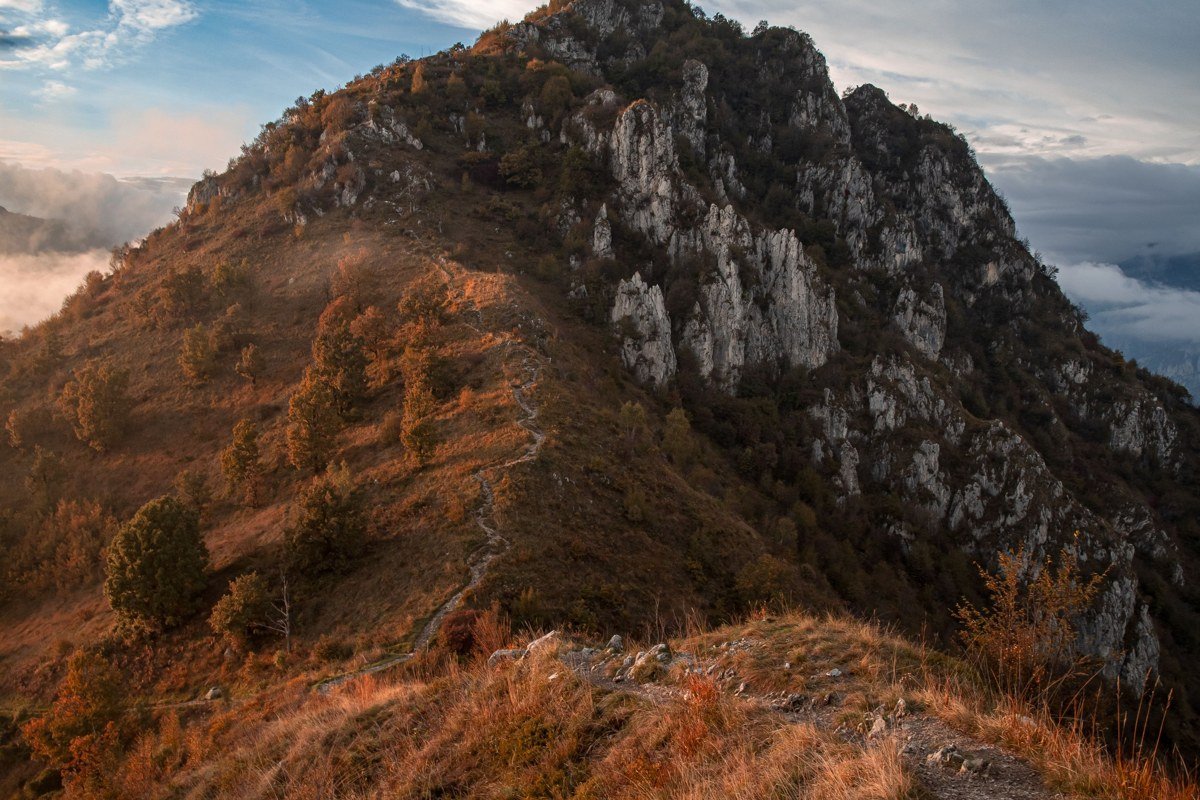
Slovakia’s Mala Fatra is compact but strikingly vertical. The Vrátna Valley cuts deep between limestone ridges and the upper section above the cable car station at Snilovské Sedlo delivers exposed rocky terrain with panoramic drops into fog-filled valleys below. On the red-marked ridge trail connecting Veľký Kriváň to Chleb, the western edge opens into a long, unobstructed view across layered ridgelines receding into haze, each one a slightly paler grey than the last, the kind of recession that makes a frame read as genuinely deep. The traverse takes around three hours and the exposure in wind is not trivial, so poles help. In late October the beech forests below flame orange and the combination of vivid colour and low cloud is extraordinary.
For accommodation, a pension in Terchová village at the valley entrance runs in the budget-to-mid range and puts you close enough for an early start before day visitors arrive from Žilina.
5. Ceahlău Massif, Romania
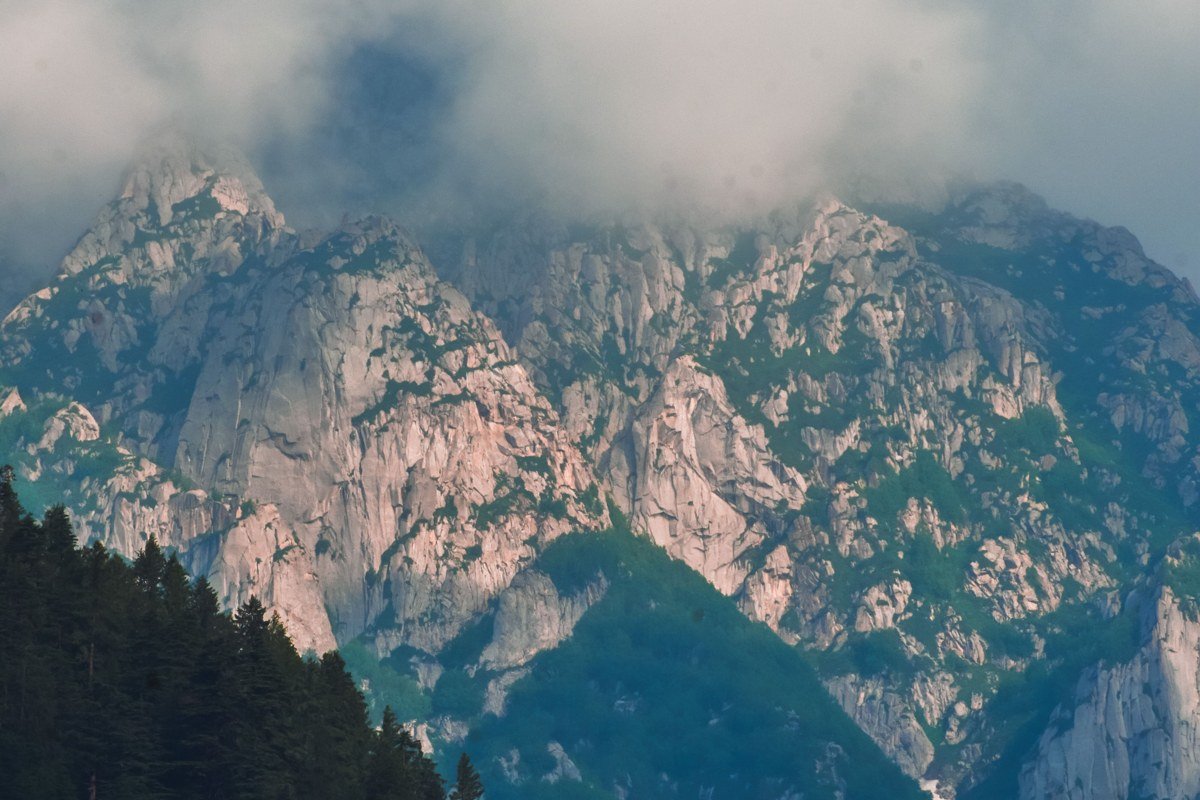
Ceahlău is often called the sacred mountain of the historical Moldavian region, and locals have treated it as a spiritual landmark for centuries. The summit plateau is a flat table of rock sitting above the tree line with sheer drops on multiple sides, and when clouds roll in at that elevation the effect is disorienting in the best way: you lose any sense of the valley below and the massif becomes its own floating world. The Duruitoarea Waterfall on the northern approach trail is one of the more photogenic spots in the Romanian Carpathians, funnelling into a narrow basalt gorge. Avoid the main August pilgrimage weekend around the Transfiguration feast if you want quiet. The approach from Izvorul Muntelui reservoir by boat is an underused option that sets the mood before you even start hiking.
For a base, small guesthouses in the village of Durău at the mountain’s foot sit in the budget tier (well under the equivalent of a Scottish B-and-B) and several open year-round, giving you easy access to the northern trailheads at dawn.
6. Zakopane Surroundings, Tatra Mountains, Poland
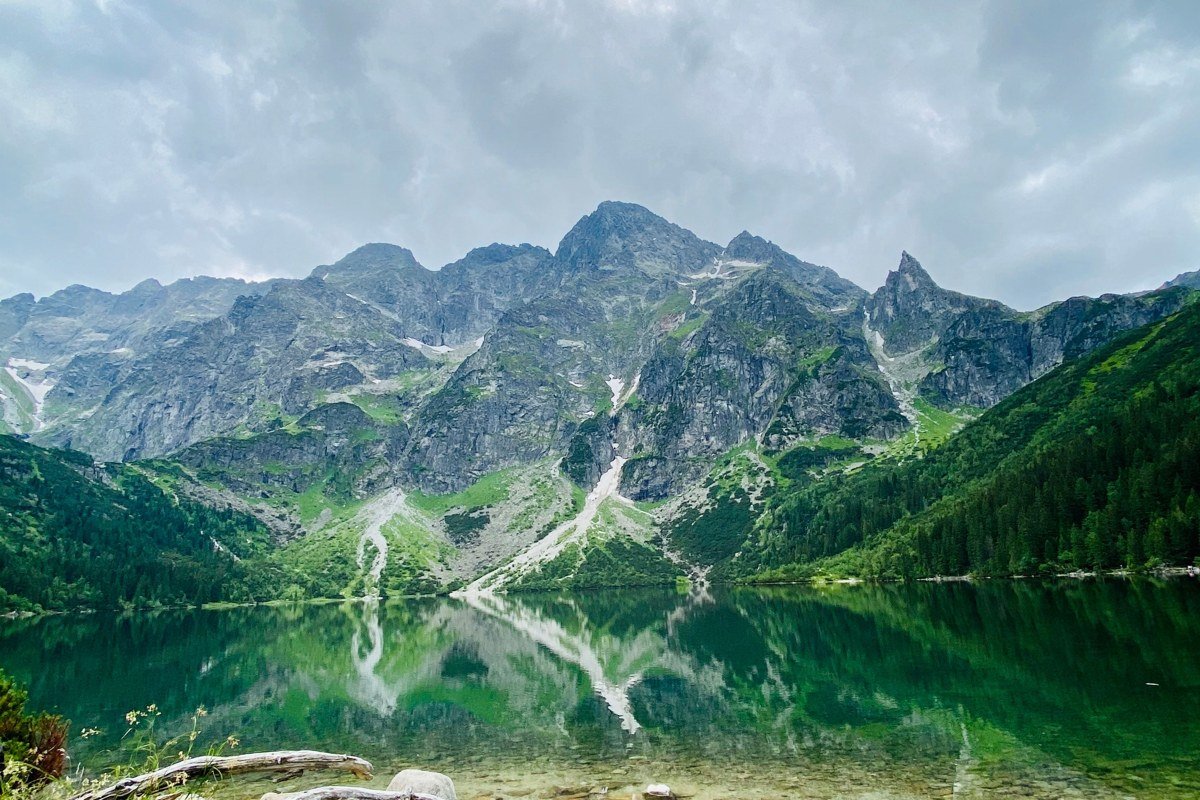
Morskie Oko is probably the most-photographed lake in Poland, and it earns the attention. Clouds scraping the ridgeline above Rysy while the lake surface holds a broken, shifting reflection of the peaks above is the image that makes the trip worthwhile, and it is a genuinely moving scene to stand inside. What most visitors skip is the upper lake, Czarny Staw pod Rysami, reached by a steep scramble that adds forty minutes and loses most of the crowd. The colour of the upper lake is a cold, almost metallic blue that photographs like Iceland. Accommodation in Zakopane ranges from wooden guesthouses with Góral-style carved interiors (atmospheric, budget-friendly) to renovated boutique hotels (comfortable, still affordable by Western standards). Go in late September after the Polish school holiday crush clears.
7. Šumiac and Muránska Planina, Slovakia
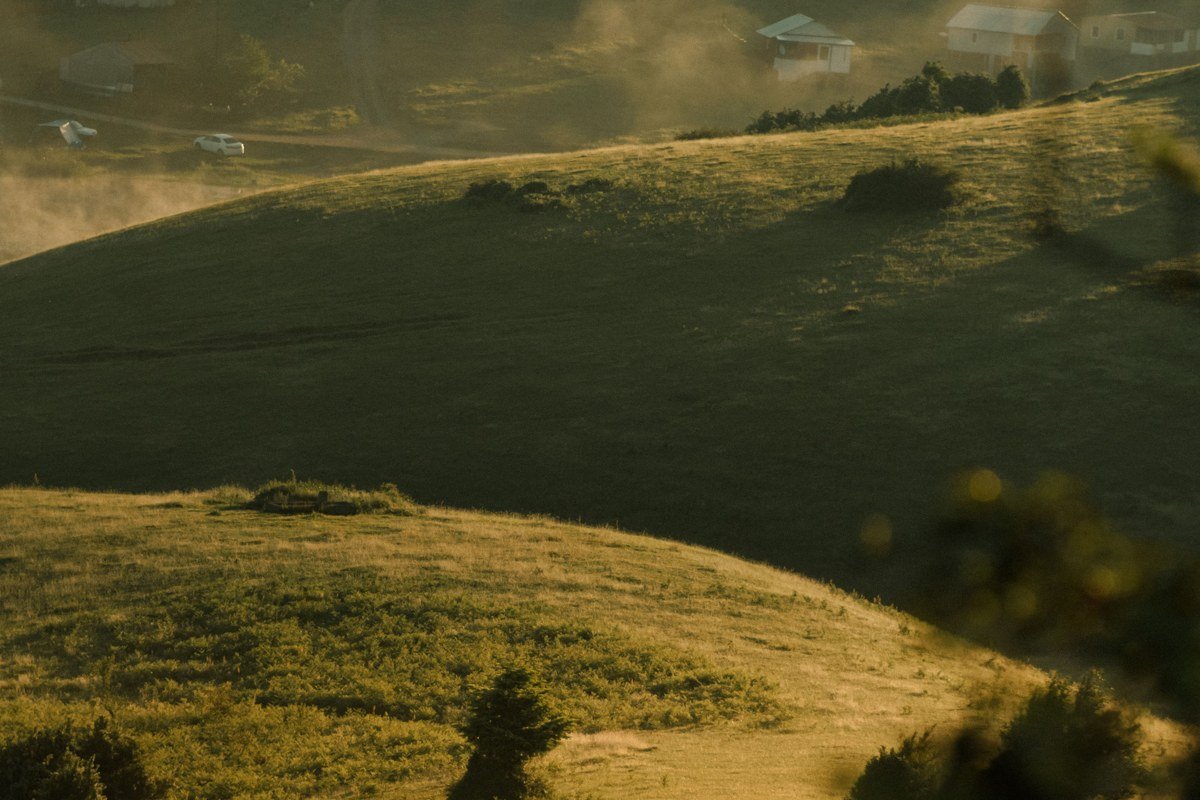
Muránska Planina is a limestone plateau in central Slovakia that nobody outside the country seems to know exists. It holds Muráň Castle, a ruined fortress sitting on a volcanic rock plug rising sharply above beech forest, and the combination of crumbling stone, surrounding plateau, and reliable morning fog makes it one of the most atmospheric ethereal places to visit in the entire Carpathian arc. The wildflower meadows on the plateau itself are protected habitat and in June they are extraordinary in a way that reads as very Highland, all wind-bent grasses and small vivid blooms. The village of Šumiac below is a working Slovak settlement with no tourist infrastructure to speak of, which keeps the experience very grounded. Stay in Revúca, a small town twenty minutes away, where mid-range guesthouses are clean, well-heated, and priced well below anything comparable in Western Europe. Drive up early.
8. Chornohora Ridge, Ukraine
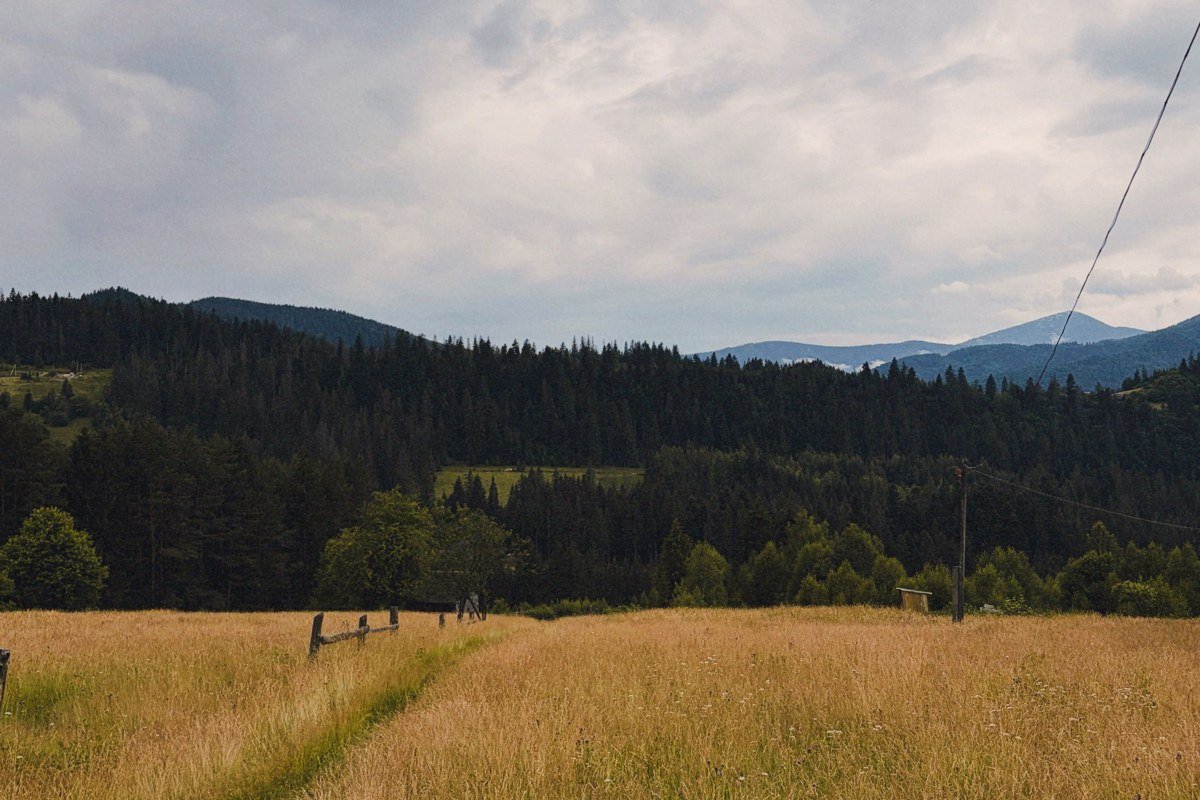
The Chornohora ridge contains Hoverla, Ukraine’s highest peak, and the traverse from Hoverla east toward Pip Ivan (which has an abandoned interwar meteorological station on its summit) is one of the more extraordinary ridge walks in the entire range. The ruined observatory on Pip Ivan is a genuine atmospheric anchor: a stone building with blown-out windows sitting at nearly 2000 metres, regularly wrapped in cloud, with the Ukrainian-Romanian border crossing the ridge just below. The hike requires proper navigation skills and the trail can be unclear in poor visibility. Current travel considerations for Ukraine require checking updated advisories before any planning, and the western Carpathian region’s status should be verified with official sources close to travel. The imagery from this ridge, on the right morning, is unlike anything else in the mountains.
9. Bicaz Gorge and Lacul Roșu, Romania
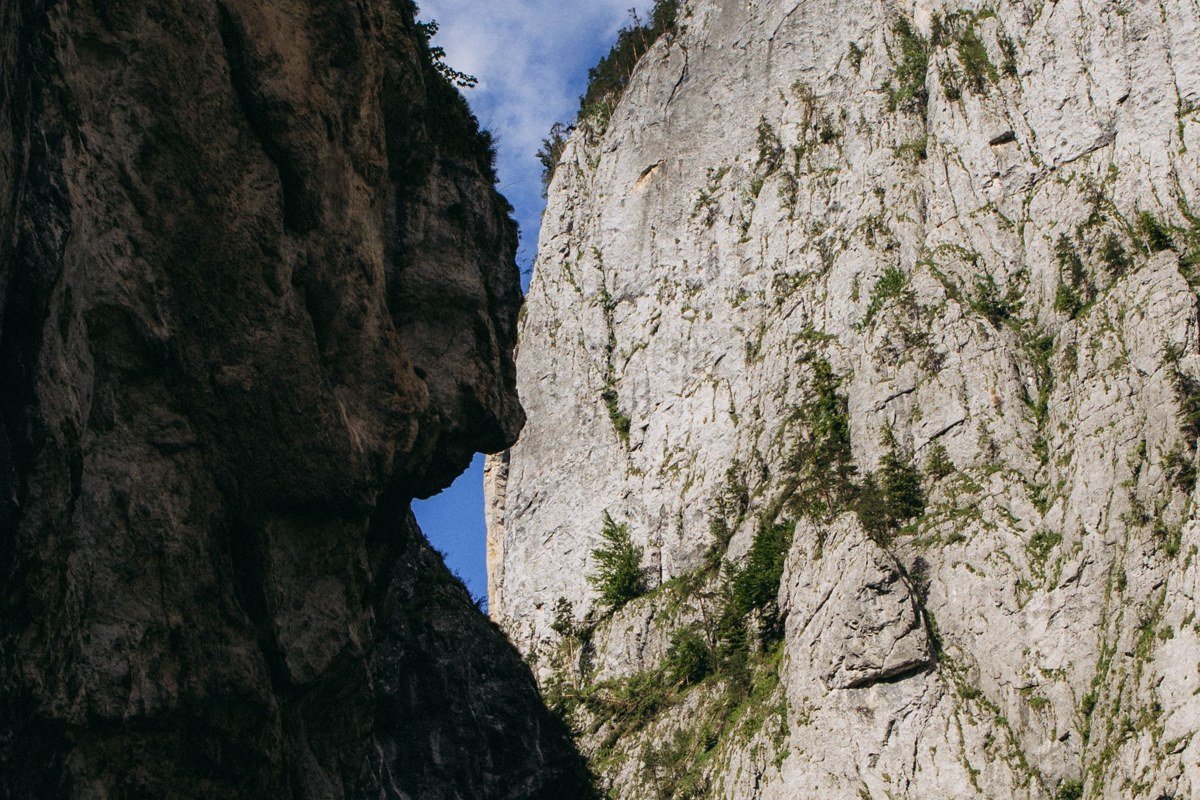
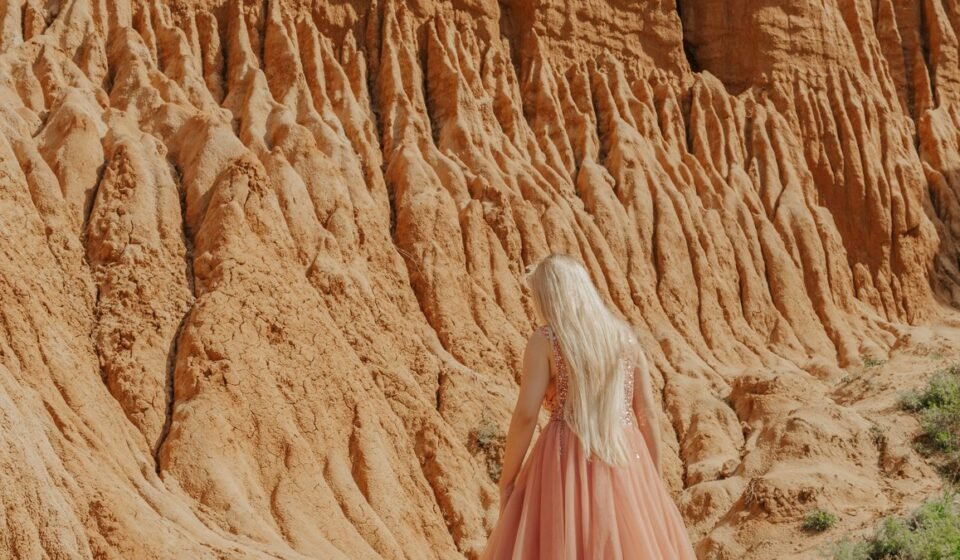
Bicaz Gorge cuts through a narrow limestone corridor in the Eastern Carpathians and the scale of the walls on either side of the road is difficult to comprehend until you are actually inside it. The cliff faces are several hundred metres tall in the tightest sections, streaked with iron oxides and water marks in reds and ochres that make the rock look almost painted. At the eastern end the gorge opens into Lacul Roșu (Red Lake), a natural dam lake with standing dead tree trunks rising above the surface, a genuinely eerie detail that adds to the landscape’s mystique. Arriving at dawn means you get the gorge in flat morning light before the tour coaches from Piatra Neamț arrive around mid-morning. This is also the stretch where you are most likely to spot a hawfinch or a black stork if you move quietly.
For accommodation, small lakeside pensions at Lacul Roșu itself sit in the budget-to-mid tier and are the only option that lets you be at the waterline before the day visitors arrive. They are basic, which suits the location.
Worth Knowing About: Bucegi Plateau, Romania
The Bucegi Plateau in the Southern Carpathians deserves a mention for anyone drawn specifically to the Scottish plateau aesthetic. The terrain above 2000 metres is a broad, wind-scoured tableland with almost no vegetation except low grasses and lichen, bounded by sheer eastern escarpments and prone to sudden cloud immersion. It is the closest Carpathian analogue to the Cairngorm plateau in character: vast, featureless in the best way, and genuinely disorienting in poor visibility. It is also the most accessible high plateau in Romania, reachable by cable car from Sinaia, which means it rewards a short detour if you are already moving through the Southern Carpathians. The crowds thin dramatically if you move more than thirty minutes from the upper cable car station.
Getting There and Making the Most of It
The practical spine of this route runs roughly from Zakopane (fly into Kraków) through the Slovak interior (Poprad or Košice airports) and down into Romania (Cluj-Napoca or Bacău depending on which section you prioritise). Budget airlines serve Kraków and Cluj with reasonable frequency from most European hubs.
Note for readers connecting through Schengen countries: Romania completed partial Schengen accession in 2024, covering air and sea borders, but land border controls were still in place at the time of writing, so check current entry requirements before booking onward connections.
The aesthetic window that produces the moody, cloud-heavy Highland-style light is widest in late September through mid-October and again in May. Summer is warm and green but loses the drama. Most of these destinations have little to no English-language signage outside towns, so a downloaded offline map is practical rather than optional. OsmAnd is the strongest choice for Carpathian trail coverage, with detailed topographic layers and offline routing that holds up in areas where phone signal disappears entirely.
Accommodation costs across Romania and Slovakia are substantially lower than equivalent quality in Scotland or the Swiss Alps. A comfortable guesthouse in the Ceahlău foothills or a well-rated pension in Bieszczady will cost a fraction of a comparable Highland B-and-B.
The single most important thing: build weather flexibility into your itinerary. One extra day of buffer in each region is what separates a trip with two or three genuinely stunning moments from one that was just pleasant. The mist and drama that make these places look the way they do are not predictable on a fixed schedule.