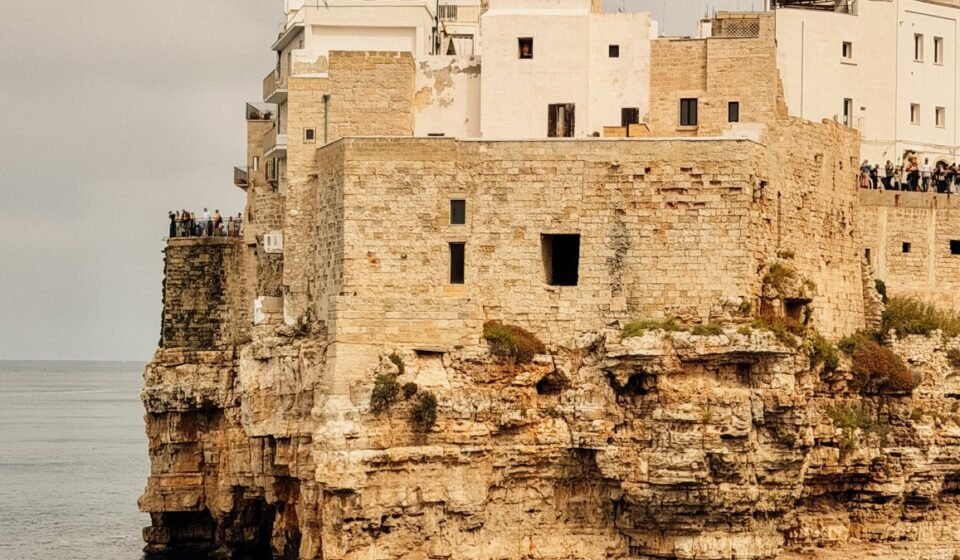

Late summer fog and early autumn light do something genuinely strange to the Pacific Coast. Colors deepen, crowds thin, and towns that feel almost too busy in July suddenly become the kinds of places you photograph obsessively and describe badly to people who weren’t there. These ten scenic coastal towns reward the traveler who shows up a little off-schedule.
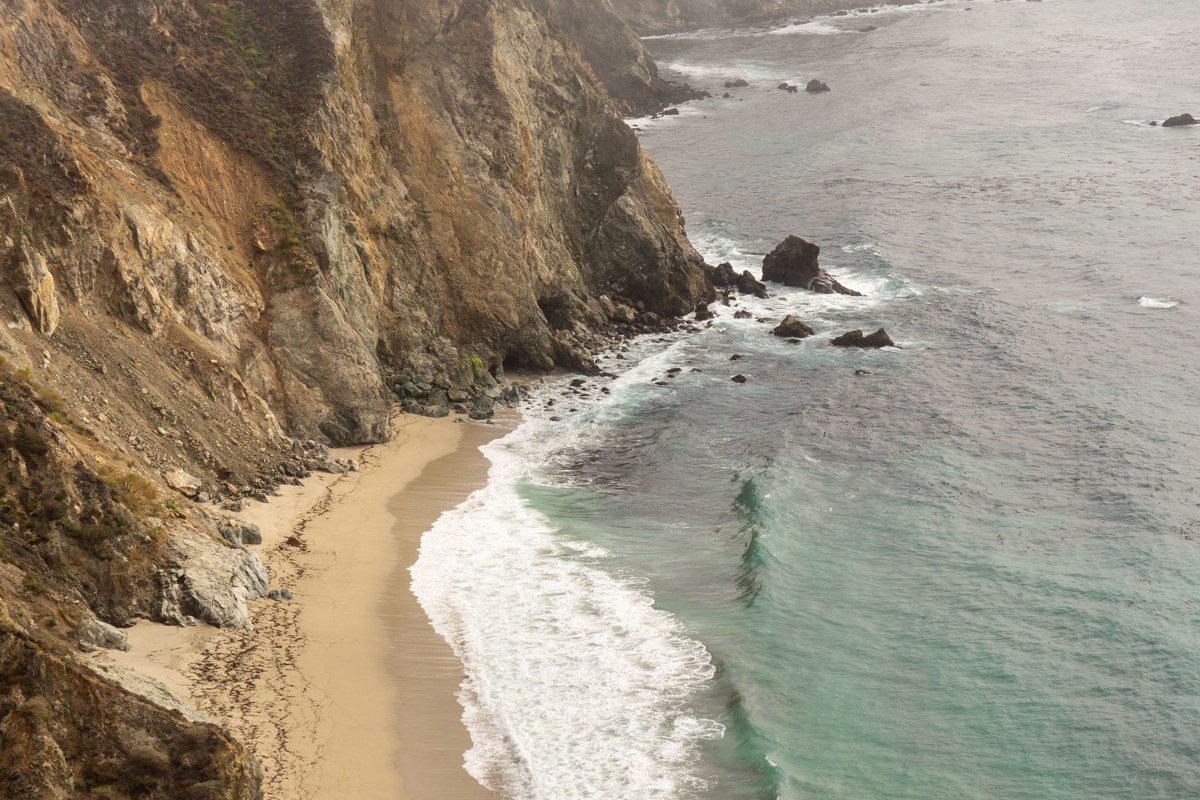
1. Mendocino, California
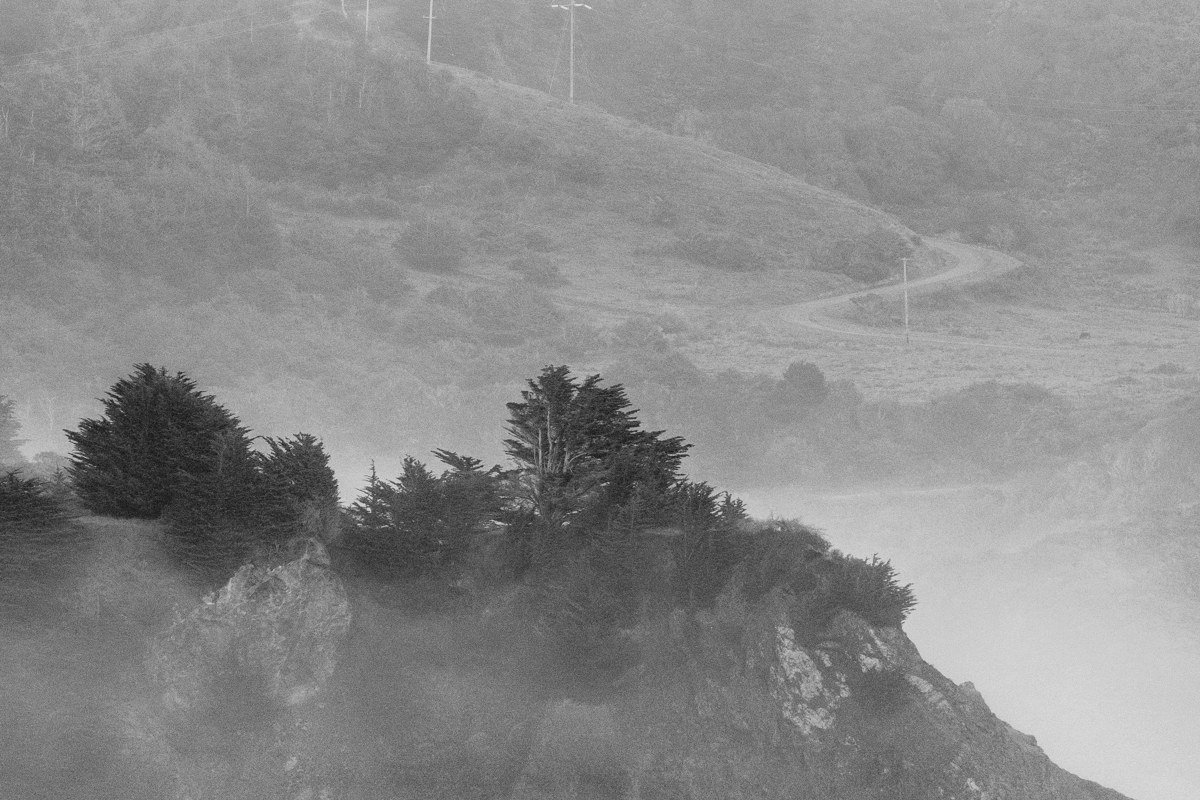
Mendocino sits on a headland above the Pacific like a New England village that took a very wrong turn and ended up somewhere far more dramatic. The white-painted water towers, the weathered Victorians, and the bluff-edge trails overlooking kelp-choked coves are all photogenic on their own, but in September the marine layer burns off slowly each morning and leaves everything backlit and luminous by mid-afternoon. Walk the Mendocino Headlands State Park trail along the bluff edge at low tide when the blow holes push mist into the air. The town has almost no chain businesses, so breakfast at Cafe Beaujolais or a browse through the galleries on Albion Street feels like it belongs to the town rather than to a brand. If you can, book a room at one of the headland-adjacent inns on Little Lake Road and be outside by 7 a.m. before the day trippers arrive.
2. Cannon Beach, Oregon
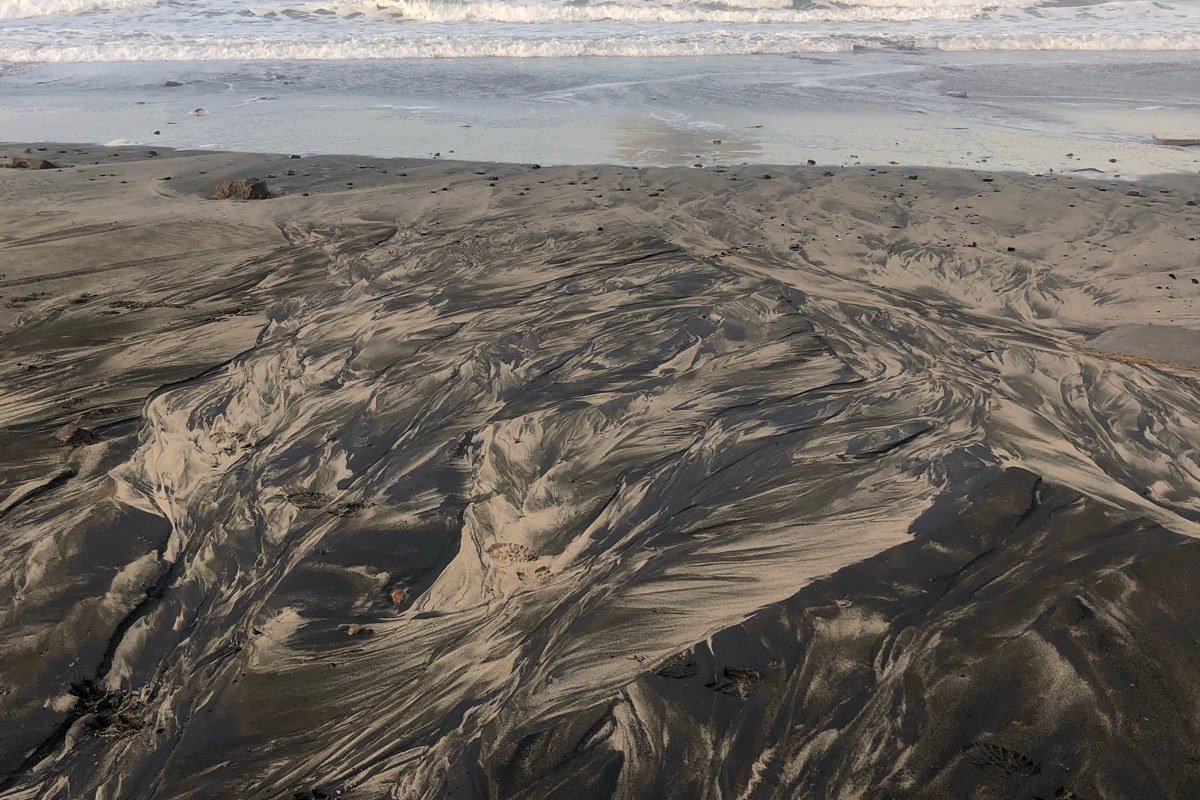
Haystack Rock is one of the most photographed sea stacks on the continent, and it earns every frame. At 235 feet tall it anchors the beach in a way that makes the entire scene compositionally almost unfair, particularly in October when the angle of the sun drops low enough to throw long shadows across the wet sand at midday. The town itself is small and walkable, with good bookshops and the Coaster Theatre drawing locals rather than just tourists. Tide pool access around Haystack Rock is best two hours before low tide, when you can see ochre sea stars (slowly recovering from the wasting disease that devastated Oregon’s population) and purple urchins in the shallow basins. Parking fills along Hemlock Street on weekends even in autumn, so arrive before 9 a.m. or walk from the north end of town.
3. Port Townsend, Washington
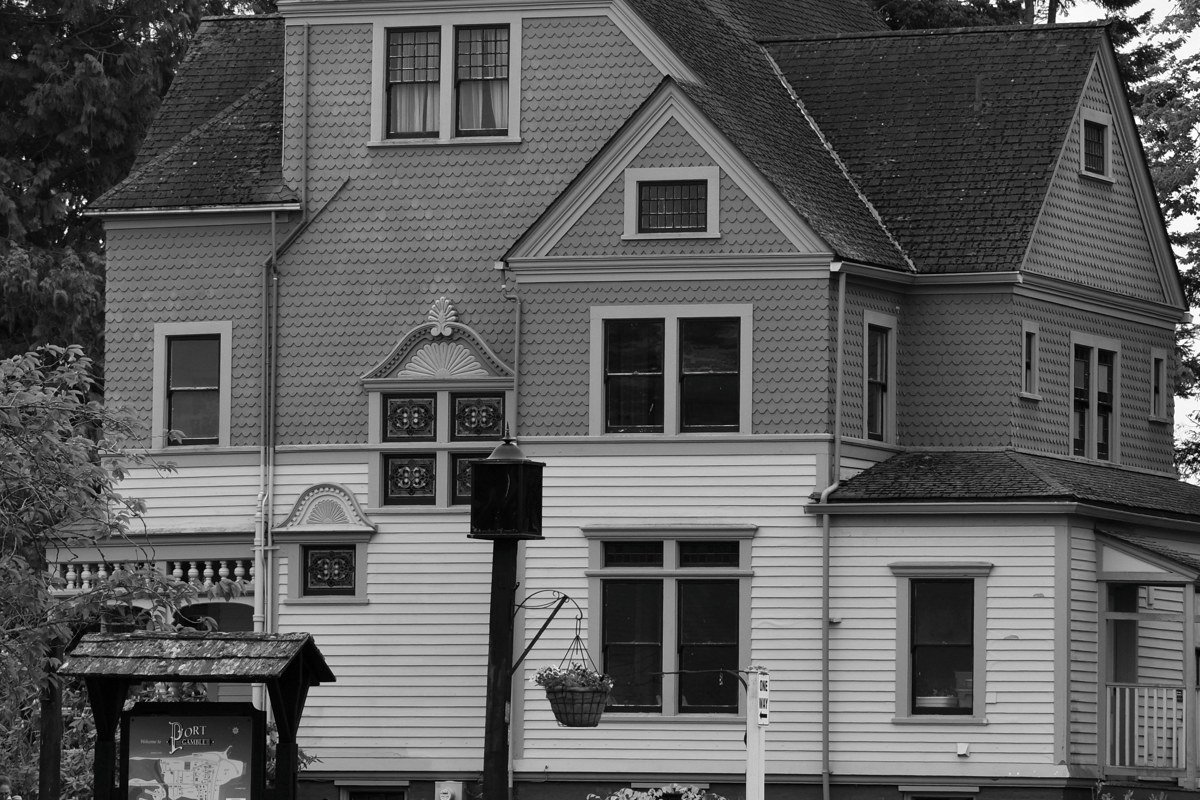
Port Townsend is the kind of town that genuinely surprises people who expected something smaller. The Victorian seaport district along Water Street is intact enough that film crews use it as a period backdrop, and the bluff above it holds a second neighborhood of ornate homes that look down over the Strait of Juan de Fuca toward the Olympic Mountains. In late August the light across the water turns that particular flat silver that Pacific Northwest photographers chase, and the boats moored in the marina reflect it back in long, broken lines. Fort Worden State Park, at the north end of town, gives you tide pools, gun batteries, and open meadows in one walk.
The town also has a genuinely good food scene. Silverwater Cafe on Taylor Street is the most reliable anchor, a longtime local institution serving Pacific Northwest seafood in a restored space that fits the Victorian surroundings. The weekly farmers market runs into October and stocks late-season chanterelles from the surrounding forest.
Not for you if: you need reliable sunny weather to enjoy a destination. Port Townsend runs overcast and cool from September onward, and the charm is partly inseparable from the grey.
4. Carmel-by-the-Sea, California
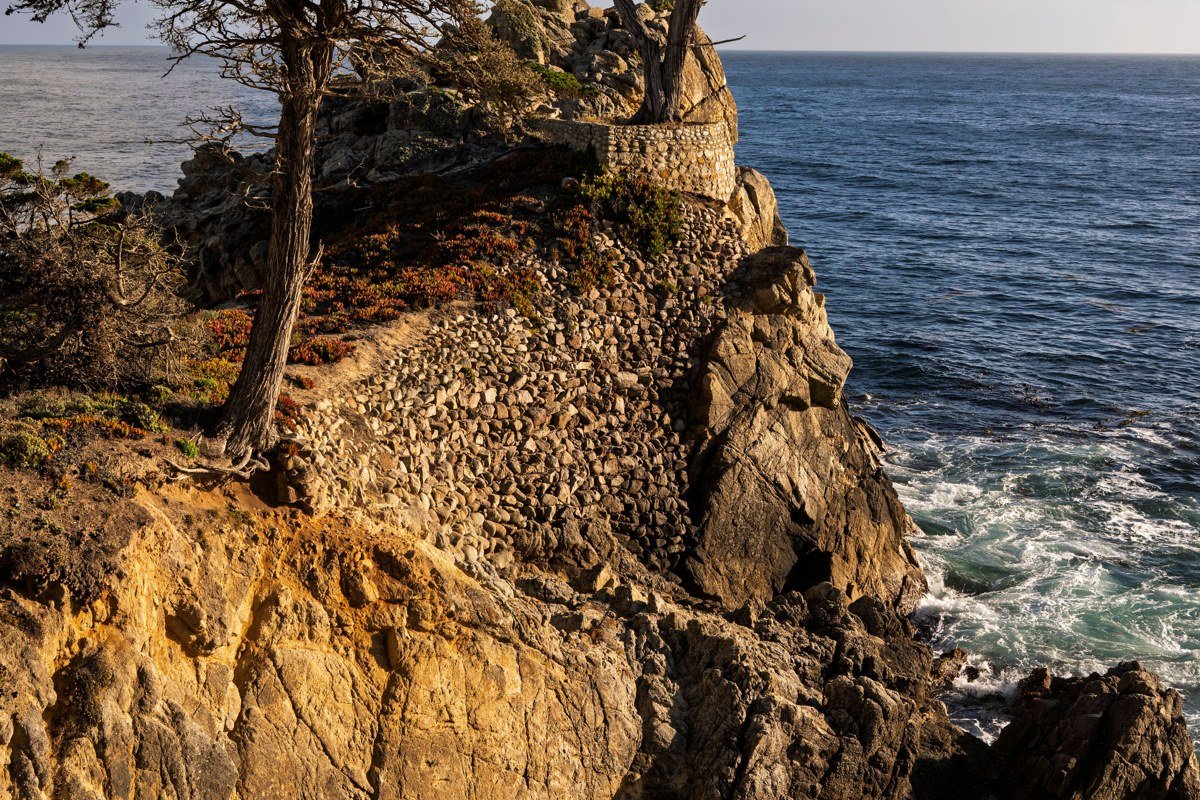
Carmel is easy to dismiss as precious and expensive, and it is both of those things, but the beach is real and the September light is something you can’t argue with. Carmel Beach runs north-south and faces west, which means the last hour before sunset turns the white sand almost apricot and the Monterey cypress silhouettes along the dunes go fully black against an orange sky. The cypress grove at the foot of 13th Avenue is particularly dense and worth arriving at early, when the fog is still threading through the branches and the light is cold and directional before the marine layer lifts.
One detail worth knowing: dogs were banned from Carmel Beach for a period and the policy reversal drew significant local attention, so the beach now draws as many owners exercising dogs at dawn as it does photographers. That can add life to an otherwise empty composition, or it can complicate one, depending on your patience.
The village grid of cottage-style shops and restaurants rewards walking rather than driving. Point Lobos State Natural Reserve, just south of town on Highway 1, is a better wildlife and photography destination than the beach itself: harbor seals, sea otters, cormorant colonies, and the remains of a whaling station all fit within a few miles of trail. Arrive at Point Lobos when the gate opens at 8 a.m. to avoid the permit quota that kicks in on busy autumn weekends.
A planning note: the Highway 1 corridor through Big Sur, just south of Carmel, is subject to seasonal and storm-related closures that can affect routing with little advance warning. The Pfeiffer Canyon Bridge reopened after the 2017 slide, but sections of the highway remain vulnerable. Before driving south from Carmel, check Caltrans District 5 road conditions at dot.ca.gov. If Highway 1 is closed, Highway 101 to Paso Robles with a connector west is the standard alternative, though it sacrifices the coastal scenery entirely.
5. Astoria, Oregon
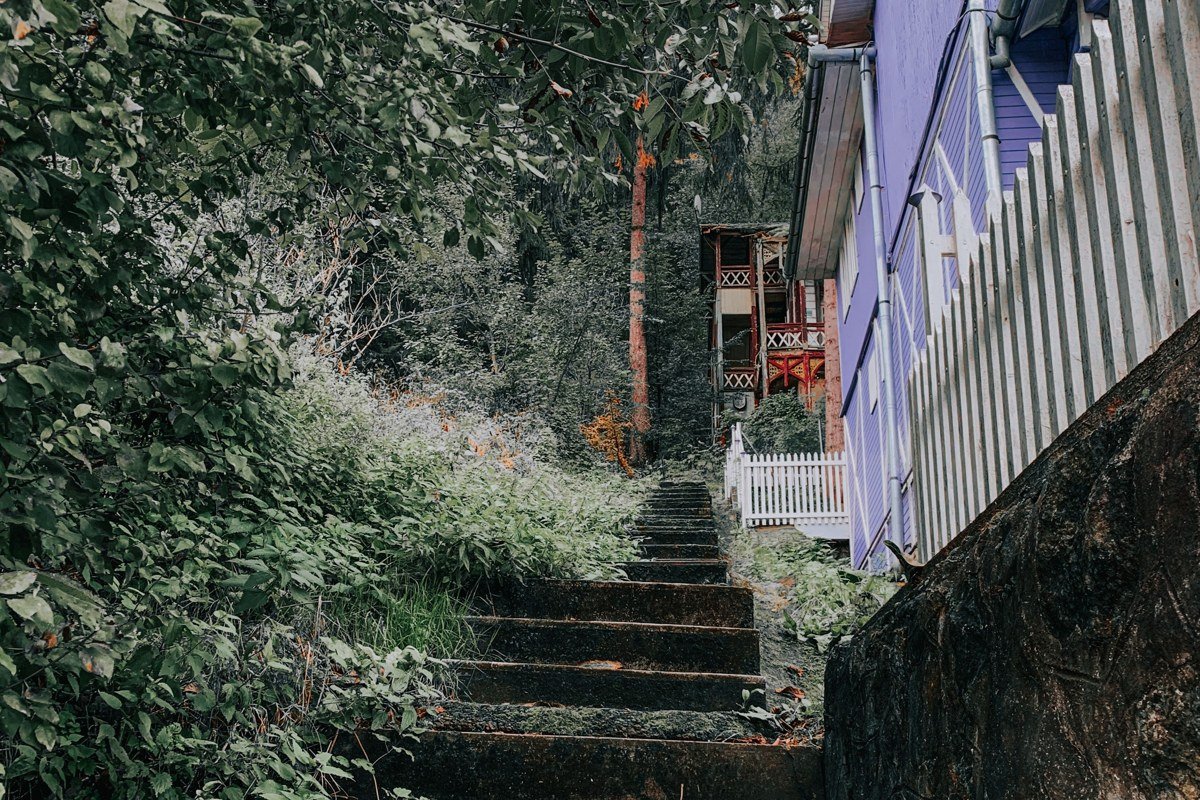
Astoria sits at the mouth of the Columbia River and has the bones of a serious fishing port, which makes it more interesting than a resort town. The hills above the waterfront are packed with Victorian and Craftsman houses, many of them in states of elegant decay that photographers love. Climb the Astoria Column on Coxcomb Hill early on a foggy morning and you will sometimes be above the cloud layer looking down at a white blanket with the river and the Astoria-Megler Bridge emerging from it. The column itself is a covered concrete pillar with a painted frieze spiraling up the outside depicting Pacific Northwest history. The Flavel House Museum downtown is fully intact Victorian excess, worth an hour. For timing, October is when the Columbia fog is thickest in the mornings and the maple trees on the hillside streets turn gold, which means you get two different kinds of color in a single frame.
6. Bodega Bay, California
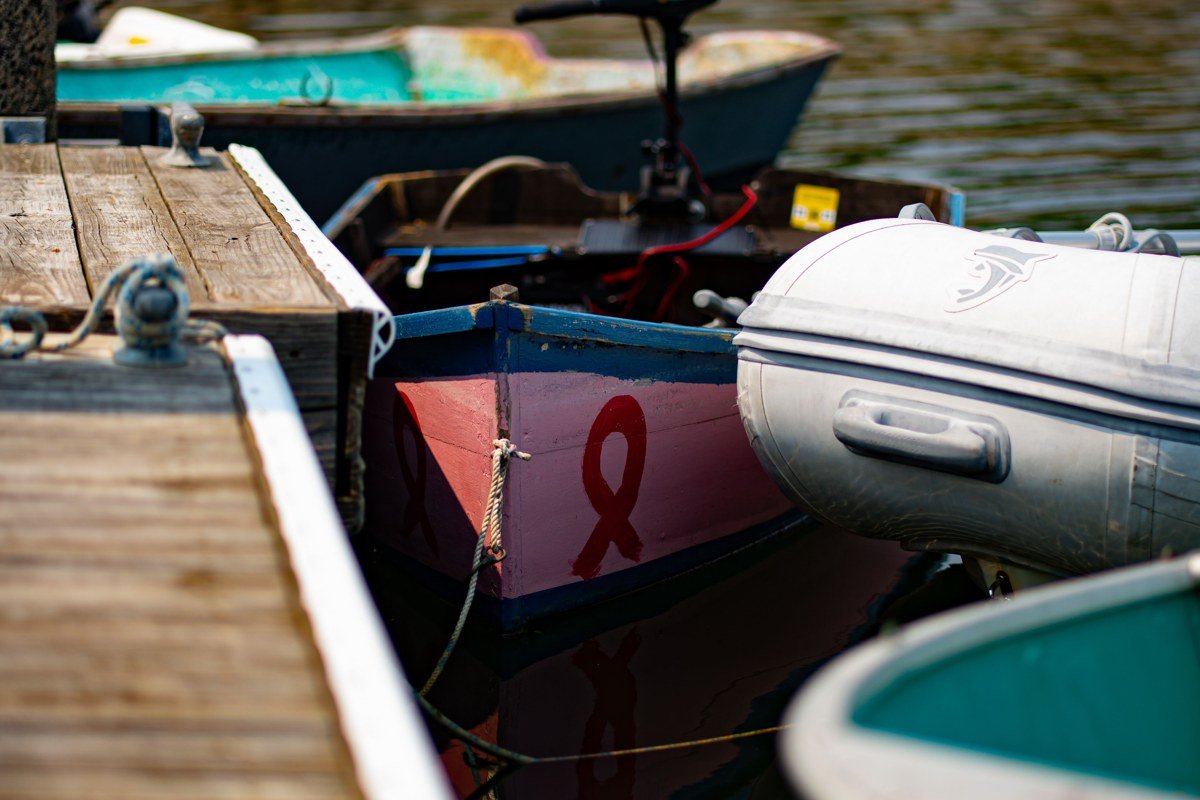
Bodega Bay is a working fishing harbor first and a destination second, which keeps it honest. Dungeness crab season hasn’t started yet in September, but the boats are out for salmon and lingcod, and the docks at dawn carry the specific smell of salt water and diesel that belongs to a port that actually works for a living. The bay itself is protected by a sand spit, so the water inside is calm and reflective, while the open coast just north at Bodega Head is completely exposed and dramatic. Alfred Hitchcock filmed “The Birds” here in 1963, and the area around the old Potter School building (which still stands) has the windswept, slightly ominous quality you’d expect from that context. Walk the Bodega Head trail in the afternoon when the fog is coming in from the southwest and the headland goes monochrome and cinematic. The Lucas Wharf fish market sells Dungeness crab starting in November; in September the clam chowder at the waterfront restaurants draws from the bay’s own waters.
Not for you if: you want a polished, resort-style coastal experience. Bodega Bay is a fishing town with a gift shop problem in spots, and the beauty is gritty rather than composed.
7. La Push, Washington
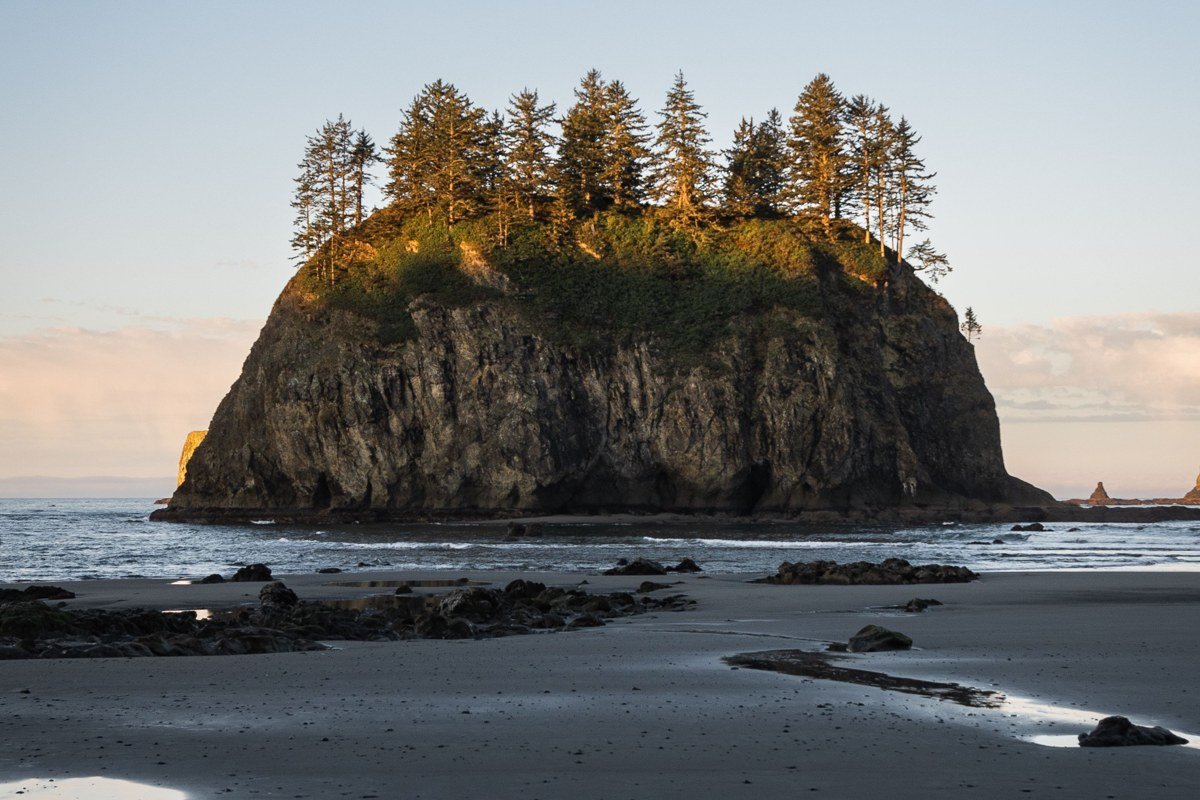
La Push is the coastal community of the Quileute Tribe, and it sits inside the Olympic National Park coastal strip in a way that makes access feel genuinely earned. First Beach, right at the edge of the village, is one of the most compositionally rich beaches on the entire Pacific Coast: sea stacks in the foreground, rainforest-covered headlands behind, and almost constant low cloud filtering the light into something soft and directionless. This is not a day-trip destination the way Cannon Beach or Carmel is. The drive in from US 101 takes about thirty minutes on a narrow road through old-growth Sitka spruce, and the accommodations in the village are basic. That’s the trade-off, and it keeps the place uncrowded even in summer. September is ideal because the surf is calmer than winter, the light is low all day, and the huckleberries along the trail to Second Beach are still ripe. Respect the fact that this is sovereign tribal land: camp only in designated areas and follow posted guidelines.
8. Cambria, California
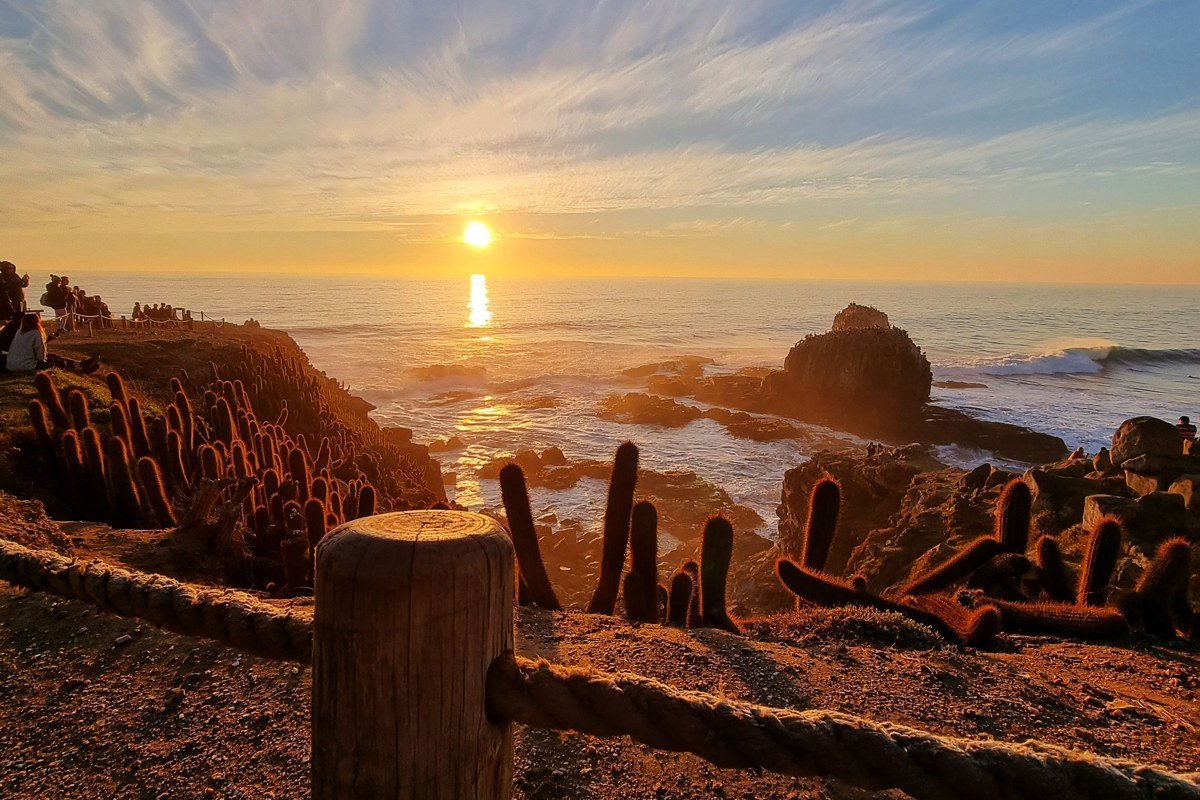
Cambria sits roughly halfway between Los Angeles and San Francisco on Highway 1, just north of San Simeon and the Hearst Castle turnoff, and it consistently gets overlooked in favor of its famous neighbor. That is a genuine mistake. Moonstone Beach runs north from the town center along a bluff boardwalk, and the combination of smooth agates and moonstones in the tideline, the driftwood piled at the high water mark, and the elephant seal colony just up the road at Piedras Blancas creates a photographic itinerary that takes a full day. The elephant seals are year-round residents at Piedras Blancas, but late summer and early autumn bring juveniles molting on the beach in groups, and the September light falls on them at a usable angle in the late afternoon. Cambria itself divides into two neighborhoods connected by Main Street: the East Village has restaurants and galleries, while the West Village sits closer to the coast. Stay on the west side if you want to hear the surf at night.
Note the same Highway 1 closure caveat that applies to the Carmel-Big Sur corridor applies here in reverse if you’re driving north. Check road conditions before departing.
9. Yachats, Oregon
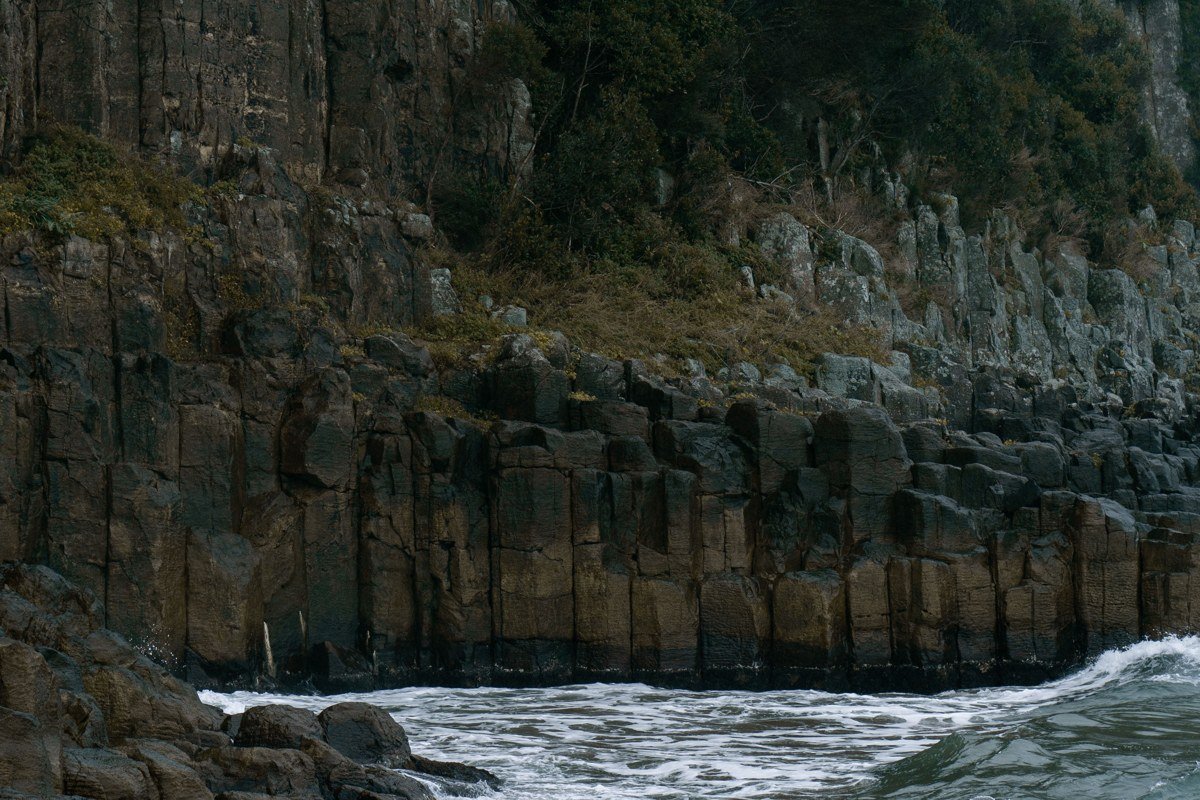
Yachats (pronounced YAH-hots) is a small town on the central Oregon coast that manages to feel like an insider secret even though it has been written up extensively. The town sits at the mouth of the Yachats River where it meets the ocean, and the rocky shoreline on either side is what sets it apart from the beach towns further north. There are no wide sandy beaches here. Instead, the coast is all basalt shelves and surge channels where waves explode upward in columns of white water. Cape Perpetua Scenic Area, just south of town, has one of the most dramatic viewpoints on the Pacific Coast: from the overlook at 800 feet, on a foggy morning, you can see the wave sets marching in from the horizon and the forest below vanishing into cloud. The Giant Spruce Trail at Cape Perpetua leads to a Sitka spruce over 500 years old along a creek that runs cold and clear even in late summer.
The town has a handful of excellent restaurants. Luna Sea Fish House is the one worth planning around: they serve troll-caught Oregon albacore, a species and a method worth seeking out specifically. Troll-caught albacore is taken one fish at a time on hook and line rather than by net, which both reduces bycatch and produces a cleaner-tasting fish. The albacore season on the Oregon coast runs July through October, so September visits land squarely in the prime window. Order it while it’s on the menu.
10. Florence, Oregon
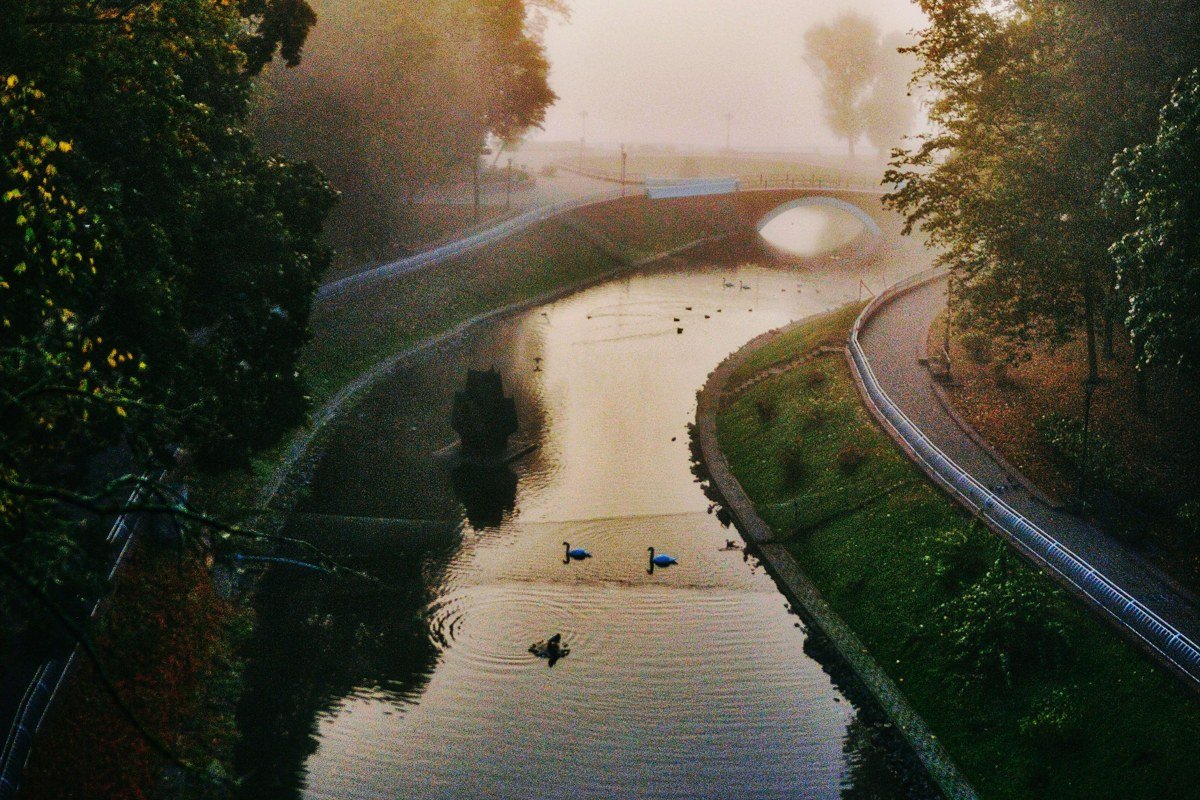
Florence earns its place on this list through a combination of elements that individually seem modest and together become genuinely distinctive. The town sits at the mouth of the Siuslaw River, and the 1936 Siuslaw River Bridge is one of the most handsome of the Conde McCroskey-designed Oregon coast bridges, its art deco towers and bascule drawspan reflected in the river on calm autumn mornings in a way that rewards a patient photographer. Old Town Florence runs along the riverfront south of the bridge, a compact stretch of restored buildings housing galleries, bookshops, and seafood restaurants that faces the water rather than the highway.
What sets Florence apart from other small Oregon coast towns is its position at the northern edge of the Oregon Dunes National Recreation Area. The dunes begin just south of town and run 40 miles to Coos Bay, reaching heights of 500 feet in places. In late September the light rakes across them at a low angle that makes the sand textures read like topography on a relief map. This is the aesthetic brief that Sausalito, for all its beauty, doesn’t quite fulfill: raw, shaped landscape with almost no human infrastructure in the frame. The Umpqua Lighthouse State Park section of the dunes, about 20 miles south, offers the clearest access for walking rather than off-road vehicles.
Not for you if: you prefer coastal drama built around sea cliffs and wave action. Florence’s appeal is quieter and more horizontal. The dunes and the river are the draw; the ocean here is screened by foredunes and less immediately visible than at Yachats or Cannon Beach.
Practical Takeaway
The window that makes these scenic coastal towns worth the detour runs roughly from late August through mid-October. Fog is heaviest in the morning, so be outside by 7 or 8 a.m. Most Pacific Coast towns are easier to photograph on weekdays than weekends, and many of the state parks and reserves have timed entry or permit systems that fill on Saturday mornings. Book accommodation at least three to four weeks in advance for September in Northern California and the Oregon coast, even though the summer peak has technically passed.
A mid-range telephoto lens in the 70-200mm range (or the equivalent zoom on a phone camera) is more useful than a wide angle for the majority of locations on this list. The reasoning is specific: sea stacks, distant headlands, and the compressed layers of fog sitting above the water all require a tighter frame to read as the eye actually experiences them. Wide-angle shots of foggy coastline tend to render the atmosphere as empty grey space, while a telephoto pulls the layers together and makes the depth visible. If you’re shooting on a phone, use the 3x or 5x optical zoom rather than digital zoom, and shoot in the first and last hour of light when the fog gradients are steepest.
Highway 1 seasonal closures are a real planning variable and not a remote possibility. The Big Sur corridor has closed multiple times in recent years due to slides and storm damage, and even in a normal autumn, sections can close with short notice. Check Caltrans District 5 conditions before any southbound drive from Carmel and before any northbound drive from Cambria. Build flexibility into your itinerary rather than treating Highway 1 as a guaranteed through-route.
Bring layers regardless of the forecast. Coastal temperatures in October can drop fifteen degrees between a sunny hillside and a shaded cove, and the wind on an exposed headland at Bodega Head or Cape Perpetua will end a photography session faster than any equipment failure.