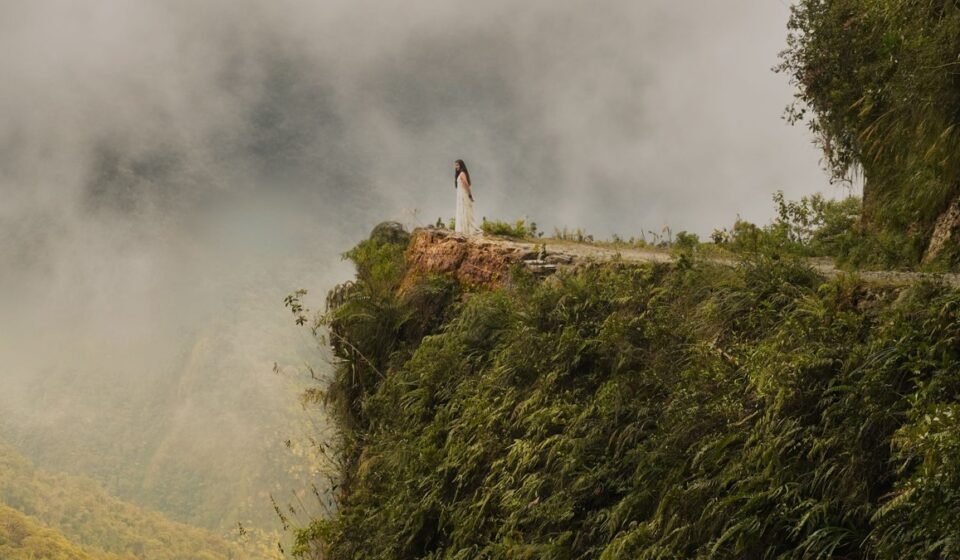

The painted grave markers in Maramures’s Merry Cemetery tell the full life story of the deceased in cheerful verse and color, and they do it in a folk-art language so confident and strange that it stops you cold on a misty Tuesday morning with nobody else around. That quality, of stumbling into something genuinely original rather than curated for you, is what separates Eastern Europe’s quieter corners from anywhere else on the continent.
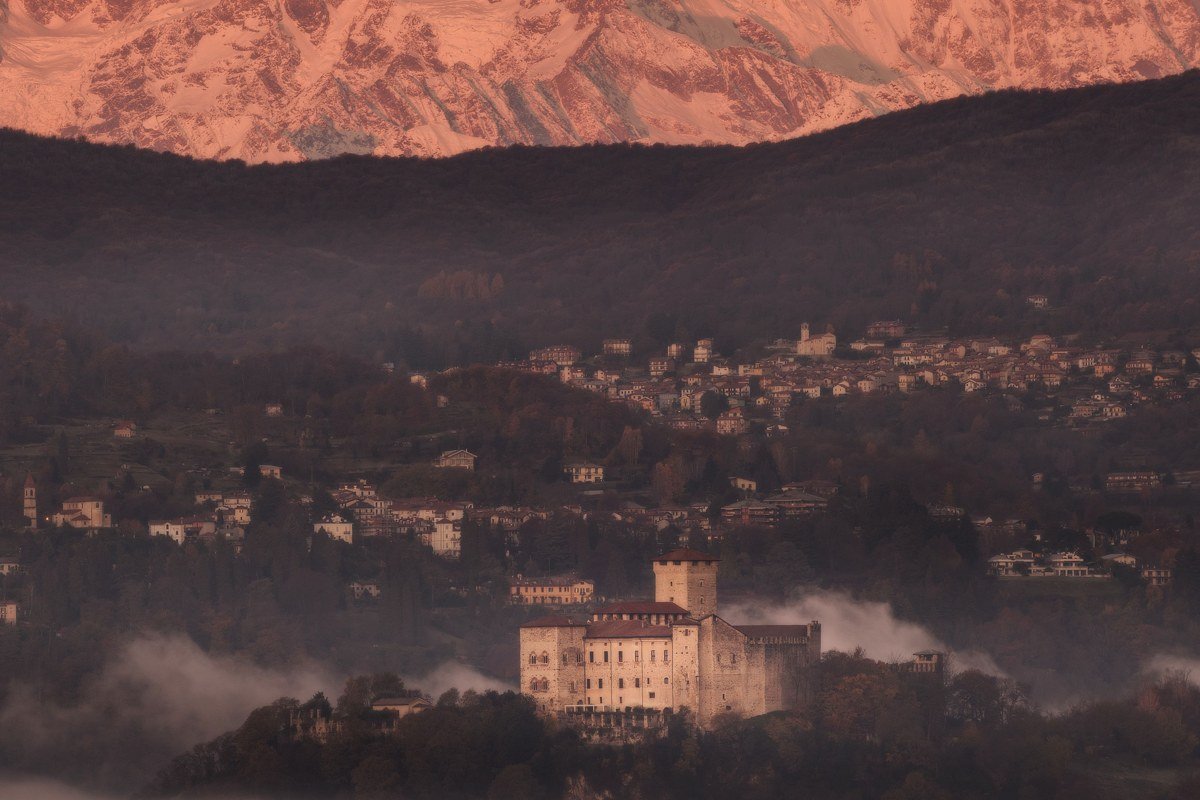
1. Sighisoara, Romania
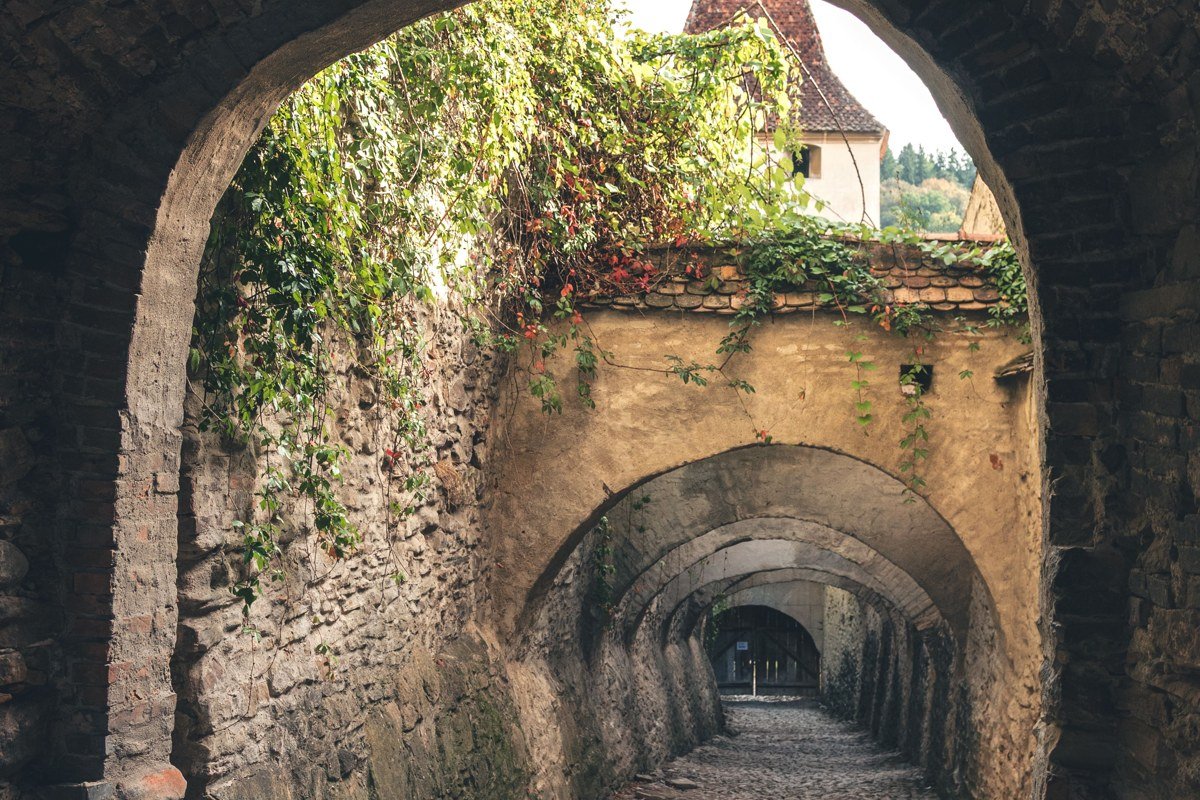
Sighisoara is one of the few continuously inhabited medieval citadels left in Europe, and it shows in the best possible way. The colored merchant houses lean slightly toward each other along Strada Scolii as if sharing old secrets, and the fourteenth-century Clock Tower looms over everything with the self-assurance of something that has absolutely nothing to prove. The covered wooden staircase climbing to the hilltop church, built in 1642 and worn smooth by generations of feet, is worth every step for the layered rooftop view it delivers.
Go in late October when the tourist numbers thin but the amber light is at its richest, and you will have the upper citadel almost entirely to yourself at sunrise. The lower town is fairly commercialized, so staying inside the citadel walls makes a genuine difference in how the place feels. Pensiunea Claudiu and Casa Wagner are both within the citadel and book up several months ahead for shoulder season weekends.
2. Peles Castle and the Sinaia Valley, Romania
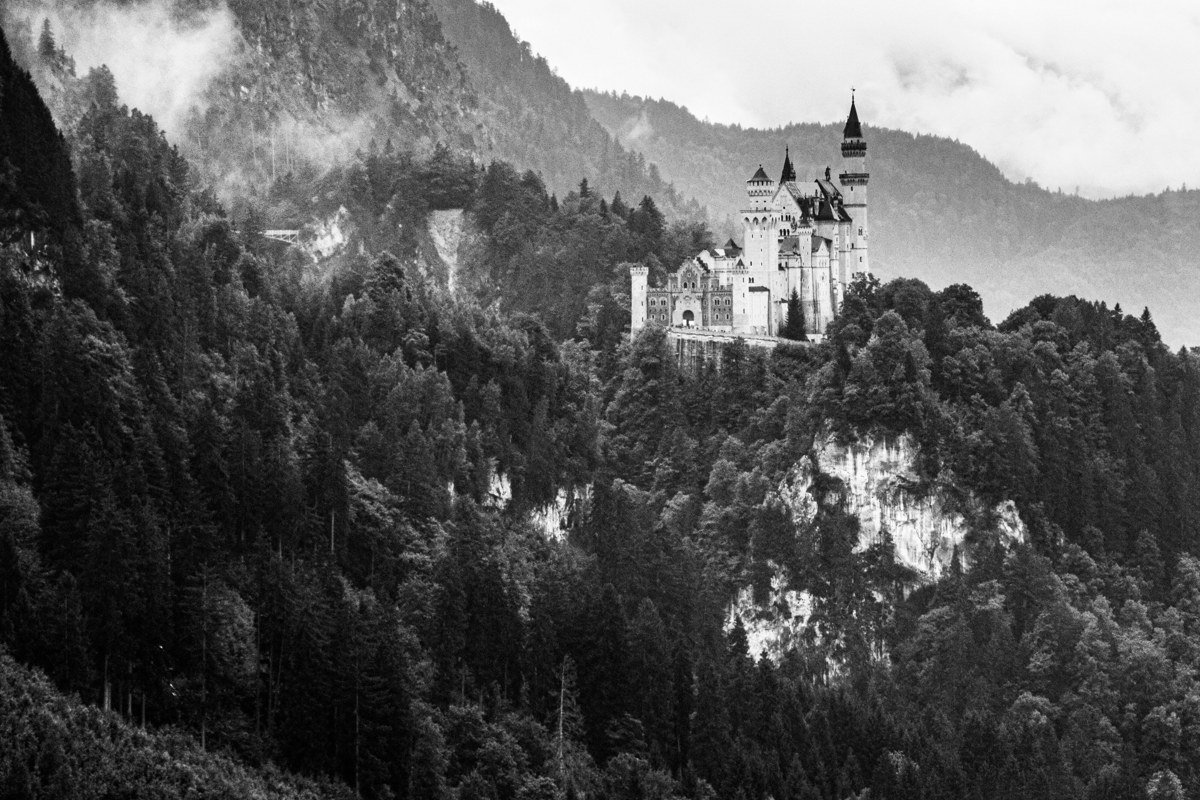
Peles looks like someone asked a very talented illustrator to design a castle from scratch with zero budget constraints. The neo-Renaissance exterior with its carved wooden galleries, hunting trophies, and Moorish hall is almost aggressively beautiful, and the surrounding Bucegi Mountains add genuine drama in any season. The interior rewards a guided tour: the Florentine Room’s carved walnut ceiling and the weapons collection displayed along the walls of the armoury hall on the ground floor are among the highlights, though it is worth confirming specific room access on arrival, as restoration work periodically closes individual chambers.
The thirty-minute walk up the valley from Sinaia Monastery to Peles at first light, when the tree cover holds the mist low and the turrets emerge piece by piece, is one of the better free experiences in Romanian travel. Avoid August weekends when the queues stretch well into the gardens. March through early April, when there is still snow on the higher peaks but the roads are clear, is a genuinely underused window. Sinaia’s Palace Hotel, a short walk from the castle gate, offers the right combination of period character and reliable booking availability for this stretch of valley.
3. Veliko Tarnovo, Bulgaria
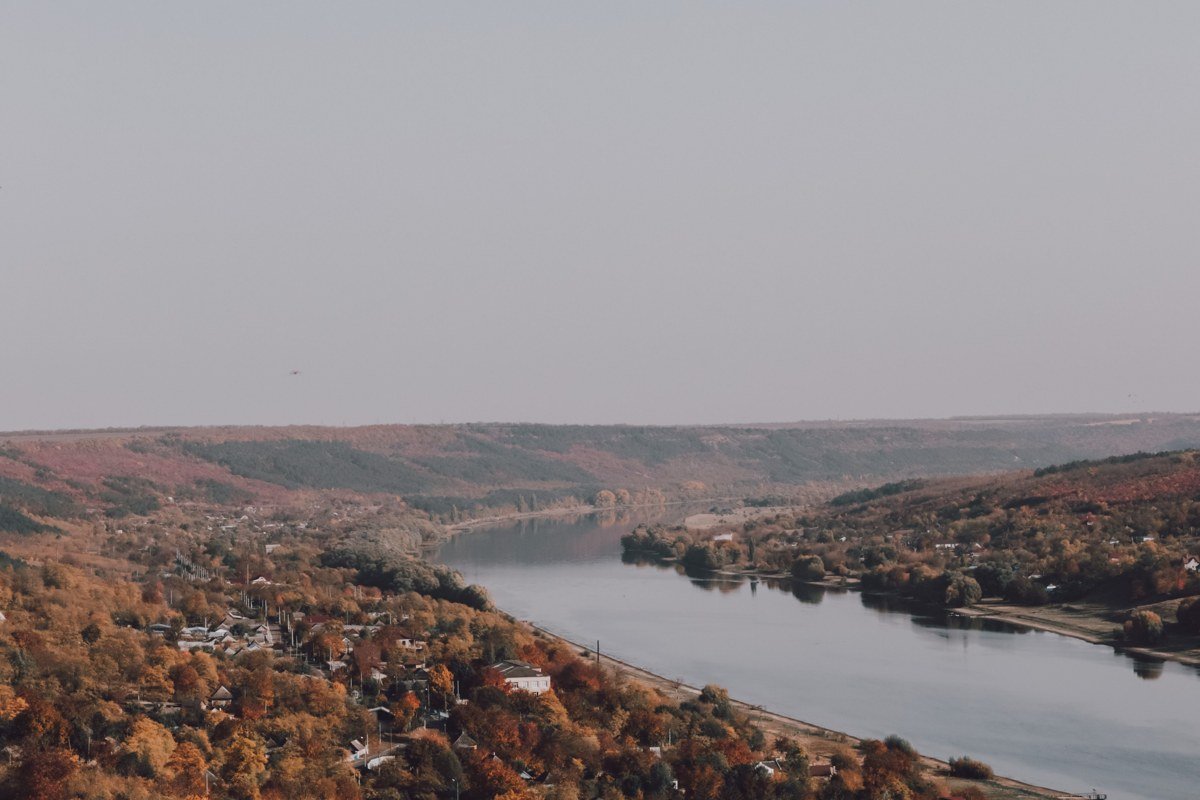
Veliko Tarnovo is built into and above a limestone gorge carved by the Yantra River, and the Tsarevets fortress occupies the central hill with a completeness that makes the medieval capital of the Second Bulgarian Empire feel less like a ruin and more like a city that simply stopped being used. The walls drop almost vertically to the river on three sides. Walking the ramparts in early morning, when the gorge below is still holding cloud and the reconstructed Patriarchal Cathedral catches the first light at the top, produces a visual experience that photographs can only partially translate.
The old Asenova quarter across the river holds several medieval churches, including the Church of the Forty Martyrs with its distinctive striped stonework, built in 1230. The town below the fortress is genuinely lived-in, with a strong cafe culture along Ulitsa Rakovski that keeps the atmosphere grounded rather than museumified. The light-and-sound show projected onto Tsarevets on summer evenings is theatrical enough to be worth staying for, even if the crowds it draws are the most visible you will encounter in the region. For accommodation, the guesthouses along Ulitsa General Gurko on the ridge above the gorge offer rooms with direct views of the fortress at a price point that would be impossible anywhere in Western Europe.
4. Bojnice Castle, Slovakia
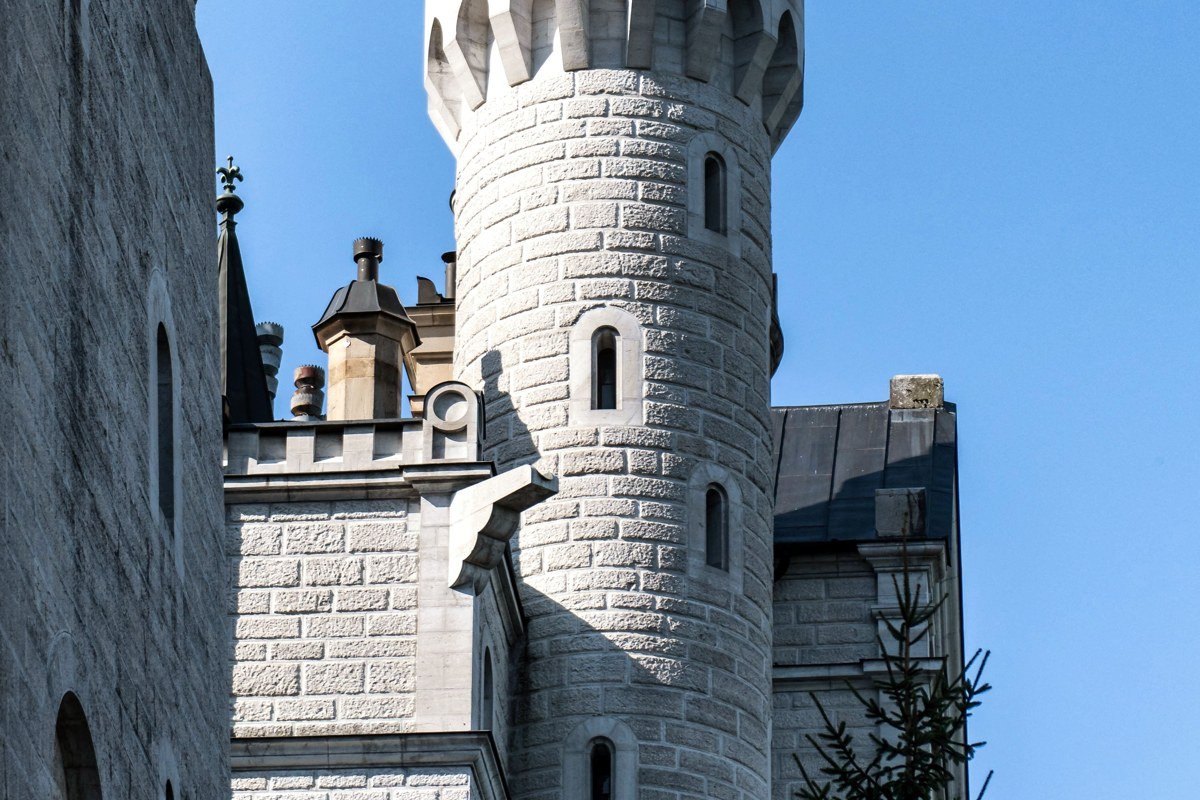
Bojnice sits in central Slovakia surrounded by a thermal spring moat and a forest thick enough to make you feel you have wandered into an actual fairy tale, not a reconstruction of one. The castle in its current romantic Gothic Revival form was shaped in the late nineteenth century by Count Jan Palffy, who had very strong opinions about what a proper medieval stronghold should look like and the resources to act on them. The result is towers, drawbridges, and a cave chapel built directly into the castle’s foundation rock.
Every April and May, Bojnice hosts an international ghost and phantoms festival that turns the whole complex into something that reads as genuinely spooky rather than kitschy. It receives a fraction of the visitors that similar castles in Germany collect, and you can often wander the outer courtyard with almost no competition. Plan for a full half-day: the park grounds alone reward a slow circuit. The town of Bojnice itself is small, but Trencin, about forty minutes by bus, has better accommodation options and a castle of its own worth an evening walk.
5. Kotor, Montenegro
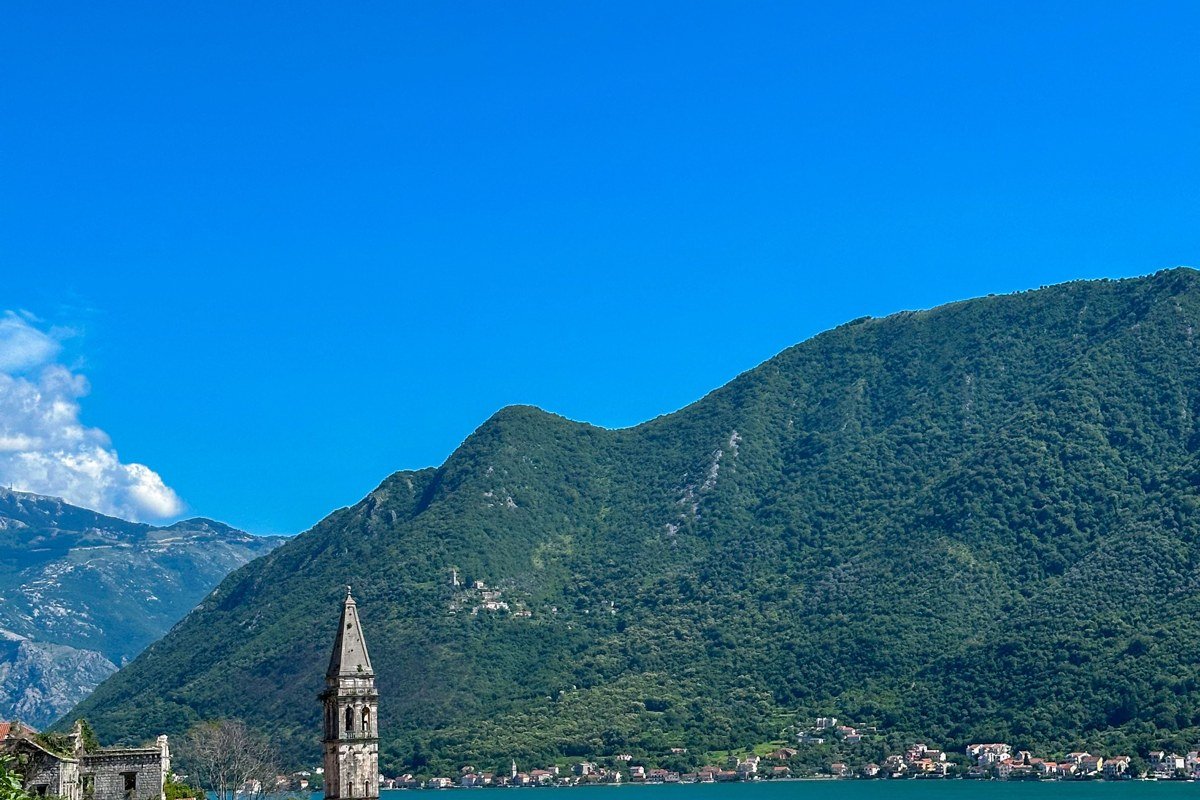
Kotor compresses several centuries of Venetian, Byzantine, and local Slavic history into a walled old town small enough to walk across in twenty minutes but dense enough to spend a full day getting lost in. The medieval walls climb the grey limestone cliffs of St. John’s Hill above the town at a grade that will genuinely test your legs, but the panoramic view of the Bay of Kotor from the fortress at the top is one of the great rewards in European travel. The bay itself is often described as a fjord, and in low morning cloud the distinction barely matters because it produces the same brooding atmosphere.
September is the sweet spot: the Adriatic water is still warm, the cruise ships begin to thin after the first week, and the afternoon light turns the terracotta rooftops a deep copper. If you are arriving by road from the north or from Dubrovnik, the ferry crossing from Lepetane to Kamenari cuts across the bay’s narrow waist, shaving significant time off the coastal road and depositing you on the quieter western shore well away from the main cruise terminal. The crossing takes about five minutes and runs continuously through the day.
6. Cesky Krumlov, Czech Republic
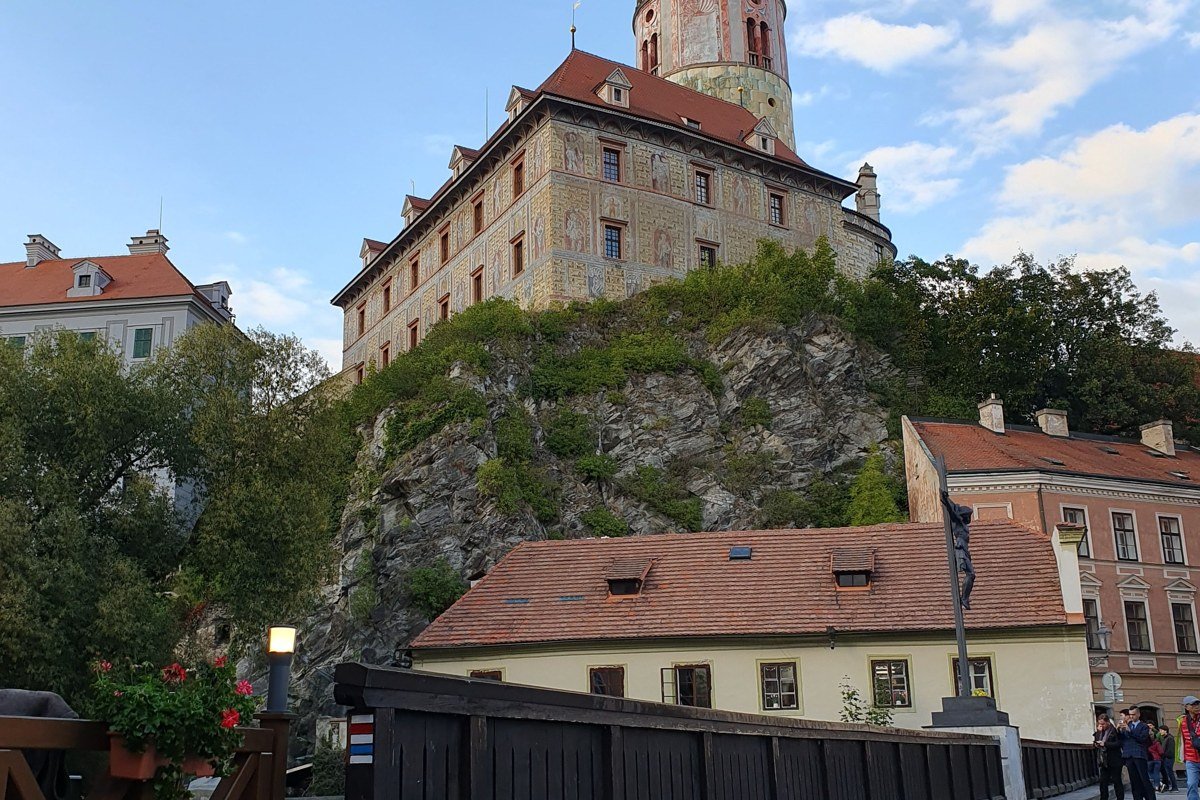
The Vltava River wraps around Cesky Krumlov in a tight horseshoe bend that delivers one of the most immediately striking town views in Central Europe, particularly from the castle ramparts looking down. The chateau complex itself is the second largest in the Czech Republic after Prague Castle, with a baroque theater still containing its original stage machinery from the seventeenth century, a detail that stops being trivia once you are standing in front of it. Canoes and kayaks for hire on the river give you a ground-level angle of the castle walls rising from the water that no photograph quite captures accurately.
Late November after the first frost but before the Christmas markets open is an underexplored window when the town is genuinely quiet. The honest trade-off: Cesky Krumlov is well-known enough that high season crowds are real, and some of the restaurants in the immediate old town center have adjusted their prices and menus accordingly. Staying inside the bend of the river rather than on the approach roads makes the early morning hours, before the day-trip coaches arrive from Prague, feel like a different place entirely.
7. Bran, Romania (and the Road to It)
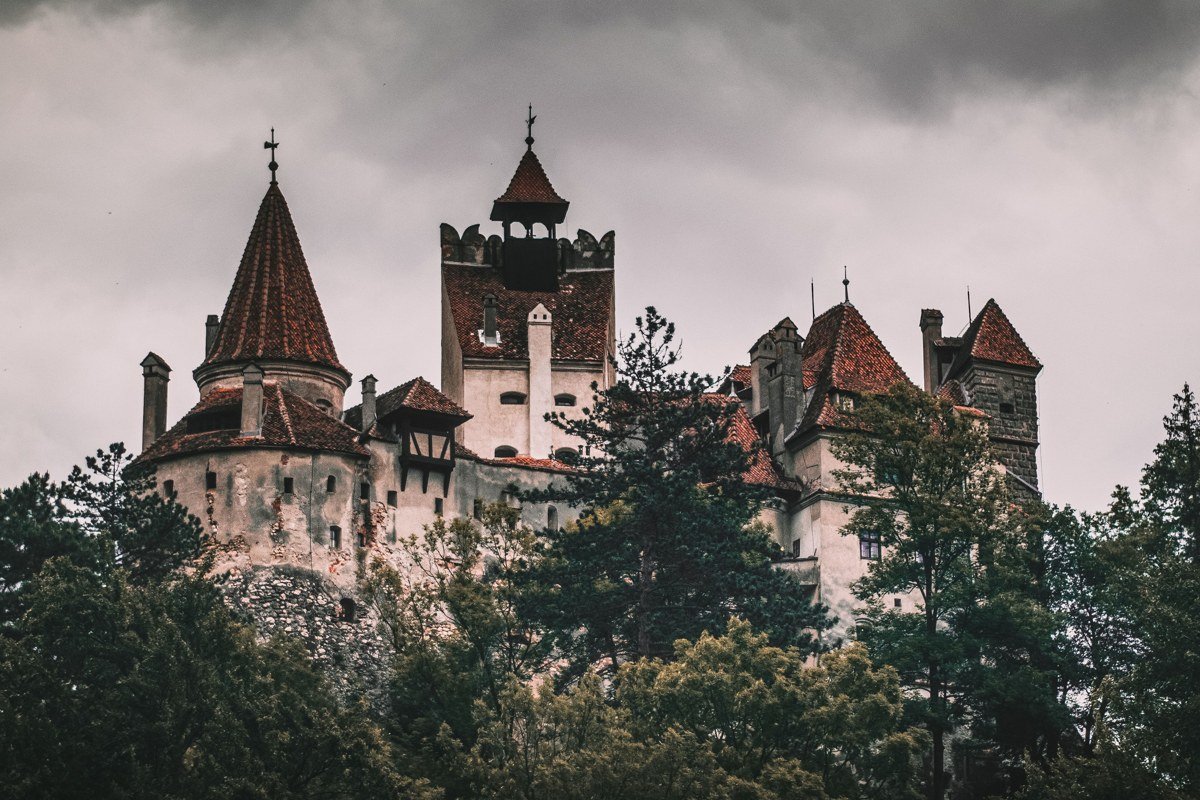
Bran Castle itself is smaller inside than the exterior silhouette suggests, and the Dracula connection is more marketing than history. Knowing that, the approach along the forested road from Brasov in early morning fog is still one of the more genuinely unsettling and beautiful drives in this part of Europe. The castle sits on a seventy-five-meter rock, its towers visible in fragments through the tree line before the full structure appears, and this reveal alone makes the journey worthwhile for anyone building a visual itinerary.
Combine the visit with a walk through the Bran village market, which sells local sheep’s cheese and hand-loomed textiles and is vastly more interesting than the souvenir stalls crowding the castle gate. The optimal timing is a Tuesday or Thursday morning in shoulder season: the weekend crowds thin considerably by midweek. Brasov, twenty-five kilometers north, is the natural base, with regular minibuses making the run to Bran throughout the day.
8. Maramures, Romania
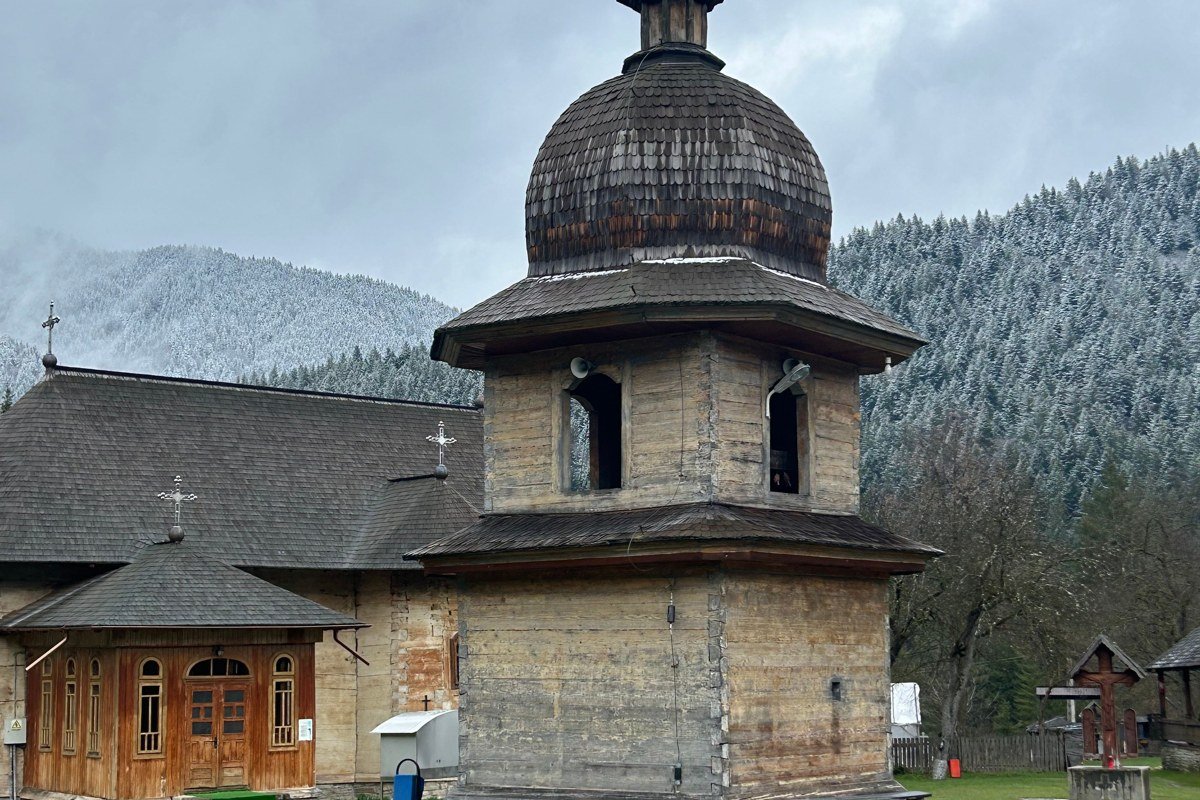
Maramures in northwestern Romania is the kind of place that makes you feel contemporary life is a relatively recent and possibly optional development. The Iza and Mara valleys hold clusters of villages where wooden Orthodox churches with soaring shingled spires have been standing since the seventeenth century, and where horse-drawn carts on unpaved roads are not a tourism performance but a practical reality. Eight of these churches are UNESCO-listed, and the Merry Cemetery in Sapanta, where painted wooden grave markers tell the life story of the deceased in cheerful verse and color, is one of the most genuinely original folk art environments in Europe.
The villages of Breb and Hoteni in the Mara valley are the most photographically rewarding, particularly in early morning when the mist sits in the fields below the church spires. In Breb specifically, several local families offer guesthouse rooms in traditional wooden houses, and staying in the village rather than driving in from Sighetu Marmatiei makes an appreciable difference. Familia Timiş and a handful of similar family-run operations in Breb fill up during the summer months and are best contacted directly several weeks in advance. Getting there requires a car or a taxi arranged from Sighetu Marmatiei. The region is the strongest argument in this entire list for slower, less-directed travel.
9. Plovdiv Old Town, Bulgaria
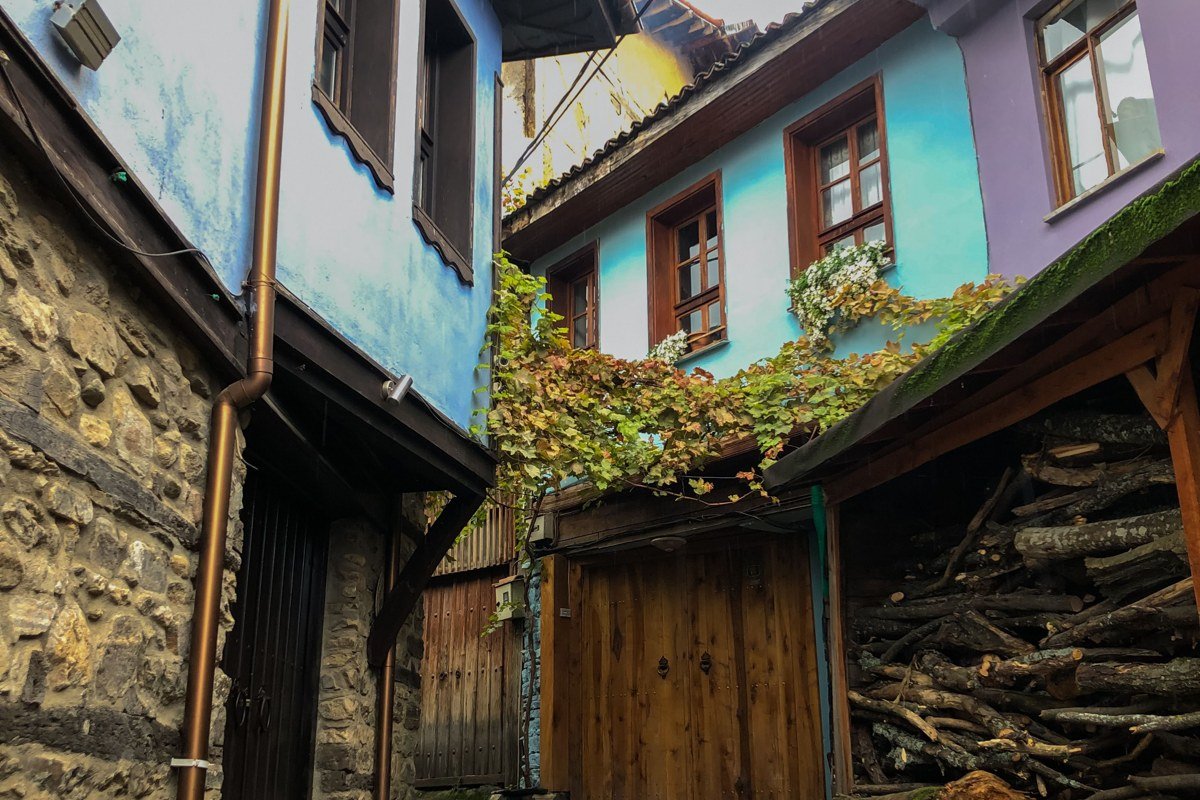
Plovdiv often plays understudy to Sofia in conversations about Bulgarian travel, and this is a consistent misjudgment. The Old Town sits across three of the city’s hills and contains one of the best-preserved collections of Bulgarian National Revival architecture in the country: houses from the eighteenth and nineteenth centuries with oriel windows, painted facades, and interior courtyards that open onto gardens. Below the old town, a second-century Roman amphitheater is still in use for outdoor concerts, which creates a particular kind of cognitive dissonance that Plovdiv handles with remarkable ease.
The town is genuinely walkable and genuinely lived-in, which means the coffee and food scene in the Kapana arts district below the hill is legitimate and local rather than fabricated for visitors. Spring evenings when the wisteria blooms over the old house walls are the visual peak, though the fall grape harvest in the surrounding Thracian valley adds a strong reason to visit in October. Direct buses from Plovdiv to Veliko Tarnovo take around two and a half hours, making the two cities a natural pairing for a focused Bulgarian arc.
10. Eger, Hungary
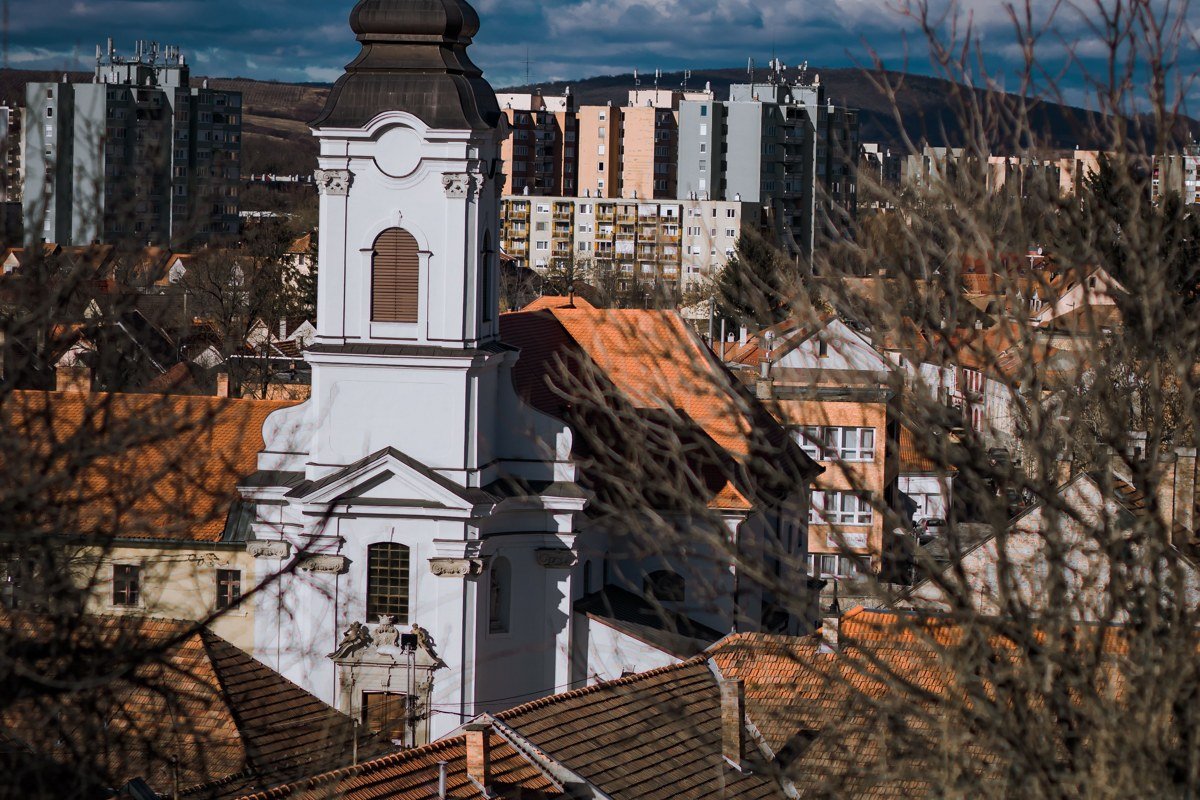
Eger is among the most undervisited genuinely beautiful small cities in Central Europe, and the reasons for visiting stack up quickly. The castle defended by Istvan Dobo against Ottoman siege in 1552 is the historical centerpiece, and the view from its walls across the baroque city below and into the surrounding wine valleys is substantial. The city itself is compact and almost entirely baroque in character, with a Turkish minaret from the 1600s standing beside the Hungarian cathedral in a combination that somehow reads as entirely natural given everything the region absorbed over four centuries.
The Valley of Beautiful Women just outside the city center is not a poetic invention but an actual wine valley where cellars carved into the hillside serve the local Bull’s Blood blend directly from the barrel. Cellar 17, run by the Vincze family, is one of the more characterful options along the main row, with long wooden tables that fill up on weekend afternoons. Visiting in late September or early October places you in the middle of harvest season, when the cellars are open late and the grapes are still on the vines on the surrounding slopes. Eger sits about two hours from Budapest by direct train, making it a natural extension of a Hungarian capital stay rather than a separate expedition.
Building Your Itinerary
These ten places are spread across seven countries, so trying to connect all of them in one trip will turn an atmospheric journey into a logistics exercise. The practical solution is to anchor around one or two countries and go deeper rather than cover ground.
10-day Romania circuit. Romania alone contains four entries on this list and rewards a focused circuit more than most travelers expect. Start in Cluj-Napoca, the regional hub for Transylvania, with direct flights from most Western European cities. From Cluj, the drive to Sighisoara takes around two hours on the DN15 and E60 through the rolling Saxon countryside. Spend two nights in the citadel, then continue south to Sinaia and Peles, another two and a half hours by road or roughly three hours on the CFR train via Brasov. A night in Sinaia or Brasov gives you access to both Peles and the Bran approach in a single morning. From Brasov, double back north toward Cluj or continue west toward Timisoara, then drive north to Sighetu Marmatiei, the main town for accessing Maramures, a journey of about four hours through mountain terrain. Allow three nights in Maramures to do the Iza and Mara valleys properly and still have a slow morning.
10-day Balkans and Central Europe arc. Open in Budapest, which has direct rail connections to most of the region. From Budapest, the train to Eger takes under two hours and runs frequently from Keleti station. After two nights in Eger, take the train back to Budapest and connect south to Sarajevo or Podgorica, which typically requires one change and a combined journey of around ten to twelve hours by train and bus. Kotor is ninety minutes by bus from Podgorica, or around two hours from Dubrovnik along the coastal road if you are approaching from Croatia. After two nights in Kotor, take the ferry from Lepetane across the bay to reduce road time, then travel north through Montenegro into Bosnia or east into Serbia toward Sofia. From Sofia, the bus to Plovdiv takes ninety minutes and runs throughout the day. Close the arc with an overnight train or a five-hour bus from Plovdiv to Veliko Tarnovo. Cesky Krumlov and Bojnice work best as extensions if you are beginning or ending the arc in Central Europe, since both are within a few hours of Vienna by bus and train.
For timing, the shoulder seasons of April to May and September to October consistently outperform summer across all ten destinations. The light is better, the crowds are thinner, and the atmospheric mist that makes these places feel genuinely otherworldly is far more reliable in cooler months.
Accommodation choice matters more in these destinations than almost anywhere else. Staying inside the old town or citadel walls, in a historic guesthouse rather than a chain hotel on the periphery, is the single change that most dramatically shifts how a place feels. Book those options several months in advance, as they are typically small and fill with people who know exactly what they are doing.