
Southeast Asia is full of adventure tourism gold that never shows up on the standard bucket-list roundups, buried beneath the same Bali cliff jumps and Chiang Mai elephant treks repeated everywhere. These nine destinations offer canyoning slots, flooded cave systems, and rainforest zip-lines that genuinely earn the darecation label without requiring a film crew or a trust fund. Pack light, move slow at altitude, and know before you go that every entry on this list depends on a local guide: not as a formality, but as the actual reason the experience works.
1. Bohol Interior, Philippines
Best for: Active travelers who want waterfall canyoning without a resort package.
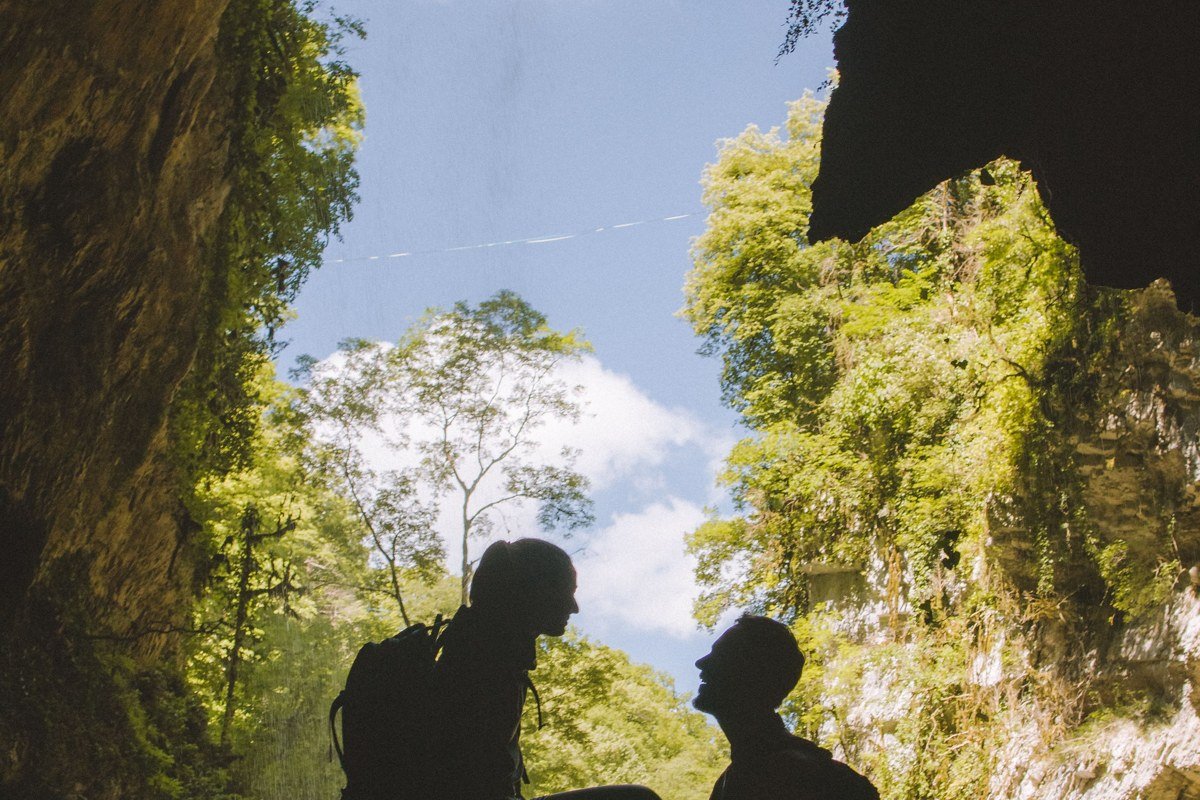
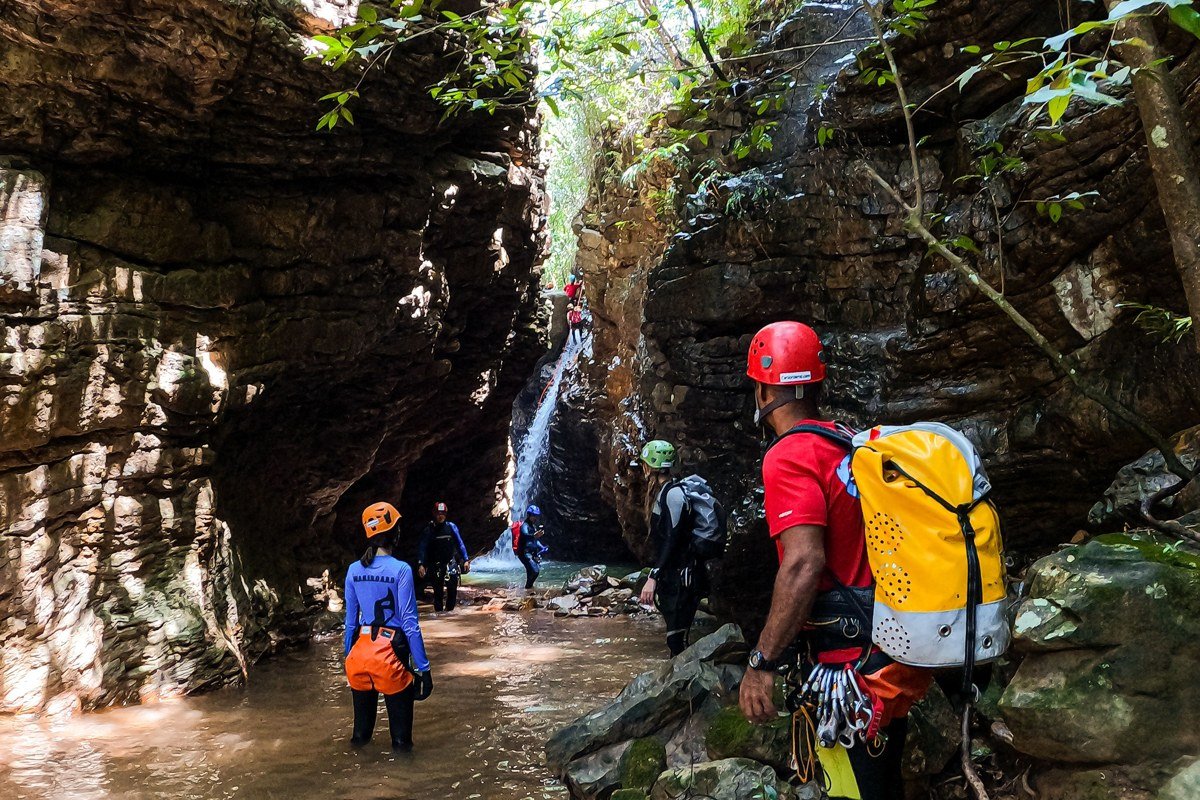
Most visitors to Bohol spend their time photographing the Chocolate Hills from a viewing deck and calling it done. The interior river systems, particularly around Candijay and Can-umantad Falls, reward those willing to hire a local guide and wade upstream. Canyoning here means rappelling beside active waterfalls into pools so clear you can count the pebbles at four meters depth, with overhanging figs dripping roots into the water above you.
Canyoneering Bohol, based in Candijay, is the most established local operator for the upper canyon sections and can be contacted through the Candijay municipal tourism office if their direct booking is full. The best operators here are small and family-run rather than resort-packaged, and they know which water levels are safe after rainfall. Come during the dry season from December through April, but visit on a weekday because weekend crowds from Tagbilaran have discovered the main falls, even if the upper canyon sections remain quiet.
Typical cost: $25 to $40 per person including guide, safety equipment, and falls entry fee.
2. Xe Bang Fai River Cave, Laos
Best for: Kayakers comfortable with fast cold water and genuine darkness.
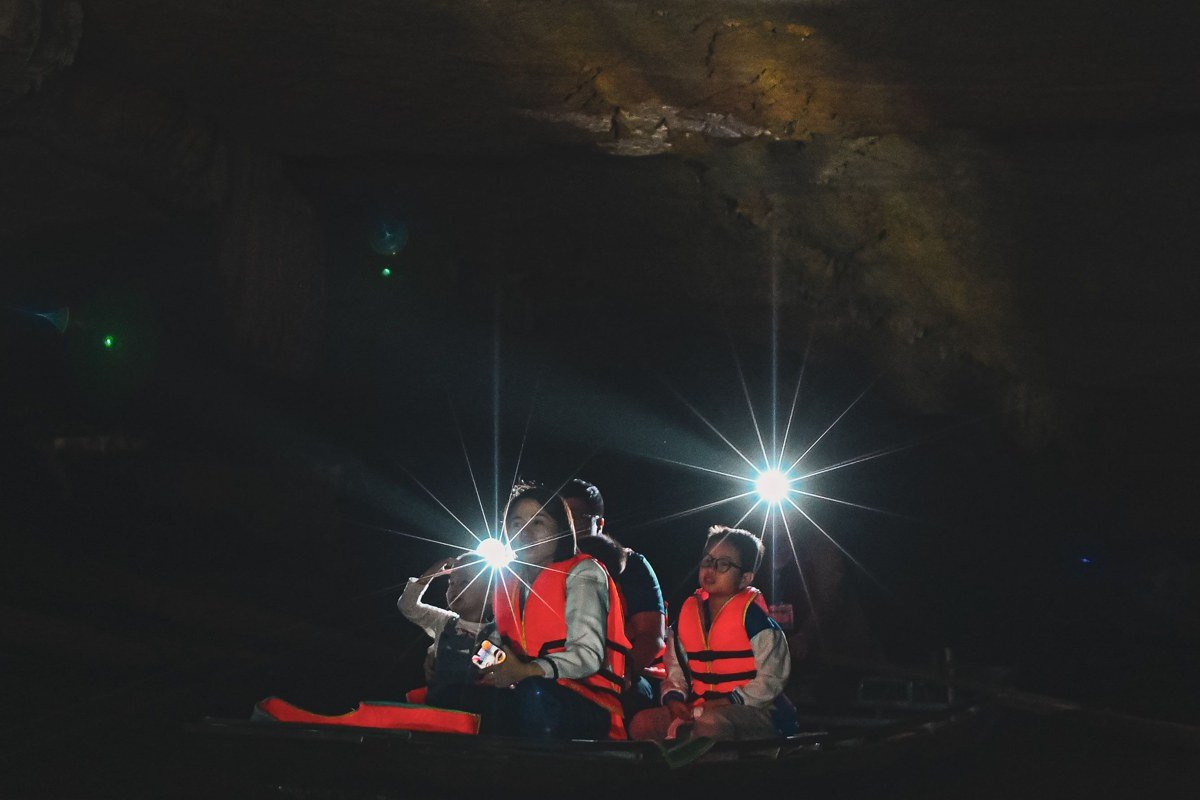
Xe Bang Fai is one of the largest river caves on the planet, navigable by kayak for several kilometers through chambers tall enough to swallow apartment blocks, and it barely registers on most adventure tourism itineraries. The cave sits in Khammouane Province, and getting there requires a boat crossing from Mahaxai town followed by a jungle walk that is, charitably, not signposted. Inside, the river runs fast and cold, the formations are colossal, and the silence beyond the entrance zone is the kind that makes your own breathing sound loud.
A handful of licensed operators run it properly with helmets, dry bags, and safety kayaks. Avoid the rainy season entirely, as the cave floods dangerously. The sweet window is February through April when water levels drop and visibility inside improves considerably.
Typical cost: $60 to $90 per person for a full-day guided trip including boat transfer and equipment.
3. Sabah Interior, Malaysian Borneo
Best for: Two-day adventure pairs combining canopy zip-lines with white-water rafting.
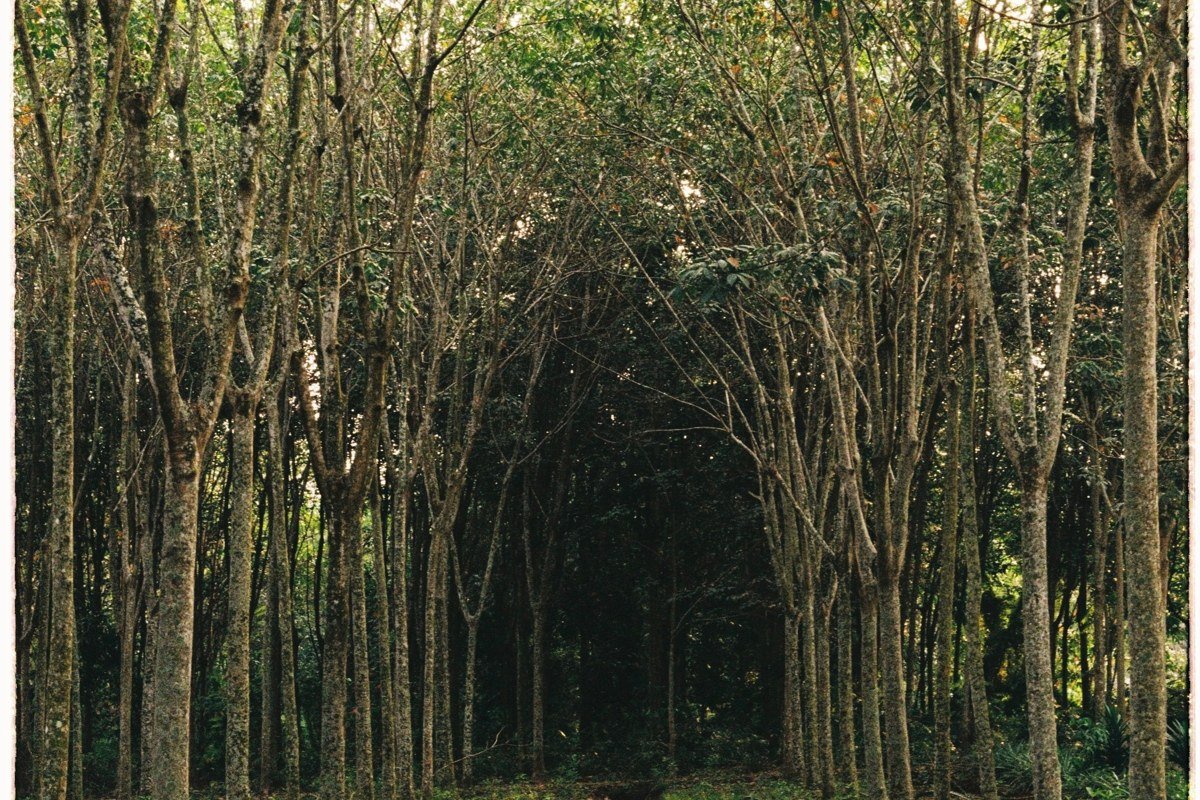
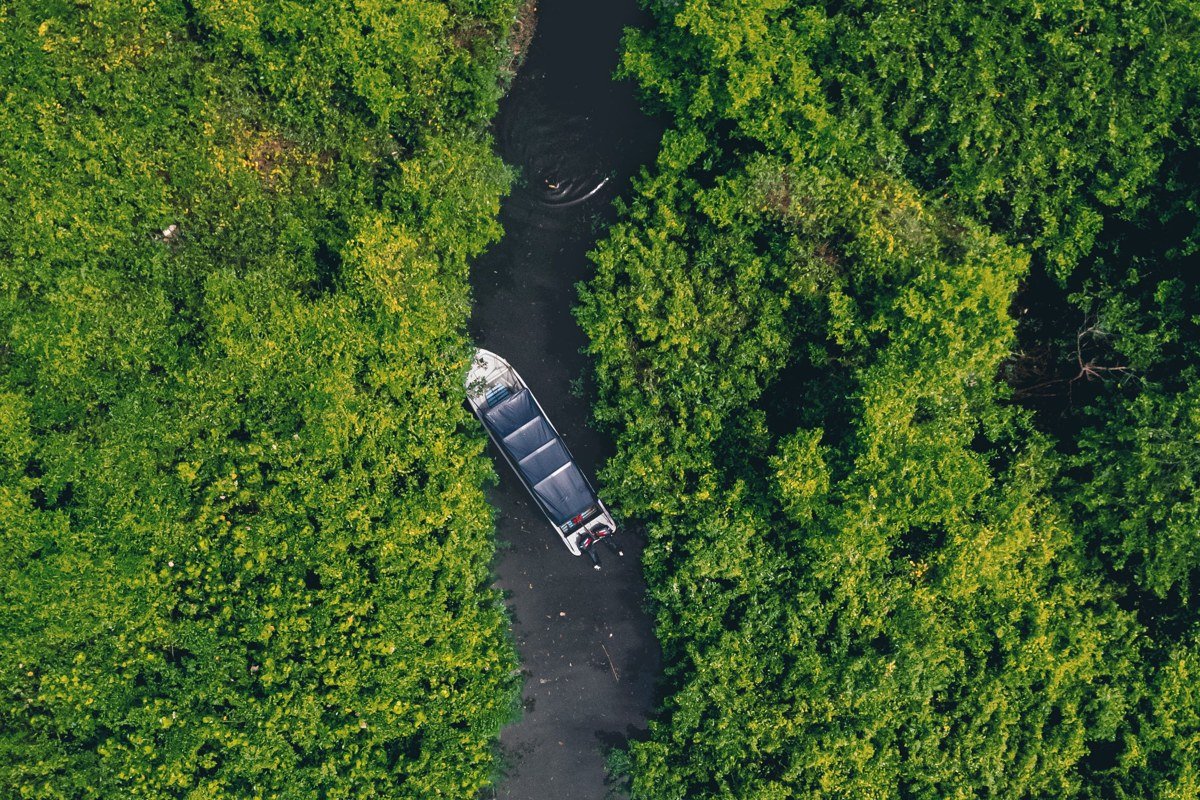
The zip-line operations above the Kiulu and Padas River valleys in Sabah get overshadowed constantly by the more famous white-water rafting on the Padas itself, which is a shame because the canopy infrastructure here is genuinely world-class. Platforms are anchored into old-growth dipterocarp trees, and on clear mornings you zip between forest giants with hornbills crossing your flight path. The Padas Gorge rafting (Grade III to IV depending on season) pairs naturally with a zip-line morning as a two-day trip out of Kota Kinabalu.
One honest trade-off: the drive to the Padas station is long and rough, easily two hours on unpaved road from KK, so the day starts very early. Book through operators certified by the Sabah Tourism Board rather than resellers who sometimes skip safety briefings.
Typical cost: $80 to $120 per person for a combined zip-line and rafting day trip including transport from Kota Kinabalu.
4. Kaeng Krachan, Thailand
Best for: Birders who want physical trails and waterfall terrain without the national park tour-bus circuit.
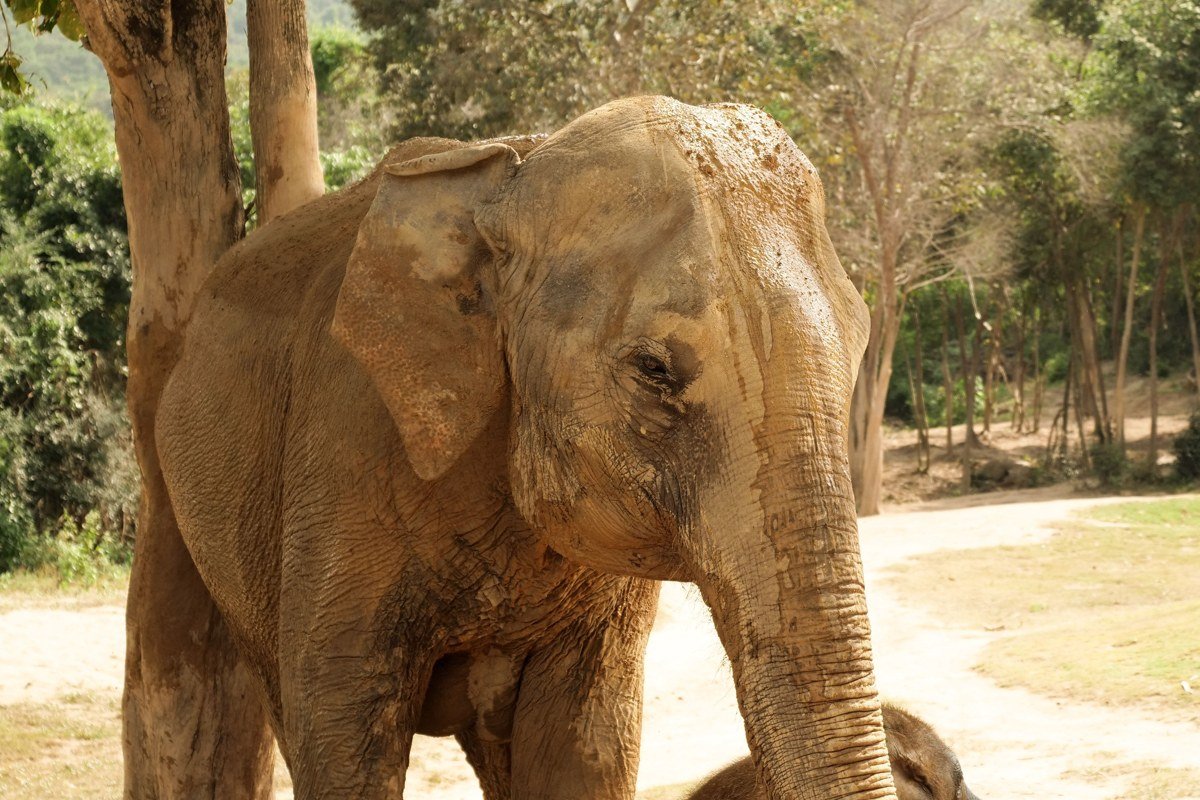
Kaeng Krachan is Thailand’s largest national park and its adventure credentials are quietly serious. The trail system through the Ban Krang camp area leads into dense montane forest where gibbons call overhead and the river crossings are waist-deep even in cool season. The park’s main waterfall trail includes fixed-rope descent sections beside the primary cascade during the post-monsoon months, when water volume is dramatic but still manageable. Verify current trail access and rope conditions directly with the park’s ranger station at Ban Krang before booking, as conditions shift significantly between October and December.
Unlike the heavily touristed national parks in the north, ranger-led groups here are genuinely small, often just a handful of people, which changes the entire character of the experience. The best timing is October through November when the forest is saturated and green, the waterfalls are in full voice, and the birding (Kaeng Krachan is a globally significant site for resident and migratory species) is exceptional alongside the physical activity.
Typical cost: $15 to $30 per person for a ranger-guided trail day including park entry fee.
5. Togian Islands, Sulawesi, Indonesia
Best for: Advanced open-water divers willing to earn the reef with a genuine journey.
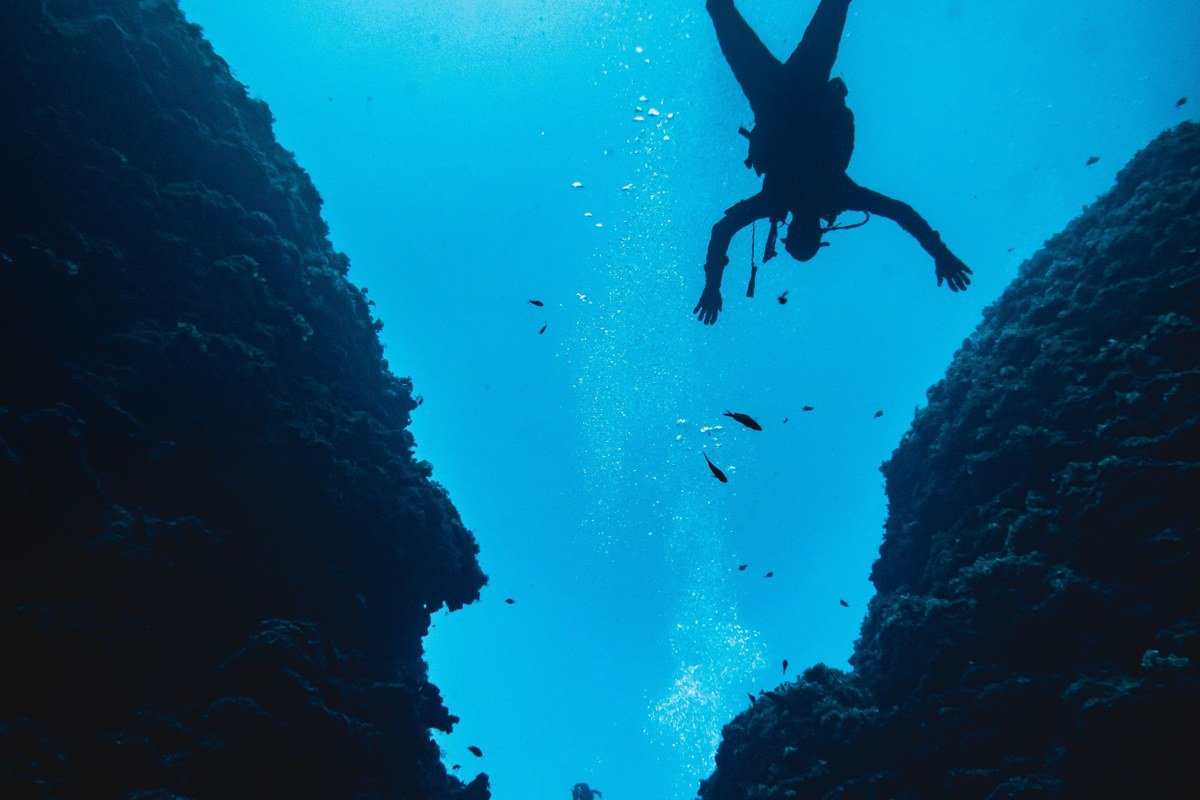
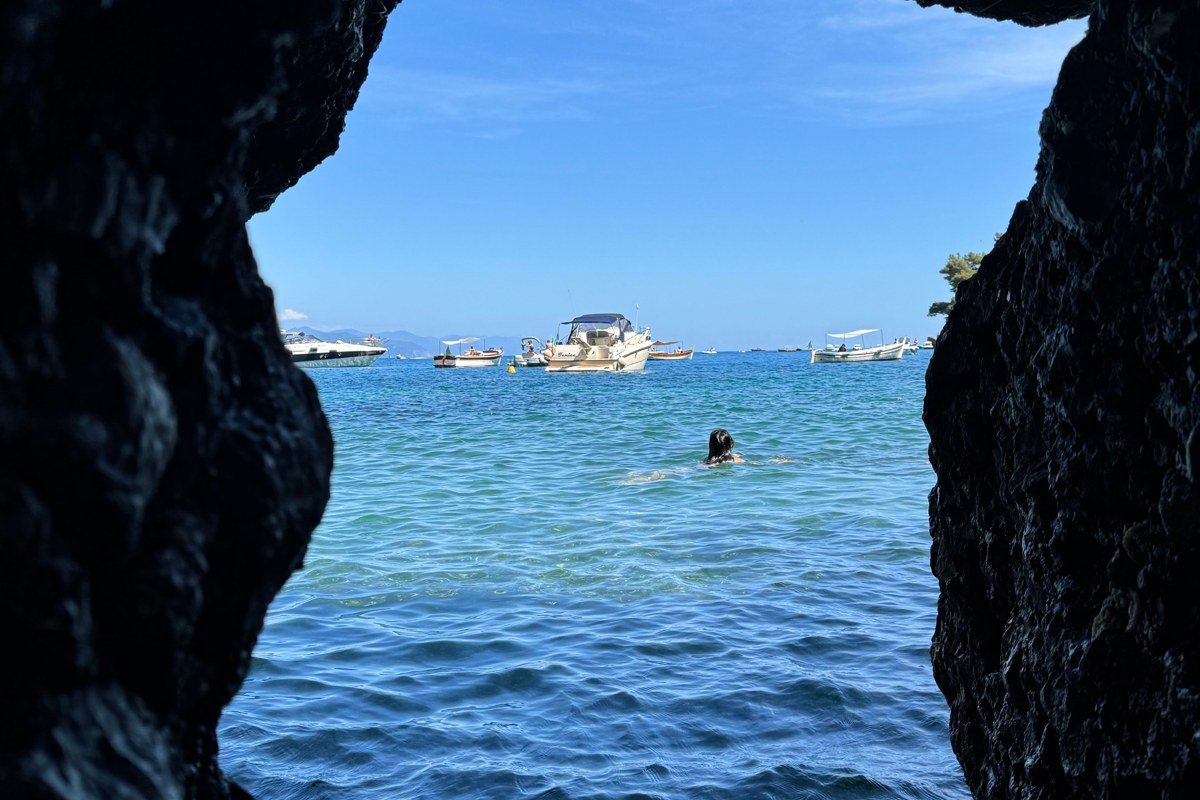
Cave diving in the Togian Islands is one of those experiences that exists almost entirely by word of mouth among serious divers. The archipelago sits in the Gulf of Tomini and harbors a collapsed karst landscape that extends underwater, creating swim-throughs and cavern systems lined with gorgonians and patrolled by bumphead parrotfish in numbers that feel prehistoric. The dive operators on Kadidiri Island are small, the equipment is inspected but not always brand-new, and advanced open-water certification is the minimum asked of anyone going into the cavern sections.
Getting to the Togians requires genuine commitment. Fly to Ampana or Gorontalo, then take the Ampana to Wakai ferry, a crossing of five to six hours on a schedule that changes seasonally. Check with your dive operator the week before departure (not the day before) to confirm current departure times, as services are sometimes suspended or rescheduled without online notice. That friction is exactly what keeps the reefs intact and the caves uncrowded, so treat the journey as part of the experience rather than an obstacle.
Typical cost: $40 to $65 per person per day for guided cave and cavern dives, excluding accommodation and ferry.
6. Pu Luong Nature Reserve, Vietnam
Best for: Trekkers who want karst canyoning and minority village homestays without the Ha Giang convoy traffic.
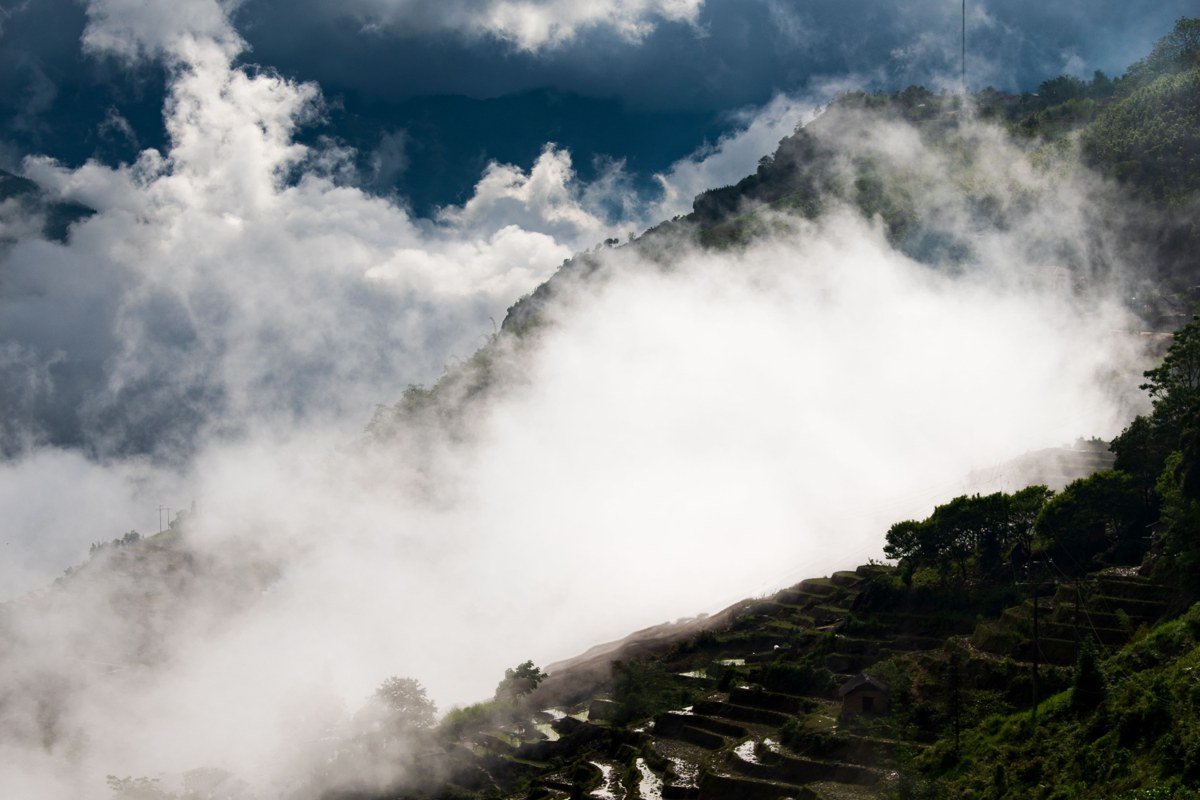
Pu Luong sits in Thanh Hoa Province roughly four hours southwest of Hanoi and offers a genuinely underexplored canyoning and trekking circuit that most Vietnam adventure itineraries skip in favor of Ha Giang or Phong Nha. The distinction matters: where Ha Giang has become a motorbike convoy route with dozens of guesthouses per village, Pu Luong’s reserve homestay network currently runs fewer than 200 beds across the whole system, most of them in Ban Hieu and Ban Pho villages. The canyon sections involve scrambling over water-polished limestone shelves, sliding down natural rock chutes into cold pools, and ducking under curtain waterfalls narrow enough to touch on both sides.
The primary route, known locally as the Ban Hieu Canyon Circuit, connects the upper village with a series of tiered pools before rejoining the main valley road near Pu Luong Eco Garden. The reserve’s homestay network keeps money directly in local Muong and Thai minority communities. The canyon routes are best from June through August when water flow is active but not yet flood-stage, and guides from Ban Hieu village know the routes in a way that no app or trail marker can replicate.
Typical cost: $30 to $50 per person per day including guide, homestay, and meals.
7. Phong Nha Backcountry, Vietnam
Best for: Fit travelers ready for multi-day underground expeditions with bivouac camping.
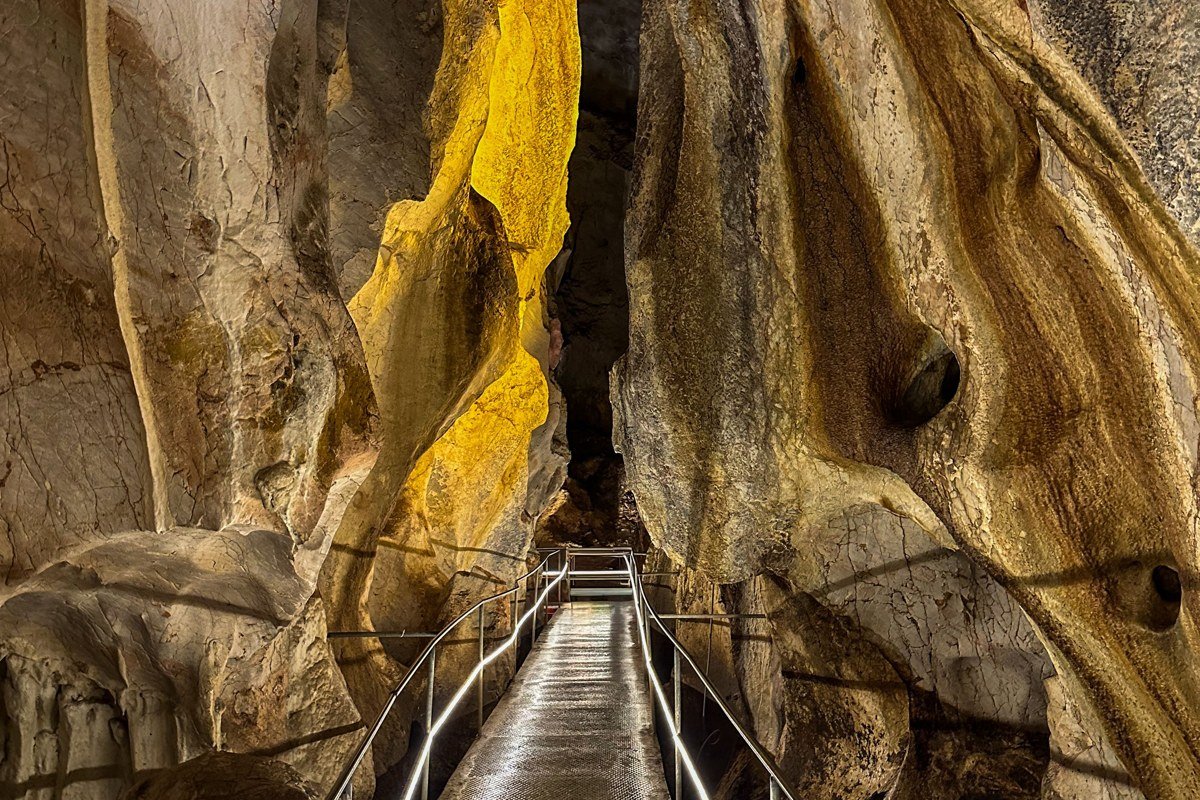
Phong Nha-Ke Bang National Park appears on some adventure lists but almost always for the same two or three headline caves. The backcountry expedition routes through secondary cave systems and jungle ridgelines above the main karst are a different category of experience entirely. Oxalis Adventure runs multi-day caving expeditions into systems including Hang Va and Hang Nuoc Nut that require river wading through cave passages, bivouacking on underground sandbars, and climbing fixed ropes alongside formations that are effectively untouched. These trips are not cheap and they are not easy, with minimum fitness requirements taken seriously at check-in.
The payoff is access to geological structures that existed for millions of years before a human ever held a light to them, which is the kind of context that reframes what adventure tourism can actually mean.
Typical cost: $300 to $600 per person for a two-to-three-day expedition including all equipment, porters, park permits, and meals.
8. Camiguin Island, Philippines
Best for: Island-hopping travelers who want an active volcano summit and a dive site in the same 48 hours.
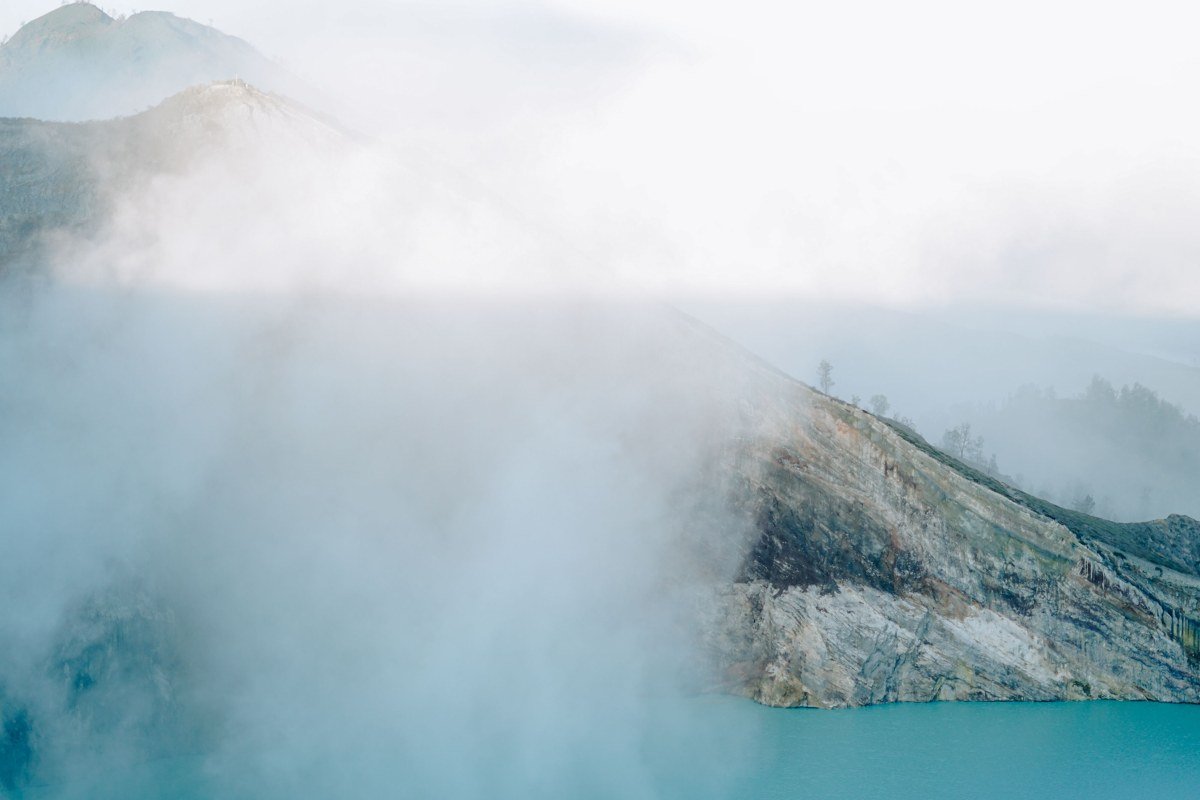
Camiguin is a small island province in Mindanao with more volcanoes per square kilometer than almost anywhere in the Philippines, and its adventure scene is almost entirely built by locals for locals rather than packaged for international tourists. The crater trek up Hibok-Hibok, an active stratovolcano, requires a permit and a mandatory guide, starts before dawn, and delivers sunrise views over the Bohol Sea from a rim that is still geologically restless.
Trekking Team Camiguin, a local guide collective based in Mambajao, is the go-to contact for Hibok-Hibok permits and summit guides. They coordinate the mandatory guide assignment and can advise on current crater access restrictions, which occasionally change based on PHIVOLCS monitoring status. Below the summit, the island’s coastline hides a sunken cemetery from a 19th-century eruption, now a shallow dive site that is eerie and photogenic in equal measure. The island is small enough that a motorcycle rental covers everything in two days, and the grilled seafood in Mambajao town is exceptional by any standard. Avoid the Lanzones Festival in October if you want solitude. Choose any other month and you will frequently have trails to yourself.
Typical cost: $20 to $35 per person for the Hibok-Hibok guided summit trek including permit; dive site trips run separately at around $25 to $40 with local operators.
9. Nam Ha NPA, Luang Namtha, Laos
Best for: Eco-minded trekkers wanting community-based overnight routes through genuinely biodiverse forest.
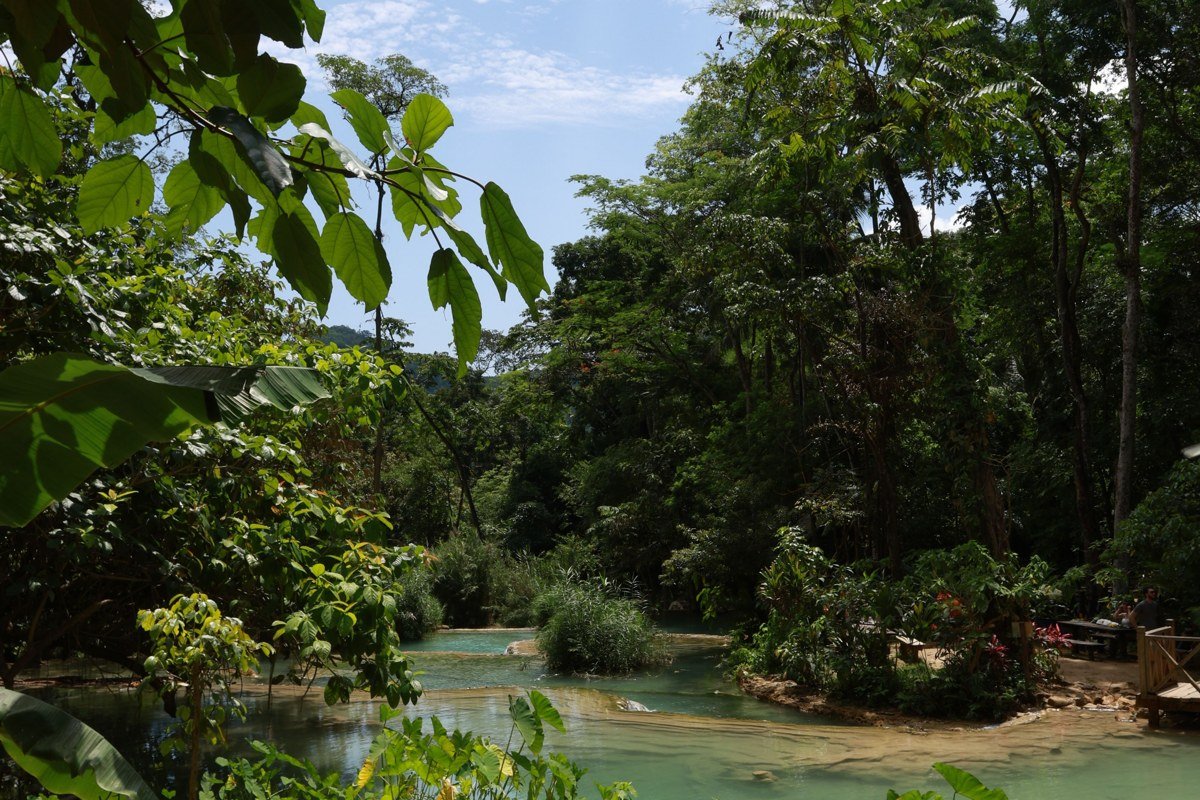
The Nam Ha National Protected Area surrounding Luang Namtha is among the most biodiverse forest systems in mainland Southeast Asia, and the community-based trekking and kayaking circuits it supports are a model for how adventure tourism can benefit local populations without hollowing out the experience. Routes run through Akha, Khamu, and Lanten village territories, with overnight stays in traditional longhouses that feel nothing like a resort.
The kayaking sections on the Nam Ha River involve genuine reading of water, not guided hand-holding through flat channels, and the jungle trekking includes ridge crossings that demand a reasonable base fitness level. The Guide Service Unit in Luang Namtha town coordinates all bookings and insists on minimum group sizes to prevent village fatigue, which sometimes means waiting a day for numbers to fill. That patience is worth it.
At the right time of year, dawn from a village platform means watching mist pull back from the forested ridges in slow layers while breakfast rice cooks somewhere below you, the smoke rising through the longhouse thatch before the birds start moving. It is a scene you sit inside rather than photograph from outside.
Typical cost: $45 to $70 per person per day for community-run circuits including guide, accommodation, and meals, booked through the Guide Service Unit.
Practical Takeaways for Planning Your Darecation
Research operator certification before booking anything. In the Philippines, look for accreditation through the Department of Tourism regional offices. In Laos and Vietnam, community-based operators licensed through national park authorities generally meet higher safety standards than freelance guides found at guesthouses.
Travel insurance matters more here than on a standard beach holiday. Make sure your policy explicitly covers caving, white-water activities, and high-altitude trekking, because many basic travel policies exclude these by name.
Timing is the single biggest variable across all nine destinations. Dry season reduces river flood risk in caves and canyons but can leave some waterfalls underwhelming. Early wet season, roughly May through July in most of the region, often hits a useful middle ground of active water and manageable conditions.
Learn a few words in the local language, particularly greetings and numbers. In community-based settings like Nam Ha and Pu Luong, it signals respect in a way that translates directly into how much local knowledge guides choose to share with you.
Finally, leave a buffer day at each destination. The most memorable adventure tourism moments in this part of the world tend to happen when a local guide says “there is one more place, if you have time.”