
Stand at the edge of the Batoka Gorge the morning after a full day on the Zambezi and you will understand immediately why some rivers change people. The canyon walls trap the sound of the water, the spray from Victoria Falls drifts overhead, and nothing about the experience feels like tourism. That quality, the sense of genuine encounter with a place, is what separates the best river rafting trips from everything else. These ten destinations are ranked loosely by adrenaline payoff, from genuinely thrilling to outright terrifying, with honest notes on logistics, photography, timing, and cost so you can actually show up prepared.
1. Zambezi River, Zambia/Zimbabwe
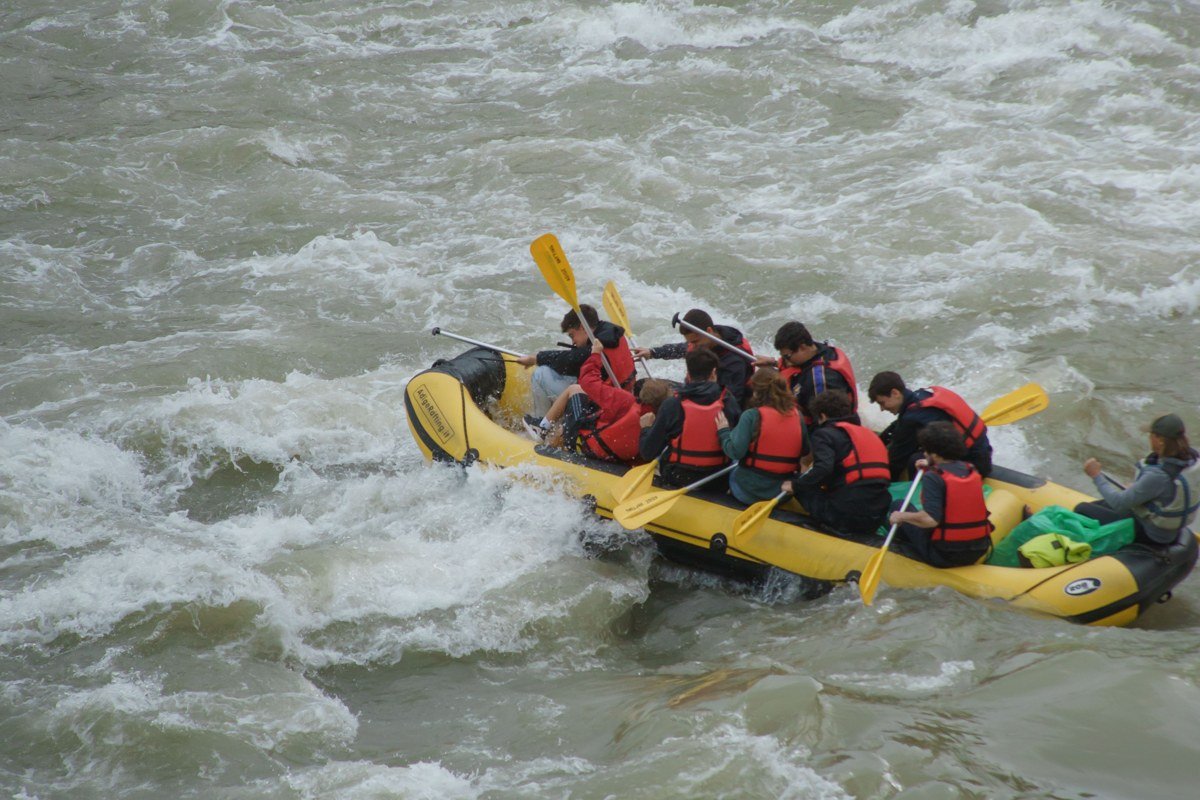
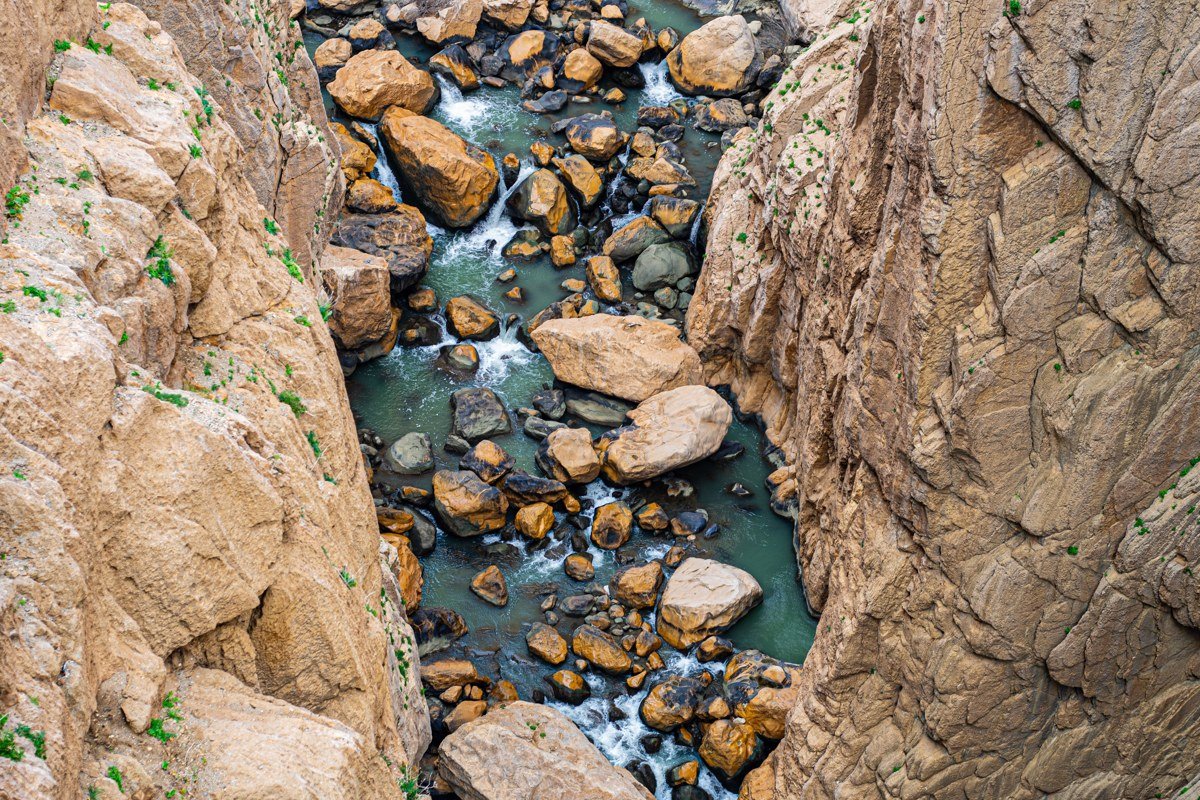
The Zambezi below Victoria Falls is consistently ranked among the most technically demanding commercially rafted rivers on the planet, and the scenery matches the intensity. You drop through the Batoka Gorge on Class IV and V rapids with names like “The Terminator” and “Oblivion,” sheer basalt walls closing in on both sides while spray from the falls drifts overhead. The best approach is a full-day run through Rapid 1 to Rapid 23 with an operator based in Livingstone, Zambia, which gives you slightly smoother logistics than the Zimbabwe side. Bundu Adventures (as of research date) is one of the established Livingstone-based operators running guided full-day trips. Go between August and January, when water levels are lower and the rapids are at their most defined. During high water (February through July), many of the upper rapids are washed out or closed entirely.
Full-day guided runs typically cost in the range of $160 to $220 per person, depending on group size and whether shuttle transfers from Livingstone are included.
One photography note specific to this gorge: the basalt walls block direct sunlight on the river until mid-morning, making 10 a.m. to noon the only reliable window for lit water shots. Plan your camera time accordingly and do not waste your best angles before the light arrives.
2. Futaleufú River, Chile
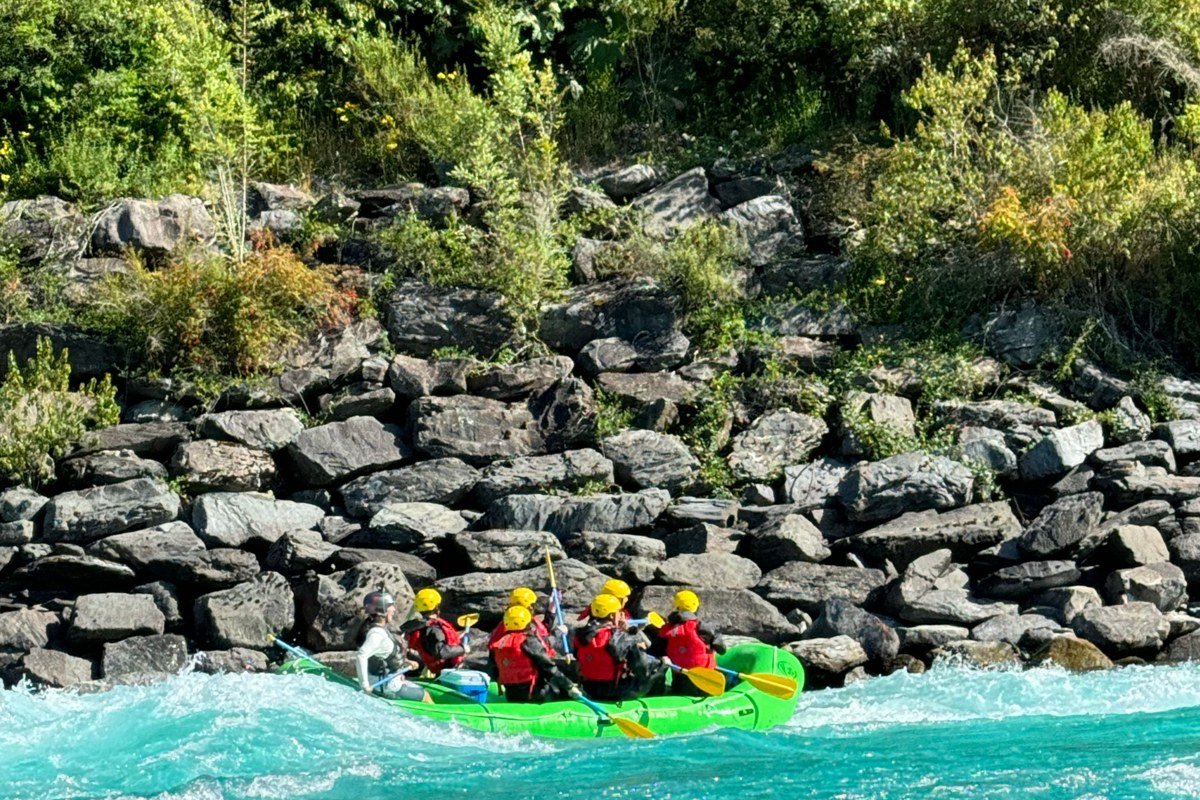
The “Fu” is a river so visually absurd that photographers regularly fly in just to stand on the bank and shoot. The water is a glacially fed turquoise that looks digitally enhanced in every photograph, running through a narrow valley in Chilean Patagonia with snow-dusted Andean peaks framing every horizon. The rapids, particularly “Throne Room” and “Casa de Piedra,” sit solidly in the Class V range. Multi-day guided expeditions include calmer stretches that feel almost meditative by contrast.
The insider move is booking a small-group camp-based trip of five to eight days rather than a single-day run. You get time on the water, time in the valley, and access to sections that day-trippers never reach. Bio Bio Expeditions (as of research date) is one of the operators running multi-day camp and lodge-based trips on the Fu out of the town of Futaleufú. Budget roughly $2,500 to $4,000 for a six-to-eight-day fully guided expedition including camp accommodation and meals. The season runs November through March, and February bookings fill more than a year in advance with serious paddling outfits.
3. Colorado River, Grand Canyon, USA
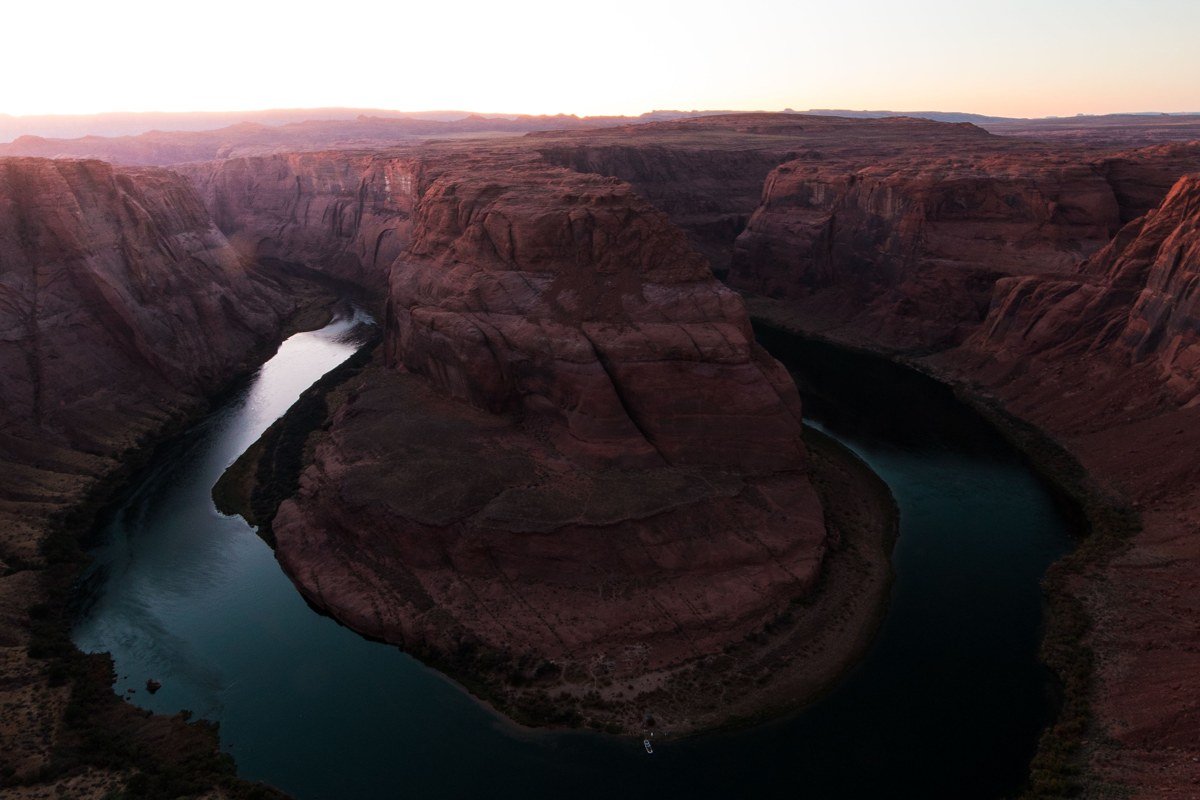
The Grand Canyon is not the hardest river on this list. It may be the most transformative. Multi-day river rafting trips through the Canyon mean sleeping on sandy beaches under a sky with no light pollution, waking up inside geological time. Lava Falls, at around Mile 179, is the rapid that gets the most attention. It is a violent Class 10 drop (the Grand Canyon uses its own proprietary 1-to-10 difficulty scale rather than the Class I-to-V system used on most other rivers; Lava Falls sits at the top of that scale) that hits fast and does not offer much of a second chance.
The real payoff here is cumulative: 226 miles of corridor that no road touches, side canyons like Havasu Creek and Elves Chasm that reward those willing to hike even a short distance from camp. Arizona River Runners (as of research date) is one of the established commercial operators offering motorized and oar-powered trips ranging from six to eighteen days. Commercial fully guided trips generally run $4,000 to $6,500 per person depending on trip length and boat type. Private permit trips through the National Park Service lottery are coveted but accessible for those willing to plan well over a year ahead. Avoid peak summer heat by targeting May, June, or September.
4. Sun Kosi River, Nepal
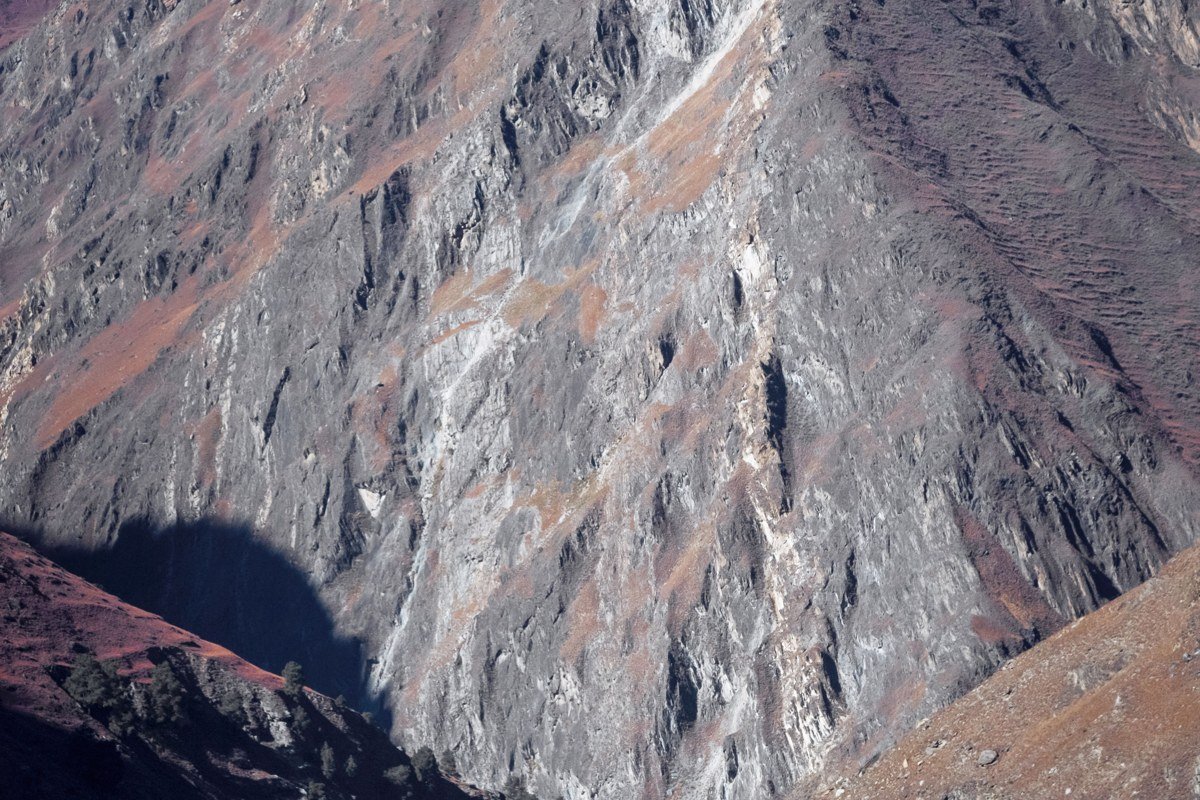
The Sun Kosi translates roughly as “river of gold,” and the name earns its weight on a clear morning when the light hits the water between canyon walls draped in subtropical forest.
This is a river for people who want both difficulty and immersion. The standard multi-day trip covers around 270 kilometers and takes eight to ten days, passing through remote gorges where villages are accessible only by river or foot trail. The rapids build progressively over the journey, with the most serious whitewater arriving toward the end, when you are already tired and your paddle skills are actually sharpened. Equator Expeditions (as of research date) is one of the Kathmandu-based operators running guided Sun Kosi multi-day expeditions, with trips typically priced between $800 and $1,200 per person including camp, meals, and permits. October and November, just after the monsoon, offer the highest water and most dramatic flow. March through May is also popular and slightly more manageable for first-time multi-day paddlers.
5. Pacuare River, Costa Rica
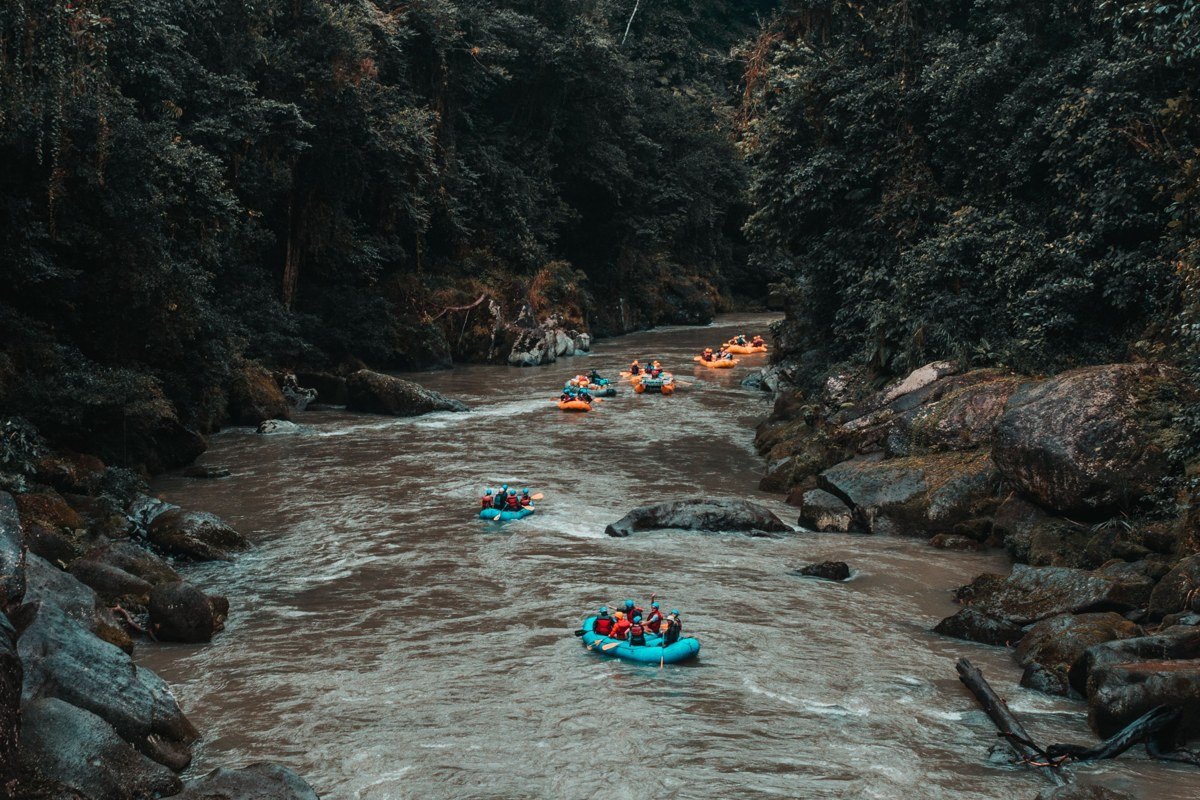
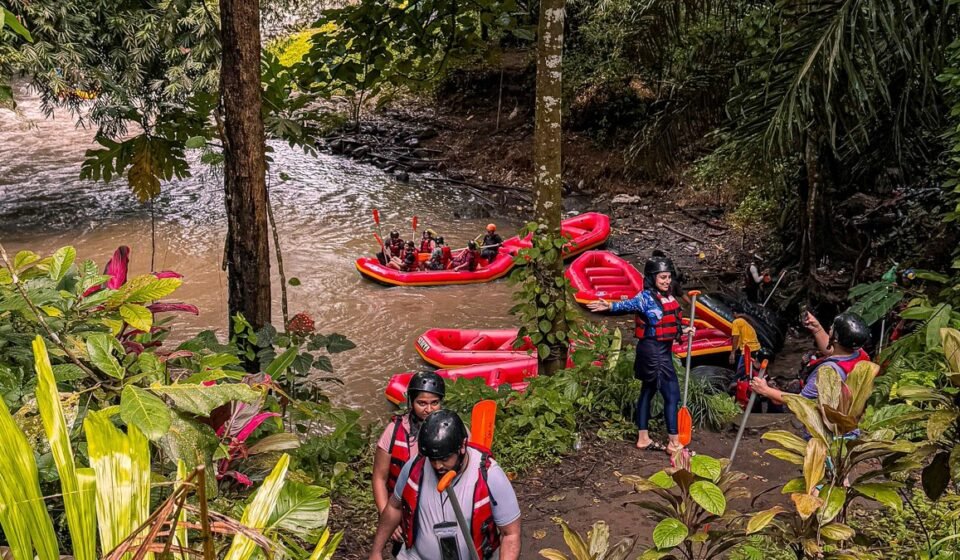
The Pacuare has appeared on enough “world’s best” lists that it risks feeling overhyped. Then you actually float into the canyon, the jungle closes overhead like a cathedral, and the list-making feels suddenly justified. The river runs through the Caribbean lowlands, and the rainforest on both banks is primary growth, meaning the biodiversity presses right to the water’s edge. You will very likely share the river with toucans, poison dart frogs, and troops of howler monkeys producing a noise that is genuinely alarming the first time you hear it.
The rapids are Class III and IV, accessible to fit beginners. The real sell is a two-day overnight trip staying at a riverside lodge inside the gorge. Rios Tropicales (as of research date) is one of the long-established Costa Rican operators offering both single-day and two-day overnight Pacuare trips. Two-day lodge-based trips typically run $400 to $650 per person. Single-day runs hover around $100 to $130. Spending a night lets you hear the river at 3 a.m. when the jungle is loudest and the experience becomes something else entirely.
6. Karnali River, Nepal
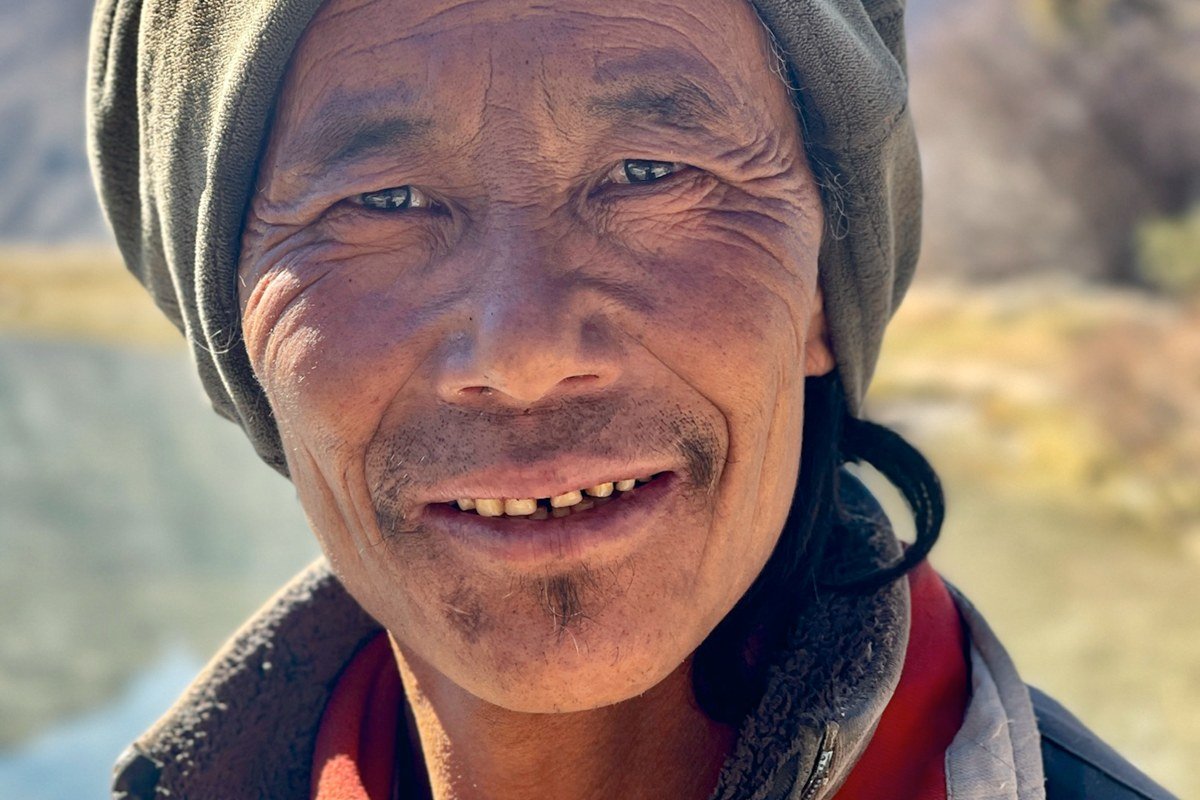
Far less visited than the Trishuli or the Sun Kosi, the Karnali runs through western Nepal in a region that most trekkers and rafters never reach. Getting there is part of the commitment: a long bus ride from Kathmandu or a domestic flight to Nepalgunj, then more road travel to the put-in.
What you find in return is a genuinely wild river. Ten days or more of sustained whitewater through a gorge that few commercial groups enter in any given season. The rapids are serious, with several Class IV and V sections, but the stretches between them are wide, braided, and calm enough to spot gharials basking on sandbars. Freshwater dolphins have been observed in the lower Karnali near its confluence with the broader Ganges river system; if wildlife sightings are part of your reason for coming, ask your operator specifically whether the current itinerary passes through that lower confluence zone. Ultimate Descents Nepal (as of research date) is one of the operators with documented Karnali expedition experience. This is a river for people who have done Nepal’s more accessible runs and want something that still feels like an actual expedition.
7. Tsangpo River, Tibet (Upper Gorge Section)
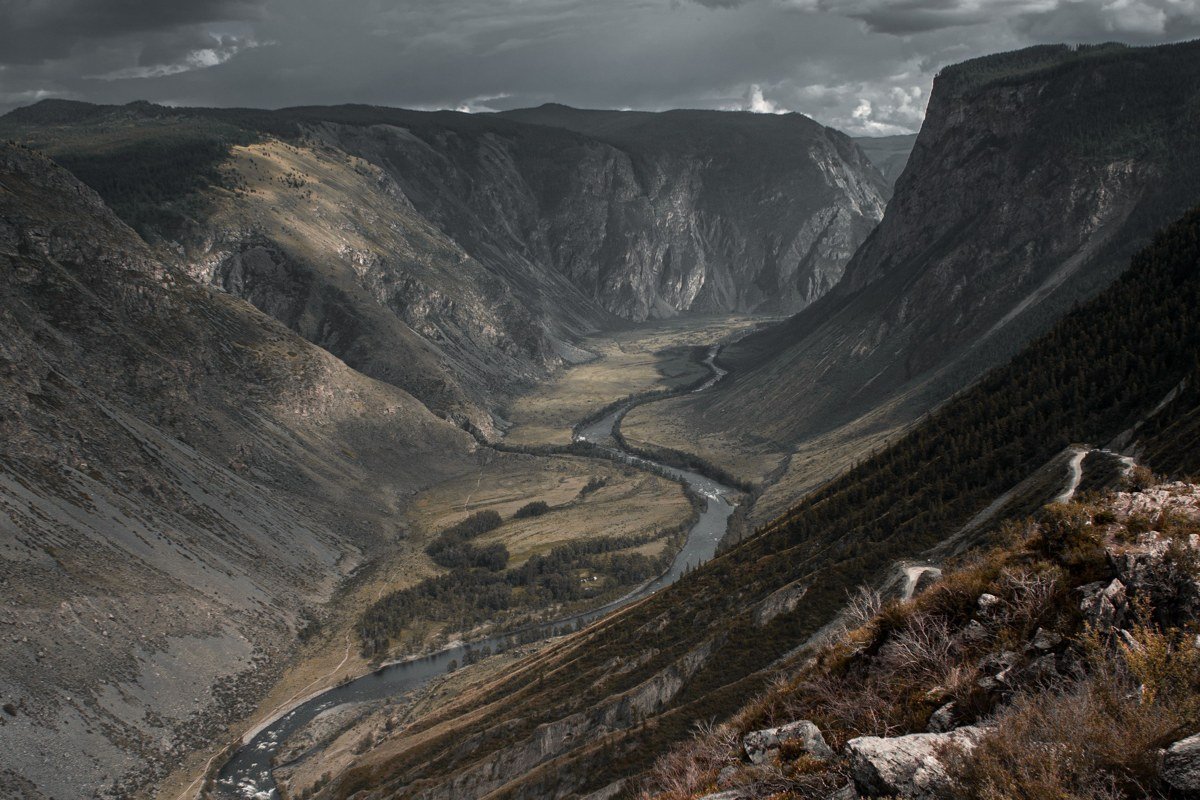
The Tsangpo Gorge is often cited as one of the deepest river canyons on Earth, and for most of its length it is not commercially rafted at all. The sections accessible to guided expeditions are remote, technically demanding, and require fitness and prior whitewater experience that most casual rafters do not have. A small number of specialist operators run permitted trips on accessible sections, and the landscape justifies the difficulty and the paperwork.
The river drops from the Tibetan Plateau toward Arunachal Pradesh with a fury that shaped its reputation as one of the last great geographical mysteries explored in the early twentieth century. Permits, logistics coordination, and the sheer remoteness of the access route mean planning lead times of one to two years are realistic. Earth Science Expeditions (as of research date) has documented experience operating on Tibetan river sections for qualified groups. This is not a trip you book casually. It is a trip you plan for two years, physically train for, and then talk about for the rest of your life.
8. Sjoa River, Norway
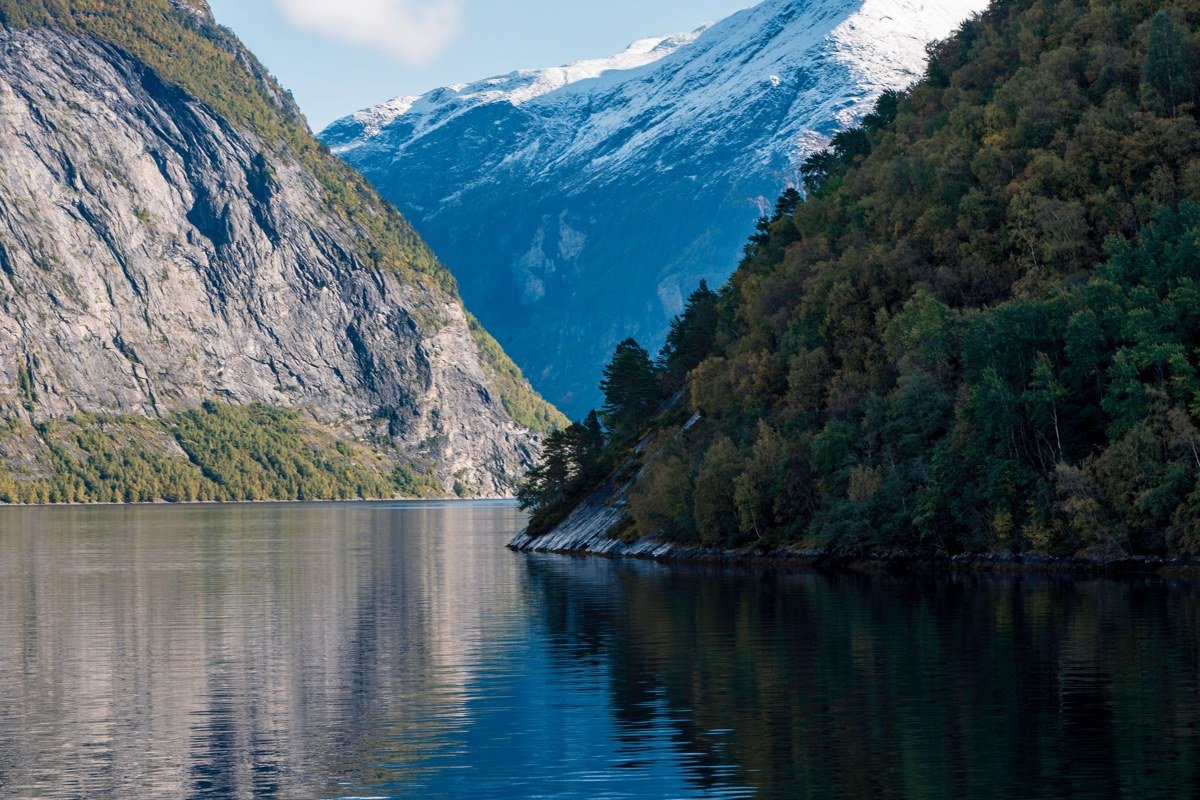
Scandinavia rarely appears on rafting lists. That omission is the Sjoa’s greatest asset.
The river runs through Jotunheimen National Park, framed by rounded ancient mountains and pine forest. The water is the kind of cold that immediately clarifies your thinking. What makes the Sjoa genuinely distinct from other Class III-to-IV European rivers is a specific combination of factors that are hard to find elsewhere: the option to stay at traditional Norwegian farmsteads (rather than generic adventure lodges) within walking distance of the put-in, a rafting season compressed into roughly eight weeks between late June and late August, and paddling windows that extend into the evening under full midnight-sun light. At 9 p.m. the sun is still high enough to photograph your paddle stroke in sharp detail.
The village of Heidal serves as the base for most operators. Sjoa Rafting (as of research date) is the primary operator in the valley, offering half-day, full-day, and multi-day options. Full-day guided trips run approximately $120 to $180 per person. The season is short but predictable, and the unhurried pace of the valley between runs is part of what people remember.
9. Apuseni Region Rivers, Romania (Crișul Negru and Someșul Cald Tributaries)
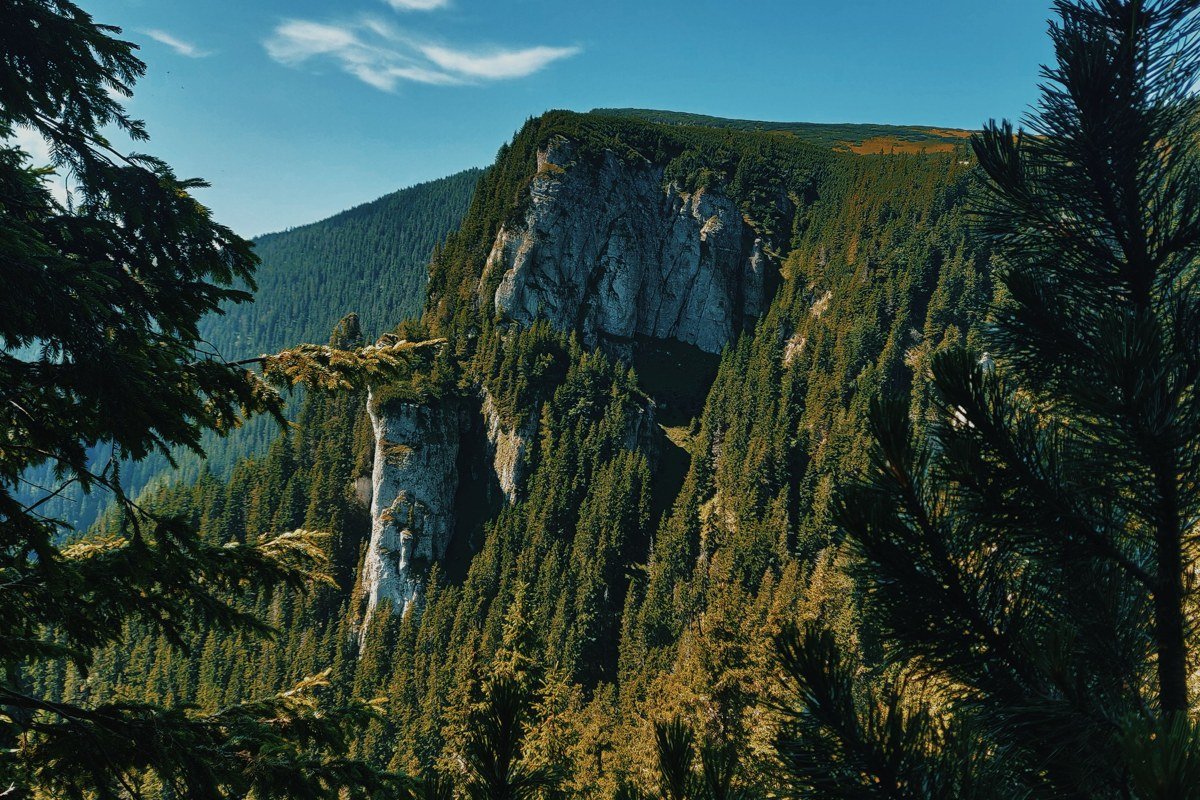
Romania is one of the most underrated adventure destinations in Europe. The rivers feeding out of the Apuseni Mountains offer a range of difficulty levels, excellent scenery, and a fraction of the crowds you would encounter on comparable Central European rivers.
The Crișul Negru and Someșul Cald river systems and their tributaries run through limestone gorges and forested valleys with a character entirely their own. Rafting here pairs naturally with caving, gorge hiking, and rural village stays that feel like genuine cultural immersion rather than tourism product. Autumn is particularly compelling. October on these rivers brings foliage that competes with anything in Vermont or Japan, reflected in water that is still warm enough for full-day rafting. Local operators tend to be small, expert, and invested in showing you something real. Transylvania Rafting (as of research date) is one of the region-based operators offering guided trips through the Apuseni gorges. Day-trip pricing is typically well under $100, making this among the most accessible entries on this list.
10. Clarence River, New South Wales, Australia
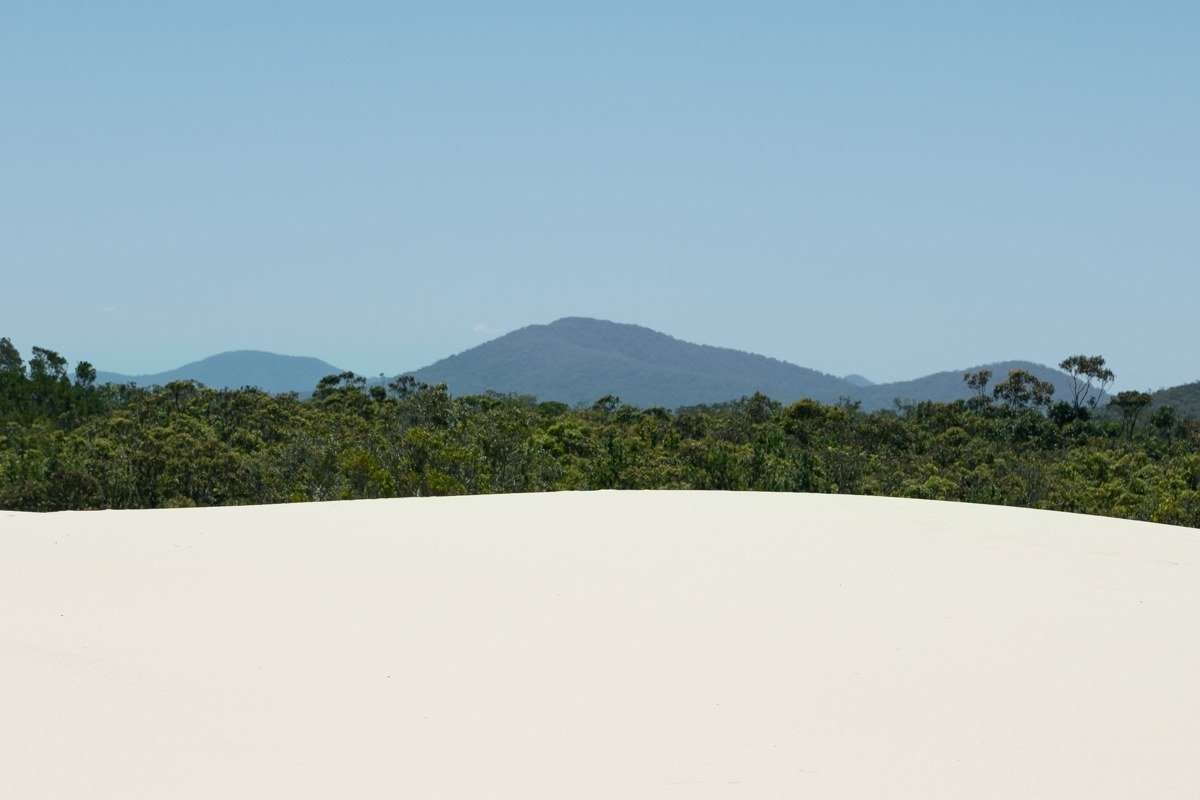
The Clarence is the longest river system in New South Wales. Most of it is barely known outside the local adventure community.
The upper Clarence, running through the gorges near Grafton and the Gibraltar Range, offers multi-day self-guided and guided trips through subtropical rainforest with rapids that range from manageable to legitimately challenging depending on rainfall and season. The wildlife is distinctly Australian: platypus in the morning eddies, wedge-tailed eagles overhead, and a silence between rapids that feels enormous. Rapid Descent Adventures (as of research date) is one of the operators offering guided upper Clarence trips, with multi-day guided packages in the range of $600 to $900 per person including camping and meals.
The lack of international name recognition is a genuine advantage. No queues at the put-in, no competing groups on the river, and accommodation in the nearby hinterland towns priced for locals rather than international visitors. September through November is ideal, before summer heat makes the gorge sections uncomfortable.
Practical Takeaways for Planning River Rafting Trips
Booking lead time varies dramatically. The Grand Canyon lottery requires planning well over a year out. The Sjoa or Pacuare can often be booked a few weeks in advance. For any Class IV or V trip, be honest about your actual fitness level and swimming ability before you pay a deposit. Most serious operators will ask you directly, and the ones who do not ask are a yellow flag worth noting.
Travel insurance that explicitly covers whitewater activities above Class III is not optional. Standard travel policies exclude it, often in fine print.
For photography, a chest-mounted or helmet-mounted action camera is more reliable than anything handheld on technical water. Dry bags rated for full submersion (not just splash resistance) protect your phone and passport. On gorge rivers specifically, note the direction the canyon faces before your first morning on the water. Light timing varies significantly by location and matters more than most guides will tell you.
Finally, the rivers ranked highest on adrenaline here are not necessarily the most rewarding overall. The Pacuare and the Clarence offer experiences that stay with you precisely because they balance difficulty with beauty and quiet. Pick the river that matches the version of yourself you want to test, not just the one with the most dramatic name.