
Picture a raft cresting the Fu’s Throne Room wave: a wall of glacial turquoise water, the Andes rising on both sides, and nothing between you and the next hydraulic but your paddle and your nerve. That is the register these ten destinations operate in. They trade the predictable for the remote, the volcanic, and the genuinely hard to reach, and every single one of them photographs like nowhere else on earth.
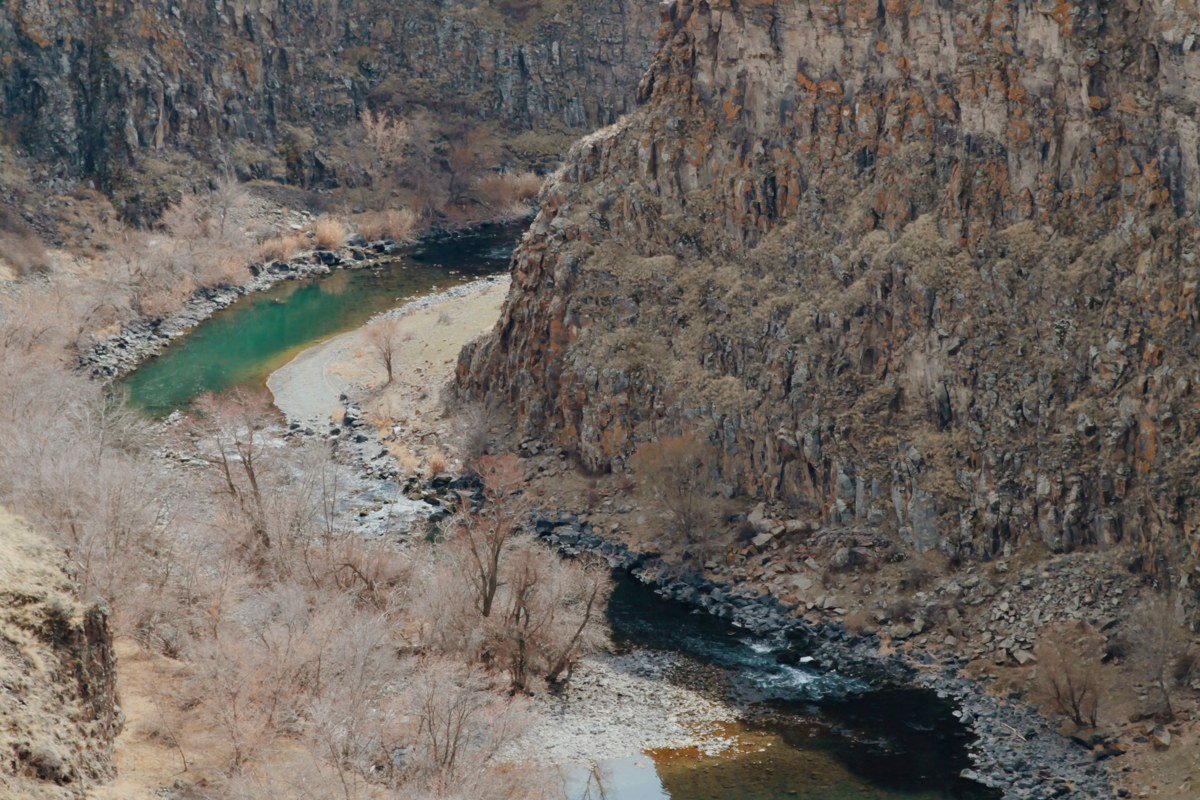
1. Futaleufú River, Chilean Patagonia
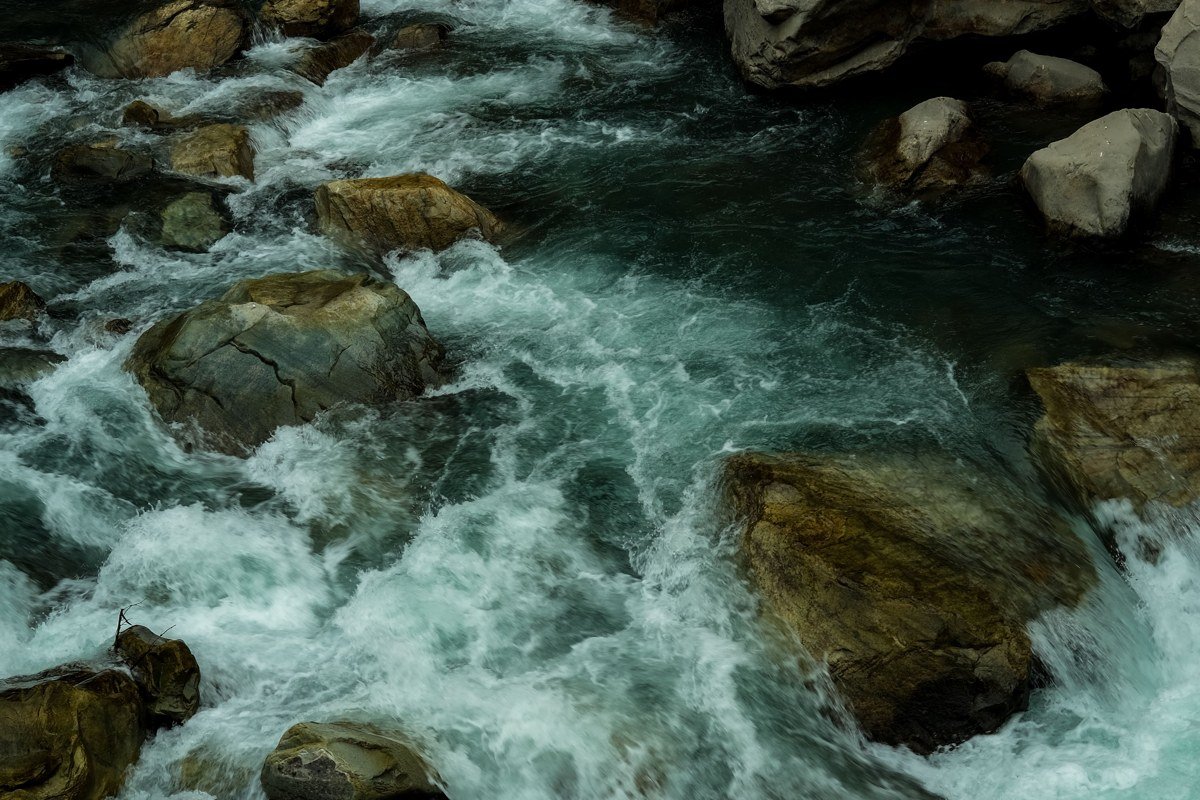
What it looks like: glacial turquoise river hemmed by Andean forest, zero cell service.
The Futaleufú, known locally as the Fu, is widely regarded among professional paddlers as one of the most technically demanding rivers on earth, and its water color is a surreal glacial turquoise that photographs like nowhere else. The rapids named Throne Room and Casa de Piedra are Class V, meaning you will spend significant time in pre-trip scouting sessions and safety briefings before you ever get wet. Multi-day rafting expeditions run out of the town of Futaleufú, which sits right on the Argentine border. Reputable operators include Bio Bio Expeditions and Earth River Expeditions.
One honest caveat: the Fu has been on the serious adventure radar for decades. It is not undiscovered. What it is, however, is genuinely world-class, and no amount of familiarity among paddlers changes what it feels like to be on that water. The river runs at its best in the Southern Hemisphere summer (December through March), which overlaps with peak booking season, so commit six to twelve months out.
2. Via Ferrata, Dolomites, Italy
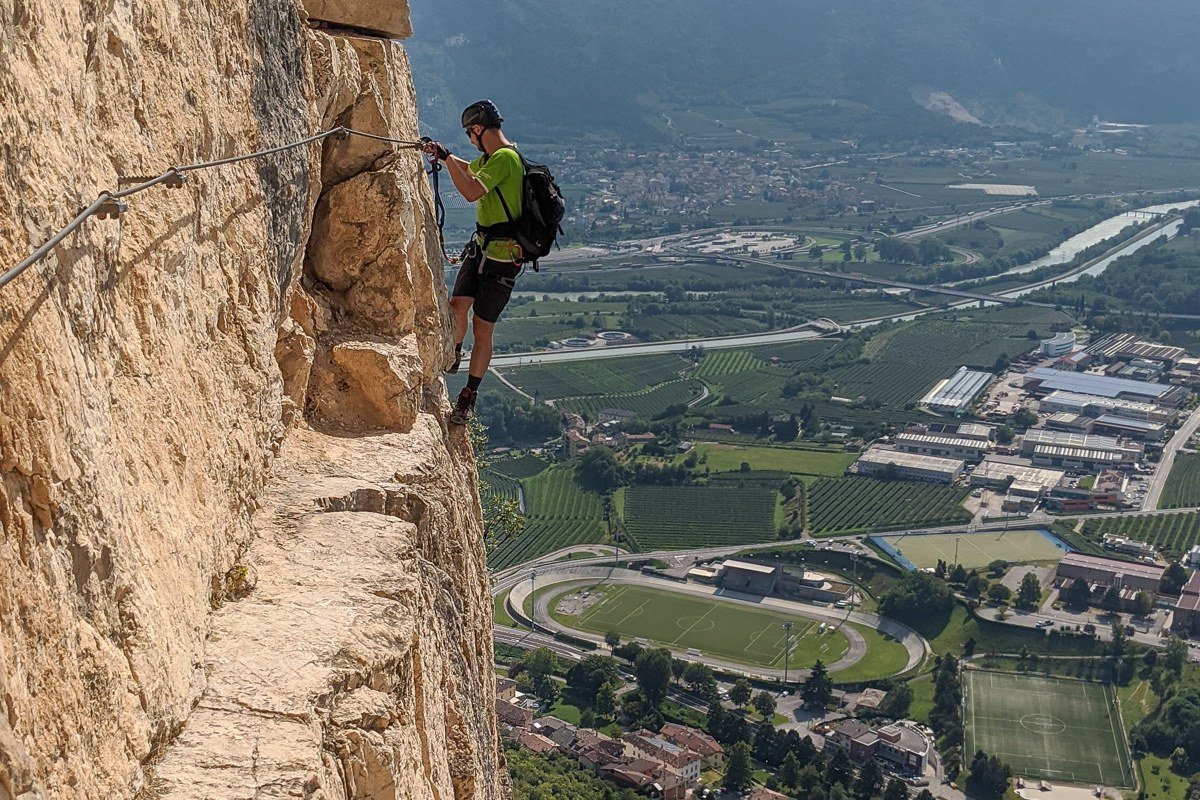
What it looks like: vertical orange limestone, fixed iron rungs disappearing into cloud, thousand-foot drops on both sides.
Via ferrata translates roughly to “iron road,” a network of fixed cables, ladders, and rungs bolted into vertical limestone faces across the Italian Dolomites. The exposure is real: some routes traverse ridgelines with thousand-foot drop-offs on both sides, yet the fixed protection means intermediate hikers with a hired guide can access terrain that would otherwise demand years of technical climbing training. The route Piccolo Lagazuoi near Cortina d’Ampezzo is a favorite because it passes through World War One tunnels carved directly into the mountain, adding historical weight to the physical challenge. Rent a proper via ferrata harness and Y-lanyard from any gear shop in Cortina rather than buying one at home. Go in late June or early September: the lighting on the orange Dolomite rock at those shoulder-season golden hours is genuinely cinematic.
3. Omo River Whitewater Rafting, Ethiopia
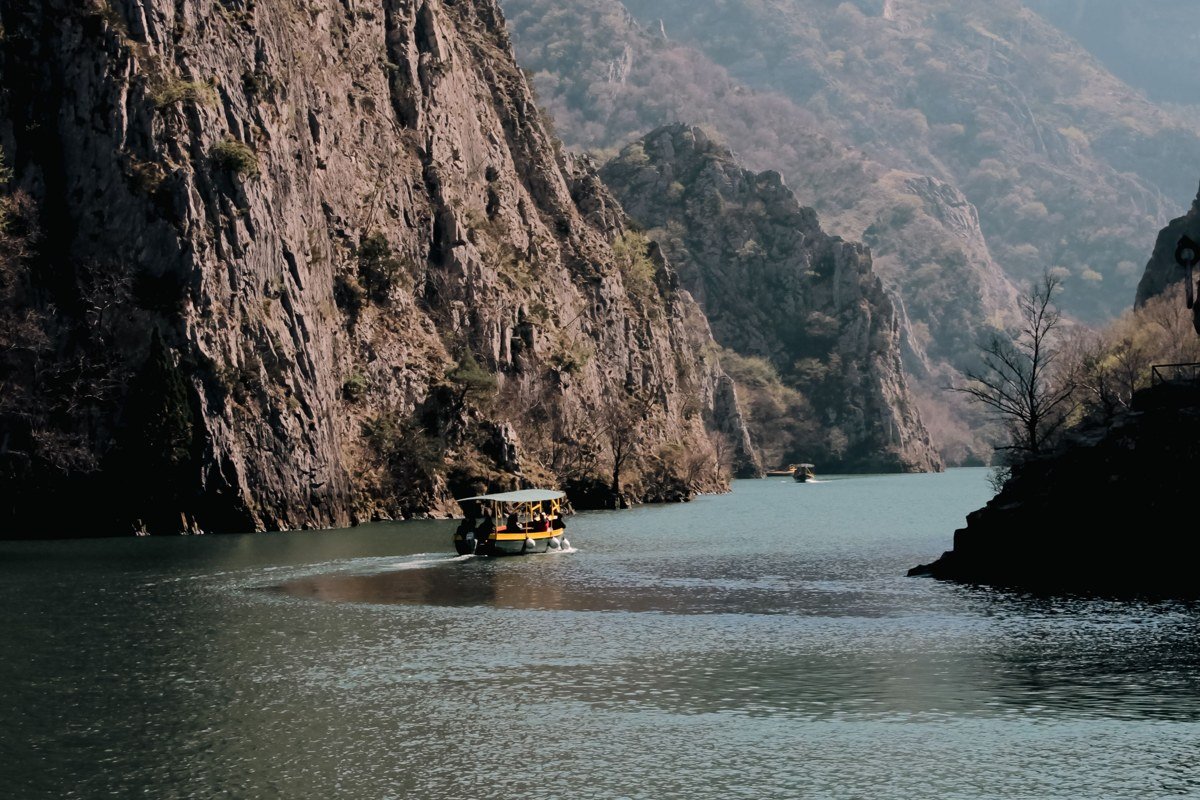
What it looks like: deep canyon walls, sandbar campsites under unpolluted skies, a riverbank that belongs to crocodiles and hippos.
This is the trip for people who want the wilderness without the Instagram crowds. The Omo River drops through remote southern Ethiopia, carving deep gorges before spreading into the tribal lowlands near Lake Turkana. Multi-week expeditions combine serious Class IV and V rapids with camping on sandbars under skies unspoiled by light pollution. Wildlife sightings including crocodiles, hippos, and an enormous variety of birds are routine, which adds a layer of genuine edge to the experience. Journeys by Design and a handful of specialist operators run these expeditions, and the logistical complexity (permits, local guides, safety protocols) is the reason most people never attempt it. That complexity is also the reason your footage will look like nothing your followers have ever seen.
4. Canyoneering in Zion Narrows, Utah
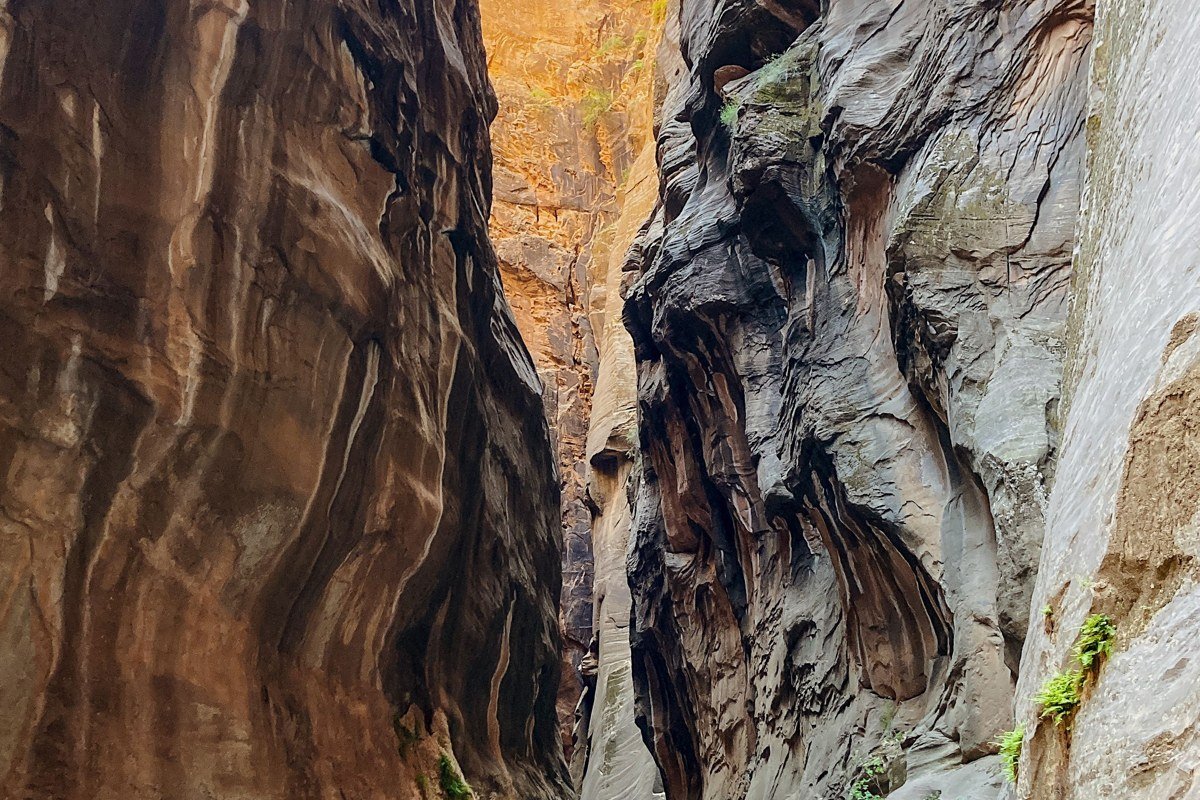
What it looks like: one-thousand-foot sandstone walls shifting from orange to deep burgundy, a narrow strip of sky overhead, water at your chest.
Most visitors to Zion hike the Narrows bottom-up, wading gently through ankle-deep water. The top-down technical canyoneering route, which begins at Chamberlain Ranch and requires permits, ropes, and wetsuit gear, is an entirely different category of experience. You rappel waterfalls, navigate keeper potholes with no dry exit, requiring you to submerge and swim through a flooded passage to escape, and camp overnight on small sandy benches inside the canyon itself. The light inside those thousand-foot sandstone walls shifts from orange to pink to deep burgundy over the course of a day, and any photograph taken in there looks like concept art. Book Zion Adventure Company for gear rental and instruction if you are not already certified. Late May or late September is the window to aim for: spring runoff is too dangerous for most people, summer flash flood risk is real, and late September delivers low water and warm-enough temperatures.
5. Paragliding, Bir Billing, India
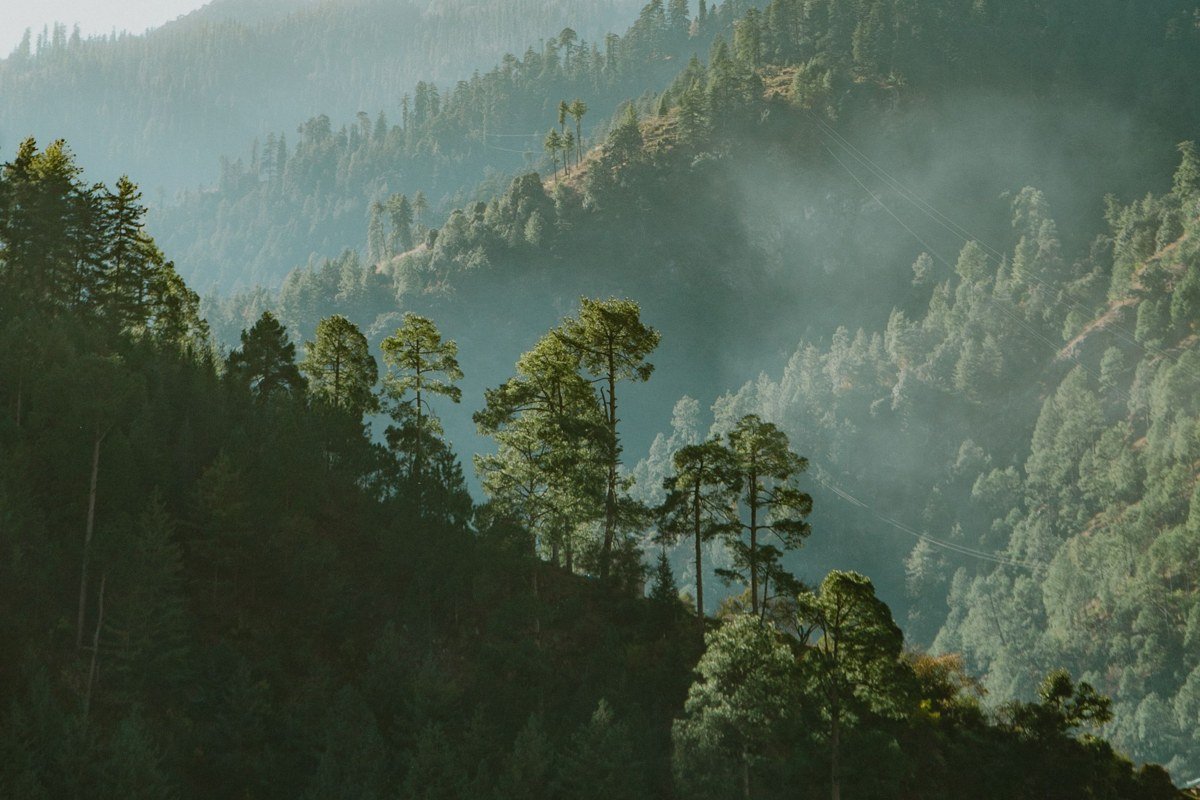
What it looks like: pine-covered foothills, Tibetan monastery rooftops far below, snow-capped peaks at the horizon.
Bir Billing in Himachal Pradesh holds the record for one of the highest paragliding take-off sites in the world, sitting at around 2,400 meters, and the landing zone in the small Tibetan colony of Bir produces thermal conditions that can keep you airborne for well over two hours. The surrounding landscape is Himalayan foothills thick with pine, and the Tibetan monasteries visible from the air give the whole scene a visual quality that paragliding footage from the Swiss Alps simply cannot replicate. For tandem flights, Billing Paragliding is one of the longest-established operators on the ridge, with APPI-certified pilots who run structured pre-flight briefings. The local scene has developed significantly since Bir Billing hosted the Paragliding World Cup. Fly between October and November for stable thermals and Himalayan visibility that stretches to snow-capped peaks. The cost is a fraction of comparable experiences in Europe.
6. Ice Climbing, Ouray Ice Park, Colorado
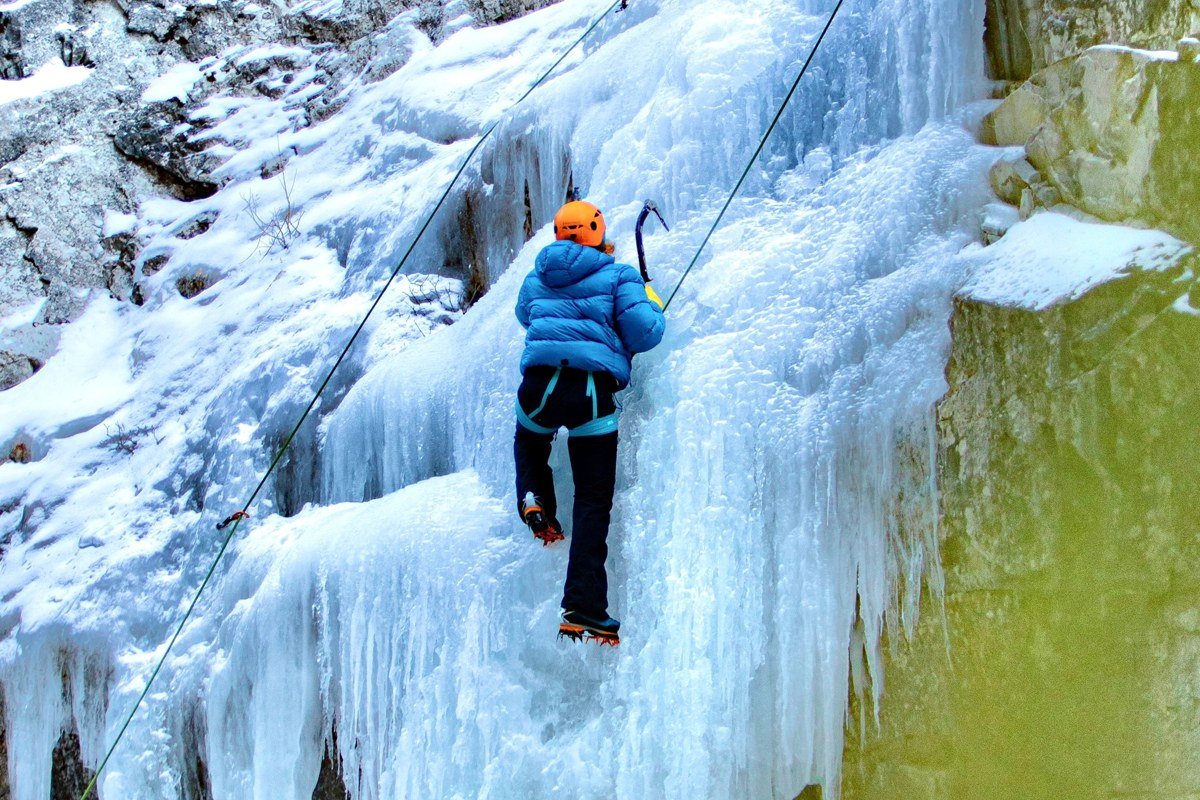
What it looks like: chandelier-blue ice columns inside a narrow canyon, crampons catching direct Colorado sun, the town visible at the rim above.
Ouray is sometimes called the Switzerland of America, and in January the Uncompahgre Gorge below town becomes an entirely artificial ice park: a network of frozen waterfalls created by a publicly run irrigation system that sprays water over the canyon walls each night. The result is a dense concentration of ice routes at every grade, all within a short walk of downtown. For climbers who have never touched ice, a half-day guided lesson with Ouray Mountain Sports or Colorado Mountain School is an accessible entry point. What elevates this into darecation territory is the January Ouray Ice Festival, when some of the best ice climbers in the world compete on new-route challenges and clinics run back to back through the weekend. The blue and teal tones of chandelier ice under direct Colorado sun look extraordinary in photographs.
7. Freediving, Blue Hole, Dahab, Egypt
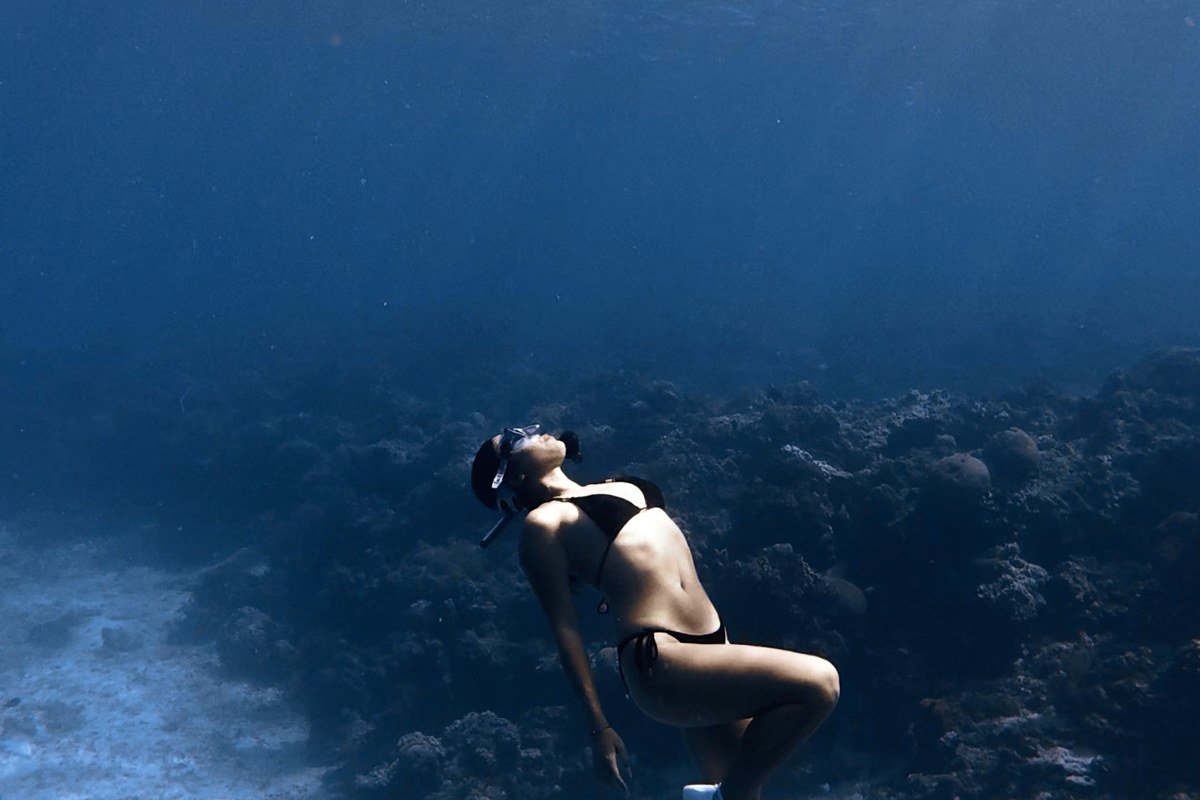
What it looks like: a near-perfect circle of cobalt blue dropping away below you, coral at the rim, morning light in columns through the water column.
The Blue Hole near Dahab is a near-circular reef formation in the Red Sea where the seafloor drops to over 100 meters, and the freediving community has made it both famous and somewhat mythologized. The legendary Arch passage at 52 meters is strictly for highly experienced freedivers, but the site itself is accessible to beginners through the shallow reef rim. The visual experience of hovering above that cobalt abyss in perfect visibility is unlike anything available in a swimming pool course. Orca Dive Club and a handful of dedicated freediving schools in Dahab offer SSI or AIDA certification courses that begin in the protected lagoon before progressing to the Blue Hole itself. The Sinai Peninsula’s travel advisory situation is worth researching independently before booking: that is an honest caveat, not a deterrent. The underwater footage potential here is extraordinary, particularly when morning light streams down through the water column.
8. Packrafting, Brooks Range, Alaska
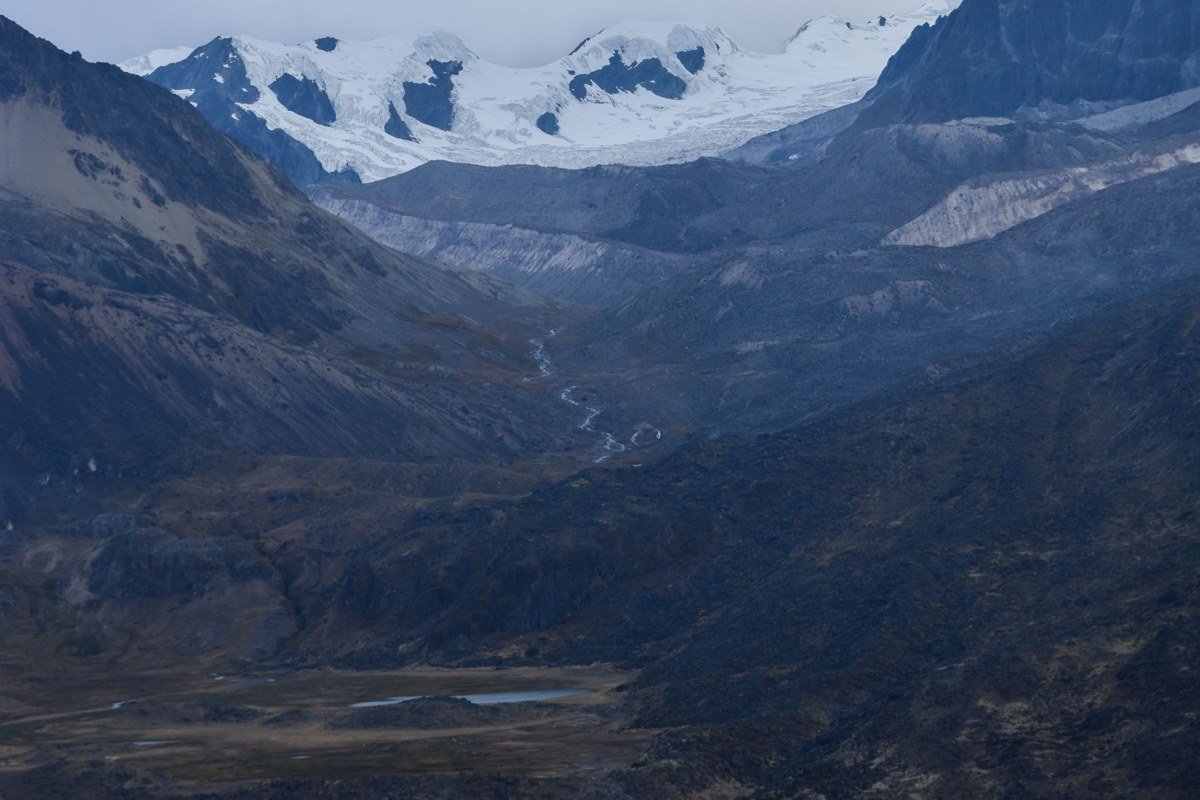
What it looks like: tundra rolling to the horizon, a glacier-fed river that is yours alone, golden light at midnight.
Packrafting is essentially backcountry hiking with an inflatable raft strapped to your backpack, and the Brooks Range above the Arctic Circle is its cathedral. You fly into a remote gravel airstrip or get a bush plane drop, hike across roadless tundra for several days, then inflate your raft when you reach a river and float out to civilization. The Hulahula River corridor into the Arctic National Wildlife Refuge is one of the classic routes: the wildlife density (caribou herds, grizzly bears, Dall sheep) is staggering, and the midnight sun in July means you can photograph at what looks like perpetual golden hour. Alpacka Raft, the manufacturer that effectively pioneered the modern packraft, offers guided trip resources and connects clients with experienced guides who specialize specifically in this discipline. This is a route that genuinely demands physical preparation: blister management, bear safety, and weather judgment are not optional skill sets.
9. Surfing Big Waves, Nazaré, Portugal
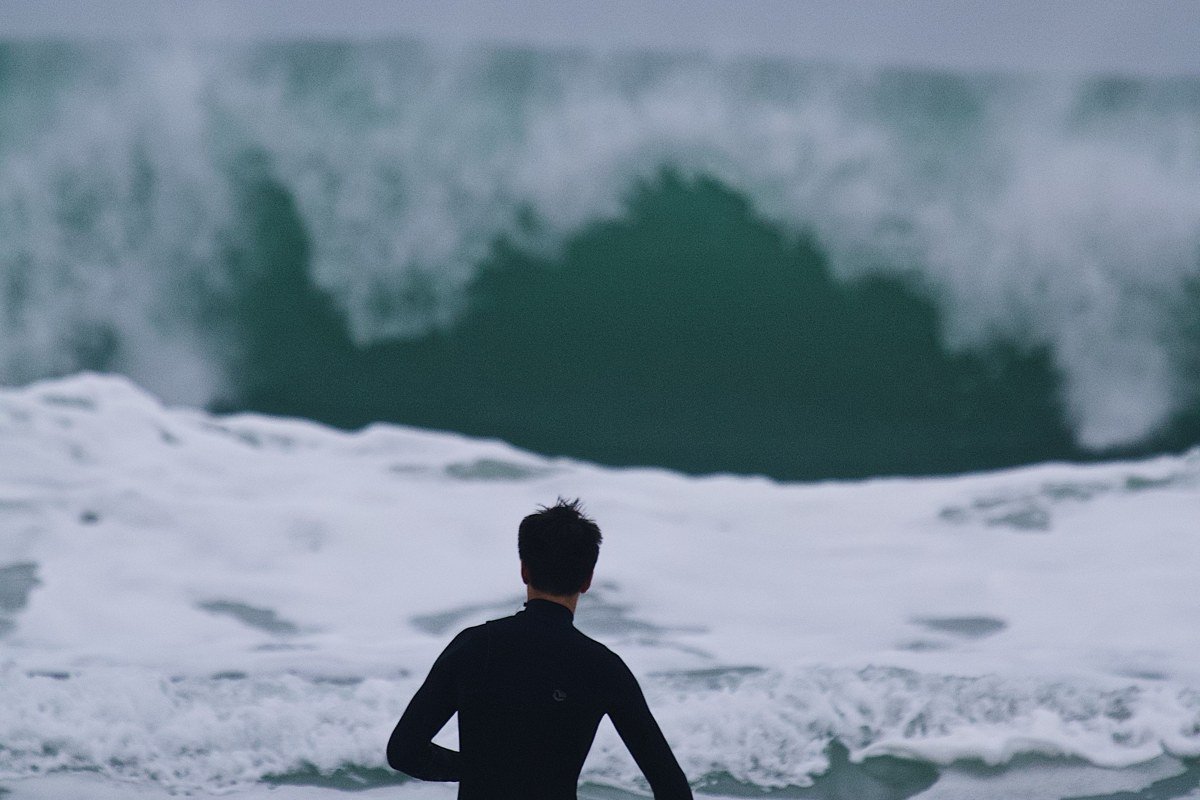
What it looks like: a single surfer reduced to a small figure on a six-story wall of water, the clifftop lighthouse providing the only sense of scale.
Nazaré is the site of the largest waves ever surfed, driven by a deep underwater canyon that funnels Atlantic swell energy directly toward the shore. In 2017, Brazilian surfer Rodrigo Koxa rode a wave measured at 24.38 meters (80 feet), setting the official world record for the biggest wave ever surfed. The XXL surf days between October and February draw a global audience to the Praia do Norte cliff, and simply watching from the lighthouse promontory is its own form of experience: you feel the percussive impact of those waves in your chest. For intermediate surfers, the calmer beach break in the town itself runs perfectly, and several Nazaré surf schools offer structured progression programs. Arrive in the last week of October for the opening swells of the season and a town that has not yet filled with spectator crowds.
10. Caving and Cliff Jumping, Semuc Champey, Guatemala
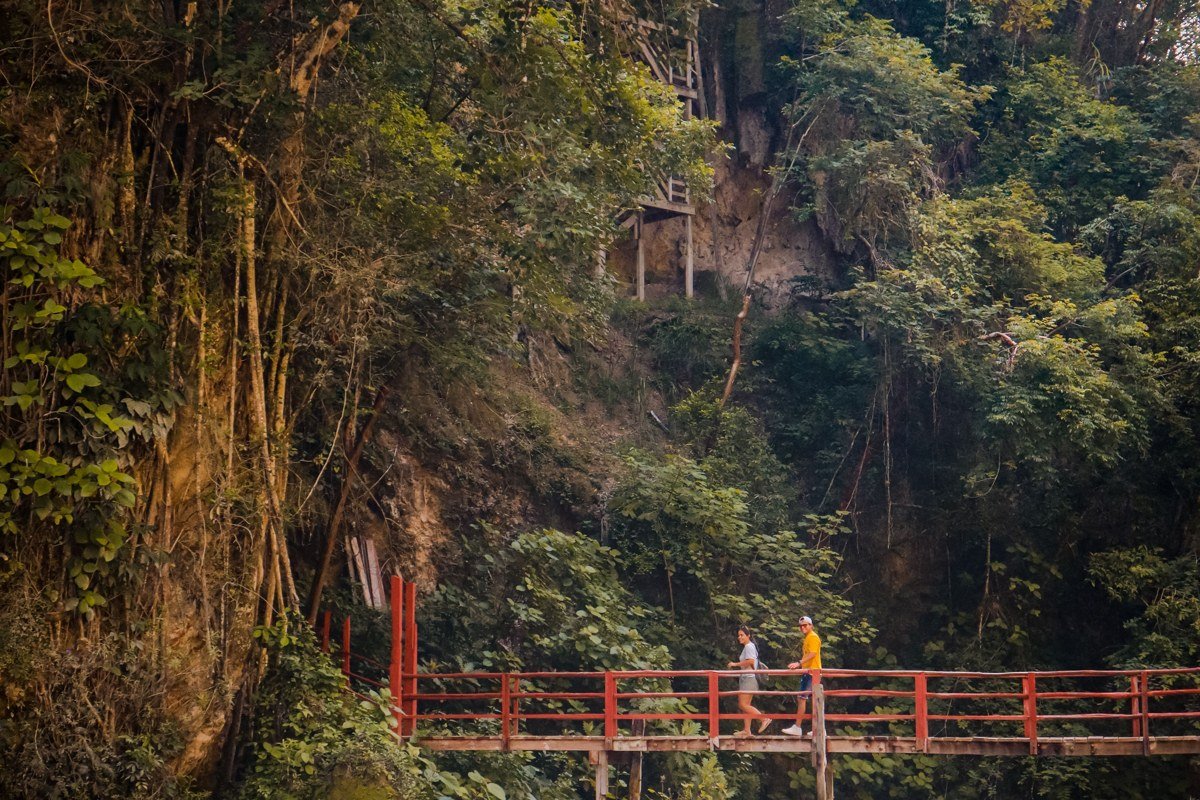
What it looks like: stacked turquoise terraces over a rushing river, candlelit cave passages, jungle light that makes the water look retouched.
Semuc Champey is a series of natural turquoise limestone pools stacked like shallow terraces over the Cahabón River in the Alta Verapaz region of Guatemala, and the standard visit involves caving through a river cave by candlelight before emerging to jump from the pool edges. The cave tour run by local Mayan Q’eqchi’ guides is genuinely immersive: you swim through underground passages, climb slippery limestone formations, and eventually wade out into daylight at the lowest pool. The color of those limestone pools, lit by filtered jungle light, is the kind of tropical turquoise that looks retouched even when it is not. The nearby town of Lanquín is the base, reachable by shuttle from Antigua. For those who prefer to wake up at the site itself, Semuc Champey Lodge sits directly on the grounds. Visit on a weekday in shoulder season (April or early November) to see the pools without significant tourist traffic.
Practical Takeaway
The common thread across all ten of these experiences is that each one requires meaningful preparation rather than just booking a flight. Research the specific operator, not just the destination: the Futaleufú and Omo River especially demand guides with legitimate safety certifications and rescue training. Pack for the photography as deliberately as you pack for the activity. A lightweight waterproof housing for your phone adds almost no weight and makes the difference between footage you actually keep and footage you delete. Finally, plan your timing around shoulder seasons wherever possible. You get better light, smaller crowds, and a more honest version of the place.