
The Pacific Northwest coastline is one of the most quietly dramatic stretches of shoreline in North America, and most of it sits just off a two-lane highway with almost no one on it. These eight scenic coastal towns were chosen for their photogenic moodiness, genuine character, and the fact that you can still find parking.
1. Astoria, Oregon
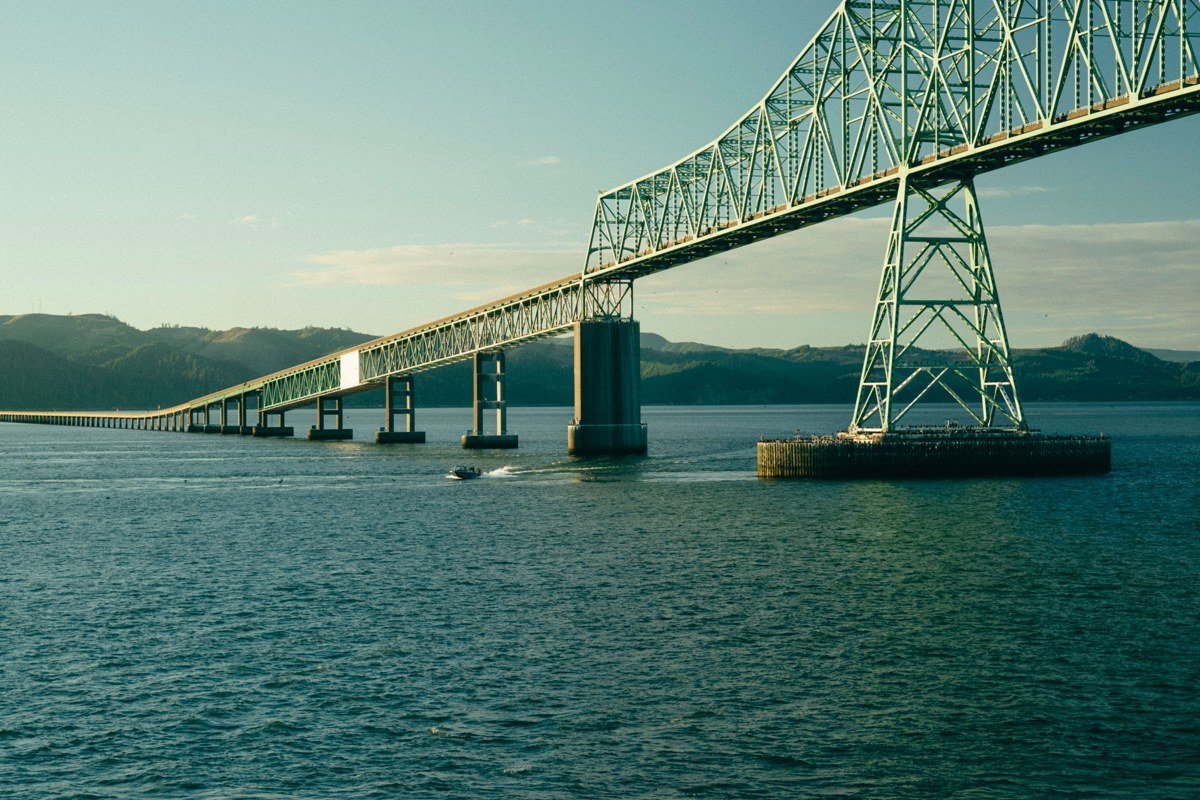
Astoria sits where the Columbia River meets the Pacific, and that collision of geography gives it a perpetual cinematic fog that photographers chase from October through July. The painted Victorian houses stacked up the hillsides above the waterfront have been in actual films, and the Astoria Column on Coxcomb Hill offers a 360-degree view on the rare clear days that makes the climb worth every step. Walk the riverwalk, stop inside the Columbia River Maritime Museum for context on how brutal this coast actually was for ships, and eat chowder at the Fort George Brewery while it rains sideways outside. Timing note: arrive on a Tuesday or Wednesday in June before the summer crowd discovers the weekends, and the waterfront feels almost entirely yours. Stay at the Cannery Pier Hotel, which sits on a pier over the Columbia River and is one of the more unusual lodging experiences on the Oregon coast.
2. La Push, Washington
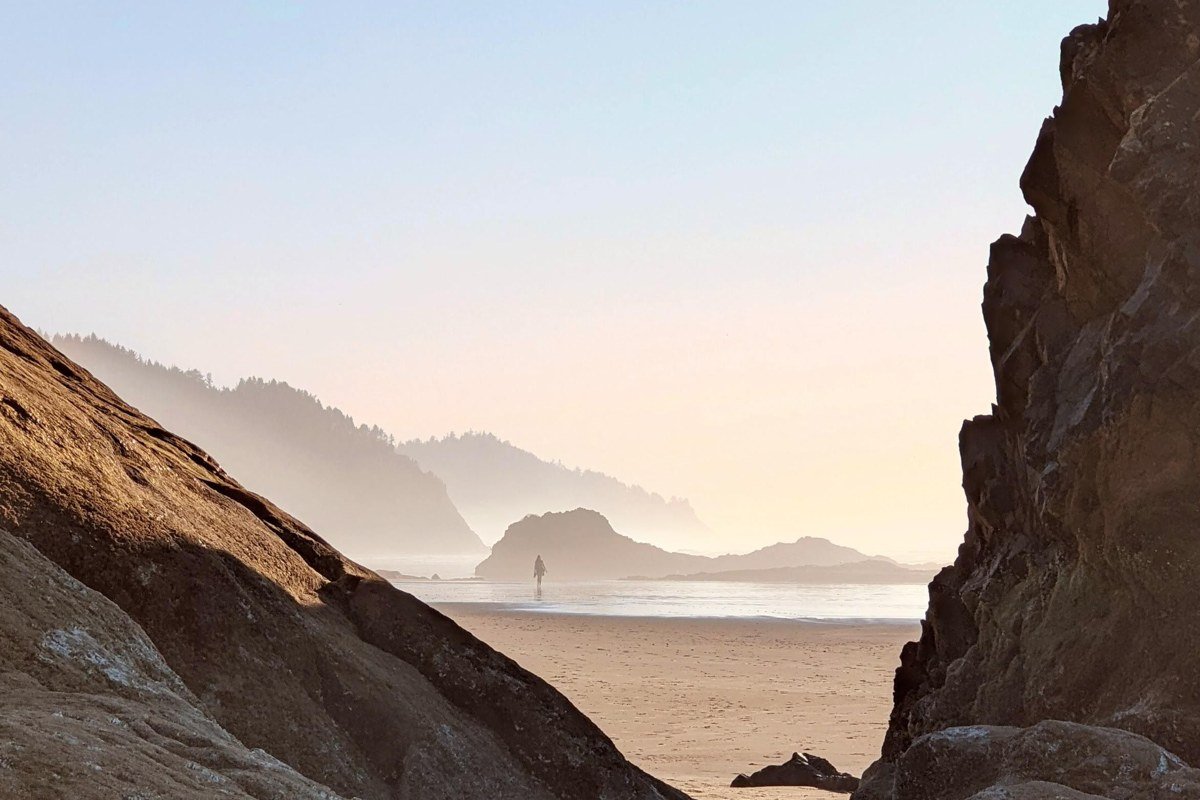
La Push sits on the Quileute tribal reservation on the Olympic Peninsula, and access and parking on tribal roads can change seasonally. Check current conditions with the Quileute Nation before your visit. The three beaches here, First Beach, Second Beach, and Third Beach, are as dramatically stacked with sea stacks and driftwood as anything you will find in Iceland for a fraction of the effort. The water is never warm enough to swim, but that is not the point. The point is standing at low tide on Second Beach surrounded by ancient spruce trees and cathedral rock formations while mist rolls through. It is one of the most genuinely otherworldly places in the continental United States, and it is free to access. Drive out early enough to catch the blue hour light before 6 a.m. in midsummer, when the tide is low and the stacks reflect in the wet sand. The Quileute Oceanside Resort is the primary lodging option directly on the reservation and puts you close enough to walk First Beach at dawn without getting in a car.
3. Pacific City, Oregon
Pacific City has a different Haystack Rock than Cannon Beach’s famous one, and frankly this version is better for photography because you can walk directly up to it via the Cape Kiwanda dunes without a crowd in your frame. The town itself is small enough that the main street has a bakery, a surf shop, and the Pelican Brewing taproom with a patio facing the water, and that is more or less enough. Dory boats launch directly off the beach here, which is a genuinely unusual sight on the Oregon coast and gives the place a working-fishing-village texture that the more polished towns have lost. Come at golden hour on any weekday and you will have wide open dunes and that enormous rock to yourself. Bring a wide-angle lens and wear shoes you do not mind getting sandy. Stay at the Inn at Cape Kiwanda, which sits directly across from the beach and has rooms that look straight out at the Haystack Rock you came to photograph.
4. Sekiu and Clallam Bay, Washington
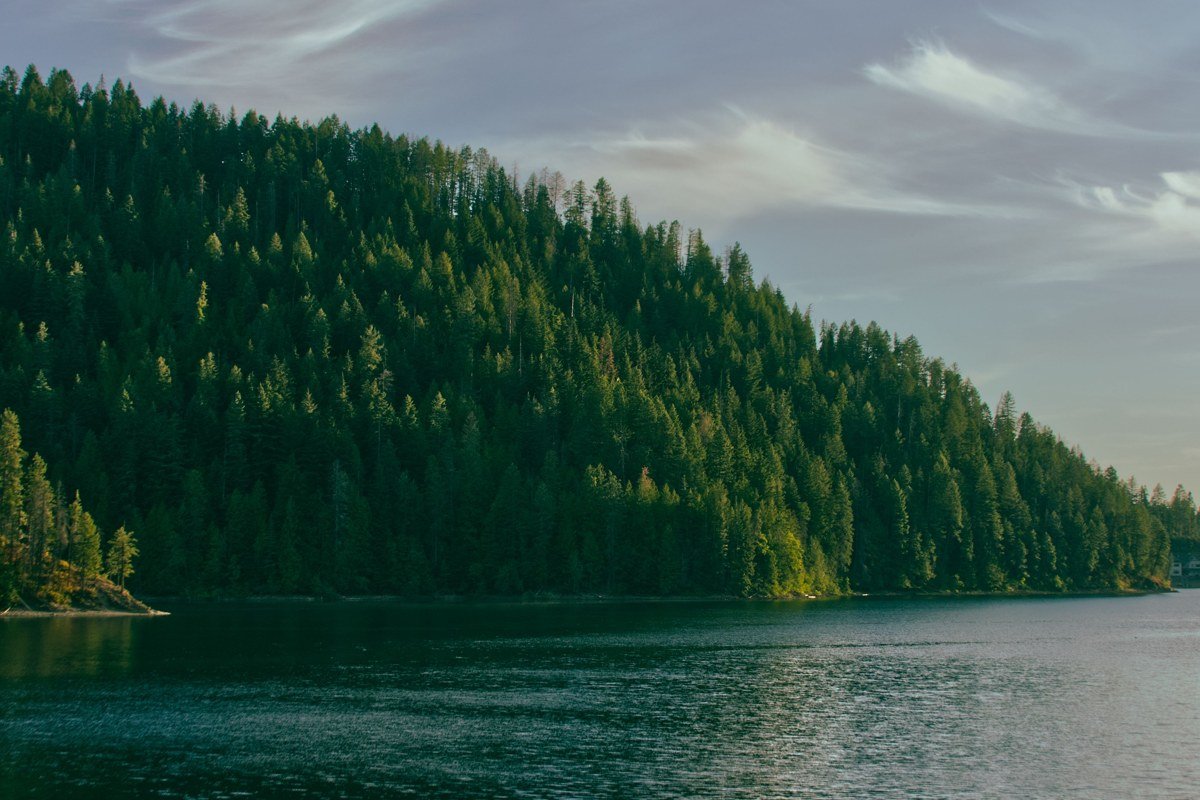
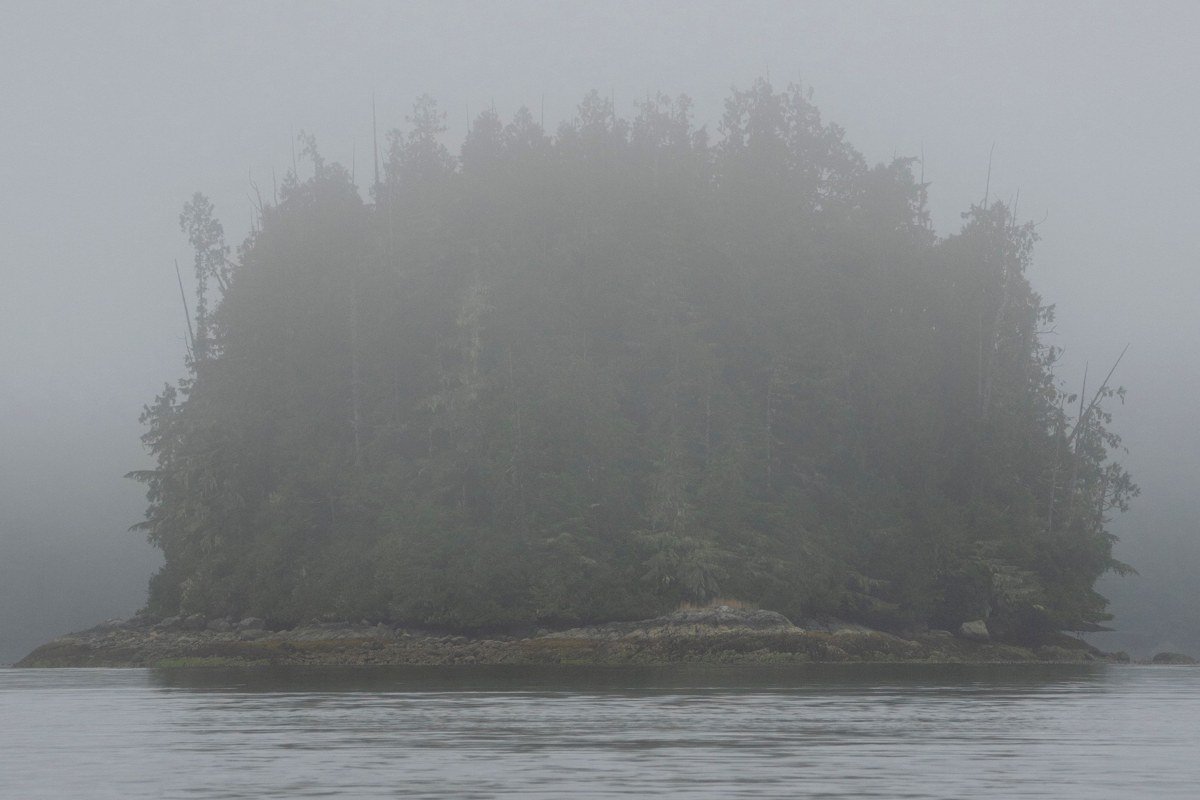
The Strait of Juan de Fuca is often glassy calm in the mornings here, reflecting forested bluffs and the distant snowcap of the Olympics in a way that looks composed rather than accidental. These two tiny towns are practically unknown outside of the fishing and kayaking communities, which is exactly why they belong on this list. The kayaking is some of the best accessible flatwater paddling on the peninsula. For a guided trip on the water, Kayak Port Angeles offers tours in the region and can advise on conditions along the strait. Sekiu has a handful of charter fishing operations and one surprisingly good espresso window, which is all you need as a base for exploring the Makah Reservation and Cape Flattery, the northwesternmost point in the contiguous United States.
Cape Flattery is reached via the trailhead on Hobuck Beach Road off Highway 112 on the Makah Reservation. The trail itself runs about 0.75 miles each way and takes most walkers 30 to 45 minutes round trip, a figure that often surprises people who expect something more demanding from such a significant landmark. Part of what slows you down pleasantly is a boardwalk section built over a wetland area midway through the forest, where the trees open enough to let in light and the sound of the surf becomes audible before the cliff views arrive. The overlook at the end sits above sea caves and open Pacific, and on a clear morning before the marine layer burns off, the light is extraordinary. A Makah Recreation Pass, purchased in Neah Bay, is required for access. For lodging, the Curley’s Resort in Sekiu is a modest and well-situated base with cabins close to the water.
5. Yachats, Oregon
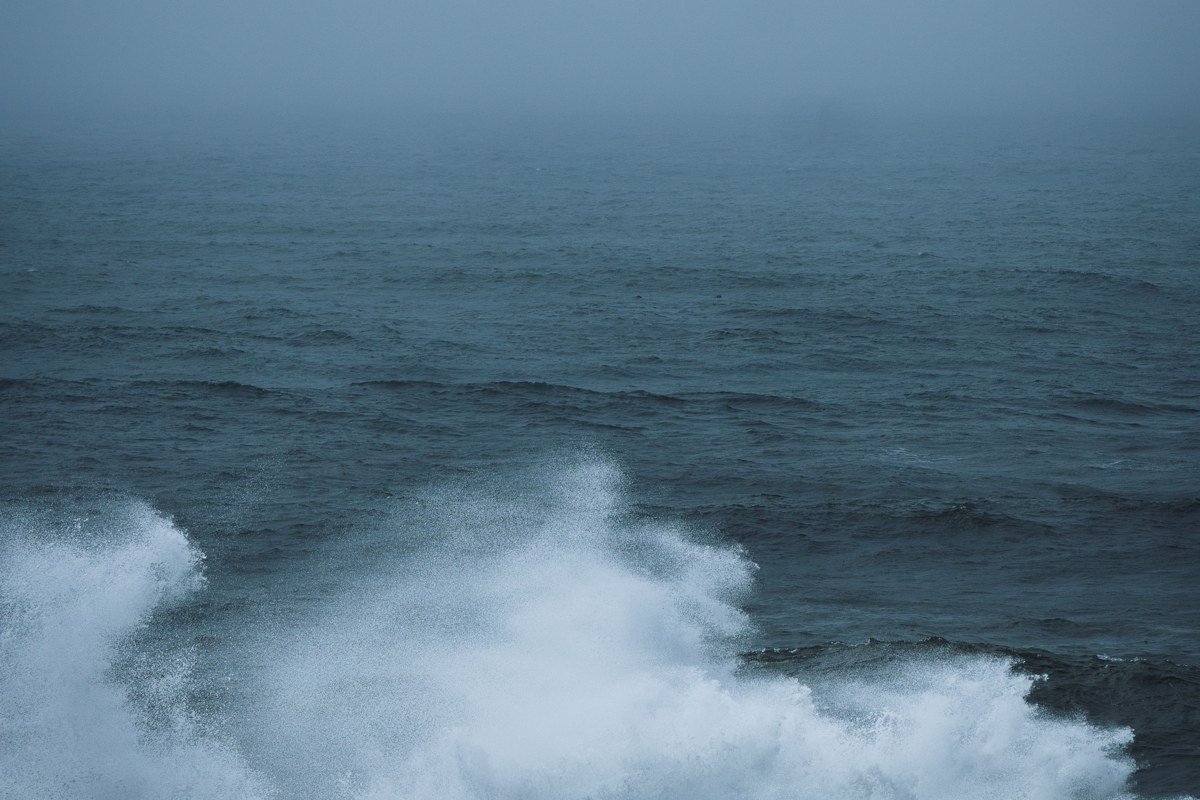
Yachats (pronounced “YAH-hots”) has been quietly loved by Oregon coast regulars for decades, and it manages to stay under the radar despite being genuinely exceptional. The rocky shoreline here is volcanic and jagged rather than sandy, which means the wave action is violent and photogenic in a way that flat-beach towns simply cannot match. The Cape Perpetua Scenic Area sits just south of town and includes the Thor’s Well formation, a sinkhole in the basalt shelf that appears to drain the ocean and spray it skyward in a single terrifying, beautiful loop. Shoot Thor’s Well at high tide during a swell for maximum drama, ideally at dusk.
Note on parking: the Cape Perpetua Scenic Area is managed by the Siuslaw National Forest, so a federal America the Beautiful pass covers the day-use fee there. Oregon State Parks facilities, including some beach pullouts elsewhere on the 101, are handled separately and require an Oregon State Parks day pass or annual permit. The town itself has good food at the Ona Restaurant and a genuinely cozy small-inn culture that rewards slow lingering. Stay at the Adobe Resort, which sits on the bluff above the shoreline and has the kind of direct ocean view that makes waking up early for light feel less like discipline.
6. Tokeland, Washington
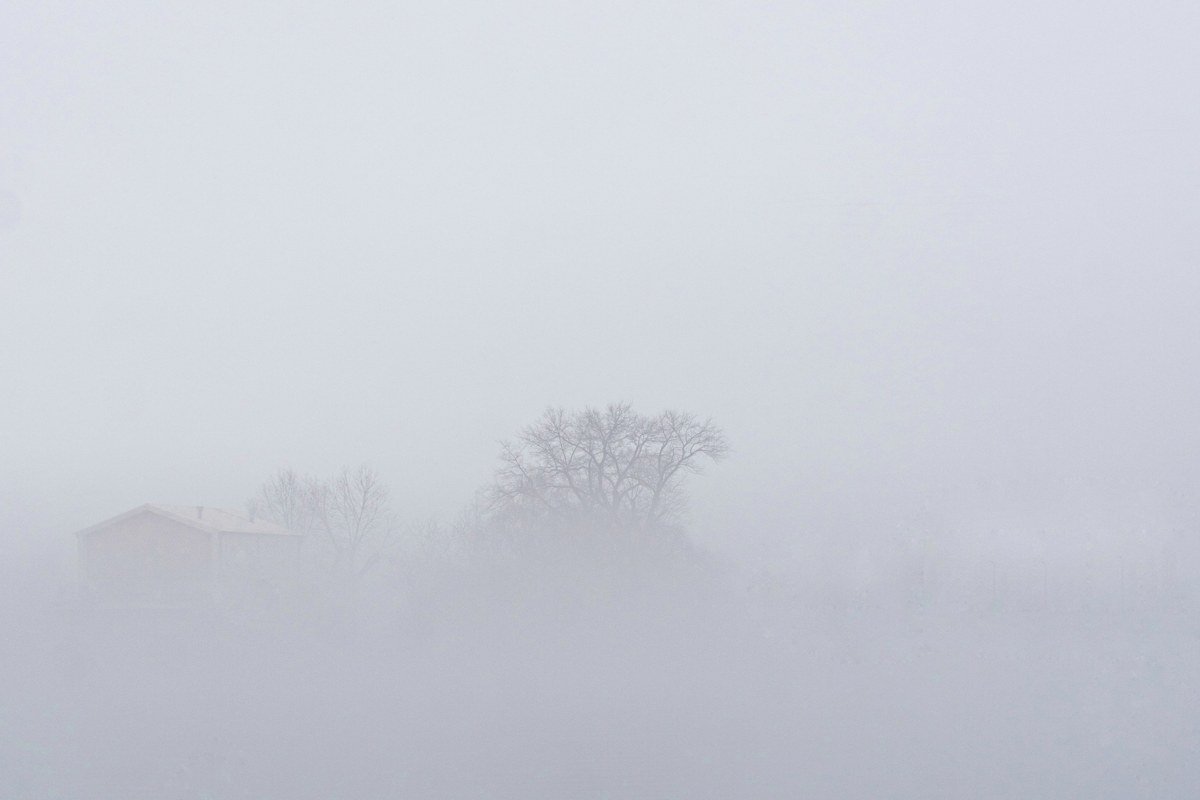
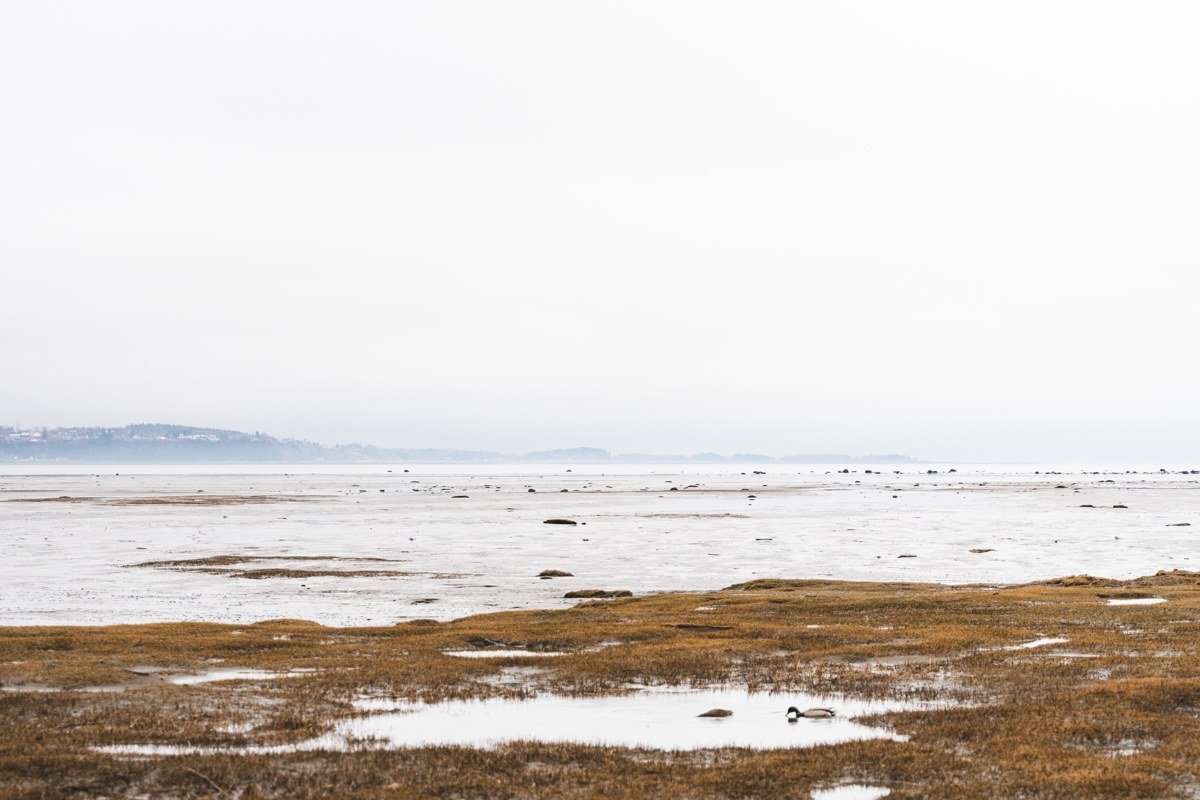
Tokeland is the kind of place that feels like it belongs to a slightly different decade, and that is its entire appeal. The Tokeland Hotel, built in 1885, is the oldest resort hotel in Washington state and still takes guests in rooms with original woodwork and quilts that look like they were made by someone’s grandmother, because they probably were. Staying there is the lodging choice here, not just a recommendation but something close to the point of the visit. The Willapa Bay tidal flats that surround the small peninsula town turn the most remarkable colors at low tide, moving through silver, green, and rust depending on the light and the season. There is almost nothing to do here in the conventional sense. It is a place for sitting on a porch, watching herons, and eating the Dungeness crab that comes fresh off the bay. Visit in late June before the Fourth of July and the Willapa oyster season is in full swing.
7. Manzanita, Oregon
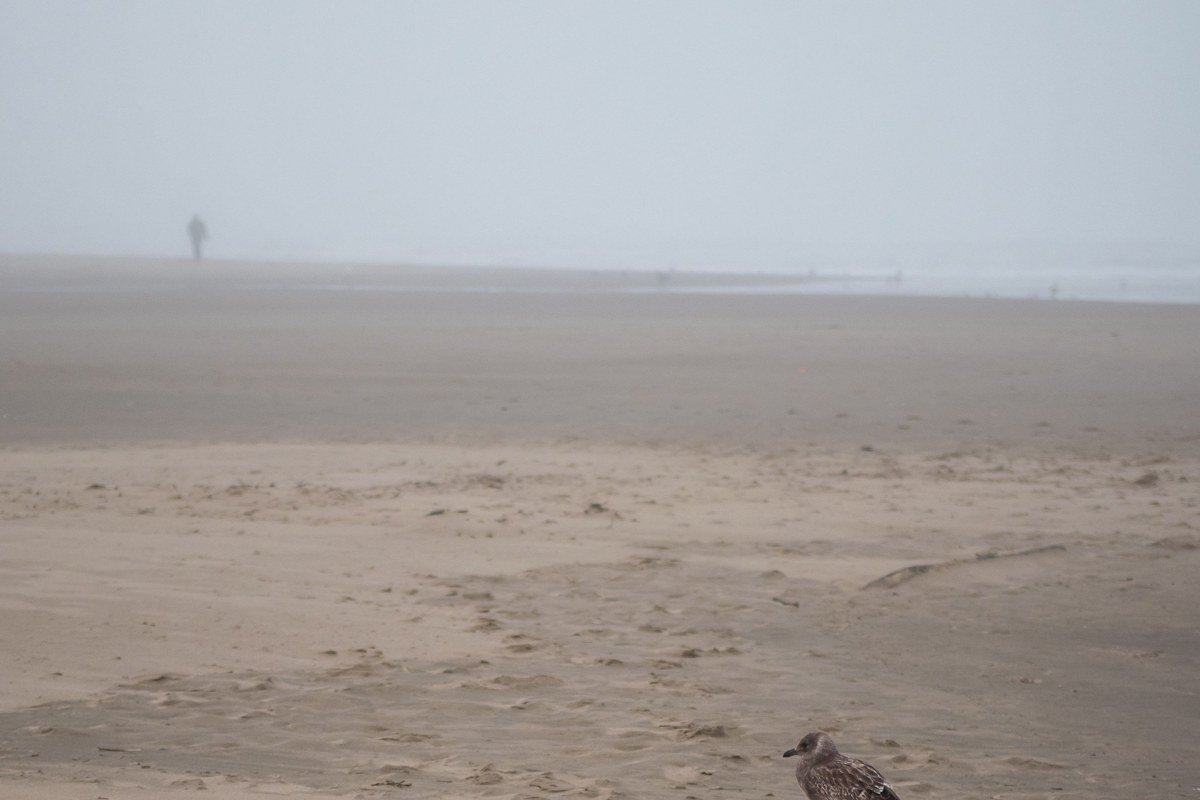
Fewer than 600 people live here year-round, there are no traffic lights, and the beach stretches long and largely empty below the dark mass of Neahkahnie Mountain, which drops almost straight to the sand in a way that is genuinely rare on the Oregon coast. The combination of mountain, beach, driftwood, and atmospheric fog makes it one of the most compositionally interesting stretches of shoreline in the entire state for photography. The main street has a serious independent bookshop called Cloud and Leaf, a wine bar called Vino with a well-chosen Pacific Northwest list, and a bakery worth arriving early for. Manzanita sits between the more popular Cannon Beach and Tillamook, so it tends to get skipped by travelers on autopilot, which is your advantage. Stay at the Inn at Manzanita, a quiet property within easy walking distance of the beach. Spend two nights, walk the beach at dawn, and make a day trip to the Tillamook Creamery if you need a reason to get in the car.
8. Westport, Washington
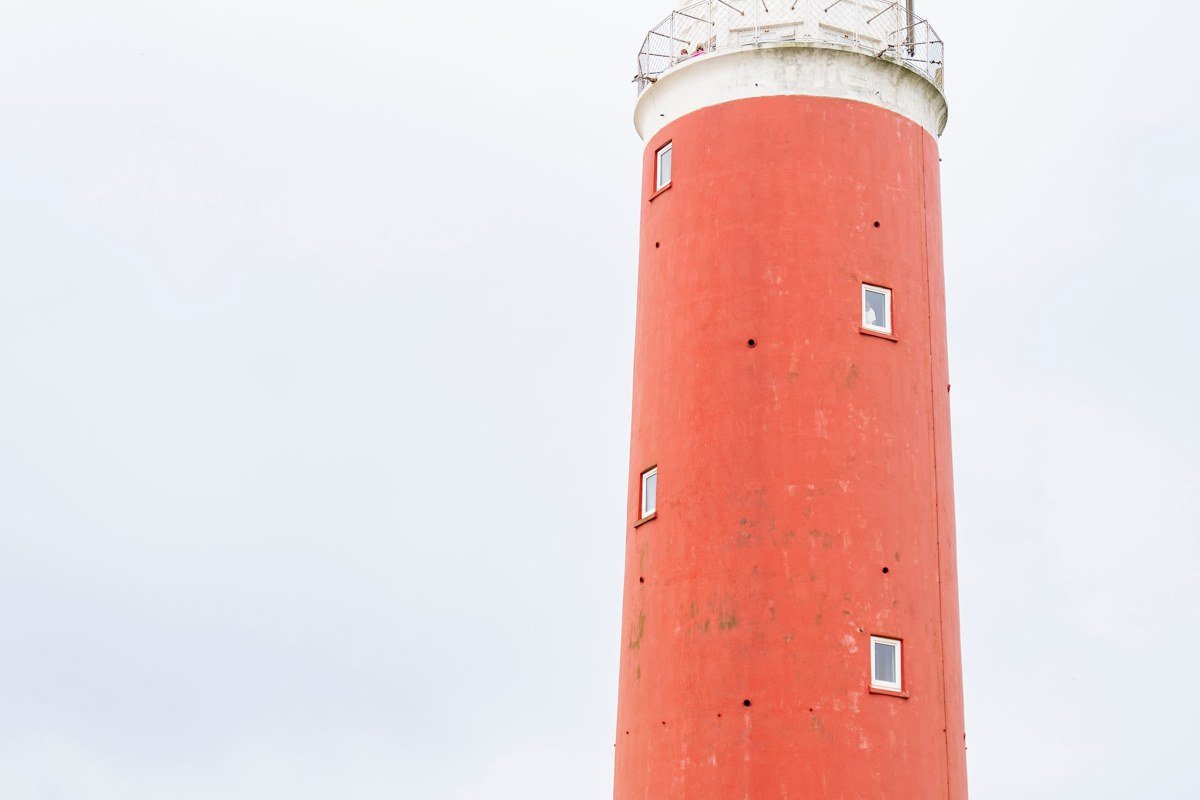
Westport wears its identity as a working fishing port honestly, without the curated edges some coastal towns have acquired. The charter fishing fleet is genuine and active, the lighthouse at Westport Light State Park stands above a long dune walk, and the surf break here is considered one of the better consistent surf spots on the Washington coast. The Westport Maritime Museum is housed in a former Coast Guard station and covers the history of the local fishing industry in enough depth to be actually interesting rather than dutiful. The trade-off is that Westport is not a design-forward or Instagram-polished place. It is gray and industrial around the docks and gorgeous in a rough, unmediated way on the beach and dunes. That contrast is what makes it photographically interesting and worth the hour-and-a-half drive south from Olympia. The Chateau Westport is the most established lodging option in town, a beachfront property that has served generations of fishermen and is better for it.
How to Plan the Drive
These eight towns can be loosely organized into two road trips. The first follows the Oregon coast on Highway 101, hitting Astoria, Manzanita, Pacific City, and Yachats across three or four days heading south, with the light generally behind you in the afternoons. The second covers the Washington coast and the Olympic Peninsula, connecting Westport, Tokeland, Sekiu, Clallam Bay, and La Push in a loop from Seattle or Tacoma over three to four days.
A few practical notes worth keeping:
The best light on the Oregon coast in summer is morning, when the marine layer creates soft diffuse conditions for photography before burning off by noon. On the Washington coast, overcast days are not a problem to work around but a condition to lean into.
Book accommodations early for any weekend in July or August, particularly in Manzanita, Yachats, and Astoria, where the inventory of genuinely good small lodges and inns is limited. If you arrive without a reservation mid-July, your options drop fast.
On the Washington coast leg, download offline maps before you leave a city. The stretch of Highway 112 between Forks and Sekiu has extended gaps in cell service, and navigation apps that depend on a live signal will go quiet exactly when you need them most.
A Washington Discover Pass covers state recreation sites in Washington. On the Oregon side, a federal America the Beautiful pass handles day-use fees at national forest and BLM sites such as Cape Perpetua, while Oregon State Parks facilities require a separate Oregon State Parks day pass or annual permit. Both the Washington Discover Pass and the Oregon pass are available online before you leave home. Note that Cape Flattery on the Makah Reservation requires a Makah Recreation Pass, purchased in Neah Bay.
Fuel up whenever you see a station in smaller towns like Sekiu and Tokeland. Stretches of 40 or 50 miles without services are common on the Olympic Peninsula in particular.
For a concrete place to stop the car and take in the Oregon coast from above, the turnout above Arch Cape on Highway 101 near mile marker 29 offers an elevated view of the shoreline that is worth the pause before you continue south.