
New England has a quiet habit of hiding its best lake towns behind one unmarked exit off a two-lane state road. These are the places East Coasters drive to on a Friday afternoon and spend the whole Sunday morning dreading the return trip. All ten towns below are reachable in under five hours from Boston, New York, or Hartford, and all of them look considerably better in person than they do on a map.
1. Wolfeboro, New Hampshire
Best for: first-time Lake Winnipesaukee visitors, walkers, families with younger kids
Wolfeboro calls itself the oldest summer resort in America, and walking its waterfront, you can feel why that claim stuck. The downtown sits right on Lake Winnipesaukee’s eastern shore with a compact main street of independent shops, a town beach, and the kind of ice cream lines that only form in places people genuinely want to be. Rent a kayak from Winnipesaukee Kayak and paddle south toward the quiet coves around Stamp Act Island, which gets almost no foot traffic compared to the Weirs Beach side of the lake. The best timing tip: arrive Thursday night instead of Friday, because the drive up Route 28 on a summer Friday can turn a 90-minute trip into three hours of brake lights.
For lodging, the Wolfeboro Inn sits directly on the water with a private dock and an honest New England dining room. It is not a boutique property, but the location is as good as it gets in town.
2. Rangeley, Maine
Best for: fly fishing, serious hikers, anyone who wants a lake that still feels genuinely wild
Rangeley sits at an elevation that keeps it noticeably cooler than the coast, which is either a selling point or a warning depending on your tolerance for a 55-degree morning swim. The lake itself is enormous and largely undeveloped, ringed by a spruce and fir tree line that makes every photo look like a National Geographic cover from 1987. Rangeley Lake State Park has a boat launch and a grassy picnic area with direct water access, and the town’s Main Street has exactly one good restaurant (Loon Lodge Inn dining room, worth the reservation) and exactly one great outfitter (Ecopelagicon, for fly fishing gear and local trail maps).
One timing note that no article seems to mention loudly enough: black flies are aggressive in Rangeley from late May through mid-June. If your trip falls in that window, pack a head net and treat clothing with permethrin before you leave home. July and early August are peak, but late August drops prices noticeably and the light turns golden earlier in the evening.
The Rangeley Inn, a restored 1907 property on Main Street, is the most central option in town. The rooms are straightforward and well-kept, and the staff gives genuinely useful local advice rather than the laminated sheet variety.
3. Ludlow, Vermont (Okemo Region)
Best for: couples, shoulder-season value, visitors who want infrastructure without the crowds
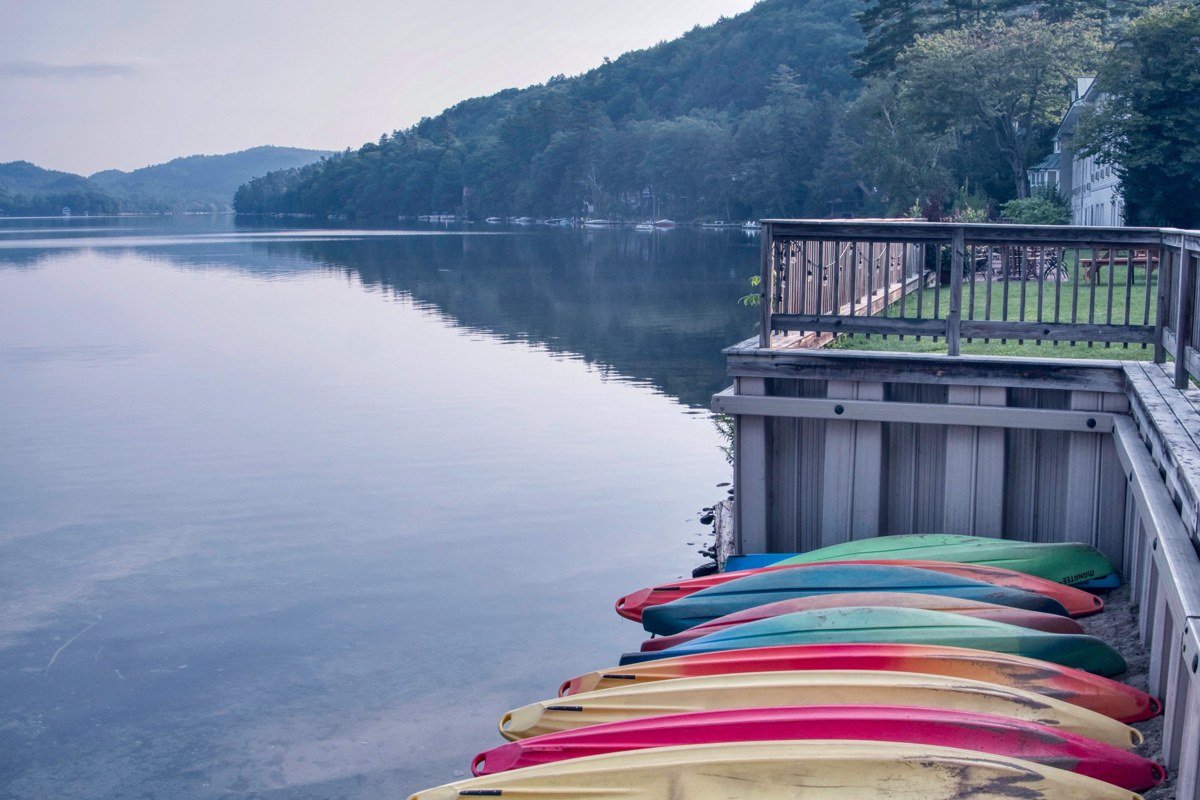
Ludlow is best known as Okemo ski country, which means the infrastructure is genuinely good (solid restaurants, real grocery stores, walkable village center) but the summer crowds are a fraction of what hit the slopes in February. Lake Rescue, just a few minutes outside town, is a shallow, warm-water lake ideal for paddleboarding and swimming, with a boat access area off Route 100 that most visitors drive past without stopping. The Black River runs through town and is worth an evening walk.
One honest trade-off: Ludlow’s lodging skews toward condo-style ski rentals. If you want a classic lakeside cottage feel, search specifically on VRBO for Lake Rescue or Echo Lake listings rather than booking anything described as “ski-in.” If you prefer a staffed property, the Combes Family Inn outside town is a small, unpretentious bed and breakfast with reasonable rates and owners who have been hosting guests for decades.
4. Sunapee, New Hampshire
Best for: low-key lake days, summer regulars, anyone avoiding the Winnipesaukee circus
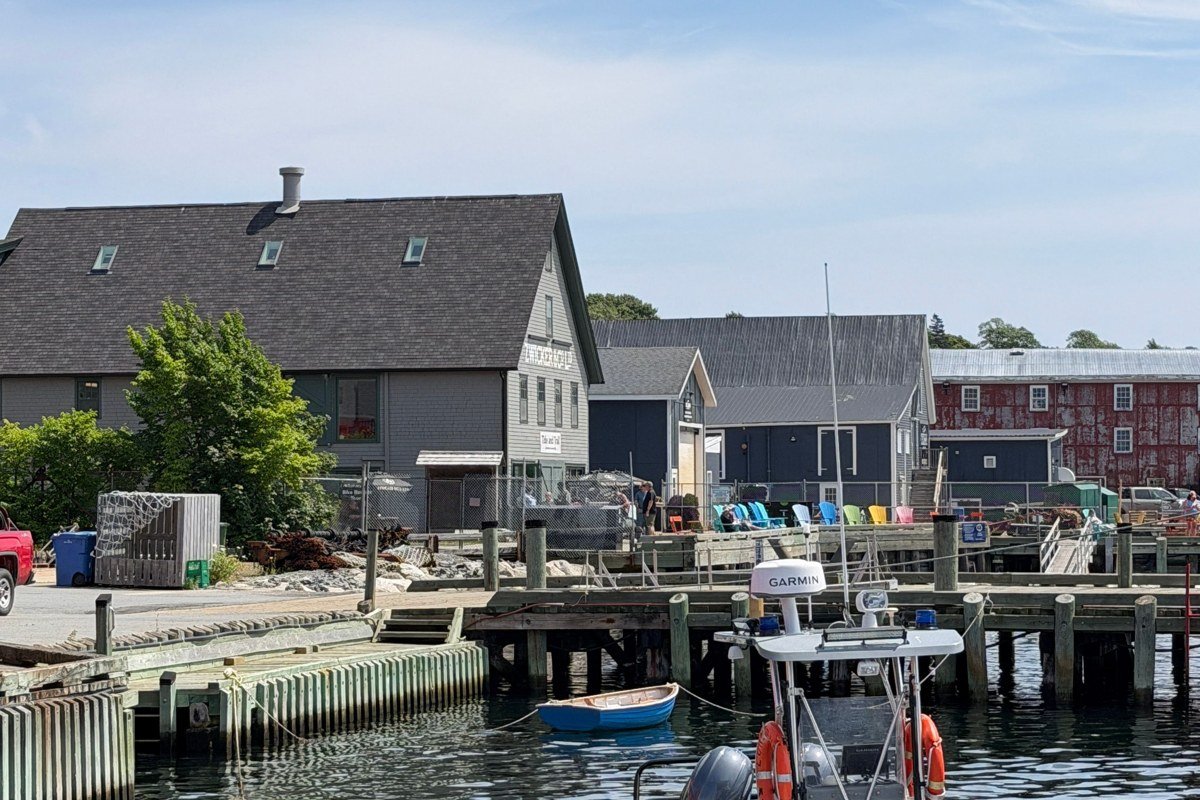
Lake Sunapee has a reputation among New Hampshire summer regulars that it has never quite managed to shake loose: this is a local’s lake. The Sunapee Harbor area has a small cluster of shops and the Anchorage at Sunapee restaurant with a deck over the water, but the lake’s biggest draw is how quiet the residential shoreline stays compared to Winnipesaukee. The Mount Sunapee State Beach on the lake’s northeastern end is sandy, well-maintained, and less crowded than you would expect for a public beach this close to Concord and Manchester.
For a grounding detail: Otter Pond Kayak rents out of the harbor and the staff will point you toward the shallower, sheltered cove on the western shore near Herrick Cove Road, which sees almost no powerboat traffic on weekday mornings. The Wednesday farmers market at the harbor (mid-summer through August) is small but consistent, and the honey and jam vendors sell out by ten in the morning. The Mount Sunapee Resort gondola runs on summer weekends and gives you a summit view that explains, in one sweeping look, exactly why people have been building camps on this lake for over a century.
Dexter’s Inn, set on a hill above the lake in Sunapee, is an older property with a quiet, unhurried atmosphere and a pool that looks out over the water. It is not fashionable, which is part of its appeal.
5. Southwest Harbor, Maine (Echo Lake)
Best for: Acadia without the Bar Harbor headache, swimmers, families
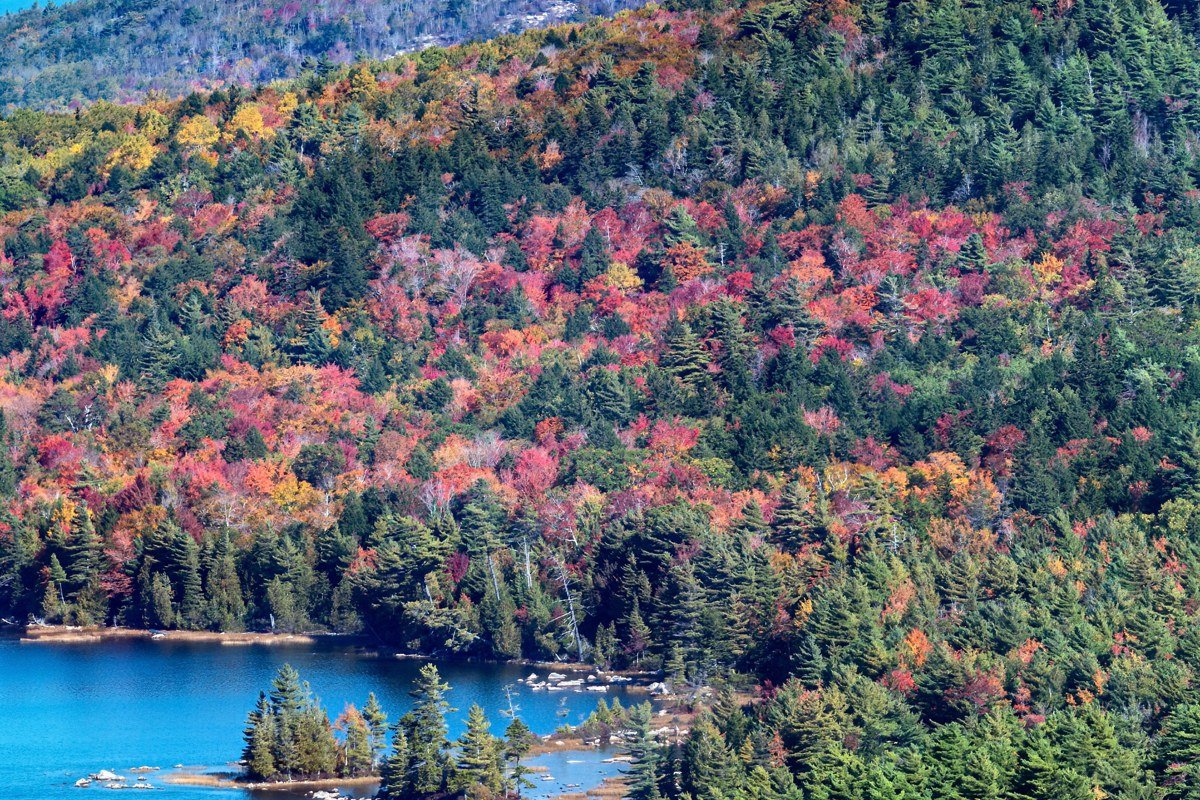
Southwest Harbor gets overshadowed by Bar Harbor in almost every Acadia National Park conversation, which makes it considerably better to actually visit. Echo Lake, a short drive from the village center, sits entirely within Acadia and has a sandy beach, a lifeguard on duty in summer, and cliff-jumping access on the far shore that does not appear on any official park map (locals will show you if you ask nicely). The town itself has a working boatyard, a handful of good restaurants including Beal’s Lobster Pier for the no-frills dock-side feed, and the general atmosphere of a place that is proud of being overlooked. Come in late June before the Bar Harbor ferry crowds hit their peak and you will feel like you found a cheat code.
The Claremont Hotel is the anchor lodging on this side of Mount Desert Island: a white-clapboard property with croquet on the lawn, water views, and a dining room that leans into its old-Maine-summer-hotel identity without apology.
6. Newfound Lake, New Hampshire (Bristol)
Best for: water clarity obsessives, low-key family trips, screen-free weekends
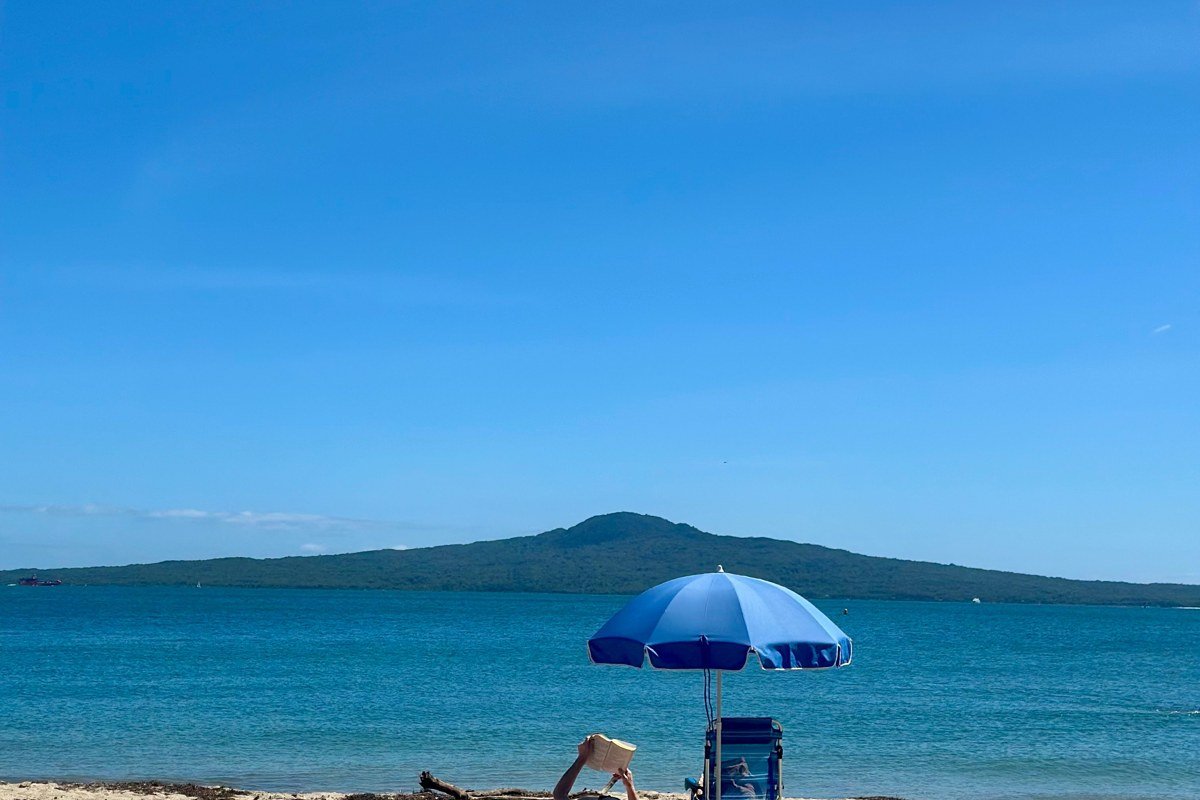
Newfound Lake consistently ranks among the cleanest lakes in the eastern United States, and the water clarity is not subtle. You can see the bottom in twelve feet of water, which is either tranquil or unsettling depending on your relationship with what lives on lake floors. The main public access is Wellington State Park, which has a long sandy beach and picnic tables under mature pines. Bristol, the closest town, is modest (a few diners, a general store, no artisan coffee situation) and that restraint is actually the point. There are no ropes courses or wine bars trying to redefine your weekend here, just a very clean lake and a long, unhurried afternoon.
For lodging, the Inn on Newfound Lake is a Victorian property directly on the water with a wraparound porch and simple, well-priced rooms. Book the lake-facing rooms early; they go first.
7. Sebago Lake, Maine (Naples)
Best for: boaters, big-lake swimmers, families who want a classic Maine summer feel
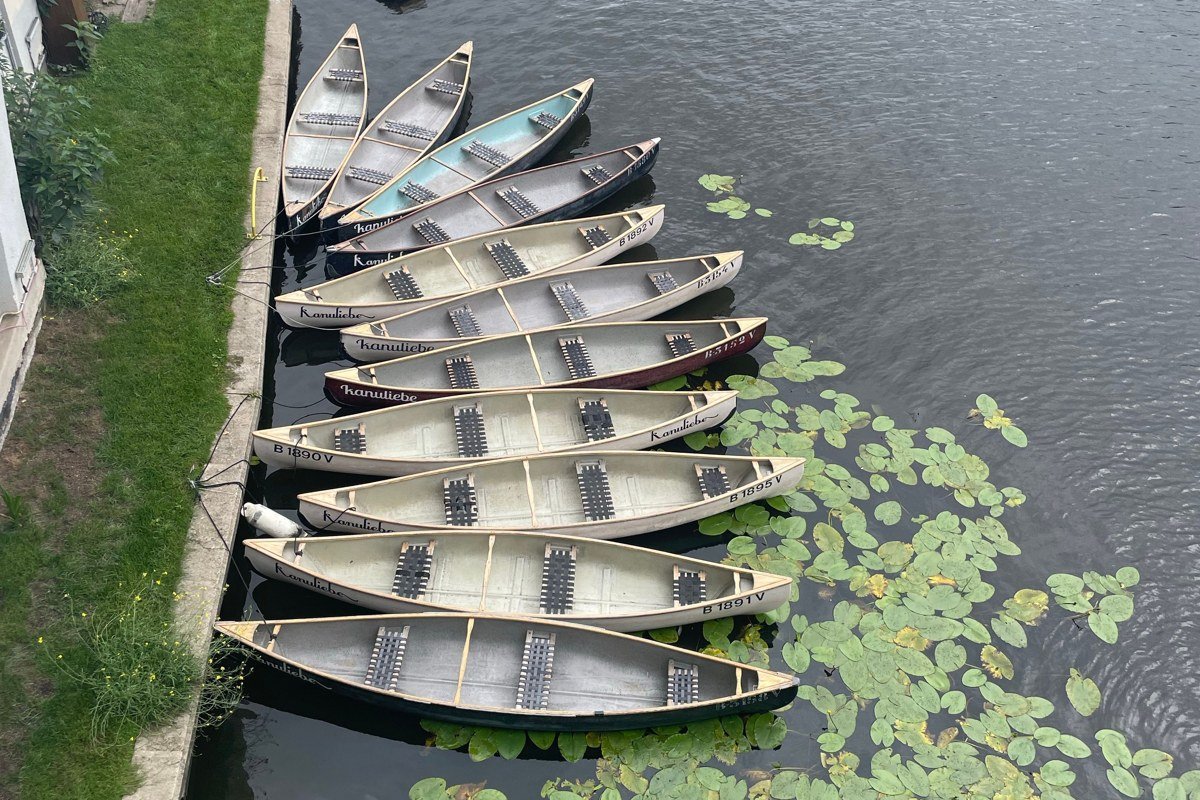
Naples sits on the causeway between Sebago Lake and Long Lake, which means it has water on essentially two sides and a main street (Route 302) that functions as a continuous summer-long parade of boats, kayaks, tubers, and ice cream-carrying pedestrians. Sebago is Maine’s second-largest lake and goes deep enough (316 feet at its deepest) to stay cold through August, which keeps the swimming invigorating rather than relaxing. The Naples causeway is where the public dock action concentrates: rent a pontoon from Sebago Lake Boat Rentals and spend a half-day exploring the bay.
One practical note: Route 302 through Naples on a Saturday afternoon in July is one of the more reliably slow drives in southern Maine. Budget an extra 30 minutes or take the back way through Windham.
The Augustus Bove House, a restored Victorian inn a short walk from the causeway, is the best non-rental option in Naples. It is small, well-run, and easy walking distance from the water.
8. Moosehead Lake, Maine (Greenville)
Best for: serious wilderness seekers, floatplane enthusiasts, moose
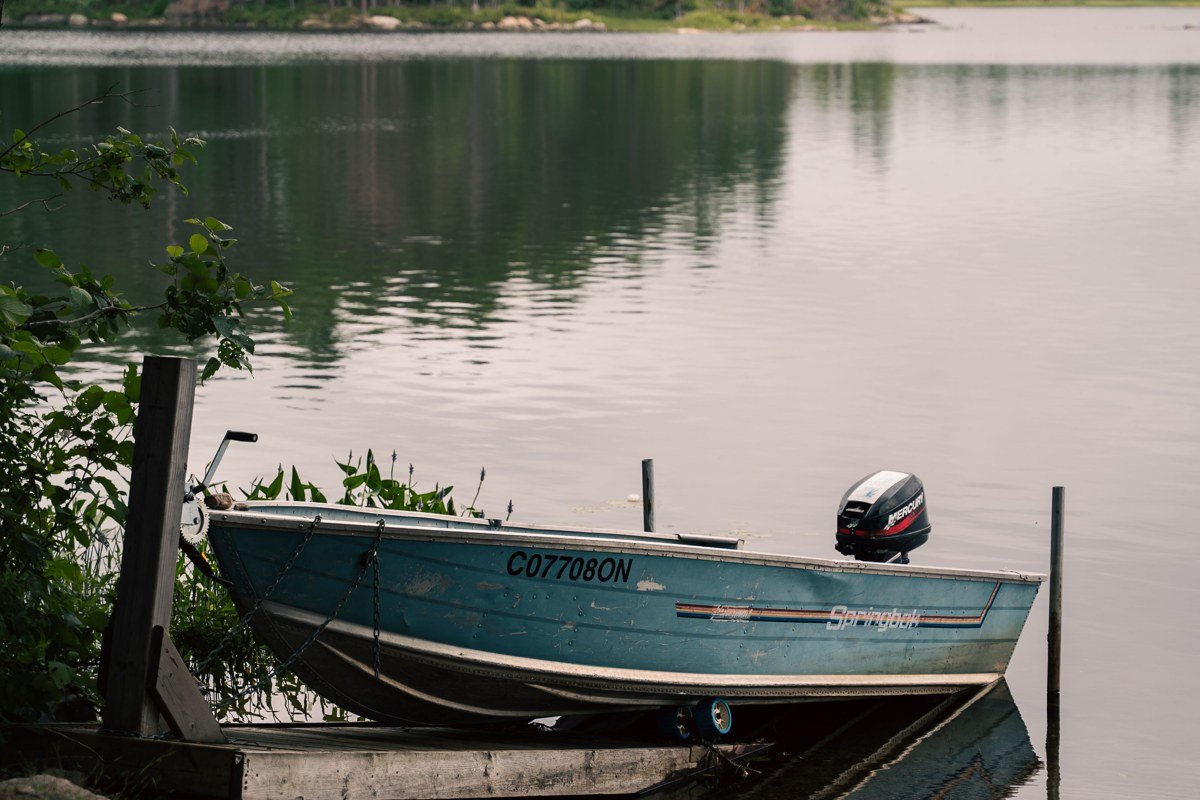
Moosehead is the entry on this list for people who looked at the others and thought they were not remote enough. The lake is the largest in New England, Greenville sits at its southern tip, and the drive from Portland takes the better part of two hours on roads that get progressively more rural. What you get for the effort is genuine wilderness scale: moose sightings on the access roads are common rather than rare, the lake is dotted with islands that see almost no visitors, and the Lily Bay State Park campground has sites directly on the water with no neighbors for a quarter mile. Folsom’s Air Service still runs floatplane tours over the lake in summer, which is one of those experiences that costs more than you expect and is worth every dollar.
The same black fly warning that applies to Rangeley applies here, with slightly more urgency: late May and early June around Moosehead can be genuinely miserable without insect protection. Plan for July onward or come fully prepared.
The Lodge at Moosehead Lake is a handsome timber-frame property on a hill above the water with a canoe and kayak fleet on the dock below. It is the kind of place that earns its rates.
9. Coventry, Connecticut (Coventry Lake)
Best for: day-trippers from Hartford or New York, history and swimming in a single afternoon
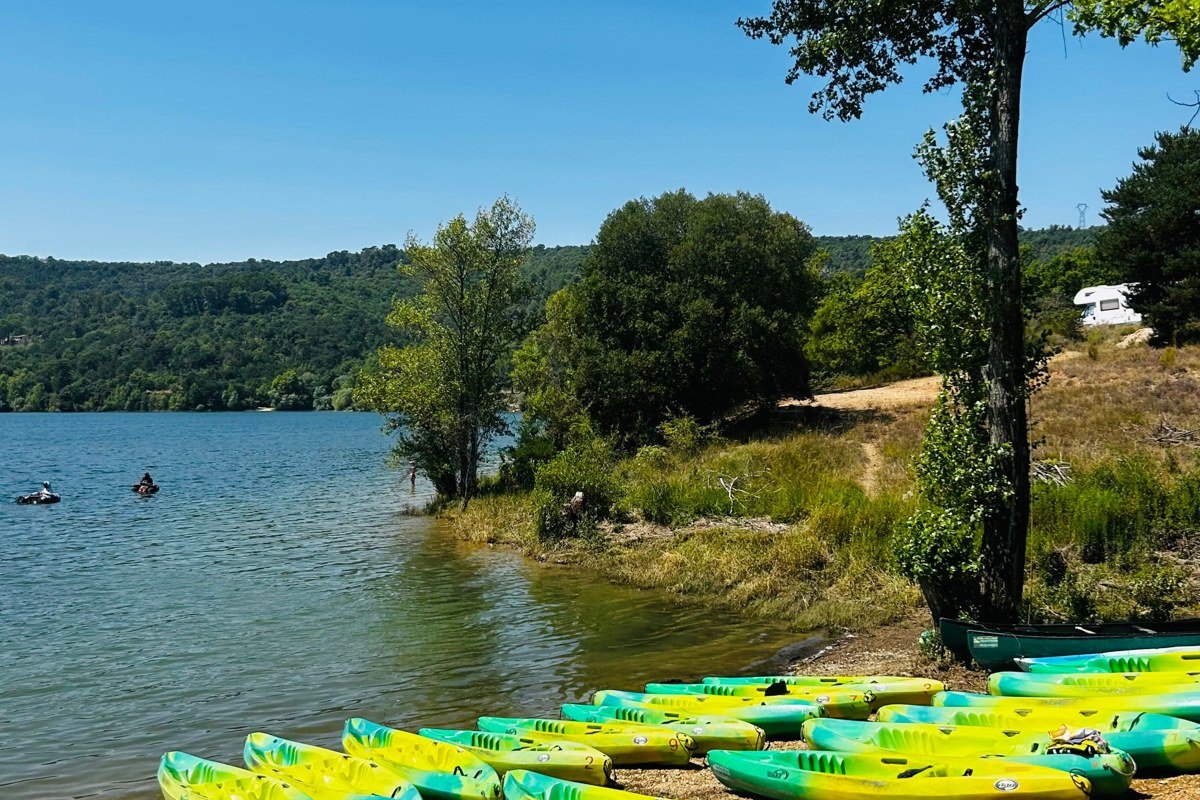
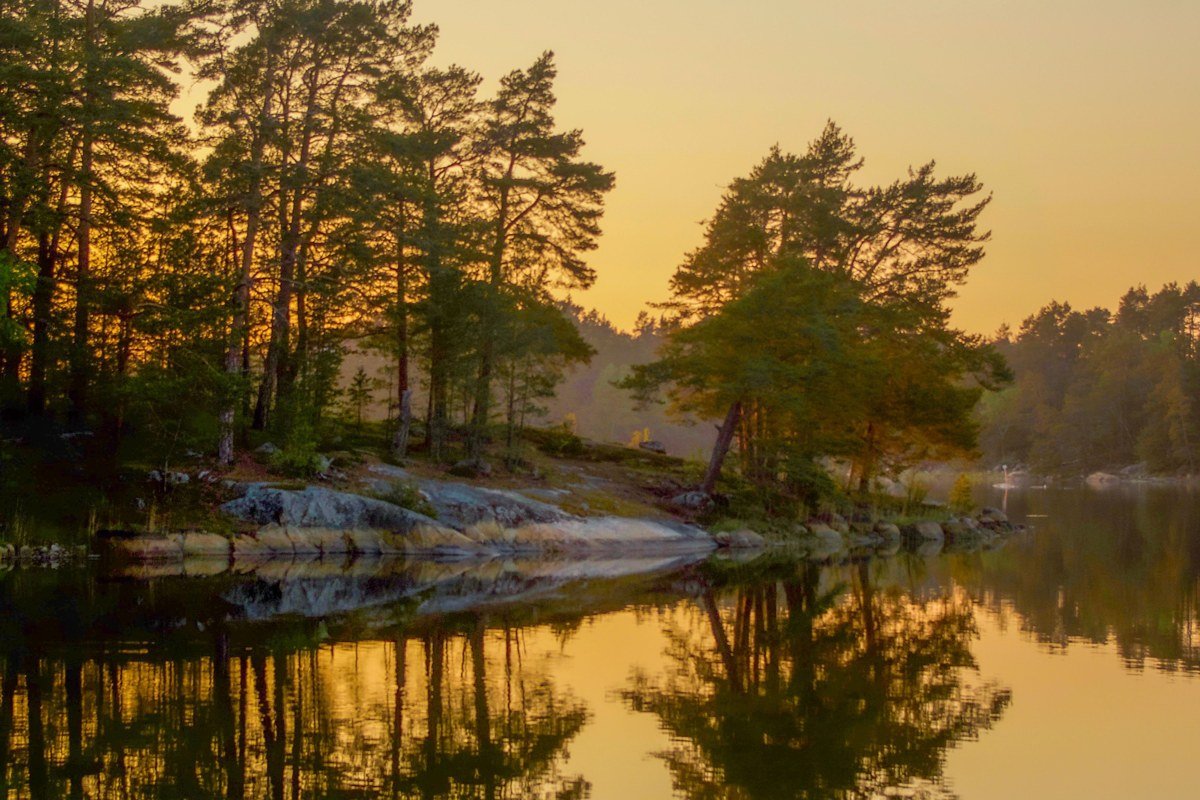
Coventry is 25 minutes from Hartford and under two hours from New York, which makes it one of the most accessible entries on this list, and one of the least known. The town is built around Wangumbaug Lake, locally called Coventry Lake, a clean, quiet body of water that has stayed almost entirely off the tourist circuit. The public swimming area at Patriots Park Beach is open mid-June through Labor Day, with a sandy entry, calm water, and a boat launch where you can put in a kayak and spend two hours paddling the western cove without seeing another watercraft. That cove, shaded by overhanging oaks on the northern bank, photographs as a still, green-gold reflection that reads nothing like coastal Connecticut.
Nathan Hale Homestead, the colonial-era farm where the Revolutionary War spy grew up, is a short drive away and adds an hour of grounded history to the day. Because this is primarily a day-trip destination with very limited lakeside rentals, the most practical lodging base is the Frog Hollow Inn in nearby Eastford, a small bed and breakfast about 20 minutes away that gives you a quiet rural base without committing to city hotel pricing.
10. Lake Willoughby, Vermont (Westmore)
Best for: photographers, hikers, anyone who refuses to believe Vermont gets dramatic
The first thing worth knowing about Lake Willoughby: the nearest full-service town is Newport, roughly 30 minutes north, so treat the drive itself as part of the experience rather than a logistical gap, and arrive with a full tank and enough food for the day. The Northeast Kingdom does not cater to the unprepared.
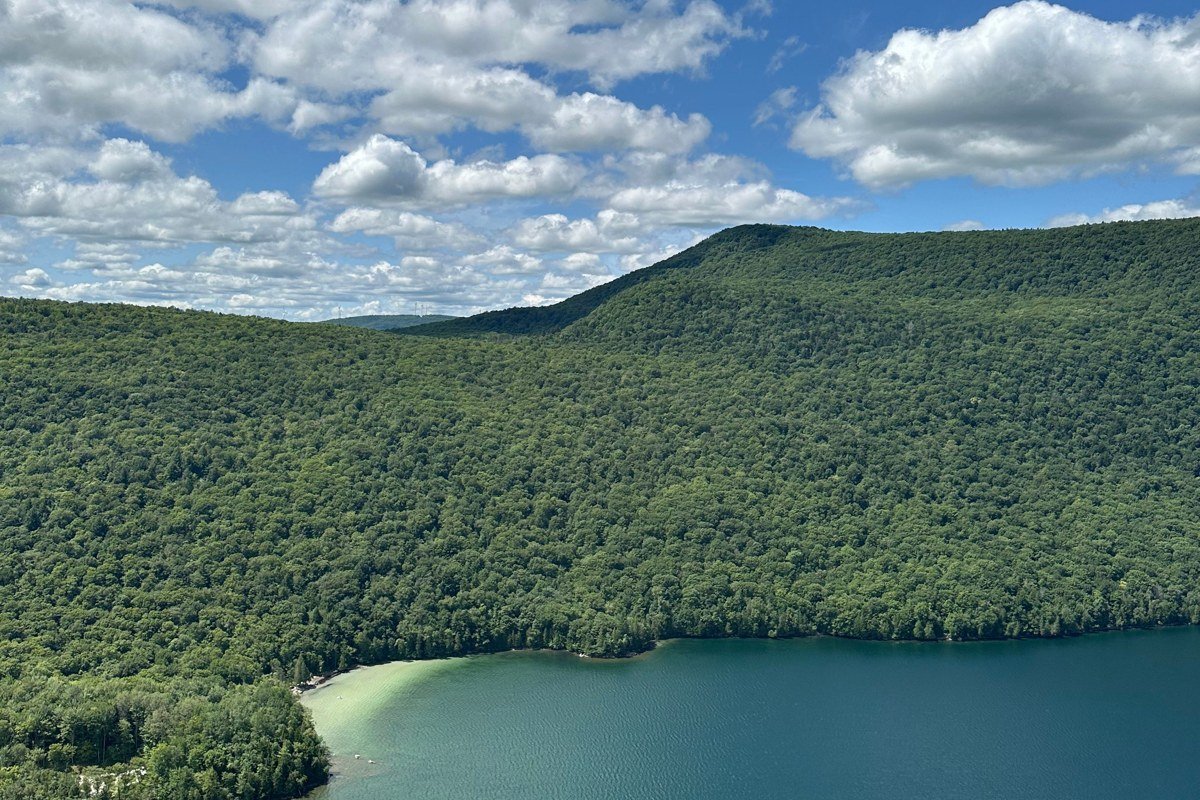
The lake sits in a narrow glacially carved valley between Mount Pisgah and Mount Hor, and the cliff faces drop directly into the water. The effect is a vertical wall of pale granite, dark spruce, and open sky reflected in water so blue it reads almost artificially saturated in photographs, which is why images of Willoughby circulate so persistently. It looks like a Norwegian fiord that got quietly relocated to a Vermont state road. The swimming beach at the south end is free, public, and draws a mix of local families and stunned first-timers who cannot quite believe this exists in the Northeast. Hike the Mount Pisgah south trail (trailhead off Route 5A) for the ridge view looking straight down onto the lake.
For lodging, the WilloughVale Inn sits on the northern shore with private lake access and simple, clean rooms. It books out weeks in advance in July and August, so reserve early or you will be making the 30-minute drive from Newport.
Practical Takeaway: How to Actually Plan One of These Trips
The best lake towns in New England share a common logistical truth: they book out fast and reward early action. For any of the Maine or Vermont entries, search VRBO and Hipcamp for Friday-to-Monday rentals in late May, when summer pricing has not fully landed yet. The shoulder window of late June and late August gives you 80 percent of the experience at noticeably lower rates and with fewer people on the water.
Bring your own coffee setup regardless of where you stay. Half these towns have one cafe that opens at eight and sells out of pastries by nine.
Drive Thursday evening whenever possible. The traffic pattern on summer Fridays into New England lake country is predictable and punishing. Thursday night arrivals feel like a completely different trip.
Pack a paddleboard or kayak on the car if you have access to one. Rental operations exist at most of these lakes but the best morning hours, when the water is flat and the light is low, tend to fall before rental shops open.
Do not overplan the itinerary. The whole point of a lake town weekend is the unscheduled afternoon, and the best version of it usually goes something like this: someone suggests driving to a farm stand, you end up at Ricker Hill Orchards outside Mechanic Falls or one of the roadside tables in the Sunapee hills with a paper bag of Redhaven peaches, and that stops being a detour and becomes the thing you remember.