
Greece has more than 200 inhabited islands, yet most first-timers funnel straight into the same two or three. If you want the whitewashed walls, the cobalt water, and the slow-afternoon magic of the Greek isle aesthetic without paying Oia prices or sharing a beach with a thousand strangers, these nine islands are where to look.
1. Folegandros
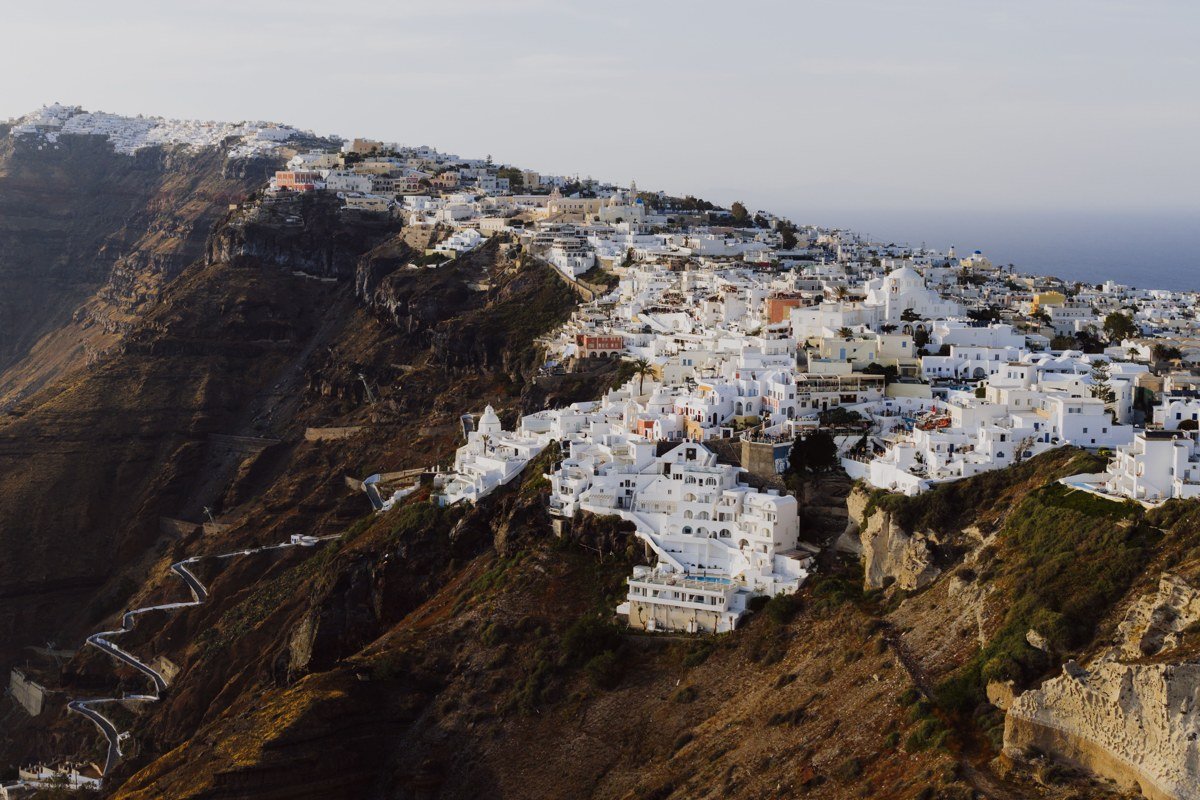
Folegandros sits about halfway between Santorini and Milos and gets a fraction of either island’s traffic, largely because there is no airport and the ferry crossing from Piraeus is long. That inconvenience is exactly the filter that keeps it special. The island’s capital, Chora, is a genuine Cycladic village perched on a cliff edge: narrow car-free alleys, bougainvillea draped over low arches, and a main square lined with family-run tavernas that have been there for generations. The best single thing to do is walk the trail from Chora down to Agali beach before 8 a.m., when the cove is almost entirely yours and the light is still soft and golden. Come in late May or early October. July and August bring a noticeable uptick in visitors who have discovered the island on social media, and availability at the better small hotels disappears fast.
Ferries run from Piraeus direct, or via Santorini and Milos on the western Cyclades route.
2. Ikaria
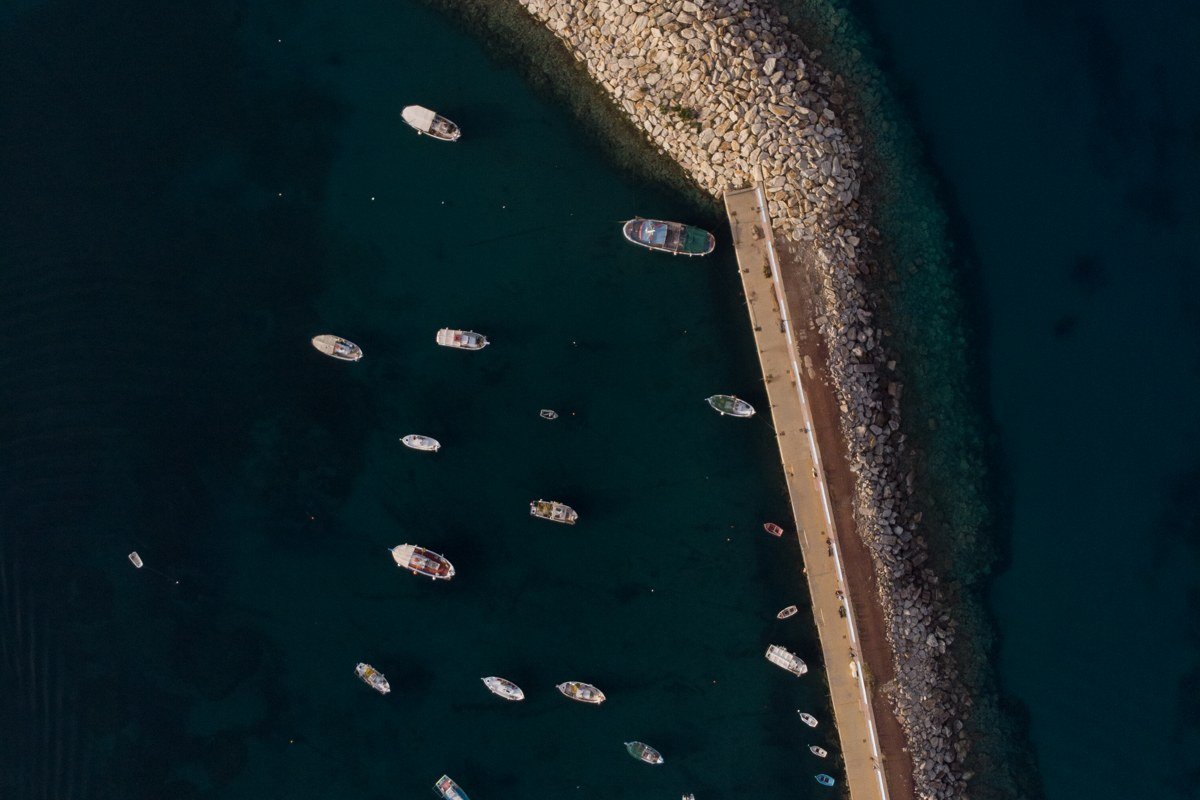
Ikaria is famous among longevity researchers because its population routinely lives past ninety, and the island’s pace of life reflects that: ferries run on their own schedule, shops close for a long afternoon nap, and nobody particularly cares what time it is. Photographically the island rewards patience. The interior is covered in oak and pine forests that look nothing like the bare-rock Cycladic postcard, and the north coast near Nas has a river delta that opens directly onto the sea. The thing not to miss is an Ikarian panigiri, the village feast-dances that happen throughout summer and can run until sunrise. Book accommodation early if you want a room anywhere near Evdilos or Armenistis in July. The island’s loyal repeat visitors often hold reservations from the previous year.
Ferries run from Piraeus on the eastern Aegean route, with connections via Samos and Mykonos depending on the season.
Not for you if: you need reliable schedules, punctual boats, or a holiday that runs to a fixed plan. Ikaria operates on its own logic, and that is non-negotiable.
3. Halki (Chalki)
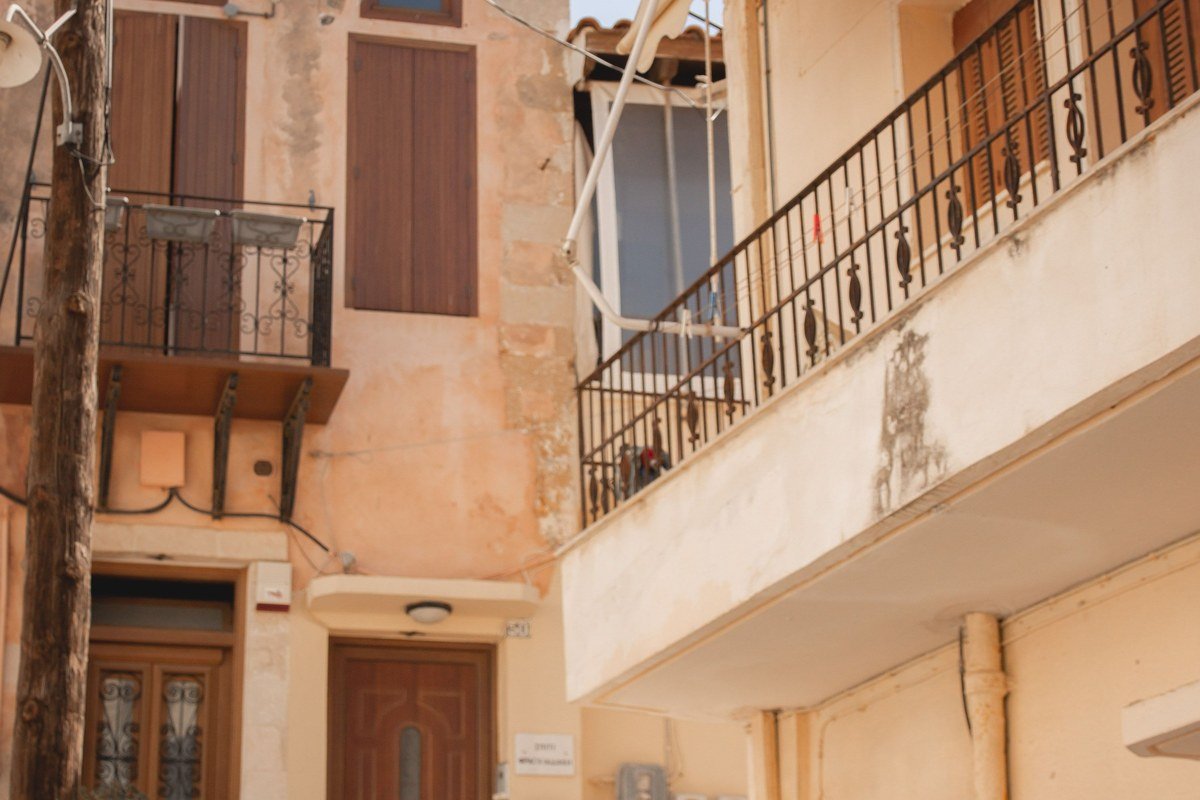
Halki is a tiny island just west of Rhodes, reachable by a short ferry from Kamiros Skala, and it looks like someone preserved a nineteenth-century Dodecanese harbour town in a glass case. The mansions lining the port are painted in faded ochre, rose, and mint. At midday the tall neoclassical facades cast hard, clean shadows across the alley below, turning the peeling plaster into a pattern of warm terracotta light and cool grey shade that shifts as the sun moves. There are no motorized vehicles allowed beyond the port area, which means the only sounds are cicadas and the occasional clinking of glasses. Spend an afternoon walking to the Knights’ Castle above the village for a panorama that takes in Rhodes on the horizon. The island has a very small number of rooms, so it fills up well in advance. Also note that fresh water is limited and has historically been shipped in, which shapes the local mindset around conservation.
Ferries depart from Kamiros Skala on Rhodes, with the crossing taking roughly ninety minutes.
4. Tilos
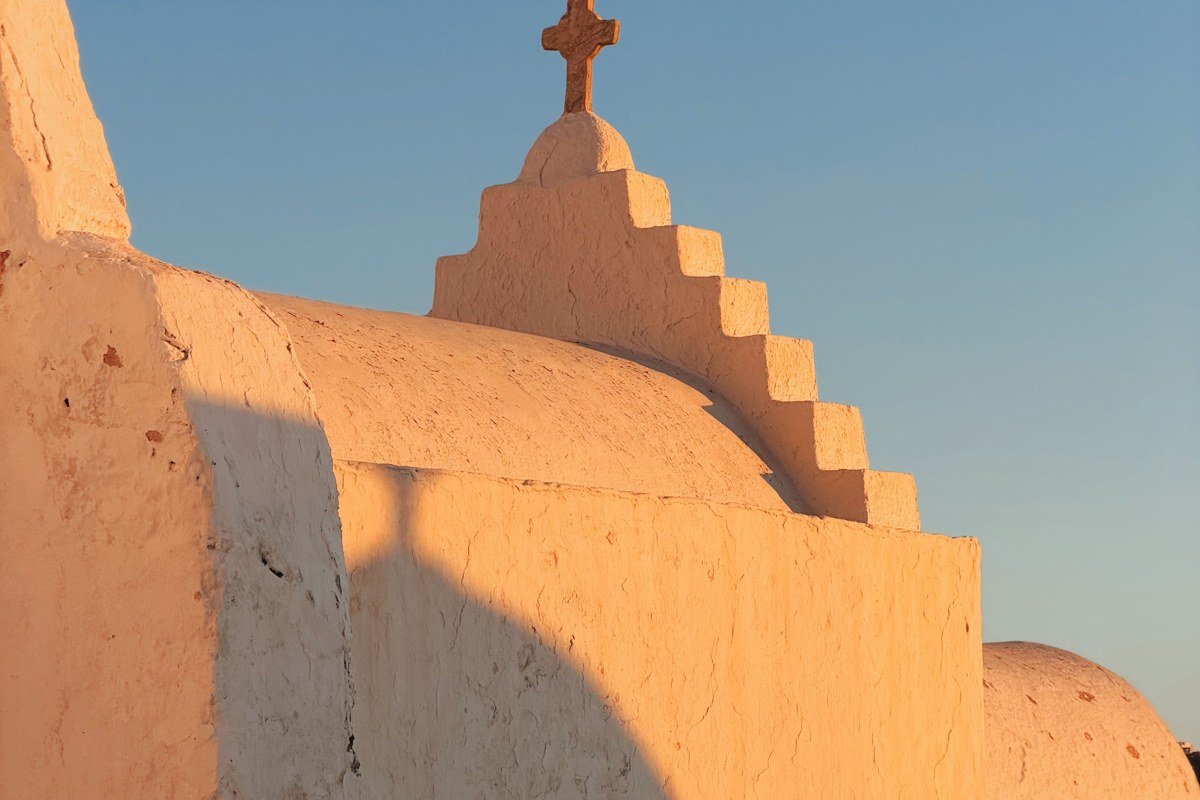
Tilos sits between Nisyros and Rhodes in the Dodecanese and has built a genuine reputation as one of the most ecologically responsible islands in the Mediterranean. In 2018 it became the first island in the Mediterranean to run entirely on wind and solar power as part of a European-funded pilot project, and the conservation mindset that underpins that achievement shapes daily life in practical ways: no industrial fishing, protected wildlife zones, and a visible absence of the plastic-and-neon clutter that blights busier islands. The landscape is greener and more varied than most people expect: terraced hillsides, Byzantine chapels in various states of beautiful decay, and a quiet capital called Megalo Chorio where the evening volta still happens without any tourist performance around it. Birdwatchers know Tilos for its migratory species, but for the purely visual traveler the appeal is the total absence of neon signs, chain hotels, or souvenir shops selling mass-produced ceramics. Visit in April or May when the wildflowers are at their peak and the walking trails from Livadia to the abandoned village of Mikro Chorio are at their most rewarding.
Ferries run from Rhodes, with less frequent connections from Piraeus on the Dodecanese line via Kos.
5. Ithaca (Ithaki)
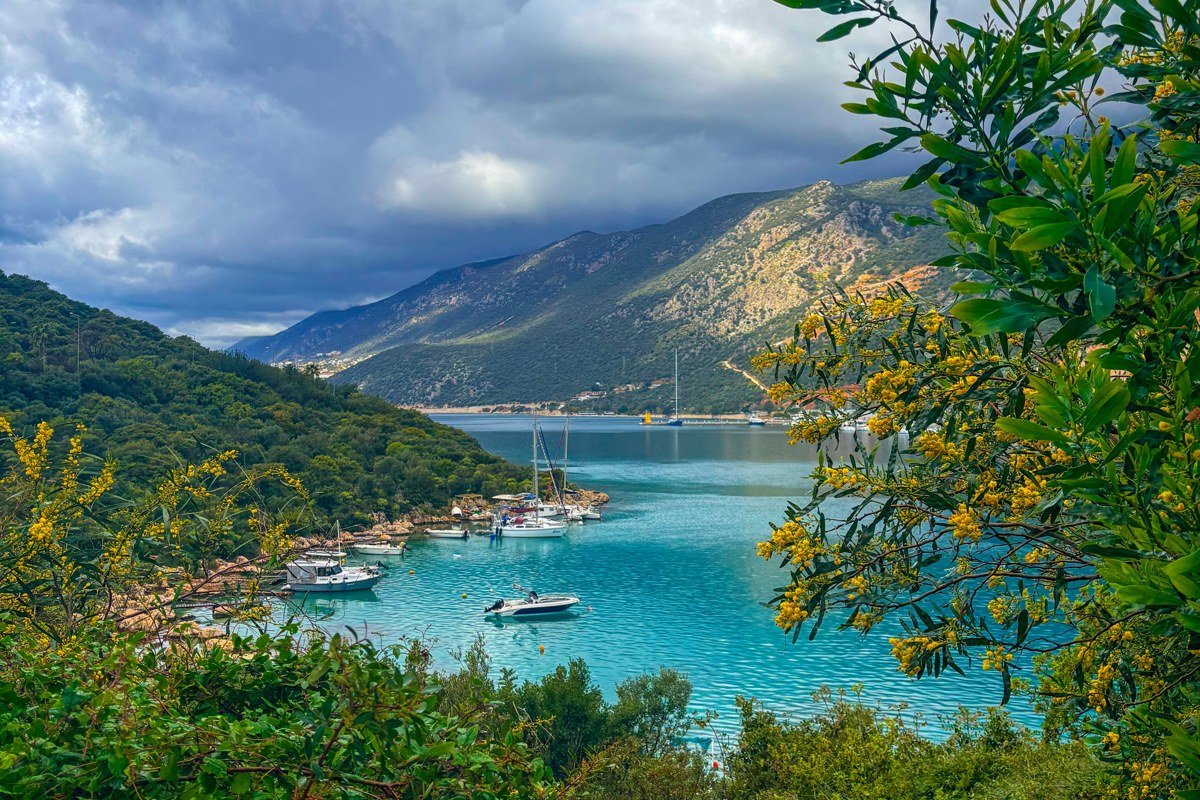
Ithaca is best known as the mythic home of Odysseus, but in practice it draws a quieter crowd of sailing enthusiasts and Greeks who want a proper holiday rather than an Instagram backdrop. The main town, Vathy, wraps around one of the deepest natural harbours in Greece, the surrounding hills dense with cypress and olive. The island has almost no sandy beaches to speak of, which immediately thins the package-holiday crowd. Instead there are pebble coves accessible by boat or footpath, and the water clarity is extraordinary. The best move is to rent a small boat for a day and explore the northern coves around Kioni: the village sits at the end of a long, narrow inlet, its three windmills visible from the water, and the bay geometry means the surrounding hills shade it until mid-morning, keeping the light flat and the surface a deep, even cobalt before the sun climbs high enough to scatter it into turquoise. Ithaca connects easily to Kefalonia by ferry, so combining both islands into one trip makes logistical sense.
Ferries connect to Kefalonia (Sami) in under an hour, and to Patras on the mainland, with seasonal services from other Ionian islands.
6. The Part of Milos Nobody Stays For
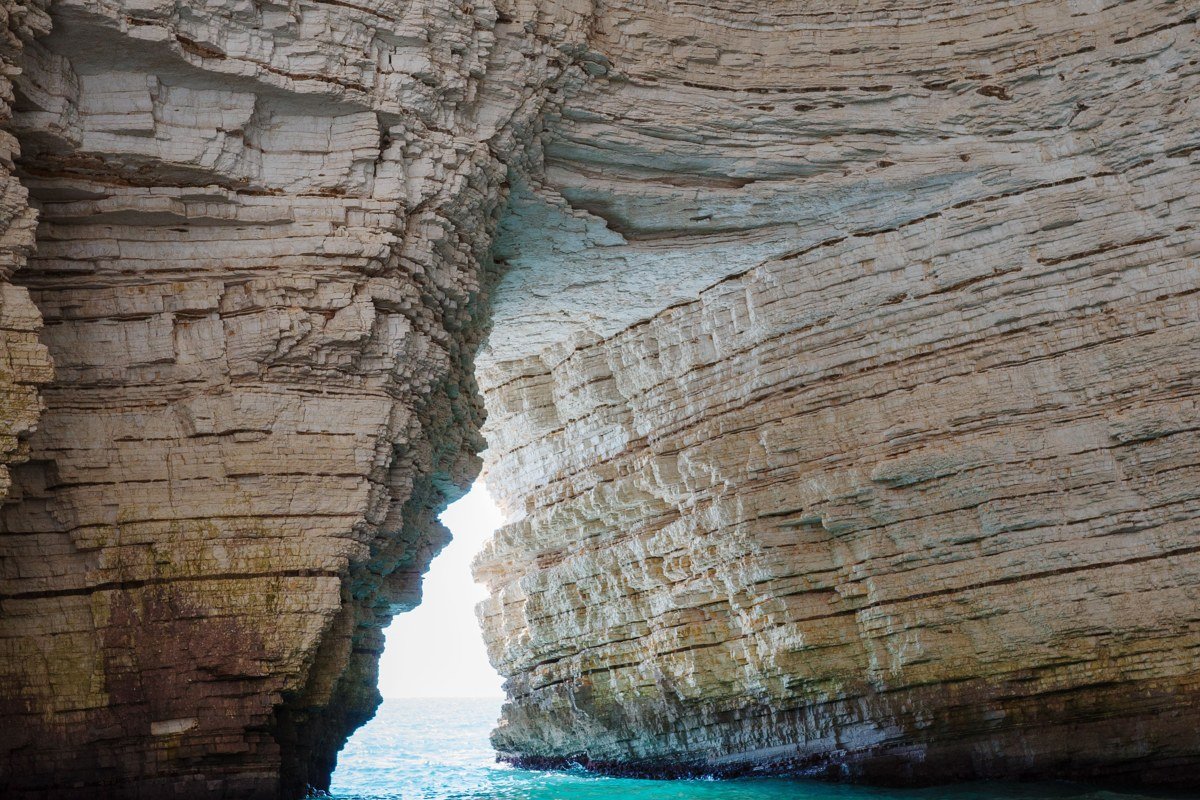
Milos appears on enough Pinterest boards that the overall island no longer qualifies as hidden, but most visitors cluster at Sarakiniko and Firopotamos and never venture further. The genuinely remote experience on Milos is the southern coastline, specifically the sea caves at Kleftiko, which are only accessible by boat and feel remote even in high season. The geology here is striking: lunar white volcanic rock sculpted into arches and caverns, with water that shifts from turquoise to deep emerald depending on the angle of the light. Book a morning boat tour that leaves Adamas before 9 a.m. and you will have the caves largely to yourselves for at least an hour before the midday flotilla arrives. The village of Plaka, sitting above the port, is also worth an evening visit for sunset views that rival Oia without the queuing.
Ferries run from Piraeus direct, roughly seven hours on a slow boat or five on a high-speed service.
7. Kastellorizo (Megisti)
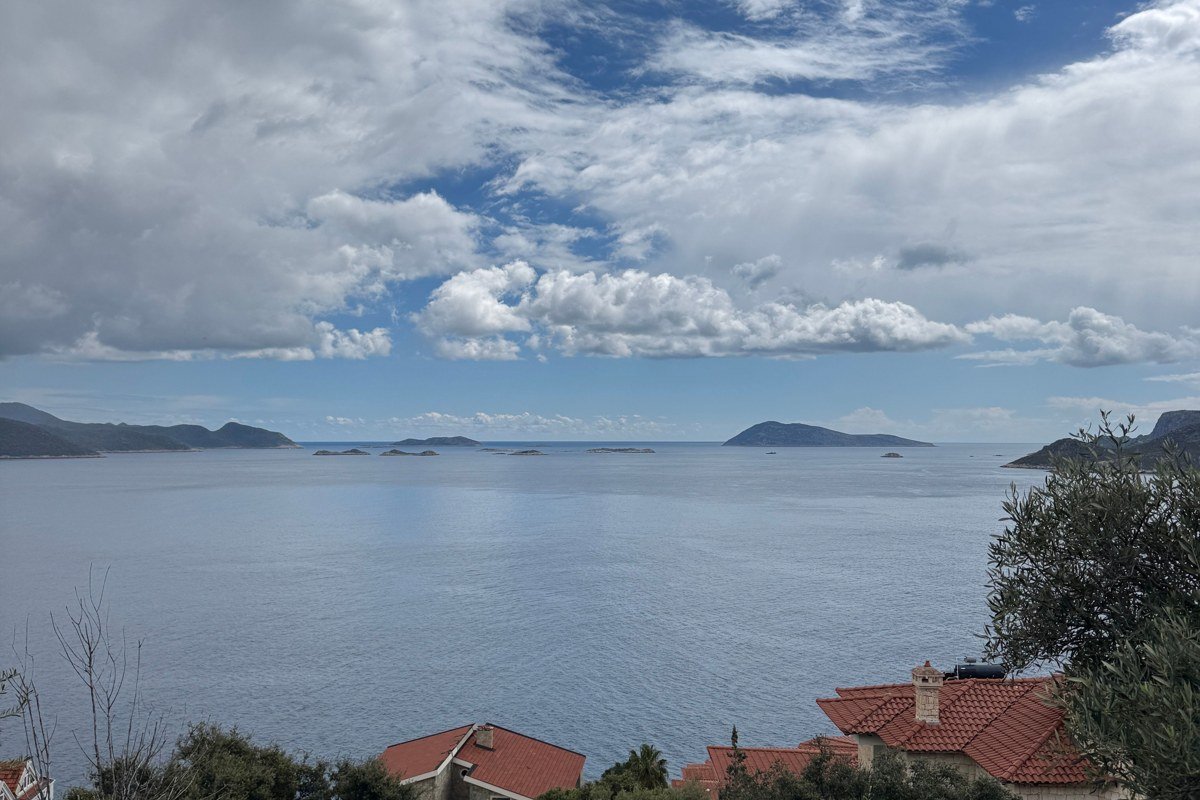
Kastellorizo is the easternmost point of Greece, sitting closer to Turkey than to any other Greek island. Getting there requires either a small plane from Rhodes or a ferry that does not run every day. That logistical friction keeps the number of visitors tiny and the atmosphere unlike anywhere else in the country. The harbour is lined with Ottoman-influenced mansions in shades of rust, turquoise, and cream, many of them painstakingly restored after the island’s difficult twentieth century. The Blue Cave (Galazia Spilia) on the island’s southern coast requires a small boat and ideally a calm sea, but the light refraction inside the cavern is genuinely surreal. Stay at least two nights: the first day you decompress from the journey, and the second you actually see the island.
Ferries from Rhodes operate a few times weekly in season. Check current schedules on Ferryhopper before committing to dates, as the timetable thins considerably outside July and August.
Not for you if: you are working to a tight schedule or need the reassurance of daily transport connections. Missing a ferry here is not a minor inconvenience.
8. Symi
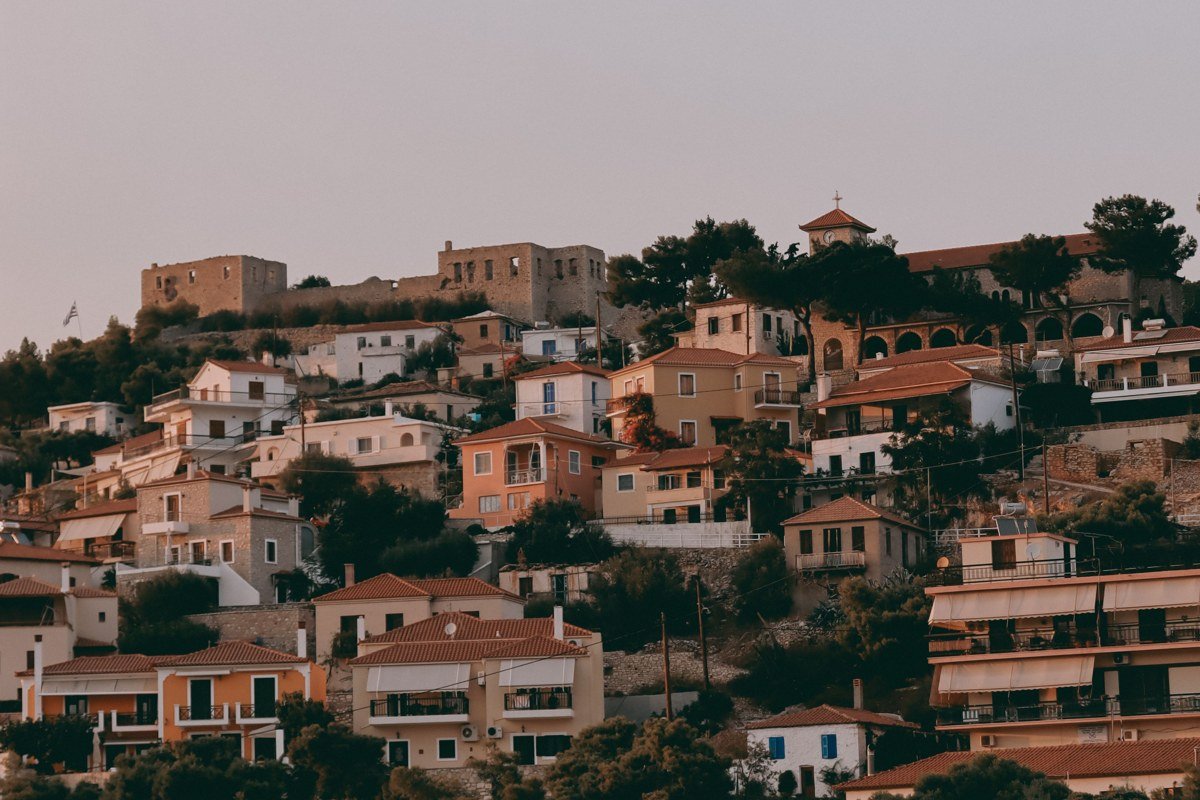
Symi is another Dodecanese island that draws day-trippers from Rhodes, which means most visitors arrive around 11 a.m. and leave by late afternoon. If you actually stay overnight the island transforms. The harbour town of Gialos empties out, the tavernas become genuinely relaxed, and the neoclassical architecture (Symi was wealthy from sponge trading in the nineteenth century) glows in the low evening light. The climb up the Kali Strata, a staircase of almost four hundred steps connecting Gialos to the upper village of Chorio, is obligatory and the views at the top justify every step. Pack comfortable shoes. Several coastal paths lead to beaches like Nanou and Agios Georgios that are inaccessible by road, and visiting in shoulder season means you will not be competing with day-trippers for the best tables at the waterfront.
Ferries and fast catamarans run from Rhodes daily in season, with the crossing taking between fifty minutes and two hours depending on the service.
9. Donoussa
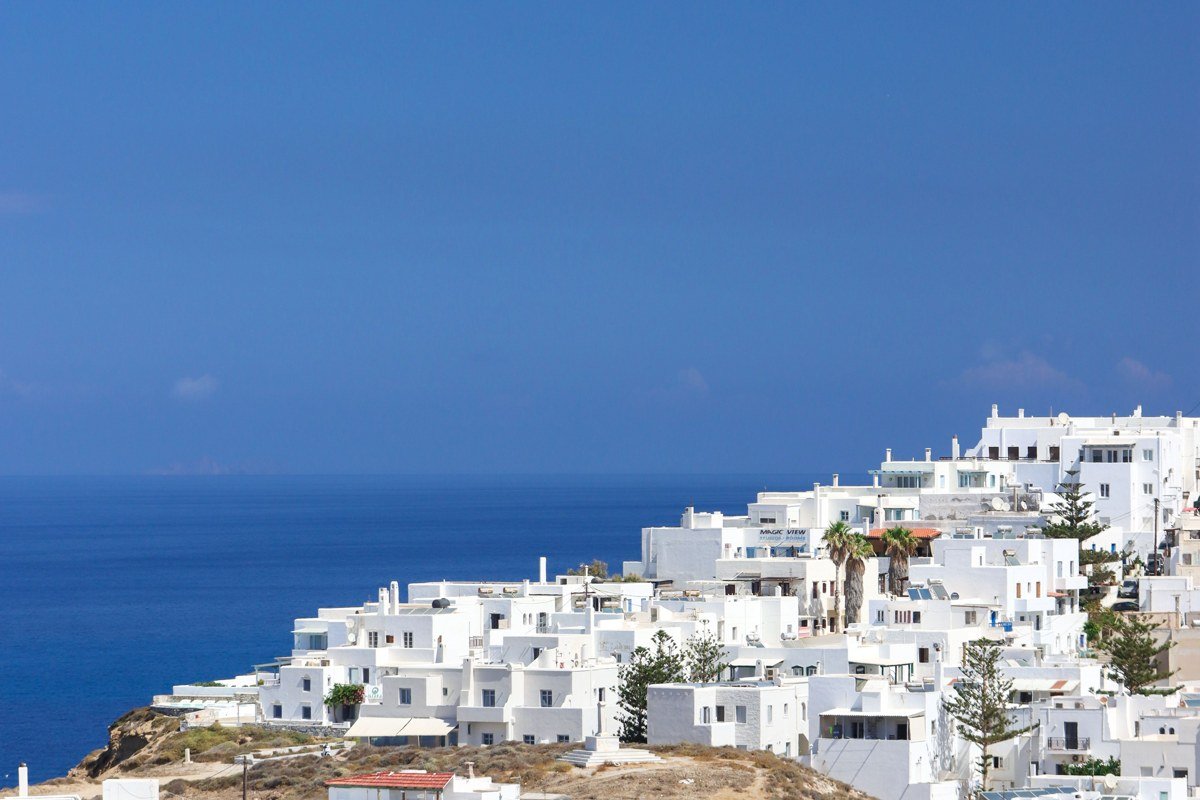
Donoussa is among the least visited of the Small Cyclades, a scattered chain of minor islands east of Naxos. Schoinoussa and Iraklia are comparable in scale, but Donoussa sits furthest from the main ferry corridor and that extra distance shows. The main settlement is a single whitewashed village with a handful of tavernas, a few rooms to rent, and a beach that curves right up to the doorstep of the waterfront buildings. There is no nightlife, no ATM that can be relied upon (bring cash), and the ferry schedule is limited enough that you should plan your exit before you arrive. What Donoussa offers is the kind of complete decompression that most people imagine when they picture a Greek island escape: swimming in water so clear the shadow of your boat is visible at four metres depth, evenings spent eating fresh grilled fish while the fishermen repair nets a few feet away, and a sky dark enough at night to see the Milky Way properly.
Ferries run from Piraeus via Naxos, with the full journey taking the better part of a day on a slow boat. Confirm the schedule on Ferryhopper well before you travel; departures to Donoussa are infrequent outside peak season.
Not for you if: you need connectivity, ATM access, or the option to leave on short notice. Plan for self-sufficiency and the island more than delivers.
A Note for the Visual and Aesthetic Traveler
The islands above are not all equally photogenic in the same way, and knowing which light window to chase makes a significant practical difference.
For the teal-to-cobalt water gradient that performs best in photographs, Ithaca’s northern coves (particularly around Kioni and Frikes) and the sea caves at Kleftiko on Milos are the strongest options. Both require morning access. The gradient is most saturated in the two hours after sunrise, when the sun is low enough to skim the surface rather than penetrate it.
For west-facing sunset villages, Folegandros’s Chora faces directly into the western light and the cliff-edge position means there is no landmass interrupting the horizon. Halki’s harbour also catches the last hour of sun cleanly. Plaka on Milos is the most accessible option if you want a crowd-free sunset with a 360-degree view.
For the whitewashed-wall, deep-shadow aesthetic that defines the Cycladic visual language, late morning on Donoussa and Folegandros gives you the hardest shadows and the most contrast. Aim for 10 a.m. to noon in June and September. In the full heat of August the light turns flat and white around midday and the most useful window shifts to the first and last ninety minutes of the day.
For greener, moodier palettes that read differently from the standard Greek island postcard, Ikaria’s forested interior and Tilos in April are the strongest alternatives. Neither looks like a Pinterest cliche, which is either a drawback or the whole point, depending on what you are after.
How to Actually Plan This
The practical thread connecting most of these islands is the same: they reward planning but punish over-scheduling. Book your first and last night’s accommodation in advance, have a rough ferry route in mind, then allow a day or two of flex for weather, a boat trip that runs late, or a village that turns out to be worth an extra morning.
Ferry connections across these islands vary significantly by season. Many routes only run with useful frequency between late May and mid-September. Ferryhopper is the most reliable tool for checking real-time schedules and confirming whether a crossing is even feasible within your dates.
Budget note: accommodation on the smallest islands (Donoussa, Kastellorizo, Halki) is limited and does not follow the usual dynamic pricing logic. Rates are often set by the room owner directly, cash is sometimes preferred, and the best places book out months ahead in peak season.
For the aesthetic you are chasing, the single most useful timing rule is this: arrive on any of these islands a few days before or after the main August rush (roughly August 5 to 20) and the combination of warm water, long light, and manageable crowds is as good as the best photograph you have ever seen of Greece. The difference is that you are actually in it.