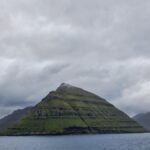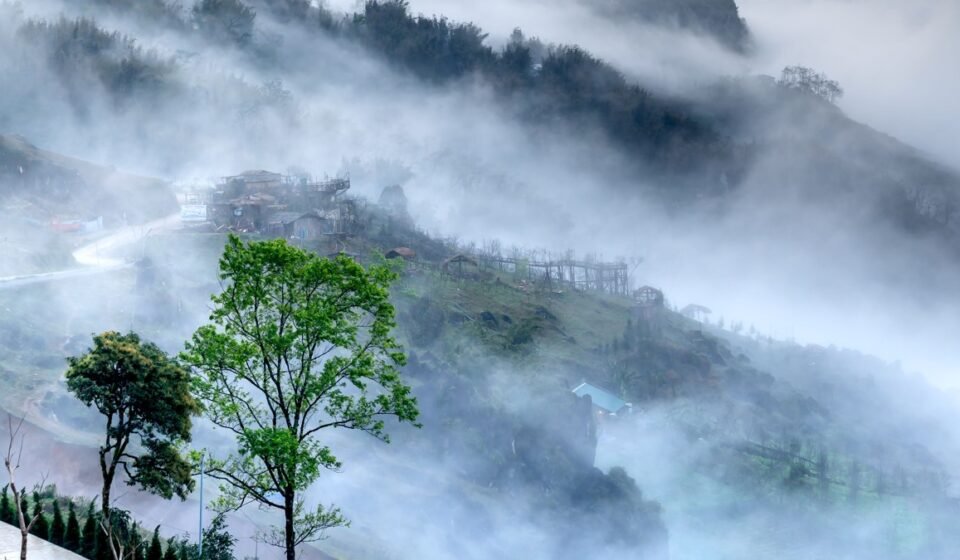

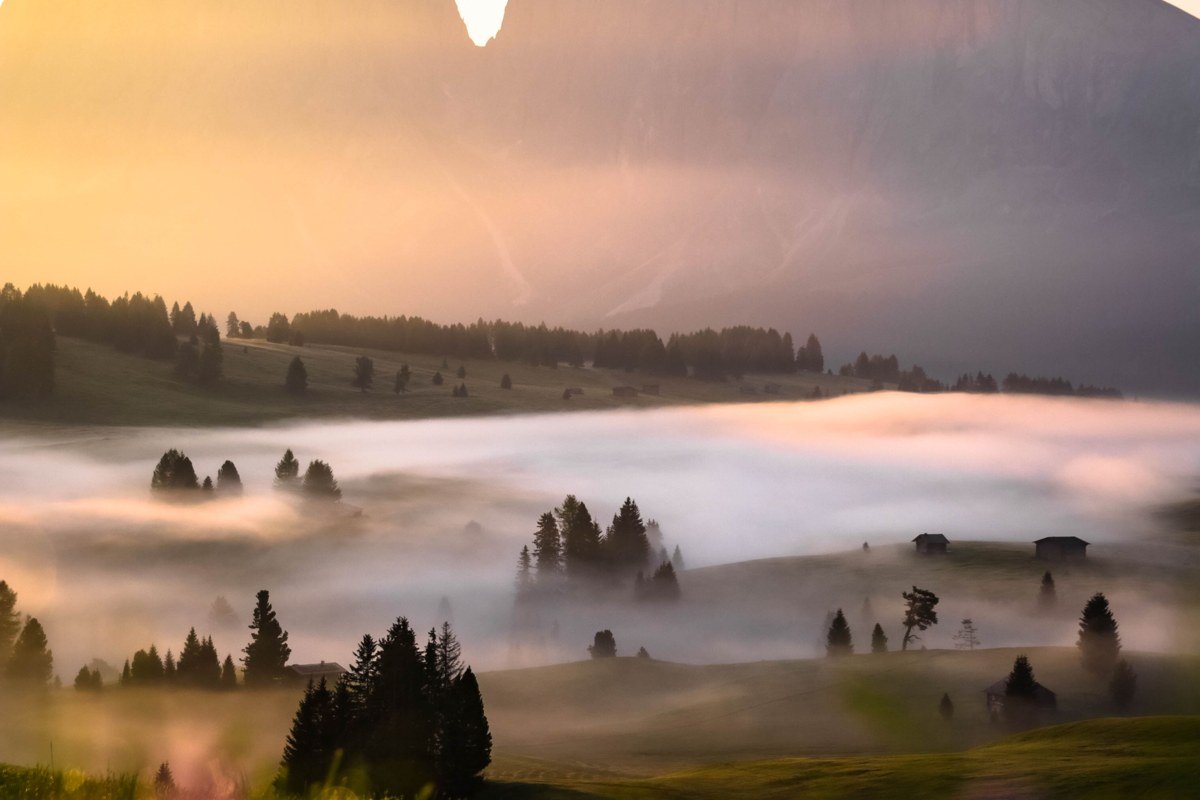
Europe hides a category of place that no travel brochure knows how to sell: landscapes so soaked in fog and filtered light that they look digitally composited. These misty destinations are not about sunshine and crowded plazas. They are about arriving at a ruin before 7 a.m., watching cloud banks roll through a valley at walking speed, and taking one photograph that looks like a single frame of watercolour ink dropped into cold water and held, still expanding, at the moment of capture. The nine places below reward that kind of patience.
1. Faroe Islands, Denmark
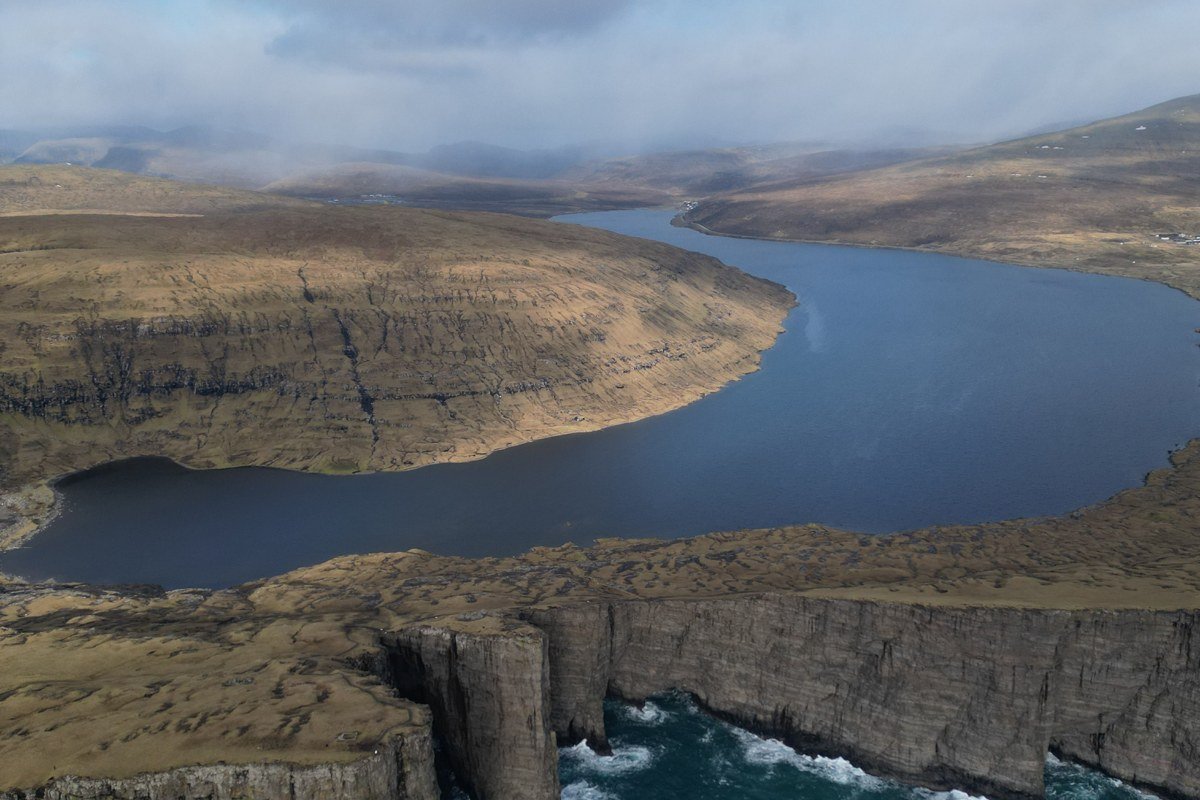
The Faroe Islands sit in the North Atlantic in a permanent atmospheric conversation between cloud and ocean. The light here is almost never direct. On most days it arrives diffused, silvery, and strange, turning the basalt sea stacks and grass-topped cliffs into something that belongs in a painter’s imagination rather than a travel itinerary. The single most photogenic spot is Sørvágsvatn, the lake that appears to hang above the ocean at certain angles and elevations. Getting there requires a guided walk across private farmland, and guides have been mandatory since 2019, so book well ahead.
The nearest accommodation is in Miðvágur, a small village about two kilometres from the trailhead, which has a handful of guesthouses and self-catering options. Booking four to six weeks out is advisable for October, the most atmospheric month, when fog layers are densest and Fjeldsfjord reflections are at their most dramatic. Accept that your flights may be delayed. That unpredictability is part of the deal. The realistic weather window for clear enough conditions to make the walk worthwhile runs from late August through early November, with October offering the best balance of fog, daylight, and manageable wind.
2. Glendalough, County Wicklow, Ireland
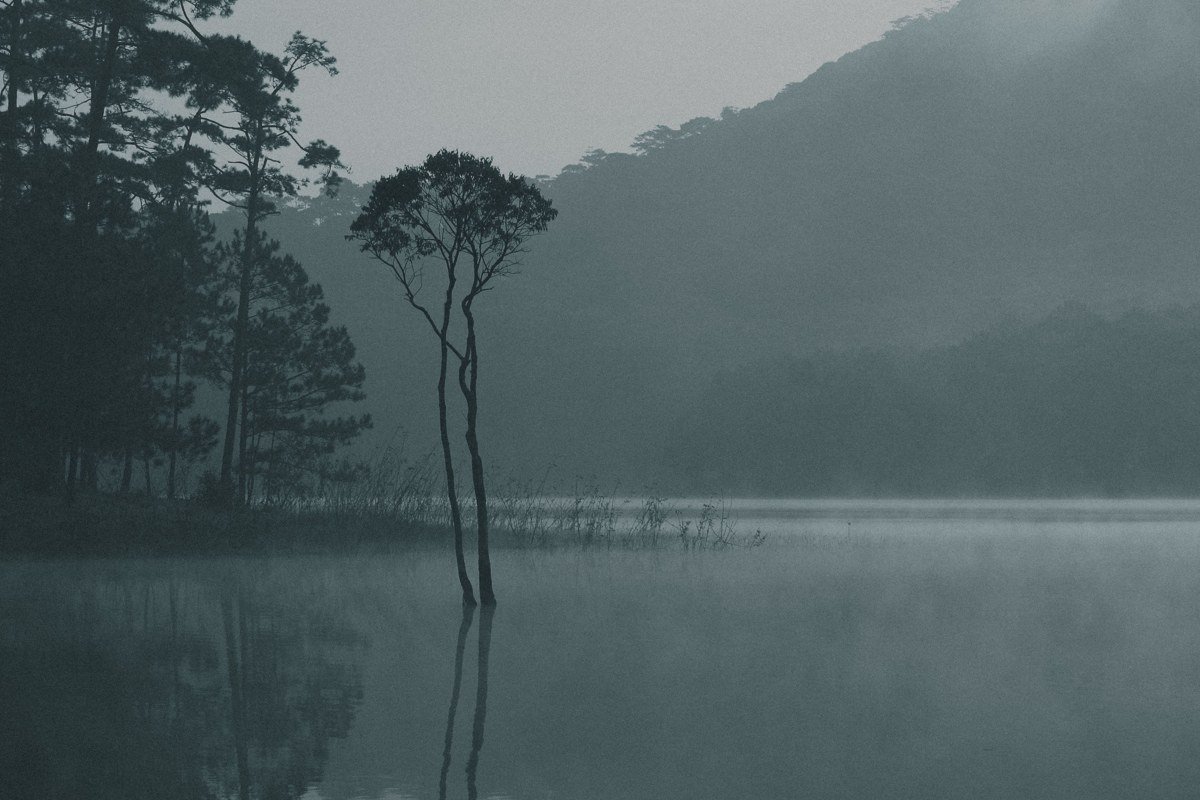
Glendalough is a sixth-century monastic settlement in a glacial valley an hour south of Dublin, and on a fog-heavy morning it is genuinely one of the most atmospheric places in Western Europe. The round tower rises above the graveyard in almost complete silence before the day-trippers arrive, and the upper lake beyond the ruins reflects the surrounding oaks and wet stone. The trade-off is that this place is very well known. To see it the way it deserves to be seen, aim to arrive before 8 a.m., ideally mid-week in November or February.
The Spinc ridge walk above the upper lake gives an elevated view over the entire valley wrapped in low cloud. Wear waterproof boots without question. The ground stays boggy well into May.
3. Plitvice Lakes, Croatia (in Winter)
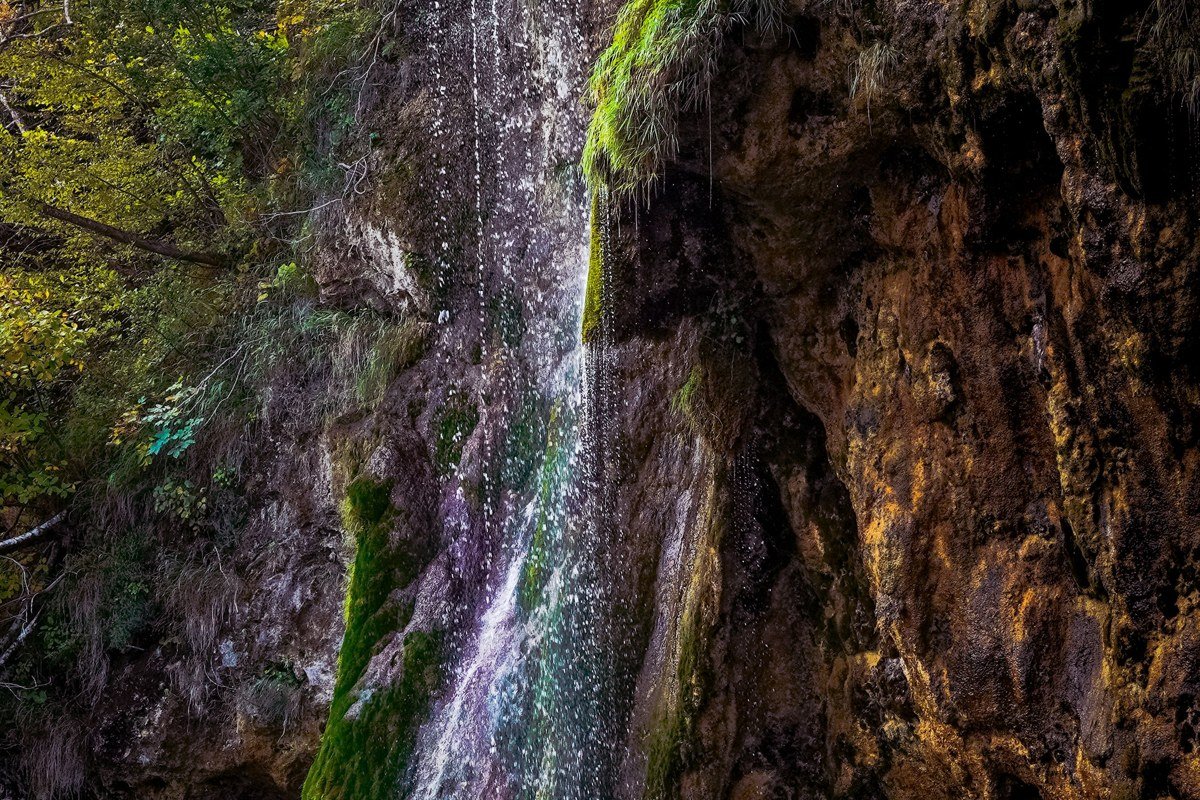
Most people see Plitvice in high summer, shuffling along boardwalks in a crowd. Visit in January or February and you enter something completely different. The travertine waterfalls are partially frozen, the wooden walkways are empty, and a cold mist rises off the turquoise water at first light in a way that makes the whole system of sixteen terraced lakes feel suspended between states. The colour of the water, caused by mineral and algal content, stays vivid even under flat winter light, giving you that strange combination of icy greys above and tropical-adjacent blues below.
Photography here rewards patience: wait at Veliki Slap, the tallest waterfall in Croatia, for the fog to move through the surrounding beech forest. A circular polariser is more useful here than an ND filter. Fog scatters light evenly and removes most contrast, making ND filters largely redundant, but a polariser cuts the glare off wet rock surfaces and the sheen on still water in a way that restores depth to an otherwise flat scene. The park stays open year-round and entrance fees are significantly reduced in the off-season.
4. Hallstatt, Austria (Before the Crowds)
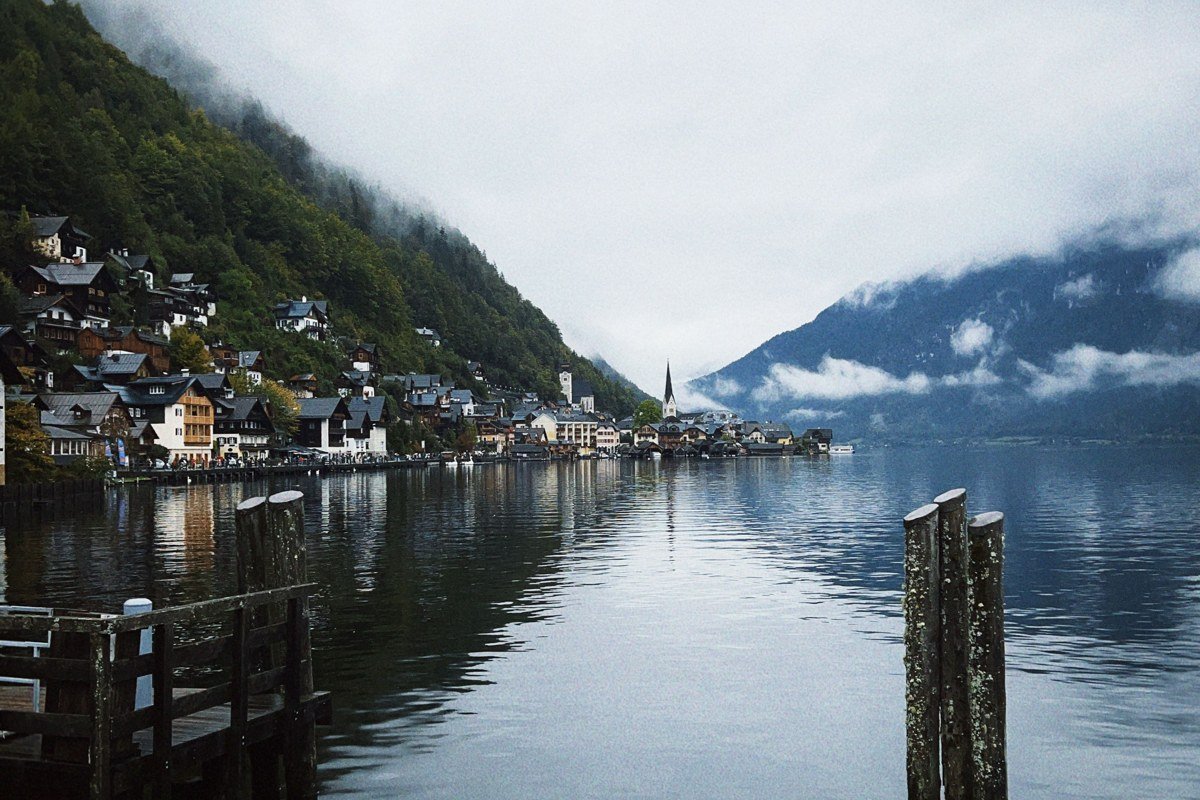
Hallstatt has become a victim of its own photogenic perfection, particularly after its image circulated endlessly on social media and inspired a replica village in China. But the fundamental truth is that this Alpine lake village in the Salzkammergut region is genuinely extraordinary, and at 6 a.m. on a September or October morning, you will often have the lakefront entirely to yourself. The fog that settles overnight frequently stays until mid-morning, turning the pastel-fronted houses and their mirror image in the Hallstätter See into something that justifies every claim made about it.
Take the funicular up to the Skywalk and look down over the lake as the cloud breaks from above. Avoid weekends in July and August unless you enjoy photographing other photographers.
5. Dettifoss and the Jokulsargljufur Canyon, Iceland
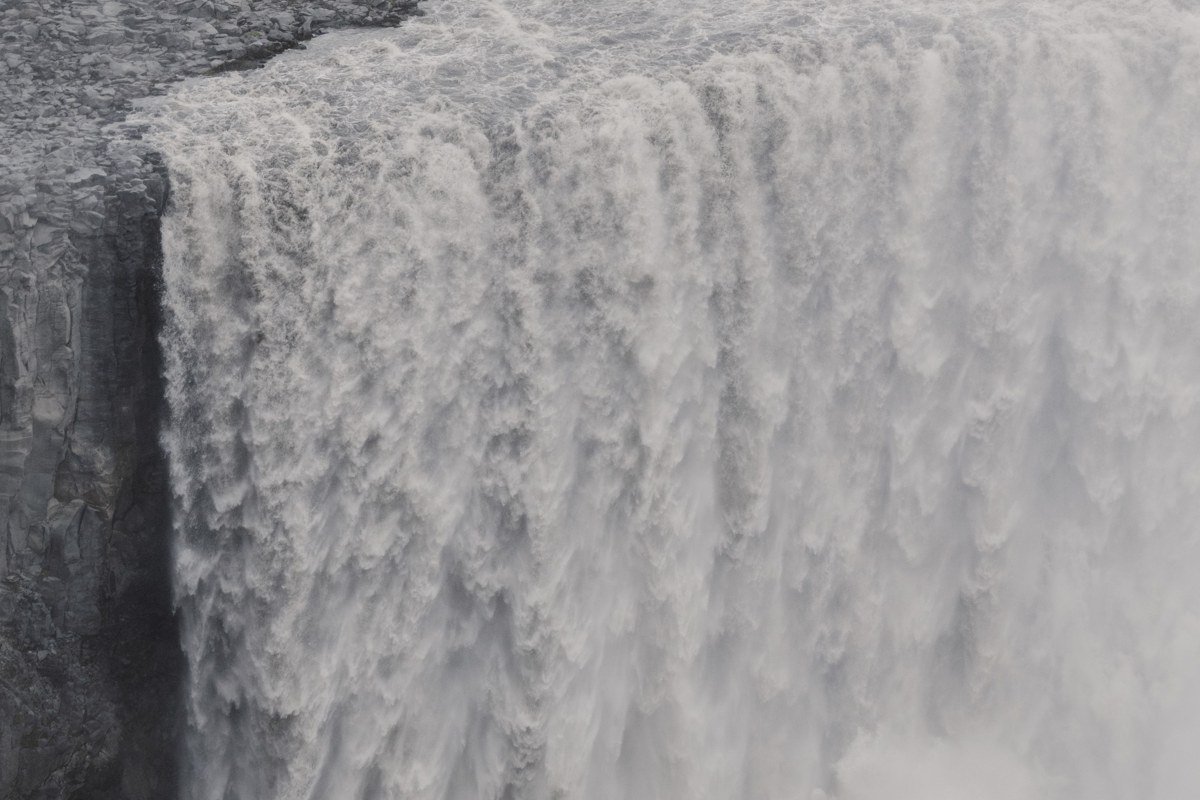
The northeast of Iceland is a different proposition from the south coast, quieter and rawer, and Dettifoss is the reason to go there. This is Europe’s most powerful waterfall by volume, and the mist it generates is not gentle or photogenic in a soft-focus sense. It is aggressive, soaking, and industrial in scale. The canyon walls downstream, part of Jokulsargljufur canyon, are volcanic columns and ancient basalt that look lifted from concept art for a post-apocalyptic film.
The road to the eastern viewpoint (Road 864) offers a closer, more dramatic perspective than the western side and is unpaved, so a 4WD is required. Come in late August or September for the longest usable daylight without the summer peak crowds.
6. Transylvania, Romania (the Actual Landscape, Not the Castles)
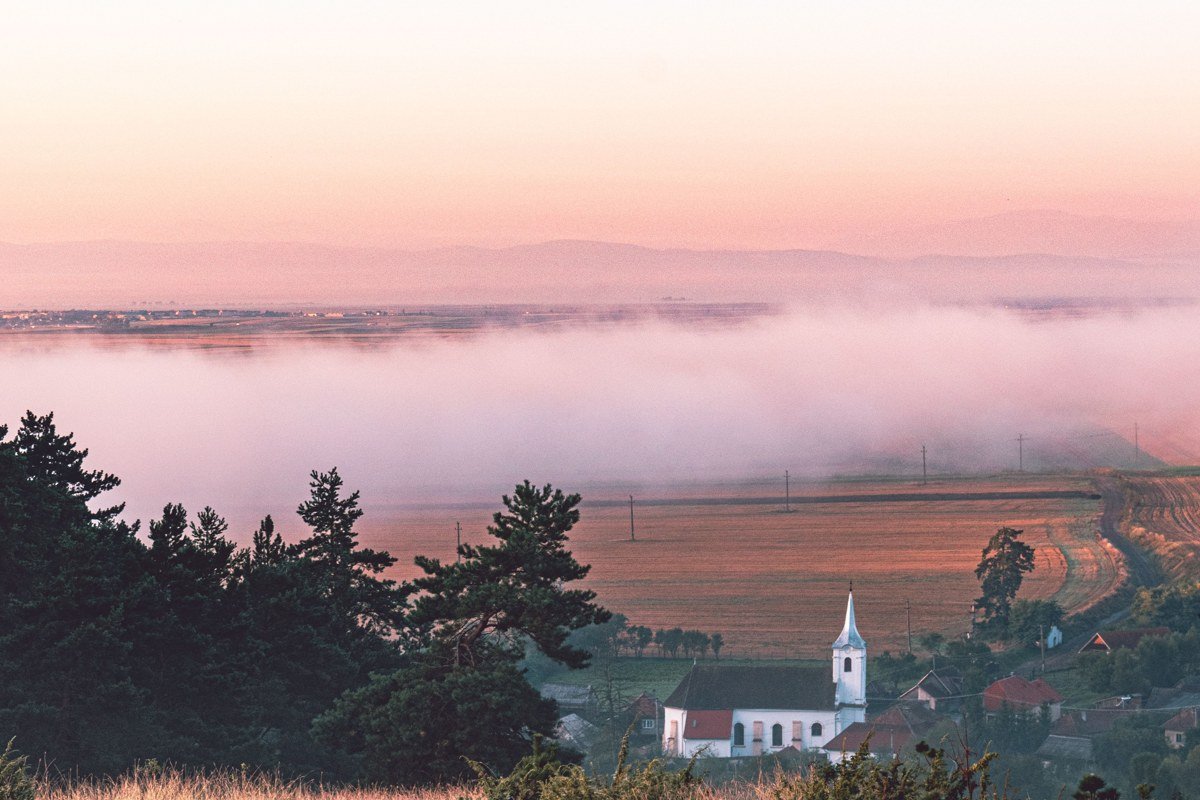
Most people who go to Transylvania are hunting Dracula’s castle, which is worth seeing once and then leaving. The thing that makes this region one of the most quietly beautiful misty destinations in all of Europe is the countryside itself: medieval Saxon villages surrounded by ancient hay meadows and rolling forested ridgelines that vanish into fog. The area around Viscri and Biertan, both UNESCO-listed fortified church villages, is best explored at dawn when the valleys between hills fill with white ground mist and horse-drawn carts are still more common than cars.
A farmer in Viscri once told a travel writer that the village had changed less in the past hundred years than the road leading to it. That rings true. Stay in a guesthouse in Viscri rather than a hotel in Brasov. The absence of tourist infrastructure is the whole point. This landscape has barely changed since the nineteenth century in places.
7. The Dolomites, Italy (at the Passes, Not the Resorts)
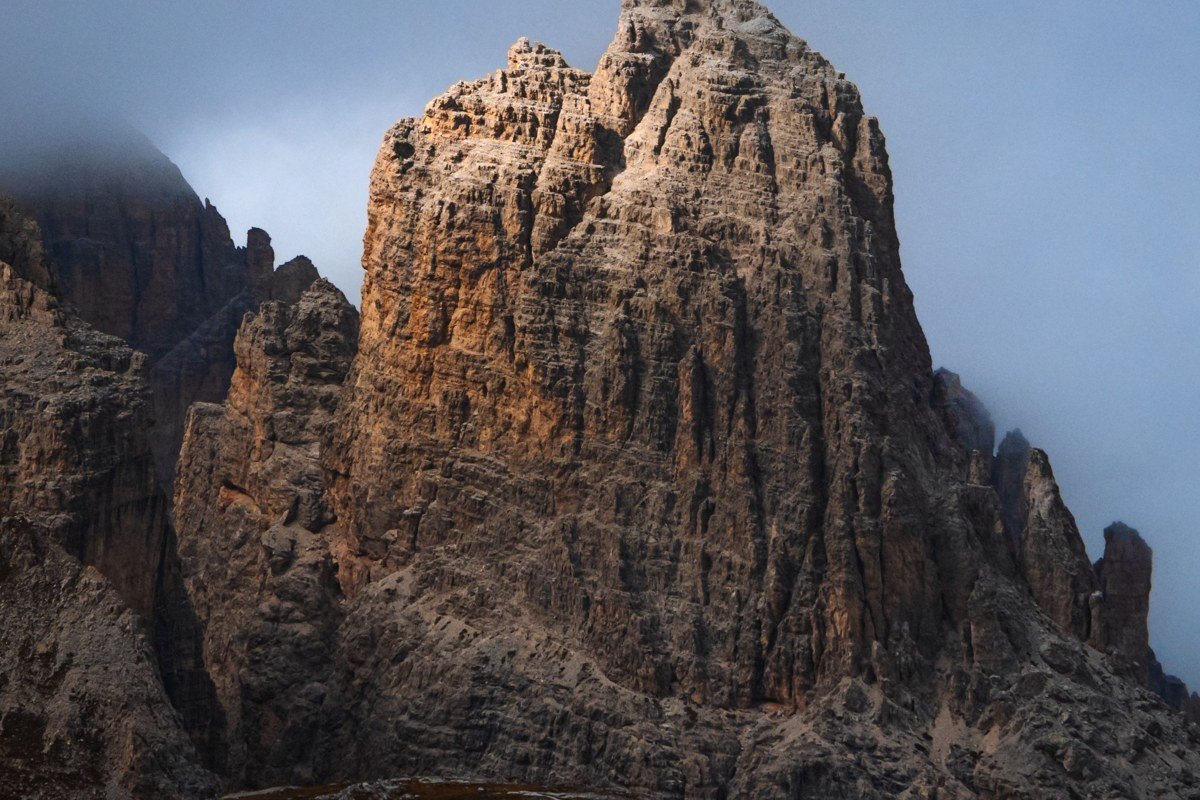
The Dolomites get photographed constantly from the resort towns, but the images that look genuinely painterly come from the high mountain passes. Passo Giau, in particular, sits at over 2,200 metres and in September catches cloud inversion almost daily, with fog filling the valley below while the jagged pale limestone towers rise above it in sharp relief. This is a completely different visual register from the summer postcard.
The autumn larch trees around this time turn a deep amber, adding warm contrast against the white rock and grey cloud. Drive up before sunrise and wait. There is almost no infrastructure at the pass itself, which keeps it empty. The road closes in winter, so the window is roughly September through early November.
8. The Aran Islands, Ireland
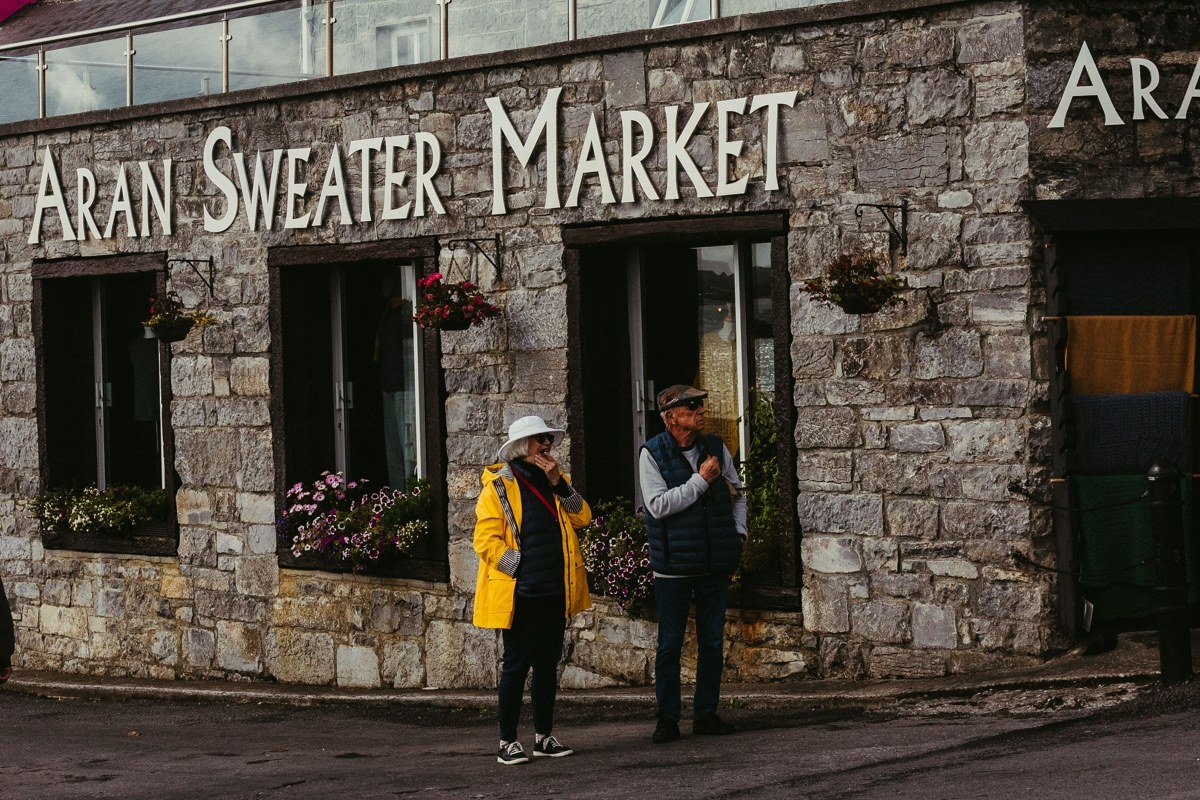
Inis Mor, the largest of the Aran Islands off the west coast of Ireland, holds a Bronze Age fort called Dun Aonghasa that sits at the edge of a ninety-metre sheer cliff over the Atlantic. On overcast days, which is most days, the ocean below disappears entirely into mist and the sound of unseen waves comes up through the fog. The visual effect is unlike anything elsewhere: ancient dry-stone walls stretching across a grey limestone plateau, the sky and sea indistinguishable at the horizon, and almost no other visitors willing to make the ferry crossing in shoulder season.
Take the small ferry from Rossaveal rather than the tourist boat from Galway for a less orchestrated arrival. October and March are the best months for atmosphere. You will need to rent a bicycle at the dock. Dun Aonghasa is approximately eight kilometres from the ferry pier at Kilronan by the main road, a manageable forty-minute cycle on mostly flat terrain.
9. Conwy, North Wales
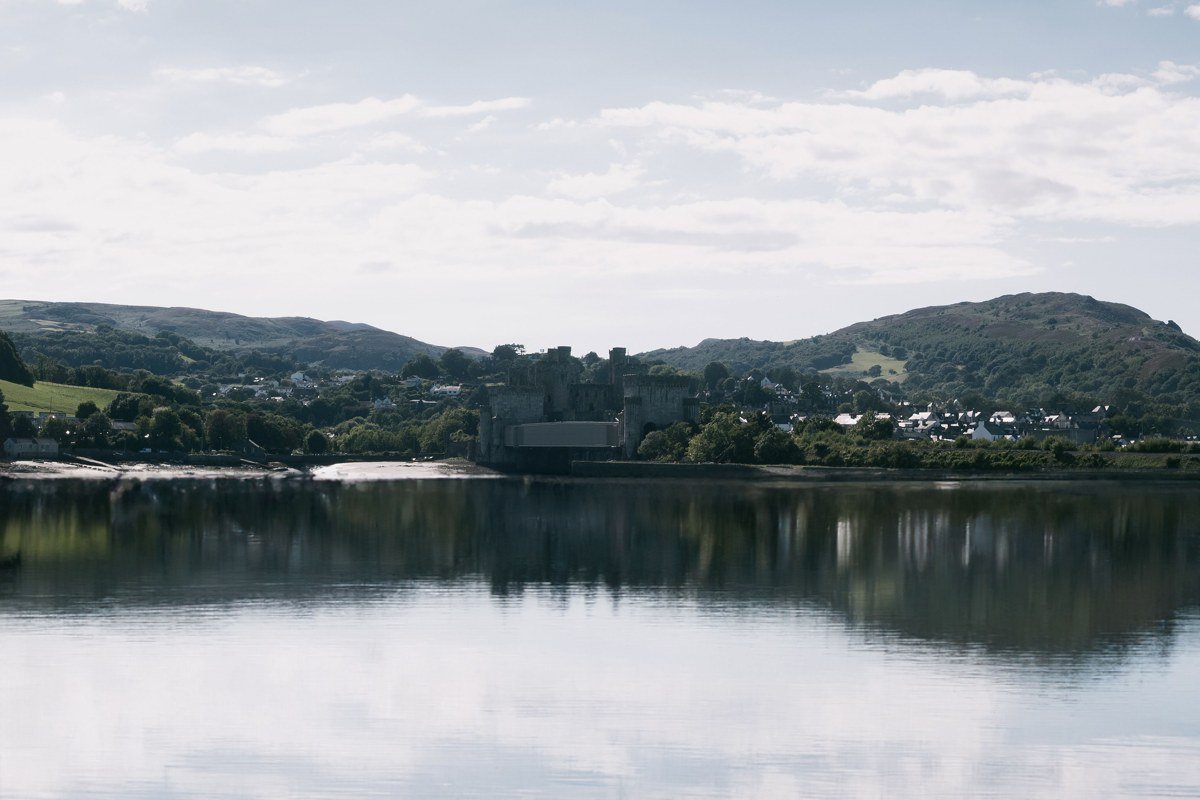
Conwy is a medieval walled town in North Wales with a complete thirteenth-century castle built by Edward I and a harbour that fills with morning mist off the estuary in conditions that make it look like a Turner painting mid-execution. The town walls are almost entirely intact, over a kilometre of them. The main battlements access point is the Upper Gate on Rosemary Lane, which opens from 9:30 a.m. in summer and 10 a.m. in winter under Cadw management. The castle interior opens at the same time, which means it is not realistically accessible for pre-crowd golden-hour photography. Serious photographers should plan for the exterior: the quayside directly below the castle’s water tower gives the cleanest estuary reflection in calm conditions, and the Mill Gate stretch of wall offers an elevated view across the rooftops toward the river before the town wakes up.
Snowdonia is a thirty-minute drive away, offering a further layer of misty highland terrain. Stay in the town itself rather than commuting in.
How to Plan Around Misty Conditions
The common thread across all of these misty destinations is timing. Fog, inversion, and low cloud are not guaranteed, but they are dramatically more likely in specific windows: within two hours of sunrise, during the transitional seasons of October and March, and at elevation rather than sea level. Checking a local weather service rather than a generic travel app makes a material difference. In Ireland and Wales, Met Eireann and the UK Met Office provide valley-specific and coastal fog forecasts.
Pack a compact telephoto lens or a phone with optical zoom. Fog compresses foreground and background, which flattens wide-angle shots. A medium telephoto or portrait lens draws out the layering effect you are actually looking for. For gear in fog specifically: leave the ND filters in the bag, since flat diffused light makes them redundant, and bring a circular polariser instead. It cuts glare off wet stone, standing water, and any reflective surface that fog-soaked landscapes produce in quantity.
Several of these places are most photogenic precisely because they are not well-served by tourist infrastructure. Arrange transport in advance, carry cash in the Aran Islands and rural Romania, and do not rely on food availability in the early morning when you need to be at the location.
Schedule flexibility into your itinerary. You cannot book a specific day to see fog. Add at least one extra morning at any of these locations, because the second morning is usually the one that delivers.