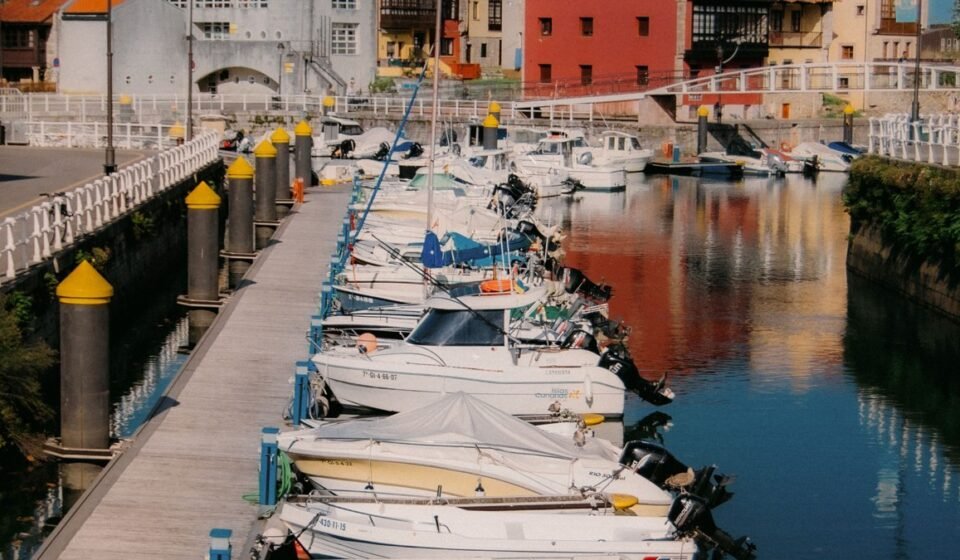

The East Coast has no shortage of coastline, but the towns that photograph beautifully and feel genuinely alive are rarer than the Instagram feeds suggest. These eight scenic coastal towns are all drivable from major metros, visually distinct, and still operating below peak saturation for most of the summer.
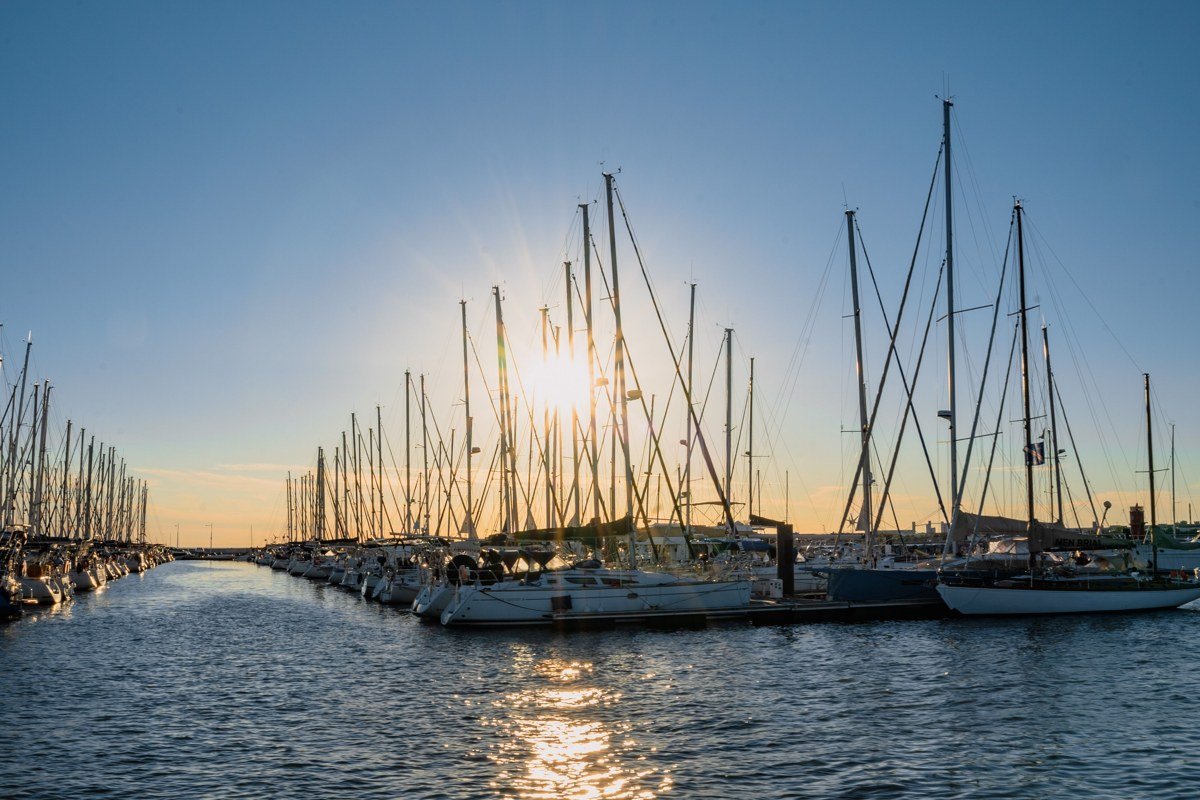
1. Stonington, Maine
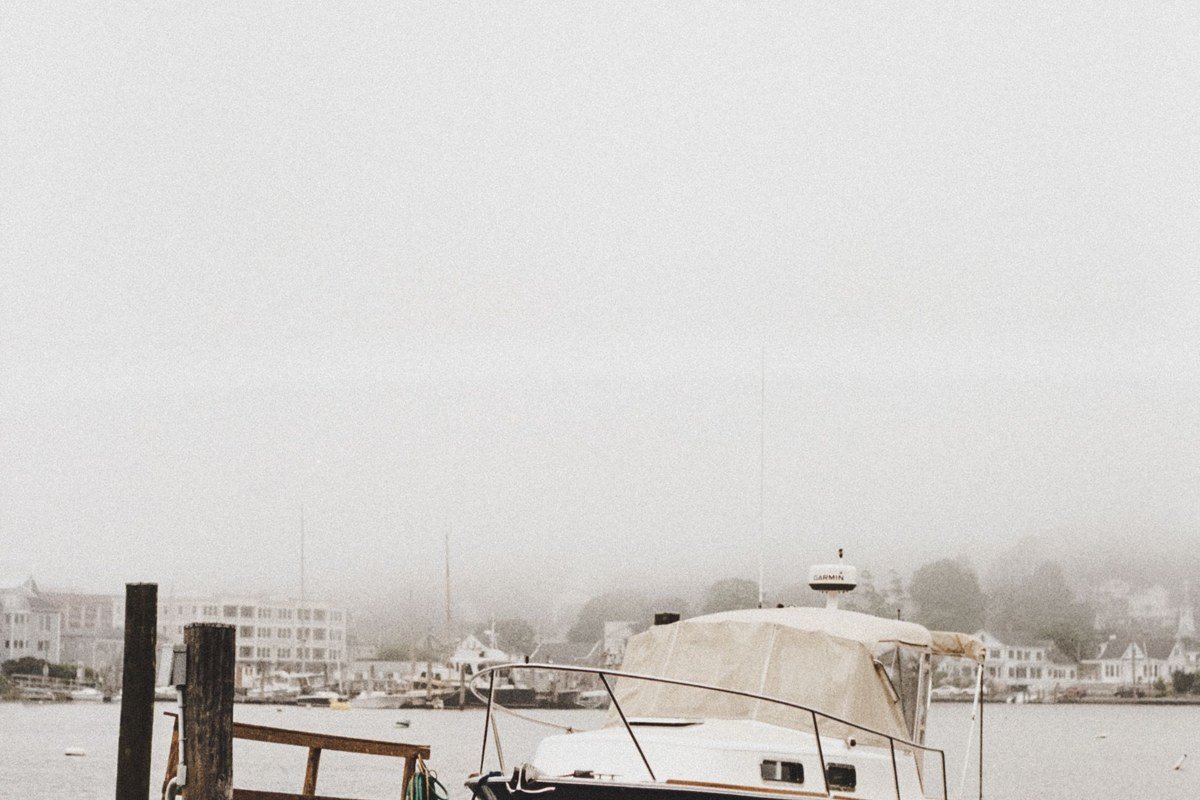
Stonington sits at the southern tip of Deer Isle and looks almost exactly like what people imagine when they picture Maine, except it has not been polished for tourism. The harbor is a working one, full of lobster boats and weathered wooden traps stacked in actual piles, not decorative ones. The light here in late afternoon, filtered through sea fog and bouncing off the water between the islands, is genuinely unlike anything further south on the coast. Take the passenger ferry to Isle au Haut for a day hike inside Acadia National Park’s quieter, trail-sparse sector. Arrive on a Tuesday or Wednesday in July rather than the weekend and you will have the Reach, the narrow strait facing the harbor, almost entirely to yourself.
For lodging, the Inn on the Harbor sits directly above the working waterfront and books up fast in July. Reserve two to three months out for a weekday stay, earlier for weekends.
Skip it if you need a full-service resort experience. Stonington is small, the dining options are limited, and that is precisely the point.
2. Beaufort, North Carolina

Beaufort (pronounced BO-fort, not BYOO-fort, which is the South Carolina one) is a small port town on the Crystal Coast with a walkable waterfront and a row of eighteenth and nineteenth century homes facing Taylor’s Creek. Across that narrow stretch of water, on Carrot Island, wild horses graze freely along the shoreline. No other town on the East Coast offers that visual pairing: colonial streetscape on one side, feral horses on the other, separated by maybe two hundred yards of tidal creek. The town is unhurried, genuinely local-feeling, and the food scene punches well above its size, particularly for fresh shellfish. Rent a kayak from the waterfront and paddle out toward the horses around sunrise when the light is flat and gold and the creek is glassy. Late May is ideal before the heat becomes oppressive and before the seasonal crowds find their footing.
The Pecan Tree Inn on Craven Street is a Victorian B&B within walking distance of the waterfront and the kayak rentals, which makes it a practical base rather than just a scenic one.
3. Greenport, New York
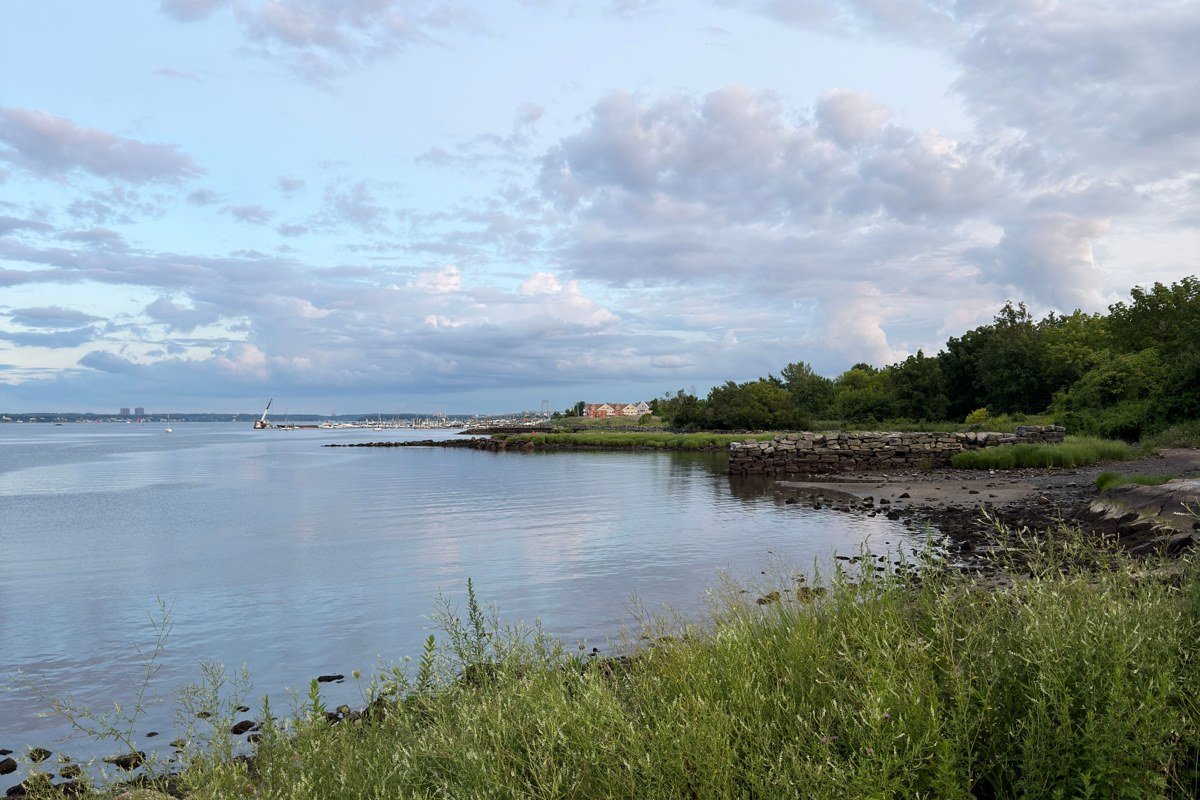
Greenport is on the North Fork of Long Island, about two hours from Manhattan, and it has spent the last decade building an identity distinct from the Hamptons scene to the south. The village has a working maritime history, a restored antique carousel on the waterfront, and proximity to the North Fork wine trail, which runs through flat, vineyard-covered land that photographs closer to Burgundy than to Long Island. The main street, Front Street, has an actual bookshop, a cidery, and an oyster bar with a back patio over the water.
Come in September when the summer crowd thins and the light turns amber earlier in the afternoon. The North Fork Table and Inn makes a useful anchor at the higher end, but simpler rooms closer to the village center book quickly in shoulder season. For a half-day addition, the South Ferry to Shelter Island runs roughly every ten minutes during summer and tapers to every thirty in late September, so check the schedule before you plan around it. Paumanok Vineyards, about fifteen minutes west of the village on Main Road, is worth the detour for its dry Cabernet Franc, which is among the more serious bottles produced on Long Island.
4. Cape Charles, Virginia
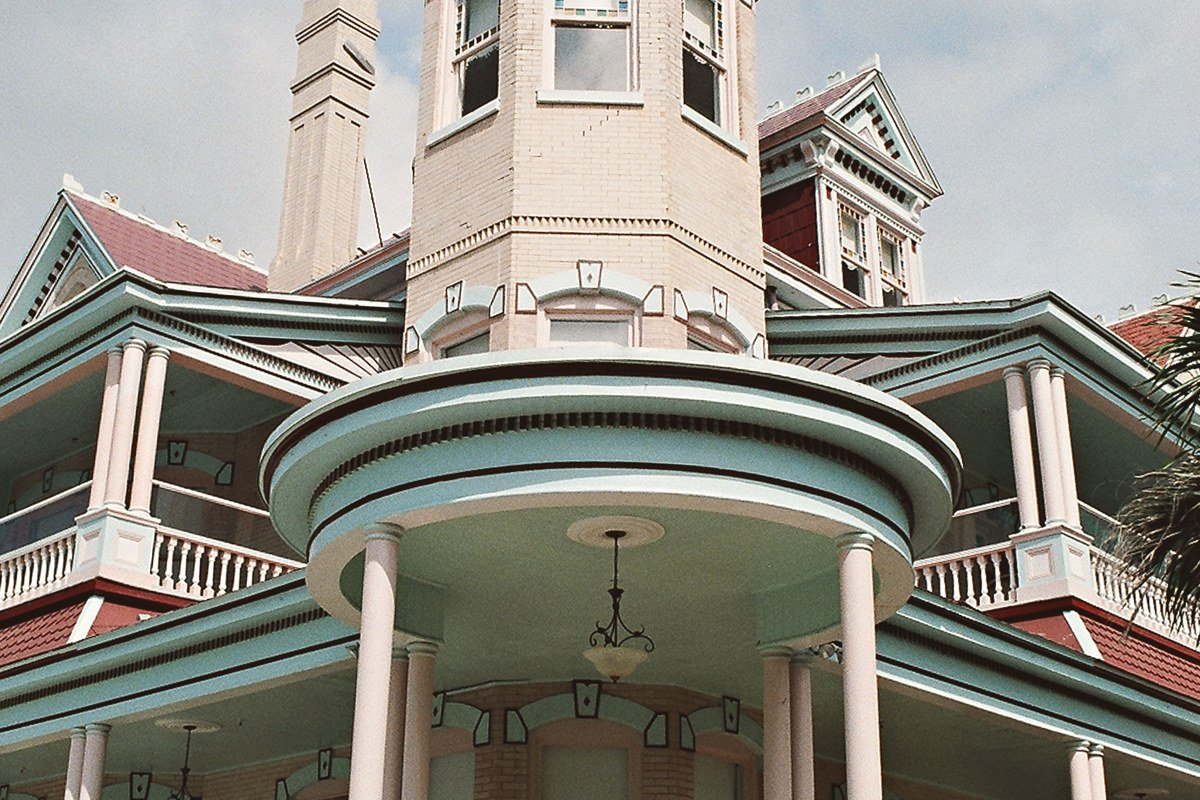
Cape Charles sits on the southern tip of Virginia’s Eastern Shore, separated from Virginia Beach by the Chesapeake Bay Bridge-Tunnel and just different enough to feel like a different state of mind entirely. The town has a compact historic district with intact Victorian-era homes in faded pinks and blues, a wide main street, and a bayside beach where the sunsets face west over open water. West-facing sunsets are unusual on the East Coast, and here the color spreads across the full width of the Chesapeake with nothing to interrupt it. Because this is the bay side, the water runs calmer and warmer than the Atlantic-facing beaches nearby, and the town has attracted a wave of independent restaurants and boutiques without losing the quiet.
Drive down on a Thursday, check into one of the restored B&Bs on Mason Avenue (the one with the wraparound porch on the corner is the most photographed, and for good reason), and spend the evening on the beach with a bottle of Virginia wine. The bridge-tunnel crossing itself is worth the drive.
5. Rockport, Massachusetts
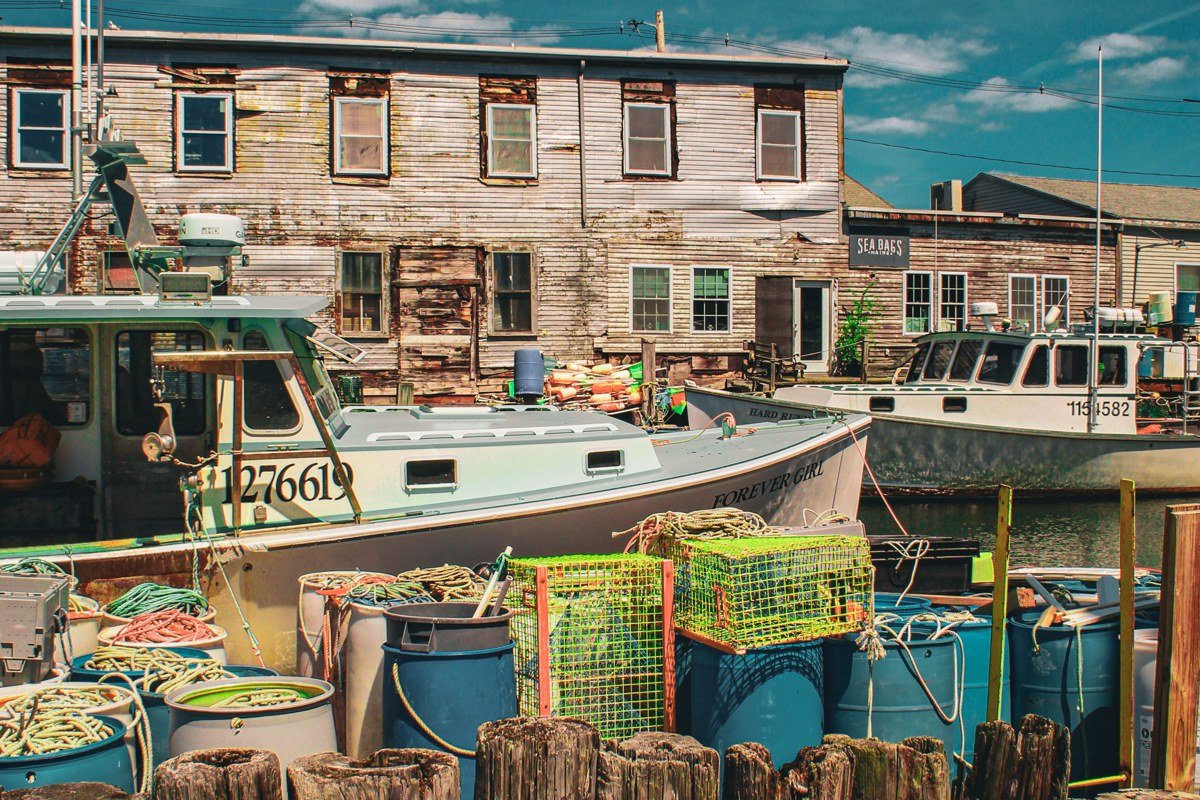
Rockport is on the tip of Cape Ann, about an hour north of Boston, and it has been painted and photographed so many times that its most famous subject, a red fishing shack on the harbor called Motif Number 1, has become a self-aware local joke. The irony is that the town still looks extraordinary. Most visitors cluster around that single shack while the rest of the granite-lined coast and the tidal pools further north at Halibut Point State Park sit relatively empty. The town is dry (no alcohol sold in restaurants, though you can bring your own to most), which keeps a certain type of weekend crowd away and gives it a calmer atmosphere than other coastal spots its size.
Walk north from Dock Square past the working lobster wharf on Bearskin Neck and keep going until the houses thin out. The views from the rocky outcroppings beyond the wharf are better than anything the main drag offers, and almost no one bothers to walk that extra ten minutes. The Emerson Inn on Cathedral Avenue is a historic property a short walk from the center, large enough to usually have availability even in peak weeks.
Skip it if the dry-town policy is a dealbreaker for your group. The bring-your-own rule applies at most restaurants, but the logistics add friction.
6. Apalachicola, Florida
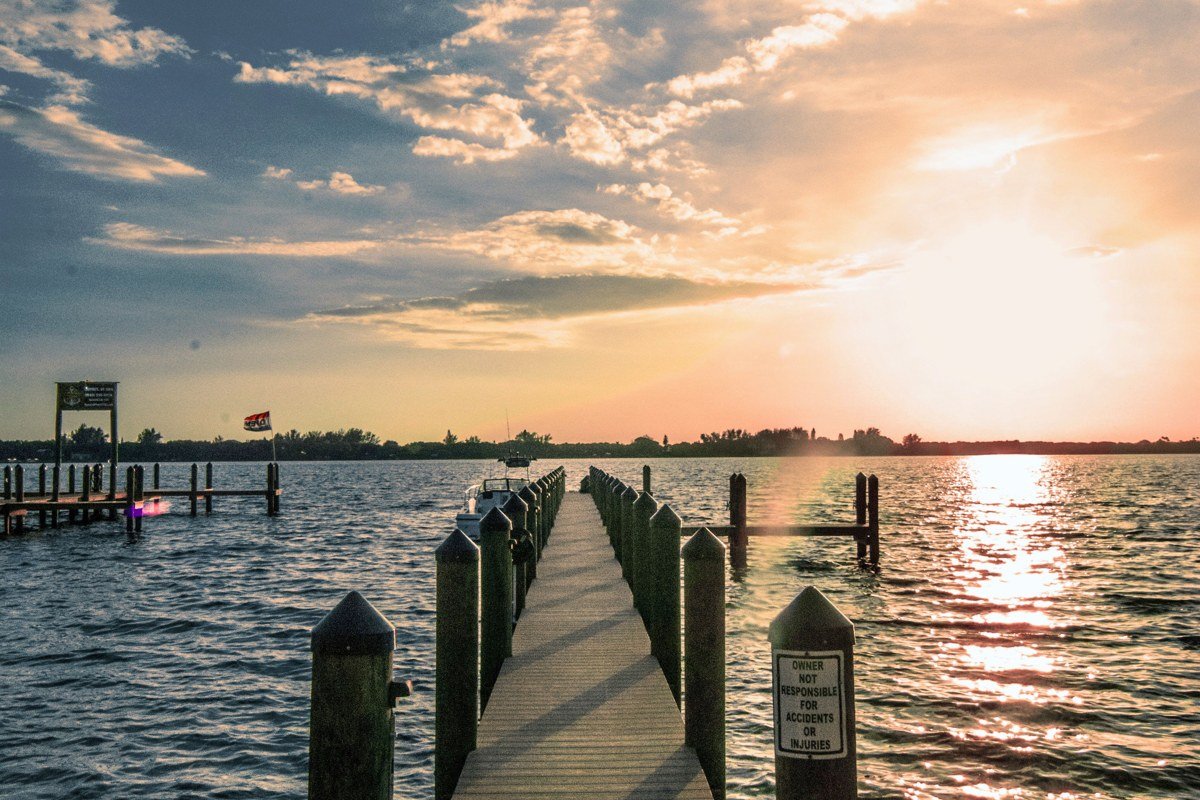
Apalachicola is in the Florida Panhandle, sitting at the mouth of a river delta that feeds some of the most productive oyster beds in North America, and it looks nothing like the Florida most people associate with the state. The architecture is vernacular Southern, with tin-roofed commercial buildings and wide porches, and the streets are canopied by live oaks. The bay itself is shallow, green, and wild-looking in a way that the developed Gulf beaches nearby simply are not.
The oysters are the main draw: order them raw at one of the waterfront spots and you are eating something that came out of the water that morning. Apalachicola’s oyster industry has faced real pressure in recent years due to upstream water disputes, so availability and quality can vary by season. Before making this the centerpiece of a trip, check the Apalachicola Riverkeeper Facebook page, which posts current bay conditions and harvest updates, or call Boss Oyster directly (the waterfront restaurant most closely tied to local suppliers) to ask what is coming in that week. Come in October or November when the heat breaks, the light turns soft, and the town is mostly locals.
The Gibson Inn, a restored 1907 Victorian on Avenue C, is the most reliable lodging anchor in town and puts you within walking distance of the waterfront.
Skip it if oyster availability is uncertain and seafood is your primary reason for the drive. Call ahead.
7. Bristol, Rhode Island
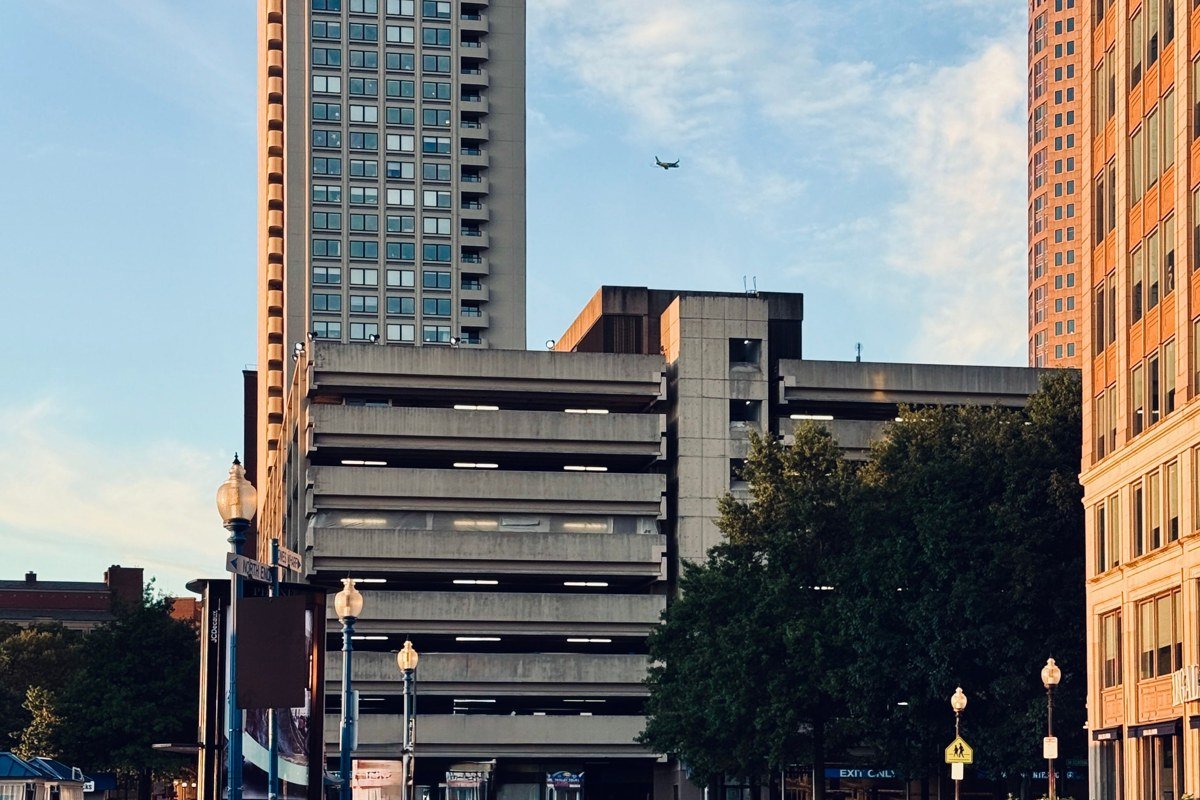
Bristol is not Newport. It is twelve miles up the bay, smaller, more residential, and far less visited. That makes it one of the more genuinely useful scenic coastal towns on this list for anyone who has already done the Newport circuit. The town is built around a rectangular harbor and a main street, Hope Street, lined with intact Federal and Colonial Revival architecture in good condition.
At Colt State Park, wide lawns slope down to the bay in a long, uninterrupted sight line. At high tide, the water pushes close to the grass edge and the transition from green lawn to open bay is clean and nearly seamless. Late afternoon is the better time to arrive: the low sun comes from the southwest and lights the water directly, and the distant shore across the bay holds color well into the evening. Bristol is also the site of the oldest continuous Fourth of July celebration in the country, a legitimate spectacle if you plan around it, or worth actively avoiding if crowds are not your thing. Late June, just before the holiday traffic arrives, offers the best combination of long days and manageable density.
The Bradford-Dimond-Norris House on Hope Street operates as a B&B and sits within the historic district, a short walk from both the harbor and Colt State Park.
8. Fernandina Beach, Amelia Island, Florida
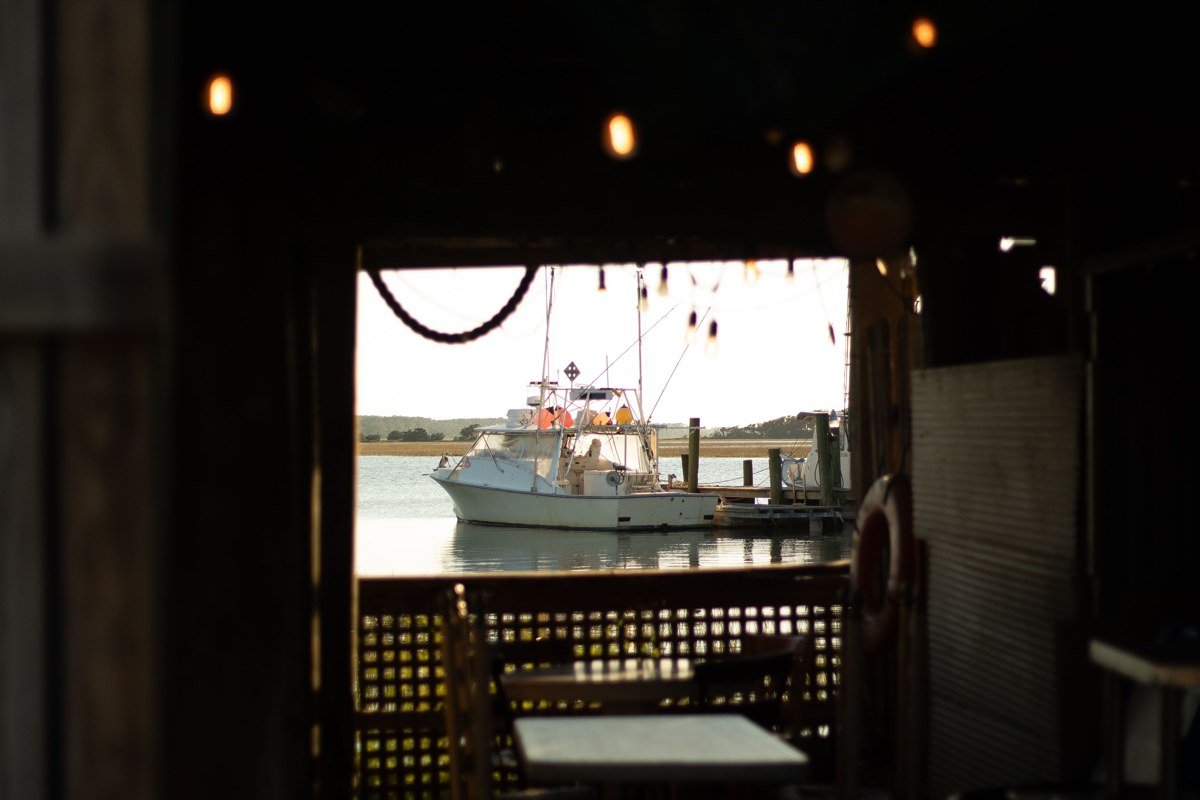
Fernandina Beach is on the northern tip of Amelia Island, about 30 miles north of Jacksonville, and it has the most architecturally intact Victorian-era downtown of any small coastal town on the southeastern Atlantic coast. Centre Street runs from the historic district straight to the waterfront, where shrimp boats still dock and unload. That functional, unpretentious waterfront quality is increasingly hard to find. The island itself has about 13 miles of drivable beach backed by dunes and maritime forest, and the southern end near Fort Clinch State Park is one of the least-disturbed stretches of Atlantic coast in Florida.
Summers here are genuinely hot and humid. If you are driving from the mid-Atlantic, aim for early June before peak heat or plan outdoor time around the afternoon sea breeze. The shrimp at the waterfront restaurants have been pulled from local waters for generations, and the difference in flavor is noticeable. The Hoyt House on Atlantic Avenue is a restored Victorian B&B in the historic district, central enough to walk to the waterfront and quiet enough to actually sleep.
Practical Takeaways for Planning Your Drive
The towns on this list reward mid-week arrivals almost universally. Parking, prices, and the overall experience shift noticeably when you avoid Friday night through Sunday crowds.
For the Northeast towns (Stonington, Rockport, Greenport, Bristol), the window between late May and late June is often the sweet spot. The light is long, accommodation prices have not fully peaked, and the seasonal businesses are open.
For the Southern and mid-Atlantic stops (Beaufort NC, Cape Charles, Apalachicola, Fernandina Beach), shoulder season means October and November, when humidity drops, the crowds thin, and the light becomes warmer and lower in the sky. Summer visits are workable, but plan outdoor time for early morning and late afternoon.
A road trip connecting Fernandina Beach to Beaufort to Cape Charles follows the Atlantic coast northward and makes geographic sense as a one-way drive with a flexible return. The visual contrast between the three towns (a Victorian shrimping port, a wild-horse creek town, and a Chesapeake Victorian village) is strong enough to justify the sequencing, and the drive between each stop stays interesting rather than repetitive.