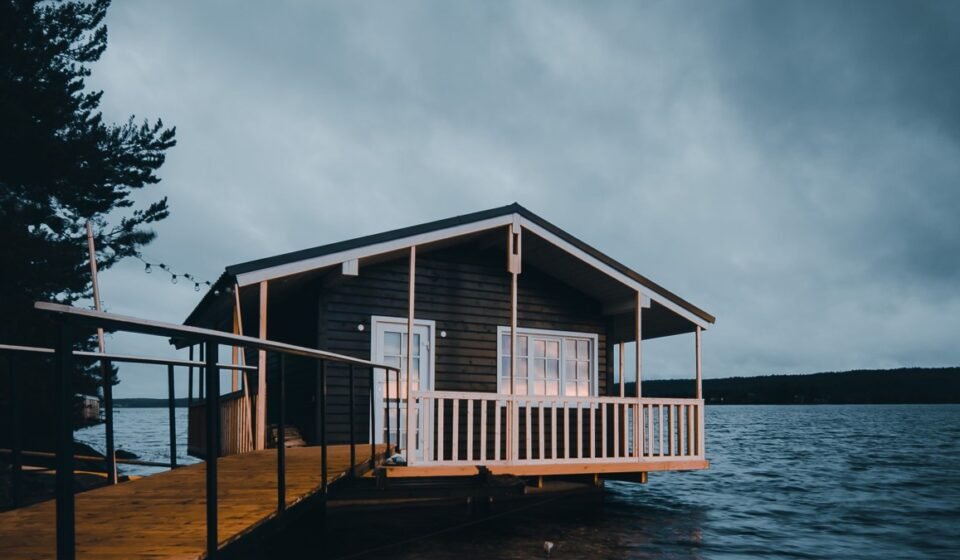

The South has always had water, but it has taken a while for its lake towns to earn serious real estate on the mood board. These nine destinations are changing that, trading beach-town clichés for something quieter, moodier, and far more photographable.
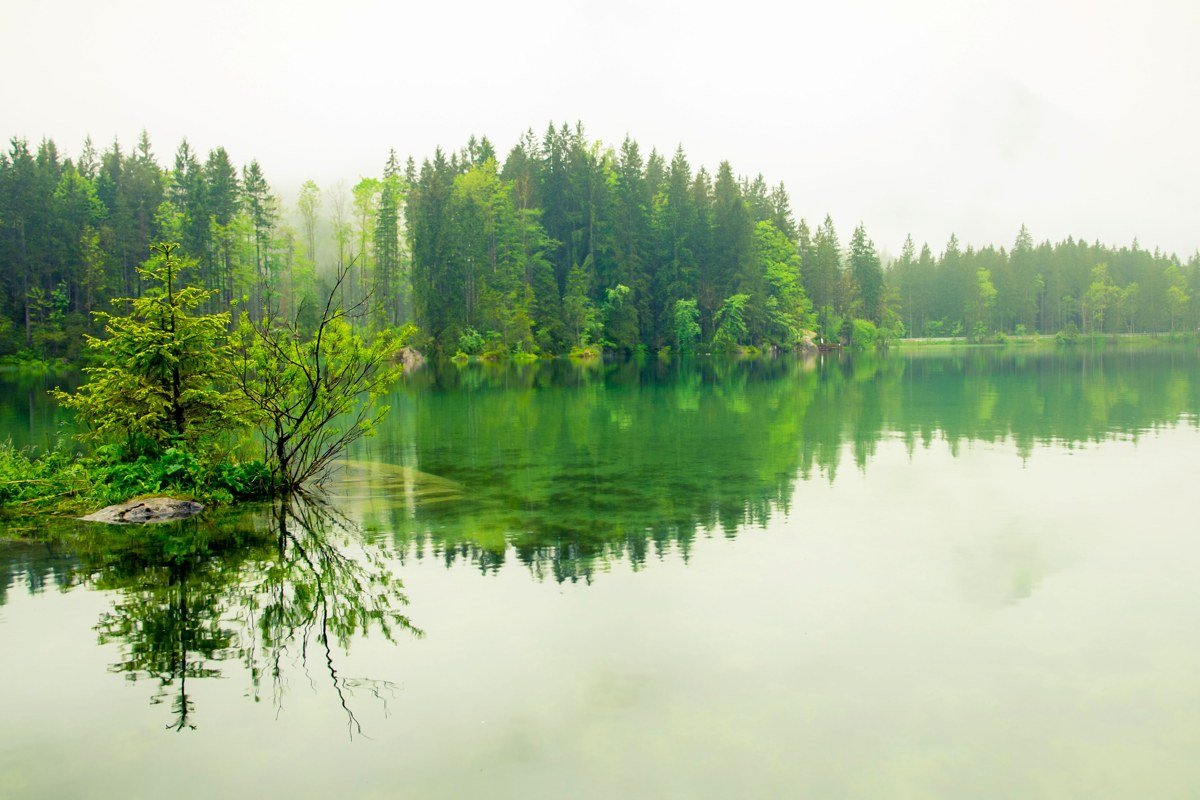
1. Dandridge, Tennessee
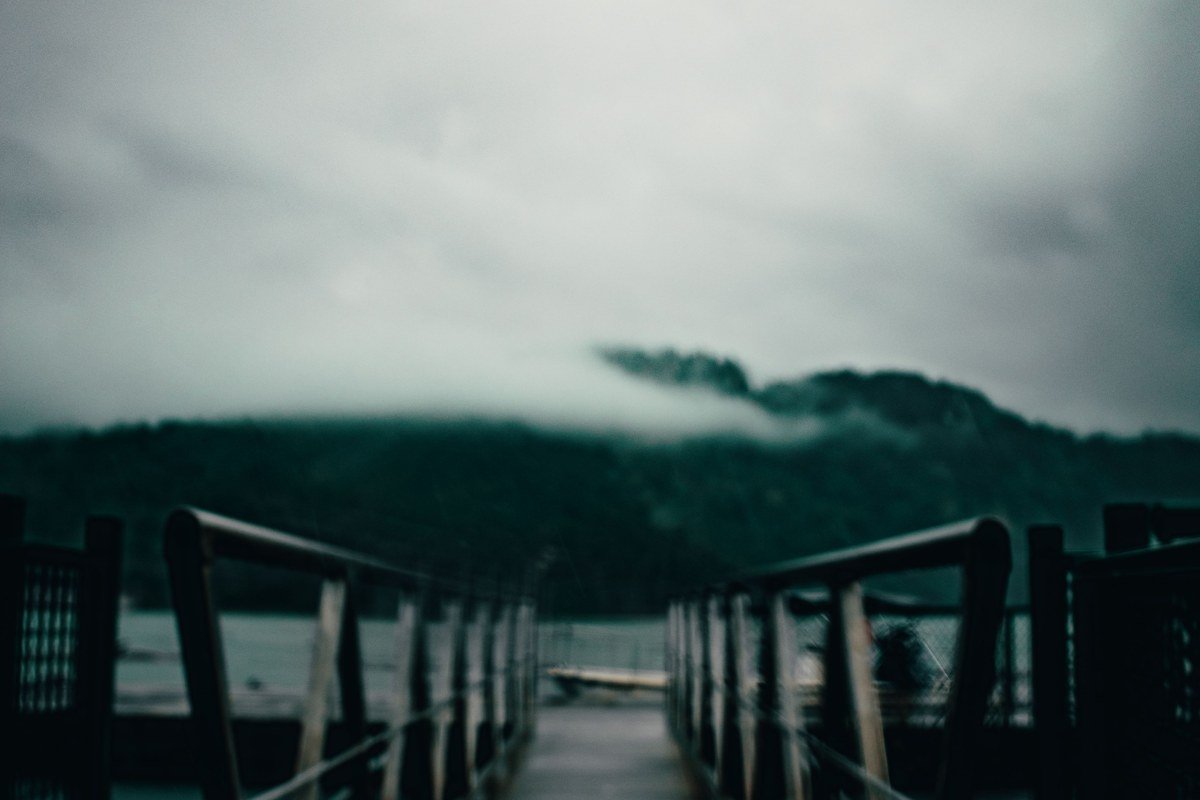
Dandridge sits on the edge of Douglas Lake in a way that feels almost accidental, a Revolutionary-era town that just happens to be surrounded by some of the most mirror-flat water in East Tennessee. The brick storefronts on Gay Street photograph beautifully against the Smokies backdrop, and the dock scene at sunrise, when fog still clings to the surface, is the kind of shot that collects saves without any heavy editing. Rent a pontoon from Dandridge Marina for the afternoon and you will cover the entire cove before the power boats show up. Go mid-week in late September when the crowds are gone and the ridge line behind the lake starts turning amber.
2. Eufaula, Alabama
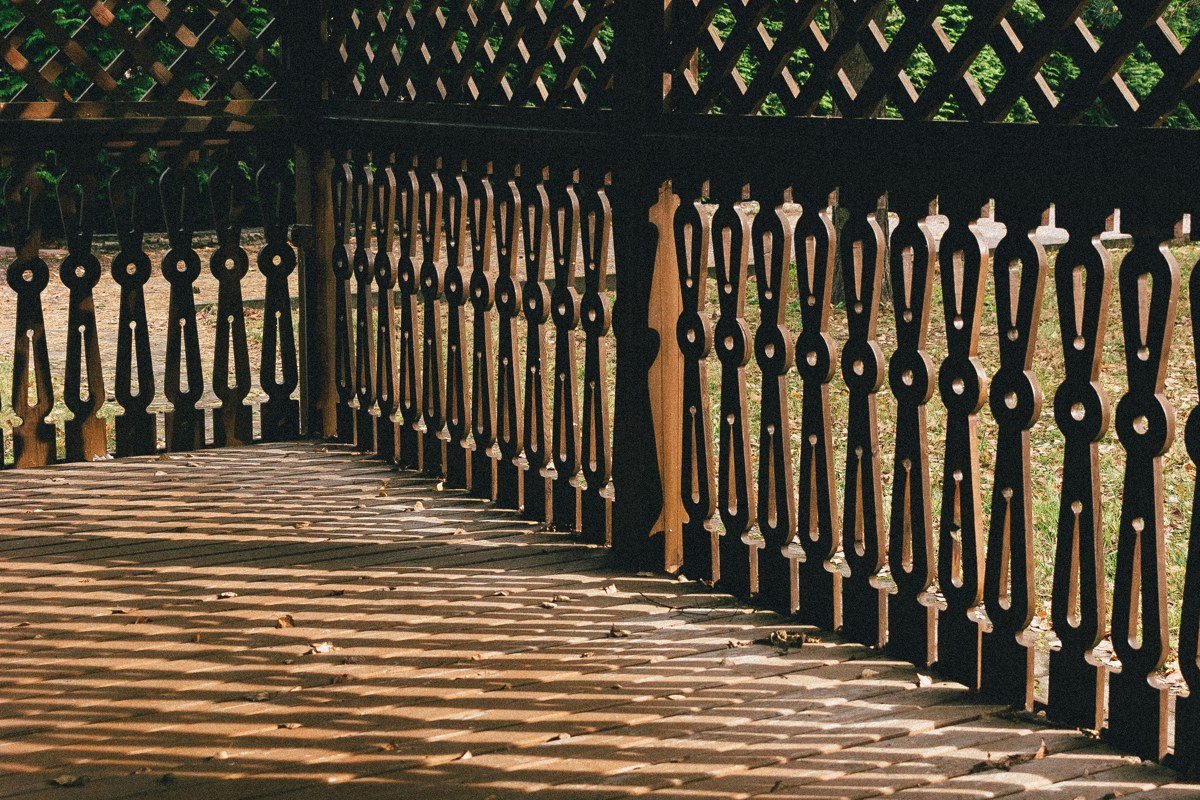
Eufaula sits directly on Lake Eufaula, one of the largest reservoirs in the Southeast, and the combination of antebellum architecture and open water is genuinely unusual. The Shorter Mansion and the surrounding streets of Shorter Avenue give you the wide-porch, Spanish-moss, painted-rather-than-built quality that defines the lakehouse aesthetic at its most Southern. What separates Eufaula from more traveled Alabama destinations is the waterfront itself: the marinas along Eufaula Avenue sit close enough to the historic district that you can frame a shot with a dock, still water, and a Greek Revival roofline in the same composition. The draw for photographers is the light on Lake Eufaula in the first hour after sunrise, when the water goes completely flat and reflects the pecan canopy along the shore. Stay on Riverside Drive for direct dock access and that wraparound porch shot that earns its saves. The honest trade-off: the restaurant scene is limited, so arrive with a plan.
3. Lake Lure, North Carolina
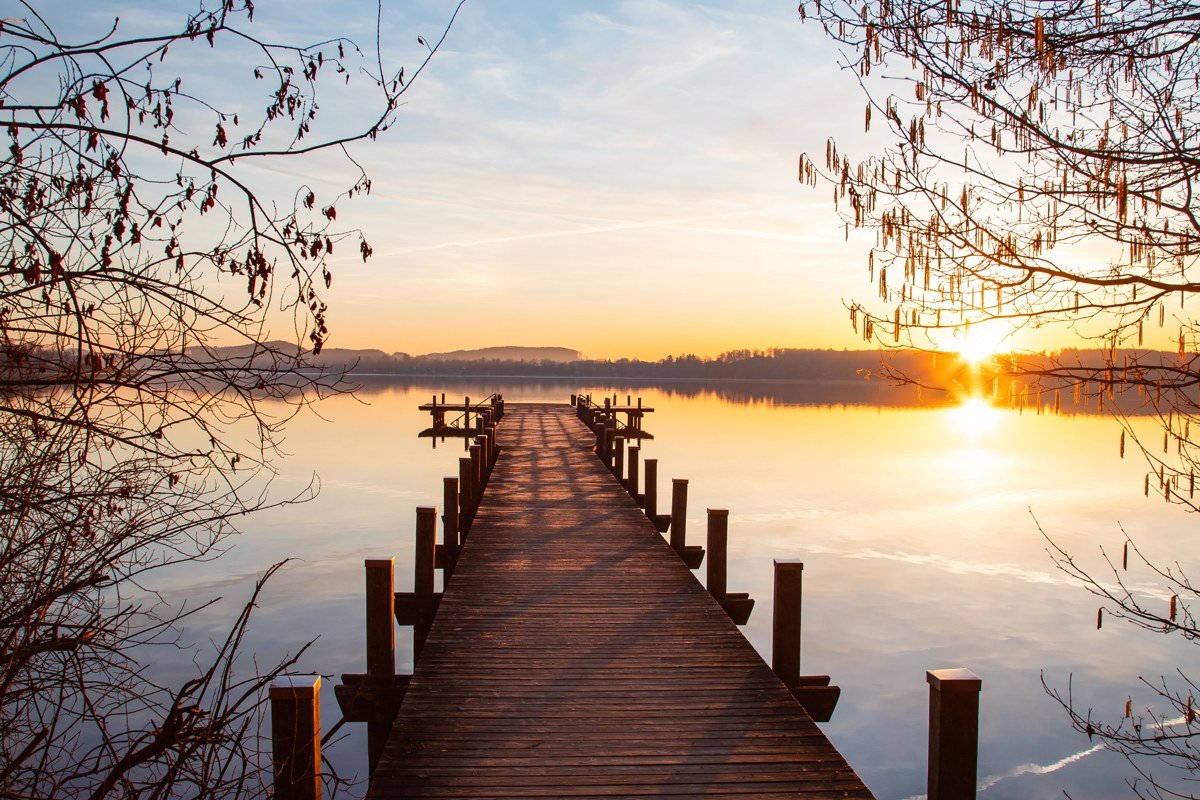
Lake Lure earned a brief cultural moment decades ago as the filming location for Dirty Dancing, but in 2026 it is earning a different kind of attention. The compressed geography here is remarkable: you can frame a shot with a weathered dock, still water, and a serious mountain backdrop within a ten-minute walk of the town center. Chimney Rock State Park looms over the entire valley and turns golden-pink for about twenty minutes at dusk, so set your alarm and position yourself on the public beach. Flowering Bridge, a converted 1920s road bridge now carpeted in perennials, gives the lakehouse look a floral layer that photographs particularly well in late May. Book lodging at least three weeks out in summer; the rental inventory here is genuinely small.
4. Hot Springs, Arkansas
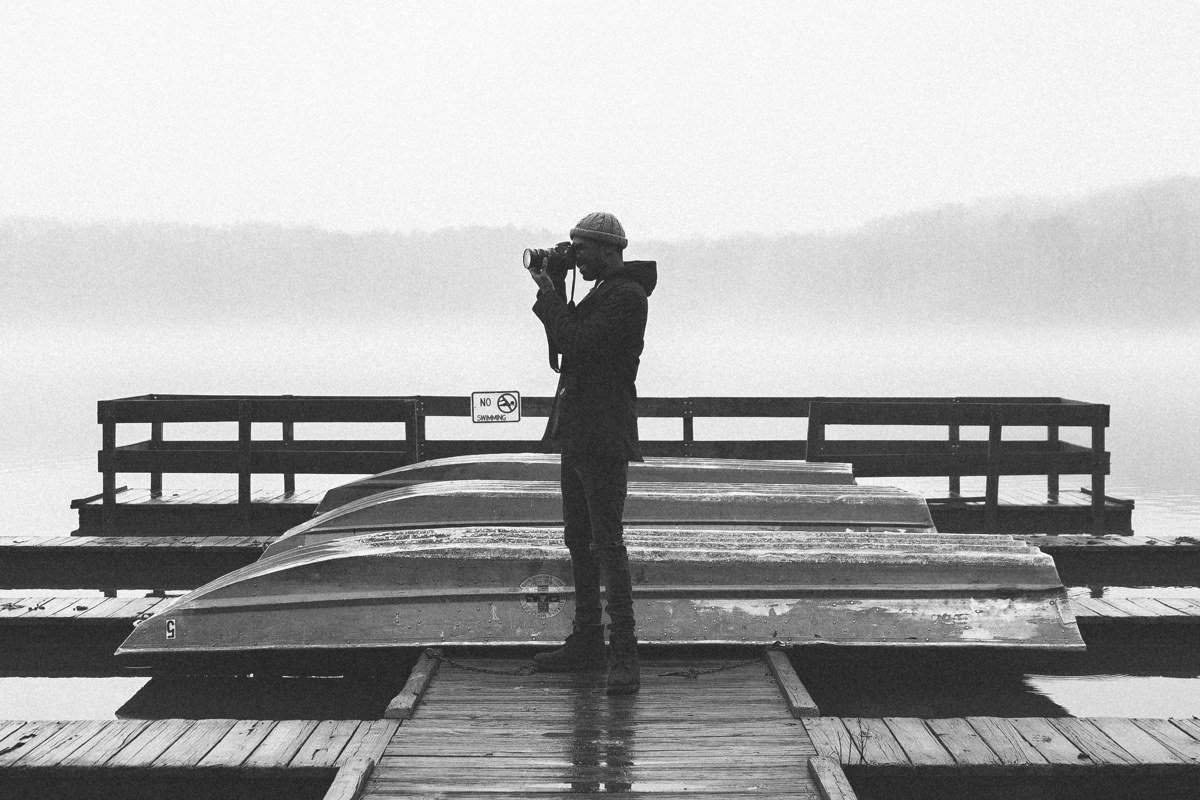
Hot Springs gets lumped in with spa tourism, which undersells what it actually is: a lakehouse town with a grand-hotel backbone and one of the most architecturally photogenic main streets in the South.
Bathhouse Row and Lake Hamilton. Lake Hamilton wraps around the south edge of the city, dotted with mid-century lake houses that look straight off a 1960s postcard, in the best possible sense. The combination of Bathhouse Row and a flat, glassy lake ten minutes away gives a single content day two completely different visual registers. Rent a paddleboard at Lakeside Park early on a Sunday morning before the ski boats come out, and you will have the flat water almost entirely to yourself.
Magnolia timing. The detail most visitors miss: the magnolias along Central Avenue bloom early here, sometimes before April, which creates a specific lakehouse-meets-Southern-Gothic mood that nothing else in the region replicates. If your travel window is flexible and you can hit late March, the combination of early blooms, moderate crowds, and cool morning light on the lake is the strongest case for this destination on the calendar.
5. Abita Springs, Louisiana
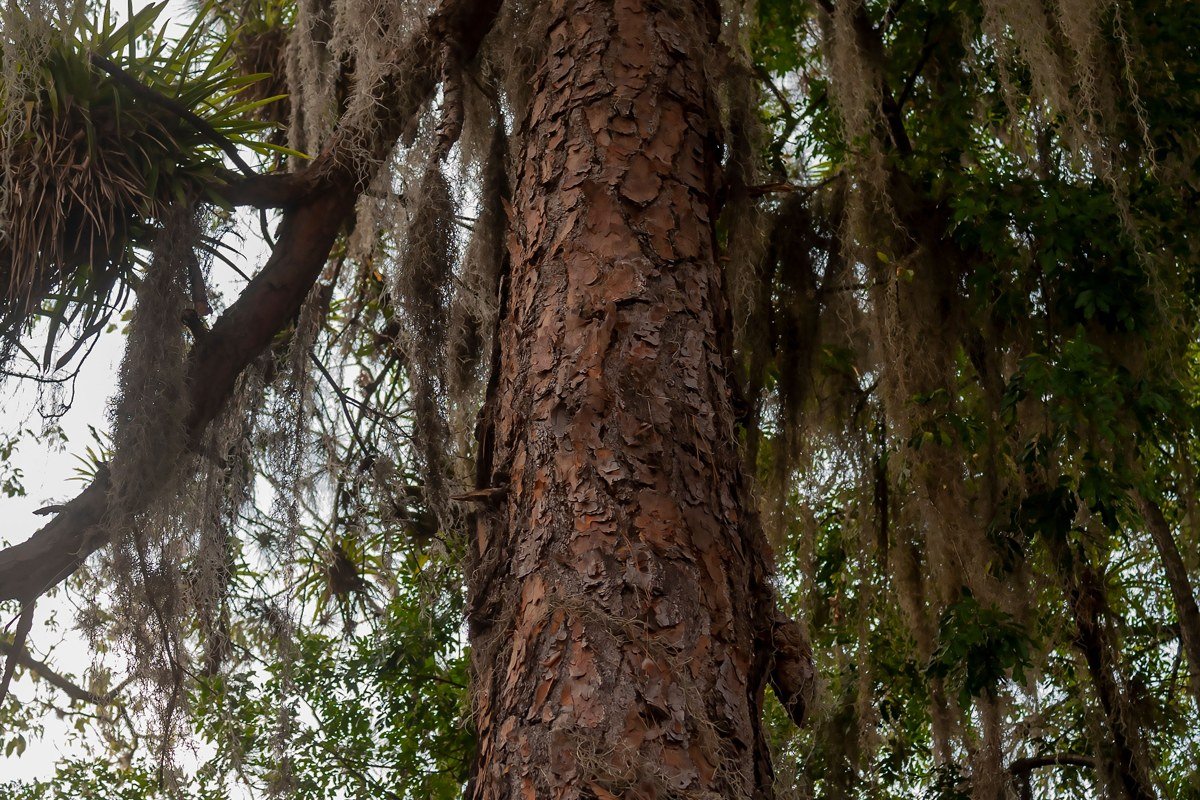
Abita Springs is technically a village, but it earns a full entry because it does something rare: it combines the Louisiana bayou visual language with a genuine small-town pedestrian scale that actually works to walk and shoot. The Tammany Trace trail runs right through town and follows the Bogue Falaya River, where cypress knees break the surface in the shallows just north of the intersection with Hwy 36. The light filters through a canopy thick enough to turn midday into a soft box, and the half-hour window before sunset, when the water picks up the last warm color, is the strongest shooting window in the village. The Abita Brew Pub anchors the social scene, and its back patio overhanging the river is a legitimately good spot. Go in early November when the crowds of New Orleans day-trippers thin out and the sweetgum trees are burning orange against the green water. The trade-off: food options beyond the brew pub require driving.
6. Guntersville, Alabama
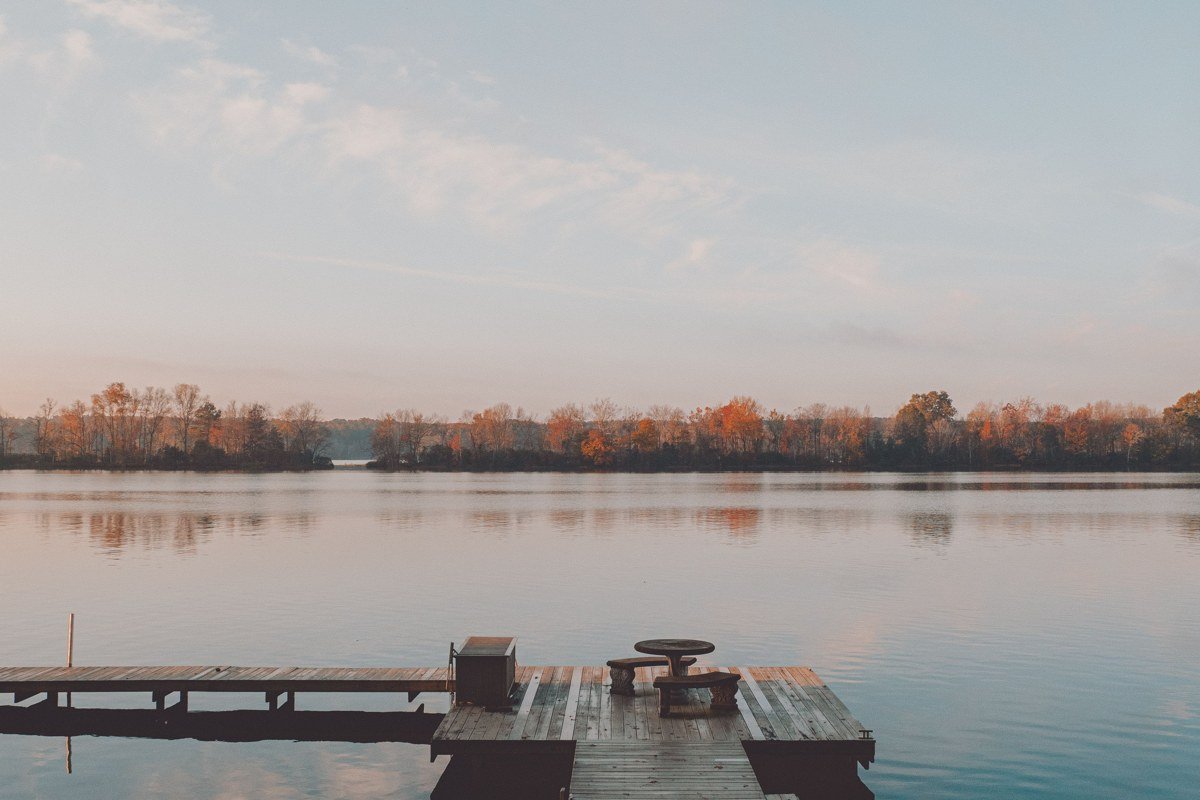
Lake Guntersville is one of the largest lakes in the Southeast, and Guntersville sits on a peninsula that puts water on three sides of downtown. The lakehouse aesthetic here skews practical and rough-edged, and that roughness is precisely the Pinterest draw. Peeling boat ramps, serious fishing culture, and a bait shop that has not changed its signage since 1987 photograph as authentic working-lake imagery in a way that polished resort towns simply cannot. Think of it as the visual equivalent of a worn leather chair: the patina is the point. The bald eagle population on the lake is substantial, and in January and February you can watch them work the shallows from the shoreline at Buck Island, an image striking enough to be genuinely surprising in its scale. Town Creek Fishing Center rents kayaks that give you access to quieter coves not visible from the main channel. Come for the rough-edged atmosphere and the eagles. Do not come expecting boutique coffee.
7. Smithville, Texas
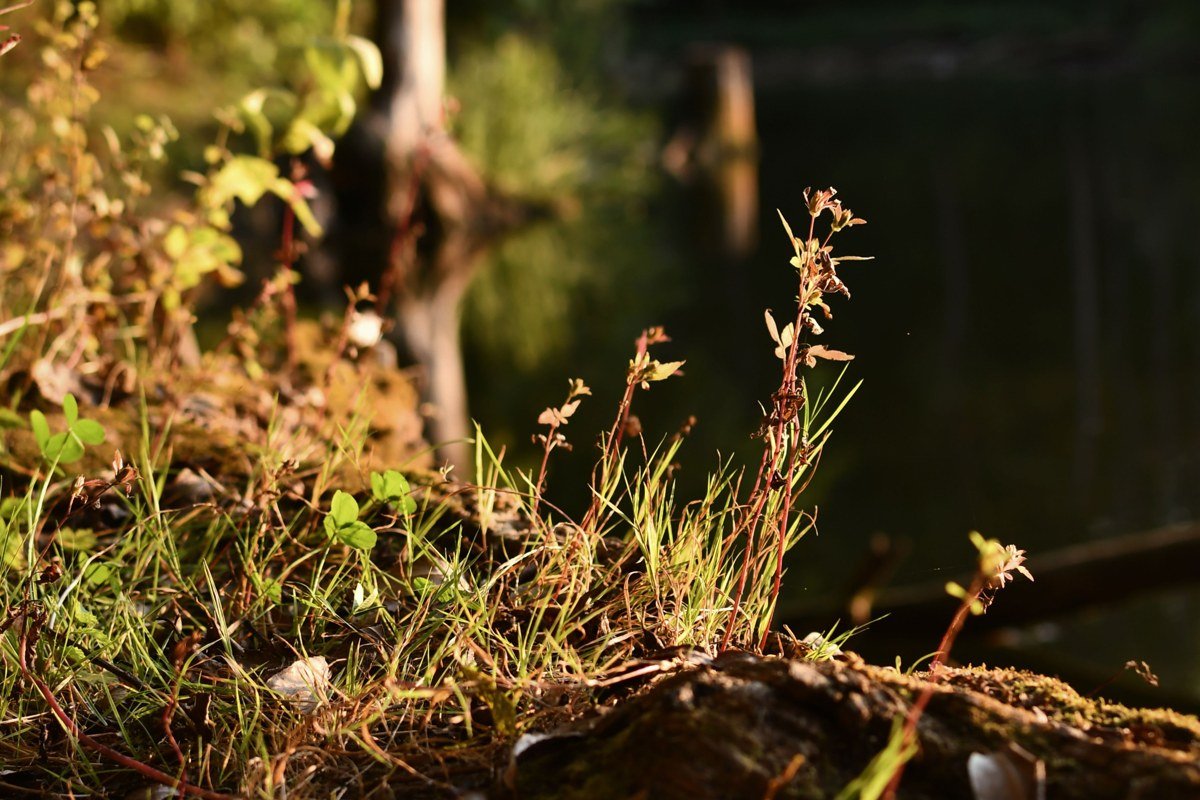
The Bastrop County stretch of the Texas Piney Woods produces a dissonance that photographers love: this does not look like Texas, and that is the whole point. Smithville sits on a bend in the Colorado River and draws visitors who are tired of the Hill Country scene but still want water, trees, and a walkable town square. The Smithville Railroad Museum and its surrounding shotgun houses create a Main Street that looks genuinely time-shifted. The river itself is murky rather than clear, but the banks are lush with ferns and river cane that make for a dense, green lakehouse backdrop uncommon in Central Texas. Come in late March during the bluebonnet peak when the roadside south of town looks improbable enough to stop traffic, because it does.
8. Brevard, North Carolina
Brevard sits at the edge of Pisgah National Forest in Transylvania County, which tells you something about the atmosphere before you even arrive. The lakehouse aesthetic here is less about a single body of water and more about the accumulated effect of dozens of waterfalls, dark hemlock hollows, and mountain streams feeding into the French Broad River system. Looking Glass Falls is the marquee shot, but serious photographers tend to head up Forest Road 475 to Moore Cove Falls because the access trail is short and the grotto light is extraordinary in the early afternoon. The town itself has a genuinely good music scene for its size (the Brevard Music Center brings serious talent each summer) and a local coffee roaster called Summit Coffee with a porch worth sitting on. Late October edges into peak color here later than most people expect, sometimes stretching into early November.
9. Natchitoches, Louisiana
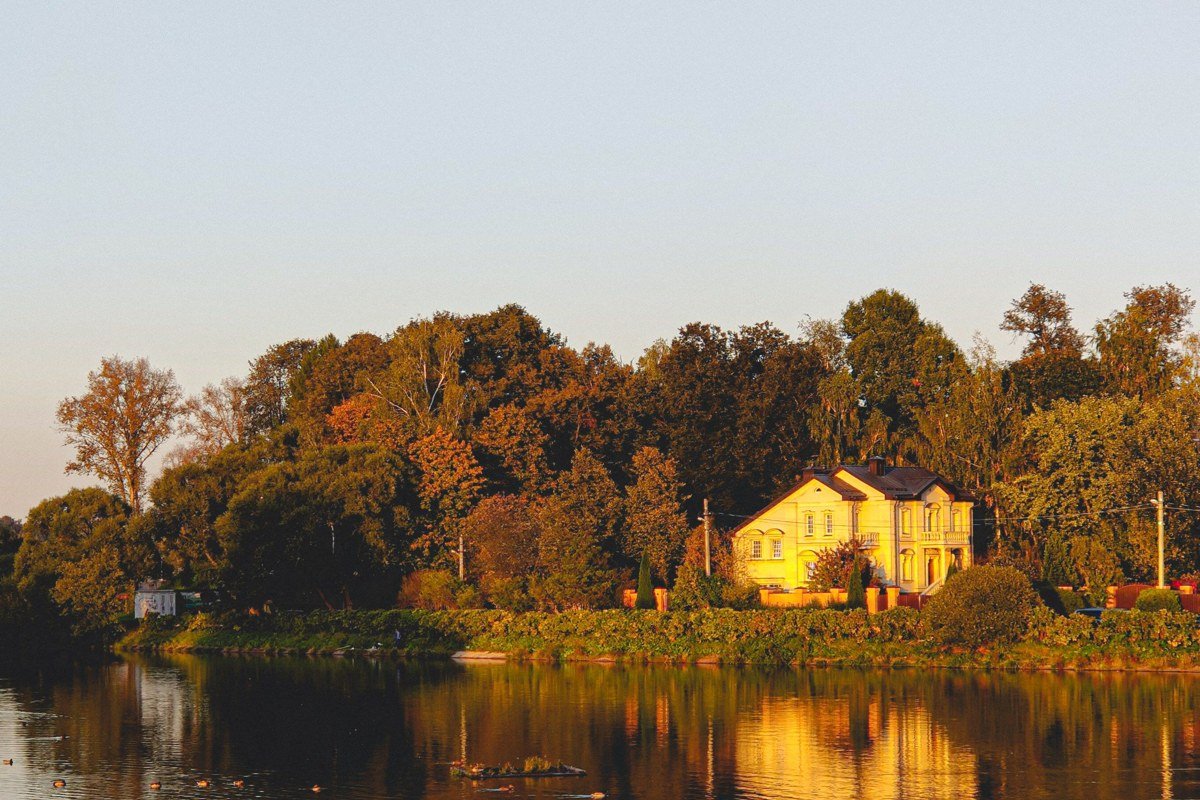
Natchitoches (pronounced NAK-uh-tish, and the locals will make sure you know) is the oldest permanent European settlement in the Louisiana Purchase territory, and it sits on Cane River Lake in a way that makes the waterfront feel like a stage set. The Front Street strip of Creole townhouses and brick storefronts reflects directly into the Cane River, and at dusk the whole scene goes gold in a way that requires almost no editing to look like a painting. The Christmas Festival in early December has been running for decades and wraps every building and tree in lights that mirror across the water, producing the kind of image that circulates without any caption needed. The meat pies from Lasyone’s on Second Street are a mandatory stop, period. Come during the festival for the spectacle, or come in September for the same architecture with none of the crowd and considerably lower rental prices.
How to Plan Your Southern Lakehouse Trip
A few practical notes that apply across all nine of these towns.
Shoulder season is almost always the right call. May, September, and October give you the best light conditions, manageable crowds, and lower accommodation rates than peak summer. Many of these towns have limited lodging inventory, so booking six to eight weeks out is realistic rather than excessive.
Rentals over hotels. For the actual lakehouse aesthetic experience, short-term rental platforms are doing most of the heavy lifting. Search specifically for properties described as “lakefront” or “dock access” rather than just filtering by proximity to water. The difference in what you can photograph from the property itself is significant.
Mornings are non-negotiable. Every single destination on this list photographs better in the first two hours after sunrise than at any other point in the day. Flat light, no boat wake on the water, mist on the surface if the season is right. Plan your driving, eating, and town-walking for the afternoon and protect your mornings for the water.
The lakehouse aesthetic is increasingly shaping where people actually choose to travel, not just what they save to a board. These nine Southern towns represent a real shift in how the region is being seen.