
The Azores has quietly become the answer for travelers who want the brooding, fog-wrapped drama of the Scottish Highlands but without the peak-season crowds or the price tag that comes with them. These nine volcanic islands in the mid-Atlantic sit at an altitude and latitude that practically manufactures atmospheric mist, making them some of the most photogenic misty destinations on the planet. If your Pinterest board is full of heather-covered cliffs and silver light, read on.
1. Sete Cidades Crater Lake, Sao Miguel
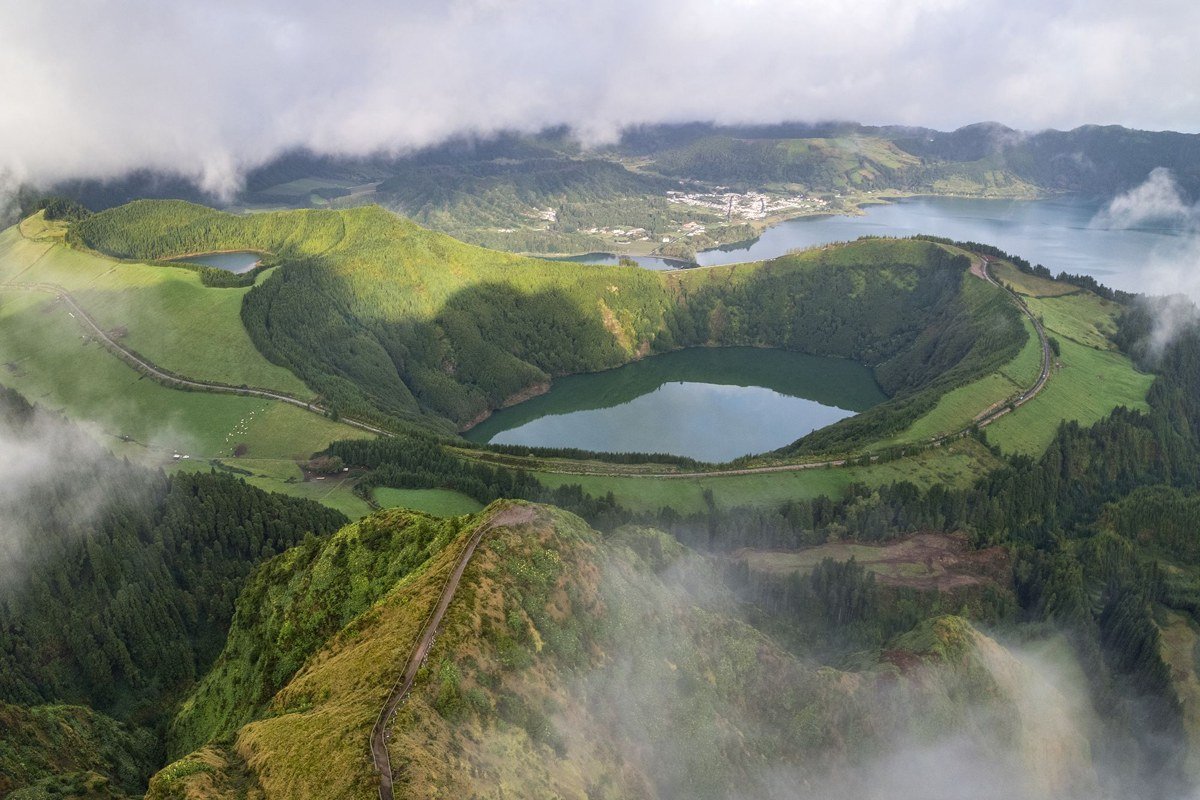
Sete Cidades is the image that started the Azores’ Pinterest moment, and it earns every re-pin. The caldera holds two lakes separated by a narrow bridge, one appearing green and one appearing blue depending on the angle of light and cloud cover. On overcast mornings (which happen often) the mist sits right at the rim of the crater and spills inward, creating a bowl of white cloud that makes the whole thing look like something painted rather than real. The single best vantage point is Vista do Rei, a small belvedere about a ten-minute walk from the road. Go before 9 a.m., before tour vans arrive, and you will almost certainly have it to yourself.
2. Lagoa do Fogo, Sao Miguel
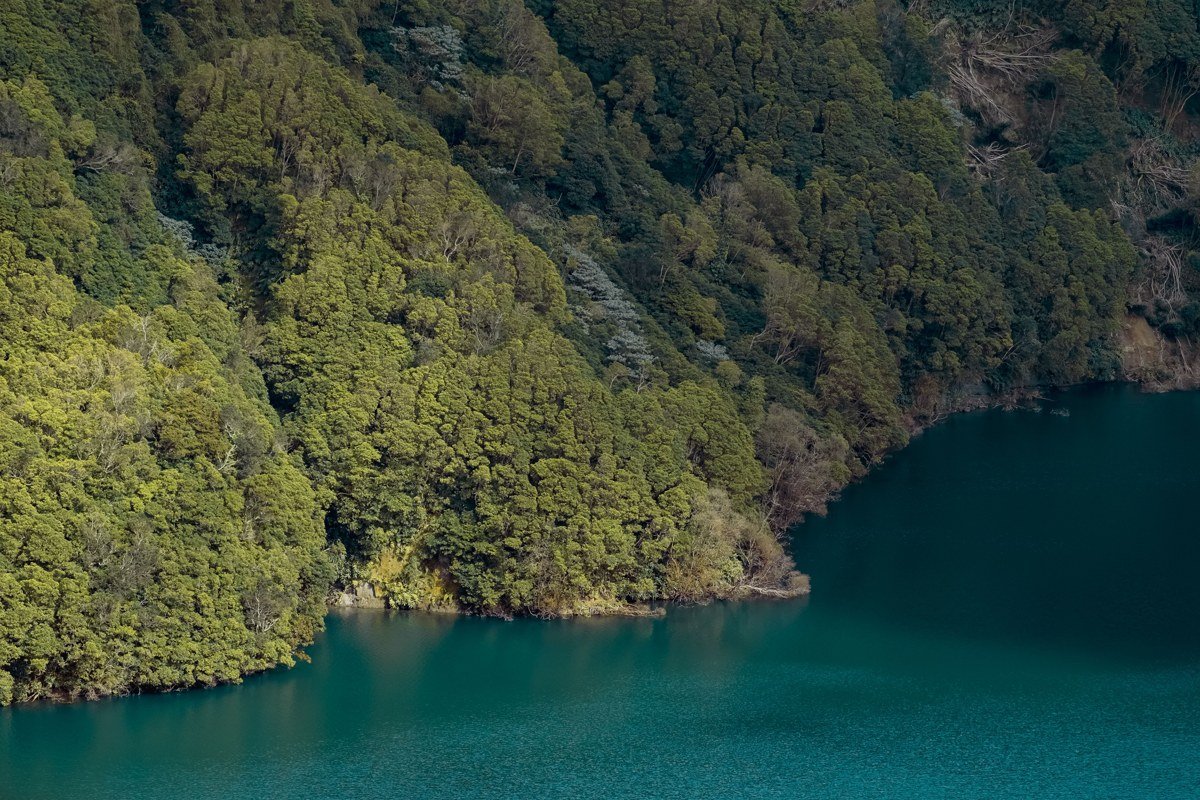
Lagoa do Fogo sits higher on the island than Sete Cidades, which means the mist here is thicker and colder and rarely clears before noon. The lake is a nature reserve, so the shoreline is pristine black volcanic sand with zero development. What makes it genuinely distinct from other crater lakes in the Azores is the scale of silence: no boats, no swimming zones, just wind and the occasional smell of sulfur drifting over from the geothermal vents nearby. Walk the trail that descends from the parking area to the waterline and you will feel the temperature drop noticeably as you enter the cloud layer. Visit mid-week in spring if you want this level of solitude without planning around weather windows.
3. Furnas Valley, Sao Miguel
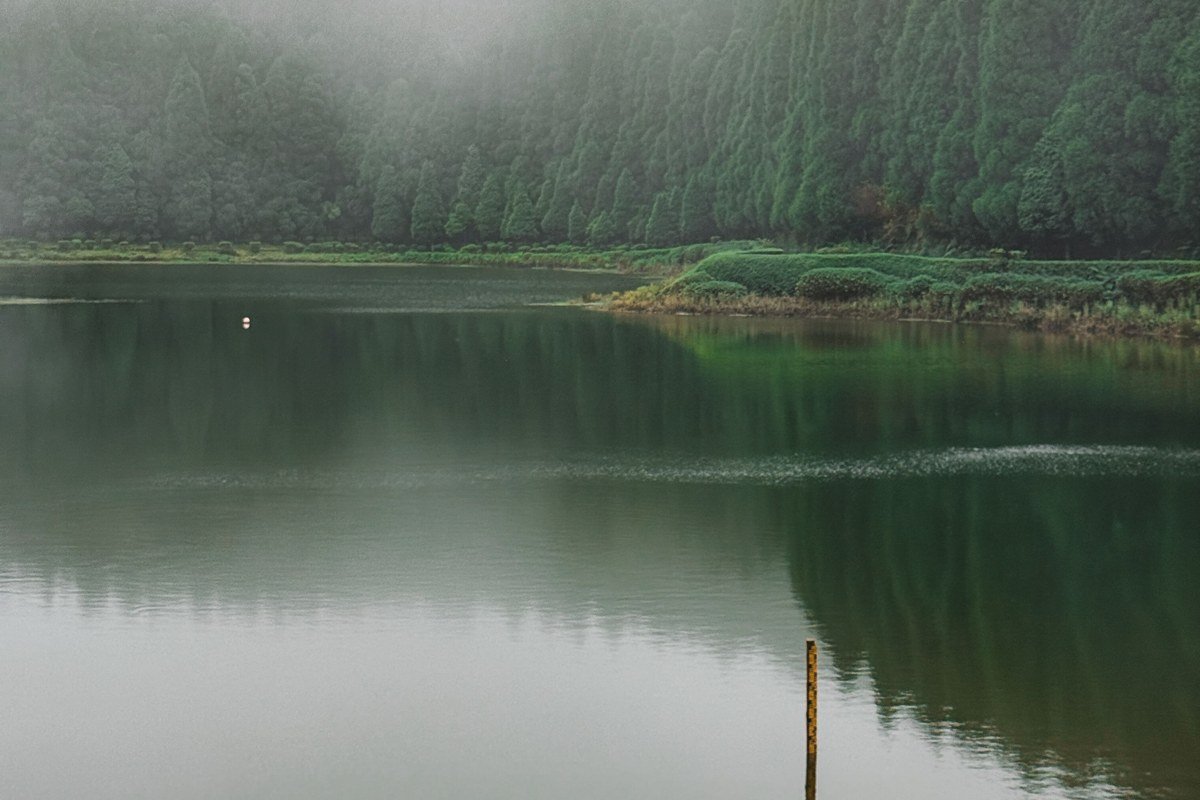
Furnas is where the misty destinations aesthetic collides with something genuinely otherworldly. The valley floor is dotted with bubbling calderas, hot springs, and steam vents that add a perpetual low haze at ground level, even on days when the sky above is perfectly clear. The thermal gardens surrounding Lagoa das Furnas are planted with centuries-old camellias and hydrangeas that thrive in the warm, humid microclimate, so the visual layering (steam, old trees, vivid flowers, distant green ridges) is relentlessly photogenic. Cozido das Furnas, a slow-cooked stew buried and heated by geothermal activity, is served at a handful of restaurants right on the lake. Arrive for lunch around 12:30 and the pots are being lifted from the ground in front of you.
4. Pico Mountain Summit, Ilha do Pico
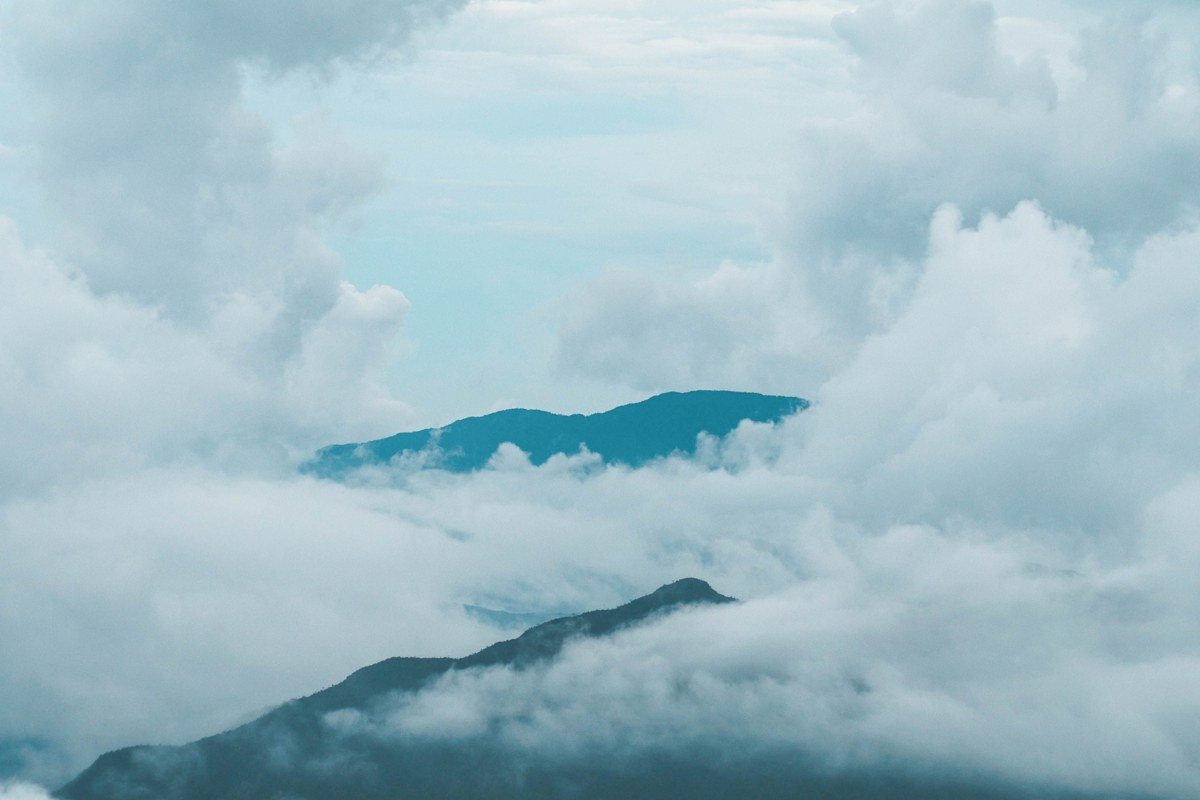
Pico is the highest point in Portugal and one of the most dramatic misty destinations in the entire Atlantic. The summit sits above the cloud layer for only part of the day, meaning if you time your ascent correctly you emerge from a thick, cold fog into brilliant sunshine while looking down at a sea of white cloud that completely hides the island below. The climb takes roughly four to five hours each way and requires registration with the local mountain guide service (mandatory, non-negotiable). The trail itself is a scramble over black lava rock with almost no vegetation past a certain altitude, which gives the whole thing an austere, lunar quality that reads beautifully in photographs. Start at 4 a.m. if your goal is to watch the sunrise from above the clouds.
5. Faial’s Caldeira Rim Trail, Ilha do Faial
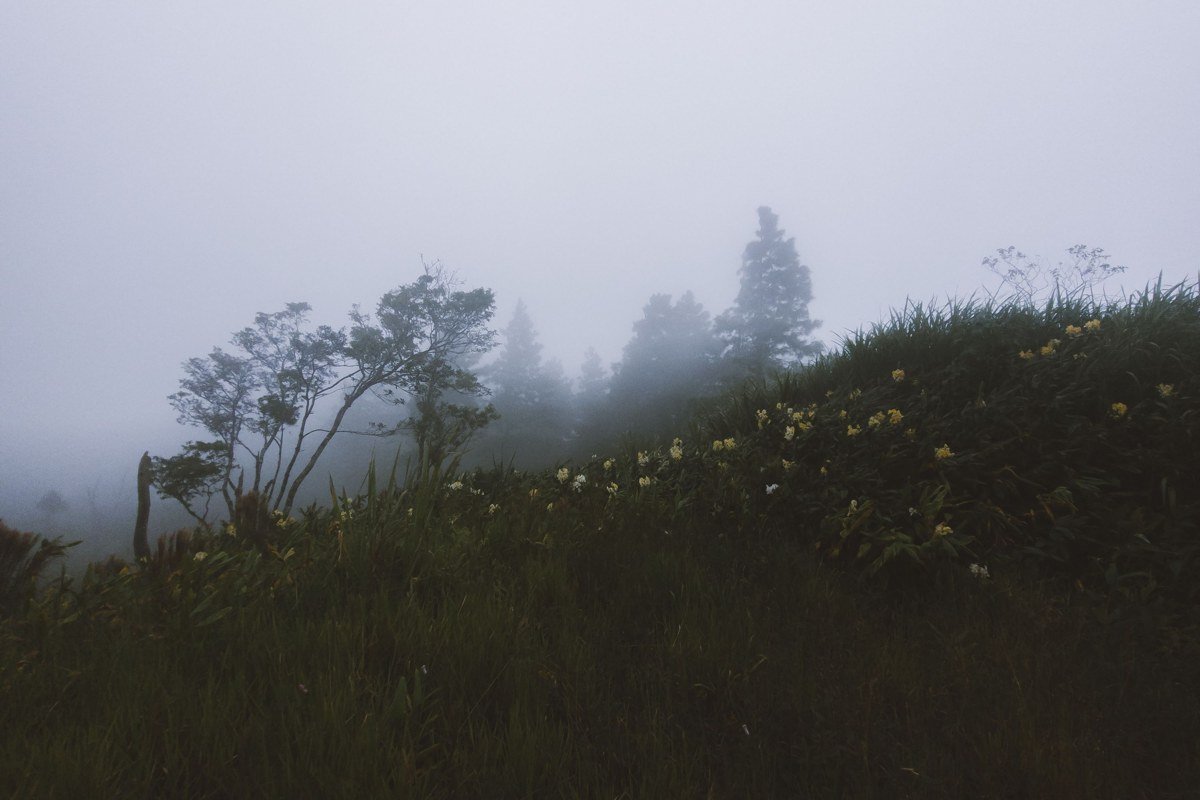
Faial’s central caldera is wider and more accessible than Pico’s summit, but it rewards visitors with a different kind of atmosphere entirely. The rim trail is lined on both sides by blue hydrangea hedgerows (Faial is sometimes called the Blue Island for good reason), and in summer these hedges are so tall and dense they form a corridor that channels the Atlantic wind and carries mist through at eye level. On clear days you can see Pico across the channel, a classic two-island composition that travel photographers have chased for years. The full rim circuit takes about two hours and the terrain is well-maintained, though the cloud cover can drop visibility to near zero with very little warning. Bring a layer you do not mind getting wet, regardless of the forecast.
6. Flores Island Waterfalls and Crater Lakes
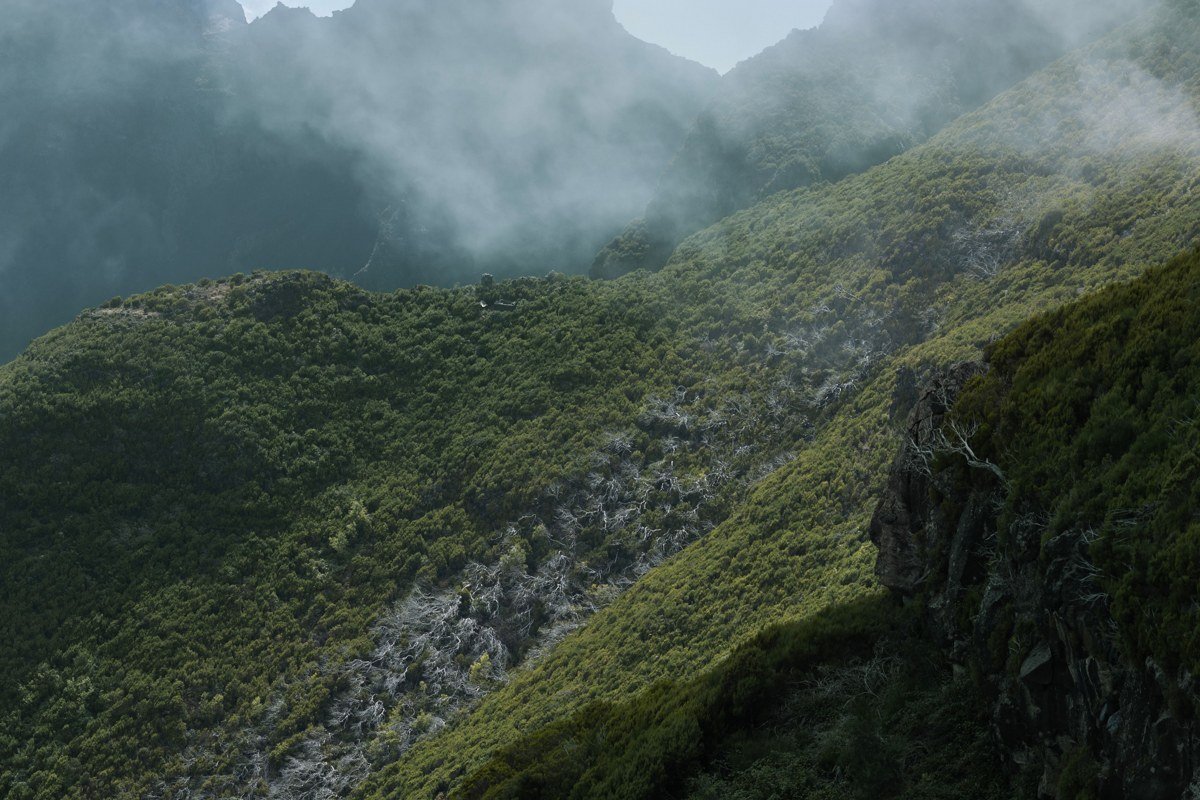
Flores is the westernmost point of Europe and receives more rainfall than any other island in the archipelago, which is exactly why it looks the way it does. The island has seven crater lakes and a cascade of waterfalls that spill directly off sea cliffs into the Atlantic, some of them visible from a small boat if you hire a local operator out of Lajes das Flores. The interior road between Santa Cruz and Fajazinha passes through cloud forest so dense and dripping that the ground cover looks tropical even at altitude. This island genuinely requires effort to reach (a small propeller plane from Sao Miguel or a longer ferry trip), but that effort is precisely what keeps the photographic conditions intact. Pack for rain and accept that the mist is the point.
7. Praia da Vitoria Cliffs at Dawn, Terceira
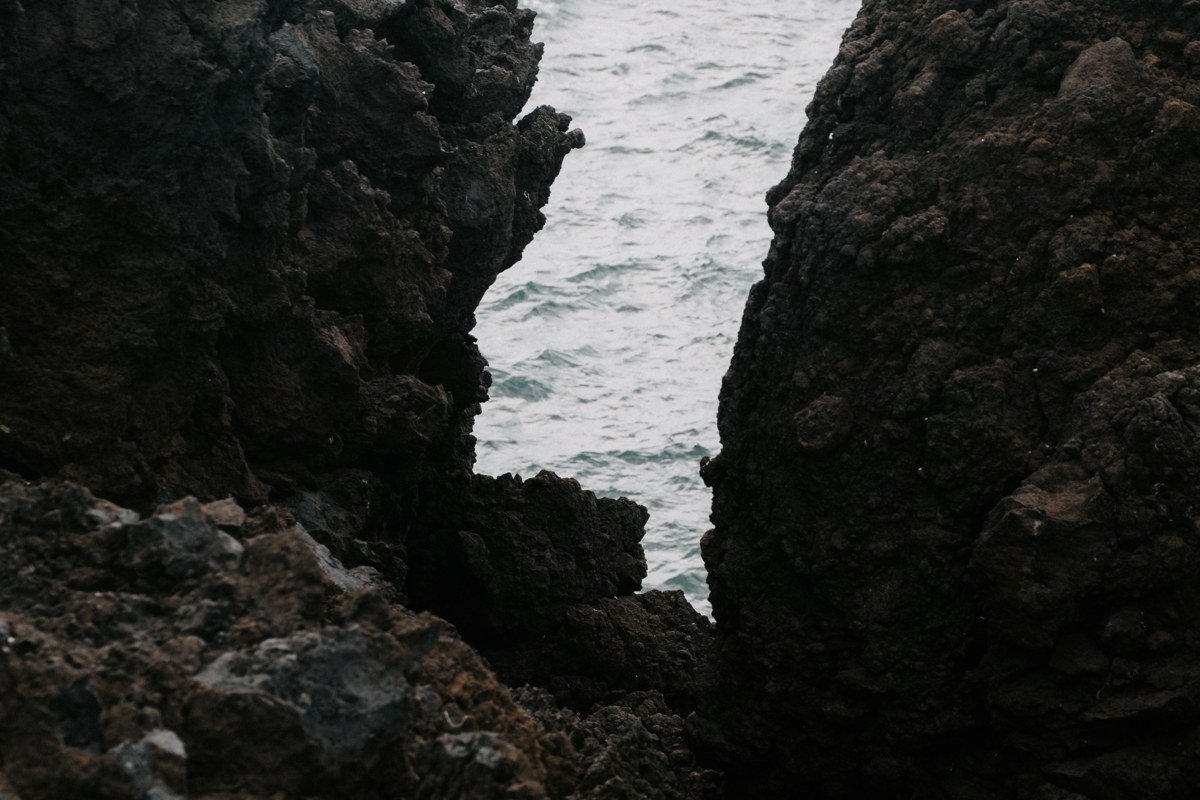
Terceira tends to get skipped by travelers focused on Sao Miguel and Pico, which makes it one of the more honest misty destinations in the archipelago in terms of authenticity. The volcanic coastline east of Praia da Vitoria has low basalt shelves that catch Atlantic swells and a ridgeline behind the town that collects morning mist against the dark cliffs. The town itself is a UNESCO World Heritage site, with painted baroque churches and cobblestone streets that look extraordinary in flat, overcast light. The Algar do Carvao lava tube is nearby and provides a genuinely unsettling contrast: a hollow volcanic chimney open to the sky with a small lake at its base, completely silent and surrounded by crystal formations. Visit early October when the summer crowds from Lisbon flights have dropped off and the light turns genuinely golden in the afternoons.
8. Sao Jorge Faja Coastline
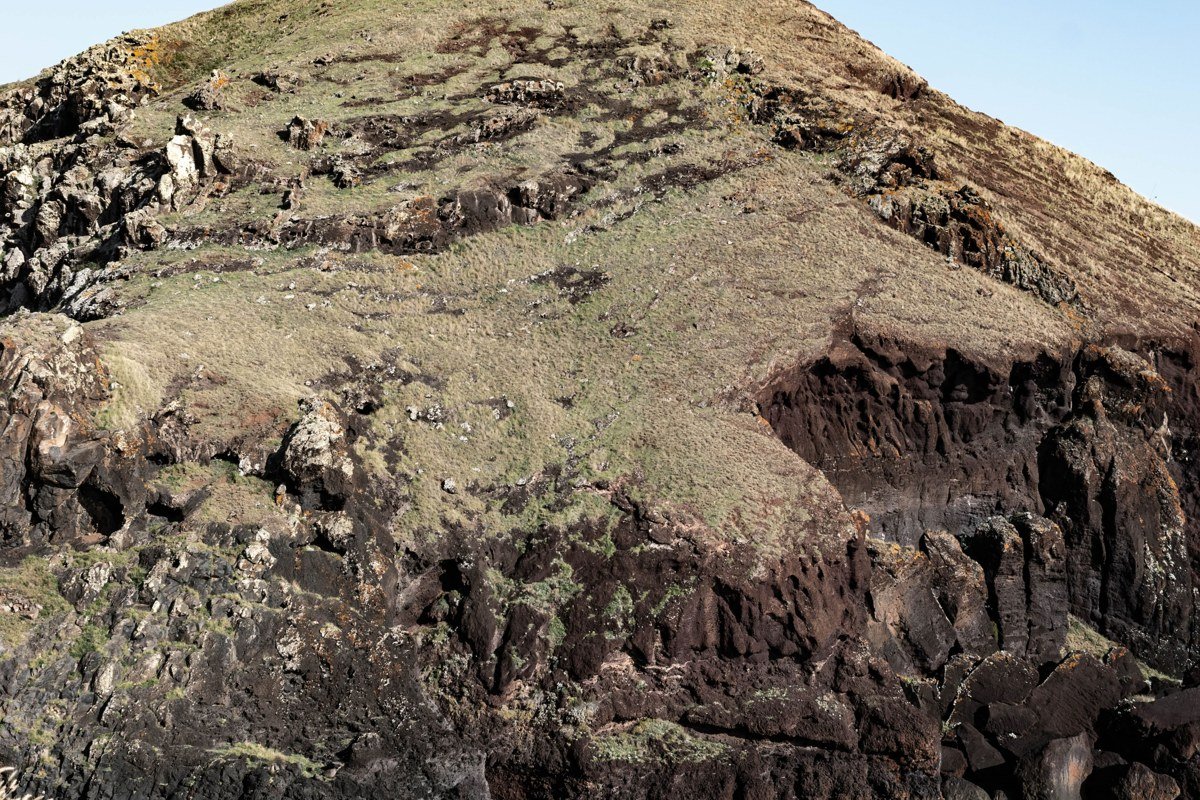
Sao Jorge is a narrow, ridge-like island that drops off on both sides into the ocean via near-vertical cliffs, and the fajas (flat coastal ledges created by ancient lava flows) sit at the base of these cliffs like tiny lost worlds. Faja dos Cubres and Faja de Santo Cristo are the two most-visited, but the approach by trail is part of the experience: a steep descent through cloud that parts intermittently to reveal the blue water below. Santo Cristo in particular has a lagoon protected by a natural lava bar and is one of the only places in Europe where you can surf small shore-break waves inside a lagoon with cattle grazing fifty meters away. The visual dissonance is genuinely funny and deeply photogenic. There is no road access to Faja de Santo Cristo, so the trail commitment filters the crowd naturally.
9. Monte Brasil Overlook, Terceira (Angra do Heroismo)
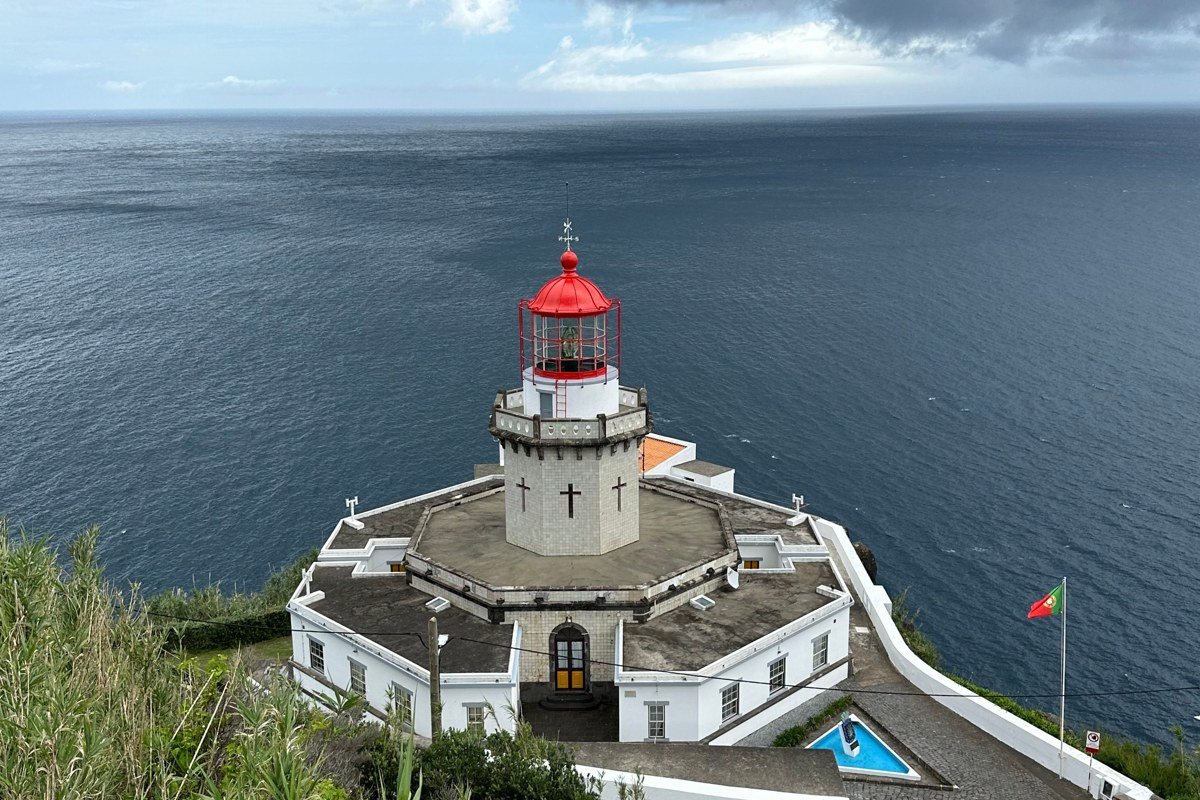
Monte Brasil is an extinct volcanic cone attached to the edge of Angra do Heroismo by a narrow isthmus, and the circular walking trail around its perimeter gives you a sequence of harbor views that change dramatically with the light. The military fortifications on the summit date to the sixteenth century and are mostly intact, adding a textural, historical layer to what would already be a strong landscape composition. Early morning is when the mist from the interior of the island drifts over the cone and settles into the low-lying streets of Angra, and from the overlook you can watch the harbor emerge as the cloud burns off. It takes roughly an hour to circle the cone comfortably. This is technically a urban green space and completely free, which makes it one of the best overlooked misty destinations moments in the entire archipelago.
Practical Takeaway
The Azores archipelago is technically a year-round destination, but late April through June and September through October offer the best balance of dramatic cloud conditions and enough dry windows to actually explore. Sao Miguel has the most flight options from Europe and North America and works as a base for at least four to five days. Inter-island flights with SATA are affordable but book early in summer. Rent a car on every island except Faial’s main town: public transport does not reach the crater rims or coastal trails that make the misty destinations payoff real. Budget travelers will find the Azores dramatically cheaper than Iceland or Scotland for equivalent volcanic, fog-drenched scenery. The honest trade-off is this: the weather is genuinely unpredictable and sometimes the mist does not cooperate at all. Build in flexibility, and the islands will almost always deliver something worth photographing.