
Banff gets the Instagram saturation, the tour buses, and the parking-lot queues at Lake Louise. But the Canadian Rockies stretch far beyond that one national park, and the valleys, canyons, and river corridors just outside the postcard frame hold some of the most intense adventure tourism experiences on the continent. These nine spots are the ones that guides talk about quietly among themselves.
1. Kicking Horse River, Golden, BC
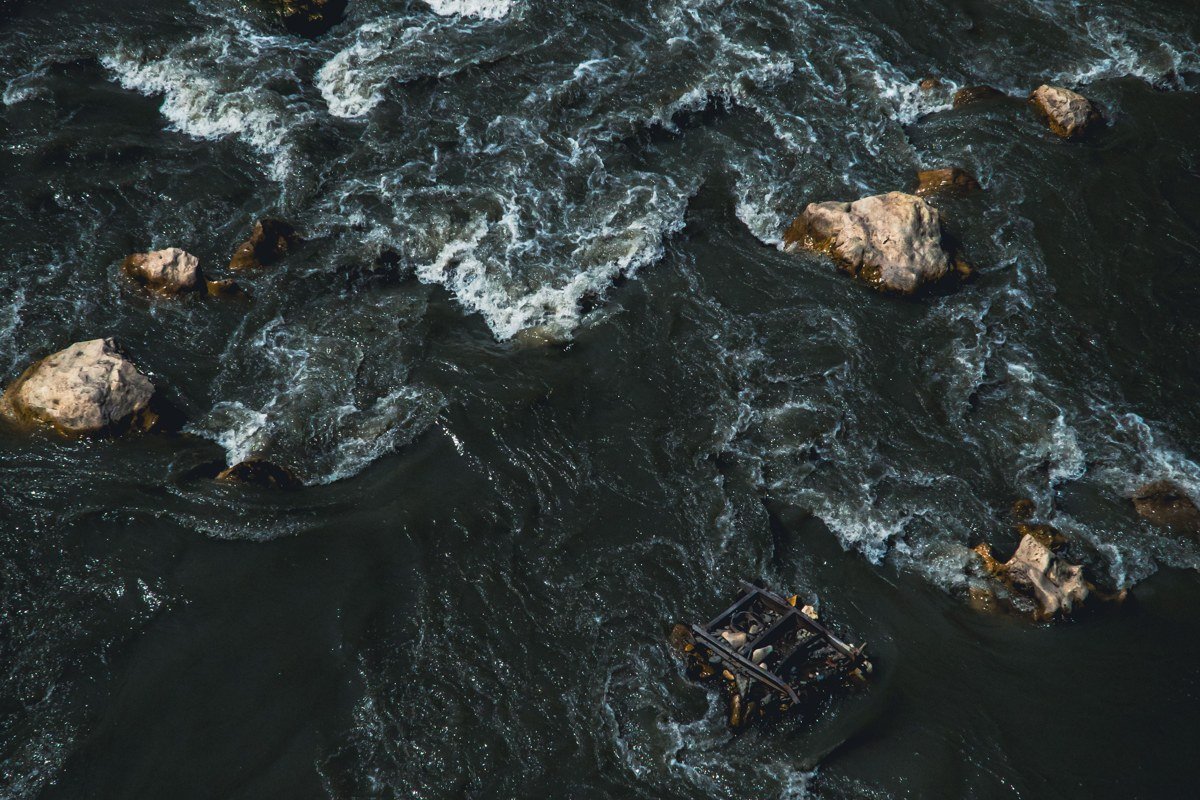
The Kicking Horse is widely regarded as one of the best commercially raftable whitewater rivers in Canada, and yet most travelers driving the Trans-Canada through Golden stop only for gas. The stretch known as the Portals runs Class IV rapids through a tight canyon where the walls close in overhead and the water has no patience for hesitation. Grades shift seasonally, so late June through mid-July, when snowmelt is still feeding the river, delivers the most aggressive runs while temperatures are still cool enough to make the inevitable swims feel like an actual event rather than a pleasant dip. If full whitewater is more commitment than you want on day one, the same outfitters running the canyon also offer a gentler lower canyon float that still clears your head completely. Book a morning departure and you will have the canyon largely to yourself before the afternoon crowd from Banff makes the ninety-minute drive.
2. Yoho National Park, Field, BC
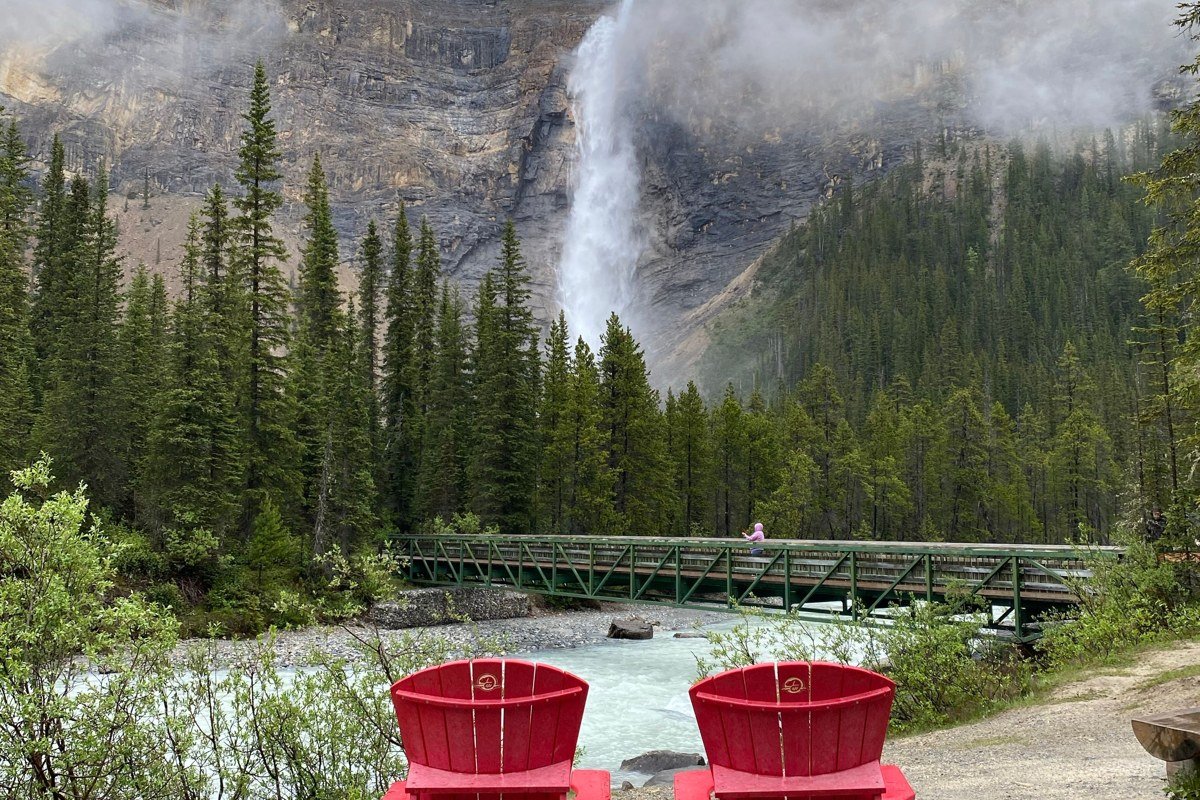
Yoho sits directly west of Banff, shares a border, and receives a fraction of the foot traffic despite holding Takakkaw Falls (one of Canada’s tallest waterfalls), the Cathedral Mountain ridgeline, and the Wapta Icefield approach routes. The Iceline Trail is the headline hike here, a high traverse above the treeline that puts you on moraine fields with glacier views that Banff’s trails frankly cannot match without a helicopter. For a harder edge, the Whaleback ridge scramble above Emerald Lake rewards competent scramblers with a 360-degree panorama that almost nobody photographs because almost nobody goes there. The village of Field has a handful of accommodation options and a single excellent bakery, which means logistics are simple and mornings are uncrowded. Arrive before the first week of July if you want wildflowers on the Iceline without full summer crowds.
3. Icefields Parkway: The Stretches Nobody Stops At
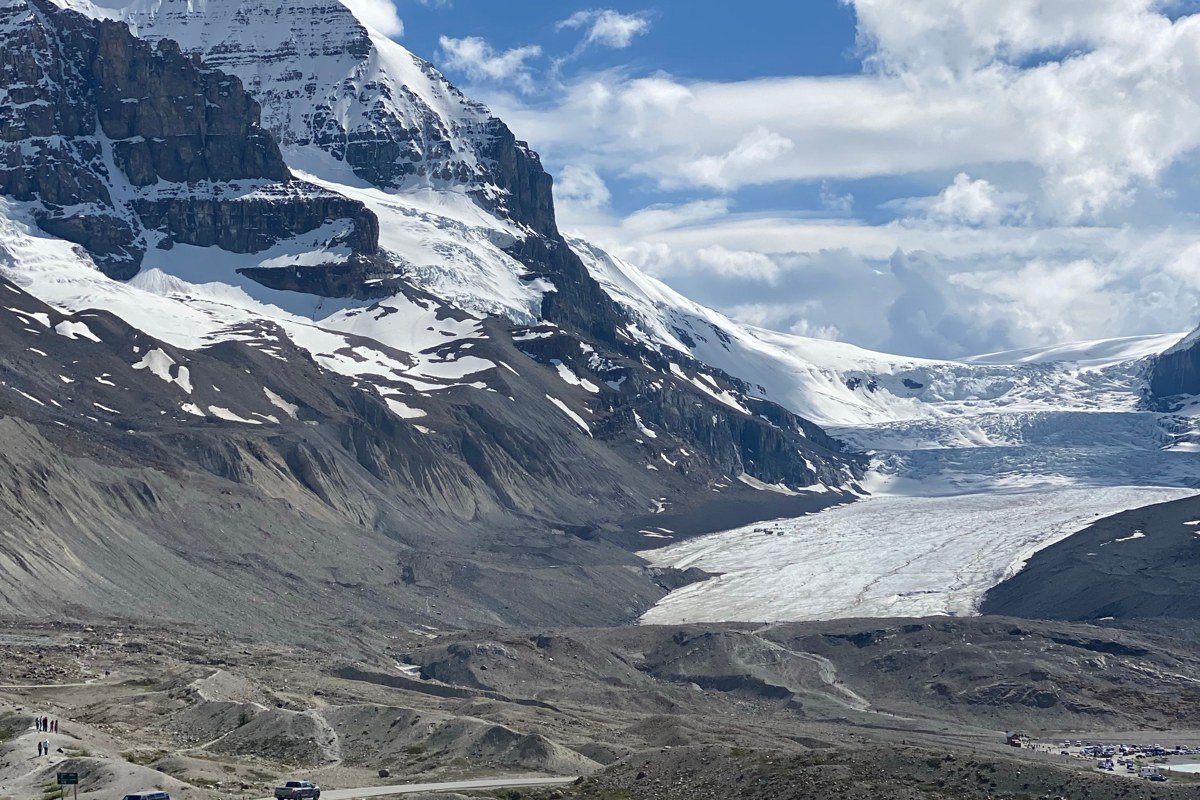
The Parkway between Lake Louise and Jasper is one of the great scenic drives on Earth, but most people treat it as a point-to-point corridor, slowing only at the Athabasca Glacier and the Columbia Icefield Skywalk. The Weeping Wall pullout, the Panther Falls scramble (accessible via a short unmarked path), and the Cirque of the Towers viewpoint near the Banff-Jasper border are all legitimate adventure tourism stops that are routinely missed. Winter turns this road into an ice climbing corridor: the Weeping Wall itself freezes into a multi-pitch curtain of ice that climbers from across North America come specifically to ascend, and yet the pullout has maybe a dozen cars on a busy day. Timing matters here: road conditions from November through March require proper tires and judgment, but the solitude payoff is real. If ice climbing is not your discipline, the same frozen conditions make the parkway one of the finest winter wildlife corridors you can access by car in North America.
4. Jasper National Park’s Tonquin Valley
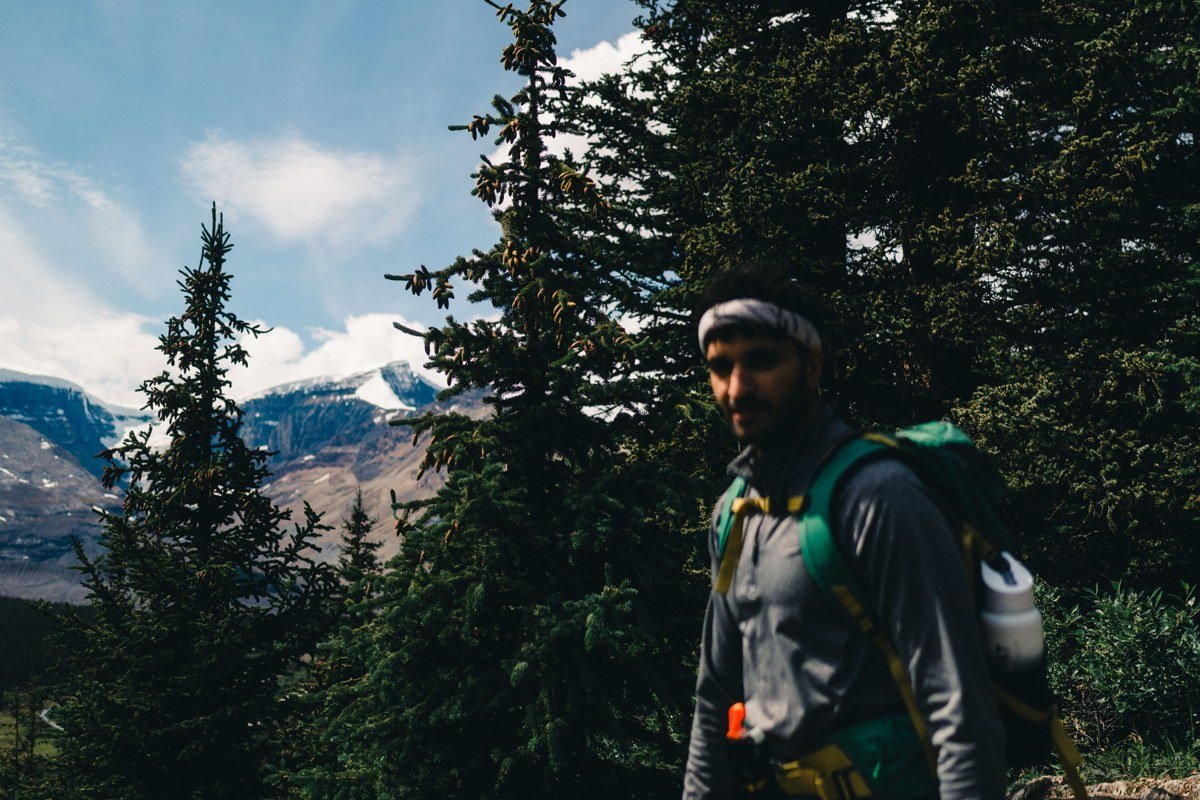
Jasper is larger than Banff and less visited, but even within Jasper, the Tonquin Valley remains a backcountry secret by Canadian Rockies standards. The valley holds the Amethyst Lakes beneath the Ramparts, a serrated wall of quartzite peaks that looks genuinely Himalayan at the right light. The standard route in is a full-day hike or horseback trip of roughly 19 kilometers, which filters out anyone who is not committed. Once inside, the outfitter-run backcountry lodges offer guided fly-fishing, mountaineering instruction, and winter ski traverses that connect to terrain most people never access. Grizzly and black bear activity is high here, so this is one place where bear spray is not optional kit. Go in mid-September for larches, lower mosquito pressure, and the possibility of fresh snow on the Ramparts making the photography absurdly dramatic.
5. Kananaskis Country, Alberta
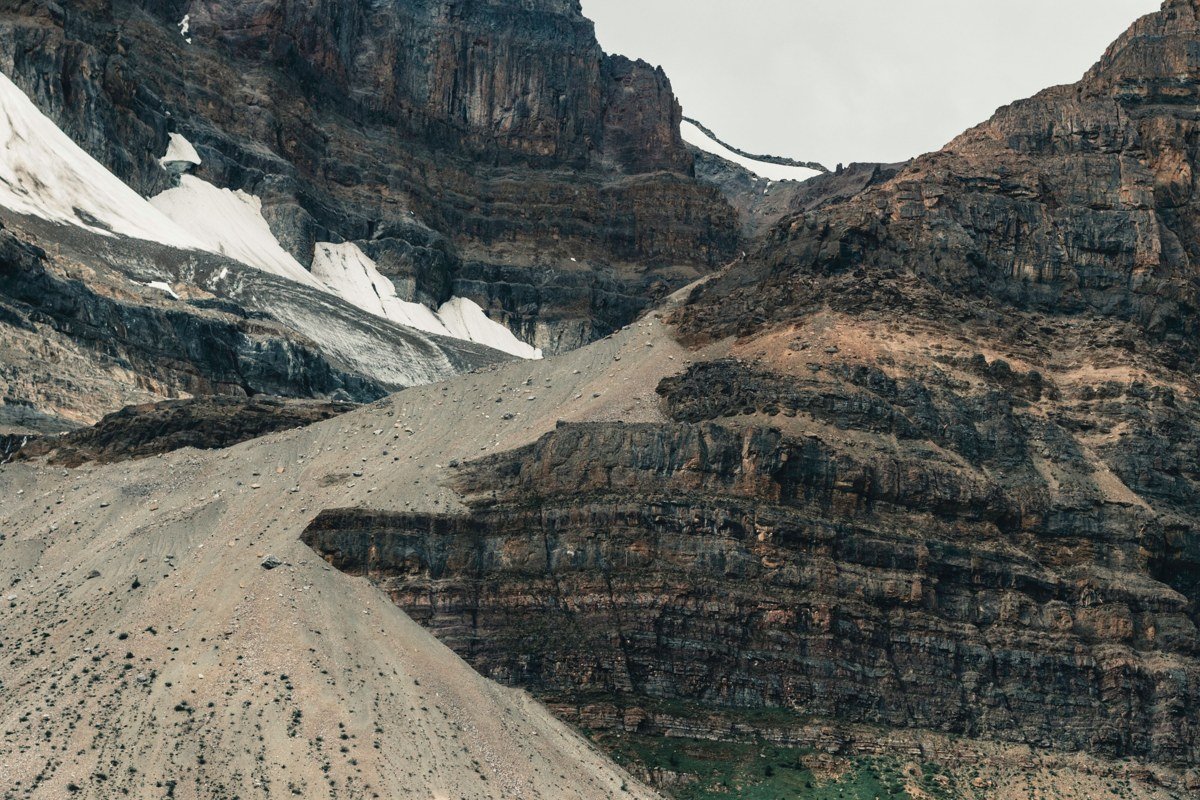
Kananaskis is the local’s escape valve from Banff, a massive provincial recreation area directly to the south and east of the national park. Unlike Banff, it does not charge park entry fees, its trail network is vast and often excellent, and the crowd density drops sharply even on summer weekends once you move past the main Nakiska ski area. The Opal Range scrambles, the Sarrail Ridge loop, and the Ha Ling Peak route above Canmore are all legitimate adventure tourism objectives that would be considered headline attractions anywhere else in Alberta. Mountain biking in the Kananaskis Valley is underrated by any measure, with multi-day singletrack linking campgrounds through subalpine terrain. The town of Canmore, sitting on the eastern edge of Kananaskis, has grown into a proper basecamp with gear shops, guides, and food that punches well above its size.
6. Ghost River Wilderness Area, Alberta
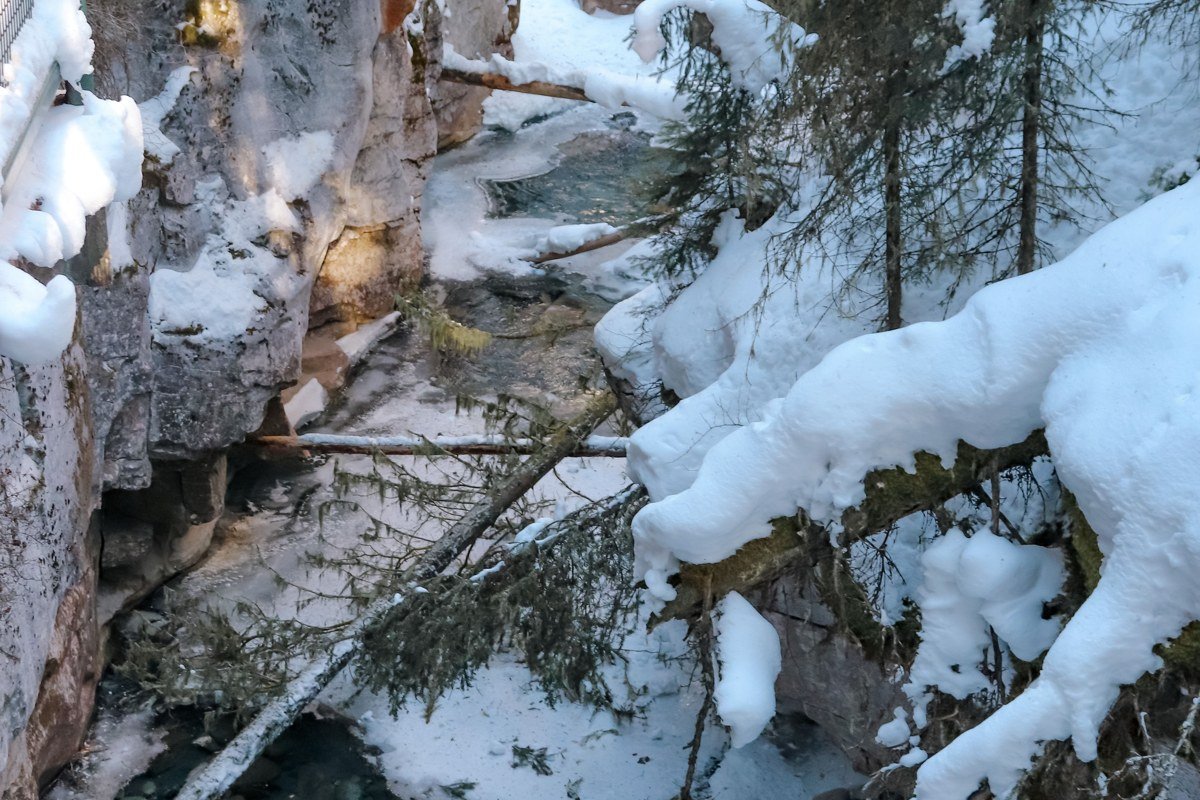
West of Cochrane and largely absent from mainstream travel content, the Ghost River Wilderness sits in a transition zone between the foothills and the front ranges that produces unusual canyon topography. The Ghost River itself has carved narrow slot sections through limestone that reward canyoneering with a wading pack and a willingness to commit to cold water. Above the canyon, the ridgelines give access to serious off-trail scrambling on peaks like Phantom Crag that see almost no guided traffic. The area has no formal services: no visitor center, no maintained trailheads in the backcountry sections, and limited cell coverage, which is both the point and the caution. Navigation skills and a current Alberta backcountry map are mandatory. Spring runoff makes the river crossings dangerous, so aim for late July through September for the most manageable conditions.
7. Mount Robson Provincial Park, BC
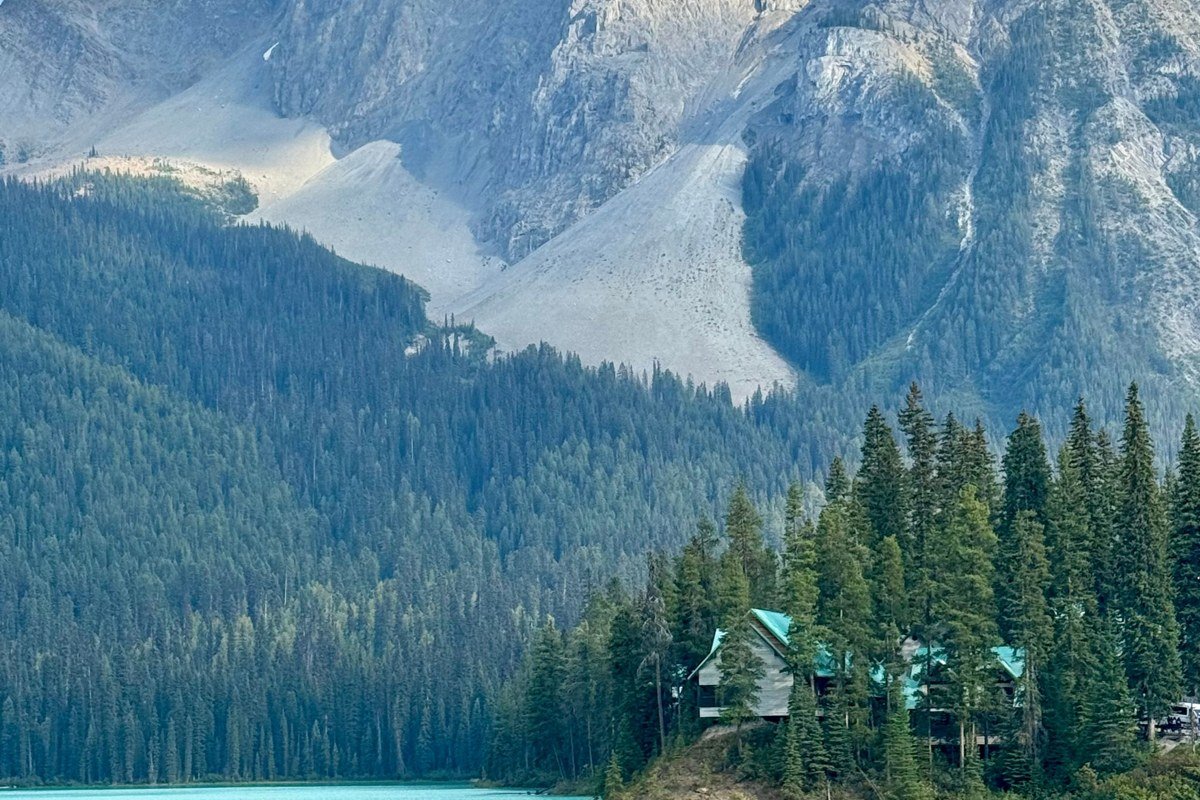
Mount Robson is the highest peak in the Canadian Rockies and sits entirely outside Banff’s orbit, anchoring its own provincial park in British Columbia near the Jasper border. The Berg Lake Trail is one of the finest backpacking routes in the country, climbing through three distinct ecological zones to a glacial lake where house-sized icebergs calve regularly from the Mist Glacier and drift into the turquoise water below the summit wall. The full circuit to Berg Lake and back is typically done in three to four days, camping at designated sites along the trail. Summit attempts on Robson itself are serious mountaineering objectives with a low success rate due to persistent cloud cover and objective hazard, making them appropriate only for parties with real alpine experience. Book Berg Lake campsites through the BC Parks reservation system as early as possible: they fill well before the season opens.
8. Maligne Canyon, Jasper (In Winter)
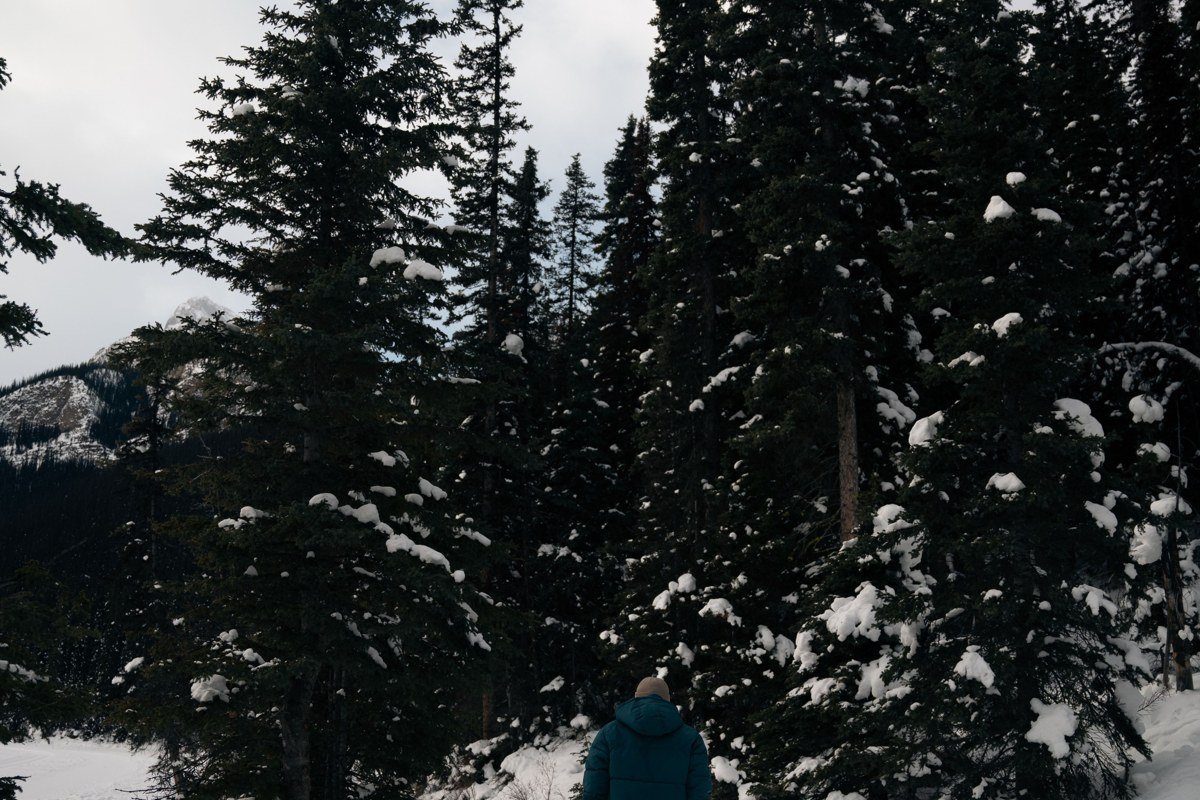
Most people know Maligne Canyon as a summer gorge walk, which it is, and a good one. But the winter version is a different experience in kind, not just in temperature. By January, the canyon floor freezes into a cathedral of blue and white ice formations, and outfitter-led ice walks let you descend to the canyon bottom through slots that are inaccessible at any other time of year. The deepest section reaches roughly 50 meters and the ice columns, curtains, and frozen waterfalls inside it are among the most dramatic cold-weather landscapes in western Canada. A local guide is genuinely useful here, not just for safety but because they know which formations are climbable and when the ice is in prime condition. Late January through late February typically delivers the most developed ice before March melt cycles begin to deteriorate the formations.
9. Athabasca River Canyon and Horseshoe Lake Area, Jasper
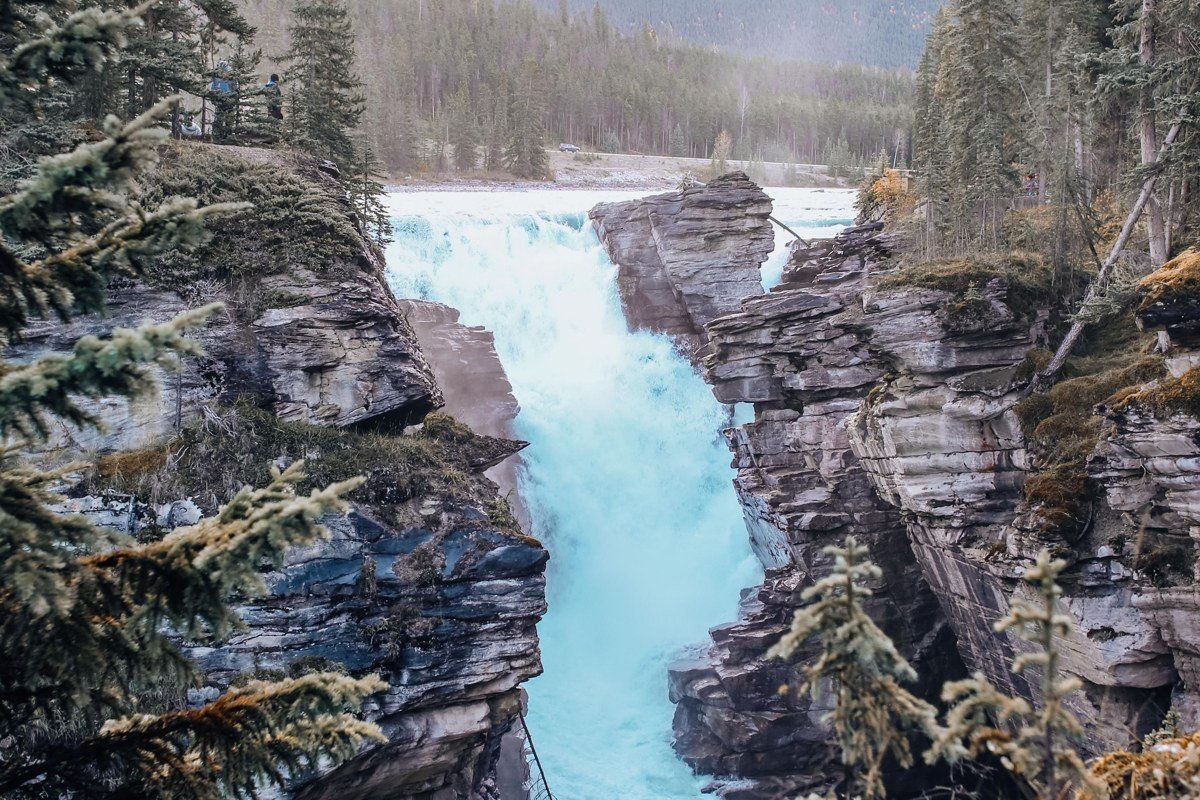
The Athabasca River runs the length of Jasper National Park, but the canyon section just south of the townsite and the adjacent Horseshoe Lake area offer an adventure tourism experience that most day-trippers completely bypass in favor of the famous Athabasca Falls downstream. The lake itself sits in a collapsed karst depression, its water is intensely cold and clear, and the far cliff wall drops cleanly into deep water at a height that satisfies anyone looking for a cliff jump that requires actual nerve. Local Jasper guides run packrafting trips on the upper Athabasca that combine flatwater paddling through moose habitat with technical river reading on the braided sections. September is particularly good: elk rut is active on the surrounding meadows, water levels drop to navigable lows, and the crowds that define July are entirely gone.
Planning Your Adventure Tourism Trip to the Rockies: What Actually Matters
Choose a single geographic anchor rather than trying to cover Banff, Jasper, and Yoho in one loop. The distances look manageable on a map and then eat your days on the road.
Book guided river and canyon experiences before you arrive. Outfitters at Kicking Horse, Maligne, and Athabasca regularly fill their best departure slots weeks in advance, particularly in July and August.
Shoulder season (late May and late September) consistently outperforms peak summer for crowd density and often for scenery. Larch season in late September is specifically worth building a trip around.
Carry bear spray and know how to use it. This applies everywhere in this list, not just the backcountry objectives. The Rockies have one of the healthiest large carnivore populations in North America, and that is a feature, not a bug, but it requires honest preparation.
The Canadian Rockies reward specificity. The travelers who arrive with a single destination and three full days to explore it walk away with better experiences than the ones who move a new location every night. Pick your canyon, your river, or your ridge, and go deep.