
A driver cuts the headlights somewhere in the middle of the February flat. For a moment there is nothing, no horizon, no edge, no ground. Then your eyes adjust and the Milky Way comes in, above you and below you at the same time, the thin film of brine turning the entire salt pan into a mirror that makes it genuinely impossible to tell which way is up. That is what Salar de Uyuni does to you in the right season, at the right viewpoint, with the right conditions. It is also why understanding which of its viewpoints behaves best in which season is the difference between a transcendent shot and a postcard cliché.
1. Isla Incahuasi (Cactus Island)
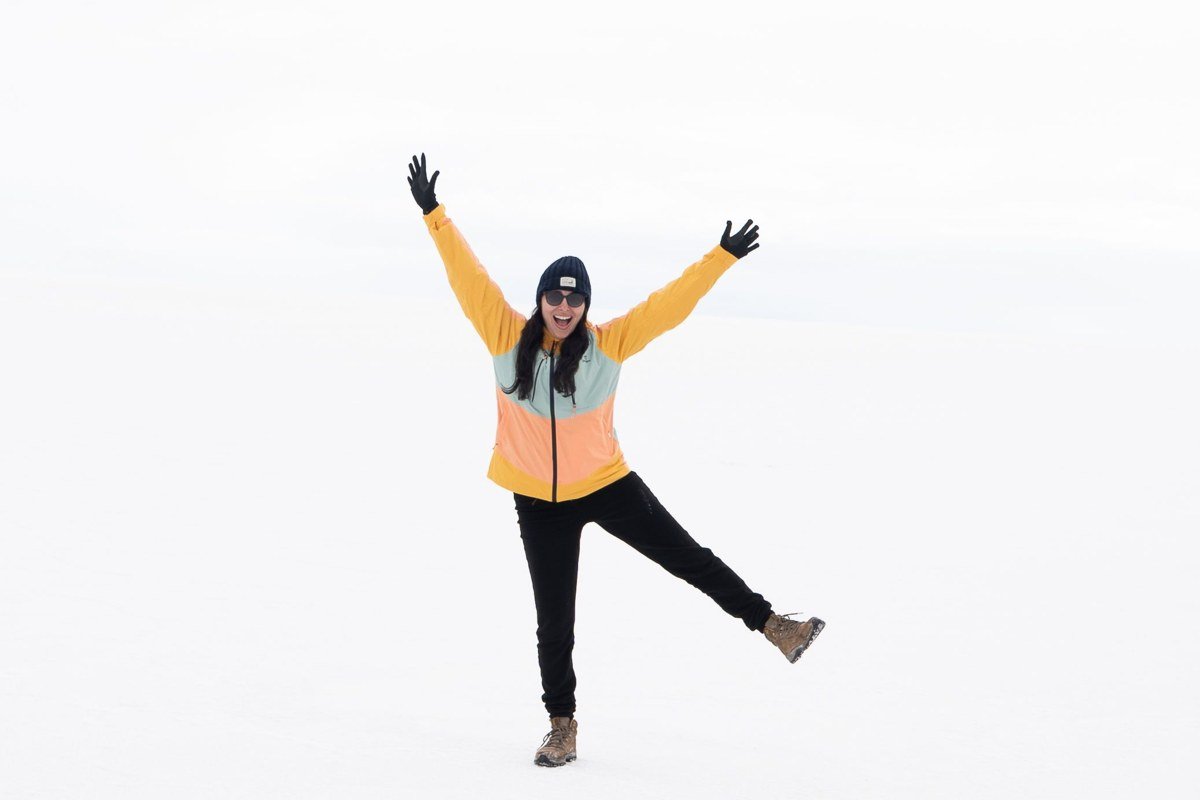
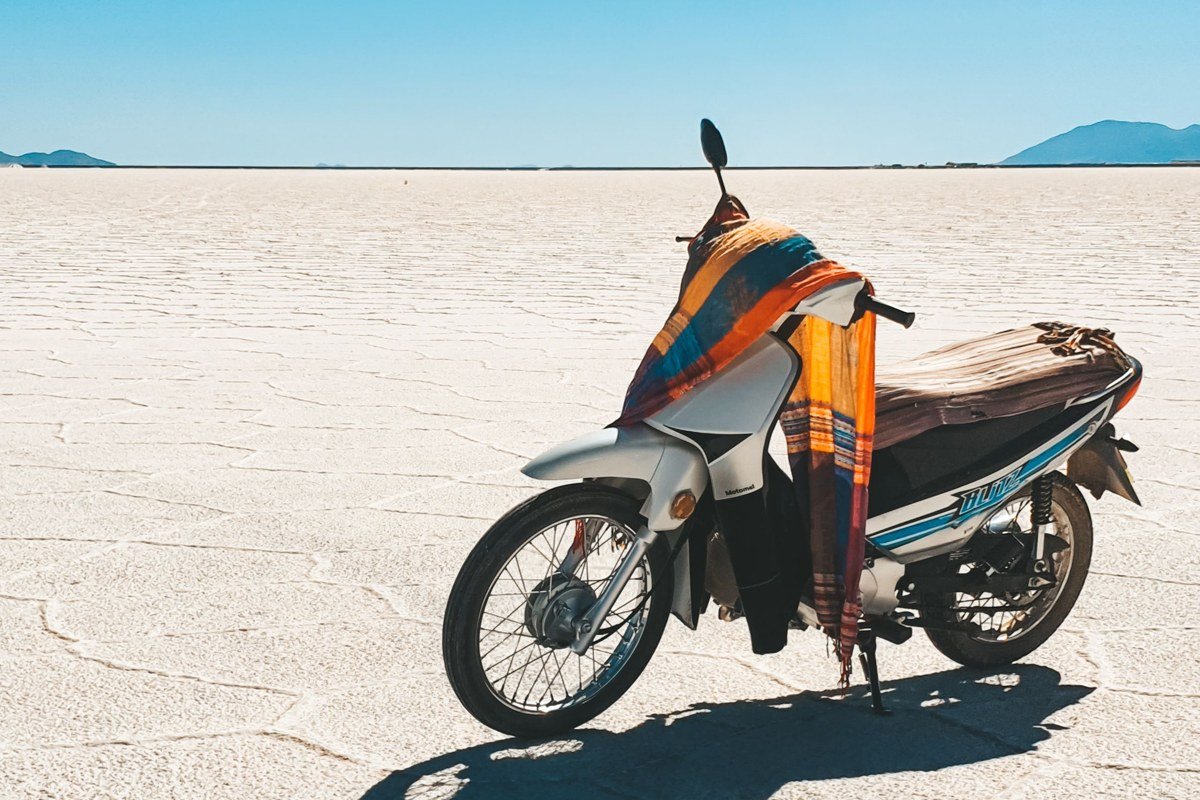
This volcanic rock rising from the centre of the flat is covered in centuries-old cardón cacti, some reaching twelve metres tall. In the dry season (May through October), the surrounding white crust creates a stark, near-monochrome frame that makes the island look like it was dropped in from a science-fiction film set. In the wet season (November through April), a shallow layer of brine surrounds it and the island appears to float on a mirror sky. The insider move: arrive before 8am, before tour groups converge, and shoot the cacti with the low eastern light raking across the salt hexagons at your feet. Every tour visits, but almost nobody stays until mid-morning when the light goes flat and the crowds thin back out.
2. Colchani Salt Processing Village
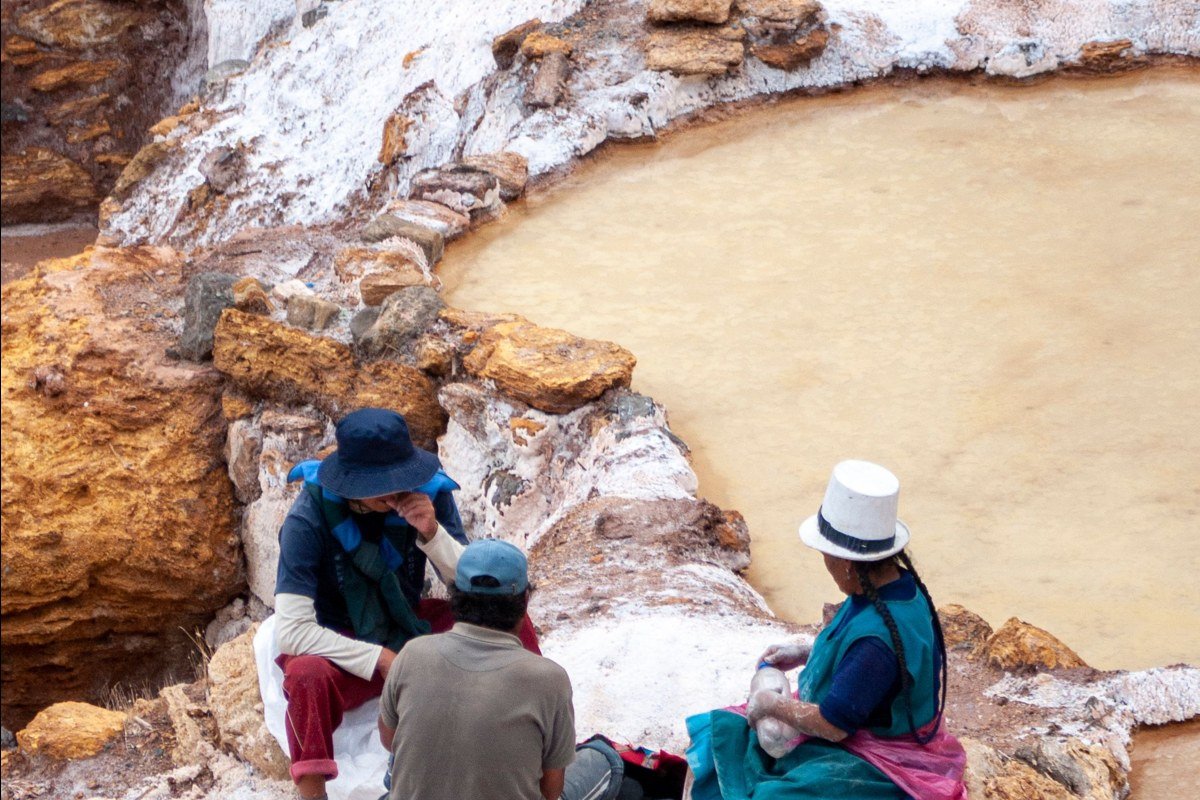
Colchani sits at the eastern edge of the flat and is where local Aymara workers hand-harvest salt into low pyramidal mounds that stretch along the horizon during the dry months. The mounds are pure white against a cobalt sky and genuinely strange to look at. In the wet season the mounds are partially dissolved and the village takes on a quieter, muddier character, but the light reflecting off shallow water near the processing area creates a secondary mirror effect that few photographers bother to find. The trade-off is honest: dry season gives you the pyramid drama, wet season gives you moody overcast softness. Come here in late October or early November when the rains are just beginning and you sometimes catch both conditions in a single afternoon.
3. The Train Cemetery (Cementerio de Trenes), Uyuni Town
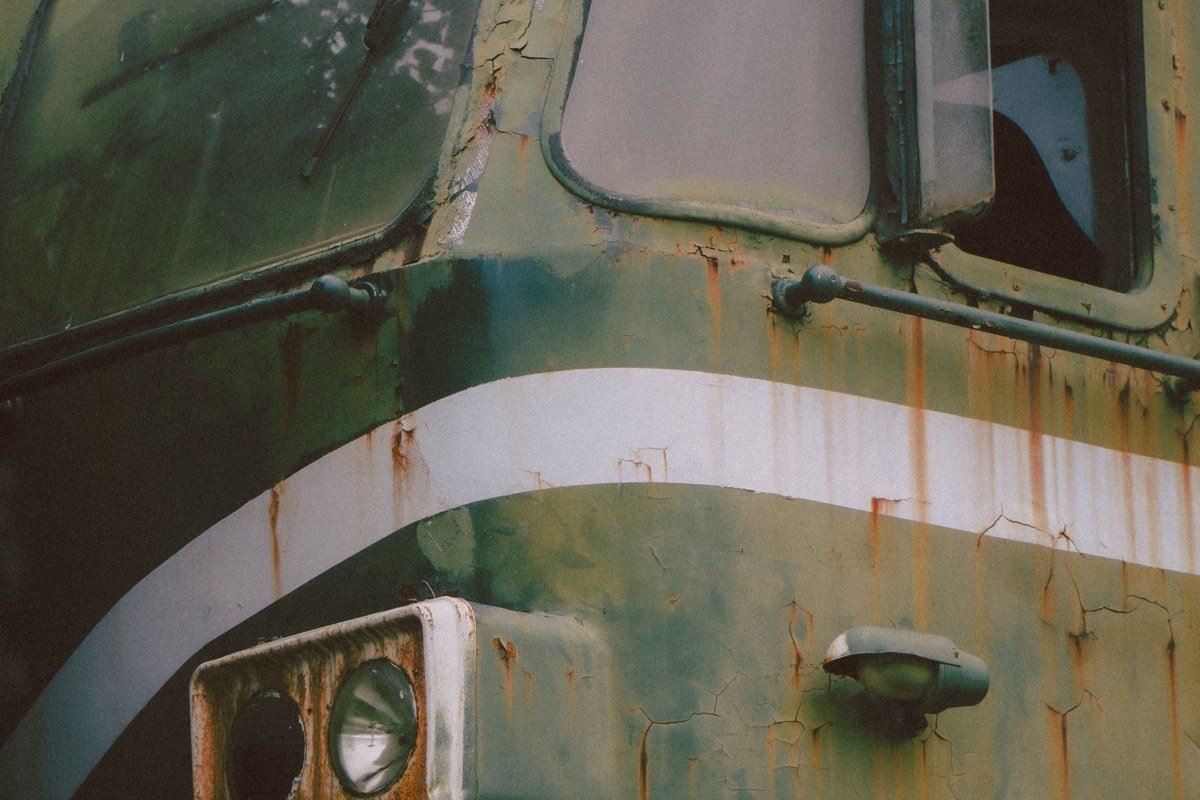
About three kilometres outside Uyuni, a field of early twentieth-century British-built locomotives rusts slowly into the desert. Bolivia ordered most of these trains in the 1900s and 1910s to serve the silver and mineral-mining boom, and they were abandoned when the mines collapsed and the regional rail network fell apart. In the dry season the light is sharp and the rust textures go vivid orange against blue. In the wet season, low clouds and diffuse light flatten the shadows and give the whole scene a post-apocalyptic grey that is genuinely better for wide, atmospheric compositions. Visit in the late afternoon regardless of season. Morning light hits the trains from behind if you are shooting west, so you spend the first half of the day fighting backlit silhouettes. Evening light is warm, directional, and arrives from the right side.
4. Salar de Uyuni Hexagon Flats (Central Pan)
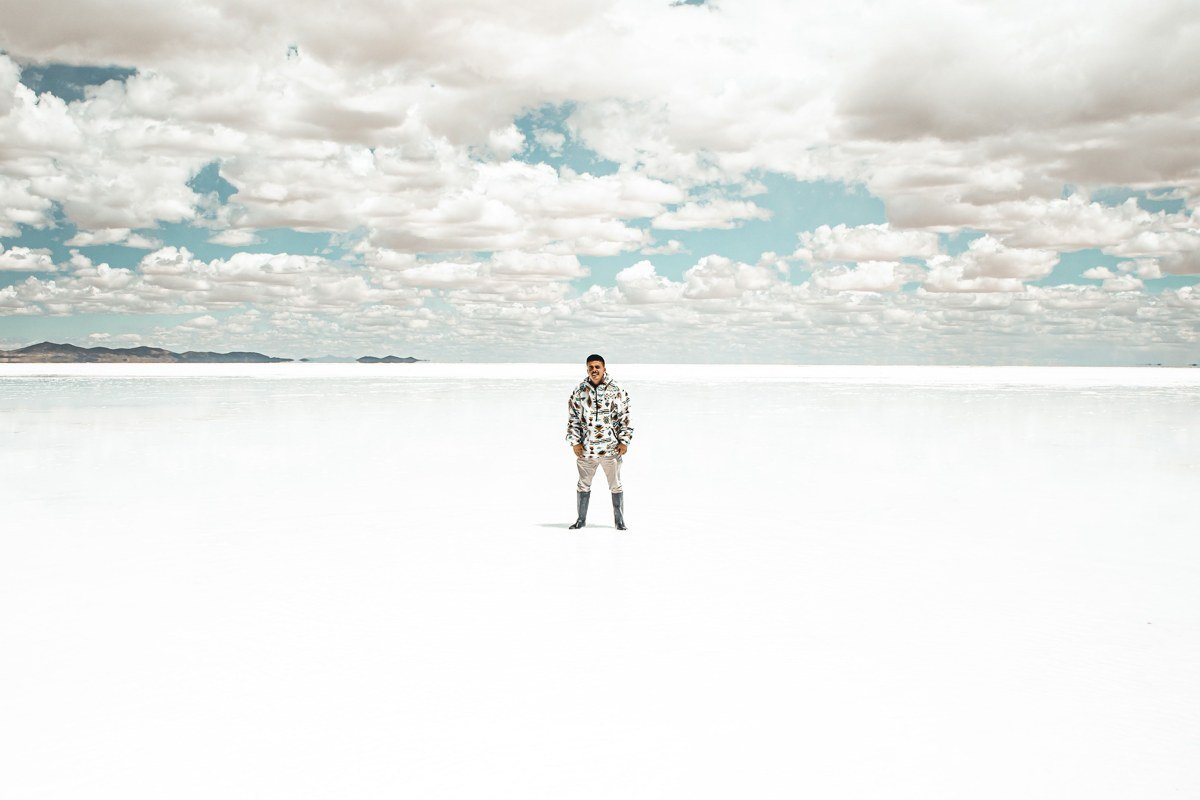
The geometric hexagonal cracking of the salt crust is most pronounced in the centre of the flat, far from any road or tourist stop. The polygons form as brine contracts during the dry season and can measure half a metre across near the middle of the pan. Mid dry-season (July and August), the crust is thick, deeply cracked, and brilliantly white. Mid wet-season (January and February), it vanishes entirely under water. Shoulder seasons (October and March) are the visual sweet spot when a thin film of brine sits on top of intact hexagons, creating a reflection that still reveals the geometric texture below. Rent a 4×4 with a driver willing to go well past the first tourist clusters. The hexagons closest to Colchani are worn smooth by vehicle traffic.
5. Tunupa Volcano Viewpoint
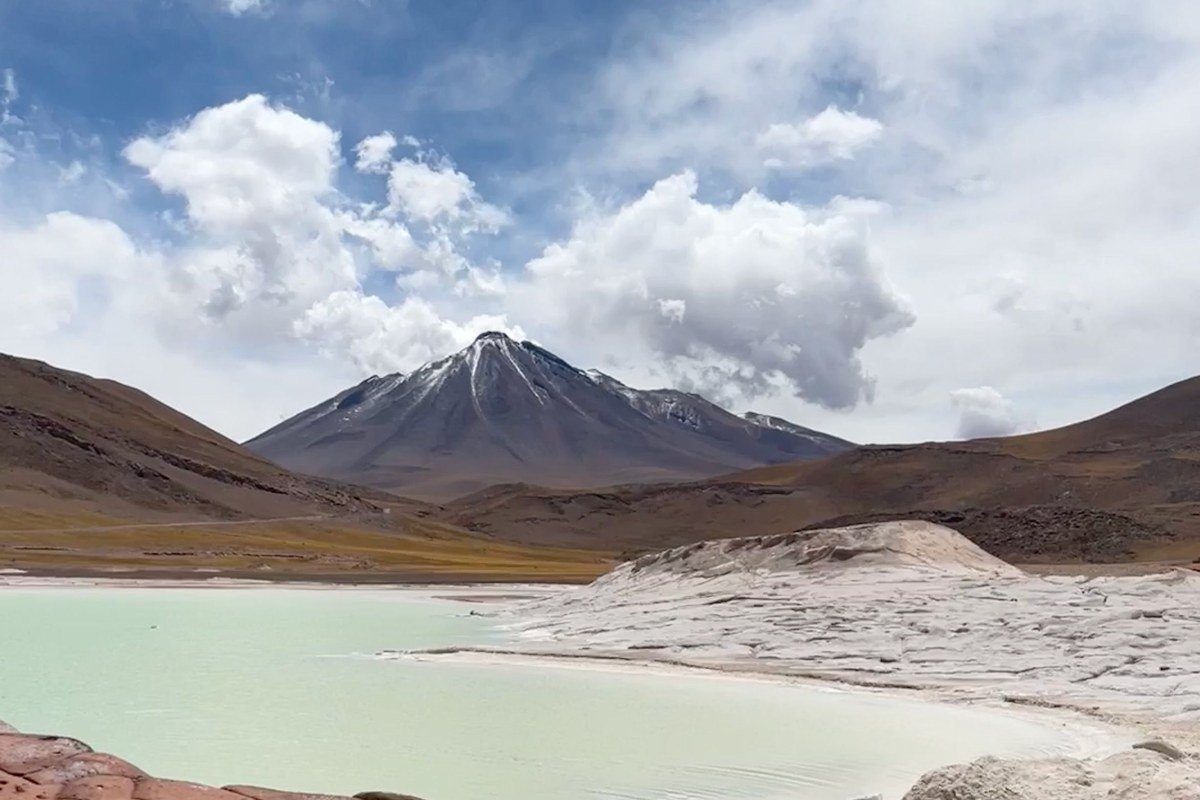
Tunupa rises to roughly 5,432 metres on the northern edge of the flat and is climbable, though the hike is demanding at altitude. The base village of Coquesa has rock-cut funerary chambers and mummies that predate the Inca period. The volcanic summit, or even the midpoint at around 4,800 metres, gives you the only elevated view of the flat available. In the wet season, you look down at a vast sheet of water that mirrors the sky and has no visible edge. In the dry season you look down at a white disc that appears to glow under the Andean sun.
Entry to the Tunupa area falls under Eduardo Avaroa reserve jurisdiction, which charges foreign visitors a fee currently around 150 BOB. Pay this at the reserve checkpoint before heading to the trailhead. Note also that the Coquesa trailhead sometimes requires hiring a local guide from the village, both for navigation above the funerary site and because the community has formalised this as a source of income. Ask at the village entrance rather than assuming you can self-guide from the car park.
The climb takes three to five hours round trip. Start before 7am and you will be descending as tour groups are only beginning to arrive at the base.
6. Ojos del Salar (Salt Eyes)
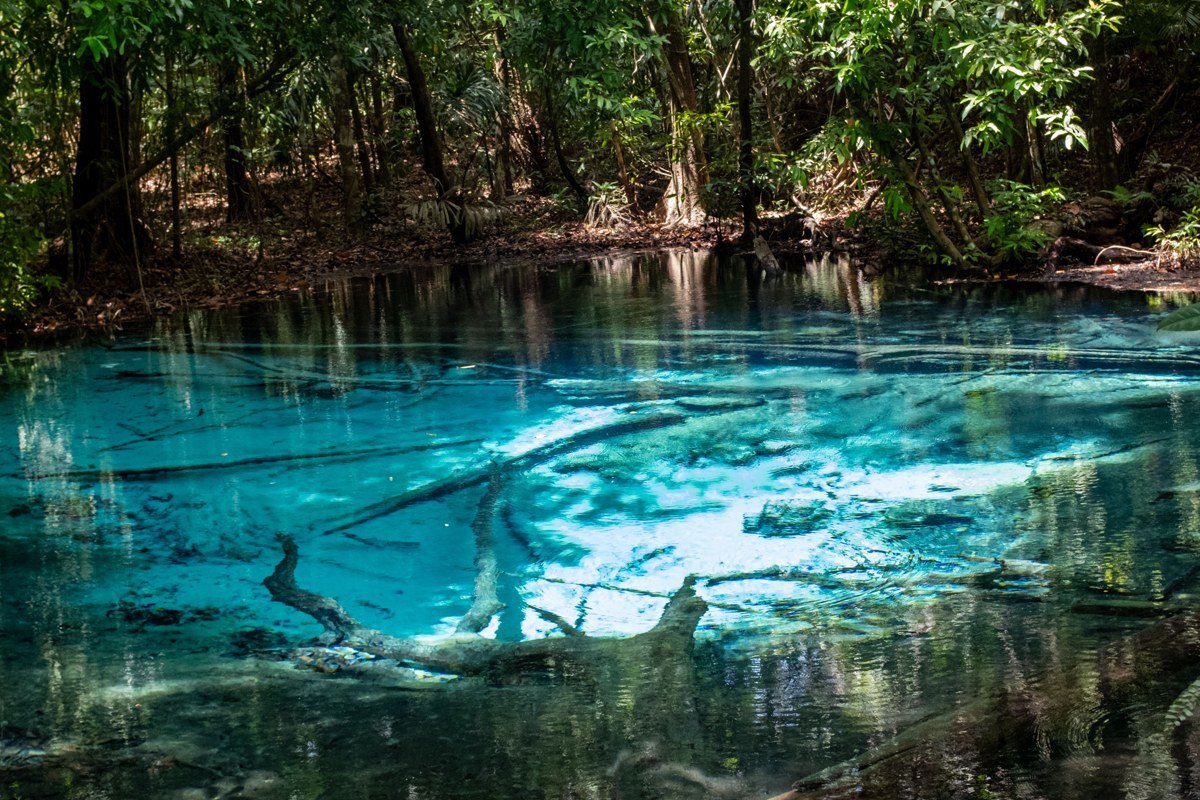
These circular freshwater upwellings punch up through the salt crust and look, from ground level, like perfectly round pupils set into the white pan. In the dry season the contrast between vivid blue water and white crust is almost too clean to look real. In the wet season the surrounding water level rises to meet the pools and the distinction between pool and flat blurs into a continuous blue plane, which is actually more surreal and less reproduced. Lie flat on the crust to shoot at water level and lose any sense of scale entirely. Most drivers know where the main ojos are, but ask specifically for the southern cluster, which tends to be less trafficked.
7. Salar de Uyuni Night Sky Position (Centre Pan)
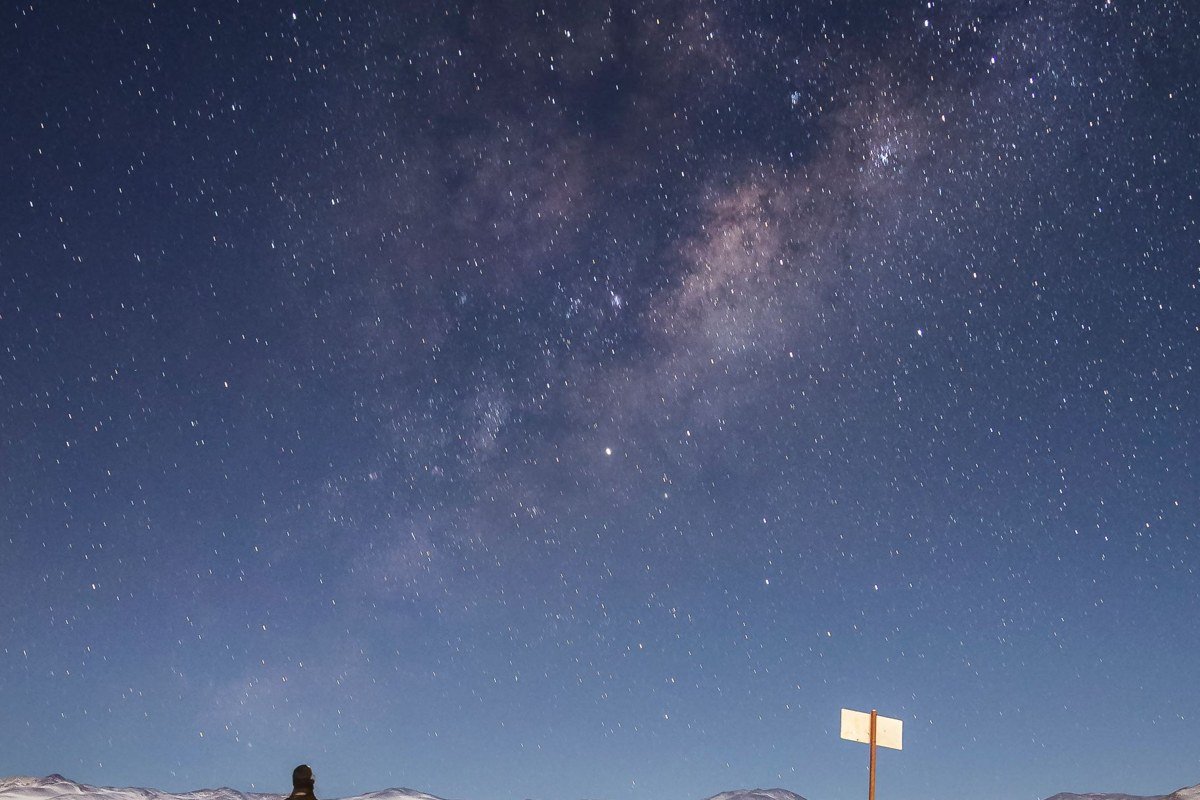
The altitude, the distance from any significant light pollution, and the reflective surface combine to produce one of the most reproduced astrophotography locations on earth, and it earns that reputation. In the dry season, the crust is stable enough to drive on at night and the Milky Way arches over a bone-white surface. In the wet season, a thin layer of still water turns the surface into a near-perfect mirror. New moon nights in February are the benchmark combination: wet season water, no moon, and full southern sky visibility.
The practical challenge is navigating the flat safely in the dark. Before you book a night trip, ask your driver two specific questions: whether they carry a red-light torch (white light destroys your night vision during a long exposure session and ruins the shot for everyone else in the group), and whether they have a saved GPS track for the night position. Disorientation on an unmarked wet flat at 3am is a genuine safety issue, not just a shooting logistics problem. A driver who has done this regularly will have both without hesitation. One who pauses is telling you something.
Photographers planning to fly drones should know that Bolivia does not currently require a permit for recreational drones under 250g over the salar, but commercial drone use requires authorisation from the DGAC (Dirección General de Aeronáutica Civil). If you are shooting for a client or publication, factor that process into your pre-trip timeline.
8. Laguna Colorada: The Southern Circuit’s Anchor Viewpoint
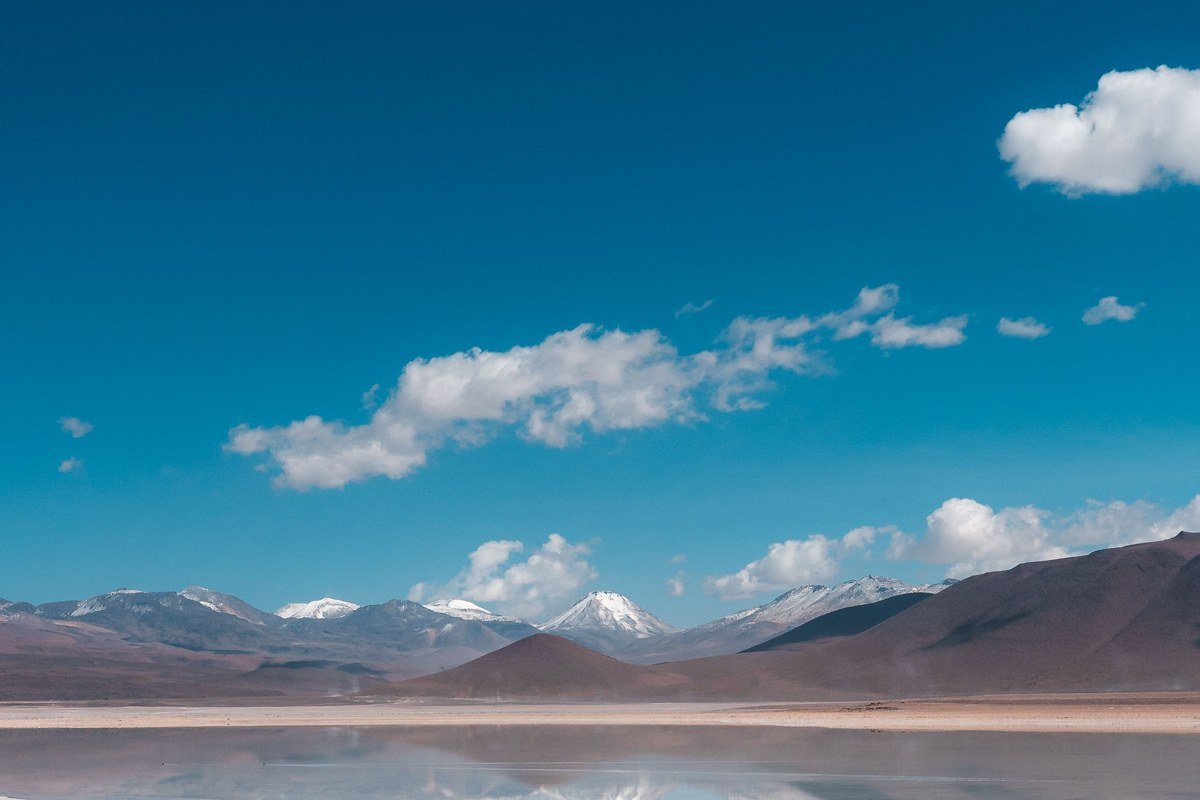
Laguna Colorada is the set piece that anchors the three-day southern circuit most serious visitors add onto their salar trip. It sits at about 4,278 metres and earns its name from the algae and minerals that turn the water deep crimson and burnt orange. Thousands of James and Andean flamingos feed in the shallows. In the wet season (roughly December through March) the flamingos are most numerous because the lake level rises and feeding conditions improve. In the dry season the colours concentrate as the water retreats, and the borax islands that dot the lake become fully exposed, their chalky white geometry sitting in hard contrast against the red water in a way that reads almost architectural from the south shore viewpoint. Plan at least one night at the nearby Eduardo Avaroa reserve to be there at dawn before the wind picks up and disturbs the surface.
The Seasonal Logic That Should Drive Your Booking
The single most important decision for Salar de Uyuni photography is whether you go wet or dry season, and the right answer depends entirely on what you want to shoot.
Wet season (November through April): mirror reflections, flamingo activity at Colorada, dramatic cloudy skies, rough road conditions that require an experienced 4×4 driver. January and February offer the deepest water coverage. Road access to some southern sites can close entirely during heavy rain weeks.
Dry season (May through October): clean white crust, hexagon detail, cactus island drama, easier logistics, better southern circuit road conditions. July and August are the peak tourist months. June offers a balance of stable weather and thinner crowds.
Shoulder months (October and March through April) give you the best chance of both: thin water films over intact hexagons, moderate flamingo counts, and a reasonable shot at a clear night for astrophotography.
For accommodation, the two main salt hotels near Colchani are Luna Salada and Palacio de Sal. Staying at either puts you on the flat’s eastern edge, which means you can be in position for dawn within fifteen minutes of leaving your room, a significant advantage over staying in Uyuni town, where the drive to open flat takes thirty to forty-five minutes and costs you the first light entirely. Uyuni town has more dining options and is better placed for the train cemetery and logistics, so if your priority is the night sky or sunrise mirror, choose the flat-edge hotels. If you need flexibility across multiple sites, the town is the more practical base.
Spend at minimum two nights in the area. Three days gives you the full southern circuit plus at least one dawn session on the flat itself. All serious viewpoints require a hired 4×4 with driver. Independent vehicle hire is possible but logistically complicated on an unmarked white surface with no visible GPS landmarks.
Altitude acclimatisation matters. Fly into La Paz first, spend two days there, then take the overnight bus or morning flight to Uyuni. Arriving directly from sea level and heading immediately onto a 3,656-metre salt flat produces the kind of headache that ruins a shooting session.