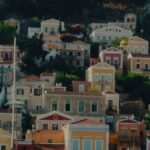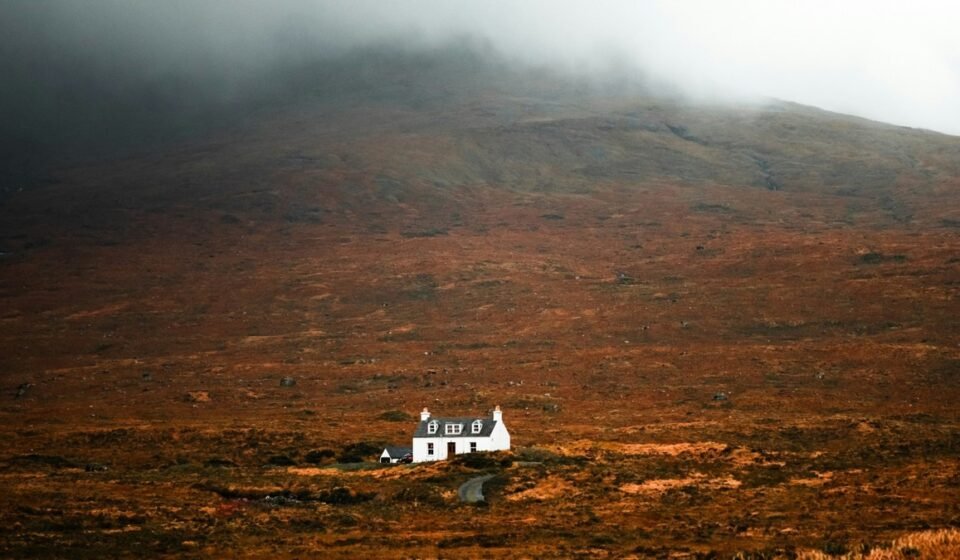

The Scotland Highlands aesthetic is built on something real: bone-grey mornings, water that mirrors nothing but cloud, and villages so quiet you can hear the loch breathing. These nine settlements are ones guidebooks list but rarely stay in, and most of them take serious effort to reach. That effort is the point.
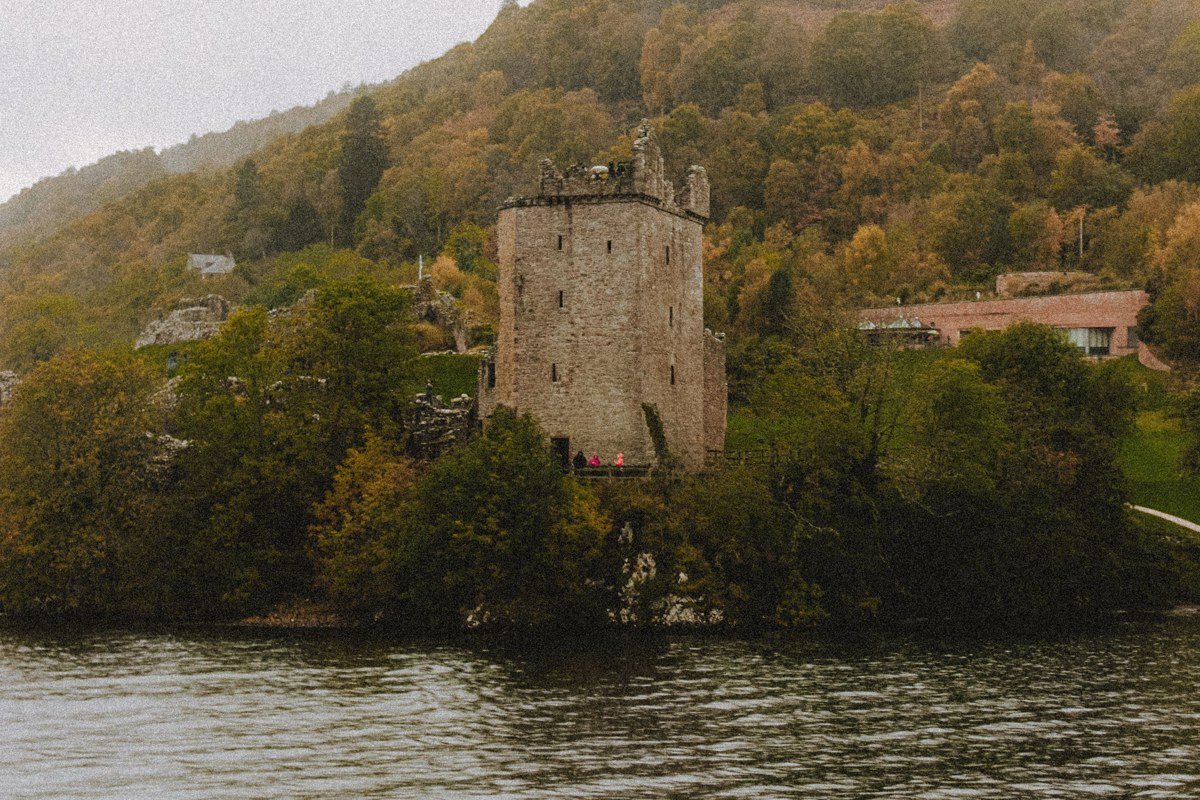
1. Kinlochewe, Wester Ross
Best for walking
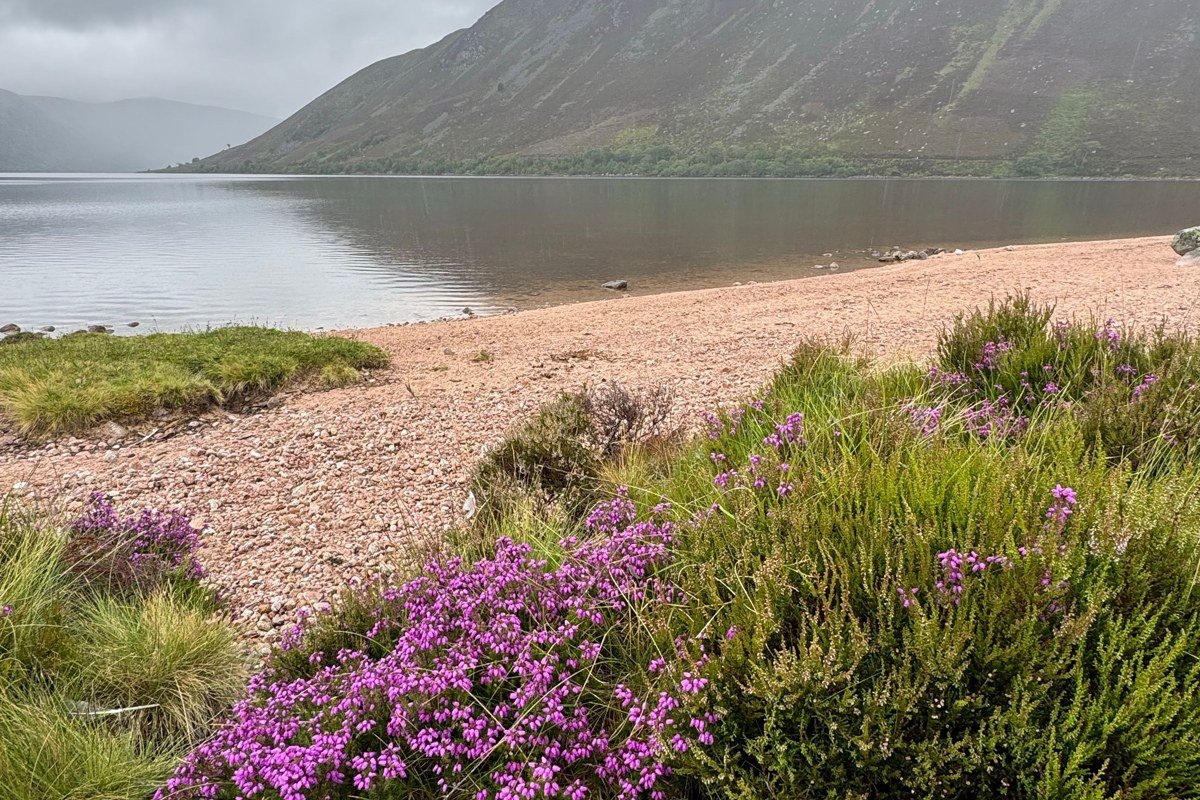
Kinlochewe sits at the meeting point of three glens, with Loch Maree stretching northwest and Beinn Eighe rising directly behind the village like a grey curtain pulled half-open. The light here in October and November stays low and amber all day, turning the birch woods along the loch shore the colour of old lacquer. The best single thing to do is walk the Beinn Eighe Mountain Trail early, before any other visitors arrive, and turn back at the quartzite ridge for the view down to the water. Most people who visit Kinlochewe treat it as a fuel stop for Torridon. If you sleep here instead at the Kinlochewe Hotel, a small walker-focused inn at the village junction, the evenings are completely still and the village empties by seven.
2. Shieldaig, Torridon
Best for doing nothing
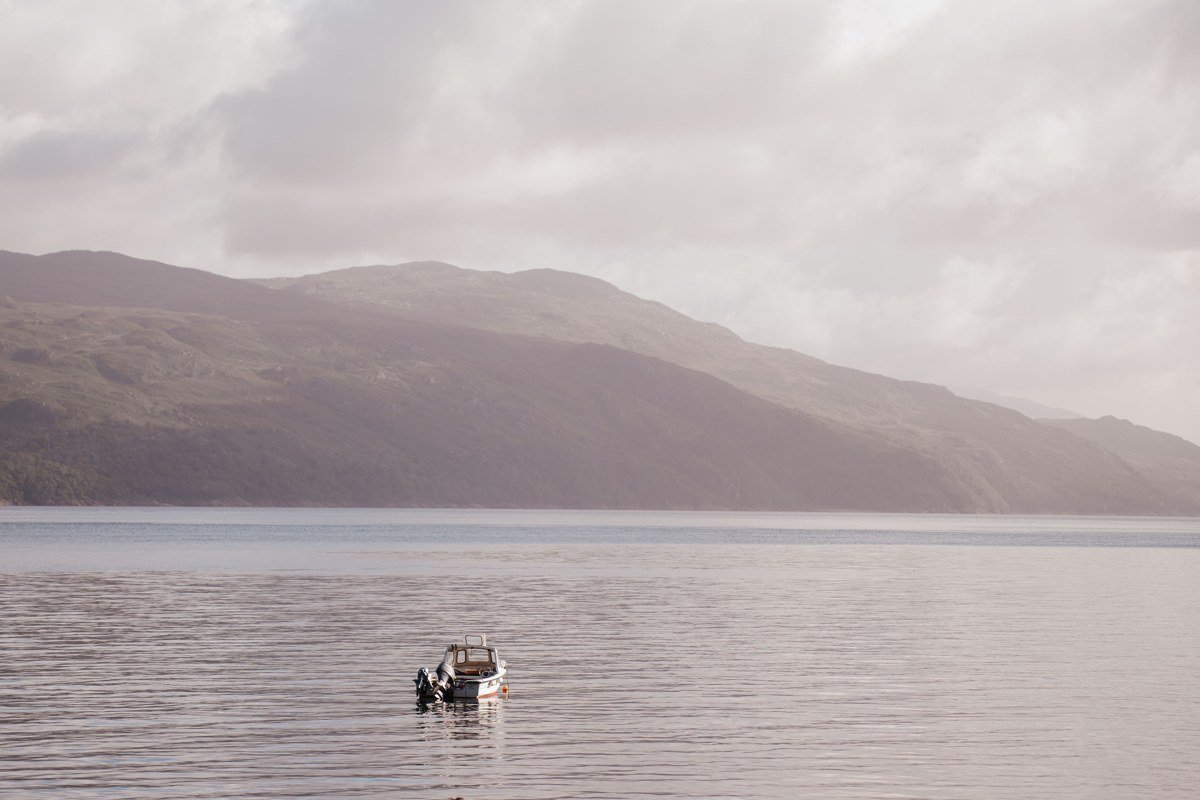
A single row of white-painted cottages faces directly onto Loch Shieldaig, with a small wooded island sitting in the middle of the water like a stage prop. The composition photographs almost too easily, but the real draw is the surrounding silence: there is no through-road, so traffic dies the moment you arrive. Walk the peninsula path that circles the back of the village for elevated views down into Upper Loch Torridon, especially effective in late afternoon when the Torridon mountains catch the last horizontal light. The Shieldaig Bar serves fresh langoustines landed locally, which matters more than it sounds after a long day in the hills. Tigh an Eilean, a small hotel directly on the waterfront, is the one property in the village where you wake up to the loch at window height. Come in May before the school holidays and you will have the lochside path entirely to yourself.
3. Glenelg, Kintail
Ferry-dependent in summer. No crossing out of season.
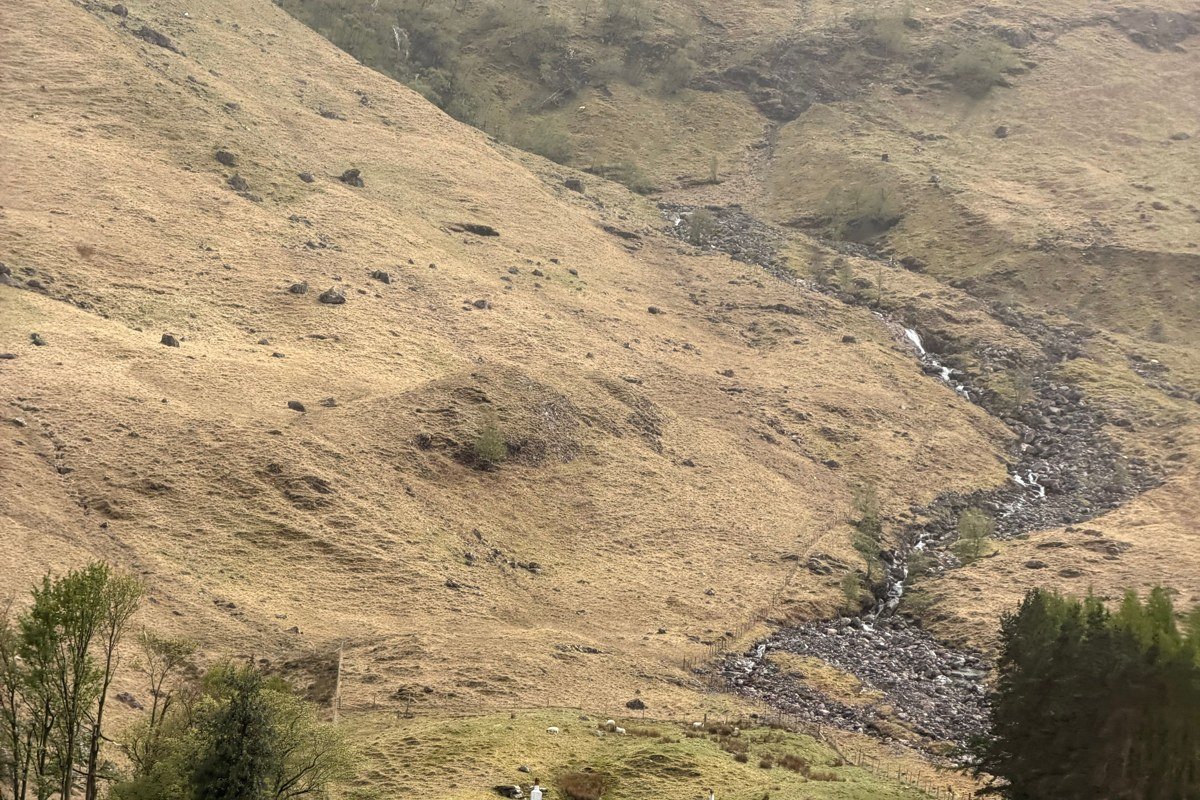
Glenelg is reached via the Mam Ratagan pass, a single-track road that climbs steeply from Shiel Bridge and delivers you to a view of the Five Sisters of Kintail that stops most drivers cold. The village itself is small and unhurried, sitting where the Sound of Sleat narrows before the crossing to Skye. The Glenelg to Skye ferry, one of the last manually-operated turntable ferries in Britain, runs in summer only, and the short crossing feels like a wholly different way into Skye rather than the busy Skye Bridge route. Two Iron Age brochs, Dun Troddan and Dun Telve, stand a short walk from the village and are among the best-preserved examples in Scotland. Arrive before 8am and the mist typically sits in the glen below the road, giving you a fog-over-valley shot from Mam Ratagan that is worth the white-knuckle drive alone. The Glenelg Inn, a whitewashed building facing the Sound, is the only place to stay in the village itself and books out quickly in July and August.
4. Drumbeg, Assynt
Single-track approach only. Road unsuitable for large campervans.
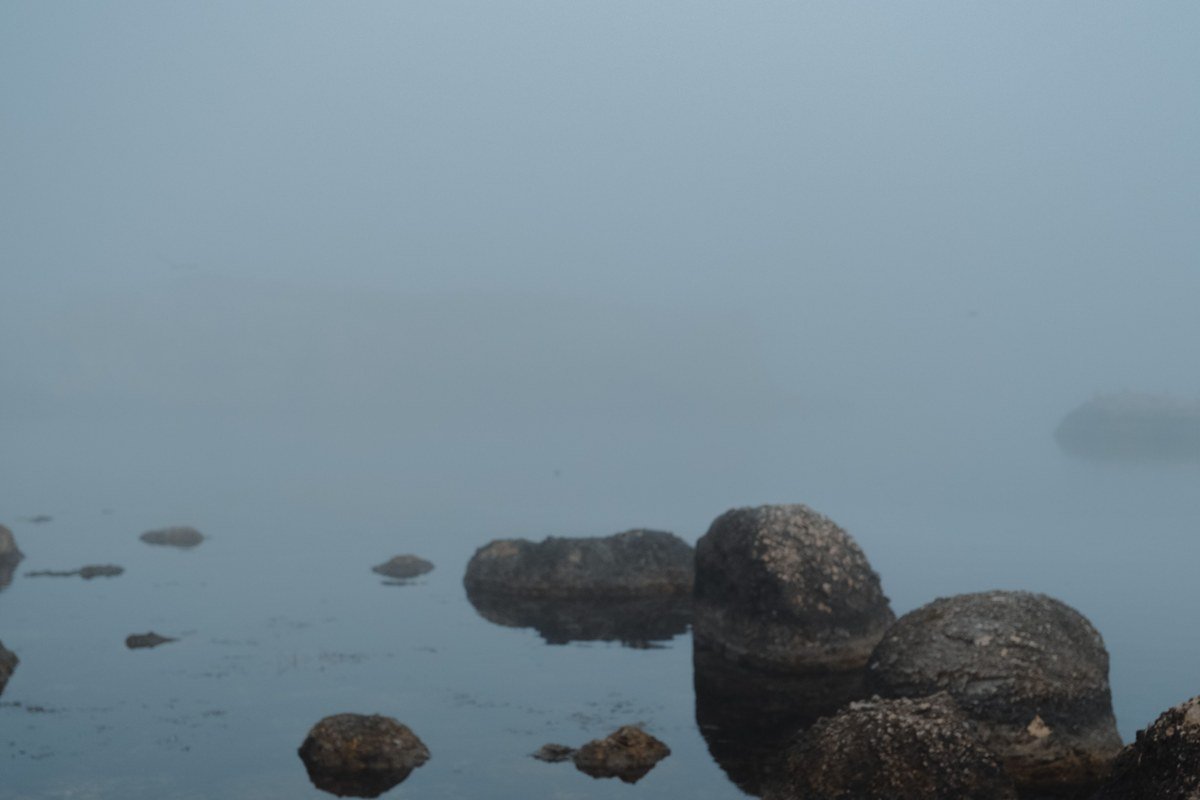
Drumbeg sits on the far northwestern corner of the Assynt coast, reached by a single-track road that winds so tightly above a sequence of inland lochs that the journey takes twice as long as the map distance suggests. The village is a loose gathering of croft houses above a small harbour, with the sea to the northwest and a landscape of water-dotted moorland behind it that has no real equivalent elsewhere in Britain. The viewpoint above the harbour, looking out toward the stacks of Oldany Island, is the kind of composition that takes photographers completely by surprise: dark foreground rock, silver water, and a horizon that curves slightly in wide-angle. The Drumbeg Hotel, a modest lochside building with a bar that serves the surrounding community for miles around, is the only formal accommodation in the area and closes over winter. Staying here rather than retreating to Lochinver for the night is the difference between seeing this coast at dusk and seeing it at dawn as well.
5. Lochinver, Assynt
Best for photography
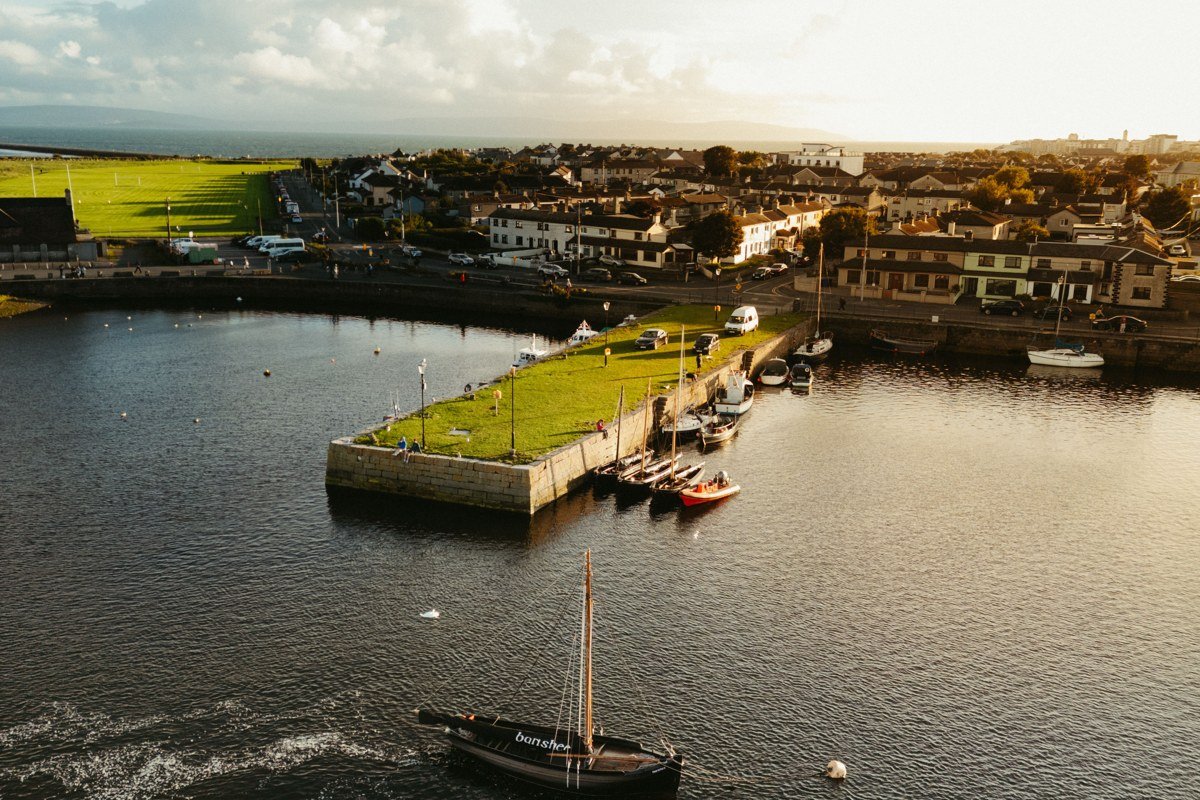
Lochinver is the largest settlement on this list and the most photogenic for a specific and structural reason: Suilven rises directly behind it, a sandstone ridge so improbable in shape that it looks assembled rather than geological. The village curves around a working harbour, which means fishing boats at low tide, stacked creels, and a practical waterfront that has not been redesigned for tourism.
The photography here divides cleanly into two angles. At dawn, position yourself at the harbour wall looking northwest: the boats sit low in still water, the mist moves across the surface in horizontal layers, and Suilven is often invisible, which makes the composition quieter and stranger. The elevated angle, the one that shows the whole village in its landscape context, comes from the A837 as it drops down from Ledmore Junction. Pull over on the descent before the road reaches the village and you have Suilven directly behind the rooftops, most effectively in late morning when the light hits the sandstone from the east.
Achins Bookshop, one of the most remote independent bookshops in Britain, sits a few miles outside the village toward Inverkirkaig and is worth an hour of anyone’s afternoon. The Lochinver Larder produces pies with fillings like venison and cranberry that are specific to the area and consistently well made. The Albannach, a small hotel above the village, offers the elevated position that the harbour-level accommodation cannot.
6. Achmelvich, Sutherland
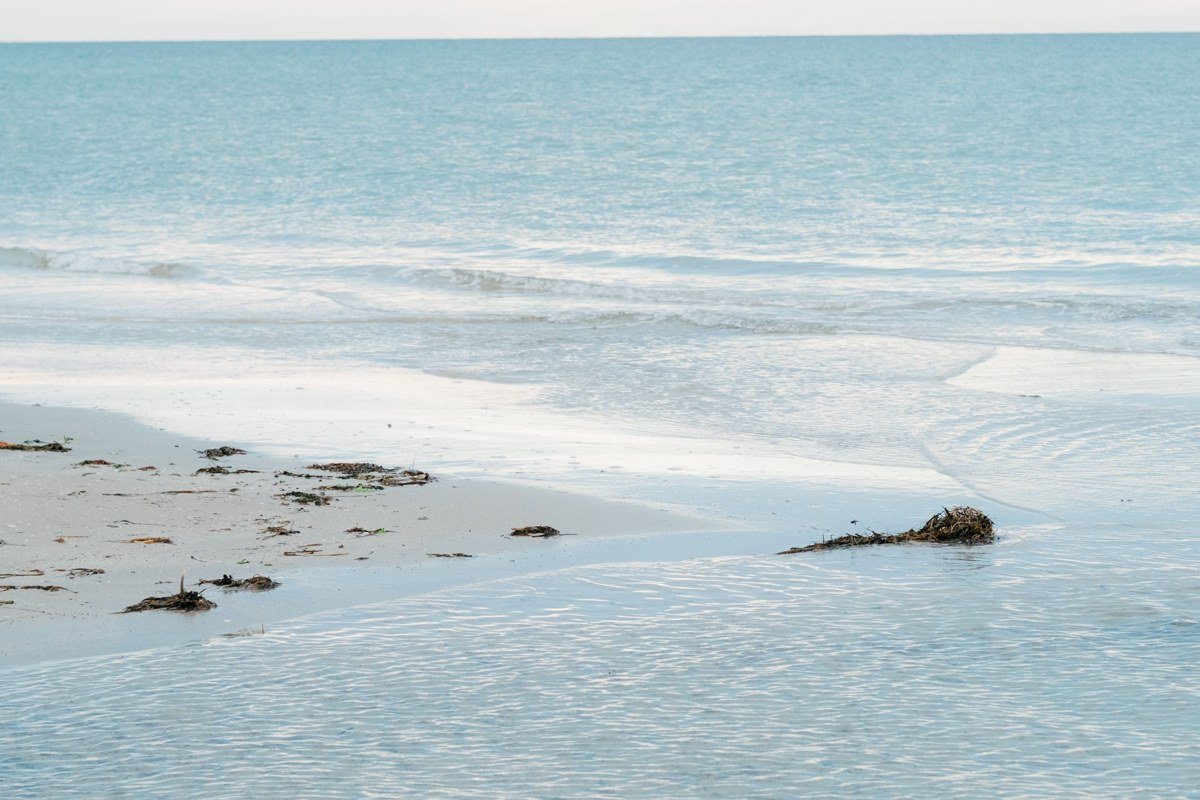
Achmelvich is the kind of place that disorients people who expect the Highlands to be uniformly dark and dramatic. The beach is white shell sand in a small cove, the water a cold turquoise on clear days, surrounded by heathered headlands and stone croft buildings that have not changed shape in a century. It photographs with the same palette as the Outer Hebrides but with mountains visible inland. Where most of this list leans toward grey and moody, Achmelvich adds the counterpoint: bright water beside dark peat, warmth inside remoteness. Walk the coastal path north toward Clachtoll for thirty minutes and you reach a collapsed broch on a clifftop with unobstructed views in three directions. There is a small campsite above the beach run by the local estate, basic but well-positioned, and a scattering of self-catering properties in the surrounding crofts. Go in June for the long light evenings, when the sun sets well after ten and the cove holds warmth longer than you expect.
7. Dornie, Kintail
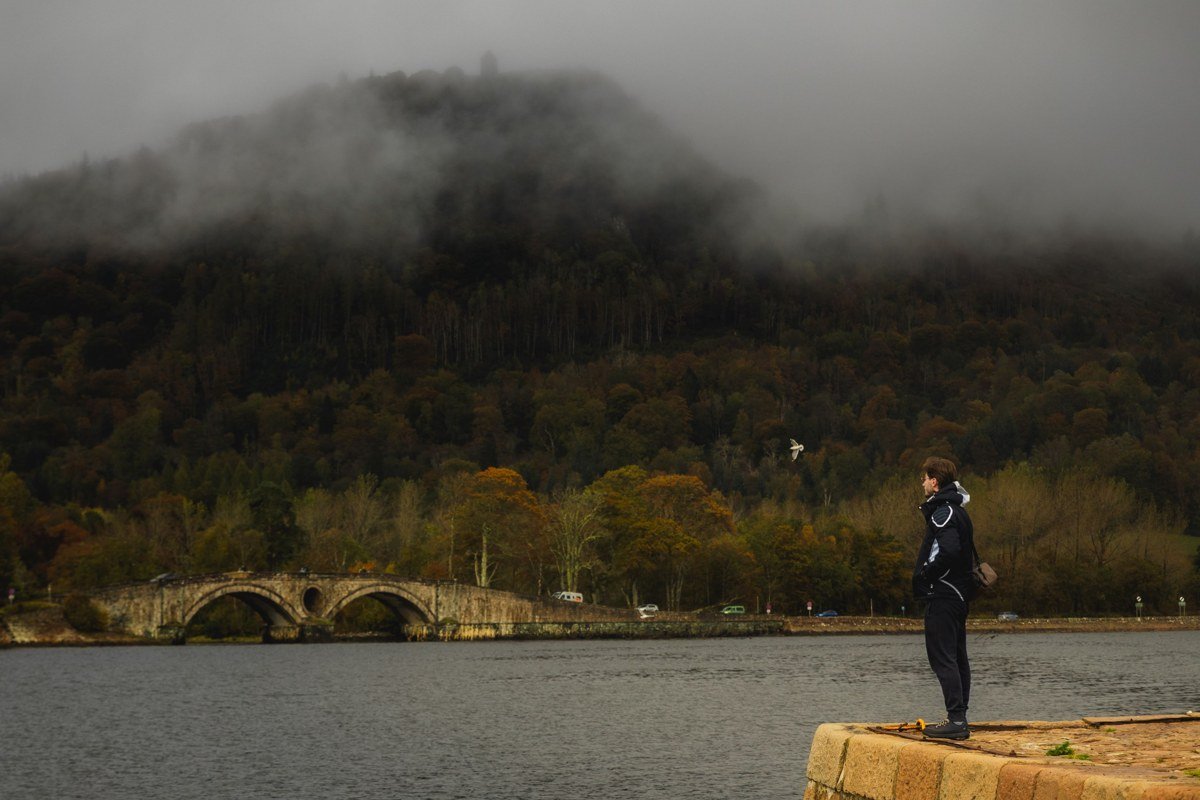
Dornie is technically famous because Eilean Donan Castle sits a short walk away, but most visitors photograph the castle from the bridge and leave immediately. The village behind it, stretched along the southern shore of Loch Long, is where the real atmosphere lives in the early morning. Before the coach parties arrive, usually before 9am, the loch is flat and the castle reflection sits undisturbed. The village has a small number of stone cottages that face directly onto the water, with hills rising sharply behind them, and on misty mornings the treeline on the opposite shore dissolves entirely. Dornie is a working community, not a heritage site, and eating at Loch Duich Hotel rather than driving back to Kyle of Lochalsh keeps you inside that atmosphere longer. Stay overnight specifically to catch the castle at first light in October, when mist and autumn colour coincide in a way that the midday tourist rush makes impossible to appreciate.
8. Strathcarron, Ross-shire
Railway-accessible. The Kyle of Lochalsh line stops here.
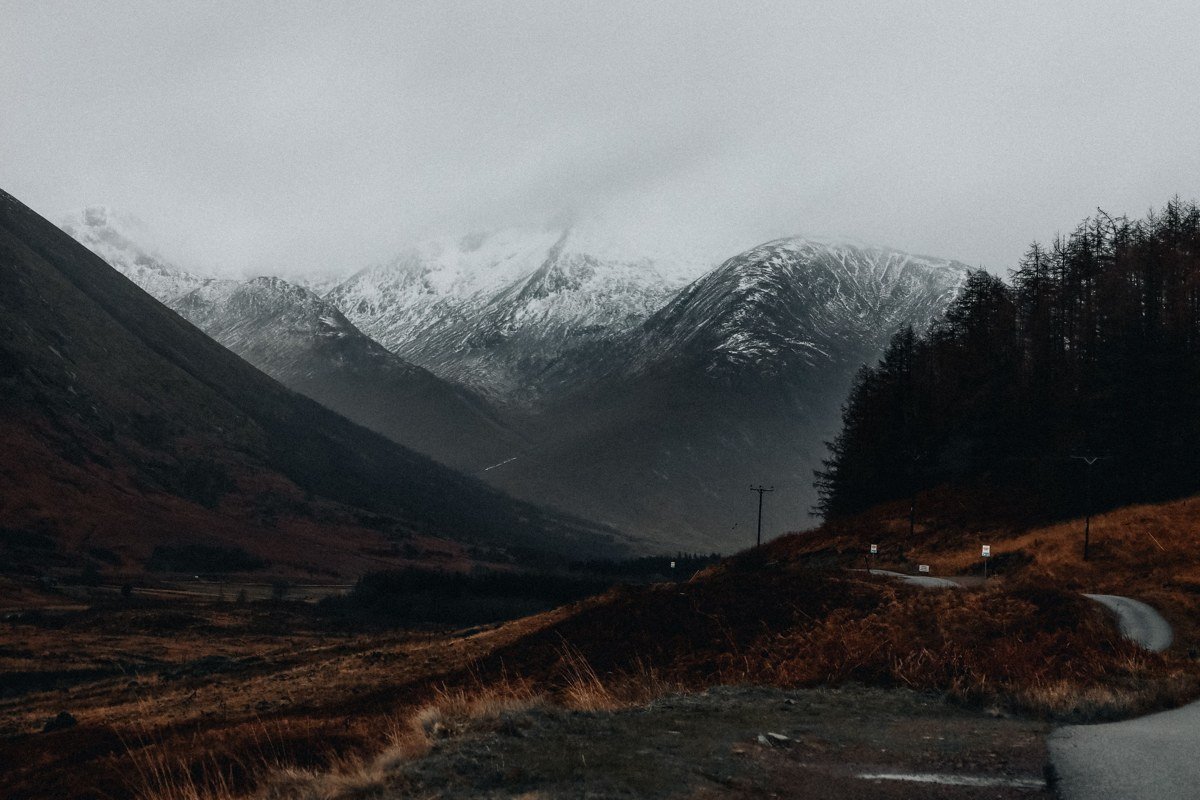
Strathcarron sits at the head of Loch Carron where the Kyle of Lochalsh railway line makes one of its most dramatic stops. The station is operational and small, and the train arrives from Inverness through mountain scenery that has no road equivalent. This matters practically: you can reach Strathcarron without a car, which most villages on this list cannot claim. The glen around the village is planted with mixed woodland that runs down to the water and turns extraordinary in October. From Strathcarron you can walk or cycle north into Attadale Gardens, a woodland garden with water features and mature tree plantings that is open seasonally and almost entirely unvisited compared to gardens further south. The Strathcarron Hotel, a solid Victorian building beside the station, has the straightforward practicality of a place that has always existed to serve people arriving by train. Check the timetable carefully before committing to a day trip: the service is sparse, and the last train back to Inverness will not wait.
9. Lochcarron, Wester Ross
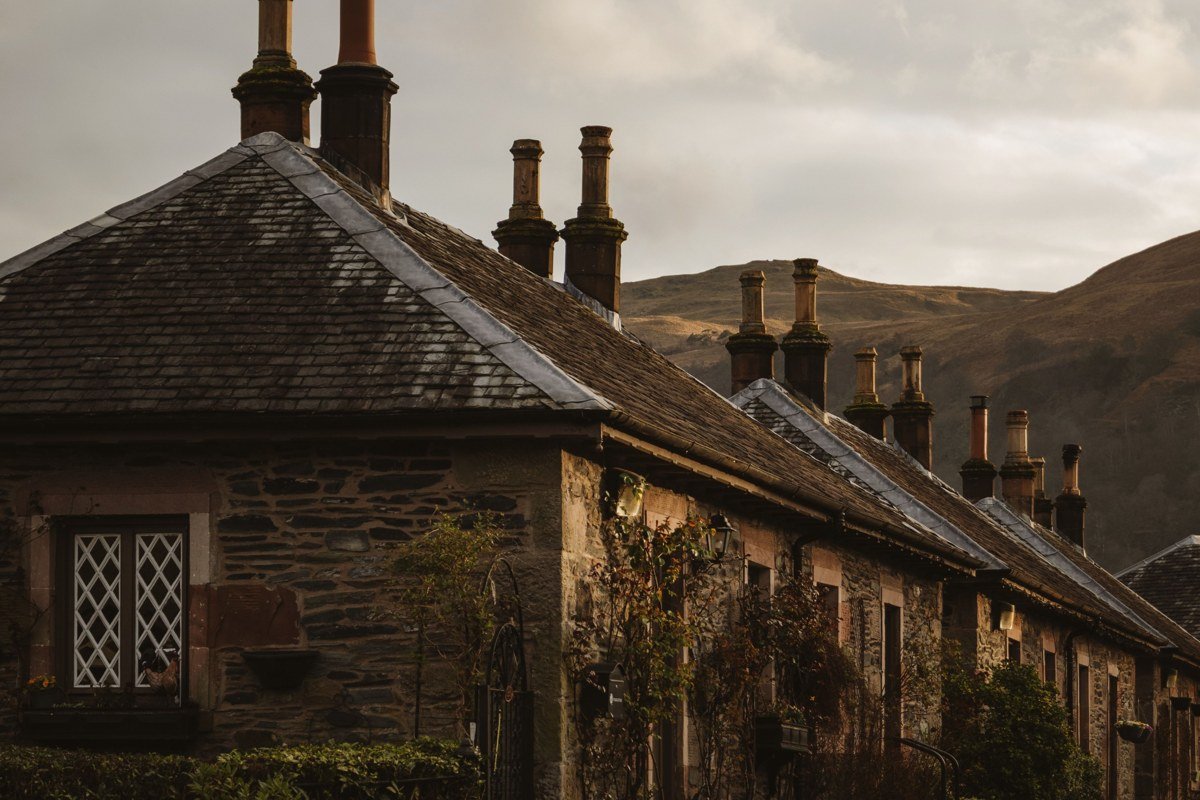
Lochcarron runs along the north shore of its namesake loch in a single elongated line of houses, with water on one side and steep hillside on the other. The village is long enough to feel like a real community (there is a supermarket, a post office, a woollen mill) without losing the sense that the landscape is indifferent to human settlement. The Lochcarron Weavers mill is a working operation, and if you arrive when the looms are running, the sound carries into the car park: a rhythmic mechanical clatter, heavier and more physical than you expect, the kind of noise that makes the finished cloth feel less decorative. The road east toward Stromeferry provides some of the most underrated loch-side driving in the Highlands: water on your left, a narrow shelf of rock on your right, and almost no other cars. The village is best photographed from the far end in the direction of Strathcarron, looking back along the loch with the hills framing the whole settlement from behind. The Rockville Hotel sits at the western end of the village and is the most straightforward base for combining Lochcarron with a day in Strathcarron or Shieldaig.
Getting There and Staying Longer
Most of these villages require a car, patience with single-track roads, and accommodation booked well in advance for autumn weekends. A few practical notes worth keeping:
The A832 and A896 loops through Wester Ross connect Kinlochewe, Shieldaig, and Lochcarron in a logical circuit. Allocate at minimum three days if you want to do any of the walks rather than just drive between them.
Glenelg and Kintail require backtracking unless you cross to Skye via the Glenelg ferry (summer only), in which case they become the natural start of a Skye trip.
Lochinver, Achmelvich, and Drumbeg are best treated as a single Assynt itinerary. Lochinver works as the base; Achmelvich and Drumbeg are each within thirty to forty minutes by single-track road.
Accommodation is limited in most of these places. Booking three to four months ahead for October and May visits is not excessive. Many properties are small owner-operated guesthouses where late cancellations cause real financial damage to the hosts.
The Scotland Highlands aesthetic that circulates on Pinterest and travel feeds is real, but it is time-dependent. Fog, mist, and low light are most consistent from September through November and again in late March and April. Summer light is long and beautiful but the atmosphere is drier and sharper. If the mood you are chasing is grey water and half-dissolved mountains, plan for shoulder season and accept that you are also planning for rain.
Bring OS Maps for the relevant grid squares rather than relying on phone signal. Most of these villages have no reliable coverage.