
At Piraeus, Gate E9, you face a choice that most people don’t realise they’re making. The fast catamaran to Santorini boards first. It’s loud, it’s efficient, and 400 people are already queuing. Thirty metres away, a slower ferry is loading for Folegandros, then Sikinos, then somewhere smaller still. The difference between those two gangplanks is the difference between two entirely different versions of Greece. Greece has over 200 inhabited islands. The vast majority of international visitors land on fewer than five of them. What follows is a guide to ten islands where the arithmetic still works in your favour.
1. Folegandros
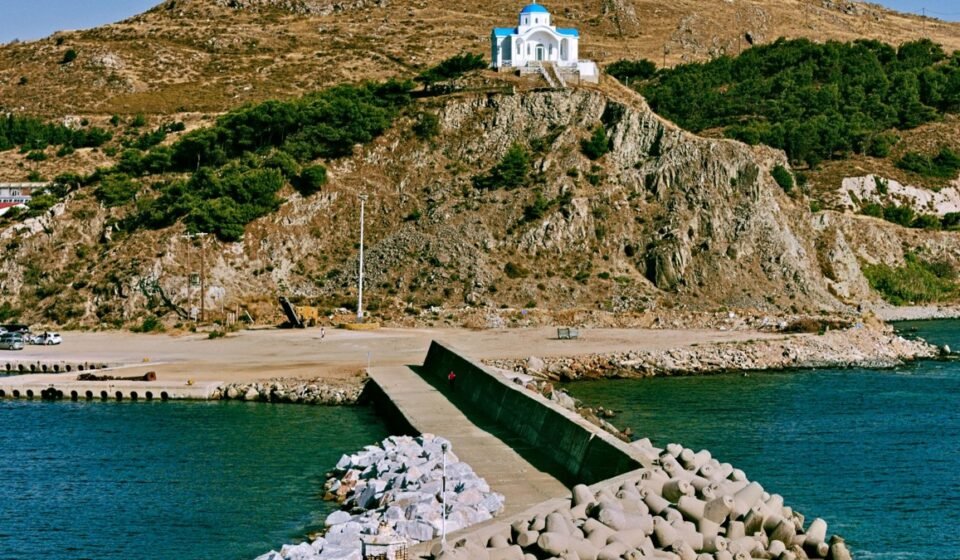
The cliff-top path between Chora and the church of Panagia is the first thing worth knowing about Folegandros. The church sits on a promontory above a 300-metre drop to the sea, and the walk up from the village, on a stepped mule path worn smooth by centuries of use, takes about twenty minutes. At sunrise, the cliff face turns copper, the Aegean below is still dark, and there is, genuinely, almost no one else there.
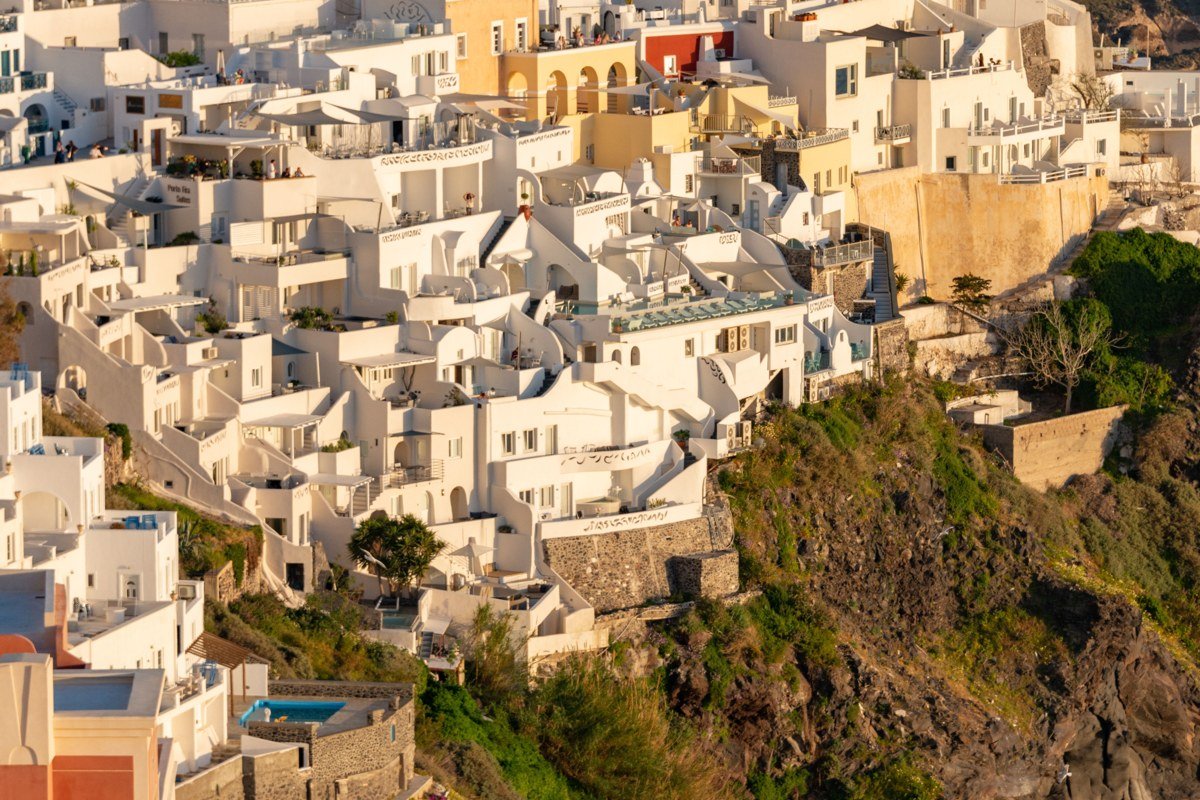
The capital, Chora, perches directly on that cliff and has resisted the resort sprawl that consumed its neighbours. The main square, Plateia Pounta, runs to local kafeneions and cats sleeping on church steps rather than cocktail menus and selfie platforms. The island has no airport and ferry connections thin out sharply in winter, which keeps the visitor ceiling naturally low even in peak season.
Budget roughly 80 to 120 euros per day for a double room at a mid-range guesthouse plus two meals, though the upper end of that rises in August.
Skip it if you need reliable nightlife or a beach within walking distance of your accommodation. Folegandros rewards walkers and people content with simple taverna food. Its beaches require either a bus or a steep descent on foot.
Note: the cliff-top path above Chora is sometimes described by its destination as the Panagia path. If you cannot confirm current trail conditions before arrival, ask at your accommodation; the route is straightforward but the drop is serious.
2. Halki (Chalki)
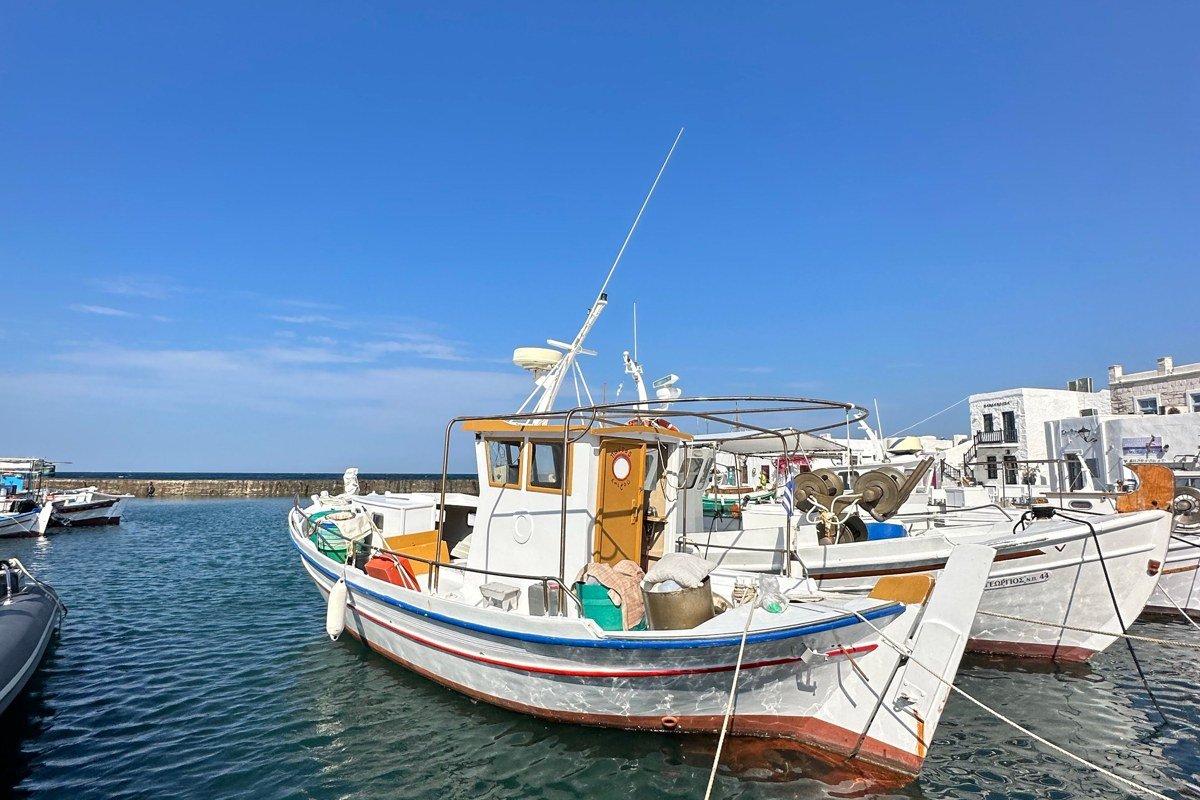
Halki is a tiny island just west of Rhodes that most people see from a distance on a day trip and never actually land on. That is their loss. The port village of Nimporio is a semicircle of faded neoclassical mansions painted in ochre, terracotta, and sage, built by wealthy sponge merchants in the 19th century and left largely untouched since. There are no mopeds for hire because the roads barely warrant them.
Swim at Pontamos Beach, a short walk from the port, where the water is that specific deep-green shade that photographers spend entire trips hunting. Visit in May or early October: the light is softer, the restaurants are relaxed, and you can get a table without a reservation. Halki is small enough that a single good fish taverna matters, and the one near the clock tower in Nimporio has a local reputation worth trusting, though it operates on Greek time and closes when the owner decides the evening is done. Verify it is still operating before you build an evening around it.
Budget around 70 to 100 euros per day for a room and meals. Halki is cheaper than Rhodes town and significantly cheaper than Santorini for comparable quality.
3. Ikaria
Start with the northwest coast road. Between Armenistis and Nas, the tarmac hugs cliffs above a violet-blue sea with no barrier rail and no particular regard for the faint-hearted, and it is some of the most cinematic driving in Greece. Nas itself is a river-mouth cove where a small freshwater stream meets the sea below the ruins of an Artemis temple. Neither the drive nor the cove appears on many itineraries, which is the point.
Ikaria also has a panigyri culture that is still genuinely communal rather than tourist-facing. These village festivals, held throughout July and August at various settlements around the island, run through the night: live music, tables pulled into the square, wine served by the jug, and dancing that starts around midnight and ends when it ends. If you time your visit to one, you will very probably be dancing with strangers at 4am. No ticket required. Show up.
The trade-off is that ferry schedules from Athens can be irregular. Build a buffer day into your plans at both ends. Budget around 70 to 110 euros per day including accommodation and meals. Ikaria is not expensive, and many of the best experiences cost nothing.
4. Alonissos
Alonissos sits at the heart of Greece’s first national marine park, and the water clarity is measurably better than in more trafficked parts of the country because motor boating is restricted across large protected zones. The practical effect is visible from the surface: you can see the seabed at depths where other islands show only blue-green murk.
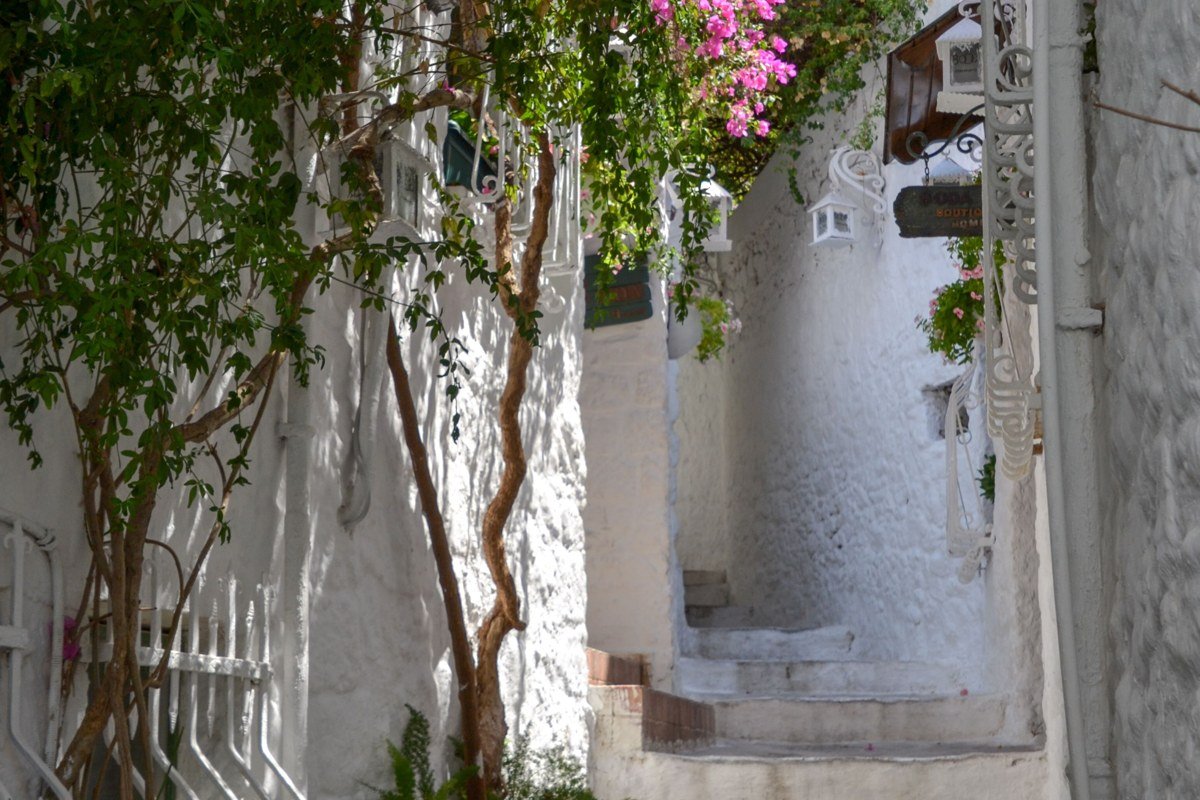
The Old Village (Chora), badly damaged by a 1965 earthquake and subsequently abandoned, has been slowly restored over decades and now has an almost fairytale quality: uneven stone lanes, restored houses in varying states of completion, and views across the marine park that rival anything in the Cyclades. Book accommodation in Chora rather than the port town of Patitiri if you want the most photogenic base.
Snorkelling off the uninhabited island of Kyra Panagia, accessible by day-trip boat, gives you a better chance than almost anywhere else in Greece of spotting a Mediterranean monk seal, though sightings remain uncommon. The honest version of that sentence is actually more compelling than the inflated one: this is one of the few places in the Aegean where a sighting is within the realm of possibility.
Budget around 80 to 120 euros per day. May and September are the best months for both price and conditions.
5. Nisyros
Nisyros is an active volcanic island in the Dodecanese and the landscape makes that clear immediately. The caldera, Polyvotis, is accessible by road and feels genuinely otherworldly: pale sulphur-yellow rock, steam vents, and almost no shade. The contrast between the lunar crater floor and the lush, bougainvillea-draped village of Mandraki twenty minutes away is one of the great tonal shifts of any Greek trip.
Mandraki is built in narrow defensive alleys, with houses painted in a deep ox-blood red that photographs beautifully in late afternoon shadow. Day-trippers arrive from Kos between 10am and 2pm specifically to see the volcano, so arrive the evening before on the overnight ferry and have the caldera to yourself in the morning. The island’s signature dish is pitties, a chickpea patty served at the kafeneions near the main square, and ordering one is a more authentic Nisyros experience than any organised excursion.
Budget around 75 to 110 euros per day. Accommodation is limited, so book ahead even in June.
6. Leros
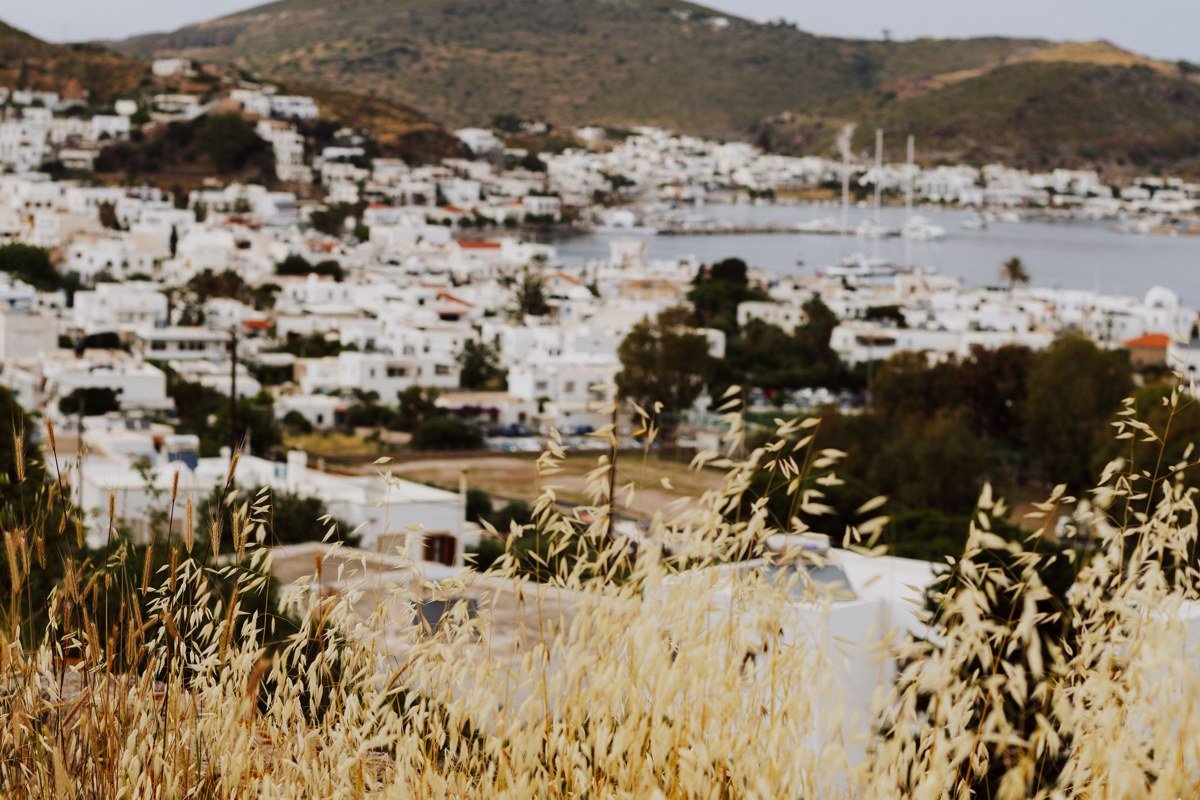
Leros spent decades under Italian occupation in the early 20th century and the architectural legacy is still legible: Art Deco public buildings, a rationalist-style market hall, and a Mussolini-era cinema sitting quietly in the port town of Lakki. It is a deeply strange and photogenic combination alongside the standard Dodecanese vernacular, and the Italian influence is distinct enough from anything else in the islands that it rewards the detour on its own terms.
The Byzantine castle above Platanos village is one of the better-preserved fortifications in the islands and frames a view across four separate bays simultaneously. Restaurants in Agia Marina serve food priced for Greeks rather than for holiday budgets, which is the simplest marker that a local economy exists independently of tourism here. Leros pairs well with Patmos, a ferry hop away, if you want two very different island personalities in the same trip.
Budget around 70 to 100 euros per day, making Leros one of the better-value islands in this list.
Skip it if you are primarily after beaches. Leros’s coastline is interesting rather than spectacular, and its pleasures are architectural and social rather than aquatic.
7. Donousa
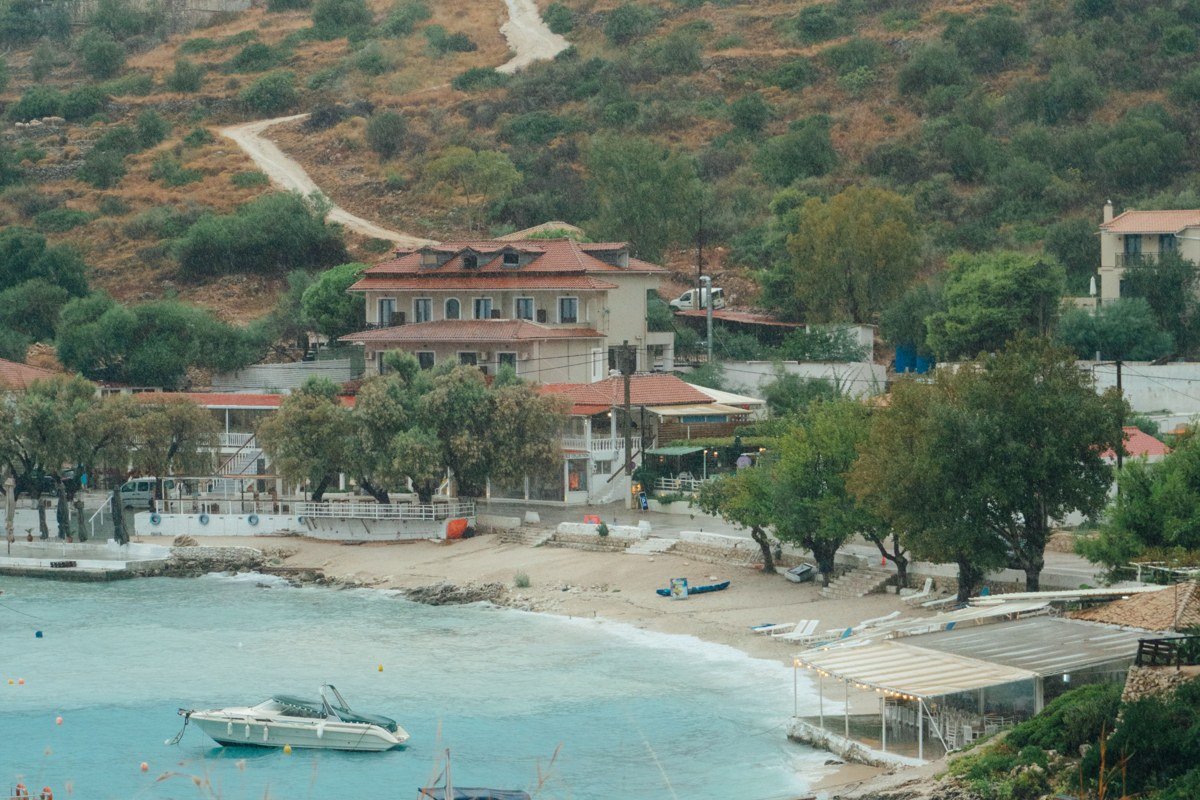
Donousa is one of the Small Cyclades, a cluster of minor islands east of Naxos that feel genuinely remote despite sitting a few hours from Piraeus. The entire island has a population of fewer than 200 people, one main settlement, and a handful of tavernas that close when the owners feel like it. The beach at Kedros is a long curve of pale sand backed by low hills with almost no development in sight.
Donousa attracts a specific kind of traveller: people who own good snorkelling gear, read actual books, and are content without reliable wifi. It is not the island to choose if you need a cocktail bar or a shopping street. The ferry connection runs a few times a week even in summer and can be cancelled in high winds, so treat the schedule as approximate and enjoy the forced slowdown.
Budget around 60 to 90 euros per day. Accommodation is basic but honest, and meals are inexpensive.
Skip it if you are travelling with children who need structured activities or if your schedule is rigid. Donousa is genuinely unpredictable in a way that is either charming or stressful depending on your disposition.
8. Astypalea
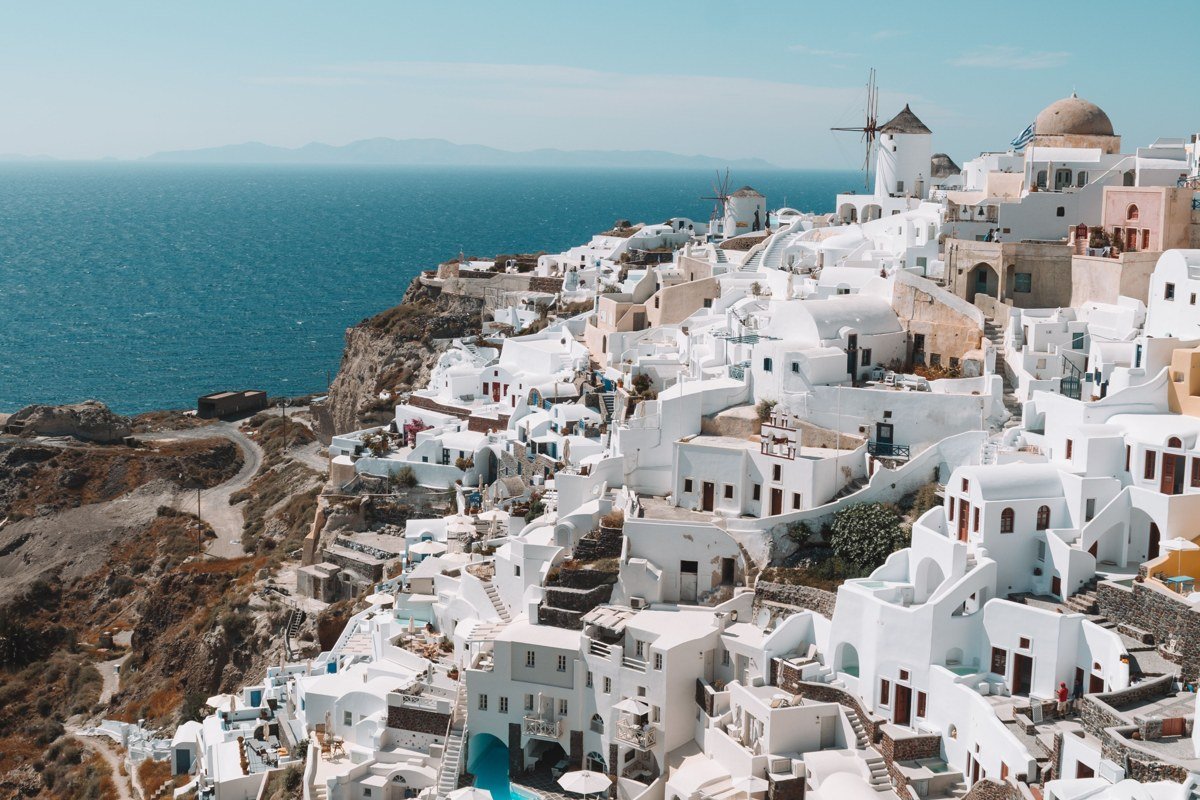
Astypalea has a butterfly shape, two landmasses joined by a narrow isthmus, that makes it look unlike any other island from above. The Chora here, topped by a Venetian castle and a cluster of white windmills, is one of the most striking hilltop settlements in Greece, yet it rarely appears in mainstream travel coverage. The castle walls enclose two churches and offer a 360-degree view that takes in both of the island’s bays at once.
Because Astypalea sits at the junction of the Cyclades and the Dodecanese, it has a hybrid architectural personality that resists easy categorisation. That ambiguity makes it more interesting to photograph than islands with a more uniform look. Scooter hire from the port of Pera Gialos is inexpensive and the road south to Livadi and the beach at Tzanakia takes about 15 minutes through landscape that looks more like Crete than a typical small Cycladic island.
Budget around 80 to 120 euros per day. Chora has several well-run guesthouses at the upper end of that range.
Ferry planning note: Astypalea sits outside the standard Cyclades and Dodecanese networks and does not fit cleanly into either routing. Ferries serve it from both Piraeus and Rhodes, but the schedules for each are separate and do not always connect conveniently. Check ferryhopper.com for both routes independently before you commit to dates, and build in more buffer time here than you would for other islands in this list.
9. Kasos
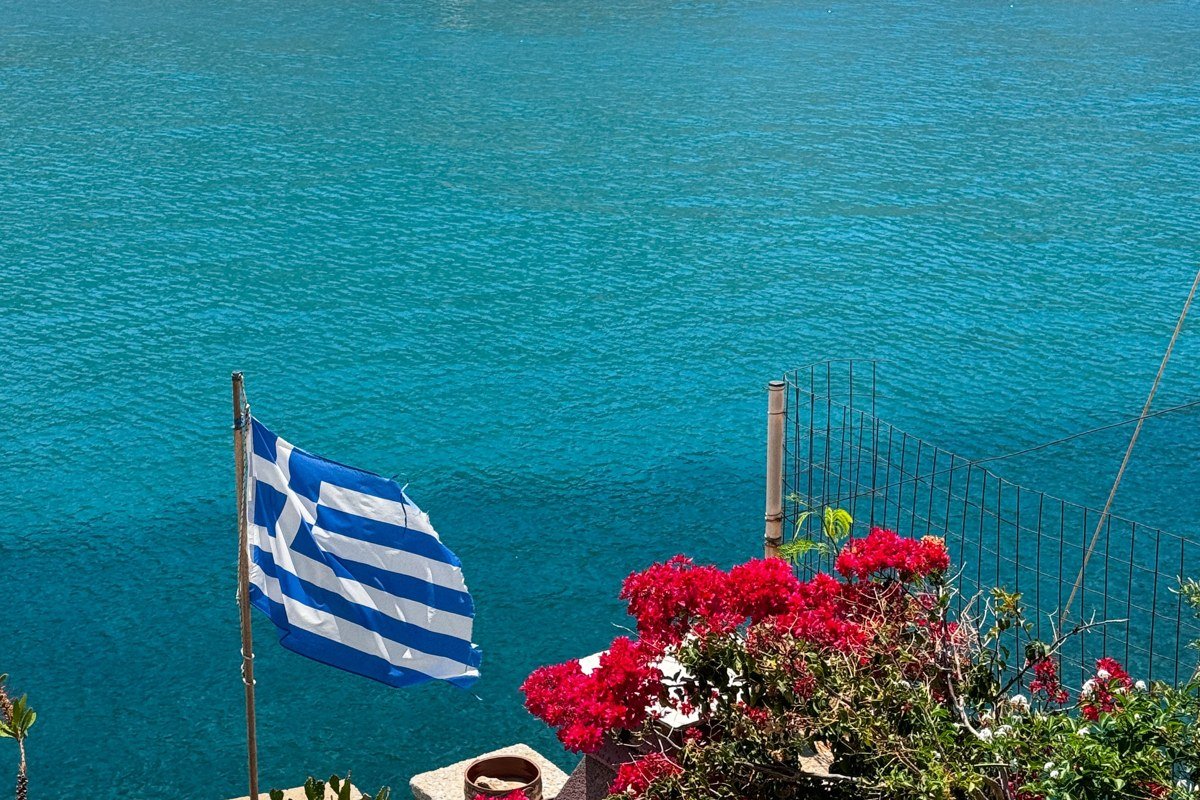
Kasos is the southernmost and least visited of the Dodecanese, sitting south of Karpathos with a small, loyal diaspora following and almost no infrastructure built for outsiders. The capital, Fry, has a modest working harbour, a few rooms to rent above people’s houses, and a local pride that does not lean on tourism to sustain it. The interior is hilly and dry, with stone walls and abandoned farmsteads that predate the mass emigration of the 20th century.
The cove at Helathros, a short drive from Fry, has water visibility around 30 metres on a calm day. Getting here requires a ferry from Rhodes or a small turboprop from Karpathos, and both options make clear that Kasos is a destination you choose deliberately. It rewards genuine curiosity rather than the pursuit of a curated backdrop.
Budget around 50 to 80 euros per day, making Kasos the most affordable island in this list. Options are limited rather than luxurious, which is entirely the point.
Skip it if you need variety in restaurants, reliable transport, or anything that could be described as a scene. Kasos has one pace and it is slow.
10. Tilos
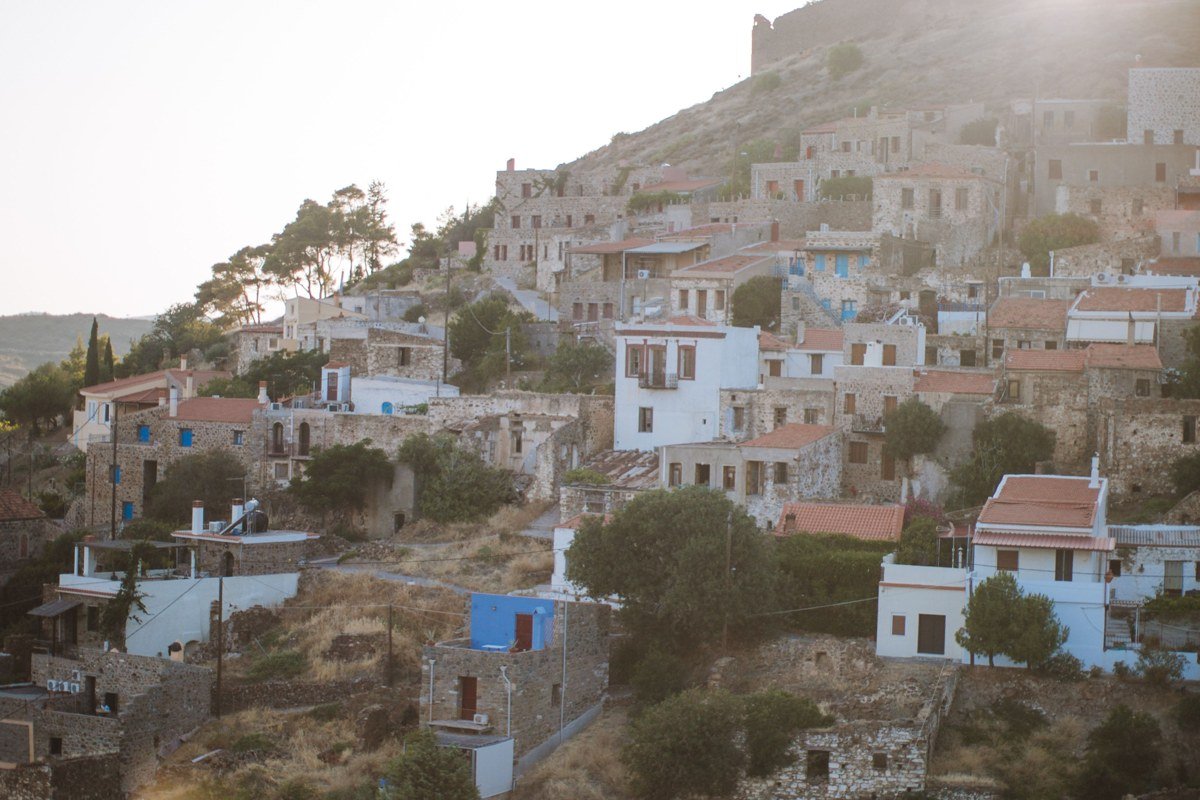
Tilos punches above its weight ecologically. The island was the first in the Mediterranean to ban hunting and one of the first in Greece to run entirely on renewable energy for extended periods. Practically, that means bird populations, especially migrating species using the island as a stop-off, are dense and visible in ways that genuinely surprise people who were not expecting an ornithological detour.
The beaches at Eristos and Plaka are wide, sandy, and backed by farmland rather than sun-bed concessions. The abandoned medieval village of Mikro Chorio sits intact in the hills above Livadia. Exploring it takes a couple of hours with no guide needed, and the combination of roofless stone houses and views across the bay is the kind of thing that stops a walk cold. Tilos has a small but genuine expat community of people who came for a holiday and never fully left, which gives even a busy August week a relaxed local texture.
The ferry from Rhodes takes around two hours and runs several times a week, making it the most logistically straightforward island on this list.
Budget around 75 to 110 euros per day. Livadia has a reasonable spread of accommodation options at various price points.
How to Plan Your Visit
Most of these islands are best reached by ferry from Piraeus (Athens), Rhodes, or Naxos, depending on which cluster you are targeting. The Dodecanese islands (Halki, Nisyros, Leros, Kasos, Tilos) are best approached from Rhodes as a hub. The Small Cyclades including Donousa connect through the Naxos or Piraeus routes. Folegandros and Alonissos have direct Piraeus connections.
A note on Astypalea specifically: it sits between the Cyclades and Dodecanese networks without belonging cleanly to either. Ferries run from both Piraeus and Rhodes but on separate schedules that require checking independently. Do not assume it fits into a standard island-hopping route without verifying the connections first.
Book ferry tickets on ferryhopper.com or directly through Blue Star Ferries. The shoulder season, late April through early June and September through mid-October, gives the best combination of open businesses, comfortable swimming temperatures, and manageable visitor numbers. August is survivable on all of these islands, but you will share them with more people than the images suggest.
What to budget overall: across these ten islands, a realistic daily spend for two people sharing a double room and eating at tavernas (not fine dining) runs from about 130 euros on the smaller, simpler islands (Kasos, Donousa) to around 200 to 240 euros on Folegandros or Astypalea in peak season. Travelling in May or September cuts those figures by 20 to 30 percent and improves almost every other variable simultaneously.
Accommodation on the smallest islands, particularly Donousa, Kasos, and Folegandros, books out early in July and August despite their low profiles. Reserve at least two months ahead for peak dates. For the others, a few weeks of lead time is usually sufficient.
One practical habit worth building into every itinerary: arrive by evening ferry rather than morning. You sidestep the day-tripper overlap, the light is better for first impressions, and the island shows you its quieter face before it has had a chance to perform.