
Stand at the edge of Sandwood Bay in February, wind ripping off the Atlantic hard enough to lean into, and you will understand immediately why this corner of Scotland stops people mid-scroll. You will also understand why they come back. These eight landscapes earn that attention in every season.
1. Glencoe Valley, Argyll
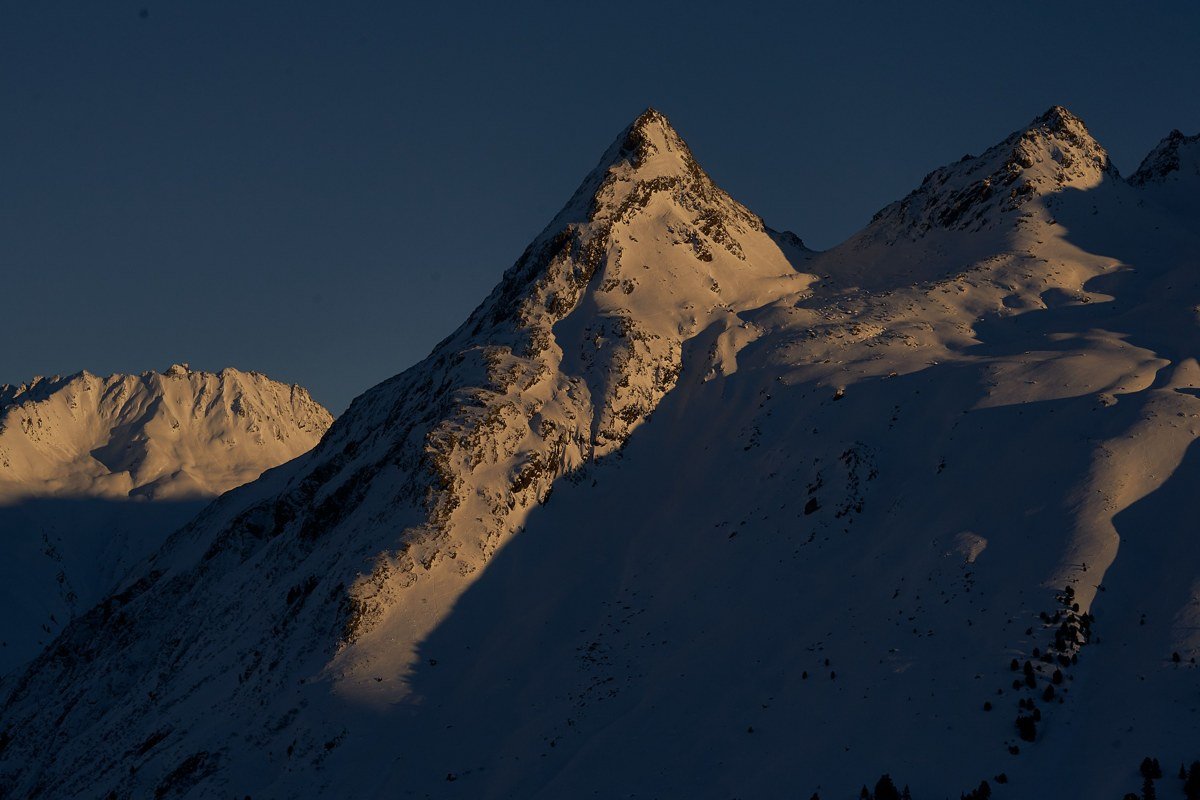
Glencoe is the theatrical centrepiece of the Scotland Highlands aesthetic, and it earns that reputation every single month. The Three Sisters ridgeline (Beinn Fhada, Gearr Aonach, and Aonach Dubh) reads as sharp black geometry against January snow, but by late May the same slopes run with waterfalls and the valley floor turns acid green. The A82 road cuts right through the pass, which means you can pull over at the Gorge car park and have a world-class composition in under two minutes. The honest trade-off is that Glencoe is genuinely overcast more than 200 days a year, so any burst of light feels earned rather than guaranteed. Go at golden hour in October when the bracken has turned copper and the peaks are occasionally dusted but the valley still holds warmth.
Stay in Glencoe village itself. The Clachaig Inn sits at the foot of the Three Sisters, has been sheltering walkers since the seventeenth century, and serves a reliable post-hike meal when the light has finally gone.
2. The Quiraing, Isle of Skye
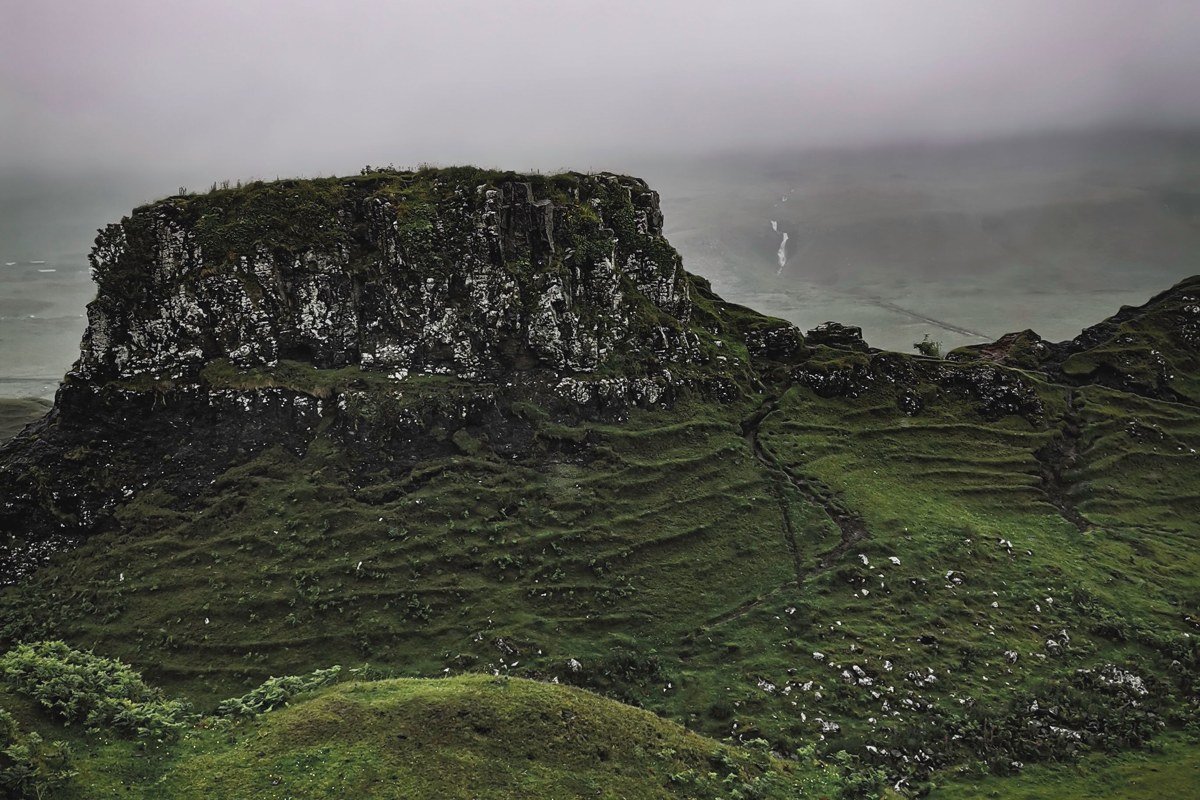
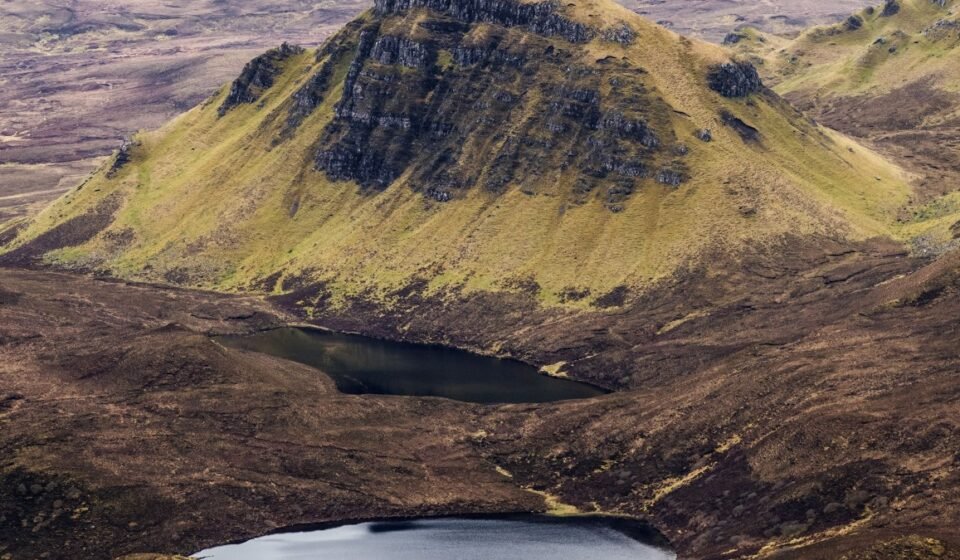
The Quiraing is a landslip plateau on Skye’s Trotternish Ridge, and its combination of needle-like pinnacles, tilted table-top shelves, and rolling turf looks architecturally impossible in any season. In winter the access road ices over and the mist sits low enough to swallow the tallest spires entirely, leaving just ghostly rock fragments visible above the cloud. Come June, that same road is lined with flowering yellow gorse and the plateau above glows an almost artificial green. The circular walk from the Quiraing car park (roughly five kilometres, marked but boggy) puts you inside the formation rather than photographing it from below, which is where the real drama lives. Arrive before 7 am in summer to beat the campervans. The parking area fills by 9 and the light is better before the haze builds anyway.
Base yourself in Staffin, the nearest village, where the Columba 1400 centre offers comfortable accommodation and an unusual degree of calm for a location this close to one of Skye’s most-visited landmarks.
3. Rannoch Moor, Perthshire and Argyll Border
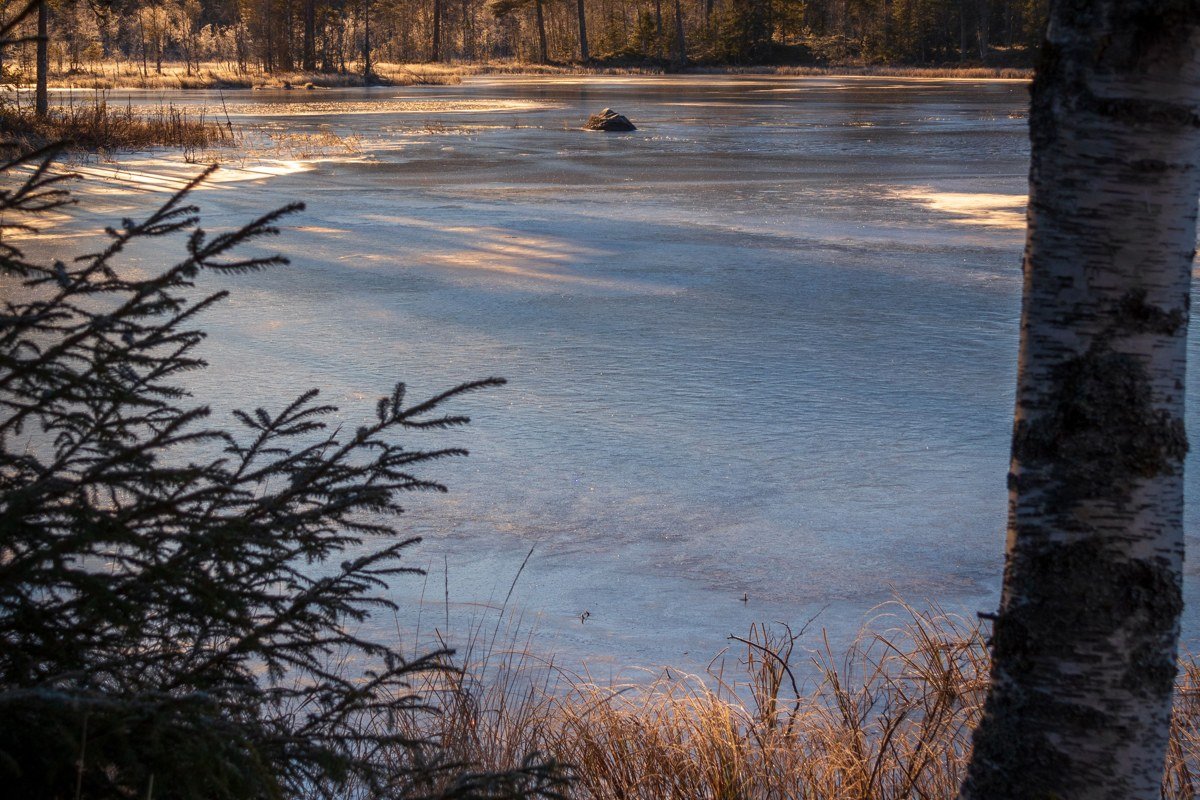
Rannoch Moor is roughly 150 square kilometres of blanket bog, glacial erratics, and dark lochs sitting at around 300 metres elevation, with almost no infrastructure, by design. In winter it is one of the bleakest and most cinematic places in the British Isles: the ground is frozen, the grasses have gone the colour of dried blood, and the sky holds as a solid pewter sheet. In summer the bog cotton blooms white across the moor and the numerous small lochs mirror whatever clouds pass over, producing an unexpectedly delicate palette. The only way to properly access the interior is on foot from the Rannoch Station end or from the Kings House Hotel at the Glencoe edge, and both routes require waterproof boots regardless of month. This is not a landscape that rewards a quick motorway stop. It rewards an hour of walking in silence.
The Kings House Hotel at the eastern edge of the moor is the obvious base, one of Scotland’s oldest droving inns and recently refurbished without losing its edge-of-wilderness character.
4. Suilven, Assynt, Sutherland
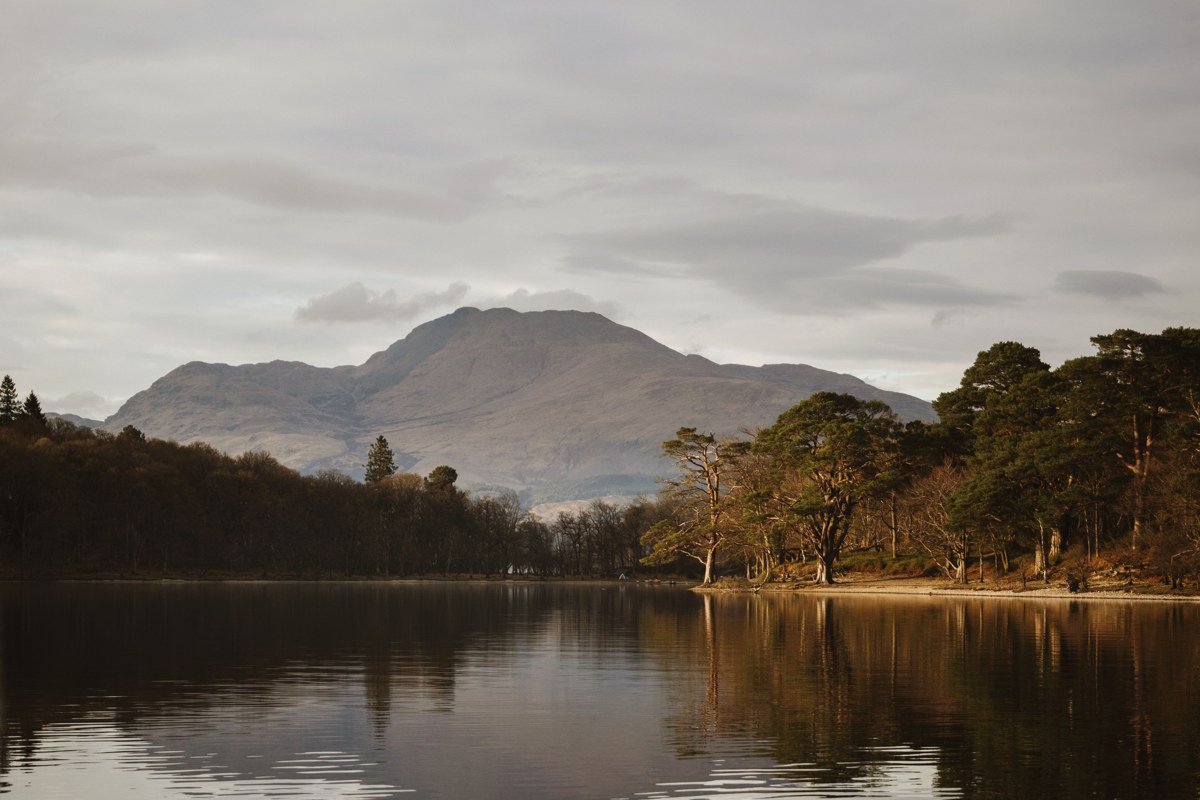
Suilven rises from the Assynt wilderness as a single sandstone torpedo, almost entirely disconnected from the surrounding ridge system, and the effect is one of the most surreal silhouettes in Scotland. In late autumn and winter the mountain turns graphite grey and the approach across Canisp Moor becomes a waterlogged endurance test suited only to serious hillwalkers with the right kit. By late spring, bog asphodel and sundew dot the moor floor in gold and rust, and the summit plateau offers views clear to the Outer Hebrides on a good day. The traditional approach from Lochinver village covers approximately 30 kilometres round trip, so treat this as a full day with an early start. Walkers wanting a shorter but still substantial route can approach from Elphin to the southeast, which cuts the distance meaningfully and passes through quieter country with fewer other parties. Assynt as a region stays dramatically quieter than Skye even in peak season, which is an underrated quality in itself.
Stay in Lochinver. The Inver Lodge Hotel sits above the harbour and makes a comfortable base for both the Suilven approach and wider Assynt exploration.
5. Glen Affric, Inverness-shire
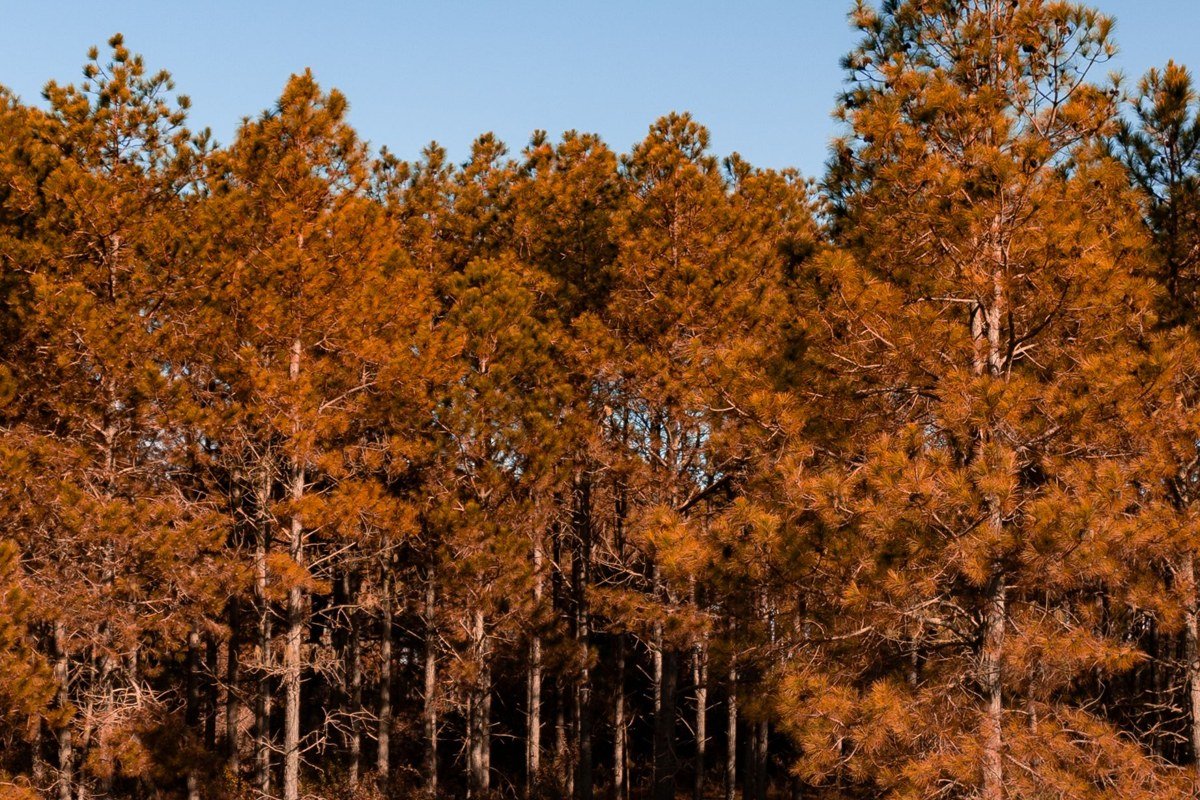
Glen Affric contains some of the largest surviving fragments of the ancient Caledonian pine forest, which makes it visually unlike almost anywhere else in the Highlands. The combination of Scots pine, birch, and open water produces a layered, painterly composition that changes completely between seasons: stripped silver birch trunks against January snow, the electric new growth of May needles against blue loch water, and then the full amber and russet explosion of October. The path from the Dog Falls car park to Loch Affric is roughly 16 kilometres return and stays mostly at valley level, meaning it is accessible to walkers who are not climbers. One underappreciated detail: the resident red squirrel population is large and surprisingly bold near the forest sections closest to the car park, adding a layered foreground element to woodland shots. Avoid July and August if solitude matters to you. The glen fills faster than most people expect. Late September is the specific sweet spot: the birch colour peaks, visitor numbers drop sharply after the school summer holidays, and the low autumn light hits the loch surface at an angle that justifies every photograph you take.
The nearest town is Cannich, where Glen Affric Hotel serves as a practical and unpretentious base close to the glen entrance.
6. Bealach na Ba, Applecross Peninsula
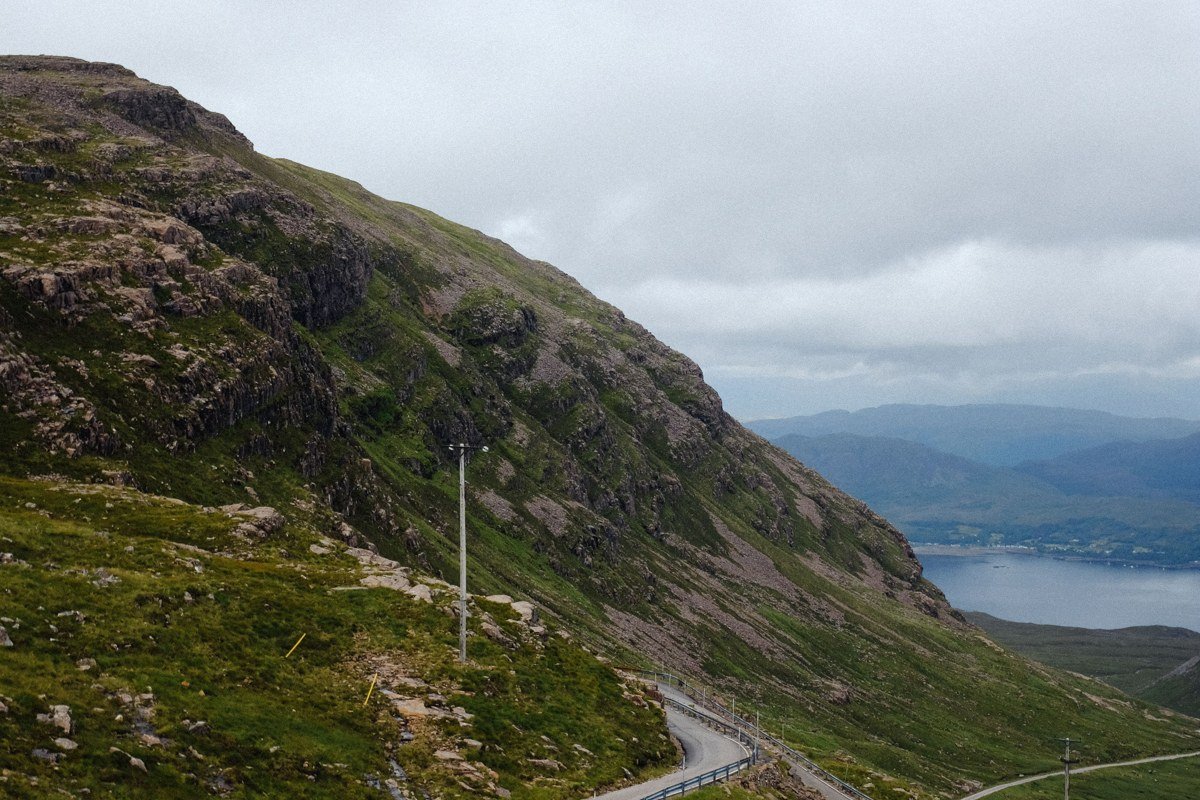
The Bealach na Ba (Pass of the Cattle) is one of the highest mountain roads in Scotland, climbing to around 626 metres through a series of hairpin bends that feel genuinely alpine. Views from the summit plateau reach Skye, Raasay, and on clear days the Outer Hebrides, but the character of those views shifts completely with season. In February the road regularly closes due to ice and snow, and the landscape at the top is raw tundra with wind-burned grass and occasional deer standing motionless in the mist. By July the same plateau is thick with heather on the approach slopes and the descent to Applecross village reveals a sandy bay that photographs like the west coast of Ireland. The pass is a single-track road with passing places. Driving it in the wrong direction (eastbound descent) in high season is genuinely stressful due to motorhome traffic, so come from the Kishorn side and descend to the sea.
Applecross village at the foot of the descent has the Applecross Inn, a small, well-regarded pub with rooms that books up quickly in summer and rewards anyone who plans ahead.
7. Cairngorms Plateau, Badenoch and Strathspey
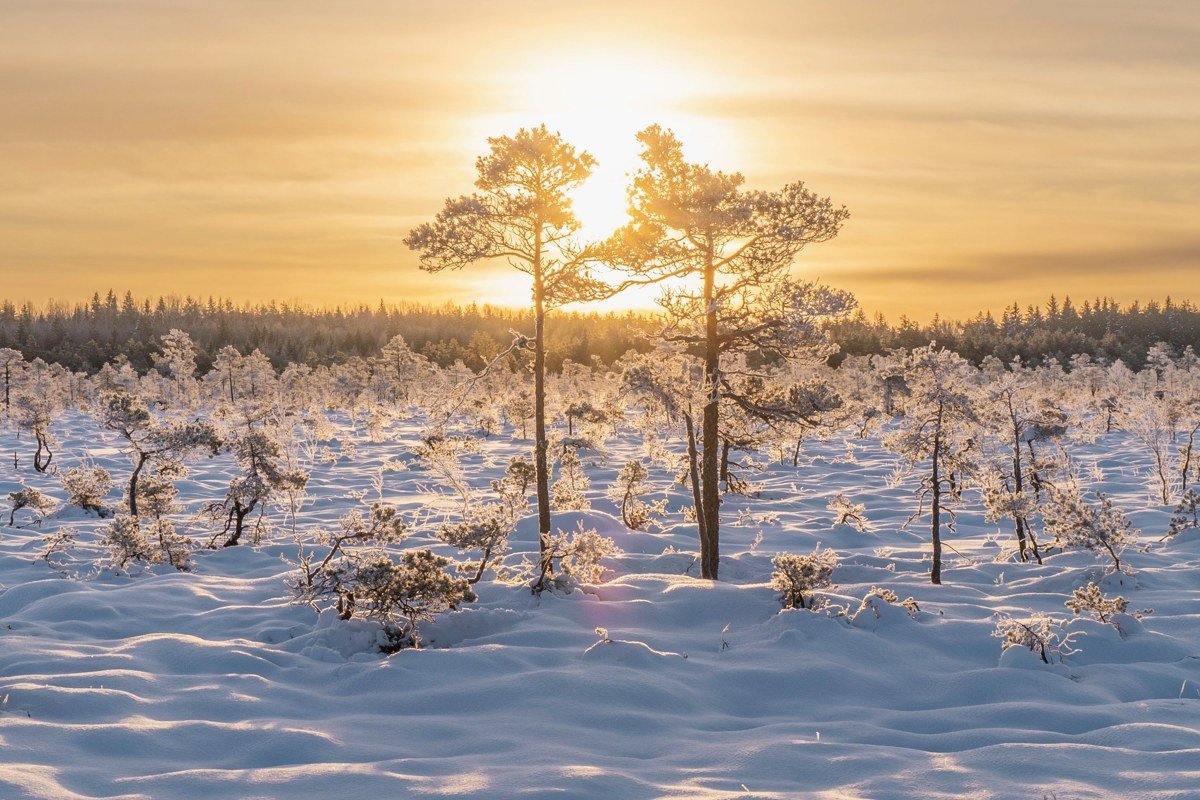
The Cairngorms form the largest sub-arctic plateau in the British Isles, and the landscape above 900 metres reads as genuinely arctic rather than merely British for a significant portion of the year. In winter the high plateau around the Lairig Ghru pass and Ben Macdui carries compacted snow from November well into April, with blizzard conditions arriving without warning even in May. That same area in late August is carpeted with cloudberry and crowberry, and the plateau turns a patchwork of burnt-orange heather and grey quartzite that looks unlike anything else in Scotland. Access to the upper mountain for non-walkers has changed in recent years: the Cairngorm Mountain funicular railway has been closed since 2018 for structural repairs, with reopening dates repeatedly pushed back. The ski road from the Coire Cas car park is the practical alternative, taking you to around 600 metres before the walking routes to the plateau proper begin. Proper mountain gear is essential at any time of year above the treeline. The Rothiemurchus Forest at the mountain’s base rounds out the visual range: ancient pines, capercaillie territory, and lochs that mirror the plateau above.
Aviemore is the natural base, and the Cairngorm Hotel on the main street has been serving the walking and skiing community long enough to have its priorities straight.
8. Sandwood Bay, Cape Wrath, Sutherland
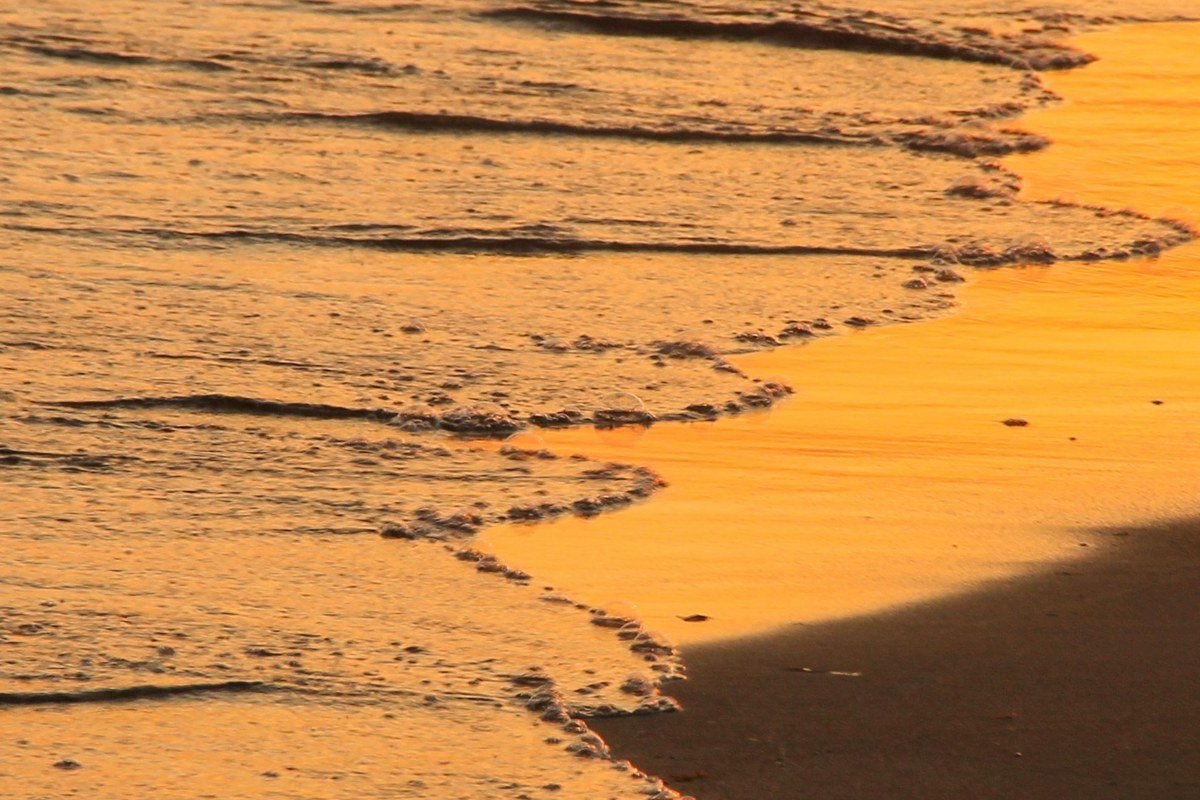
Sandwood Bay sits at the northwestern edge of mainland Scotland, accessible only via a seven-kilometre track from Blairmore, and it contains one of the most dramatic beach-to-moorland transitions in the country. The beach itself is around two kilometres of pink-tinged shell sand backed by dunes, and the sea stack Am Buachaille rises from the water at the southern end like a collapsed cathedral tower. The Sandwood walk broke me the first time I did it in February, the path mostly underwater and the wind coming off the Atlantic at a pitch that makes thinking difficult, but the bay in storm-light is staggeringly otherworldly and worth every step. In June and July the sun sets almost due north-northwest here, which means the stack and the cliffs to the north catch lateral golden light well past 10 pm, producing long shadow play that is almost impossible to recreate anywhere else in Britain. The remoteness is not a downside. It is the entire point: Sandwood rewards commitment in a way that a roadside viewpoint never can.
The nearest practical base is Kinlochbervie, a small fishing port a short drive from Blairmore, where Rhiconich Hotel offers a warm and straightforward place to recover.
Practical Takeaway
The Scotland Highlands aesthetic is not a fixed visual identity. It is a cycle, and the single most important planning decision you make is matching your timing to the specific quality of light and colour you want rather than booking around “good weather.”
Winter (December through February) delivers monochrome drama, bare ridgelines, ice-framed waterfalls, and near-empty car parks. Spring (April through May) brings waterfalls at their most powerful and the first green flush across the moors. Summer (June through August) offers the long northern light, heather in full purple bloom through August, and the most reliable road access to remote areas. Autumn (September through October) is the peak of colour: bracken copper, birch gold, and low raking light that photographers plan around months in advance.
One detail that surprises many international visitors: Scotland operates under a legal right of responsible access, codified in the Land Reform (Scotland) Act 2003. This means you can walk, cycle, and camp on most land, including private estates, as long as you act responsibly. Visitors from the United States, Australia, or most of continental Europe will find this genuinely unusual and worth understanding before you arrive.
Pack waterproofs regardless of forecast and treat any dry window as a bonus rather than a baseline expectation. A road atlas covering the NC500 route covers most of these locations and is worth carrying alongside your phone, given that mobile signal drops to zero in places like Rannoch Moor and Sandwood Bay without warning. If you are driving the far northwest, fuel up whenever you see a station rather than waiting for the next one, because the gaps between them are longer than most mapping apps suggest.