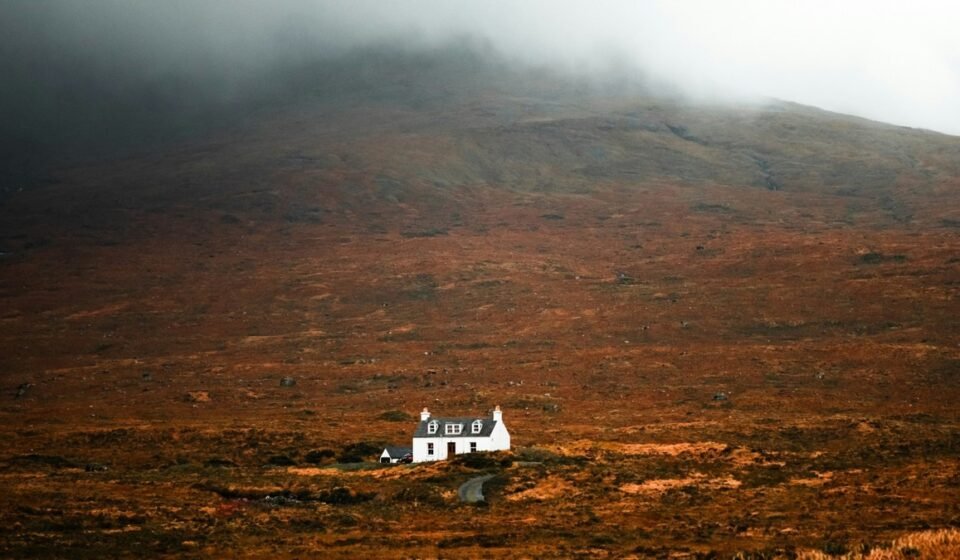

In 1831, J.M.W. Turner made the difficult journey by boat to Loch Coruisk on Skye, looked at the Black Cuillin rising from the water, and produced a painting so unsettling that critics assumed he had exaggerated. He had not. Nearly two centuries later, most visitors to the Scottish Highlands still funnel toward Loch Ness and call it done, leaving the landscapes that stopped Turner cold almost entirely to themselves. These ten lochs sit within the same dramatic terrain and reward the detour with near-total solitude, extraordinary light, and the kind of stillness that makes reflections look impossible.
1. Loch Coruisk, Isle of Skye
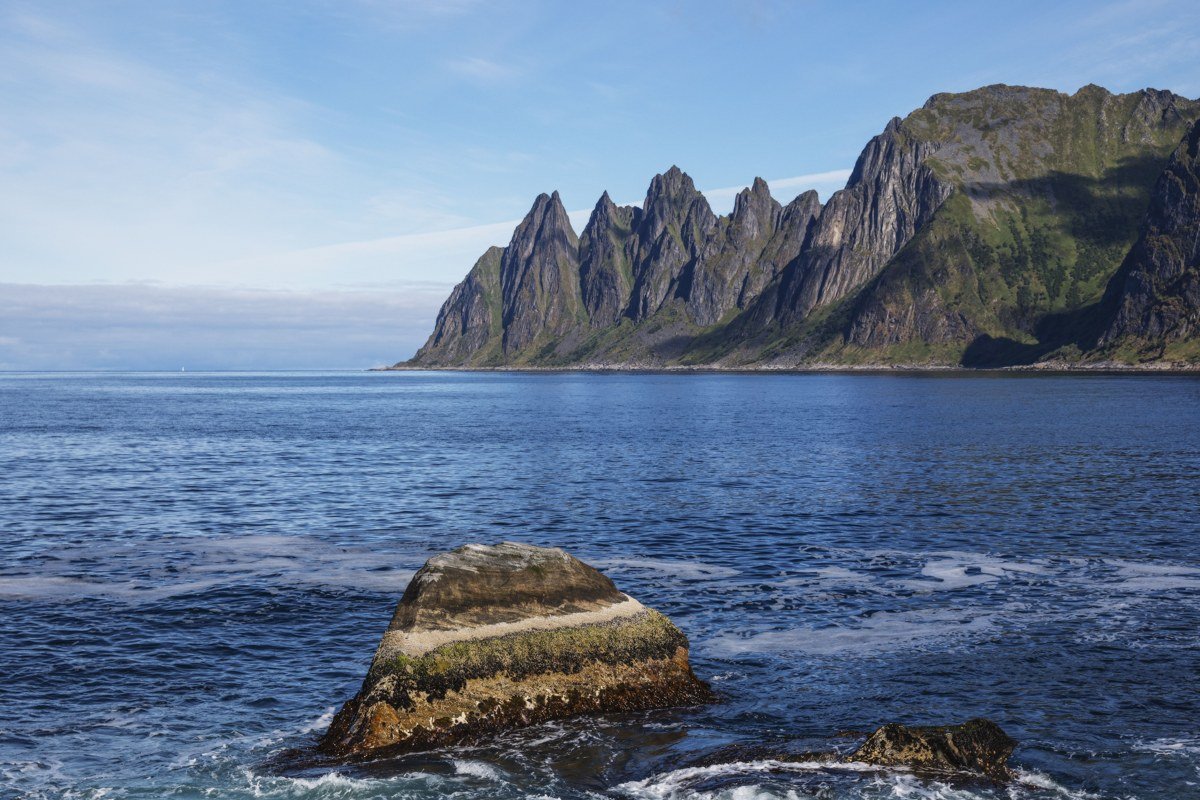
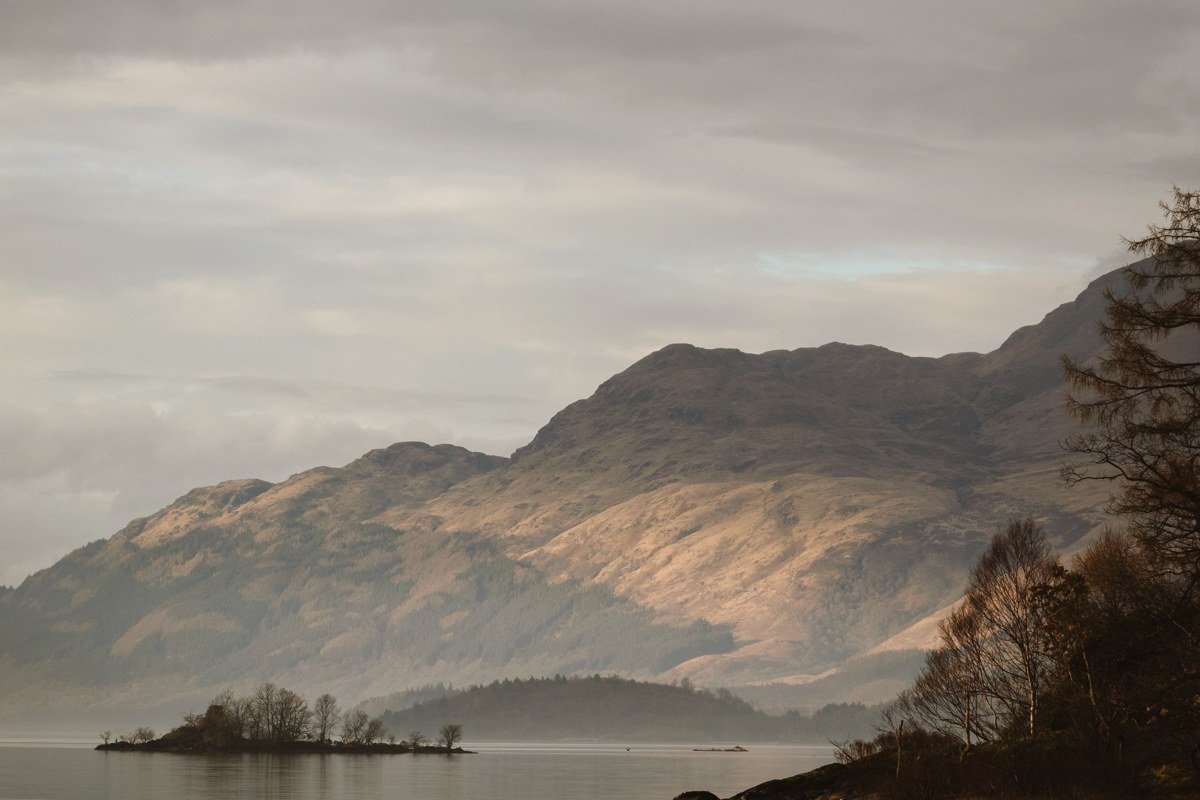
Loch Coruisk sits cupped inside the Black Cuillin, ringed by some of the most technically demanding ridgeline in Britain. The water is dark, almost black, stained by peat and shadowed for much of the day by gabbro walls that rise nearly a thousand metres on three sides. The shoreline underfoot is loose, wet boulder, slick with spray and algae, and the smell is mineral and cold, like a freshly opened stone. On calm days the serrated Cuillin skyline doubles itself in the loch surface with unsettling precision.
You can only reach Coruisk by a short sea trip from Elgol, by a genuine scramble over the Bad Step, or by a long ridge walk, and that friction is precisely what keeps crowds away. Turner painted it in 1831 and still barely anyone has heard of it. Go at low tide so the bouldered shore gives you a natural foreground for shots aimed at the serrated skyline behind. The Bella Jane boat from Elgol runs seasonally and the skipper knows exactly where to drop you for maximum drama.
2. Loch Stack, Sutherland
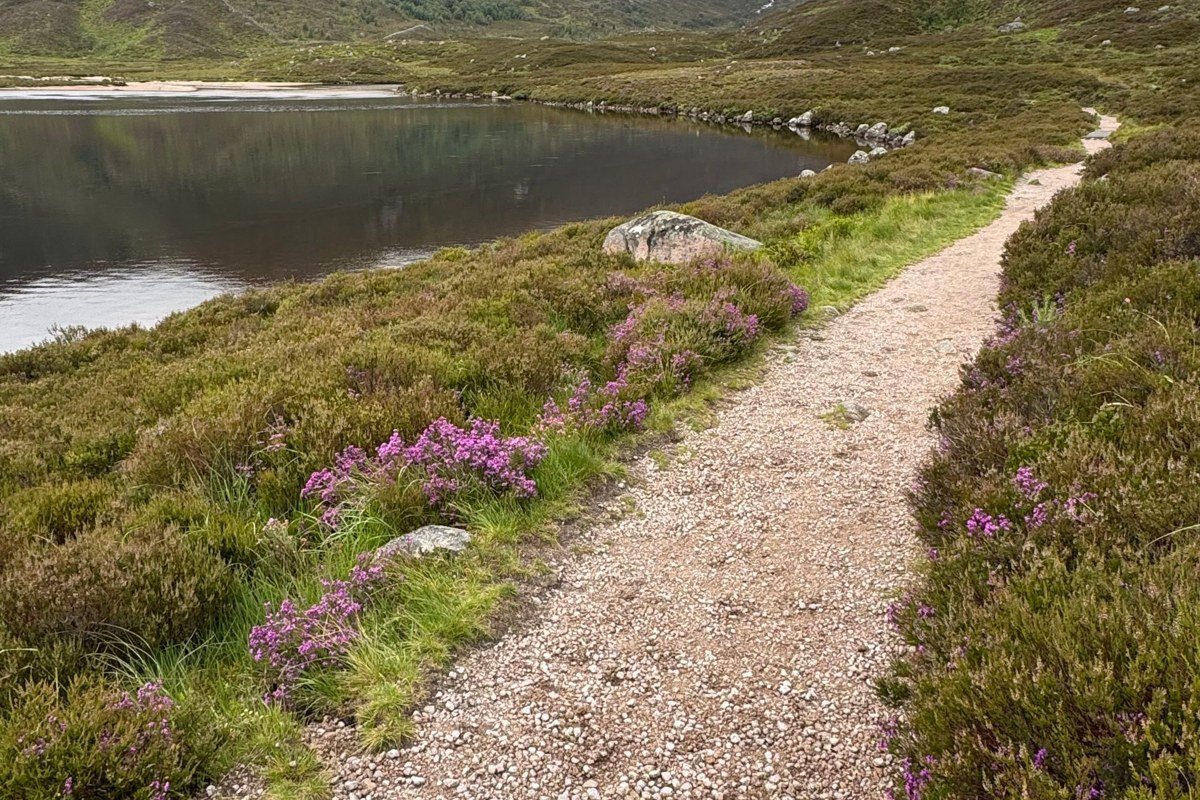
Loch Stack sits in the far northwest corner of Sutherland, where the landscape strips itself back to quartzite ridges, blanket bog, and a silence so complete you hear your own heartbeat. The loch’s southern shore frames a dead-on reflection of Arkle, a mountain that looks utterly unlike anything else in Scotland because its pale quartzite scree gives it an almost lunar quality. Stop at the small layby on the A838 around first light and the water is almost always glassy, because the mountains block prevailing wind from every useful angle.
This is one of the few places in Scotland where you genuinely do not need to hike to get a world-class shot, though the ridge walk up Arkle itself is extraordinary if you have the legs for it. Late September brings amber bracken that saturates the foreground beautifully.
3. Loch Tollaidh, Wester Ross
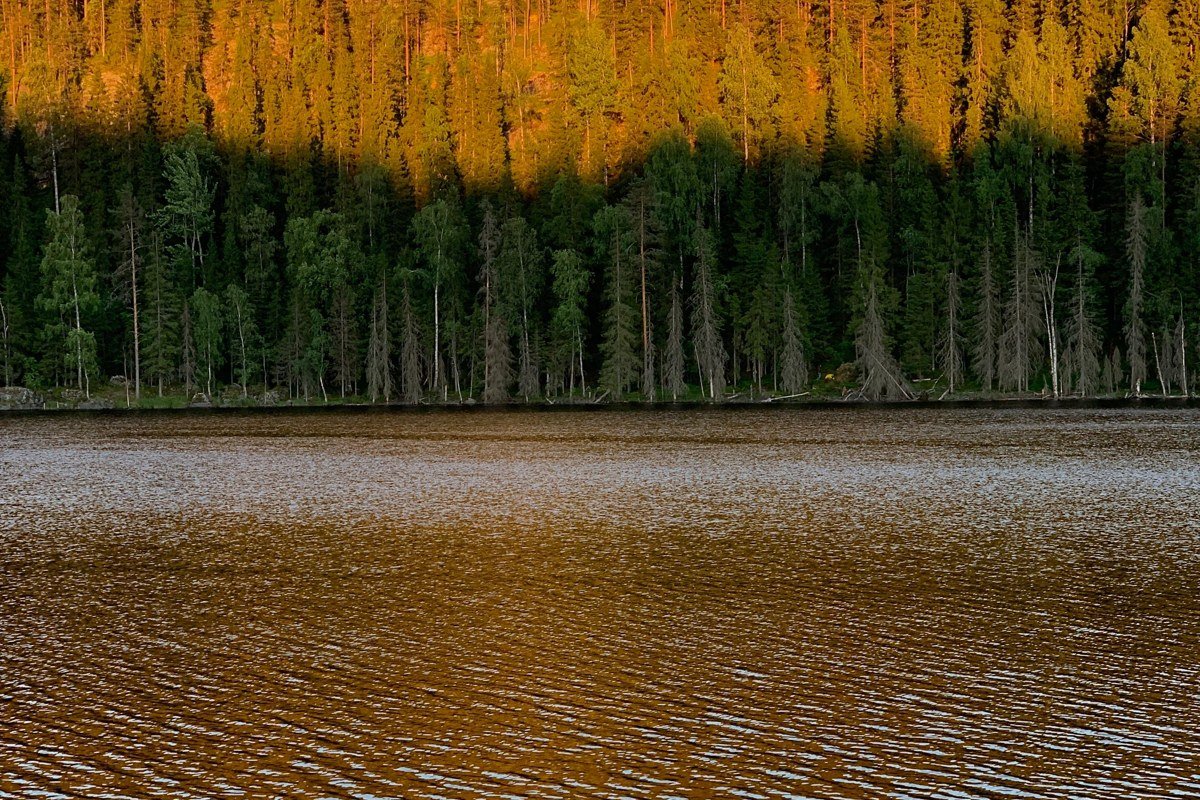
Just inland from Poolewe in Wester Ross, Loch Tollaidh is the kind of small loch that stops you dead on the single-track road because the composition is already there waiting. Scattered Scots pine islands break the water surface into sections, the surrounding moorland goes copper in autumn, and the Torridon peaks form a distant backdrop that you can frame through the near pines. It is a five-minute walk from the road. Visiting photographers usually miss it completely because they are rushing toward Loch Maree or the Torridon giants further east.
Come an hour after sunrise in October and the low raking light turns every pine needle amber. There is no signage and no car park, just a rough grass verge wide enough for two cars.
4. Loch an Eilein, Cairngorms
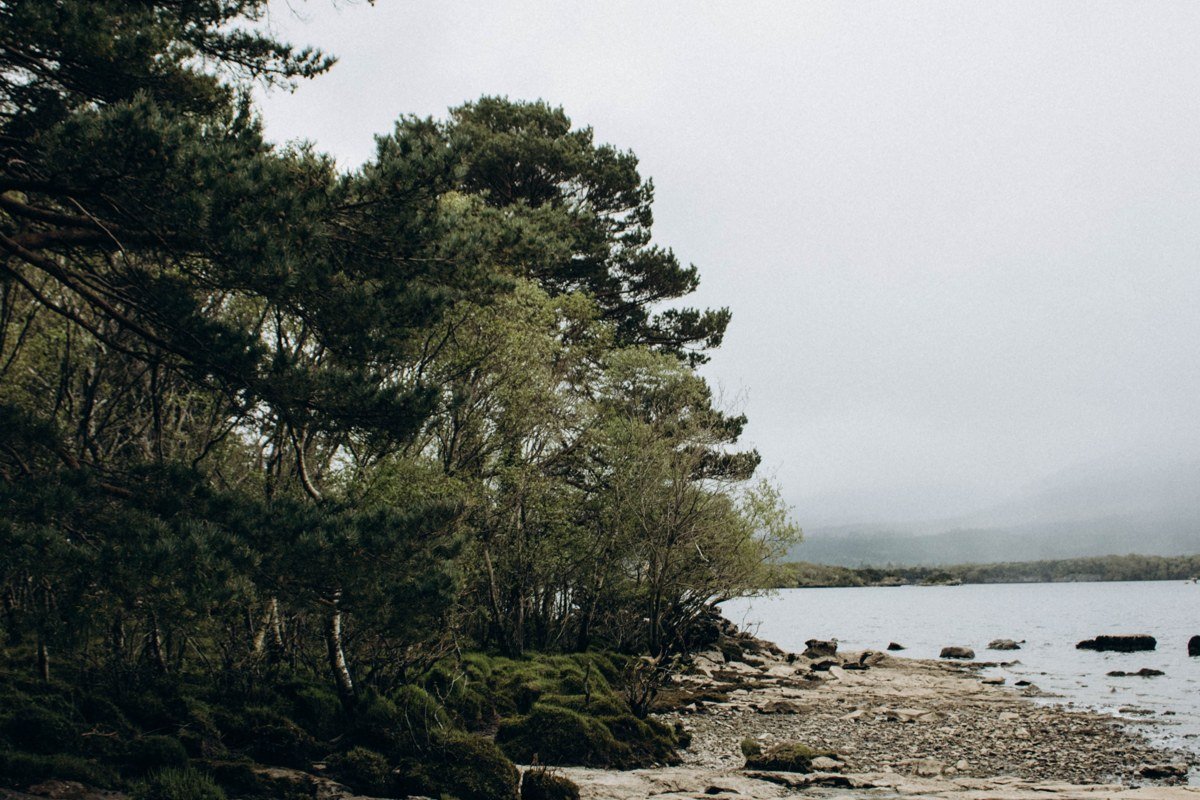
Loch an Eilein translates roughly to Loch of the Island, and the island in question holds a genuinely ruined medieval castle that sits just far enough from shore to feel unreachable. The surrounding Rothiemurchus Forest is one of the largest surviving fragments of ancient Caledonian pine, so the shoreline walk feels prehistoric rather than managed.
Most visitors arrive mid-morning from Aviemore and photograph the castle from the obvious car-park-end viewpoint. Walk the full circuit instead. On the north shore, roughly two thirds of the way round, the path curves through the oldest stand of pines on the loch and the castle aligns directly with their canopy line. On still mornings after overnight rain, when the water level sits slightly higher than usual and the surface has not yet been disturbed by wind, the reflection of both castle and pines holds together in a single unbroken image. That specific combination is what separates a competent shot of this loch from an exceptional one.
Loch an Eilein is one of the most underappreciated examples of the Scotland Highlands aesthetic precisely because it reads as forest photography rather than mountain photography, which means the mountain crowd skips it entirely.
5. Lochan na h-Achlaise, Rannoch Moor
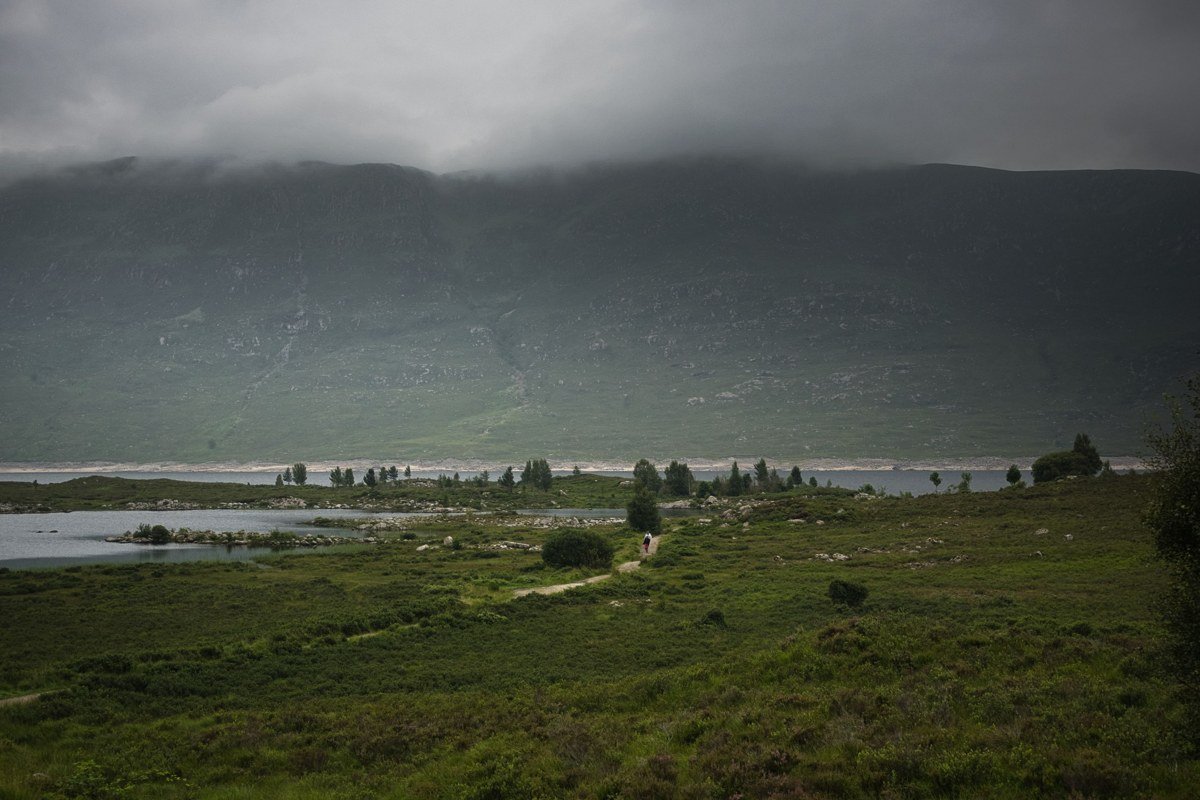
Rannoch Moor is one of the last genuine wildernesses in western Europe, an enormous plateau of blanket bog and open water that sits above normal weather logic. Lochan na h-Achlaise sits right on the A82, which sounds like a compromise, but the roadside position means you can check conditions from the car and only step out when the reflection of the Black Mount is sitting perfectly in the glassy water.
The trick almost no one mentions: after heavy rainfall the moor floods the lower sections of peat on either side of the loch, creating temporary mirror pools that extend the reflection in every direction. Winter is genuinely the best season here because the surrounding bleached grass turns the landscape silver-white and the Black Mount gets snow capping that completes the drama. Midges are essentially absent from October onward, which is another strong argument for the off-season.
6. Loch Muick, Cairngorms
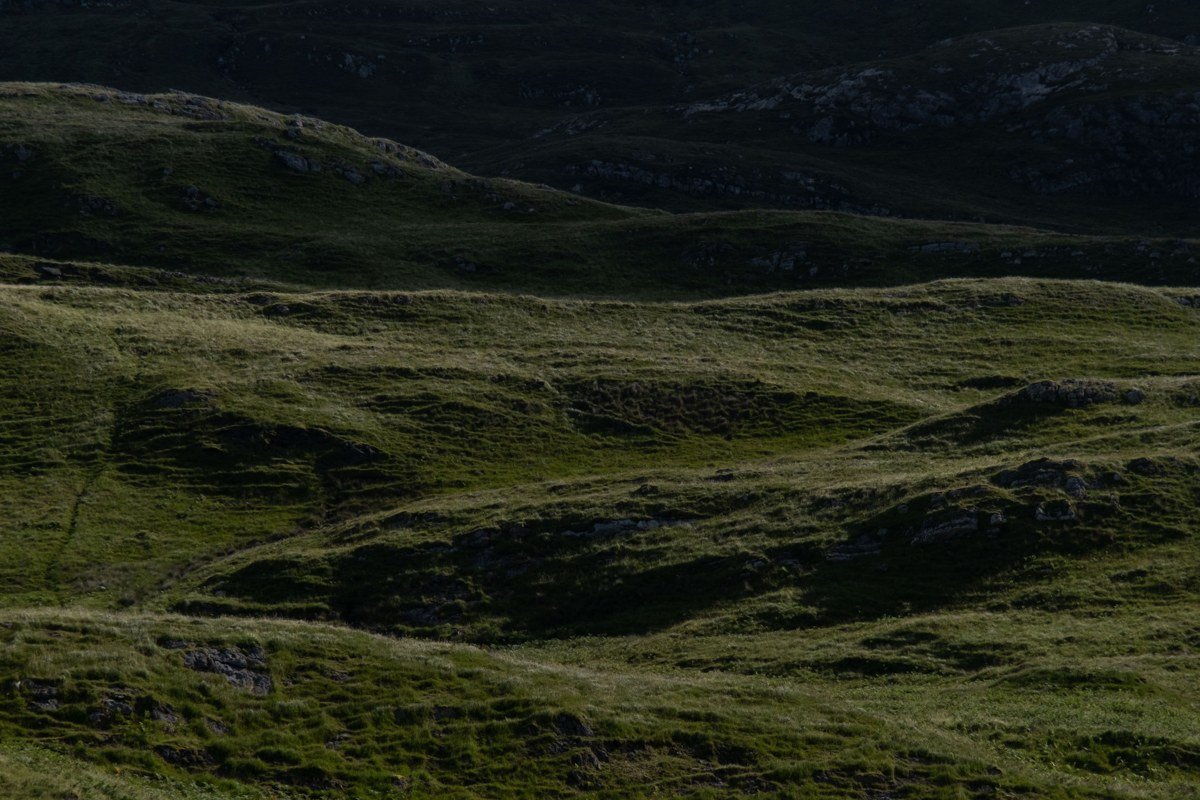
Loch Muick sits at the head of Glen Muick on the Balmoral Estate, and yes, the royal family uses it, but that does not make it crowded or manicured. The approach road ends at a small car park and from there a flat path follows the southern shore through open moorland toward the far end where the loch narrows and Lochnagar rises behind it. The combination of a large, still body of water with a genuinely imposing mountain behind it and zero built infrastructure is rare in Scotland. Most Cairngorms visitors head west toward Aviemore and the ski infrastructure, leaving Deeside quietly uncrowded.
Arrive in mid-October for the peak red deer rut in the Cairngorms, when stags are active, vocal, and visible against the open moorland framing the loch. If you prefer the post-rut calm, early November brings a different reward: stags moving alone across a quieter landscape, and Lochnagar catching its first serious dusting of snow above the waterline.
7. Loch Morar, the Road to the Isles
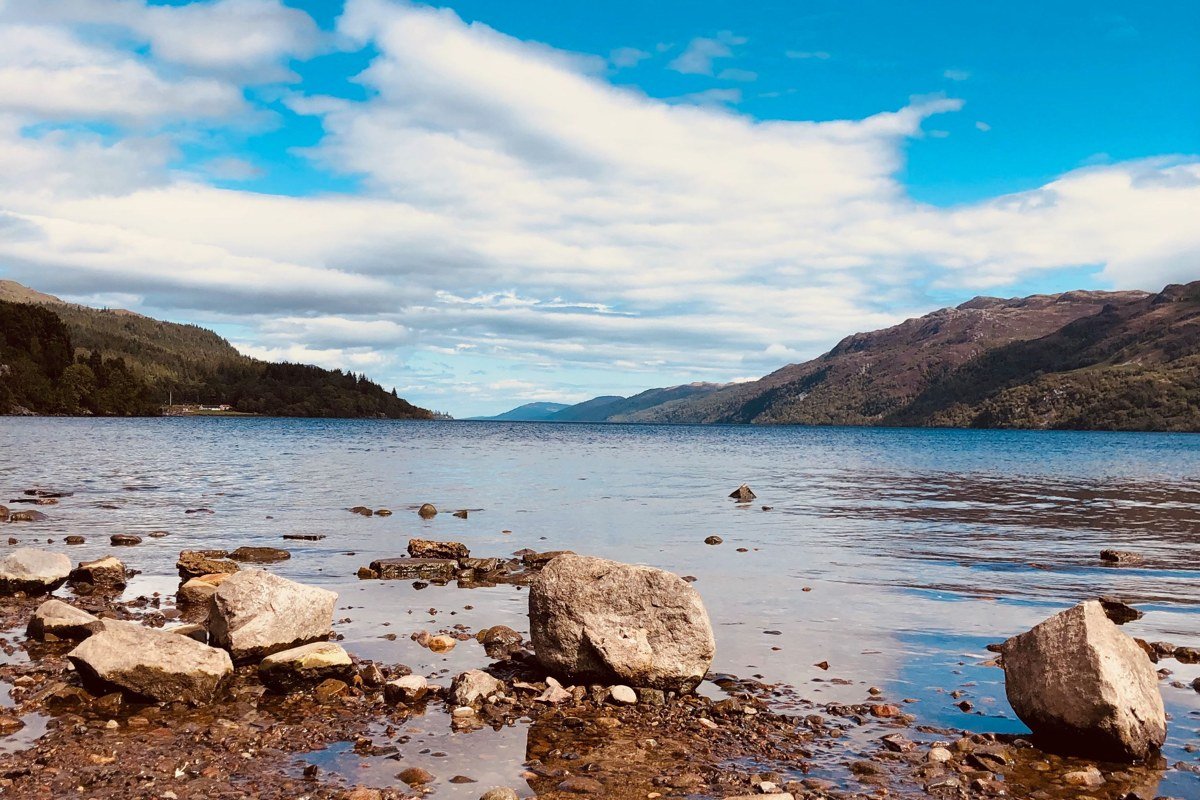
Loch Morar is the deepest freshwater loch in Britain, deeper at its maximum than the North Sea, and it sits only a handful of miles from Mallaig yet barely registers on most itineraries. The southern shore is only accessible by boat or a long rough walk. The north side road gives you something increasingly rare in Scottish tourism: an unfussy, working loch with farmland running to the water’s edge, small jetties built for function rather than aesthetics, and actual fishing boats sitting in the shallows. There are no curated gravel paths.
The pale sandy beaches at the western end near Morar village photograph strikingly because that sand is unusually white for Scotland, almost Caribbean in texture, set against dark peaty water. Time a visit for late afternoon when the light falls down the full length of the loch from the west and the islands in the middle distance catch the last gold. The small community of Bracora at the loch’s east end is accessible only by boat, which makes the far shore feel genuinely remote from a photography perspective.
8. Loch Glencoul, Assynt
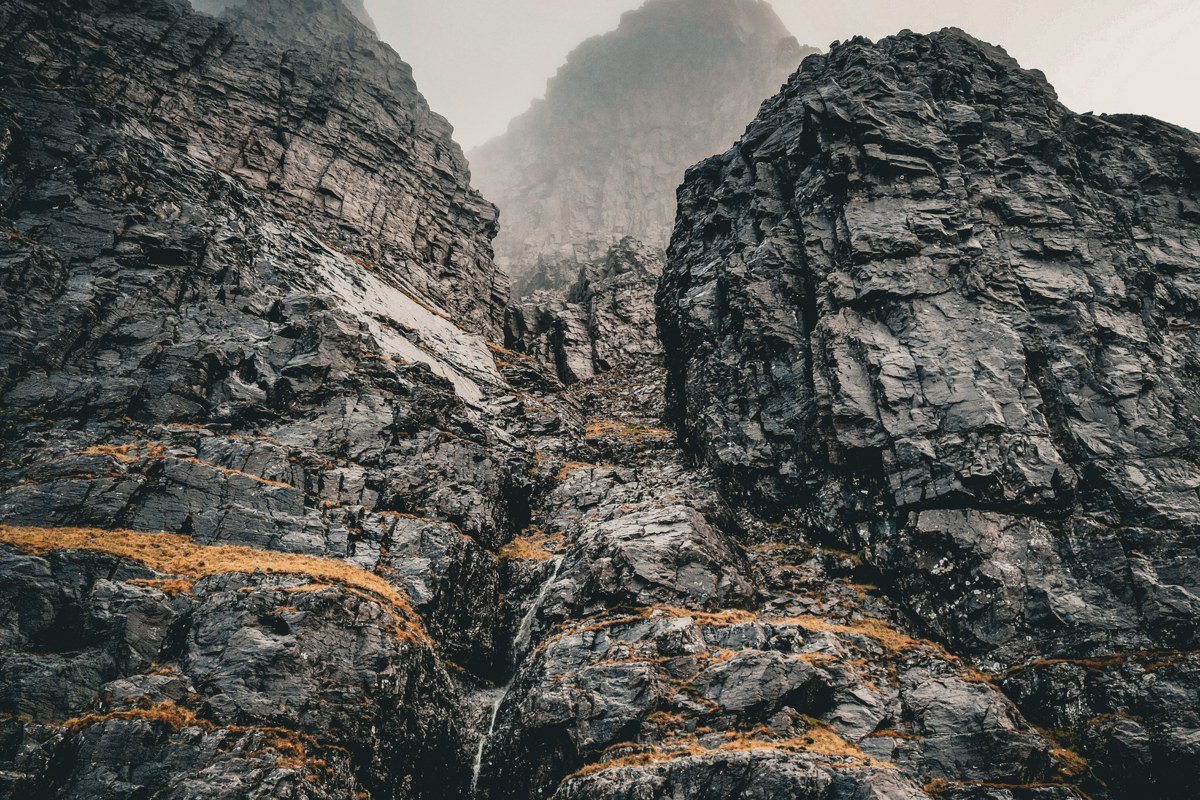
Loch Glencoul is a sea loch that cuts deep into the Assynt interior, and at its far end sits Eas a Chual Aluinn, the highest waterfall in Britain. The waterfall alone justifies the effort, but the loch itself is the real subject: black water flanked by Lewisian gneiss cliffs, no trees, no softness, just ancient stripped rock and sky. The only practical way in is by boat from Kylesku, though a determined hill walk from the south is possible in good conditions. Boat trips run from spring through early autumn and the skipper usually holds the boat below the falls long enough for careful shooting. The combination of sea-loch light quality with inland Highland scenery makes Glencoul look like nowhere else on this list.
9. Loch Katrine, the Trossachs
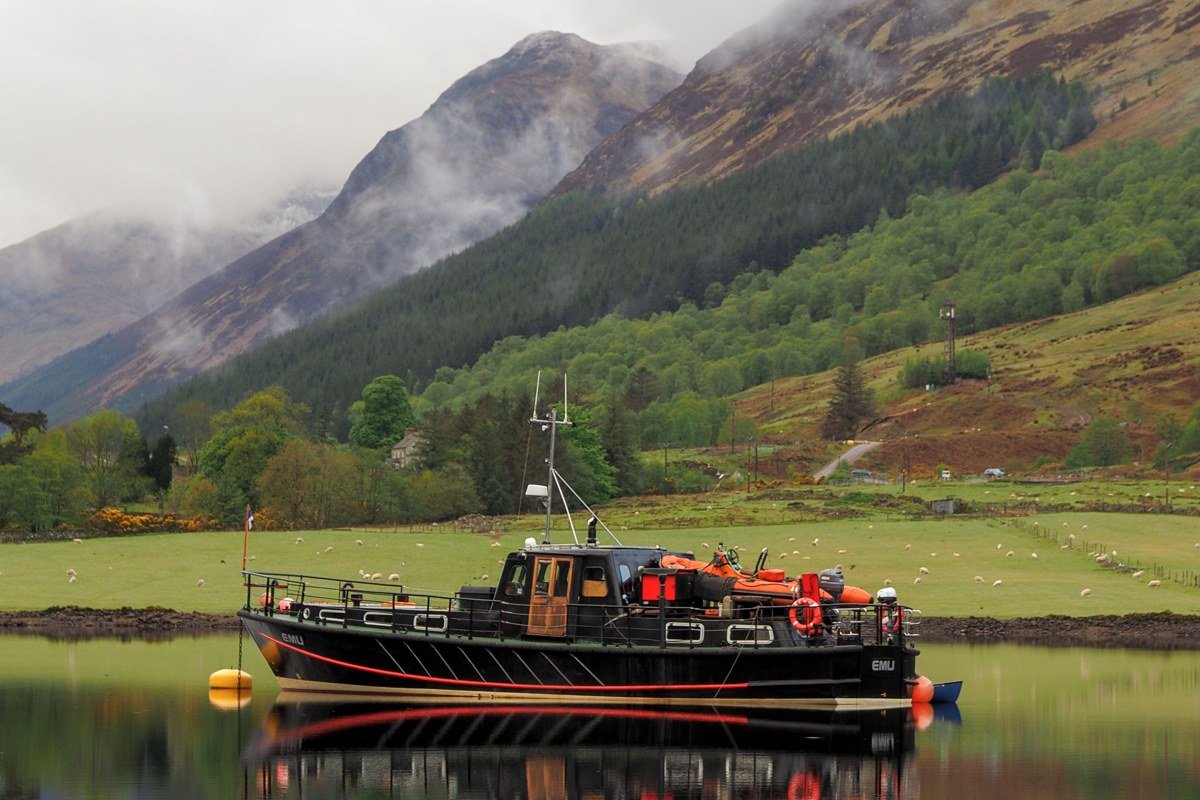
Loch Katrine sits in the Trossachs, south of the Highlands proper, but the atmosphere holds its place on this list without apology. Sir Walter Scott set the Lady of the Lake here, and the Victorian steamship SS Sir Walter Scott still works the loch, giving you the extremely rare chance to photograph an operational period vessel against a backdrop of ancient oak forest and Ben Venue. The southern and eastern shores feed Glasgow’s water supply, which is why the loch is one of the cleanest and clearest in Scotland.
The SS Sir Walter Scott operates a seasonal timetable, typically April through October, with sailings bookable directly through the Loch Katrine website. Confirm dates before building an itinerary around the steamer, as early and late season sailings are reduced. Cyclists and walkers use the private road along the north shore and it is almost entirely deserted after September. For photographers, the real asset is the combination of the steamer, the glassy water, and the autumn woodland along the shore: three distinct aesthetic registers available in a single frame.
10. Loch Ossian, Corrour
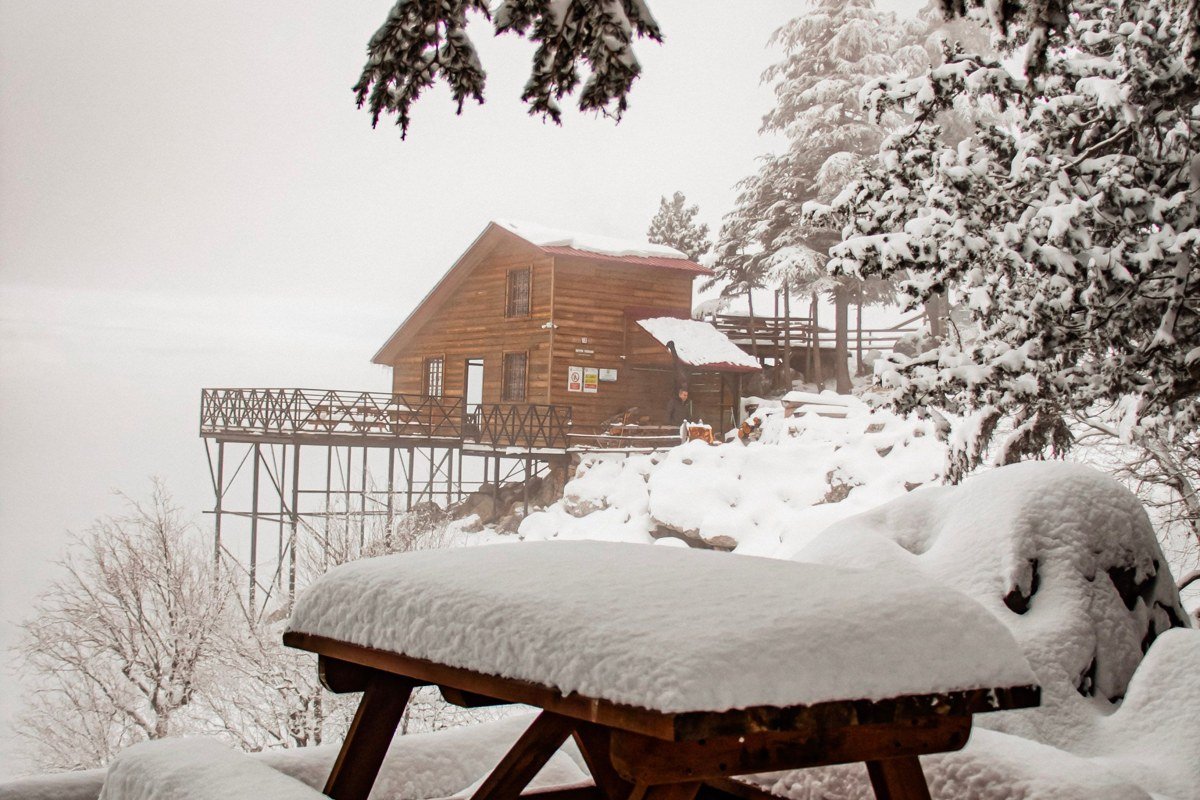
Loch Ossian is the ultimate detour test because the only way in is by train. Corrour station, the highest mainline station in Britain, drops you on the edge of Rannoch Moor and a short walk takes you to a loch ringed by managed native woodland and a hostel so small and remote it feels fictional. The surrounding landscape is high, open, and genuinely exposed to weather changes that move through in minutes, which creates the rapid light-shift conditions that make for extraordinary photography.
The hostel is closed in winter, but the station remains open, and winter day trips from Fort William give you the loch in snow with a reliable train home at dusk. This is one of the hardest places to reach on the list and easily one of the most rewarding, because the Scotland Highlands aesthetic is at its most concentrated and honest when there is no road to soften the edge.
Getting There Without Wasting a Day
A few practical notes that apply across all ten locations. A car is non-negotiable for eight of them. Loch Ossian requires the Caledonian Sleeper or a Scotrail service from Fort William, and Loch Coruisk requires a boat from Elgol. For everything else, an OS Maps subscription loaded offline covers all the terrain accurately and without mobile signal dependency.
One detail worth knowing before you park: under the Scottish Outdoor Access Code, you have a legal right of responsible access to most land and inland water in Scotland, including loch shorelines, which is what makes roadside stops at places like Loch Stack and Lochan na h-Achlaise entirely legitimate. Parking on road verges is generally tolerated where a safe, level pull-off exists, but avoid blocking passing places on single-track roads and do not park on soft verge where you risk sinking. Two minutes spent reading the Access Code before your trip will remove any uncertainty and meaningfully changes the experience compared with visitors who assume Scottish land access works like England’s.
Accommodation clusters at Ullapool for the Sutherland and Wester Ross lochs, at Aviemore for the Cairngorms pair, at Kinlochleven or Glencoe for Rannoch Moor, and at Fort William for Loch Ossian and Loch Morar. None of these places are expensive by European standards and booking mid-week in shoulder season (September, October, late April) cuts costs significantly and eliminates the weekend walker traffic.
The single best decision for any of these locations is the early start. First light in the Scottish Highlands in autumn arrives between 7 and 8 a.m., which is civilised enough to reach most spots fresh. Wind typically picks up by mid-morning, and the reflections that define the Scotland Highlands aesthetic disappear with it. Be on the shore at dawn, not arriving at the car park.
Finally, midges. April through August brings Highland midges in quantities that make prolonged tripod work miserable without a head net. This is not an exaggeration. Pack one regardless of forecast, because midge activity and weather forecast are only loosely correlated.