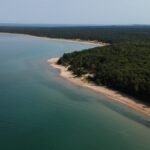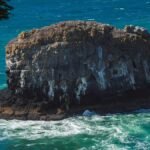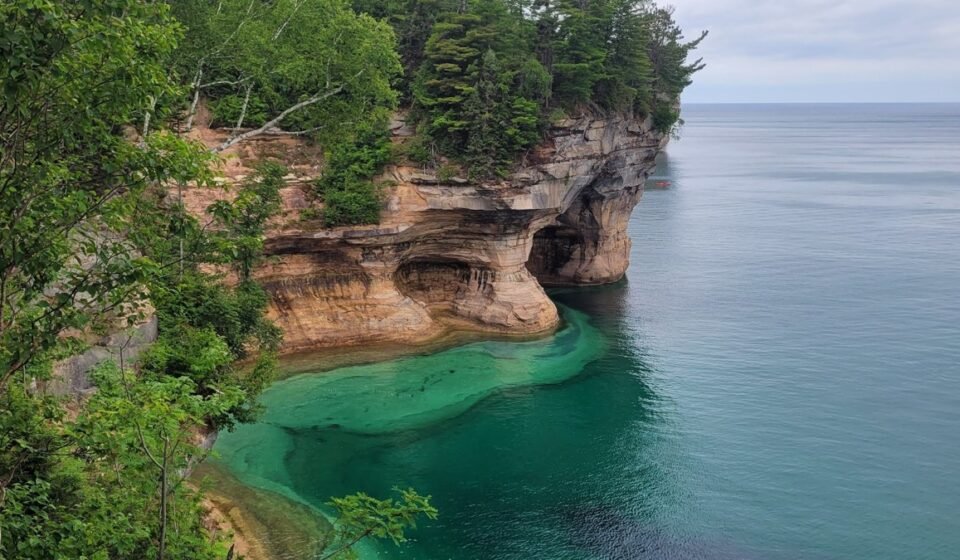

Lake Superior does not negotiate. A cove that is glassy and golden on a Tuesday morning can be closed by the National Park Service to all small craft by Tuesday afternoon, because wind on this lake builds fast and the sea caves turn from a photo op into a real hazard. The park’s guideline for mainland cave access is straightforward: winds above roughly 15 mph out of the north or northwest, or waves over 2 to 3 feet at the cave mouths, and the kayak window closes, sometimes for days. Timing the Apostle Islands isn’t a preference here, it is the entire trip: go in the wrong week and you get a parking lot, a red flag, and a mainland hike instead of a paddle. Go in the right window and you get glass-clear water over sandstone, cave ceilings dripping with ice or ferns depending on the month, and coves that are legally and physically off-limits to anyone without a kayak.
The week-by-week windows below are built around typical patterns (lake temperature curves, prevailing wind direction, seasonal crowd flow), not a guarantee for any single date. Treat them as a planning baseline, then check the park’s live conditions before you commit.
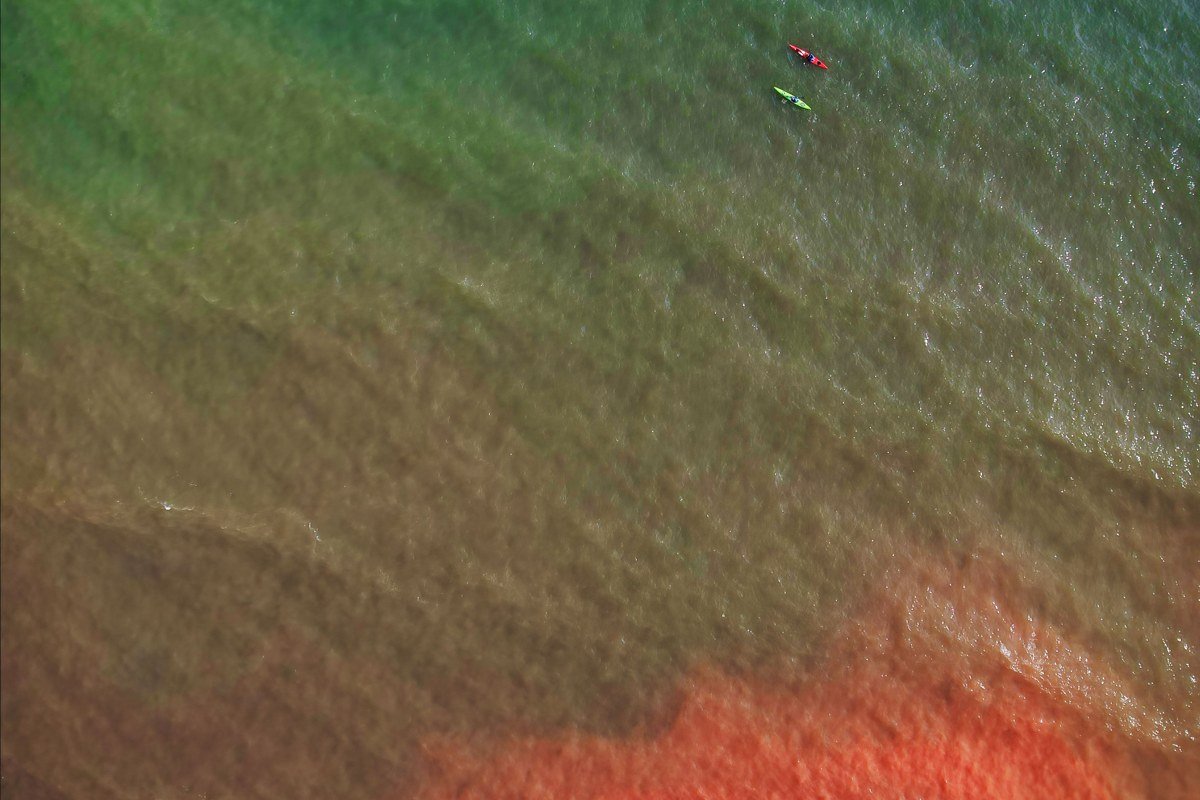
Mawikwe Bay Sea Caves, Wisconsin – best in mid-June
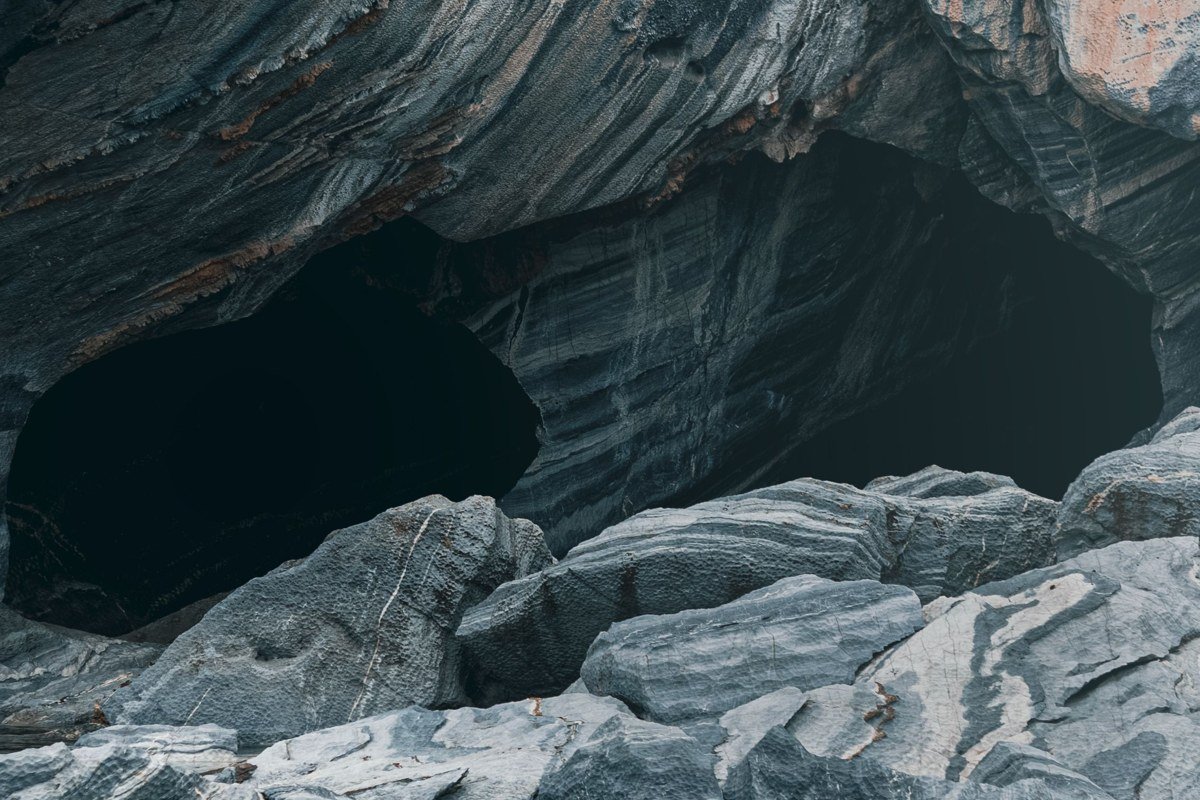
This is the mainland sea cave complex most people mean when they say “Apostle Islands caves,” reached from Meyers Beach off County Highway K north of Cornucopia. Mid-June threads the needle: the ice arches that draw crowds in February are long gone, Lake Superior has usually warmed enough (based on NPS ten-year lake temperature averages, low-to-mid 50s Fahrenheit by mid-June) that a capsize isn’t an emergency, and the water is calm often enough to actually get inside the caves rather than just photograph them from open water. Go in April or early May and you risk paddling past caves you can’t enter because swells are still stacking up against the cliff face, and in July and August you’re sharing narrow cave entrances with rental kayak groups eight boats deep. Check the park’s daily wind and wave conditions posted at the Meyers Beach kiosk before you drive up, not the night before, since conditions here are read fresh each morning.
Stockton Island Coves, Wisconsin – best in late June
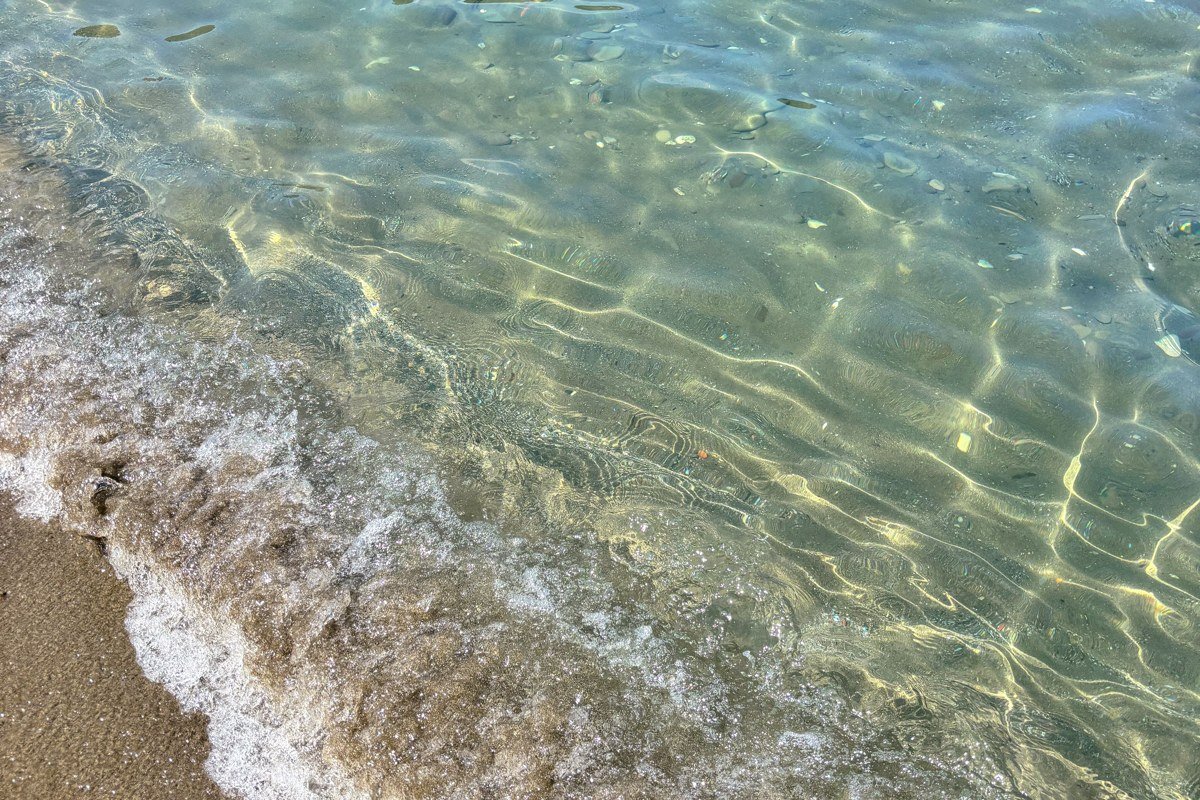
Stockton is the largest island in the archipelago, and its southeastern coves, especially Julian Bay with its rare singing sand beach, are calmest right after the solstice, before the afternoon thermal winds that build through July really kick in. Stockton actually shares its best window with Mawikwe Bay for the same reason: both sit in a stretch of relatively protected water on the lake’s south side, so the same late-spring calm that clears the mainland caves opens Julian Bay a week or two later once the crossing itself warms up. Paddling from a mainland launch adds miles, so most people camp on Stockton itself and day-trip the coves by kayak. Backcountry sites book through Recreation.gov (12 dollars per night as of recent seasons, plus the standard reservation fee) well before Memorial Day, since the handful of sites near Presque Isle Bay go first. Miss this window and you’re fighting either black flies (early June) or bigger wind fetch off the open lake (August). The payoff for late June: you can beach the kayak, walk the singing sands (the “singing” only happens when the sand is dry and fine grains rub together underfoot, damp sand after rain stays silent), and see almost nobody, because the tour boats don’t stop here the way they do at Devils Island.
Sand Island Sea Caves, Wisconsin – best in early July
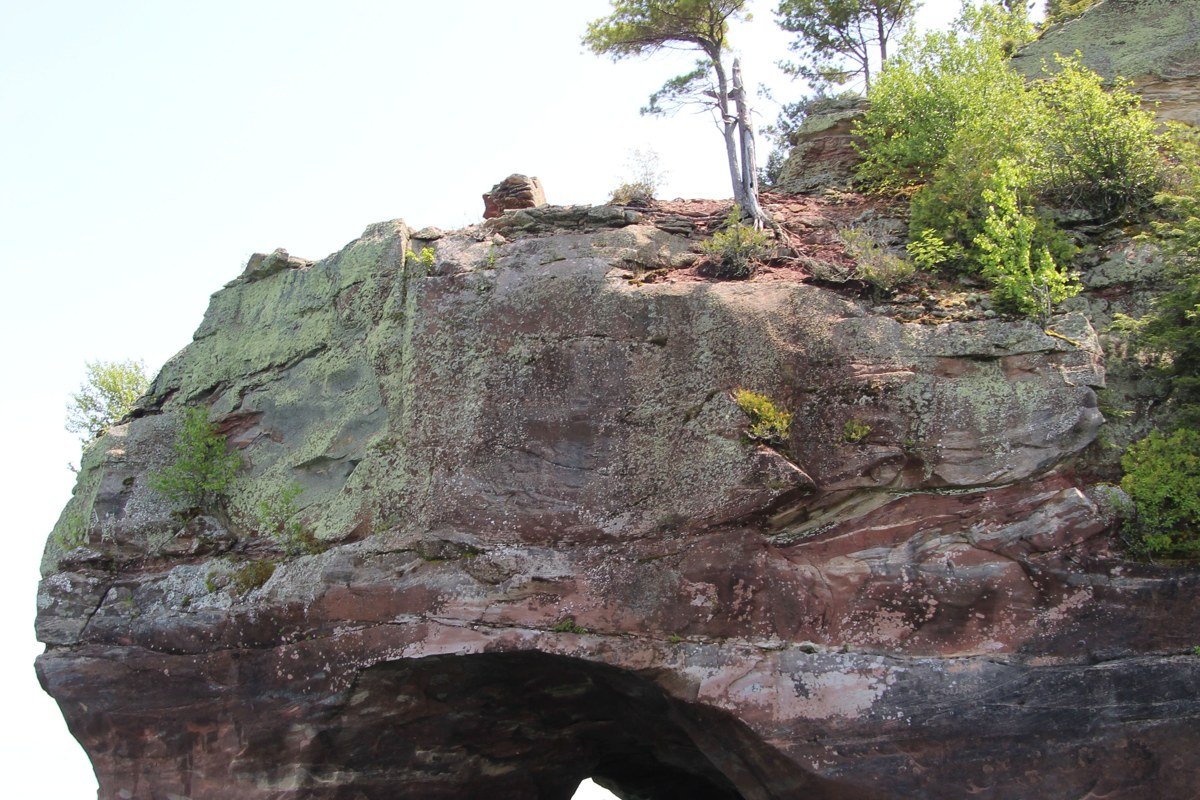
Sand Island’s caves, on the west side near the historic lighthouse, are quieter and less photographed than Mawikwe Bay’s, partly because reaching them means a longer crossing from Little Sand Bay, roughly 2.5 to 3 miles of open water depending on where you put in. Early July is the sweet spot, after late-June winds settle and before the island’s small campground fills for the Fourth of July stretch. Outside this window, the crossing itself becomes the limiting factor: this is a “check the marine forecast, not just the sky” paddle, and outfitters like Living Adventure and Trek & Trail, both based in Bayfield, will tell you when it’s not a beginner day. Book a guided trip here if it’s your first big-water crossing. Solo kayakers underestimate how quickly Sand Island’s exposed approach turns rough.
Devils Island Sea Caves, Wisconsin – best in mid-July
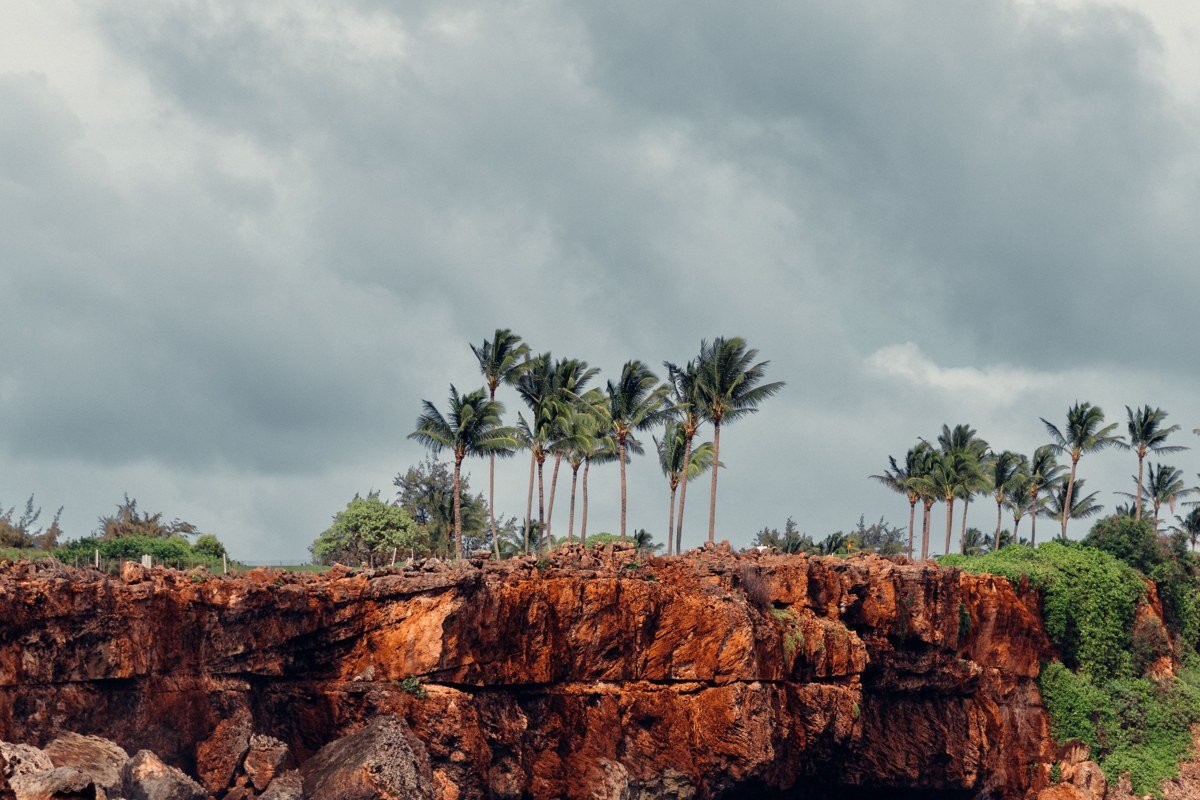
Devils Island is the furthest north in the chain and the most exposed to Lake Superior’s open water, which is exactly why its caves are more dramatic than Mawikwe Bay’s, complete with blowholes that roar when swell pushes through. Mid-July is close to the only reliable window for kayak access, since this crossing (often done as part of a multi-day trip staged from Rocky Island or via a guided tour with a support boat, Living Adventure runs both) simply is not safe in most other conditions. Outside summer, this is not a shoulder-season target for paddlers. The tour boat from Bayfield will get you past it for a look, but only a kayak gets you into the arches themselves, so if Devils Island caves are the goal, budget for a licensed guide service rather than going solo.
Basswood Island Caves, Wisconsin – best in mid-July
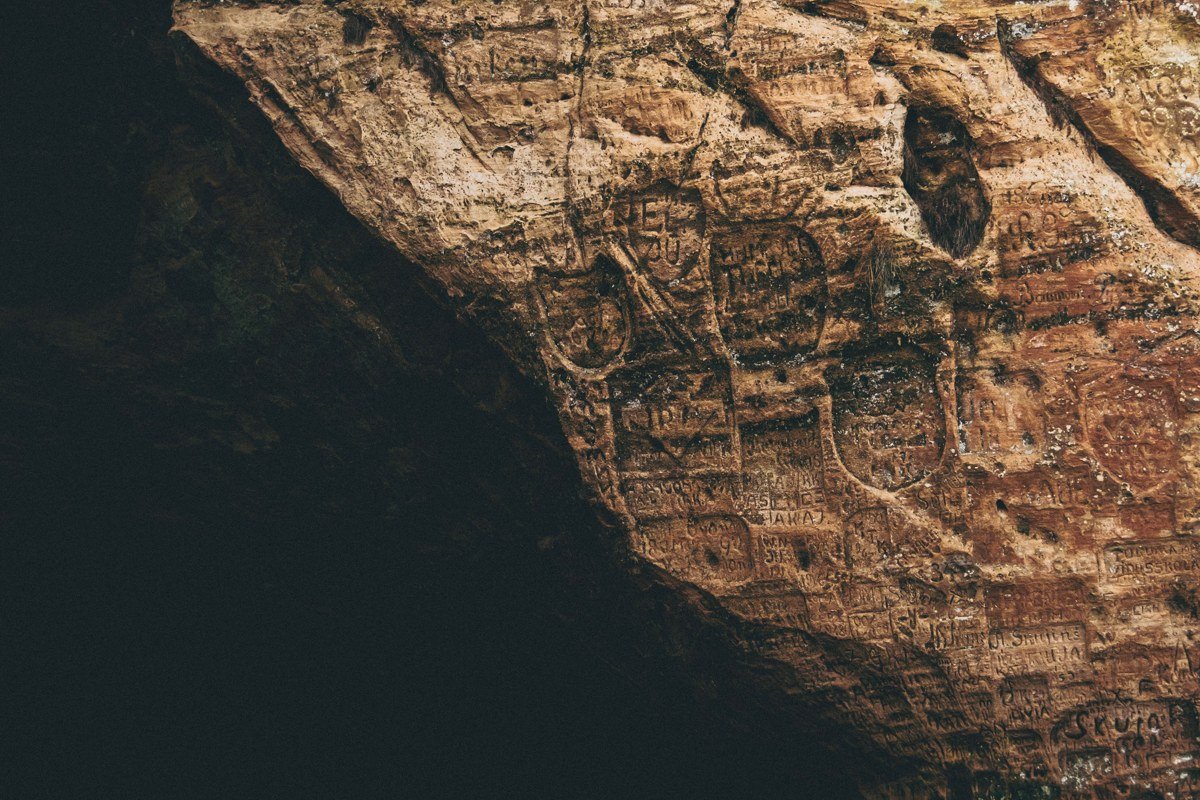
Basswood sits closest to the mainland near Bayfield, which makes it the easiest overnight paddle for a first-timer and a good back-up plan if Meyers Beach conditions are red-flagged. Its sea caves are smaller than Devils Island’s or Mawikwe Bay’s, but mid-July gives you the calmest average water of the season plus enough daylight to paddle out, explore, and get back before evening wind picks up. This is also one of the few island approaches where a moderate wind day is still workable, since the mainland blocks some fetch, so it is worth keeping in your back pocket when the forecast has scratched your first choice. Bring your own boat if you have one; the short crossing makes it one of the few spots where a rented recreational kayak (not a sea kayak) is adequate.
Cathedral Cove, Wisconsin – best in late July
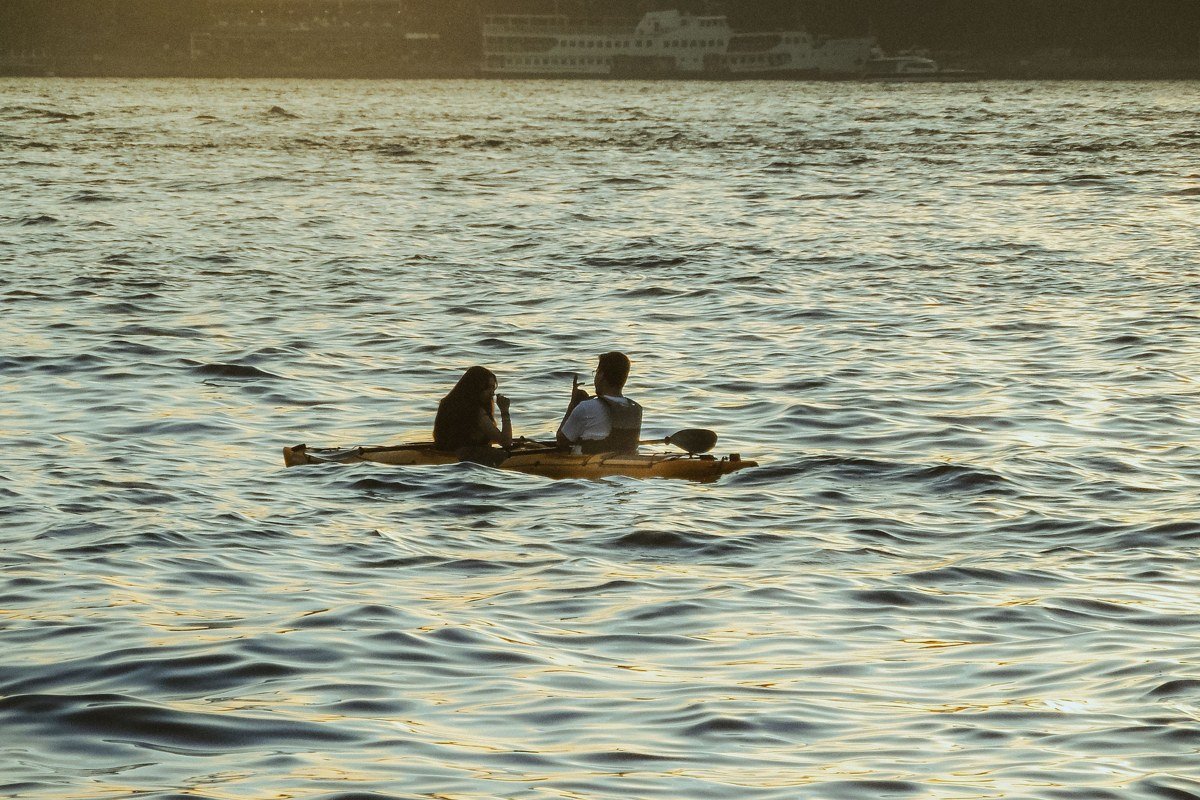
Cathedral Cove, on the north end of the Mawikwe Bay cave stretch, gets its name from a soaring rock arch that late afternoon sun lights up gold, and late July is when both the light angle and the water conditions cooperate most consistently. This is the postcard shot from nearly every Apostle Islands kayaking gallery, and it means the small window right around 5 to 7 p.m. gets crowded with outfitter groups timing the same light. Paddle it early morning instead if you want the arch without twelve other boats in frame; you lose the gold light but gain the cave to yourself. Outside July, expect the cave interior to be too rough to enter more days than not.
Raspberry Island Coves, Wisconsin – best in early August
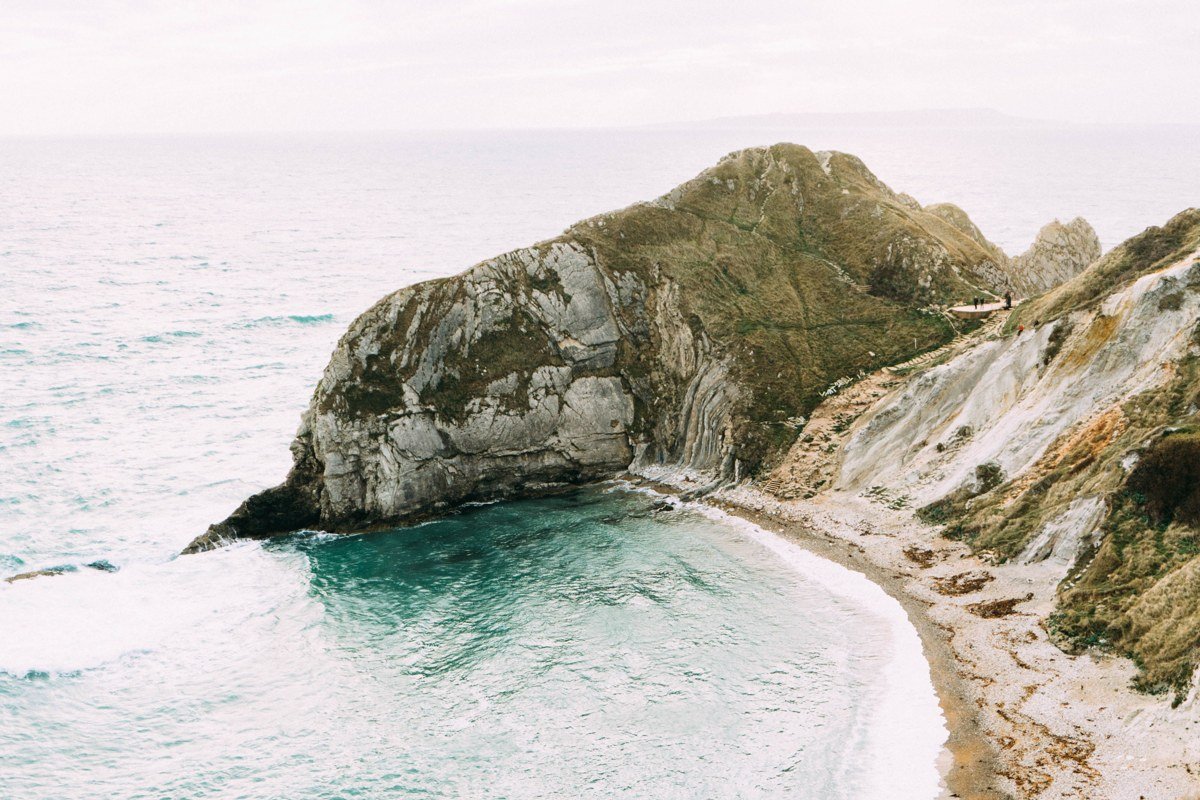
Raspberry’s lighthouse is the reason most visitors come, but the coves just below it, only reachable by beaching a kayak on a narrow gravel strip, are the reason to actually bring a boat. Early August is when Lake Superior’s surface water is at its warmest for the whole season (still cold by ocean standards, but survivable without a wetsuit for short swims), and it lines up with the lighthouse’s staffed tour hours, so you can paddle in, climb up for the tour, and paddle out in a single half-day trip. Come in June and the lighthouse may not be staffed yet; come in September and you’ll have the cove to yourself but the tours have wound down. Time your landing around the tour schedule, posted seasonally on the park’s site, not the other way around.
Manitou Island Fish Camp Cove, Wisconsin – best in mid-August
This is the spot people skip, and that is the point. The old commercial fishing camp on Manitou’s east side sits on a cove with no dock service and no tour boat stop, so it stays quiet even during the park’s busiest month. Mid-August gives you the most stable crossing conditions of the year for the longer paddle from Little Sand Bay or Red Cliff, and it is one of the better-preserved fish camps in the whole lakeshore, worth the extra miles for the history alone. Most people write Manitou off as “too far for the payoff,” and if you only have a day, they may be right; save it for a multi-day trip where the cove is a stop, not the whole destination.
South Twin Island Cove, Wisconsin – best in late August
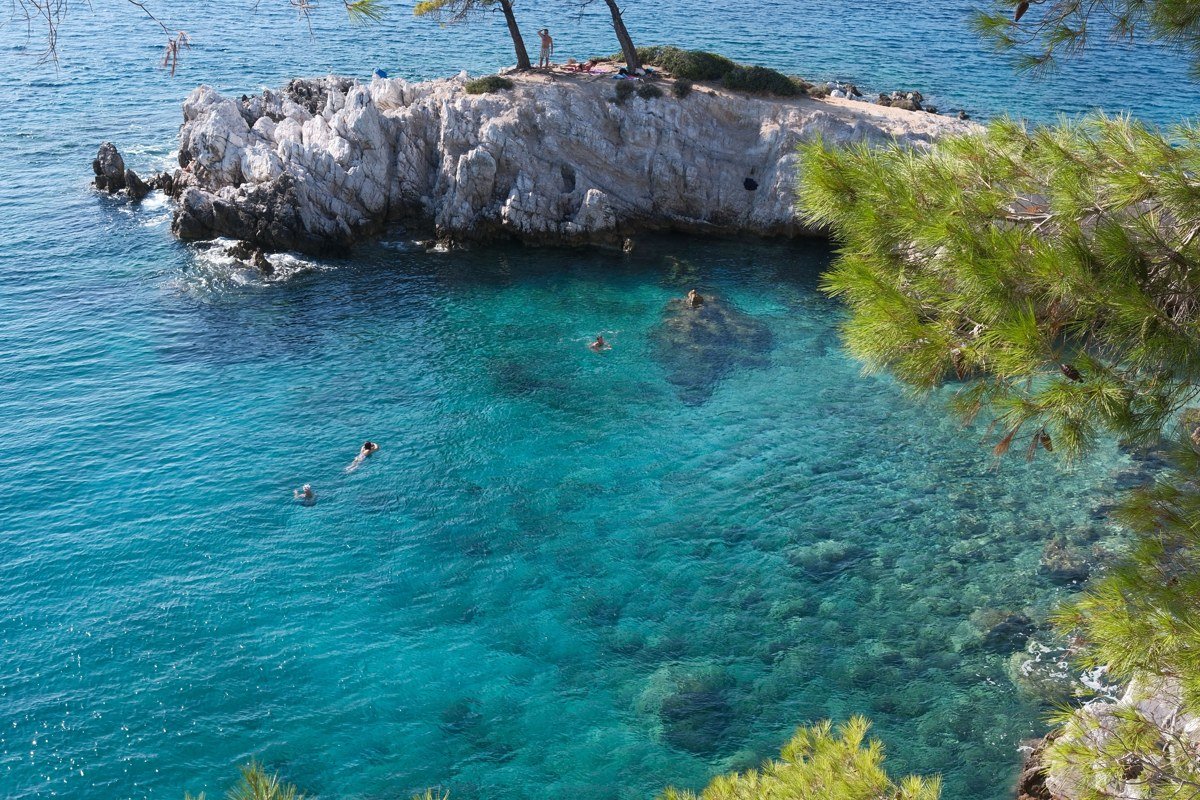
South Twin gets almost no foot traffic because it has no maintained trail system and no dock, just a small cove on its southern shore that works as a lunch stop or overnight beach camp for paddlers moving between Rocky Island and the mainland. Late August is when the water is warmest and the persistent afternoon westerlies of midsummer start to ease, giving a longer daily window of paddleable water. This is also past most families’ summer trip dates, so even in the archipelago’s high season you’ll likely have the cove to yourself. There’s no reservation system for the cove itself, but if you’re overnighting on South Twin, the backcountry permit through the park’s camping system (Recreation.gov, roughly 12 dollars per night) is required and worth locking in a month out.
Meyers Beach Ice Caves, Wisconsin – best in late February (viewing, not kayaking)
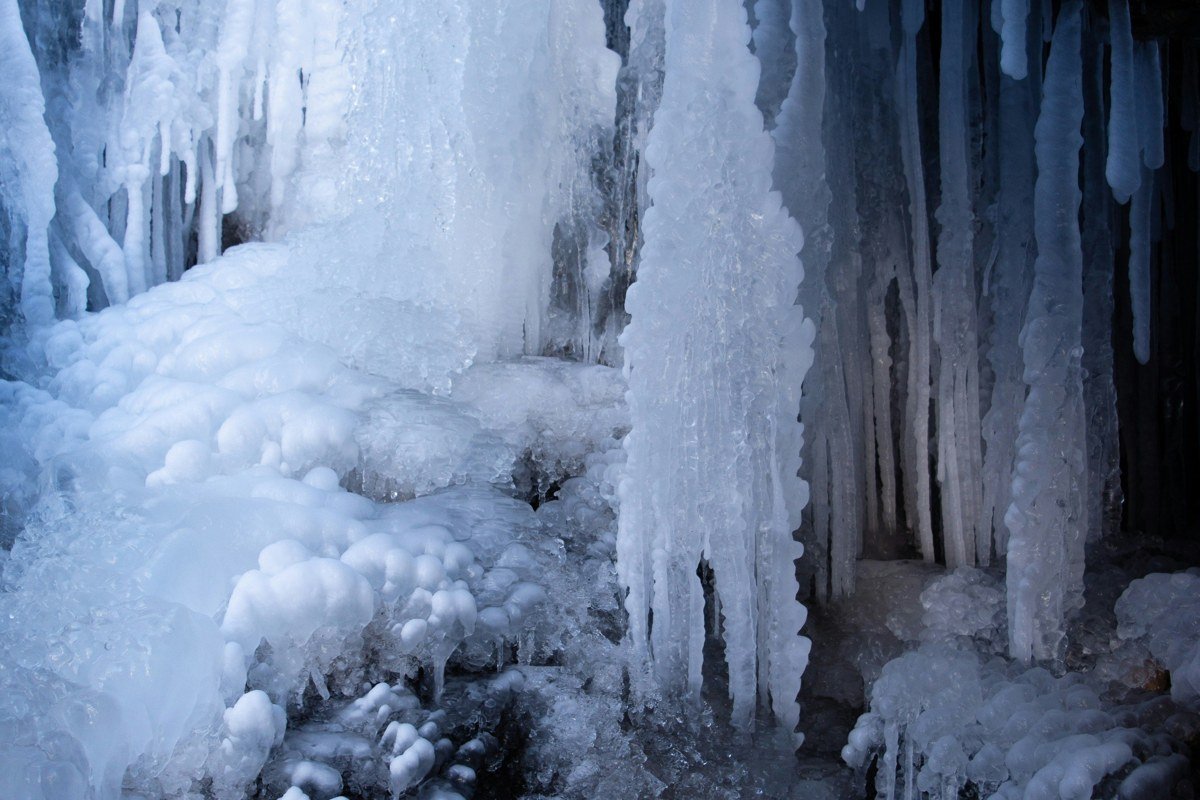
This one breaks the kayak rule on purpose, because it is the single most-searched Apostle Islands experience and skipping it would be dishonest. When Lake Superior freezes solid enough (which does not happen every winter, and the park only opens foot access when ice thickness is certified safe by rangers), you walk out to the same Mawikwe Bay caves you’d otherwise kayak into, except now they’re hung with ice curtains and you’re standing on the lake itself. Late February is historically the most reliable stretch, though some winters the caves never open at all, so check the park’s ice cave status page regularly rather than planning a trip around it far in advance. The parking situation becomes its own event: Meyers Beach’s small lot overflows fast on open days, and the park runs a shuttle from Washburn (fare is typically a few dollars round trip, confirm current pricing on the park site). Go outside an official open window and the ice is either unsafe or the caves simply aren’t accessible; there’s no unofficial workaround here, and rangers do close the access for real.
Month by month
- January: plan and book campsites, nothing paddleable
- February: Meyers Beach ice caves, if conditions allow, on foot
- March: off-season, ice breakup makes both walking and paddling unsafe
- April: still too cold and rough for kayaking, scout logistics instead
- May: early season crossings possible but caves still swell-battered
- June: Mawikwe Bay sea caves (mid-June), Stockton Island coves (late June)
- July: Sand Island (early), Devils Island and Basswood Island (mid), Cathedral Cove (late)
- August: Raspberry Island (early), Manitou Island (mid), South Twin Island (late)
- September: reliably calm but cold, good for experienced paddlers avoiding crowds
- October: color season on the mainland, water too cold for casual kayaking
- November: lake turns dangerous, no recreational paddling
- December: closed season, save it for planning next year’s trip