
Cannon Beach in fog is a postcard with the ink still wet: Haystack Rock fading in and out like a held breath. Bandon in fog is stranger and better, a whole graveyard of sea stacks scattered across Bandon Beach that the mist erases one at a time, so you’re never sure how many are actually out there until the wind shifts. Both are on the Oregon Coast. Neither behaves the way you’d expect a beach vacation to behave, and that’s the entire point of this list.
These nine towns are sorted by effort, not by beauty, because the most photogenic spot on Highway 101 is worthless to you if you can’t get there without burning a whole vacation day. The first tier suits a weekend runner coming from Portland, Oregon, or Seattle, Washington, who wants fog-drenched drama without a strategy. The second suits someone building a proper multi-day drive. The third is for people who already own rain gear that works.
One practical note before any of that: fog on 101 doesn’t just sit on the beach, it climbs the cliff curves, especially around Cape Perpetua, Heceta Head, and the headlands south of Port Orford. Visibility can drop to a few car lengths with no warning. Slow down before the curve, use low beams instead of high beams, and don’t trust a clear patch to last for the next mile.
Easy wins (a weekend, no planning)
Cannon Beach, Oregon
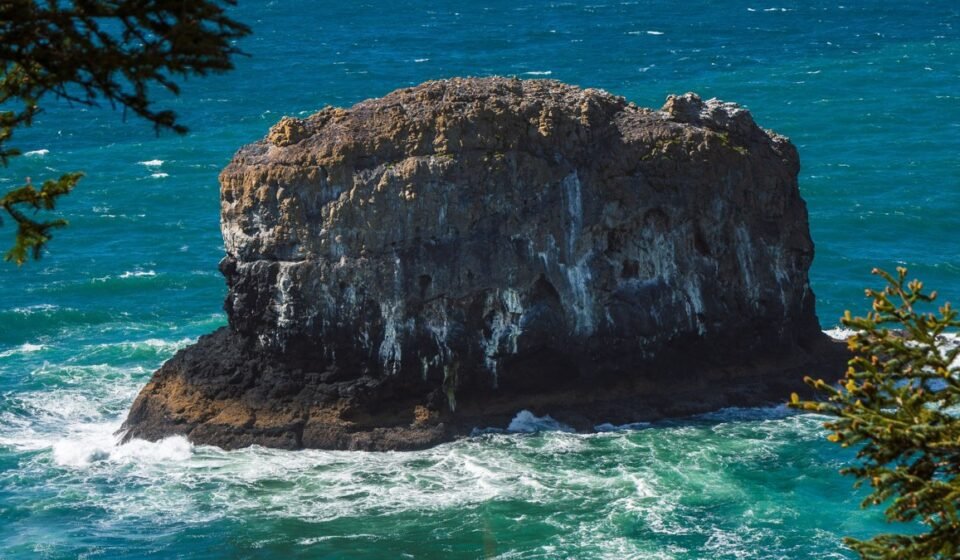
Haystack Rock is the sea stack that taught America what an Oregon sea stack looks like, and fog here doesn’t hide it so much as stage it, wiping the top third away while gulls circle in and out of the gray. The town itself is walkable, over-touristed in July and August, and lined with galleries and salt-water taffy shops that make it an easy sell to a spouse or kid who isn’t here for the geology. Low tide exposes tide pools around the rock’s base, but check tide tables before you wander out, since incoming water moves fast across flat sand.
Stay at Cannon Beach RV Resort if you want to be in walking distance of downtown, or book well ahead for one of the Sea Ranch Rentals cabins right on the beach.
Effort: About 80 miles and 1.5 hours from Portland. No permit needed, but summer weekend parking downtown fills by mid-morning.
Depoe Bay, Oregon
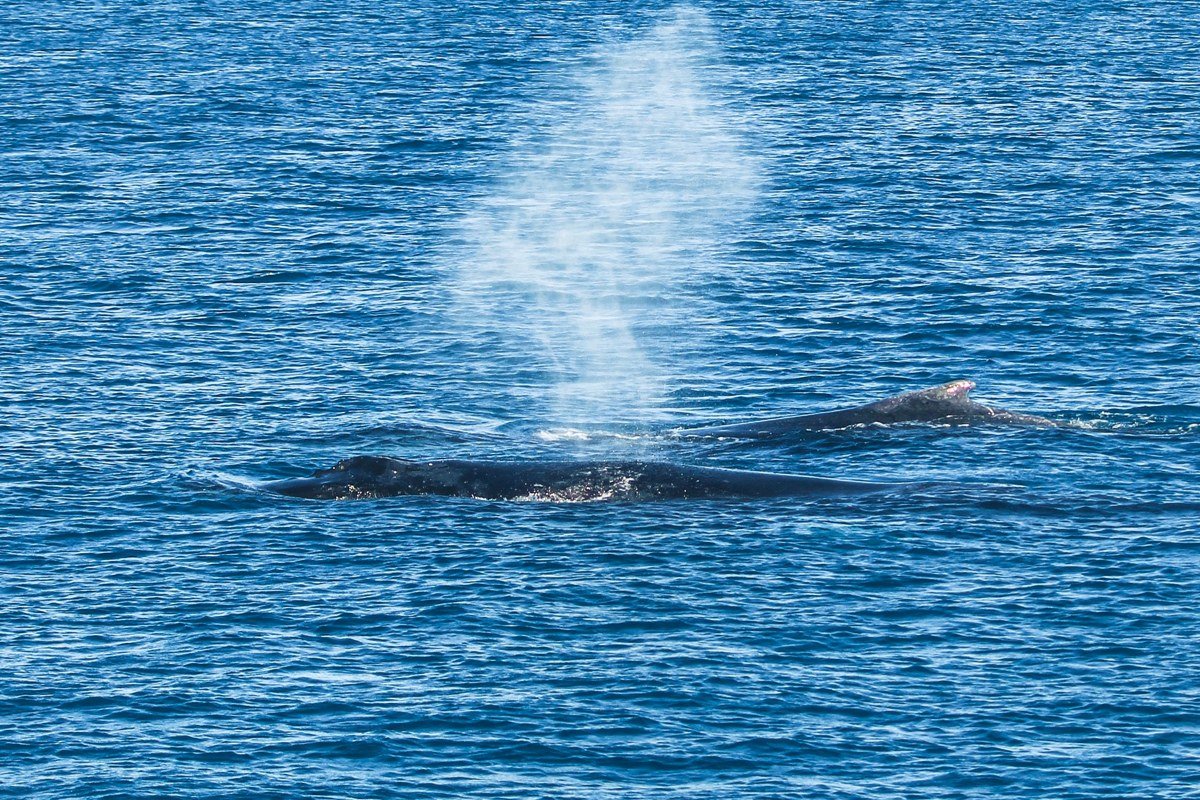
Depoe Bay bills itself as the whale watching capital of the Oregon Coast, and it’s not just marketing: gray whales pass close to shore here during the winter and spring migrations, and a resident pod hangs around through summer. Fog actually helps some mornings, flattening the glare on the water so a spout is easier to catch against the gray. The harbor is small enough that boats queue single-file through the channel at the seawall; whale-watching charters here typically run $25 to $40 per person for a one- to two-hour trip.
Fogarty Creek State Recreation Area, a few minutes north, has a small day-use fee (currently $5 per vehicle) and makes a good base for a half-day stop.
Effort: About 2.5 hours from Portland. Whale watching charters run daily but book out on weekends, especially over spring break week.
Newport, Oregon
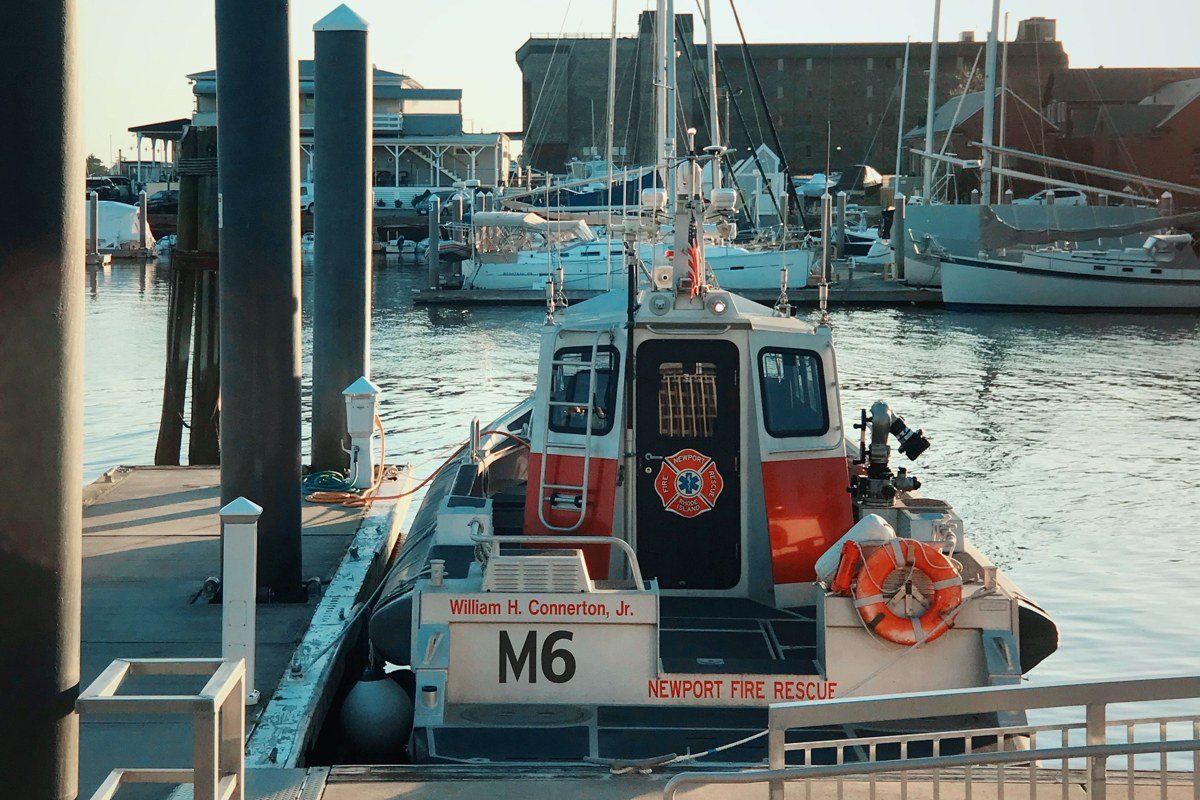
Newport is the coast’s biggest practical hub, home to the Oregon Coast Aquarium (adult admission runs around $28, discounted for kids and seniors), which is worth a half day regardless of weather since it’s indoors and built around the region’s actual marine life rather than generic tank displays. Buying tickets online ahead of a summer visit saves standing in a ticket line while your car overheats in the gravel lot. The Bayfront is the better fog experience: barking sea lions hauled out under the docks, crab shacks steaming, fishing boats disappearing into the mist past the breakwater.
South Beach State Park, just across the bridge, has a large campground with yurts if you’d rather sleep near the dunes than in town.
Effort: About 2.5 hours from Portland. Aquarium tickets are timed-entry in peak summer, otherwise walk-up is fine.
Worth the drive
Yachats, Oregon
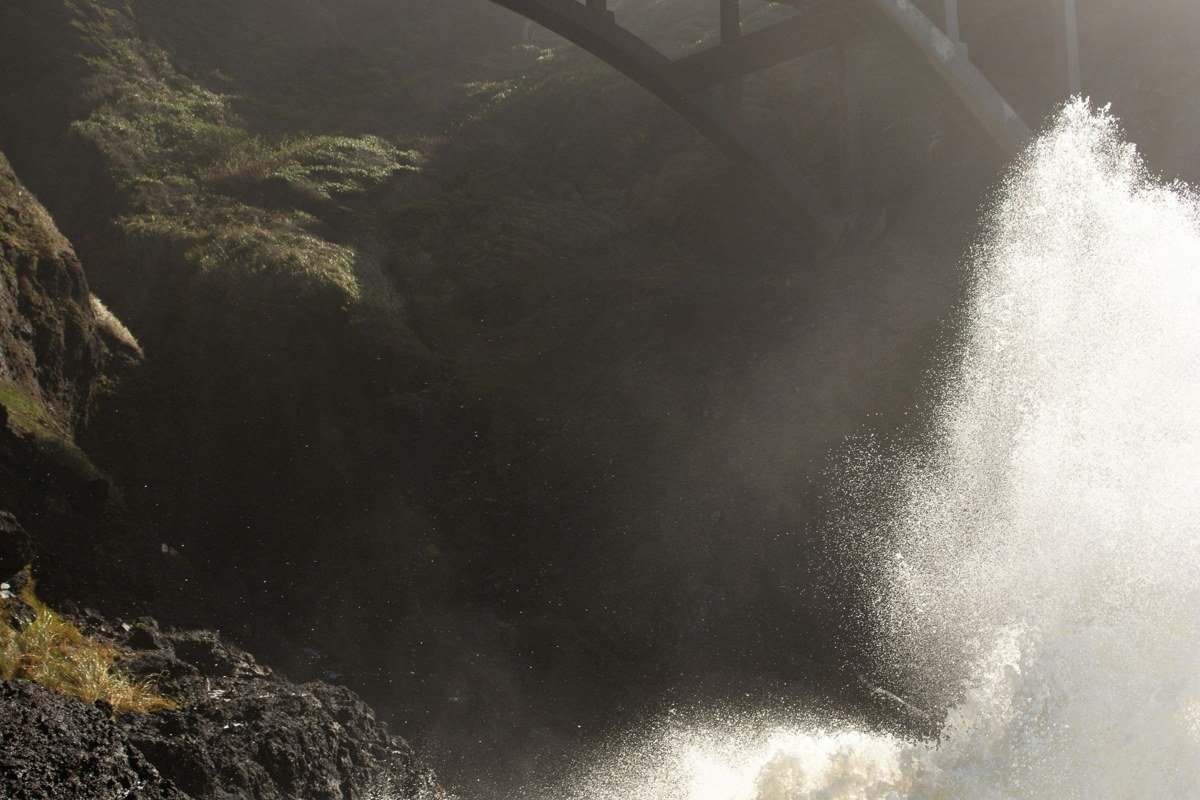
Yachats (locals say YAH-hots) is smaller and quieter than Newport, its neighbor twenty minutes north, and that’s the appeal: fewer people fighting you for the same fogged-out photo. The Cummins Creek Wilderness Area just south of town is one of the few stretches of coastal old-growth forest left standing after a century of logging, and walking into it on a foggy morning, spruce and hemlock dripping, explains more about what this coastline used to look like than any overlook does.
Cape Perpetua deserves its own stop, not an afterthought on the way through. Park at the Cape Perpetua Visitor Center ($5 day-use fee, covered by an America the Beautiful pass) and take the Saint Perpetua Trail, about 2.6 miles round trip, up to the overlook; on a clear day you can see roughly 40 miles of coastline, and on a foggy one you see about 40 feet, which is its own reward.
Yachats has a handful of small inns; the Overleaf Lodge sits right on the rocks if you want to wake up to the fog instead of driving to it.
Effort: Trails in Cummins Creek are unmaintained in stretches, so wear real shoes, not sandals. Budget about 3 hours from Portland to get here.
Florence, Oregon
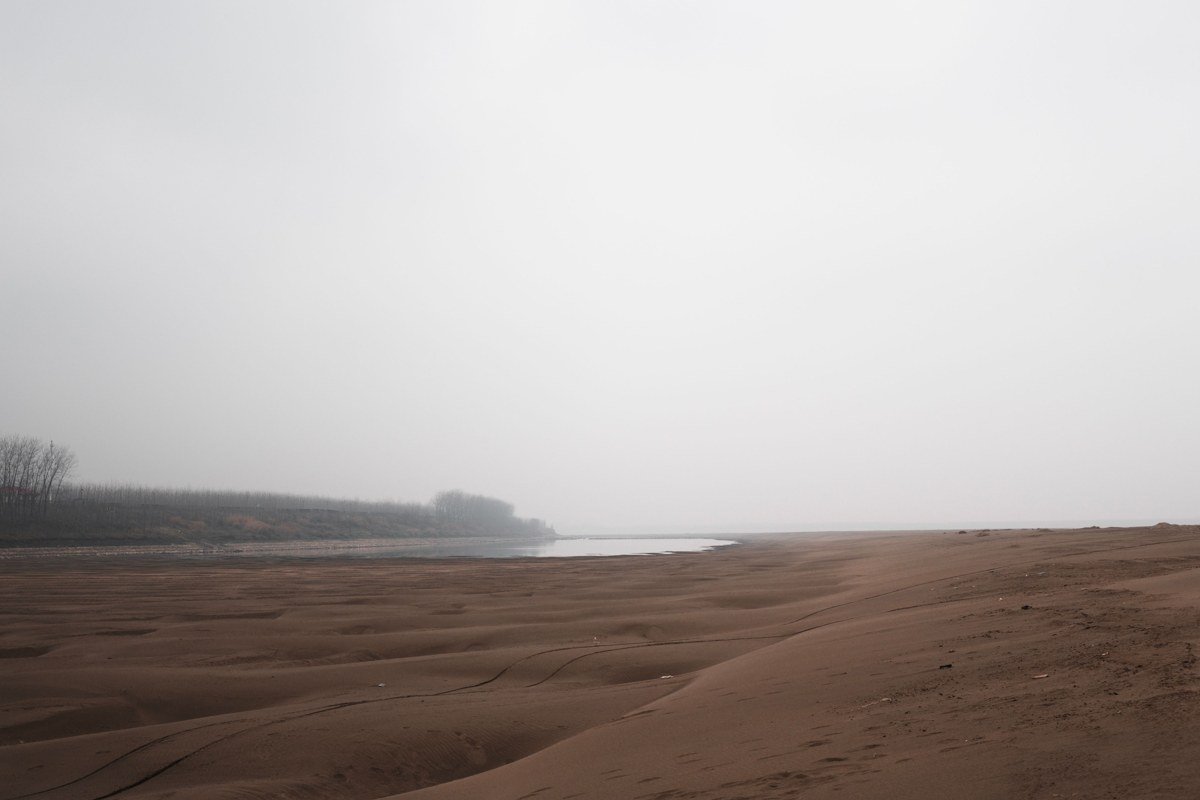
Florence sits at the north edge of the Oregon Dunes, a strange landscape of towering sand that looks more like southern Utah than the Pacific Northwest until you crest a ridge and see the ocean. Renting a sandboard (typically $20 to $30 for a few hours) or booking an ATV run through the dunes (single ATVs generally rent for $75 to $100 an hour, with multi-hour and full-day discounts) is one of the more physical things to do on this list, and fog rolling over sand instead of water is a different, quieter kind of eerie.
The Sea Lion Caves just north, a privately run cave system where wild sea lions haul out, charges around $16 for adults for the elevator down; coast regulars often call it skippable for that price. If you skip it, Heceta Head Lighthouse right above it gives you the same coastline for less: park at the Heceta Head Lighthouse State Scenic Viewpoint for a $5 day-use fee and walk about half a mile up to the lighthouse itself.
Jessie M. Honeyman Memorial State Park, just south of town, has both tent sites and yurts within walking distance of the dunes.
Effort: About 3 hours from Portland. ATV rentals require a reservation in summer, and dune access points have limited parking.
Pacific City, Oregon
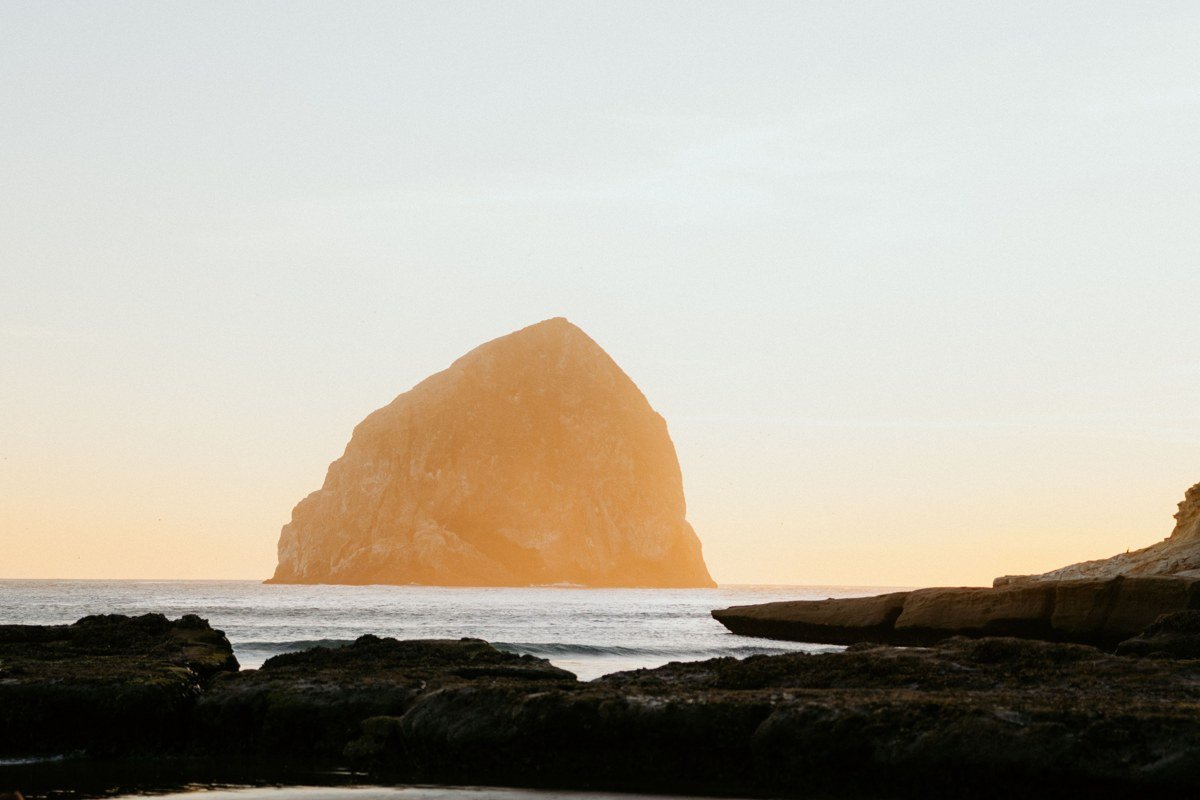
Pacific City still runs a dory fleet, small flat-bottomed boats launched directly off the beach through the surf, a fishing method that’s mostly vanished elsewhere on the West Coast. There’s no fee to watch the fleet launch or return, since it happens right on the open beach. Cape Kiwanda’s sandstone headland next door is a favorite sunset spot when it’s clear, but in fog the whole cape reads as a shadow, and the dory boats appear out of the mist returning with the day’s catch like they’re arriving from another century.
Effort: About 2 hours from Portland. No formal parking lot fee, but the small lots near Cape Kiwanda fill fast on summer weekends.
Earn it (long haul, big payoff)
Bandon, Oregon
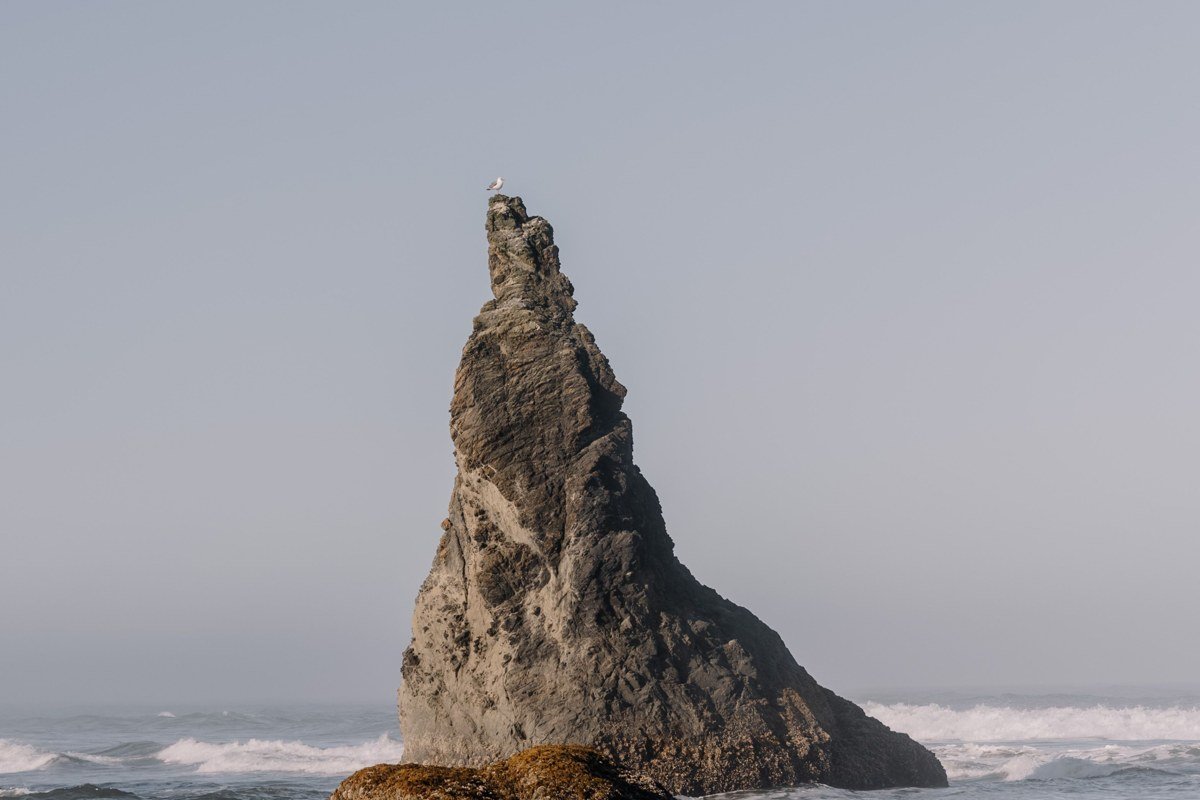
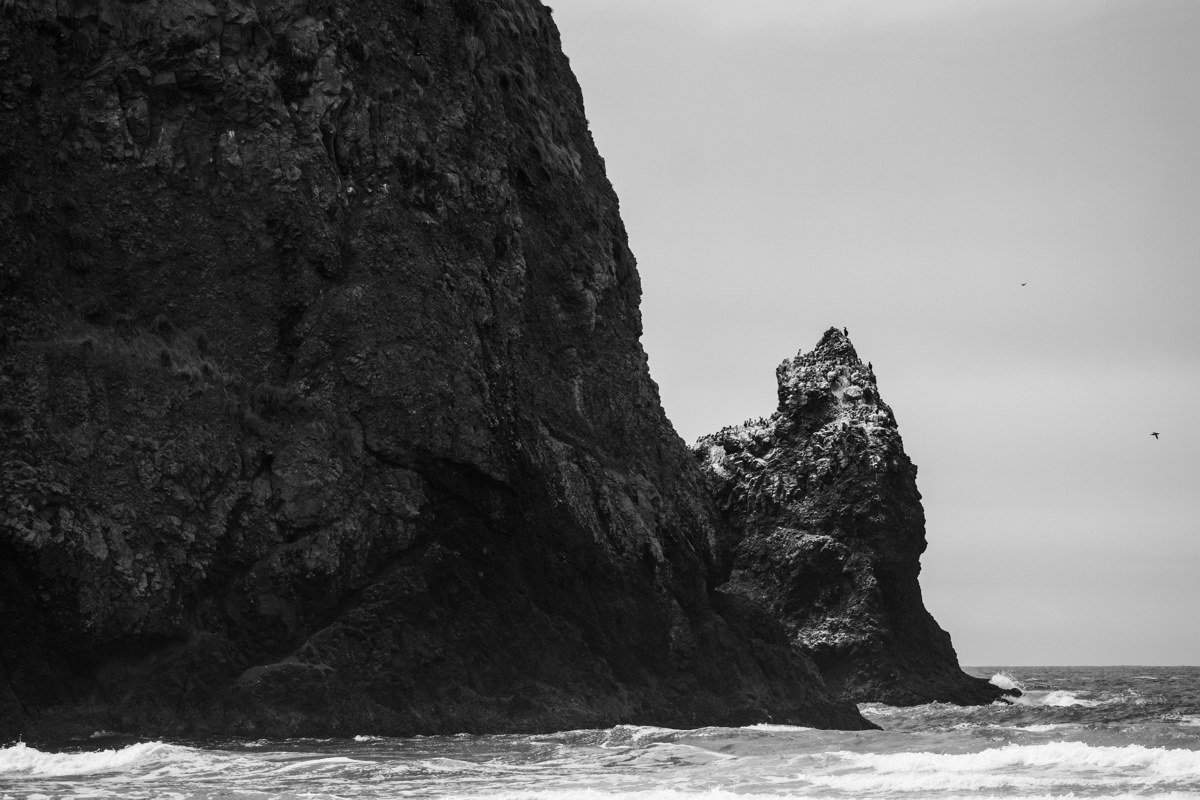
Bandon Beach is the best sea-stack fog show on this entire coast, better than Cannon Beach if you ask me, mostly because nobody’s fighting you for the view. Face Rock and its scattered companions sit far enough offshore and spread out enough across the beach that fog swallows them selectively, one stack visible, the next gone, the third just a suggestion. This is deep Southern Oregon Coast, well past the day-trip range from Portland, in one of the counties the timber economy hit hardest, so the town itself is smaller and plainer than the tourist-built stretches up north, which is part of its charm.
Bullards Beach State Park, just north of town, has over 180 campsites and yurts and puts you a short drive from both Face Rock and the Coquille River Lighthouse.
Effort: 4.5 to 5 hours from Portland. Go at low tide for the full stack field, and check tide charts the night before.
Port Orford, Oregon
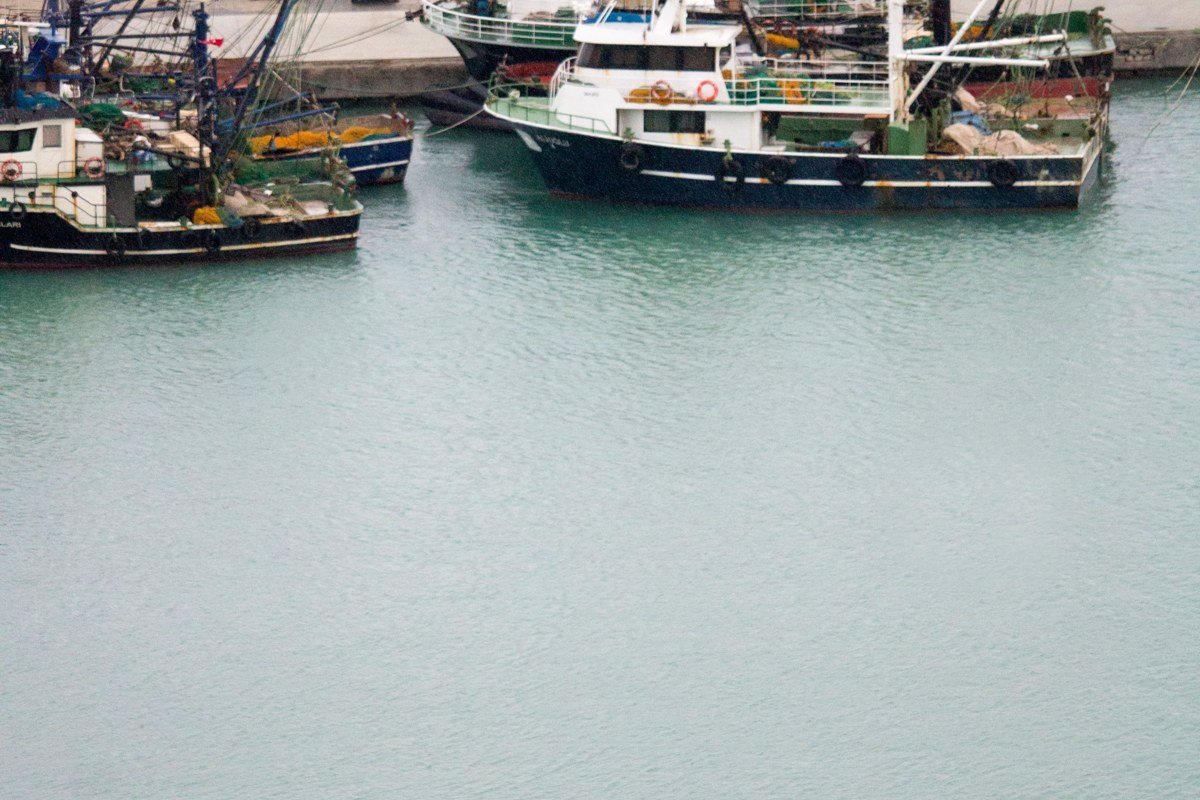
Port Orford is a working port with an unusual feature confirmed by the harbor itself: boats are hoisted out of the water by crane after every trip, since there’s no breakwater to protect them from open ocean swell. It’s a rougher, less curated stop than most of this list, which is exactly why it belongs in the last tier. Battle Rock and the headland trails give unobstructed, crowd-free views of open Pacific, and fog off this exposed a stretch of coast can roll in fast enough to swallow the parking lot behind you.
Lodging options are genuinely thin here. Cape Blanco State Park, about eight miles north, has a campground and is the more reliable bet than hunting for a room in town during summer.
Effort: About 5.5 hours from Portland.
Gold Beach, Oregon
Gold Beach sits at the mouth of the Rogue River, and the jetboat trips that run upriver into the gorge are the town’s signature activity, typically priced between $65 and $100 per person depending on trip length, though the coastal fog scenes happen right where the river meets the ocean, brown water and gray mist blending until you can’t tell where one ends. This is nearly to the California border, about as far south as the Oregon Coast goes, and it rewards people who’ve already done the greatest hits further north and want something with fewer other cars on 101.
Effort: Nearly 6 hours from Portland, closer to 5 from Eugene. Jetboat trips need reservations in peak summer and don’t run in the worst winter weather.
Moving up a tier mostly comes down to timing and tolerance for driving south of Newport. Fall, specifically September and October, is the best time to visit for fog without the summer crowds or the worst winter storms, and it’s also a strong stretch for whale watching as grays migrate south. If you’ve only done a Cannon Beach weekend, the natural next trip is pushing past Yachats into Bandon territory, where Highway 101 empties out and the fog has room to do its best work. The stretch of the Oregon Coast Trail south from the Coquille River Lighthouse toward Bandon Beach, roughly 4 miles, sees a fraction of the foot traffic that the trail gets further north, which is as close to solitude as this coast gets in summer.