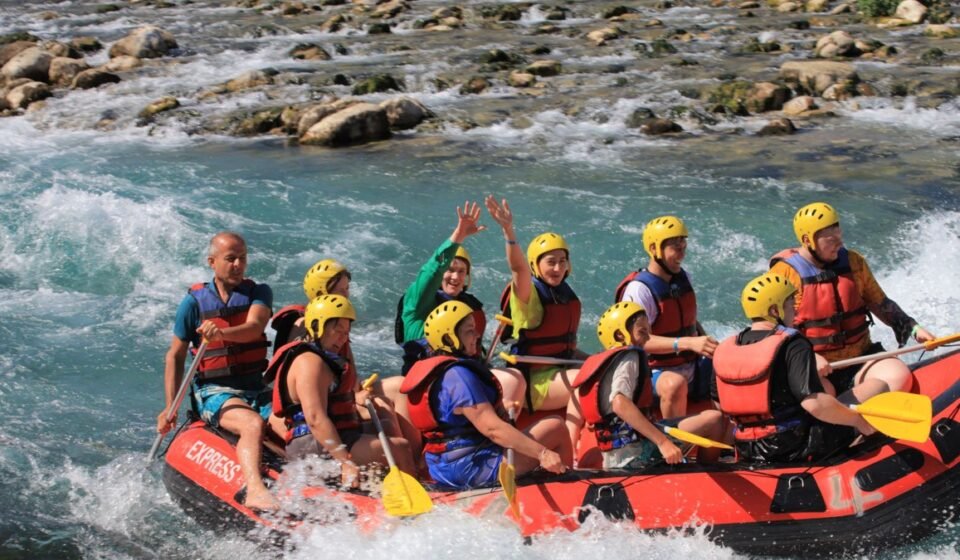

The first time the dam releases hit in early September, the put-in at Summersville Dam in West Virginia smells like wet neoprene and cold river rock, and nobody in line is talking much. That’s the tell. On the easier rivers, people are laughing and checking their phones. On Gauley season releases, people are quiet, double-checking their helmet straps, because word has gotten around about what’s downstream.
This isn’t a general whitewater rafting roundup. It’s nine specific places, mostly rapids on one river, ranked by how much they punish a mistake, plus the stretches where you should actually go if you read that first paragraph and felt your stomach drop.
Summersville Dam, West Virginia
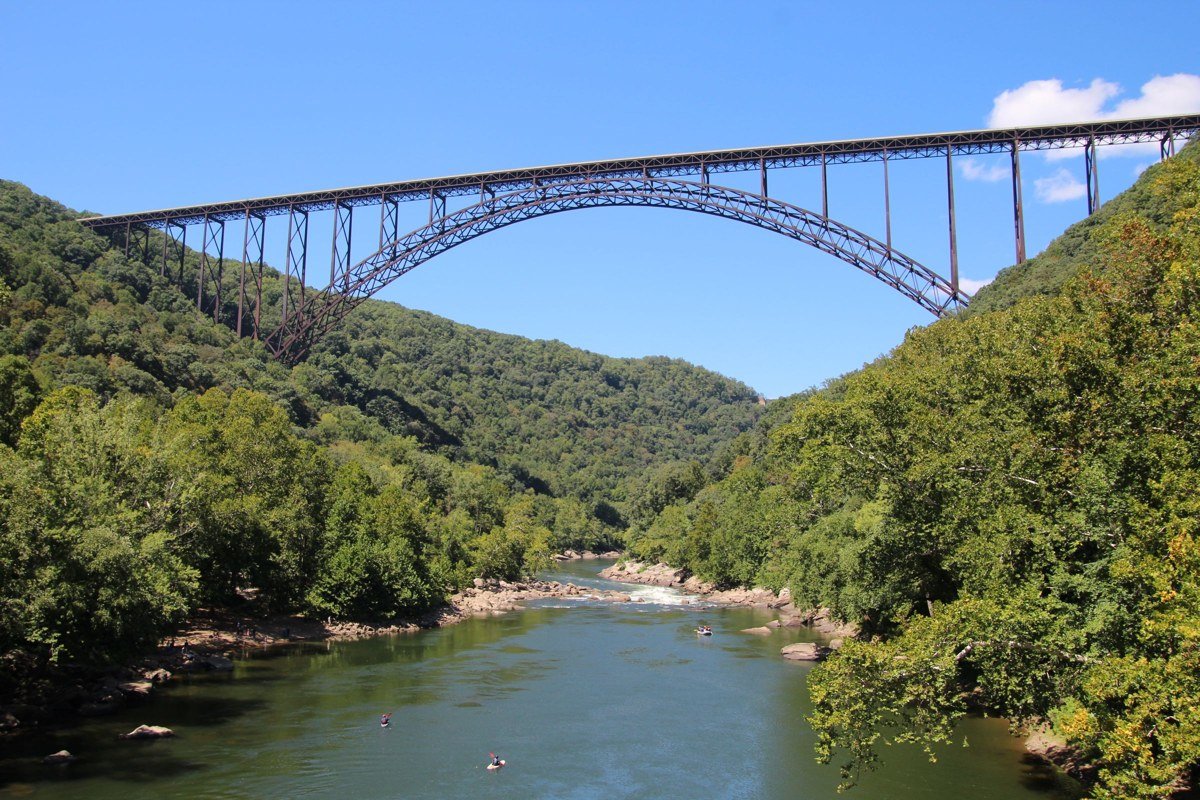
Every Gauley trip starts here, and the dam itself is half the reason this river exists as a whitewater destination. The Army Corps of Engineers (Huntington District, which manages Summersville Lake) schedules 22 days of fall releases, usually six weekends from early September through mid-October, with the dates published each spring on the Huntington District’s website and reposted by West Virginia outfitters once they’re confirmed. Without those releases, the Gauley runs too low to raft most of the year.
Release dates are locked in months ahead, so outfitters build their entire fall calendar around them. Book peak weekends (the first two, when flows run highest) six to eight weeks out, because those sell out first.
Insignificant Rapid, West Virginia
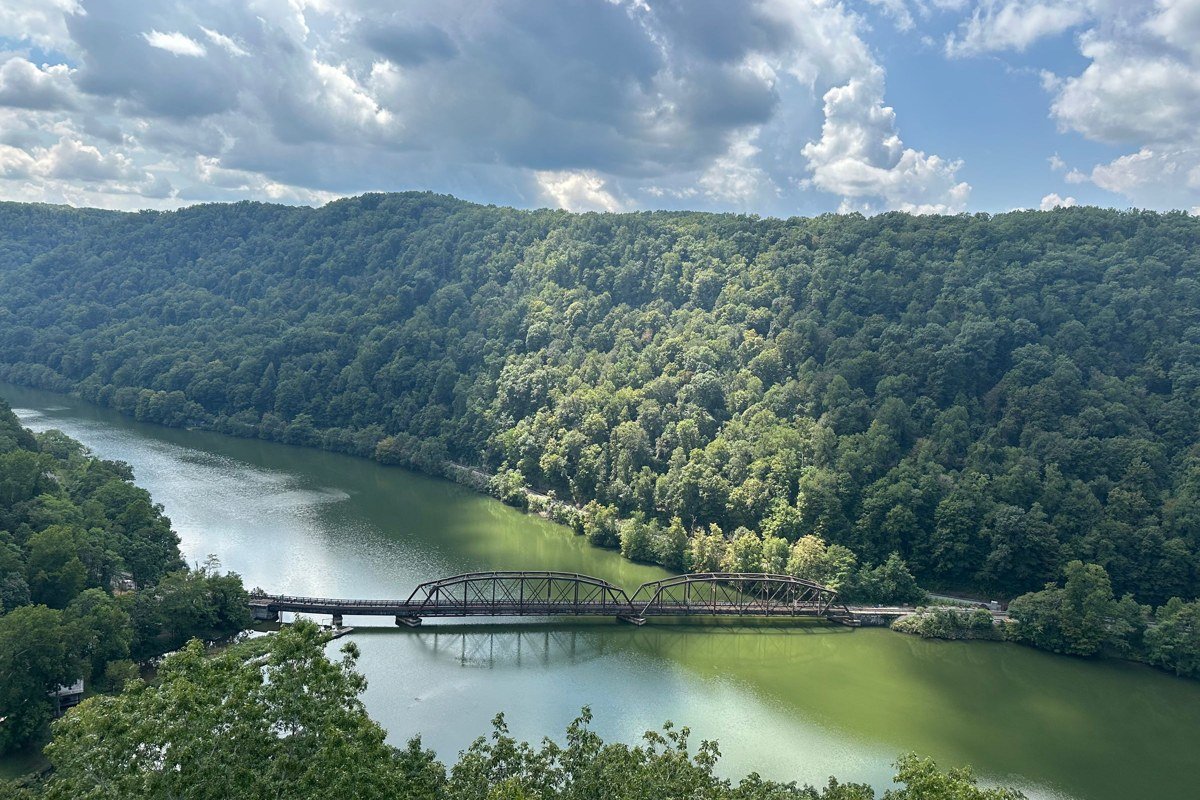
The name is a joke, and every guide on the river tells it. Insignificant sits early in the Upper Gauley run and gives first-timers a chance to feel the boat move, learn the paddle commands, and figure out who in the group actually listens before the water gets serious. It’s a Class III, modest by Gauley standards, which on this river still means a real rapid. Guides use this stretch to swap paddlers around and test high-side reactions before the much bigger rapids waiting downstream.
Pillow Rock, West Virginia
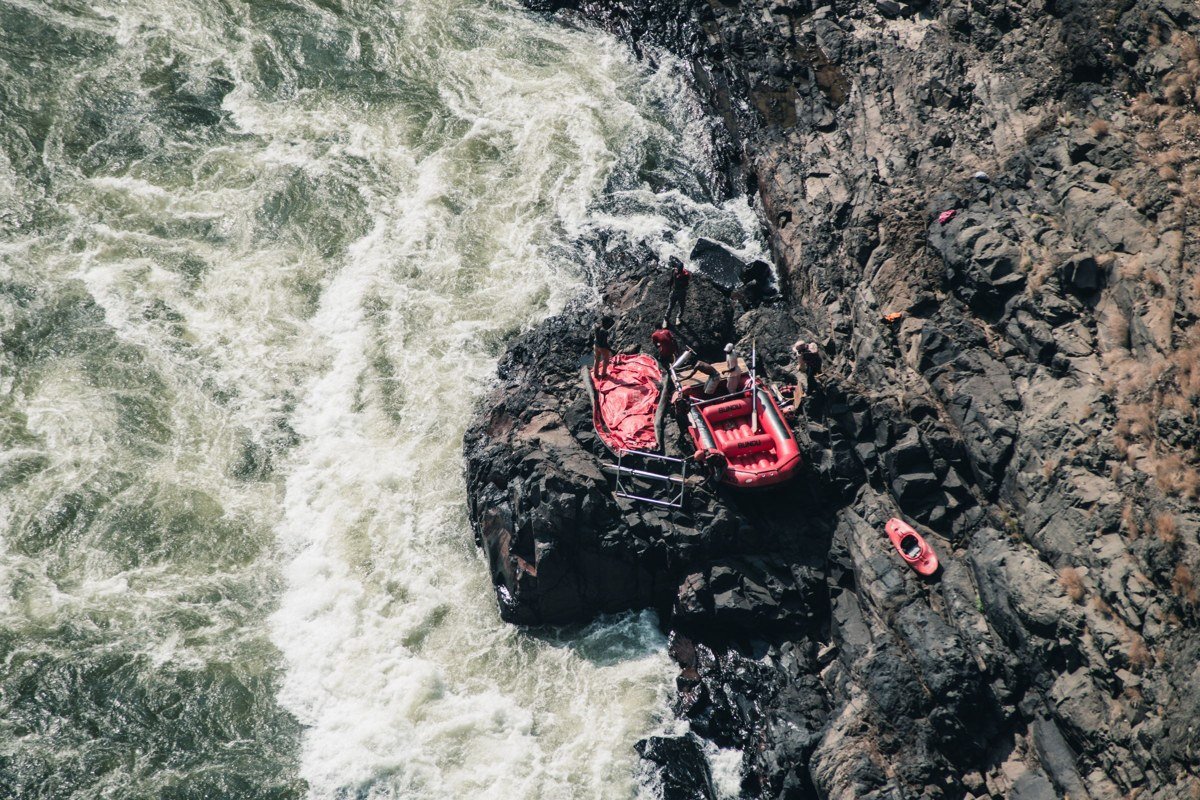
This is the rapid people fly in for. Pillow Rock is a Class V where the current rams straight into a boulder the size of a small house, and the standard line sends the raft over a pillowed wave off that rock with a drop of around ten to twelve feet. At high releases, roughly 2,800 cfs and up, that pillow wave stands up fatter and the recovery eddy below gets pushier; drop below about 2,000 cfs and the wave flattens out, loses some of its punch, and the move gets more forgiving. Miss the line at any flow and you’re pinned against the rock instead of sliding past it, which is why guides brief this one longer than any other.
This rapid alone is why most outfitters set a minimum age, usually 16, and a signed liability waiver that actually gets read aloud at the put-in.
Lost Paddle, West Virginia
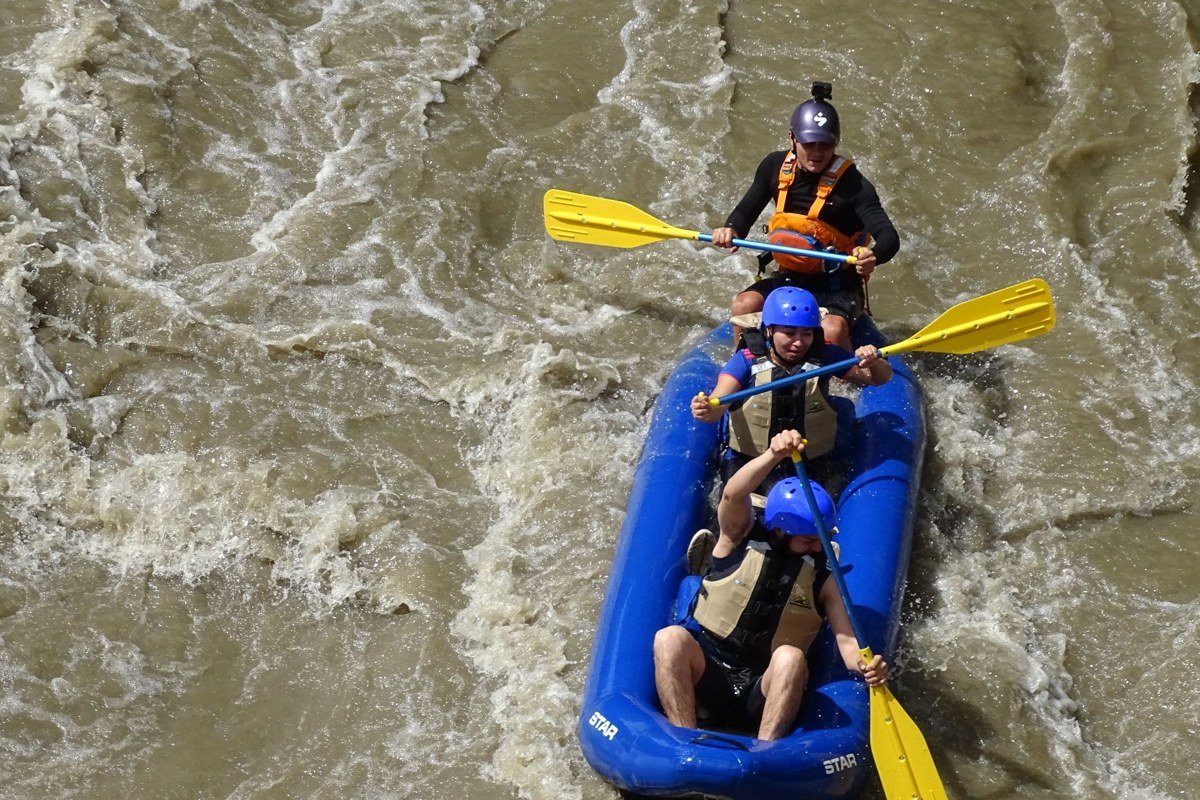
Lost Paddle isn’t one rapid, it’s four stacked back to back with barely a breath between them, and it’s the longest sustained Class V stretch on the Upper Gauley. Boats that get through Pillow Rock clean sometimes fall apart here from fatigue alone, because by this point your arms are already tired and the rapid doesn’t care. Guides will tell you this is the one where most swims happen, not the famous photogenic drop.
Fall release weekends get crowded, and Lost Paddle is where traffic backs up, so expect to wait your turn in an eddy while other rafts run it first. It punishes a weak fourth stroke more than a weak first one.
Iron Ring, West Virginia
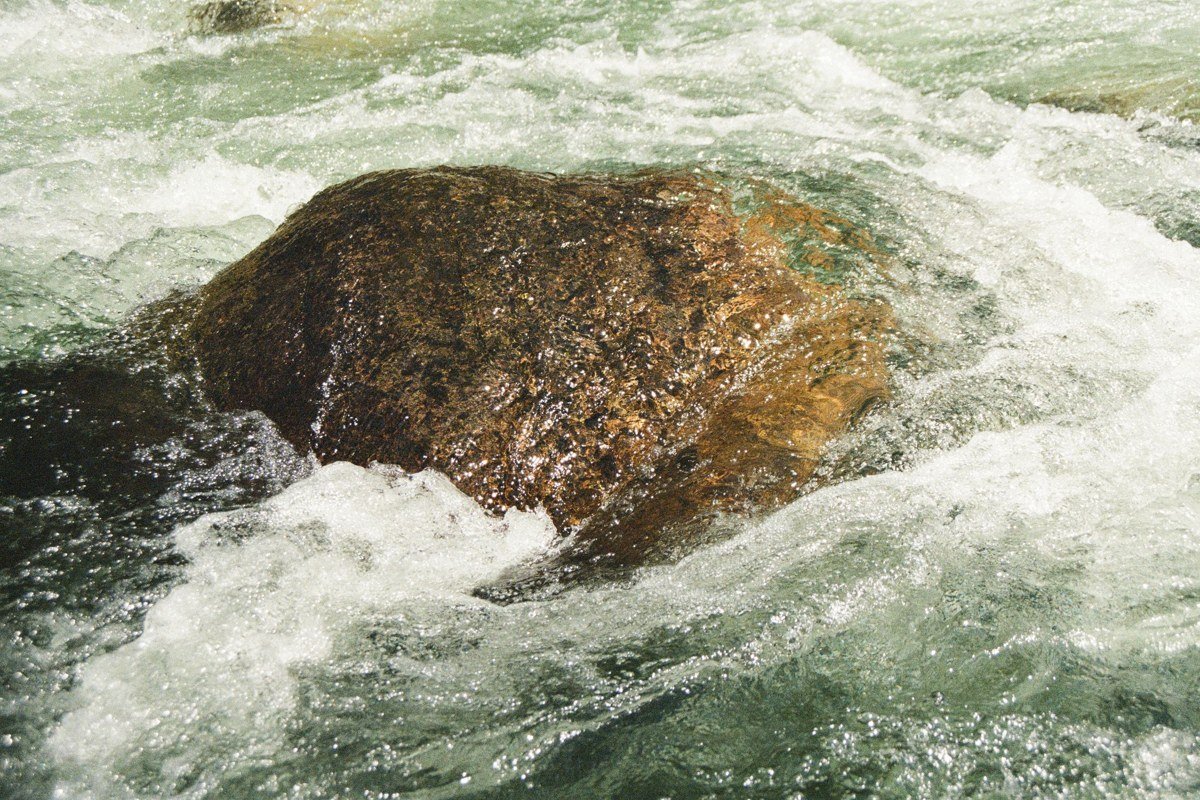
Iron Ring gets its name from an actual iron ring once bolted into the rock, used decades ago to help loggers navigate log drives through this exact spot. The rapid funnels the entire river through a narrow boulder garden with a hard must-make move river right, and there’s real consequence if you miss it. It’s shorter than Lost Paddle but arguably more technical, and it’s usually the last major Class V on the Upper Gauley run, so guides often treat it as the final exam before the river relaxes.
Sweet’s Falls, West Virginia
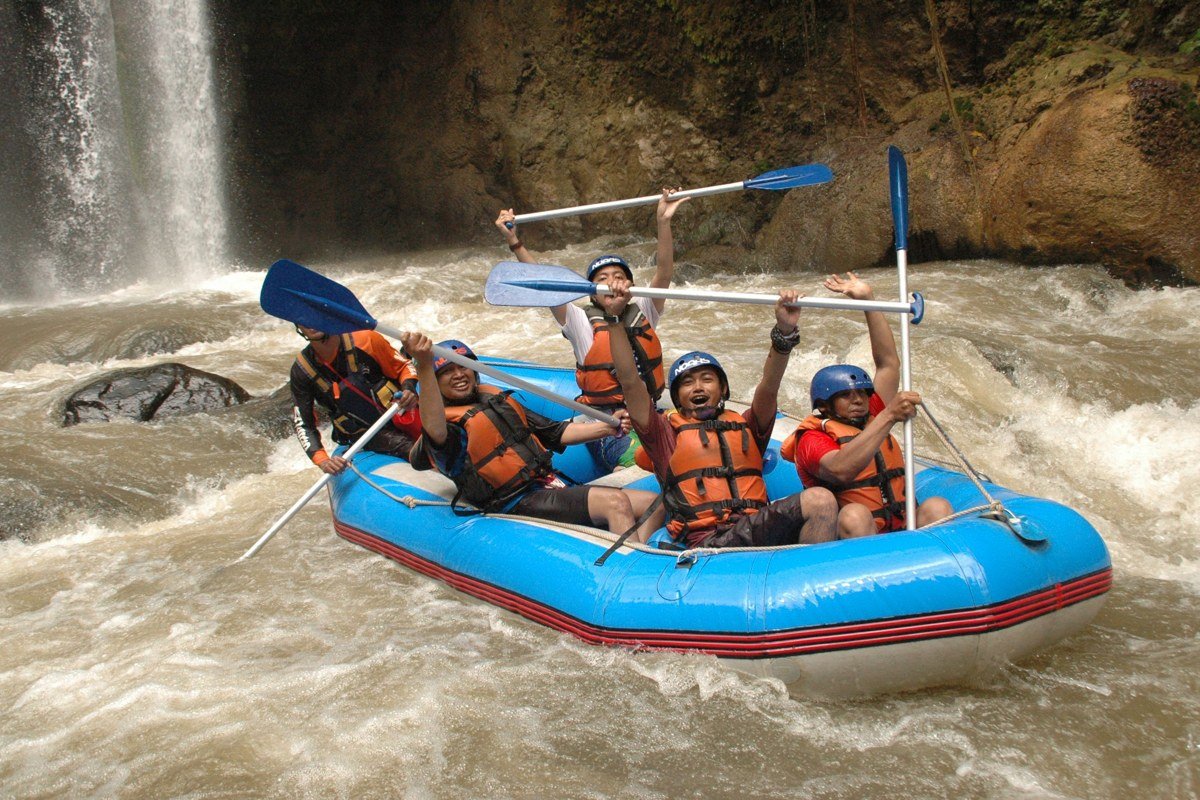
Sweet’s Falls closes out the Upper Gauley with a genuine waterfall drop, somewhere around six to eight feet depending on water level, and it’s the rapid in every Gauley brochure photo. It looks worse than Pillow Rock from the bank and the boat goes airborne off the lip, nose dropping first, before the stern slaps down into the pool. This is also the takeout point for Upper Gauley day trips, so if your legs are done, it’s the last rapid before the bus ride back to the outfitter.
Lower Gauley, West Virginia
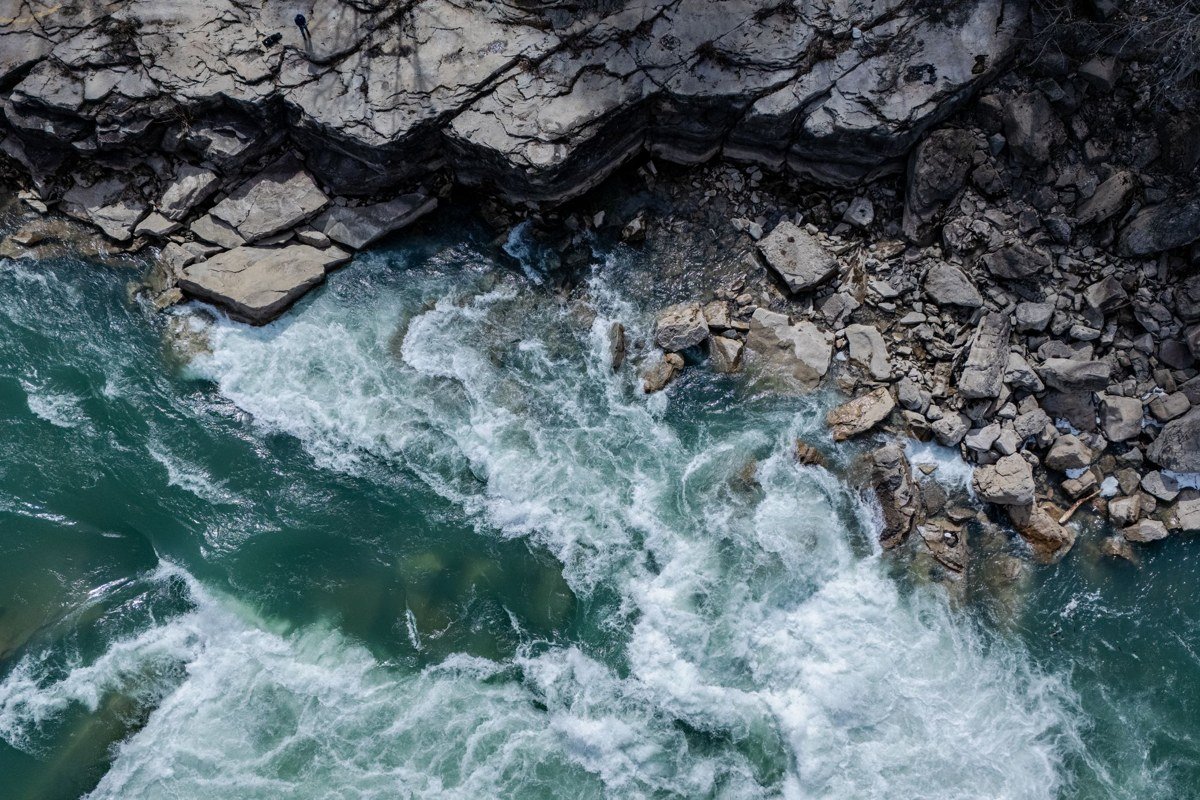
The Lower Gauley is a different trip entirely, and outfitters sell it separately for a reason. It’s Class III and IV, friendlier, and it’s where most first-time rafters on this river actually belong, especially families or groups with a mixed skill range. People who found the Upper Gauley descriptions terrifying should start here, not avoid the river altogether. Many outfitters run a combo day, Upper Gauley in the morning for the experienced, Lower Gauley in the afternoon for everyone, so groups don’t have to split up entirely.
New River Gorge, West Virginia
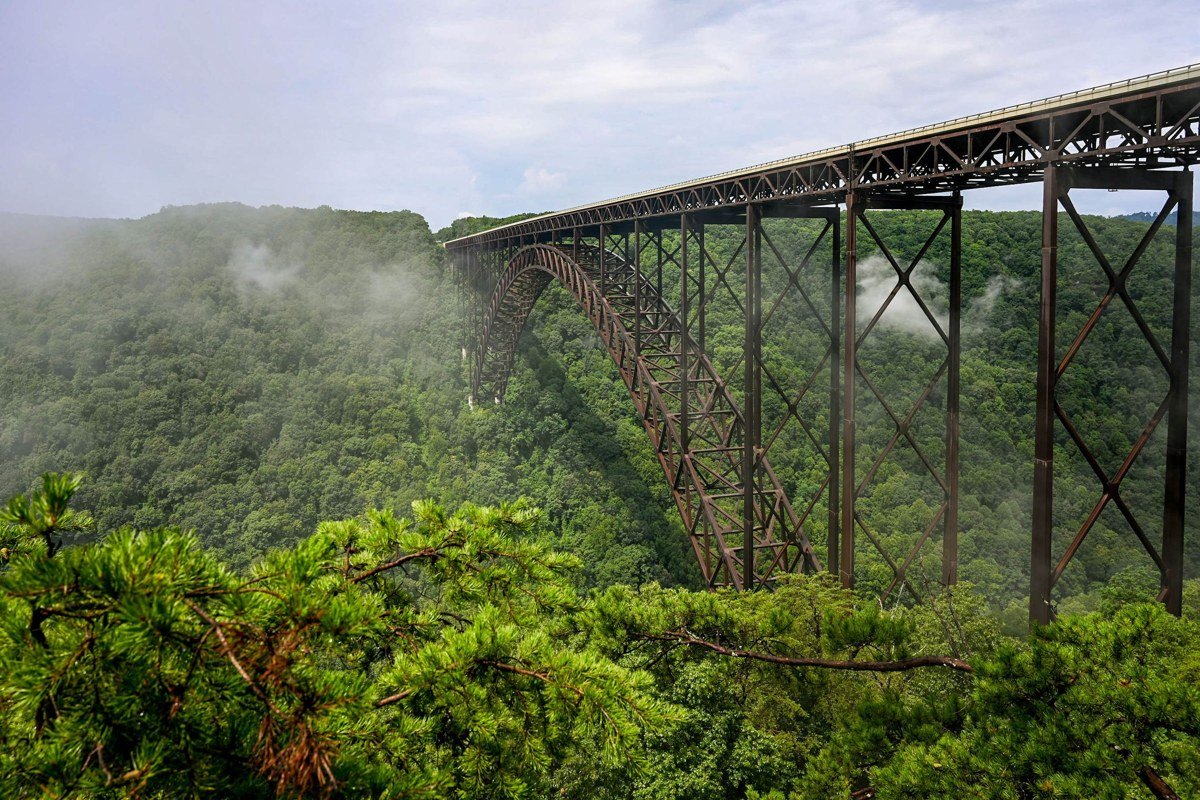
Twenty minutes from the Gauley put-in sits the New River, older geologically and gentler in its upper section, with the New River Gorge Bridge arcing overhead. The Lower New has its own Class IV water, including Miller’s Folly and Double Z, and shouldn’t be written off as the easy river; the Upper New is the milder, family section. Many Gauley rafters book a day on the New as a warm-up or a lower-adrenaline recovery run, turning one Gauley weekend into a two-river trip.
Fayetteville, West Virginia
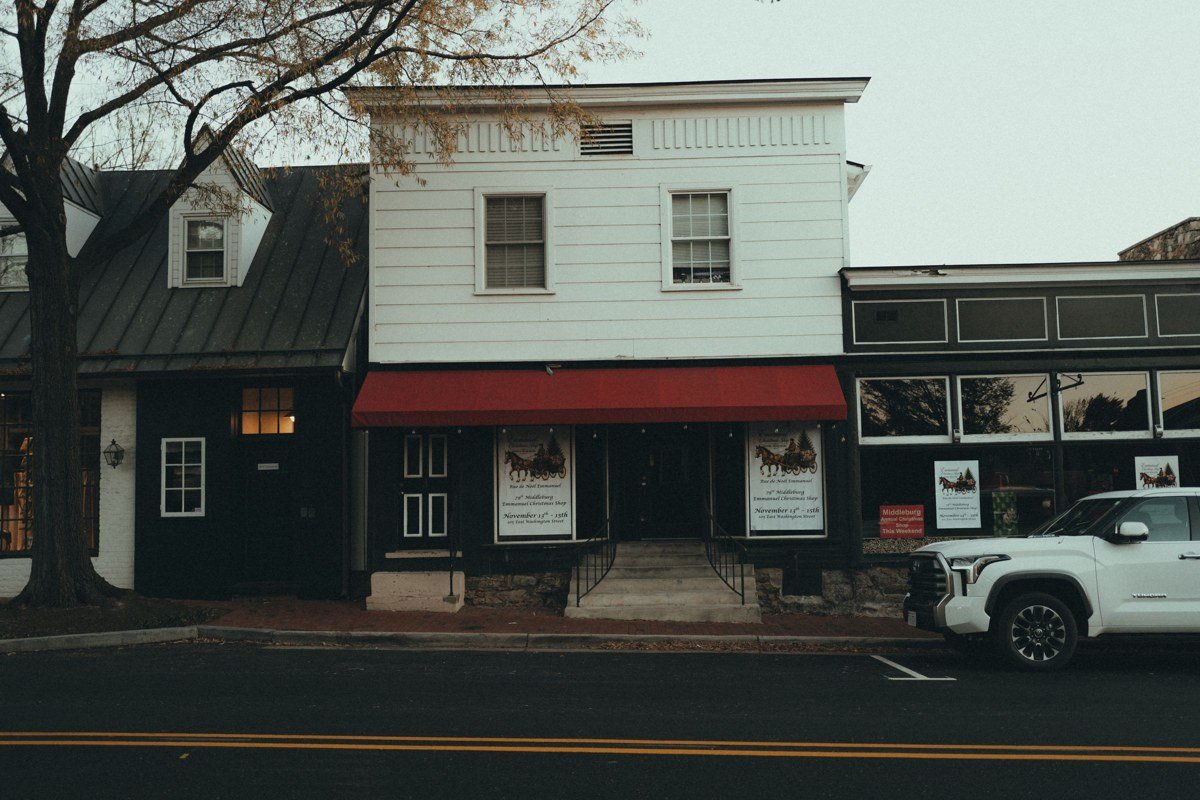
Fayetteville is basecamp for the region: outfitter offices, gear shops, and the bridge walk within a few minutes of each other, about an hour from Charleston and roughly five hours from Washington, D.C. Three outfitters anchor the Gauley season here. Class VI River Runners has run both rivers since the 1970s and specializes in the Upper Gauley’s Class V water, with Gauley day trips generally in the $150 to $200 range. ACE Adventure Resort, operating since the 1970s as well, pairs Gauley trips with an on-site resort and campground, useful if you’re turning the weekend into a longer stay. North American River Runners is smaller and known for lower guide-to-raft ratios on the Lower Gauley and the New, which matters if you’re bringing a mixed-skill group. Cell service is spotty once you’re in the gorge, so handle reservations and check-ins before you leave town.
Mistakes people make
- Booking the Upper Gauley as a first-ever rafting trip. If you’ve never been in a raft, the Lower Gauley or the Upper New River will teach you more and scare you less.
- Showing up during one of the six fall release weekends and expecting to walk up and book same-day. Those weekends sell out outfitters weeks in advance.
- Judging the whole river by Sweet’s Falls photos online. Lost Paddle and Iron Ring take out more rafts than the famous waterfall drop ever does.