
The best thrill seeker destinations in the USA cluster around a handful of wild rivers, deep canyons, and mountain ranges built for speed. You don’t need to leave the country to get your pulse up. You need to pick the right canyon, the right river stage, and the right season.
America’s adventure geography isn’t random. The Appalachians hold the oldest, most technical whitewater east of the Rockies because the rivers there have had hundreds of millions of years to cut through hard rock, creating narrow, steep gorges. Out west, younger, more dramatic uplift gives you sheer canyon walls and big elevation swings in a single afternoon, which is why zip lines and via ferratas cluster in Utah, Idaho, and Colorado. Season matters more than most trip blogs admit: eastern rivers run on dam releases and spring snowmelt, western ones peak with mountain runoff from May through July, and shoulder-season trips can mean a rafting outfitter simply isn’t running that week.
This is for travelers who want their vacation itinerary to double as a dare, not a nap. If your idea of a good trip involves a safety briefing, keep reading.
Appalachian whitewater country
This cluster sits along the spine of the Appalachians, where rivers like the New, the Gauley, and the Nolichucky have carved gorges deep enough to hide you from cell service for hours. Outfitters here have been running these rivers commercially since the 1970s, so the guiding culture is mature and the logistics are easy for first-timers.
New River Gorge, West Virginia
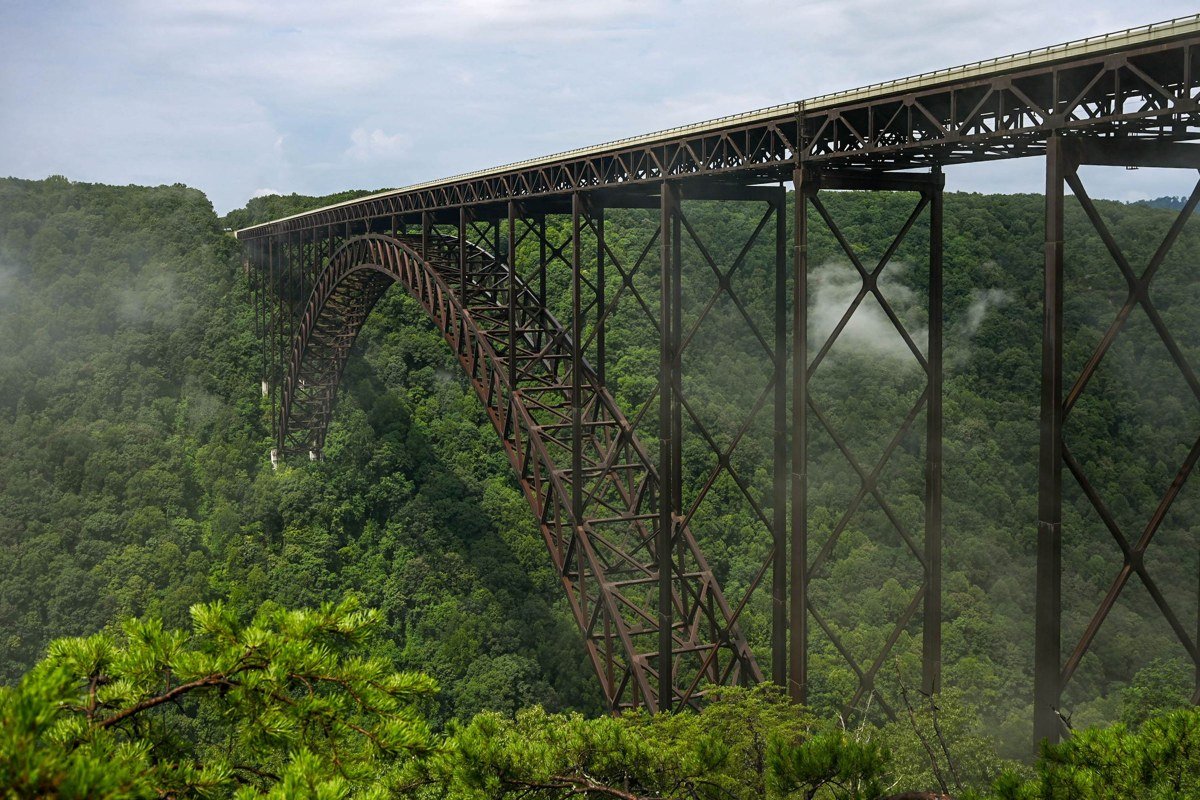
The New River is oddly named, it’s one of the oldest rivers on the continent, and it drops through a 1,000-foot gorge spanned by one of the longest steel arch bridges in the Western Hemisphere. Lower New River rapids are big and bouncy, good for first-time rafters, while the Upper New gets more technical. Fayetteville, West Virginia, is the basecamp town, about 3.5 hours from Charlotte, North Carolina, or 4 hours from Washington, D.C. Outfitters like Class VI River Runners and Adventures on the Gorge run full-day Lower New trips for around $90 to $130 per person, and most set the minimum age at 6 to 8 for the Lower stretch versus 12 and up for the Upper.
Pair it with the Gauley River, about 45 minutes north, for a harder follow-up run.
Gauley River, West Virginia
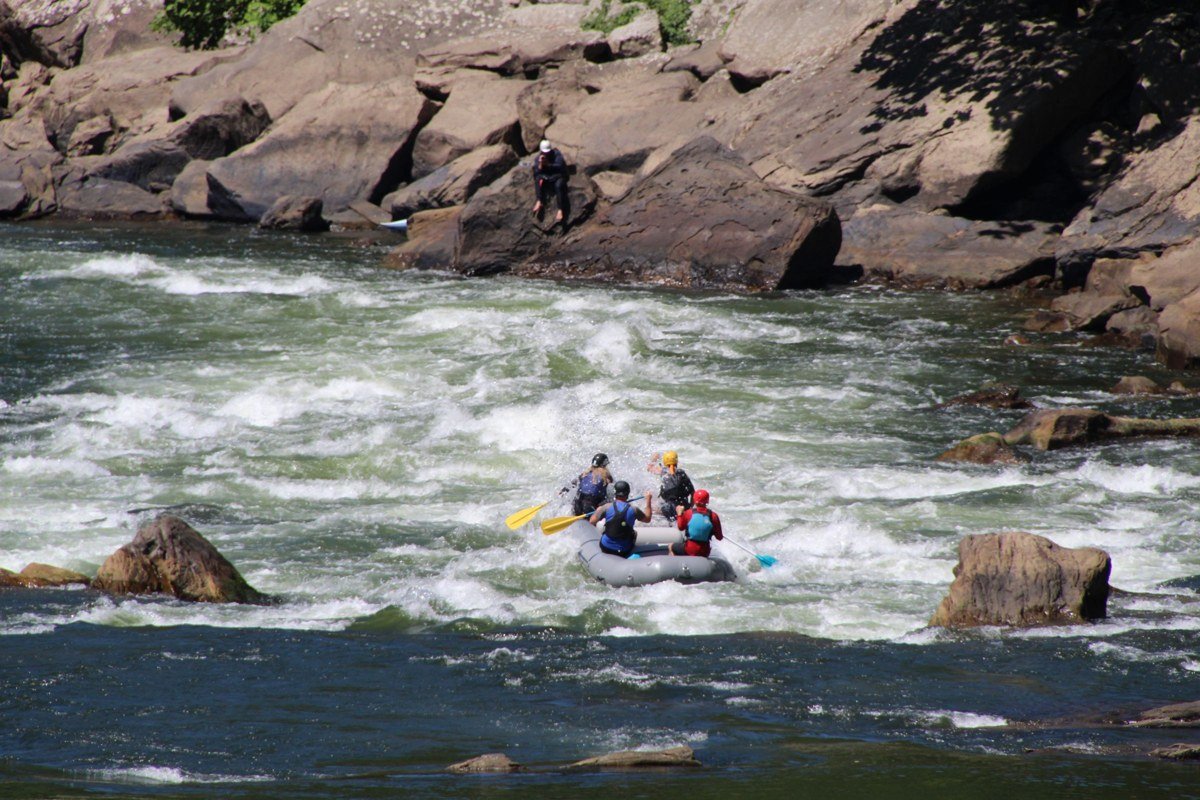
Every September and October, the Army Corps of Engineers releases water from Summersville Dam for “Gauley Season,” creating some of the most consistent big-water rapids in the country. The Upper Gauley is rated Class V at standard release levels (around 2,800 cfs), but a handful of its rapids, Pillow Rock, Lost Paddle, Iron Ring, get bumped to a harder Class V+ by local outfitters’ own scales when releases run higher, since the river moves more water on a bigger volume day than most eastern rivers see all year. Minimum age is typically 16 for the Upper Gauley and 12 for the gentler Lower Gauley, and trips book out weeks ahead for the five release weekends. Expect to pay roughly $140 to $200 for a full Upper Gauley day with lunch included.
Pair it with New River Gorge, 45 minutes south, for an easier warm-up day before tackling the Gauley.
Nolichucky Gorge, Tennessee/North Carolina
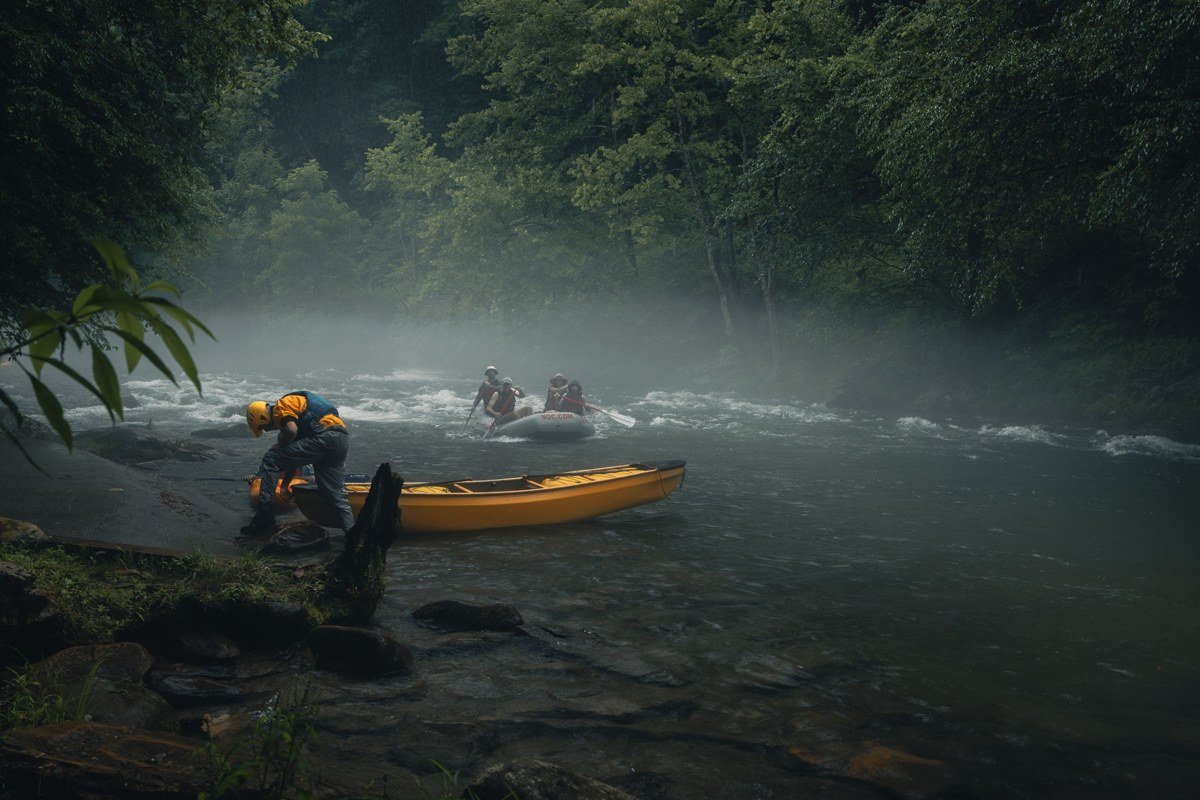
The Nolichucky cuts a narrower, more intimate gorge than the New or Gauley, with the Appalachian Trail crossing nearby and the Cherokee National Forest closing in tight on both banks. It’s a shorter season, generally spring through early fall, and the gorge run has a reputation among regional paddlers as one of the prettiest stretches of whitewater in the Southeast. Erwin, Tennessee, about 1 hour from Asheville, North Carolina, is the put-in town, and the gorge section itself is a compact 5-mile run that most outfitters complete in under three hours, so it’s an easy half-day add-on rather than a trip that eats your whole schedule.
A hike on the nearby Appalachian Trail section at Devil’s Fork Gap, roughly 30 minutes from Erwin, makes a good second half to the day.
Rocky Mountain high-altitude adrenaline
Colorado’s thrill scene is built on elevation and infrastructure. Decades of ski-town tourism money paid for zip line canopy tours, via ferratas, and raft outfitters that didn’t exist here 20 years ago, all packed into towns already wired for visitors.
Royal Gorge, Colorado
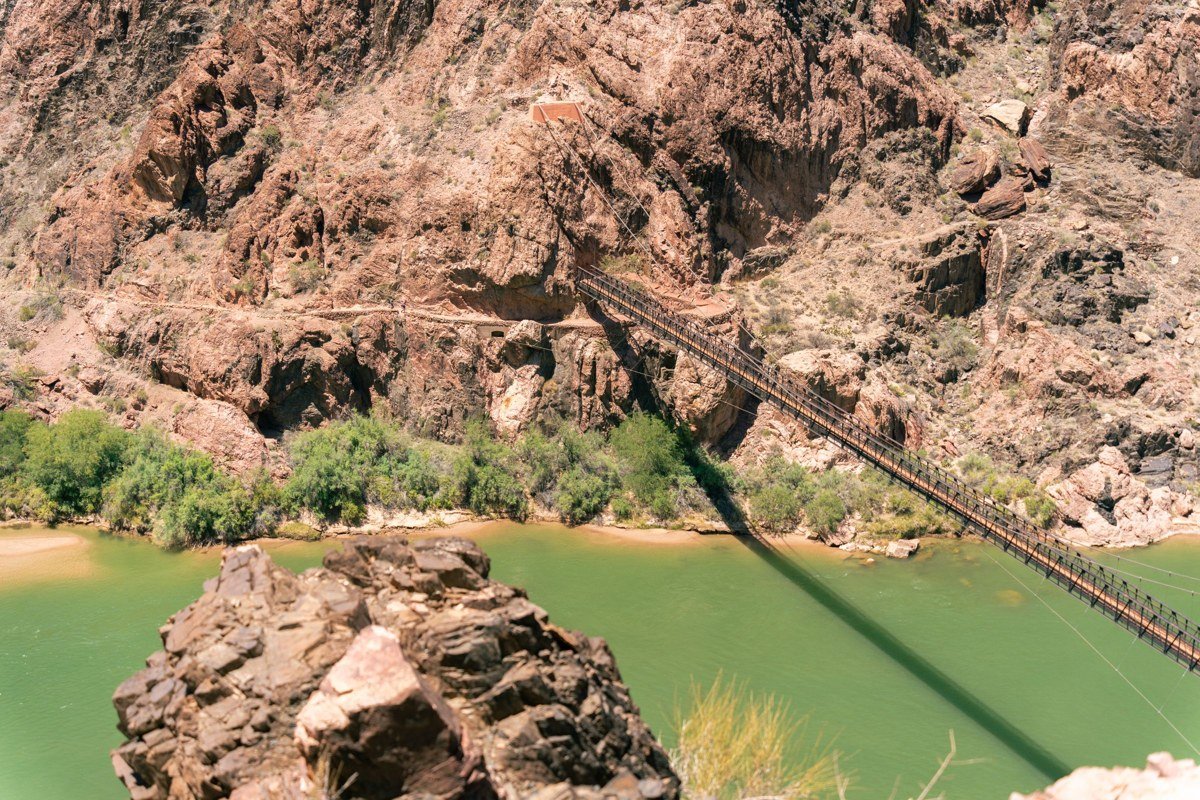
The Royal Gorge Bridge sits roughly 955 feet above the Arkansas River, and Royal Gorge Bridge and Park operates a zip line (marketed as the Cloudscraper Zip Line) that runs across the canyon itself, not just the woods beside it, a point the park’s own materials emphasize since most canyon zip lines only cross side ravines. Below the rim, the Arkansas River through the gorge is a Class IV-V run, among the most demanding commercially rafted stretches in the state. Canon City, Colorado, is the gateway, about 2.5 hours south of Denver.
Pair it with Buena Vista, about 1 hour northwest, for calmer sections of the same Arkansas River if the gorge run feels like too much.
Glenwood Canyon, Colorado
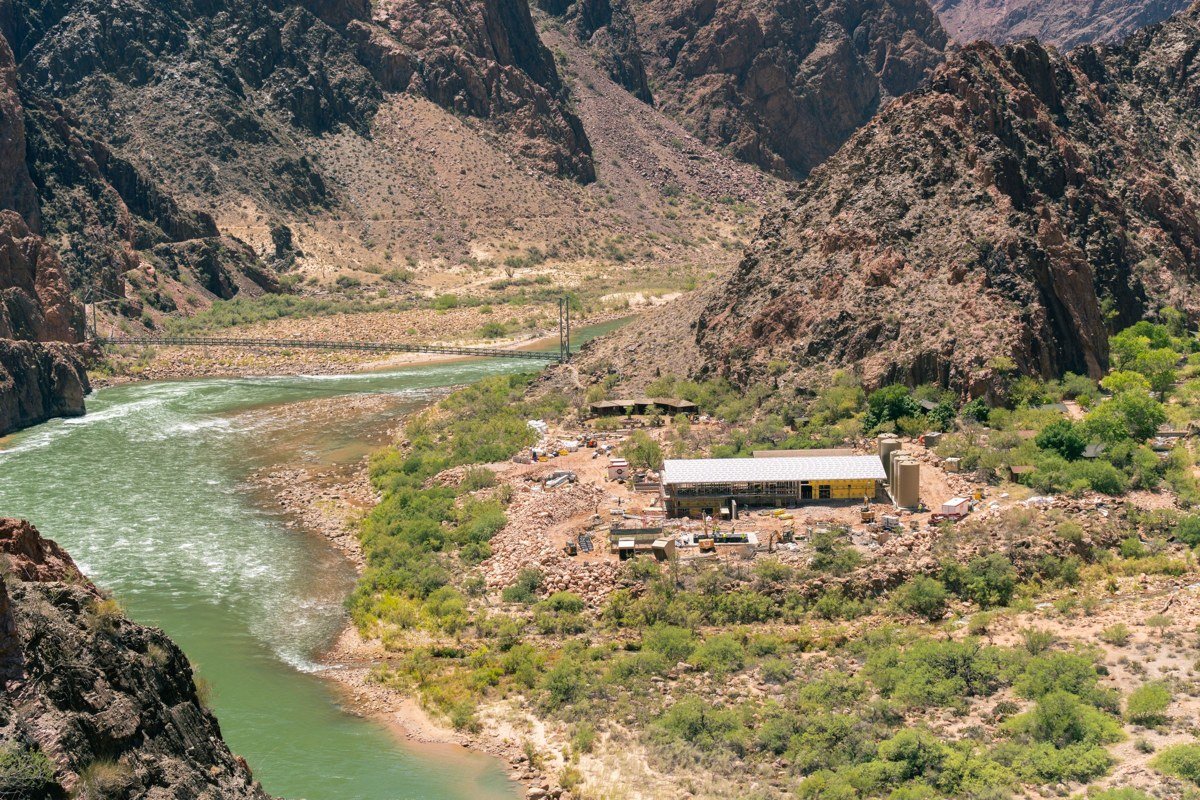
Glenwood Springs stacks three different thrills within a few miles of each other: a canyon zip line tour that runs cables over forested drops, whitewater rafting on the Colorado River through the canyon itself, and, in town, a hot springs pool to recover in afterward. The combination makes it one of the more efficient one-stop trips in this list. It’s about 3 hours west of Denver on I-70, with the canyon highway itself a scenic drive worth doing slowly.
Pair it with Royal Gorge, about 3 hours south, if you want to string together a long weekend of Colorado canyon adventure.
Canyon country, Utah and Idaho
Utah’s canyon country and Idaho’s river valleys share a trait: enormous, isolated topography that lets outfitters build genuinely long adventure lines, zip lines that run over a mile, river trips that take multiple days, without crowding.
Moab, Utah
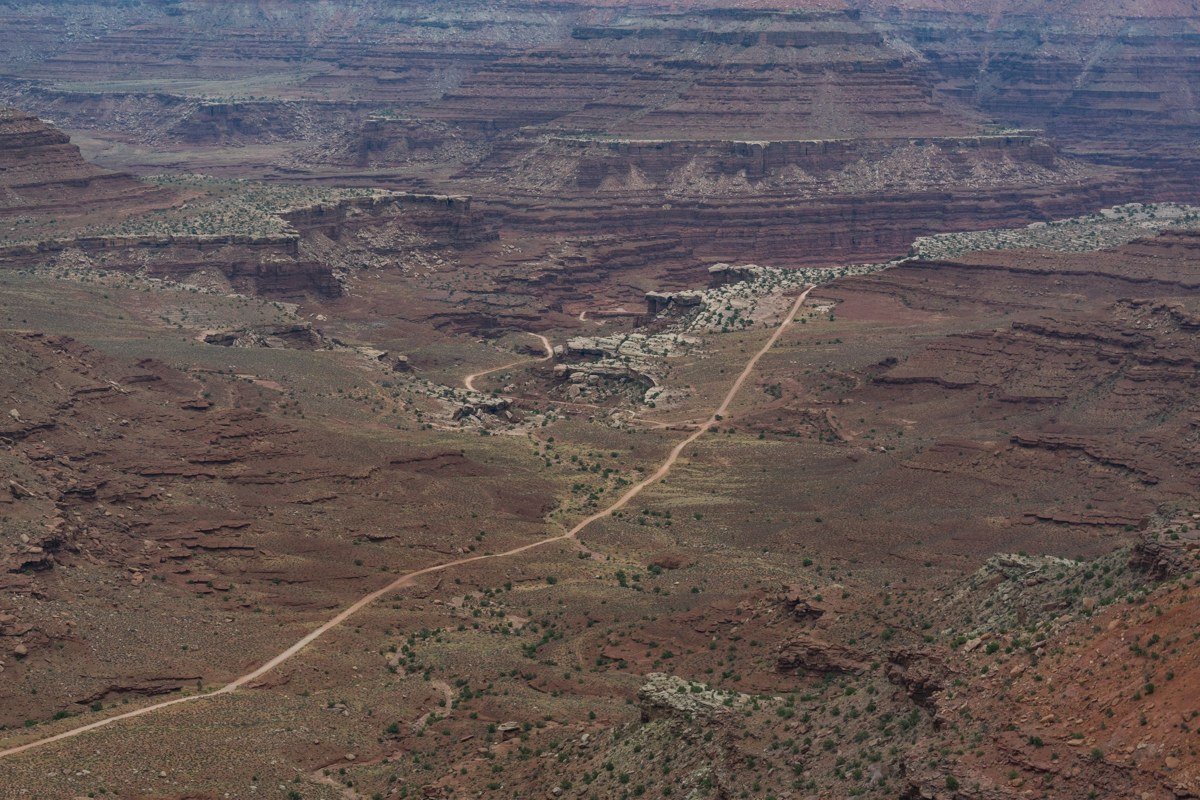
Moab is better known for Arches and Canyonlands national parks, but the same red rock terrain supports canyoneering, via ferratas, and zip line courses that run riders over slickrock drops instead of forest. The Colorado River also runs a flatwater-to-moderate rafting stretch right through town, with most half-day floats putting in at Hittle Bottom or Takeout Beach north of town, good for pairing a calmer float with a harder adventure activity the same trip. Moab sits about 4 hours south of Salt Lake City. Via ferrata outfitters here generally set a minimum age around 10 and a weight limit near 250 pounds for harness gear, so check both before booking a family trip.
Combine a morning Colorado River float with an afternoon via ferrata route on the cliffs above town, both bookable from outfitters on Main Street.
Middle Fork of the Salmon, Idaho
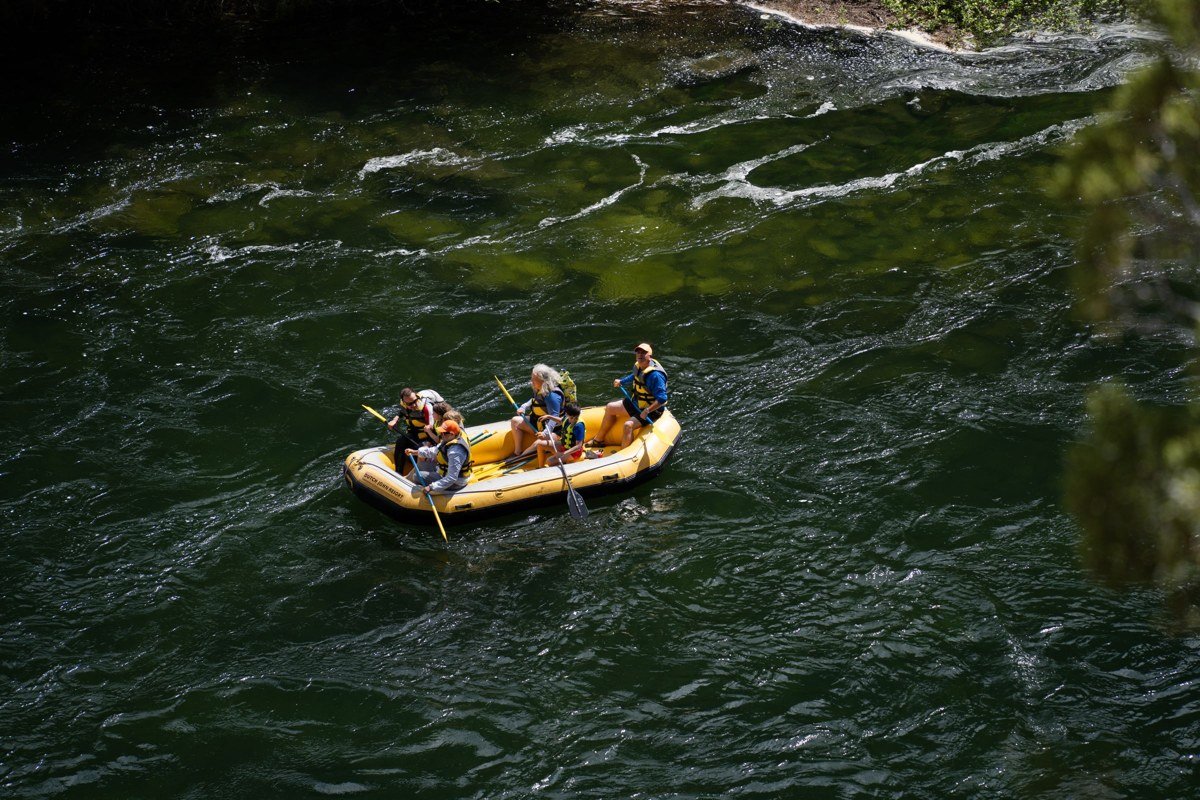
The Middle Fork runs through the Frank Church-River of No Return Wilderness, one of the largest protected wilderness areas in the contiguous US, and most trips here are multi-day expeditions, not day runs. There’s no road access along most of the river, so outfitters fly groups into the Boundary Creek put-in or a backcountry airstrip to start. Private boaters also need to know the put-in is permit-controlled through a seasonal lottery run by the Forest Service, with roughly a few thousand applicants competing for around 115 launch dates each summer, so most visitors go the simpler route and book a commercial outfitter trip instead of trying for a private permit. The season is short, generally June through September, tied to snowmelt.
Stanley, Idaho, the launch town, is about 2.5 hours from Boise and worth a night before or after the river trip.
Snake River Canyon, Idaho
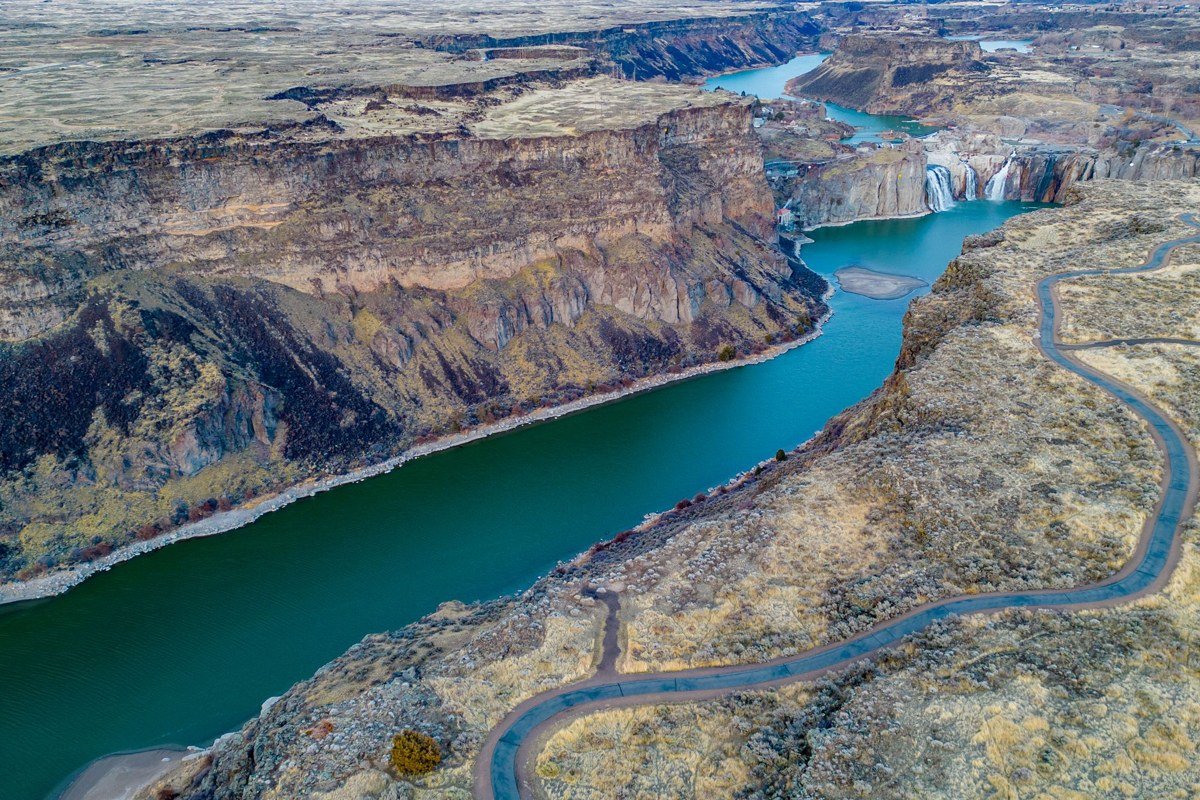
Twin Falls, Idaho sits right on the Snake River Canyon, and the Perrine Bridge here is widely cited as one of the few bridges in the US where BASE jumping is allowed year-round without a permit, which draws jumpers from around the country to watch or try it with a tandem operator, worth confirming current local rules directly before planning a jump around it. Even without jumping, the canyon rim walk and the view down to the river are worth the stop. It’s a long day’s drive from Boise, about 2 hours, or from Salt Lake City, about 4 hours.
Pair it with Shoshone Falls, 3 miles away, a waterfall taller than Niagara that’s an easy add-on.
Southeast high-adventure parks
Ocoee River and ACE Adventure Resort region, Tennessee and West Virginia
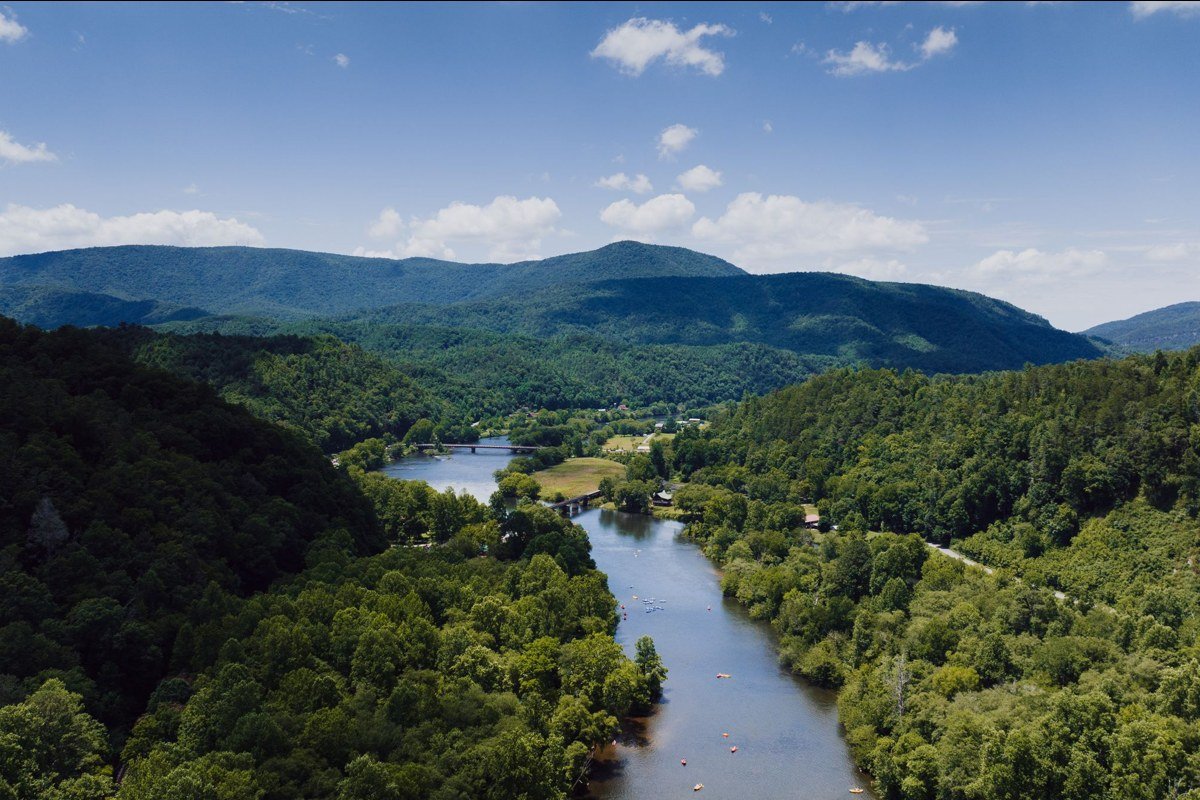
The Ocoee hosted the 1996 Olympic whitewater slalom events, and the river still runs the same narrow, rock-studded channel that made it an Olympic venue. It’s a dam-controlled river, so outfitters know exactly when water’s running, making trip planning simpler than snowmelt-dependent rivers. Chattanooga, Tennessee is the nearest city, about 45 minutes away. The same outfitter towns around the Ocoee run zip lines and canopy tours, so the river and the adventure park side of a trip stack into one afternoon without much driving.
For a second, larger-scale stop in the same regional style, ACE Adventure Resort near Fayetteville, West Virginia, packs a zip line canopy tour, a ropes course, and a gravity-fed water park onto one property alongside its New and Gauley River rafting trips, which makes it the closest thing on this list to a single-address adventure park rather than a river town with add-ons.
Pick the Appalachian cluster for an easy long weekend from the East Coast, with West Virginia’s rivers reachable in under four hours from several major cities and mature outfitter infrastructure that makes booking simple even a week out. Pick Colorado if you want to stack several different thrills (zip line, via ferrata, whitewater) into one base, or Idaho and Utah if your real goal is distance from crowds and you can spare a longer trip. Whichever cluster you choose, book the river-dependent activities first, and check age and permit rules for that specific outfitter before you build the rest of the itinerary around the reservation.