
The best whitewater rafting trips in West Virginia run along a single loop you can drive in a long weekend or stretch into a five-day trip. This route covers about 210 miles round trip, starts and ends in Beckley, and moves in order of difficulty, from the flat, forgiving Upper New River to the fall release rapids on the Gauley that draw rafters from across the country. Nine stops, four rivers, one clear idea: pick the stop that matches your nerve, not the one with the best photo.
Stop 1: Upper New River, Prince, West Virginia
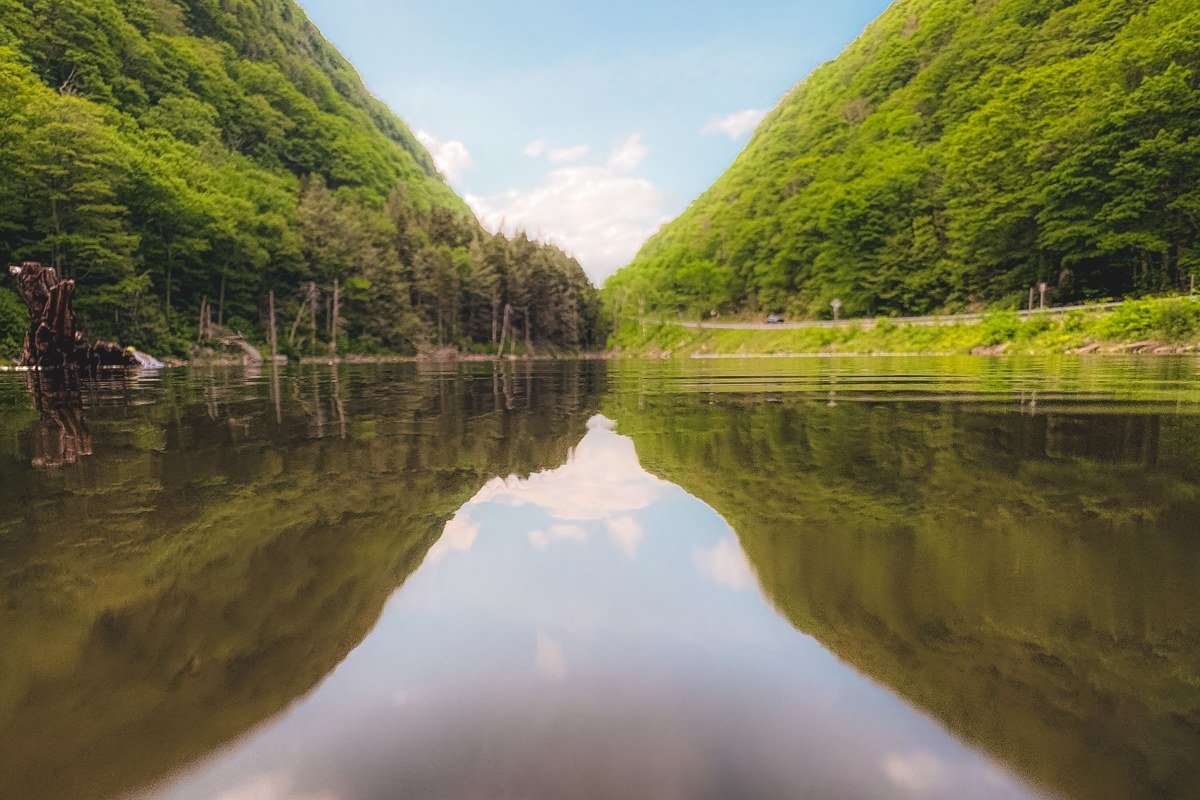
Start here if you have never been in a raft, or if you’re bringing kids. The Upper New River near Prince runs class I to III, wide and slow enough that guides spend as much time pointing out old coal tipples along the bank as they do calling paddle commands. Most outfitters run this stretch as a half-day trip, which matters if you’re driving in from Charleston or Beckley and want whitewater without losing the whole day. Adventures on the Gorge runs a half-day Upper New trip for around 55 to 70 dollars per adult depending on season, and it’s the stretch guides point beginners toward when someone from the DC or Charlotte area calls in nervous about the Gauley.
Next leg: 20 minutes south on WV-41 to the New River Gorge Bridge overlook.
Stop 2: New River Gorge Bridge, Fayetteville, West Virginia

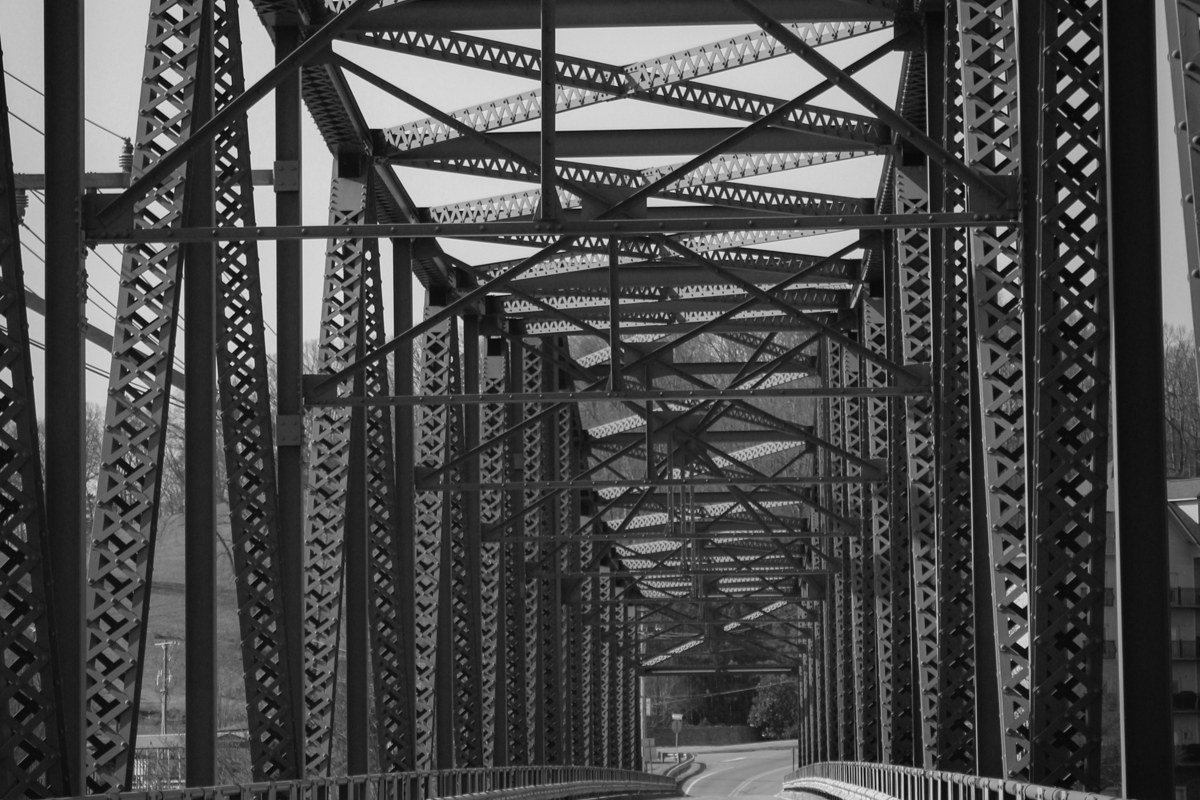
You don’t raft here, you look down at what you’re about to raft. The overlook at Fayetteville gives you the one view that explains why this gorge became a national park in 2020 rather than staying a lesser-known state attraction. Stop for twenty minutes, walk the boardwalk to the lower viewpoint, and if you’re here on Bridge Day in October, know that the town fills up fast and outfitters book solid weeks out. This is also where most Lower New River trips launch, so it’s worth the stop even if the bridge itself isn’t the whitewater.
Next leg: 10 minutes north on US-19 to the Fayetteville put-in area.
Stop 3: Lower New River Gorge, Fayetteville, West Virginia

This is the step up, class III to IV, and it’s the stretch most people actually mean when they picture whitewater rafting in West Virginia without knowing the river’s name yet. Rapids like Surprise and Double Z are big enough to soak everyone in the boat without requiring the swimming skills or nerve the Gauley demands. A full-day trip with Class VI River Runners runs roughly 100 to 130 dollars per person, lunch included. Outfitters run this river spring through fall, but water levels change a lot by season: late spring after snowmelt and rain is pushier and colder, late summer is warmer and mellower. Parking at the put-in fills early on summer Saturdays, so book the morning slot if you can.
Next leg: 35 minutes south on US-19 and WV-16 to Summersville Lake.
Stop 4: Summersville Lake, Summersville, West Virginia

Not a whitewater stop, this is your rest day. Summersville Lake’s clear, blue-green water against sandstone cliffs makes it the swimming and cliff-jumping stop on the loop, and it’s where the Gauley’s water literally comes from, released through the dam every fall. Rent a kayak, camp at Battle Run Campground (sites run about 25 to 35 dollars a night), or just eat lunch on a rock in the sun before the river gets serious again. Late August through September the lake is at its warmest and least crowded once summer tourist season thins out.
Next leg: 15 minutes to the Summersville Dam and Gauley put-in area.
Stop 5: Upper Gauley, Summersville Dam, West Virginia

Here’s where the ranking gets real. The Upper Gauley is class IV to V, and it only exists in its full, rafted form during Gauley Season, a run of scheduled dam releases each fall. The Army Corps of Engineers sets the release calendar, typically the Friday after Labor Day through the third or fourth weekend of October, six release weekends total; outfitters post the exact dates on their sites each summer, so check before booking lodging. Rapids like Insignificant, Pillow Rock, and Iron Ring are named for reasons you’ll understand the moment you’re in them. Most outfitters set a minimum age of 15 to 16 for the Upper Gauley and require that you’ve already rafted class IV whitewater; a few, like Class VI, will take strong swimmers with no prior whitewater experience but only on later, lower-flow release weekends. This is not a trip to walk into cold. If you’ve only ever done the Lower New, spend a season on something like the Lower Gauley first.
Next leg: 25 minutes downstream (by road, via WV-129 and Mason Branch Road) to the Lower Gauley take-out and put-in area.
Stop 6: Lower Gauley, Mason Branch, West Virginia
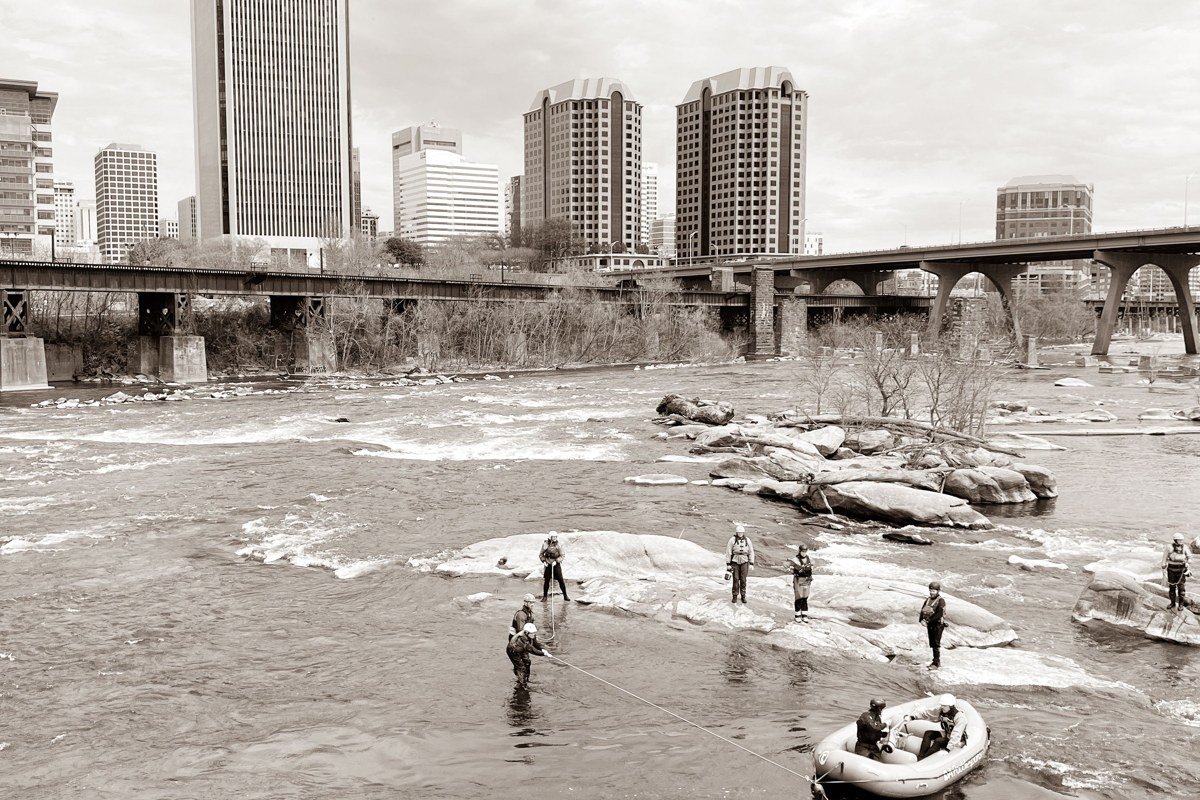
The Lower Gauley is class III to IV, still fed by the same dam releases, and it’s the honest answer for strong intermediate paddlers who want Gauley Season bragging rights without the Upper’s consequence. Rapids like Koontz and Pure Screaming Hell (the name is worse than the swim) keep it lively, and outfitters often run Upper and Lower as a combined full-day trip during peak release weekends, typically 150 to 190 dollars per person. Fall color along this stretch usually peaks in early to mid-October, which is part of why release weekends sell out months ahead.
Next leg: 45 minutes north on US-19 to Fayetteville, then west on US-60 toward Charleston.
Stop 7: Charleston and Gauley Bridge (logistics notes)

Two practical stops, not rafting stops, worth combining into one loop note. Charleston is the nearest real city with a commercial airport if you’re flying in rather than driving from Pittsburgh or Washington, DC, and it’s where outfitter gear shops restock river shoes, dry bags, and sunscreen; lodging there is also cheaper and easier to find on short notice than in the gorge towns. About an hour southeast, Gauley Bridge sits at the confluence where the Gauley and New rivers merge to form the Kanawha; there’s a small pull-off overlook on US-60 where you can see the two rivers, one often muddier than the other depending on recent rain, side by side before they become one. Neither stop needs more than a quick errand run or a five-minute look; budget half an hour total if you’re doing both on the way through.
Next leg: 30 minutes southeast on US-19 back to Fayetteville, then south to Beckley.
Stop 9: Beckley, West Virginia

Beckley closes the loop and makes sense as your overnight base both before Stop 1 and after Stop 6, since it sits within 40 minutes of every put-in on this route. It’s also home enough to whitewater culture that most of the region’s outfitters have offices or bunkhouses here, and the Beckley Exhibition Coal Mine gives you a rain-day activity that actually fits the region’s history instead of a generic distraction. Beckley has its own small airport, though most people still route through Charleston.
If you only have 3 days
Skip the Charleston and Gauley Bridge stop and run it as Beckley, Lower New River Gorge, Summersville Lake, and, if it’s Gauley Season, the Lower Gauley. That’s a real trip: one calm-to-moderate river day, one lake day, one bigger whitewater day, all within an hour of each other. Outside of Gauley Season (roughly October through August), swap that last stop for a second Lower New run or an Upper New float, since the Gauley simply isn’t rafted at those flows.
Doing it in reverse
Running this loop backward, from the Charleston/Gauley Bridge area to Beckley, works fine and actually suits rafters who want to build up to the Lower New as a triumphant finish rather than an easy opener. The one thing that doesn’t reverse well is Gauley Season logistics: you still need to book Upper and Lower Gauley trips around the fall release schedule regardless of which direction you’re driving, so check the outfitters’ posted release dates before you lock in lodging, not after.