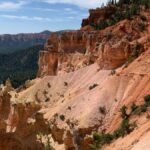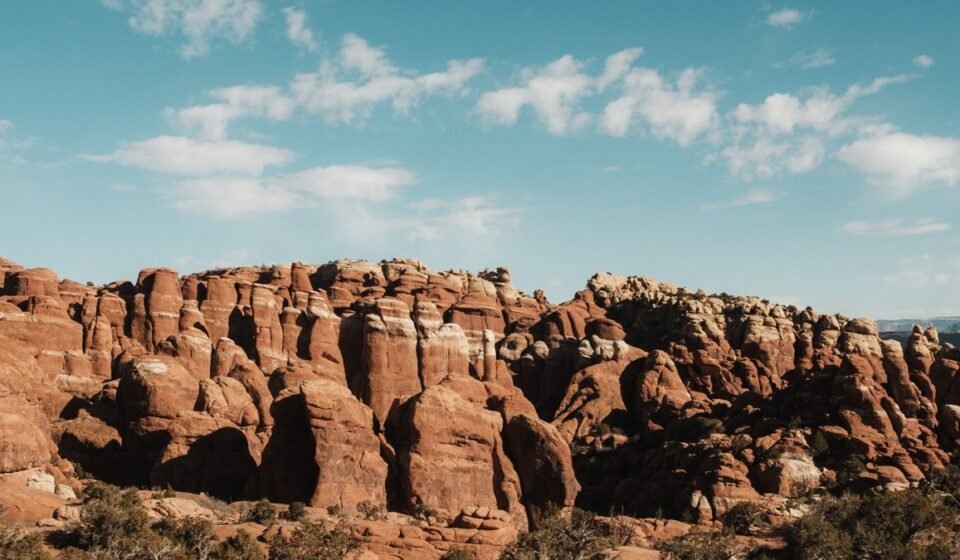

Most people try to plan a Utah national parks road trip by picking five dots on a map and connecting them in whatever order looks shortest. That’s the mistake. The Mighty Five aren’t evenly spaced, Capitol Reef gets skipped or rushed every time, and the drive between Bryce Canyon and the two southeastern parks is long enough to wreck a week if you underestimate it. The fix is to stop thinking in five parks and start thinking in nine stops, because the towns and the in-between spots are what actually make the distances survivable. This is built as a 10-day loop, with notes below on how to cut it to 7 days or stretch it to 5, 7, or 10 depending on what you’ve got. Here they are, ranked by how hard each one is working for your itinerary, counting down to the stop that earns its place more than any other.
9. Goblin Valley State Park, Utah
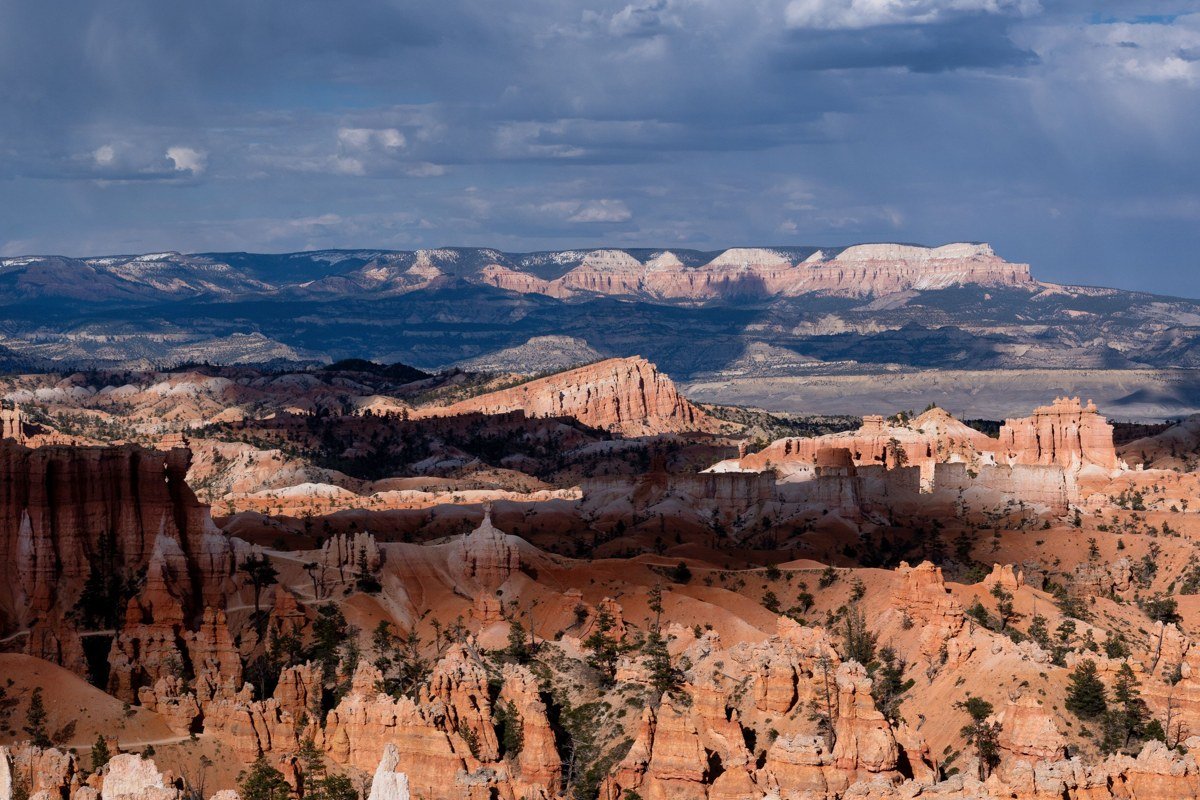
This one isn’t a national park at all, it’s a state park, and that’s exactly why it’s worth a detour between Capitol Reef and Moab. Thousands of mushroom-shaped hoodoos sit in an open valley you can wander through off-trail, which is rare in this part of Utah and genuinely fun with kids. The one thing to do is just walk in and get lost for an hour, there’s no marked trail requirement in the main goblin basin. I showed up in June around 1 p.m. and regretted it, the rock radiates heat and there’s zero shade, so aim for early morning instead. The entrance fee is $20 per vehicle. The downside is it’s a 45-minute detour off Highway 24 with no services, so fill your tank in Hanksville first.
8. Dead Horse Point State Park, Utah
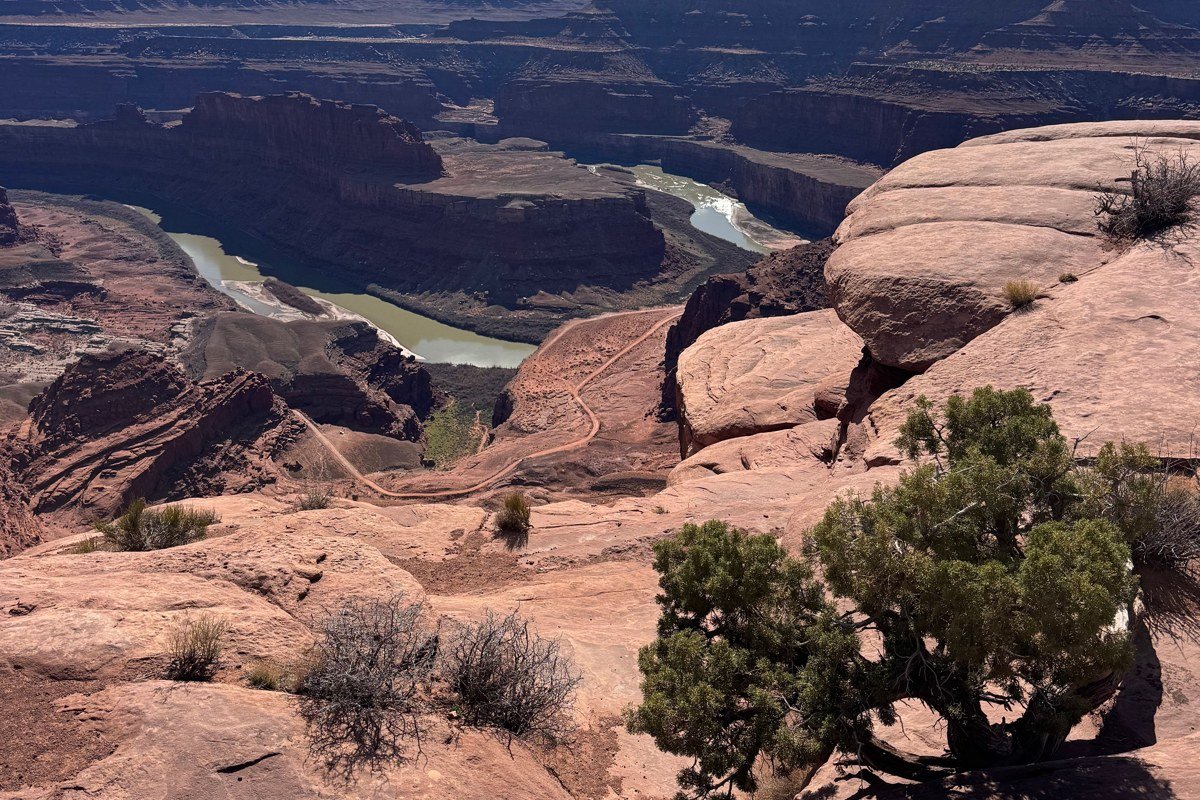
Dead Horse Point sits 30 minutes from Moab and delivers a view of the Colorado River’s gooseneck bends that rivals anything inside Canyonlands, often with a quarter of the people. The overlook at the visitor center requires zero hiking, just a short paved path. That makes it the best sunset stop for anyone who’s already logged ten miles of trail that day. Go right before sunset and the light turns the canyon walls orange in a way photos undersell. I missed the turnoff once coming from the Moab side because it’s easy to blow past at highway speed, so slow down near the Highway 313 junction. The catch is that it’s a separate state park with its own $20 per vehicle entrance fee, so it won’t be covered by your national park pass, and the parking lot does fill up in the last hour before dark.
7. Capitol Reef National Park, Utah
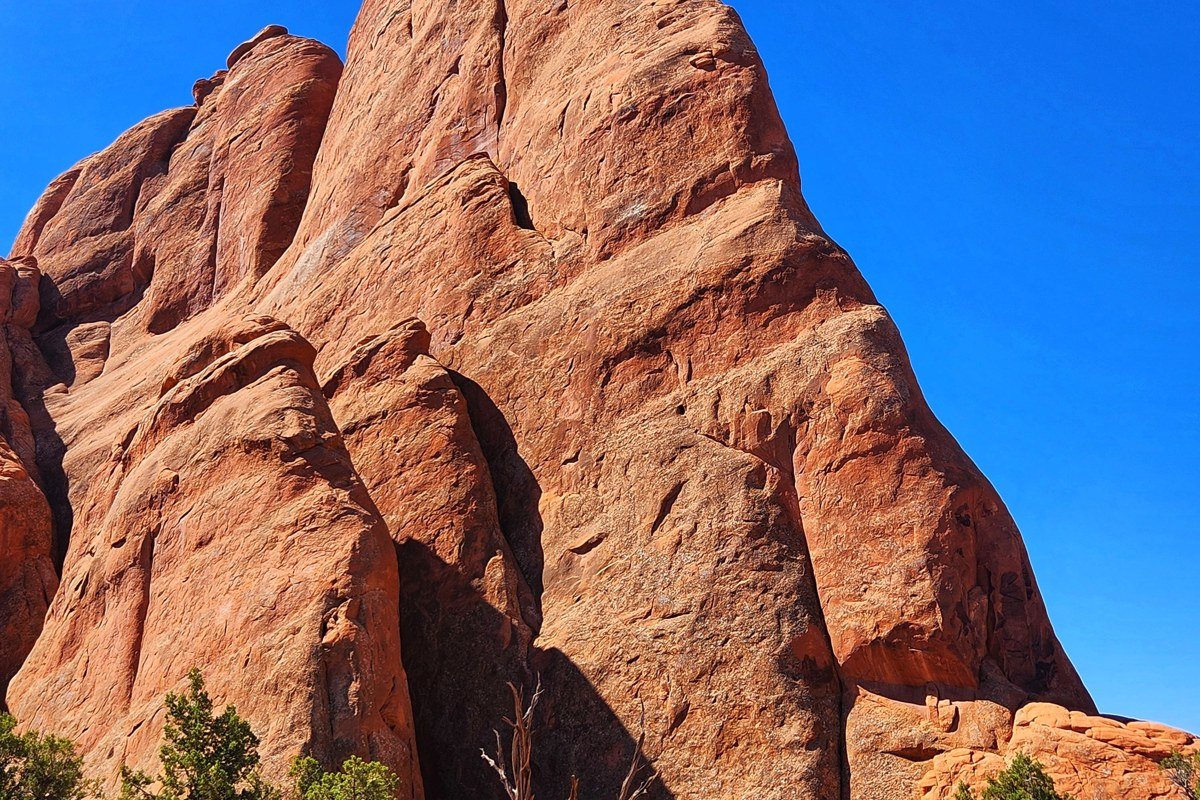
Capitol Reef is the park most road trip itineraries cut when the week runs short, and that’s the second biggest mistake people make after the routing itself. The Waterpocket Fold creates a 100-mile wrinkle in the earth, and the Fruita Historic District has a working orchard where you can pick fruit in season. I came through in late August and picked peaches right off the trees for a few dollars a bag at the self-pay station. Drive the paved Scenic Drive and then walk the short Capitol Gorge trail to see the pioneer register, names and dates carved into the rock by early settlers passing through. Entrance is $20 per vehicle. The park sits between Bryce and Moab geographically, which is the whole reason it belongs in this itinerary rather than as a side trip. Skipping it to save a day is tempting, and you shouldn’t.
6. Kodachrome Basin State Park, Utah
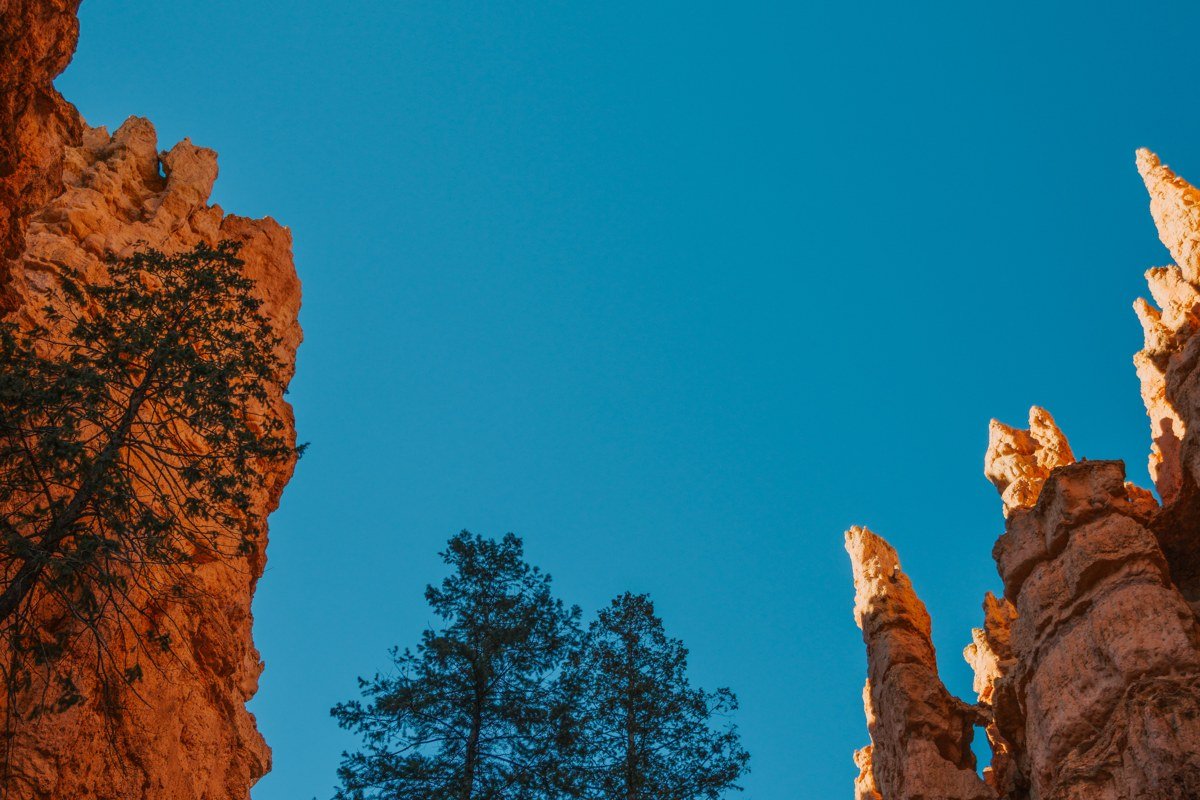
Kodachrome Basin sits about 25 minutes from Bryce Canyon and gets a fraction of its visitors, which is the entire appeal. Dozens of sandstone chimneys, called sand pipes, rise out of the basin floor in formations you won’t see anywhere else in the state. The Panorama Trail is an easy 3-mile loop that hits most of the best formations without requiring an early start or a permit. Entrance is $10 per vehicle. The honest trade-off is that it looks similar to Bryce from a distance, so if you’re tight on time this is the first cut, but if you have any slack in a 7-day or 10-day Utah national parks road trip, it’s worth the half-day.
5. Bryce Canyon National Park, Utah
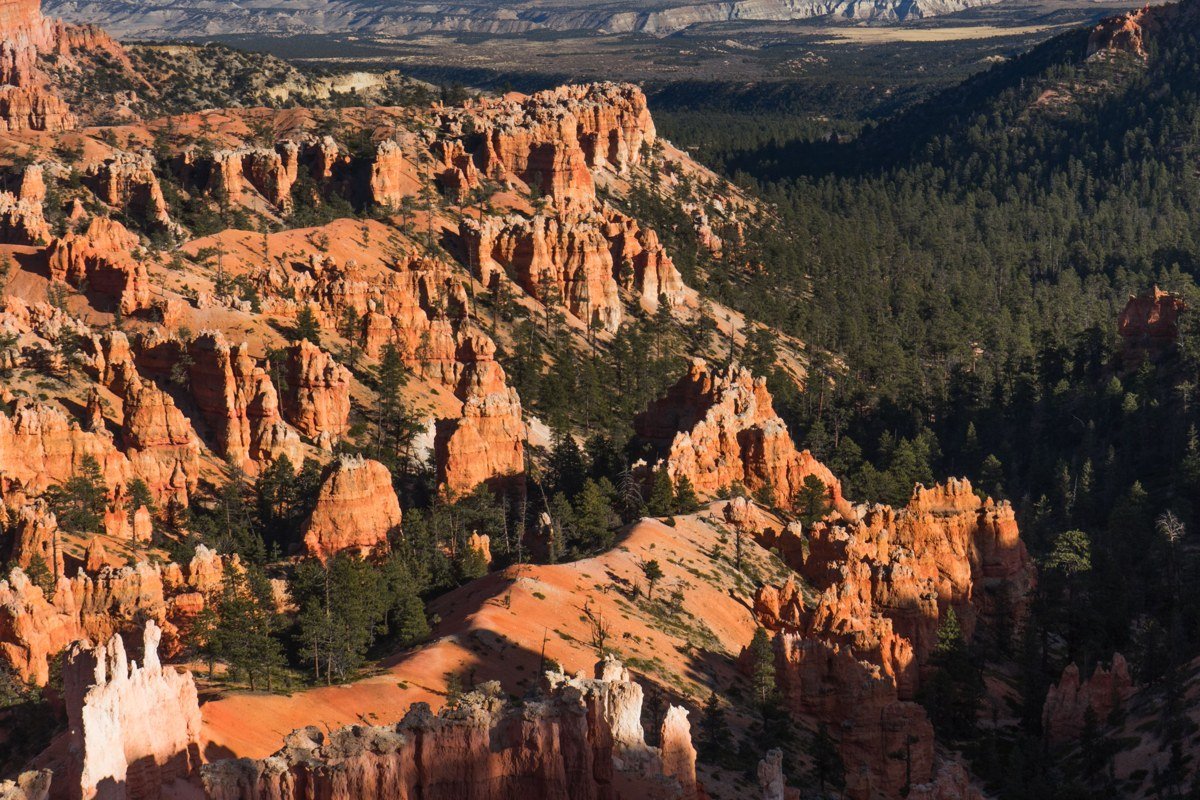
Bryce Canyon is the park people underestimate before they arrive and can’t stop talking about afterward. The hoodoos along the rim at Bryce Amphitheater look almost artificial at sunrise, especially from Sunrise Point or Inspiration Point, and the Navajo Loop/Queens Garden combination trail gets you down among them in under three hours. I did this loop in March and still hit packed snow on the shaded switchbacks, so microspikes would have saved me a slow, careful descent. Go in winter and you’ll get snow dusting orange rock with almost no crowds, since Bryce sits at high elevation and stays cold well into spring. Entrance is $35 per vehicle. That elevation is also the downside: at over 8,000 feet, Bryce gets genuinely cold at night even in shoulder season, and the main park road can see temporary winter closures after storms, so check conditions if you’re running this trip in a November or early spring window.
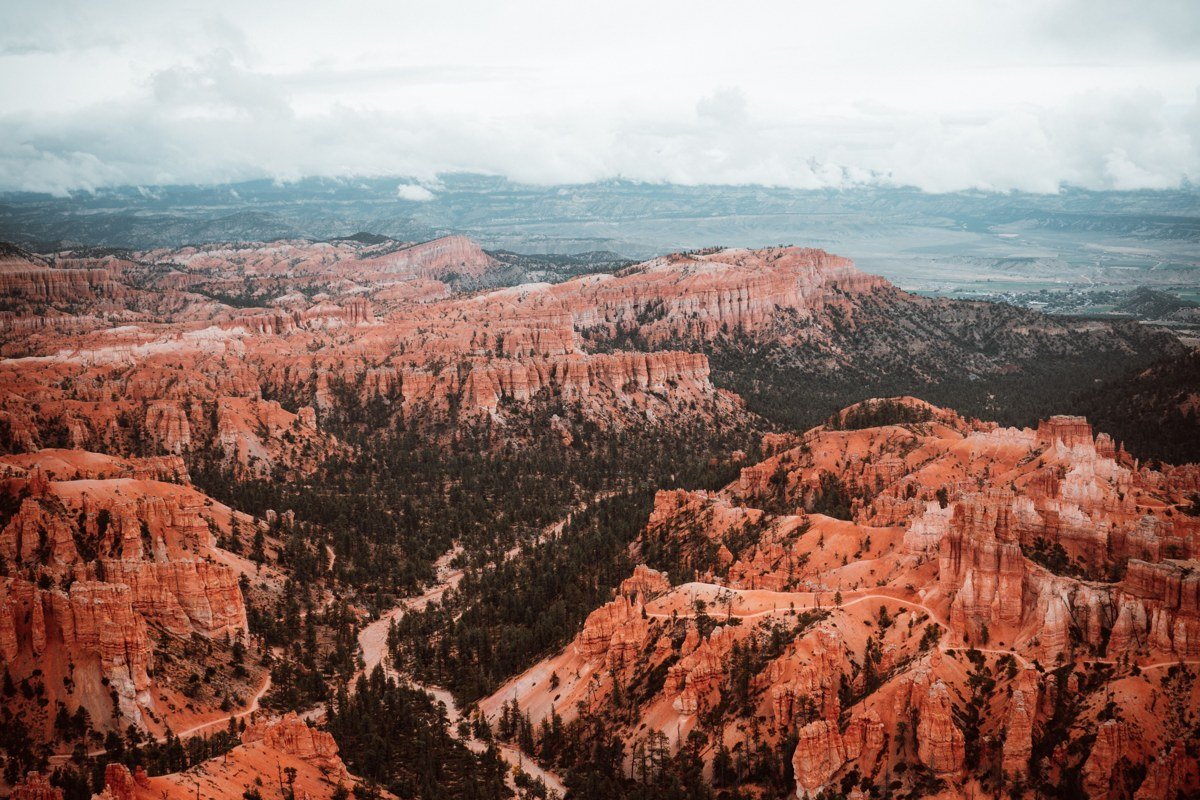
4. Zion National Park, Utah
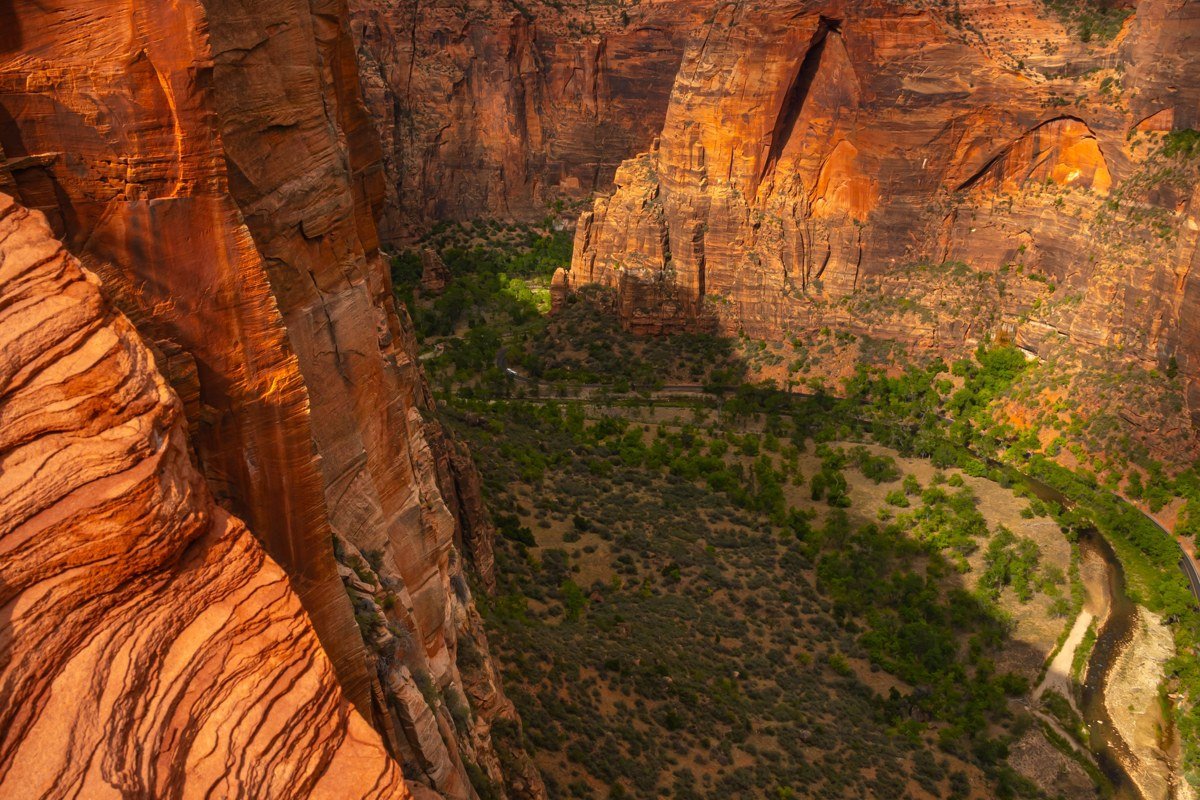
Zion is the park that convinces first-timers Utah’s desert scenery isn’t overhyped. It’s also the one most likely to ruin your morning if you don’t plan around it. The shuttle into Zion Canyon is mandatory for most of the year, and parking in Springdale fills by mid-morning. Angels Landing now requires a permit through a lottery system, so that one needs advance planning, not a walk-up decision. I didn’t win the lottery on my April trip and had to settle for Scout Lookout instead, which is still a solid view if you plan for the possibility. The Narrows, wading upstream through the Virgin River between thousand-foot walls, is the single best thing to do here and doesn’t require a permit, just water shoes and a willingness to get wet. Entrance is $35 per vehicle. The real downside is volume: Zion pulls the biggest crowds of the Mighty Five, especially spring through fall, so if your trip is in July expect heat, lines for the shuttle, and a very different experience than the same park in November.
3. Canyonlands National Park (Island in the Sky), Utah
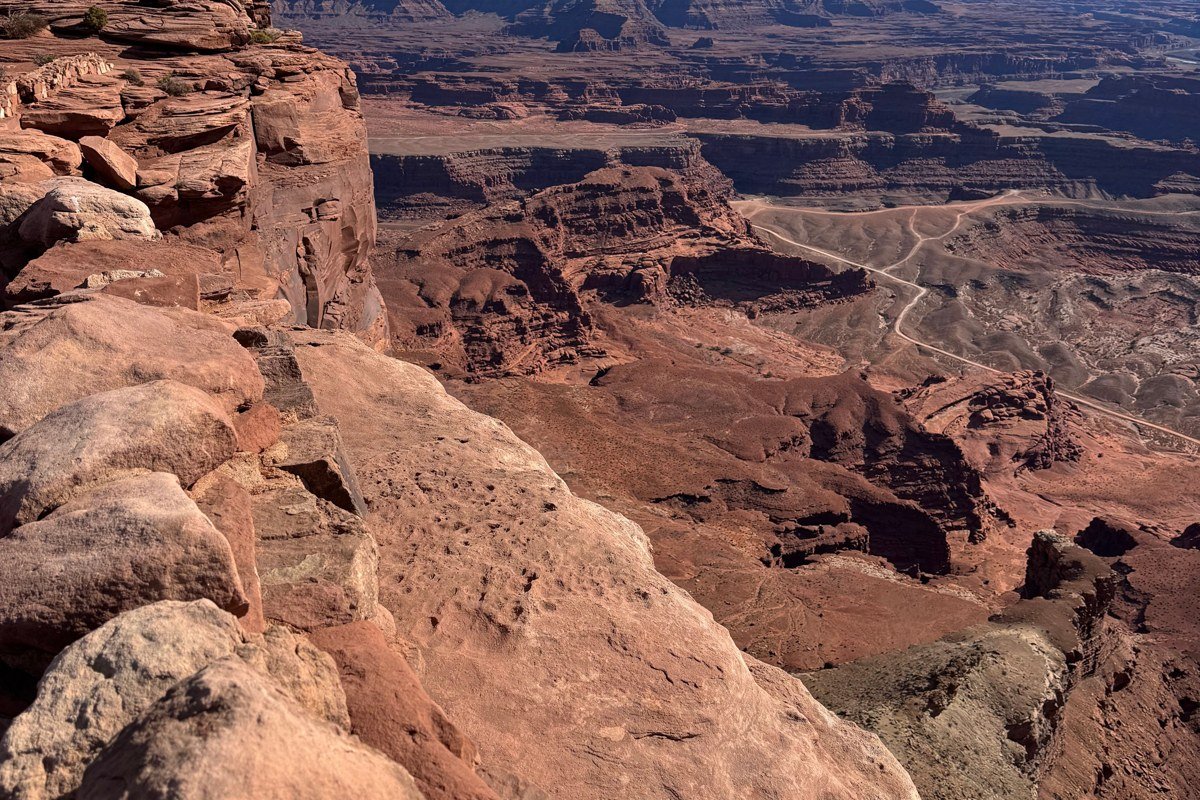
Canyonlands gets treated as an optional add-on to a Moab-based trip, and that’s a mistake. The Island in the Sky district is a 30-minute drive from Moab and delivers some of the biggest views in the entire state for almost no effort. Mesa Arch at sunrise is the postcard shot, a natural arch framing the canyons below with the right light for about twenty minutes after sunrise. I got there 15 minutes before sunrise in October and there were already a dozen tripods lined up at the rail, so earlier is better than you think. The Grand View Point overlook requires no hiking at all if you’re short on time or traveling with people who can’t do the trails. Entrance is covered by the same $30 per vehicle pass as Arches, good for 7 days at both parks. The honest downside is that most of the park’s dramatic terrain, the Needles and the Maze districts, sits far enough from Island in the Sky that you won’t reach them on a one-week loop, so accept you’re seeing one good third of the park and plan a return trip for the rest.
2. Arches National Park, Utah
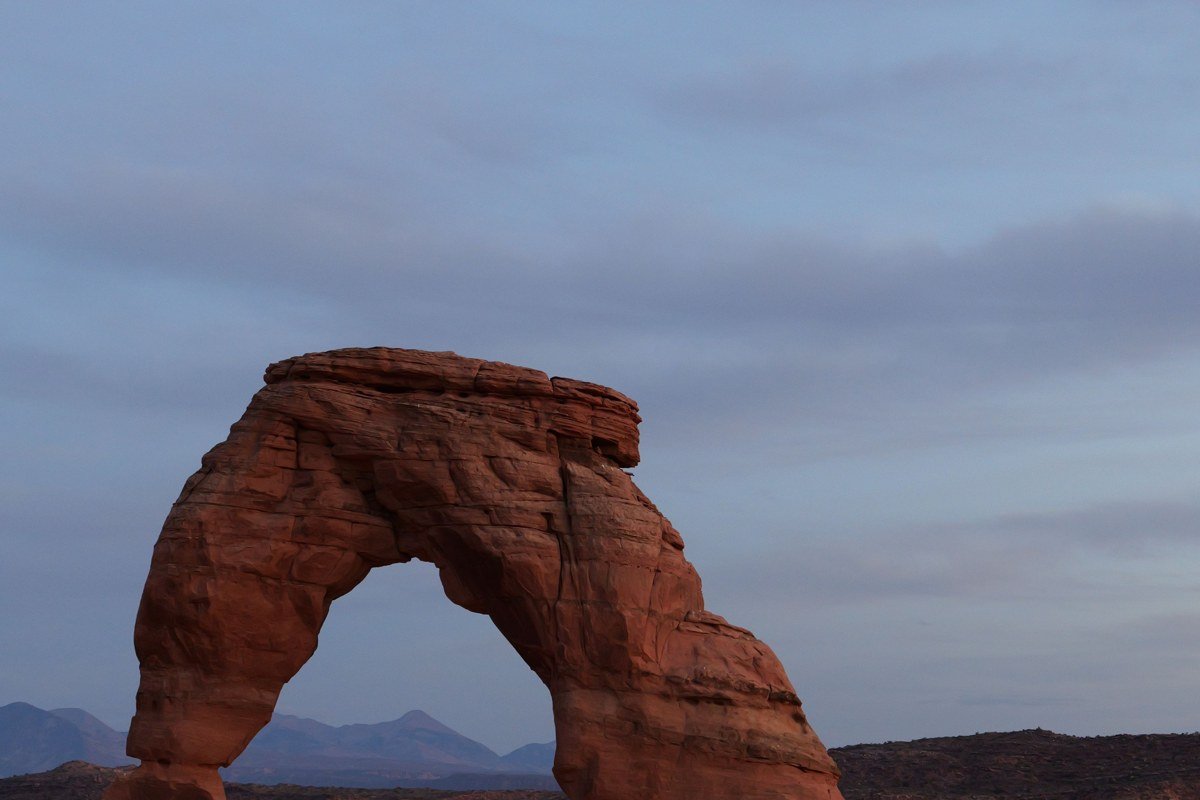
Arches earns the second spot because it now requires something most of the other parks don’t: a timed-entry reservation for April through October, on top of the regular $30 per vehicle entrance fee. The reservation itself costs $2 to book online, and showing up without one during those months means getting turned away at the gate. Reservations typically open in a batch a few months ahead of the entry date, with a smaller batch released the day before, so check recreation.gov as soon as your travel dates are set rather than assuming you can grab one last-minute. Once you’re in, thousands of cataloged arches sit within a relatively compact park. Delicate Arch, the freestanding arch on the Utah license plate, is reachable via a moderate 3-mile round-trip hike that’s worth doing near sunset. I got turned around on the slickrock stretch near the top at dusk one September evening because the trail markers are just small cairns, easy to lose in fading light, so don’t leave this one too late in the day. Park at Devils Garden early if you want to add Landscape Arch to the same day, since that lot fills fast regardless of season. The timed-entry system is genuinely the biggest planning headache in this entire Utah national parks road trip, more than any drive time between parks, so book the reservation the moment your travel dates are solid.
1. Moab, Utah
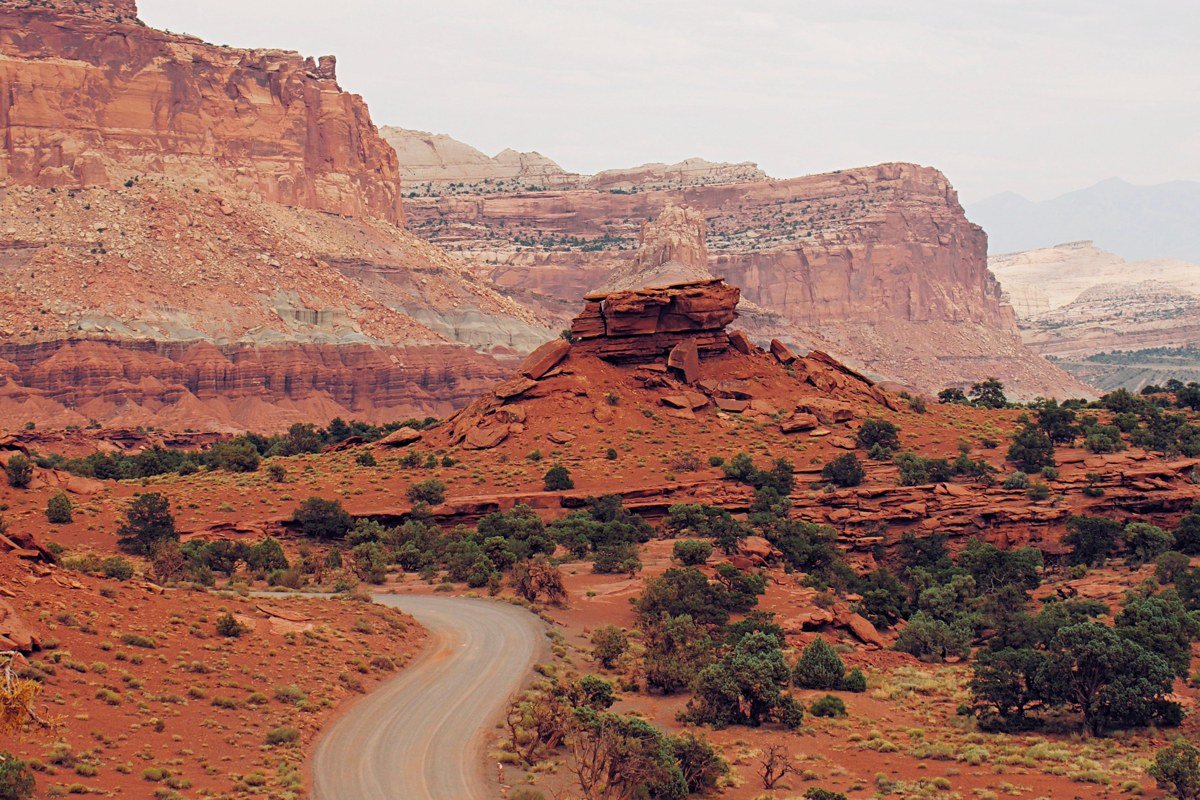
Moab isn’t a park, and that’s exactly why it wins. It’s the one stop that solves the actual logistics problem of this trip: a real town with enough hotels, gas stations, grocery stores, and restaurants to serve as a two-to-three night base for both Arches and Canyonlands, something neither park offers on its own. Stay here and you get flexibility that a single-park lodge can’t, early access to beat the Arches timed-entry crowds, and a fallback for the rafting, mountain biking, or 4×4 side trips (Fisher Towers, the La Sal Mountain loop) that round out a longer 10-day version of this route. The downside is that Moab in peak season, especially around spring break and again in fall, books up and prices climb, so a 5-day trip built around Moab needs lodging reserved well in advance, not a show-up-and-see approach.
How I’d pick
With a full 10 days, run the stops roughly as ordered: base in Moab for Arches and Canyonlands, then push west through Capitol Reef to a Bryce/Zion loop, adding Kodachrome and Goblin Valley since you’ll have slack built in. If you’ve only got a week, base in Moab for Arches and Canyonlands, then push west through Capitol Reef to a Bryce/Zion loop, skipping Kodachrome and Goblin Valley unless you have slack built in, since this is the realistic version of the “Utah national parks road trip itinerary 7 days” most people are searching for. Families with young kids will get more mileage out of Goblin Valley’s open scrambling than out of another long hike, so swap hiking time there instead of cutting it. Couples with a long weekend (call it 5 days) should fly into Las Vegas, Nevada, and do Zion and Bryce only, since that’s a roughly 3-hour drive from Las Vegas to Zion and skips the longer haul east to Moab entirely. Anyone flying into Salt Lake City is better off running the loop in reverse, hitting Capitol Reef and Moab first since they’re the longer drive from Salt Lake, then finishing closer to the airport at Zion. And if you’re debating season: late September through October and April through May beat summer for heat and crowds both, while a November trip means cold mornings and a real chance of snow at Bryce, but also the thinnest crowds you’ll see at any of these parks all year. All five parks stay open year round, but check road and shuttle status before a winter trip, since conditions (not closures) are what changes.