The Perfect 7-Day Dolomites Itinerary: A Day-by-Day Tourist Travel Plan With Hikes, Villages & Hidden Stops

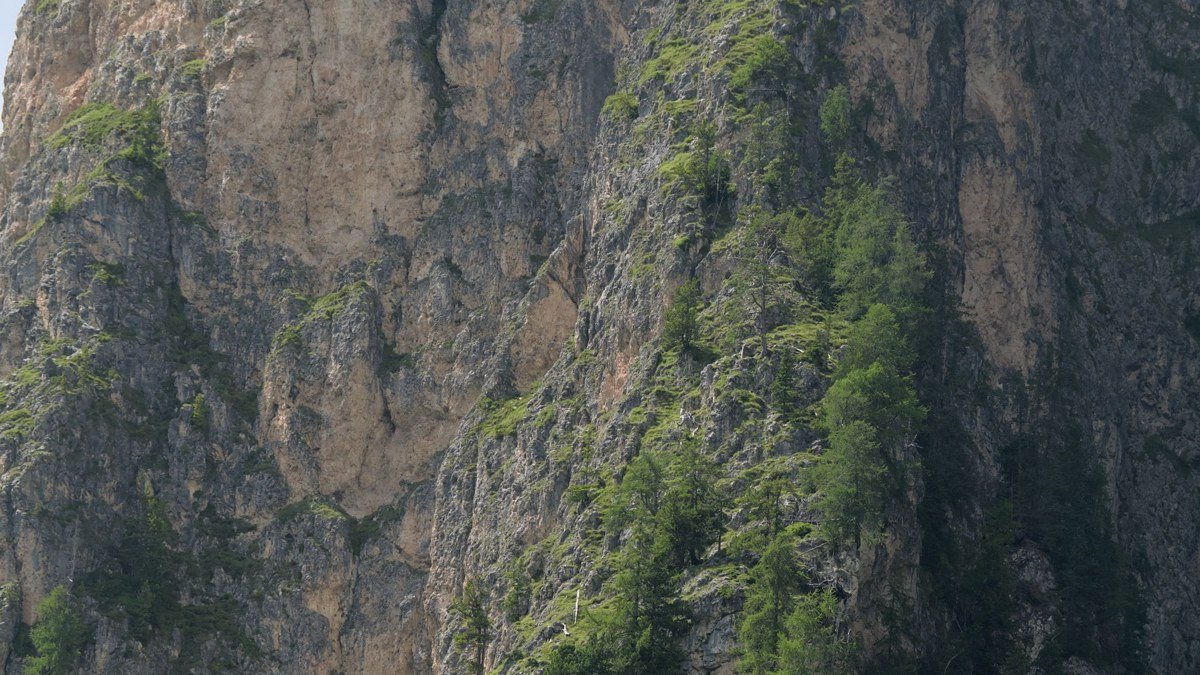
At 6:40 a.m. on a clear July morning, the Tre Cime di Lavaredo are pink. Twenty minutes later they’re white, and the parking lot at Rifugio Auronzo is full. That ninety-minute window — between the light turning and the crowds arriving — is the whole game in the Dolomites, and almost no itinerary tells you about it.
This Dolomites Italy itinerary is built around that reality. It’s a real, drivable, copyable 7-day plan with specific hikes, the villages worth basing in (and the ones to skip), the photo spots most lists miss, and honest trade-offs depending on how fit, fast, or flexible you are. I’ve structured it so you don’t waste your best mountain light sitting in a traffic jam on a switchback road.
Before You Go: The Stuff That Actually Matters
A few decisions shape this entire trip more than your hiking boots do.
You need a car. Public transport exists (SAD buses, the Dolomiti Bus network) but it will cost you 2–3 hours a day in waiting and transfers. Rent from Venice (Marco Polo) or Verona; expect roughly €40–70/day for a compact in summer, plus fuel. Get an automatic only if you must — these are steep, hairpin roads.
When to go. The sweet spot is mid-June to late September. Lifts and rifugi (mountain huts) run roughly mid-June to early October, with a second window for late-September larch color. July–August is busiest and most expensive; the trails clear noticeably after the second week of September.
Where to base. Don’t try to sleep somewhere new every night — you’ll spend the trip packing. This plan uses two bases: the Val Gardena / Alta Badia area for the western Dolomites, and Cortina d’Ampezzo or nearby for the east. That’s one move mid-week.
The €€ reality. The Dolomites are not budget Italy. A rough per-person daily estimate:
| Expense | Budget | Mid-range | Comfortable |
|---|---|---|---|
| Lodging (per person, dbl room) | €45–70 | €80–130 | €150+ |
| Lunch at a rifugio | €15–22 | €18–28 | €30+ |
| Cable car (return) | €25–45 | €25–45 | €25–45 |
| Dinner | €18–25 | €30–45 | €50+ |
| Daily total | ~€110 | ~€180 | ~€280 |
Book lodging 3–4 months ahead for July–August. The good guesthouses in Ortisei, La Villa, and Cortina sell out first.
Two apps to download now: Meteo Trentino (or the Province of Bolzano’s forecast) gives genuinely reliable mountain-specific forecasts, including afternoon thunderstorm timing — the detail that decides whether you do an exposed ridge today or tomorrow. Outdooractive (with Komoot as a backup) handles trail navigation and offline maps; download your route tiles over hotel WiFi before you head up.
Day 1 — Arrival & Easing Into the Val Gardena
Fly or drive into the Val Gardena (Ortisei, Santa Cristina, or Selva). From Venice it’s about a 3-hour drive; from Verona, similar. Pick up groceries and check into your base for nights 1–4 here.
For lodging, Ortisei is the most convenient hub: look for a guesthouse like Garni Concordia or a similar B&B a few minutes uphill from the pedestrian center — half-board (Halbpension) at these family-run places is usually the best dinner value and saves you the nightly drive into town. Park once and leave the car.
If you land with daylight to spare, take the Ortisei–Furnes–Seceda gondola partway up for an easy meadow stretch-out walk, or simply settle in and save your legs. The serious hiking starts tomorrow.
Insider tip: Eat dinner in Ortisei’s pedestrian center, but sleep a few minutes outside it if you want a balcony view and quieter nights.
Day 2 — Seceda & the Ridge Most People Photograph Wrong
This is one of the most photographed views in the Alps: the Seceda ridgeline, a giant tilted sawtooth of rock dropping away to green meadow.
- Take the Ortisei–Furnes–Seceda gondola up. Buy the first ride (around 8:30–9:00 a.m.).
- From the top station, the iconic ridge viewpoint is a 10-minute walk — but don’t stop there.
- Continue along the ridge toward Pieralongia and the Fermeda towers. A 2–3 hour loop gives you the dramatic angles the day-trippers never reach.
Photo spot most itineraries skip: instead of shooting the ridge from the top station (where everyone stands), walk 15 minutes downhill toward the meadow and shoot up at the towers with wildflowers in the foreground. Completely different, far less crowded image.
Lunch: Rifugio Sofie (Sofie Hütte) below the ridge has a sunny terrace and good schlutzkrapfen — a quiet alternative to the busy top-station bar.
Day 3 — Vallunga Hike & a Ladin Afternoon in Alta Badia
A proper hiking day, scaled to your fitness — then an afternoon that’s the cultural heart of this trip.
Option A (easy, family-friendly): The Vallunga valley near Selva. Flat, glacial, stroller-able for the first 45 minutes, with cliffs rising on both sides. Walk as far as you like and turn back. 1.5–3 hours.
Option B (moderate-hard): The Puez-Odle Altopiano via the Col Raiser lift, looping under the Odle peaks. 4–5 hours, real elevation, and far fewer people. Bring water and a layer — weather turns fast up high.
In the afternoon, drive the Passo Gardena loop down into Alta Badia and give yourself real time in Corvara, La Villa, and San Cassiano. This is Ladin country — a distinct, ancient language and culture (a Rhaeto-Romance tongue still spoken at home and on shop signs) that predates both the Italian and Austrian eras here. You’ll notice it in the place names (Corvara becomes Corvara, but villages carry Ladin forms), in the museum at Ćiastel de Tor in nearby San Martino in Badia, and in the food: try Rifugio Scotoni above the Lagazuoi/Falzarego area for its legendary slow-cooked goulash and grilled meats — many people consider it the best hut meal in the Dolomites. Alta Badia feels less touristed than Selva and is where you’ll scout your bearings before the Day 4 move east.
Insider tip: Rifugi serve food on mountain time — kitchens often close between ~2:00 and 3:00 p.m. and dinner is early. Plan lunch by 1:00 p.m. or carry a backup.
Day 4 — The Great Dolomite Road & Passo Pordoi
Today you drive one of the best mountain roads in Europe and relocate to your eastern base (nights 4–7). I recommend Cortina d’Ampezzo, or for better value, Dobbiaco/Toblach or San Vito di Cadore. Near Cortina, Hotel Montana in the center is a practical pick — walkable to town with on-site parking, which matters when every roadside spot is taken by day-trippers.
Route highlights, west to east:
- Passo Gardena → Passo Sella. Stop at Sella Pass for the view of the Sassolungo (Langkofel) group. The Forcella Sassolungo chairlift here is a tiny, open two-person basket up a steep gully — a wild little adventure if you have nerve.
- Passo Pordoi. Cresting Pordoi in a small rental, you drop a gear, the engine whines, and the whole windscreen fills with bare rock and sky — then the road folds back on itself and the Sella towers swing into view like a stage set. Park and ride the cable car to Sass Pordoi (~2,950 m) for a moonscape plateau and views over the Marmolada. 30–60 minutes up top is plenty.
- Canazei → Passo Fedaia. Lake Fedaia sits beneath the Marmolada’s north flank — a worthwhile stop and the closest road view of the massif (see below).
- Lagazuoi at Passo Falzarego. The cable car climbs to a WWI front-line plateau. Take in the summit panorama and the terrace here, but save the famous tunnel descent for Day 7 — doing it today, tired and clock-watching toward your hotel, sells it short.
Lunch: Rifugio Maria at Passo Pordoi is right at the cable car base for a quick stop, or if you time it, Rifugio Fodara Vedla off the eastern passes for tranquil pastures and homemade dumplings.
This is a full day. Budget the whole thing and don’t try to cram a big hike in too.
Common mistake: Treating the Great Dolomite Road as a quick transfer. It’s the experience. Leave by 8:30 a.m. so you’re not driving switchbacks in afternoon tour-bus traffic.
A Word on the Marmolada
The Marmolada is the Dolomites’ highest peak and carries its only sizeable glacier. On 3 July 2022, a large section of that glacier collapsed near Punta Rocca during an exceptional heat wave, sending a serac-and-rock avalanche down a popular climbing route and killing eleven people. It was a sobering marker of how fast these glaciers are retreating.
For a road-tripper, the practical takeaway is twofold: the Lake Fedaia viewpoint and the cable car up toward Punta Rocca remain the standard, accessible way to experience the mountain — you can still ride up for the panorama — but the high glacier and its climbing/ski-touring routes have seen access restrictions and closures, and conditions are reassessed by local authorities. If you intend anything beyond the lift and viewpoints, check current rules with the local tourist office before you go. From the road, simply pause at Fedaia and look up — it’s the most honest view of a changing landscape you’ll get on this trip.
Day 5 — Tre Cime di Lavaredo, Done Right
The Tre Cime di Lavaredo loop is the iconic Dolomites hike, and it’s busy for good reason. Here’s how to not hate it.
- Drive the toll road up to Rifugio Auronzo (around €30–35 per car, cash-friendly). The road fills early; aim to be on it by 7:30 a.m. in summer, earlier on weekends. By 10 a.m. it can close due to full parking.
- The classic counter-clockwise loop runs Auronzo → Rifugio Lavaredo → Rifugio Locatelli (Dreizinnenhütte) → Malga Langalm → back. About 10 km, 3.5–4.5 hours, modest elevation, on good trail.
- The money shot is the three peaks from Locatelli, ideally with morning light on their north faces.
Lunch: Rifugio Locatelli (Dreizinnenhütte) is the obvious — and earned — choice, for the head-on Tre Cime north-face view straight off the terrace while you eat. It gets packed by midday, so arrive early or hold for a later seating.
Photo spot most skip: the small Laghetti dei Piani (Bödenseen) tarns just past Locatelli reflect the peaks on still mornings. A 10-minute detour, almost always overlooked.
Trade-off: If the toll road is closed or you’re car-free, the loop also works from Rifugio Auronzo via shuttle, but you lose flexibility. Cloudy day? Save Tre Cime and swap in a lower-altitude village day — these peaks are pointless in fog.
Day 6 — Lakes, Larches & Lago di Braies Without the Mob
Two lakes anchor today.
Lago di Braies (Pragser Wildsee). The turquoise-and-wooden-boathouse shot is the Dolomites Pinterest image — which means it’s mobbed. Survival rules:
- Arrive before 8:30 a.m. or after 5:00 p.m. In peak season there’s now a paid reservation/access system for cars during the day (roughly 9:30–16:00) — check the current rules before you go and book online if required.
- Walk the full lake loop (about 3.5 km, 1 hour, flat). Crowds evaporate within 10 minutes of the boathouse.
- Rent a wooden rowboat mid-morning if you want the postcard-from-the-water experience (seasonal, paid).
Lago di Sorapis (Lago di Sorapiss). A harder, more rewarding hike from Passo Tre Croci near Cortina. ~3–4 hours round trip with some exposed sections aided by cables — not for vertigo sufferers or small kids. The reward: a milky, electric-blue glacial lake under the Sorapis massif. Far fewer people than Braies.
Lunch: Rifugio Vandelli sits right at Lago di Sorapis — a basic but well-placed hut where a bowl of soup or canederli tastes outsized after the climb in.
Do Braies if you want easy and iconic. Do Sorapis if you want to earn a better lake with fewer crowds. Doing both in one day is possible but tight — start Braies at dawn.
Day 7 — Cinque Torri, the Lagazuoi Tunnels & a Slow Goodbye
End on something memorable but not exhausting.
Cinque Torri (“Five Towers”) near Passo Falzarego: a short chairlift, then an easy loop among dramatic rock towers and a genuinely good open-air WWI museum of restored trenches and gun positions. 1.5–2.5 hours total. Climbers will be scaling the towers above you.
The Lagazuoi tunnels are today’s centerpiece. From Passo Falzarego, ride the Lagazuoi cable car to the summit (2,778 m), take in the terrace panorama, then descend the Galleria del Lagazuoi — a WWI mine tunnel hewn straight through the inside of the mountain. You’ll want a headlamp and grippy shoes; it’s steep, dark, and genuinely atmospheric, emerging back near the pass after about an hour. It’s the most vivid history lesson on the whole trip and the reason we held it back from Day 4.
Then drive back toward Venice or Verona. Build in buffer: mountain roads plus airport return logistics eat time, and Saturday morning traffic on the valley roads is real.
If It Rains
The Dolomites get afternoon storms and the occasional washed-out day — don’t let it sink the trip. Drop to the valleys and lean into culture. The old town of Bressanone/Brixen is one of South Tyrol’s prettiest, with arcaded streets, a baroque cathedral, and good cafés. Val Pusteria/Pustertal (toward Brunico/Bruneck) offers covered markets, the Ladin and folk-life museums, and easy strolling between showers. And the Messner Mountain Museums — six sites founded by climber Reinhold Messner, including the spectacular MMM Corones atop Plan de Corones (Kronplatz), reachable by cable car — turn a grey day into a highlight. A rainy morning in Bressanone followed by a clearing afternoon hike is a perfectly good Dolomites day.
Common Mistakes (The Non-Obvious Ones)
- Sleeping in a different town every night. You’ll spend the trip moving luggage instead of hiking. Two bases, one move. That’s it.
- Ignoring rifugio kitchen hours. Show up at 2:30 expecting a hot meal and you’ll get a sad slice of strudel, if anything.
- Treating cable cars as backup. Many of the best views require a lift, and they have fixed seasonal opening dates and last-down times — miss the last descent and you’re walking down in the dark.
- Underestimating weather swings. Sunny valley, thunderstorm at altitude by 2 p.m. is a classic summer pattern. Do high exposed hikes in the morning. Carry a rain shell always.
- Booking a manual car you can’t comfortably drive on a 12% grade hairpin. Be honest with yourself.
- Confusing place names. Most spots have an Italian and a German/Ladin name (Ortisei/St. Ulrich, Alpe di Siusi/Seiser Alm, Tre Cime/Drei Zinnen). Your GPS may only know one. Save both.
- No cash for toll roads and small rifugi. Cards are increasingly accepted, but the Tre Cime toll and remote huts can be cash-friendly. Carry €100 in small bills.
Insider Tips That Signal You’ve Actually Been
- Buy a multi-day lift pass only if you’ll do 3+ cable cars. The Dolomiti Supersummer card covers many lifts across the region; recent pricing runs roughly €68–80 for a 3-day pass and around €170–200 for a 7-day pass (adult, peak season — check current rates and validity zones at dolomitisuperski.com, which administers the summer pass). Otherwise pay per ride and do the math for your actual route.
- Download offline maps in Outdooractive or Komoot for trails — cell coverage drops fast in valleys and tunnels. The Dolomites use a numbered trail system (look for red-and-white blazes with route numbers); follow numbers, not your phone alone.
- Best light is bookended. North-facing faces (Tre Cime, Seceda towers) glow at sunrise; west-facing groups catch sunset. Plan one dawn and one dusk shoot.
- Refill water at village fountains — most flow with cold, drinkable mountain water. Saves money and plastic.
- Half-board (Halbpension) at mountain guesthouses is often the best dinner value and culturally part of the experience — multi-course meals included with your room.
- Eat the regional food, not pizza: canederli (bread dumplings), speck, schlutzkrapfen (Ladin ravioli), and kaiserschmarrn for dessert. This is a German-Italian-Ladin crossroads and the food shows it.
Two Ways to Flex This Itinerary
If you’re a strong hiker: This itinerary touches the great long-distance route without committing to it. The Alta Via 1 is the classic Dolomites high traverse — roughly 120 km north-to-south from Lago di Braies down toward Belluno, normally walked hut-to-hut over 8–12 days. You can taste it as day hikes from this plan: the Croda da Lago loop near Cortina and the Lagazuoi → Rifugio Scotoni → Rifugio Lagazuoi circuit both ride sections of AV1 and end at huts worth the detour (Scotoni for the goulash). To go further, book a dormitory bunk in a rifugio — for example Rifugio Lagazuoi or Rifugio Nuvolau for a sunrise above the clouds — but reserve weeks ahead, as summer beds fill fast. Add the airy Forcella Sassolungo chairlift and a Sass Pordoi ridge scramble and you’ve got a genuinely demanding week.
If you’re traveling with kids or have a low fitness threshold: Build the whole week around cable cars and flat valleys. Ride up to Alpe di Siusi, Sass Pordoi, and Seceda for big views with almost no climbing; keep walks under 2 hours and stick to the gentle, near-flat options — the Vallunga valley stroll, the Lago di Braies lake loop, and the easy Cinque Torri circuit (chairlift up, flat museum loop). Time lunches around rifugi with terraces and playgrounds, and skip Sorapis entirely — the cabled, exposed sections aren’t worth the stress with small children or shaky knees. You’ll still see the iconic Dolomites; you’ll just let the lifts do the work.
Your Actionable Takeaway
Block out your first morning right now and treat one sunrise as non-negotiable — ideally Tre Cime or Lago di Braies. Set the alarm for 5:45, be on the trail or at the lake before 7:30, and you’ll come home with the version of the Dolomites everyone else only sees on a postcard. Book your two base towns this week, reserve the Braies car access if you’re going in summer, and let the rest of this plan slot in around that one early start.