The Perfect 7-Day Dolomites Italy Itinerary: A Day-by-Day Tourist Travel Plan With Villages, Drives & Viewpoints

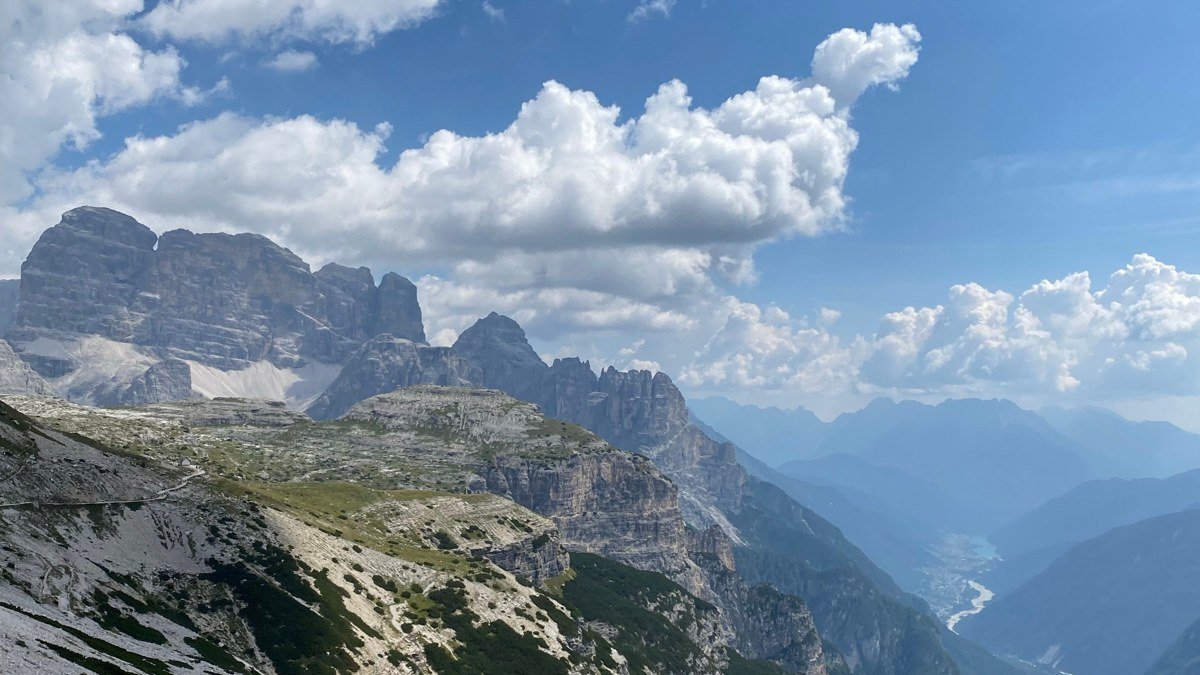
The first time I drove over Passo Falzarego at 7 a.m., there was frost on the windshield in late September and not another car on the road. Twenty minutes later I was standing at a rifugio with a cappuccino, watching the Marmolada glacier turn pink. That’s the Dolomites Italy experience most people miss — they arrive at Lago di Braies at 11 a.m. with three tour buses and wonder why their photos look like everyone else’s.
This 7-day Dolomites Italy itinerary is built to avoid exactly that. It’s a real, drivable loop through the best villages, the legendary Great Dolomites Road, and the rifugios worth the climb — timed so you hit the famous spots before the crowds and the quiet ones when the light is best.
I’ve run some version of this route three times, in June, September, and early October. Below is what actually works.
Before You Go: The Practical Basics
A few things that will save you real money and stress.
- A UNESCO World Heritage landscape. The Dolomites were inscribed as a UNESCO World Heritage Site in 2009 — a network of nine mountain systems recognized for their exceptional geology and “monumental” beauty. That’s not just marketing: the pale, near-vertical rock walls (dolomite limestone that glows pink at dawn) genuinely have no equivalent in the Alps. It’s also worth knowing this landscape is a protected, fragile one — stay on trails and pack out what you carry in.
- When to go: Mid-June to mid-October is the reliable window. Late June has wildflowers and long days; late September has golden larches, thinner crowds, and colder mornings. July–August are gorgeous but busy, and mountain huts book out weeks ahead.
- You need a car. Public transport exists (SüdtirolMobil buses are excellent), but for this itinerary — passes, viewpoints at dawn, remote trailheads — a car is non-negotiable. Rent from Venice, Verona, Innsbruck, or Bolzano.
- Two languages, one region. Much of the northern Dolomites is German-speaking South Tyrol (Südtirol). Villages have two names: Bolzano/Bozen, Bressanone/Brixen, Ortisei/St. Ulrich. Don’t panic when your GPS shows the “other” name.
- Mobile coverage: The major valleys (Val Gardena, Cortina, the drive corridors) have solid 4G, but upper rifugios, some passes, and the deeper trails drop signal entirely. Download offline maps on Maps.me or Google Maps before you drive into the mountains — you’ll want them for trailheads and pass navigation.
- Money: Budget €130–220/night for a mid-range hotel or B&B in high season, €25–40 for a rifugio dinner, €15–25 for cable cars, and roughly €70–100 to fill a tank once. This itinerary runs comfortably at around €1,400–1,900 per person for a week, excluding flights. (See the per-day cost box below.)
Where to Base Yourself
Don’t try to sleep in a different town every night — you’ll spend the trip packing. I recommend two bases:
| Base | Nights | Best for | Downside |
|---|---|---|---|
| Val Gardena (Ortisei/Selva) | 3–4 | Central, great cable cars, Sella & Seceda access | Pricier, busier |
| Cortina d’Ampezzo | 2–3 | Tre Cime, Great Dolomites Road, elegant town | Expensive, glitzy |
| Alta Badia (Corvara/San Cassiano) | alt. | Quieter, foodie, great hiking | Fewer marquee sights |
This plan uses Val Gardena for the first half and Cortina for the second, connected by the Great Dolomites Road on Day 4.
💶 What a day actually costs (per person, mid-range)
- Day 2 (Seceda): Furnes–Seceda cable car ~€38 round trip + rifugio lunch ~€18–25 + village dinner ~€30–40 = ~€90–105
- Day 3 (Alpe di Siusi + Sassolungo): Seiser Alm cable car ~€24 (or free if you drive up before 9) + Sassolungo chairlift ~€19 + lunch & dinner ~€45–60 = ~€90–105 (~€65–80 if you self-drive up)
- Day 4 (Great Dolomites Road): Sass Pordoi funivia ~€28 + Lagazuoi cable car ~€25 + terrace lunch ~€25 = ~€75–90 (before fuel/tolls)
- Day 5 (Tre Cime): Auronzo toll road ~€30–35 per car + Locatelli lunch ~€20 = ~€50–55 (toll split between passengers lowers this fast)
- Day 6 (Braies + Cadini): rowboat ~€30/half hour (per boat) + lunch & gelato ~€20–30 = ~€35–60
A tank of fuel (~€70–100) covers roughly two of these driving days.
Day 1: Arrival, Bolzano & Into Val Gardena
Fly into Venice (VCE) or Verona (VRN) — both are roughly a 3–3.5 hour drive. Innsbruck is closer to the northern valleys if you’re coming from Austria.
Break the drive in Bolzano for lunch. See Ötzi the Iceman at the South Tyrol Museum of Archaeology (book online; it’s genuinely worth 90 minutes), grab a plate of speck and canederli, and stroll the arcaded Via dei Portici.
Then wind up into Val Gardena. Base in Ortisei (prettiest town) or Selva (closer to trailheads). Check in, walk the village, and eat early. You’ll want to be fresh for Seceda.
Where to stay: For a mid-range base with the classic wood-panelled South Tyrolean feel, look at a garni (B&B-style guesthouse) in Ortisei — something like Garni Digon or a comparable family-run garni typically runs €90–150 per night for a double with breakfast in shoulder season, well under the big hotels and often with better views. Book direct by email; many garnis aren’t fully listed on the big platforms.
Rough timing: Land by noon, Bolzano by 3–4 p.m., in Ortisei by 6 p.m.
Insider tip: Fill up your fridge at a Bolzano supermarket (Despar, MPreis). Rifugio food is great but pricey, and a picnic at a viewpoint beats a queue every time.
Day 2: Seceda — The Ridge That Breaks Instagram
Seceda’s tilted ridgeline is the single most recognizable image of the Dolomites Italy, and it deserves the hype.
Do this: Take the Ortisei cable car (Furnes–Seceda) up early — aim for the first or second ascent around 8:30–9 a.m. The ridge viewpoint is a 10-minute walk from the top station. By 11 a.m. it’s packed; at 9 you’ll have space to breathe.
If you want more than a photo stop, hike the loop toward Rifugio Fermeda or down to Rifugio Firenze (Regensburger Hütte) in the Vallunga-facing basin. Budget 2–4 hours depending on how far you go.
Afternoon: Descend, then drive 20 minutes to Vallunga near Selva — a flat, wide, family-friendly valley walk beneath sheer walls. Gentle, uncrowded, and a lovely counterpoint to the morning.
Cable car cost: ~€38 round trip for Seceda. Not cheap, but the alternative is a brutal climb.
Day 3: The Alpe di Siusi & Sassolungo Loop
Alpe di Siusi (Seiser Alm) is Europe’s largest high-alpine meadow — rolling green hills with the Sassolungo massif behind. It’s postcard country.
Critical logistics: The road up to the Alpe is closed to cars from roughly 9 a.m. to 5 p.m. in season. Your options:
- Drive up before 9 a.m. (do this — arrive at 7:30–8).
- Take the Seiser Alm cable car from Siusi/Seis.
Once up, walk the meadows toward Compatsch and the huts around Rifugio Molignon or Rifugio Sanon for the classic Sassolungo backdrop. Easy, near-flat trails; you set the distance.
Afternoon option: Drive to Passo Sella and ride the Forcella del Sassolungo chairlift — an open two-person basket that dangles you up a narrow gully. It’s a little terrifying and completely brilliant. From the top, hike to Rifugio Vicenza (Langkofelhütte) cradled beneath Sassolungo’s walls.
This is your last night in Val Gardena. Have a proper dinner — the region’s food is criminally underrated.
🍽️ What to eat & drink in South Tyrol
This is where Italy and Austria collide on a plate, and it’s a genuine reason to come.
- Canederli (Knödel): bread dumplings, usually with Speck, cheese, or spinach — the ultimate rifugio comfort food.
- Speck: the region’s smoked, air-cured ham; look for the IGP mark. Order a Marende (South Tyrolean cold platter) to try it properly with cheese and dark bread.
- Schlutzkrapfen: half-moon ravioli filled with spinach and ricotta, dressed in brown butter and chives.
- Kaiserschmarrn: shredded, caramelized pancake — a huge post-hike dessert.
- Törggelen: the autumn (roughly late September–November) tradition of walking from farm tavern to tavern for new wine, roast chestnuts, and Speck. If you’re here in early October, this alone justifies a slow afternoon.
Day 4: The Great Dolomites Road to Cortina
Today you drive one of the most beautiful roads in the Alps: the Great Dolomites Road (Grande Strada delle Dolomiti), from Val Gardena to Cortina d’Ampezzo. It’s only about 65 km but you’ll want most of the day.
The route strings together the great passes. Here’s the plan:
| Stop | What to do | Time |
|---|---|---|
| Passo Sella | Sella–Sassolungo views | 30 min |
| Passo Pordoi | Ride the funivia to Sass Pordoi (2,950 m) | 1.5 hr |
| Passo Falzarego | Cable car to Lagazuoi rifugio + WWI tunnels | 2 hr |
| Cortina d’Ampezzo | Check in, evening passeggiata | — |
Don’t skip Lagazuoi. The cable car from Passo Falzarego lands you at Rifugio Lagazuoi, arguably the best-positioned hut in the Dolomites, with a 360° panorama and open-air WWI tunnels you can explore (bring a headlamp and jacket). Have lunch here on the terrace.
Drive note: These passes are full of hairpins and cyclists. Go slow, use pullouts, and don’t attempt this in fog if you can wait a day.
Where to stay in Cortina: Cortina proper is pricey, so consider a garni or B&B just outside the center — places like B&B Baita Fraina on the wooded edge of town typically run €120–180 per night for a double with a generous breakfast, which is good value for Cortina and buys you a quieter night and easy parking. Book early for July/August.
Arrive in Cortina by evening. It’s a chic, expensive resort town — enjoy an aperitivo on Corso Italia.
Day 5: Tre Cime di Lavaredo — The Iconic Loop
The Tre Cime di Lavaredo (Drei Zinnen) — three vertical stone towers — are the reason many people come to the Dolomites Italy at all.
Logistics that matter:
– Drive to Rifugio Auronzo via the toll road from Misurina. The toll is around €30–35 per car and the parking lot fills by mid-morning in summer. Arrive by 8 a.m. or come after 4 p.m.
– The classic loop from Auronzo around the towers is ~10 km, 3–4 hours, moderate. It’s well-marked and non-technical.
Walk it clockwise past Rifugio Lavaredo, up to Forcella Lavaredo (where the towers first reveal their full three-peak profile — this is the money shot), then on to Rifugio Locatelli (Dreizinnenhütte) for the postcard front-on view with a small lake in the foreground.
I did this loop on a cold late-September morning, and the thing I remember most isn’t the towers — it’s the wind at Forcella Lavaredo, a gap that funnels the air so hard you brace against it while everyone around you fumbles cold hands trying to hold a phone steady. Reach it early and the far side toward Locatelli is empty enough that you can hear your own boots on the scree. Have lunch at Locatelli, warm your hands on a bowl of goulash soup, then complete the loop back to Auronzo.
Trade-off: If you’re not up for the full loop, just walk the 30 minutes to Forcella Lavaredo and back — you’ll still see the iconic view. But the far side at Locatelli is the better composition, and worth the extra effort.
Day 6: Lago di Braies & Cadini di Misurina
Two contrasting viewpoints, both photographer favorites.
Morning — Lago di Braies (Pragser Wildsee): This emerald lake with its wooden boathouse is the most photographed spot in the region, which means you must arrive early. Be there by 7:30 a.m. The first time I saw it in flat early light, the water was a colder, more mineral green than any photo prepares you for — almost Caribbean against the grey scree that plunges straight into it — and dead silent except for one boathouse door swinging on its hinge. That silence is the whole reason to set an alarm. Rent a rowboat (~€30/half hour) once the boathouse opens, or walk the flat 3.5 km loop around the shore (about an hour). By 10 a.m. the parking is a nightmare and there’s now a reservation system for cars in peak season — check the official Braies website before you go.
Afternoon — Cadini di Misurina: The Cadini viewpoint — a jagged amphitheater of spires — is reached from the same Rifugio Auronzo parking lot as Tre Cime (the toll road from Misurina). From the lot, follow the marked path toward the Cadini viewpoint; it’s roughly 45–60 minutes one-way, mostly gentle, but with one short exposed scramble section near the viewpoint where the path narrows onto a rocky ledge. Take it slow, use your hands, and don’t jostle for the photo — the final ledge is popular and there’s real drop below it. (If you didn’t do Tre Cime on Day 5, you can combine both from a single Auronzo parking session.)
Alternative for tired legs: Swap Cadini for a lazy afternoon at Lago di Misurina with an ice cream, or the drive up to Passo Giau — one of the most scenic passes anywhere, and stunning at sunset with the Ra Gusela peaks glowing.
🚗 Passo Giau access note: The pass road is open and free (no toll), but it’s genuinely narrow and twisting, with tight hairpins that reward slow, patient driving. It can also close on short notice with early-October snow. Before you commit to a sunset run, check the road status on the Provincia Autonoma di Bolzano road/traffic site (
viabilita.provincia.bz.it) — and remember signal drops at the top, so check before you leave the valley.
Day 7: Alta Badia, a Slow Morning & Departure
Depending on your flight, use Day 7 for something gentler on your way out.
If you’re driving back toward Venice/Verona, loop through Alta Badia and stop in San Cassiano or Corvara, then over Passo Gardena for one last high panorama. The Armentarola area and the val below the Sella group make a quiet, beautiful finale.
Grab a final rifugio lunch — Rifugio Scotoni near San Cassiano is famous for its grilled meats, and from its terrace you look out over the wide, green Armentarola valley floor below the Fanes walls. (It’s the valley view, not a lake — don’t go expecting Lago di Lagazuoi from here.)
Where to stay (if you split Day 7 differently): If you’d rather base a night in Alta Badia to slow the trip down, Corvara and San Cassiano have excellent family-run garnis in the €110–170 range with strong breakfasts — a good foodie finale near Törggelen country.
Then it’s the long drive back down to the airport. Leave a buffer; the mountain roads are slow.
Common Mistakes (That Cost People Their Best Day)
- Sleeping in and arriving at Lago di Braies at 10 a.m. You’ll circle the lot for 30 minutes and shoot photos over crowds. This single spot demands a dawn start.
- Ignoring the car-closure and toll windows. Alpe di Siusi closes to cars mid-day; Tre Cime’s road has a toll and fills early. Not knowing this wrecks your timing.
- Underestimating altitude and weather swings. Passes sit at 2,000–2,900 m. It can be 25°C in the valley and near freezing at a rifugio, with afternoon thunderstorms. Pack layers, a rain shell, and hiking shoes with grip.
- Booking rifugio overnights last-minute in summer. If you want to sleep at a hut like Lagazuoi or Locatelli, reserve weeks ahead by phone or email. They fill.
- Trying to do the whole region from one base. Val Gardena to Tre Cime is a 1.5-hour drive each way. Two bases save you hours of backtracking.
- Relying only on Google Maps for pass conditions. Check provincial road/webcam sites for closures and snow, especially in June and October — and don’t count on signal at the pass itself.
Insider Tips a First-Timer Wouldn’t Know
- Dawn beats everything. The Dolomites’ light show — enrosadira, the alpine glow that turns the rock pink — happens at sunrise and sunset. Build your day around it.
- Buy a multi-day cable car pass if you’re riding several. Regional lift passes (like the Val Gardena or Dolomiti Supersummer options) pay off fast at ~€38 a ride.
- Rifugios take cash and often close their kitchen by ~2:30–3 p.m. Eat lunch by 1:30 and carry small bills.
- Free water refills are everywhere — village fountains and hut taps flow with clean mountain water. Don’t buy bottled.
- The passes are for cyclists and motorcyclists too. Weekends bring convoys of bikes. Weekday mornings are calmer for driving.
- Larch season (late September–early October) turns the hillsides gold. It’s my favorite window — fewer crowds, dramatic color, but colder and some huts start closing for the season, so confirm openings.
How to Adapt This Itinerary
If you have only 4–5 days (the condensed version): Cut Alta Badia (Day 7) and pick either Seceda or Alpe di Siusi rather than both. A clean 5-day run looks like this:
- Day 1: Arrive, Bolzano, into Val Gardena.
- Day 2: Seceda at dawn or Alpe di Siusi (whichever appeals more — both are the same “postcard meadow-and-spires” mood, so you’re not really missing the other).
- Day 3: Great Dolomites Road (Sella → Pordoi → Lagazuoi) to Cortina.
- Day 4: Tre Cime loop.
- Day 5: Lago di Braies at dawn, then drive out (add Cadini only if your flight allows).
Keep the non-negotiables: Tre Cime, the Great Dolomites Road, and dawn at Lago di Braies. If you’re truly tight at 4 days, drop the Braies-plus-Cadini split and just do Braies at dawn before departing.
If you have 10 days (the expansion): Add a night at Alta Badia (Corvara/San Cassiano) for the food and quieter hiking, and sleep a night at a rifugio — Lagazuoi or Locatelli — to catch enrosadira at sunset and sunrise without the drive. Use the extra days to walk a full leg of the Alta Via 1, do the complete Sassolungo circuit, and add slower valleys like Val di Funes (for the classic Santa Maddalena church-and-Odle view) and the Fanes-Sennes-Braies high plateau above Braies. Ten days lets you build in a genuine weather buffer day — invaluable in June and October.
If you’re not a hiker: This whole plan works as a drive-and-viewpoint trip. Every marquee sight — Seceda, Lagazuoi, Sass Pordoi, Tre Cime’s road, Braies — is reachable by cable car or a short walk.
If you want serious hiking: Add a night at a rifugio and do a leg of the Alta Via 1 or the full Sassolungo circuit. That transforms this from a scenic tour into a mountain trek.
If you’re traveling with kids: Prioritize Alpe di Siusi meadows, Vallunga’s flat valley, the Braies boat rental, and the (thrilling but short) Sassolungo chairlift. Skip the Cadini scramble — the exposed ledge near the viewpoint isn’t the place for restless kids.
Your Actionable Takeaway
Do one thing before anything else: plan your days around the early-access rules. Set alarms to be at Lago di Braies by 7:30, up the Alpe di Siusi road before 9, and at Tre Cime’s parking by 8. Lock in a Val Gardena base for nights 1–3 and Cortina for nights 4–6, drive the Great Dolomites Road on the day you switch, and book any rifugio meals or overnights now if you’re traveling in July or August. Download your offline maps before you leave the valley, too.
Get those four anchors right and the rest of this Dolomites Italy itinerary falls into place — with pink-lit peaks all to yourself while everyone else is still eating breakfast.