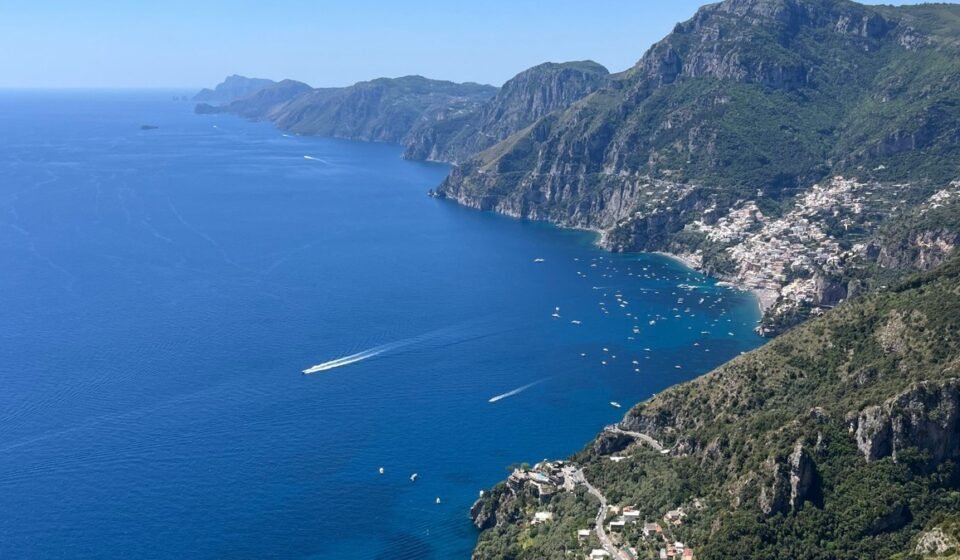
The Perfect 7-Day Amalfi Coast Itinerary: A Day-by-Day Tourist Travel Plan for First-Time Visitors (With Costs, Transport & Hidden Stops)

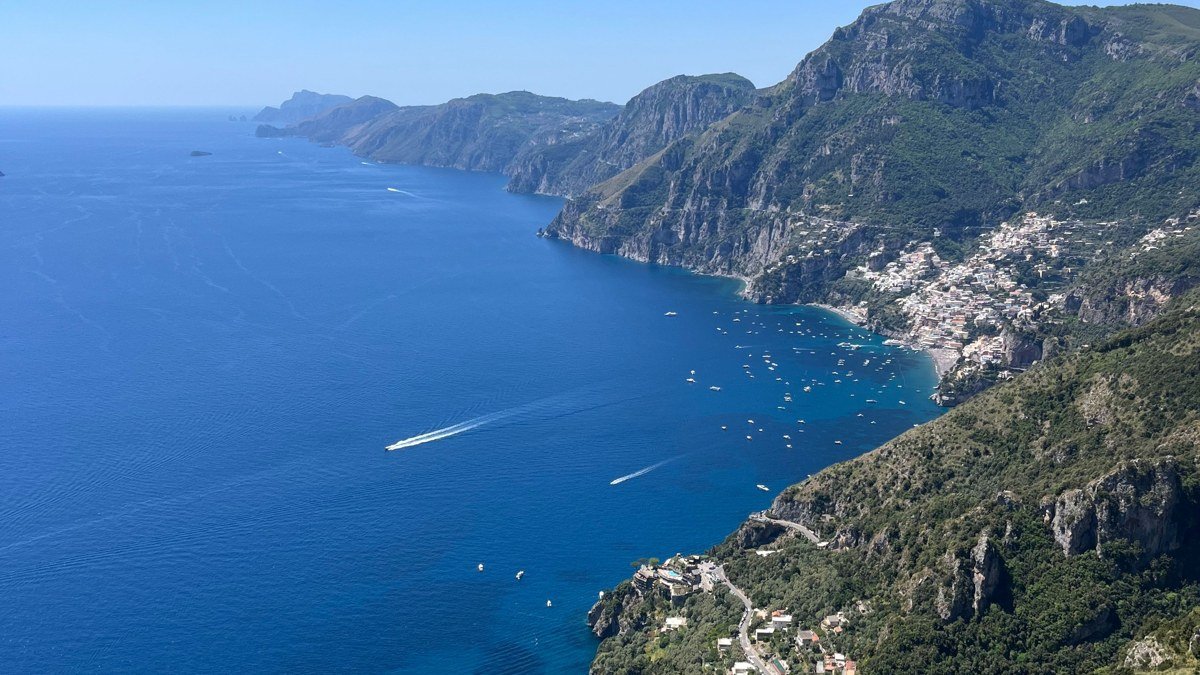
It’s 8:45 a.m. in Positano and the SITA bus you were counting on just rolled past your stop, packed to the doors, without slowing down. This is the moment most Amalfi Coast trips quietly unravel — not because the coast isn’t spectacular, but because nobody told you that road transport here is a contact sport in summer.
This 7 day Amalfi Coast itinerary is built to sidestep exactly that. I’ve done this stretch of coast in shoulder season and in the crush of August, and the difference between a magical week and a sweaty, overpriced slog comes down to a handful of decisions: where you base yourself, when you use ferries instead of buses, and which “must-see” stops you can skip in favor of quieter ones.
Below is a full day-by-day plan you can copy, with realistic costs, transport specifics, and the hidden stops that keep this from being just another list of the same five towns.
Before You Go: The 3 Decisions That Make or Break the Week
1. Where to base yourself
You do not want to change hotels every night here. The roads are slow, luggage is a nightmare, and check-in times eat your day. Pick one or two bases.
| Base town | Best for | Trade-off |
|---|---|---|
| Sorrento | First-timers, easy trains, cheaper, great transport hub | Not technically on the Amalfi Coast; 45–60 min to Positano |
| Positano | Postcard views, romance, walkability of the center | Expensive, steep stairs everywhere, hard to drive/park |
| Amalfi town | Central, ferry hub, more affordable than Positano | Less dramatic than Positano, busier port area |
| Praiano | Quiet, sunset views, local feel | Fewer restaurants/shops, need transport for everything |
My recommendation for a first visit: base in Sorrento for 3 nights, then Amalfi or Praiano for 4 nights. Sorrento gives you an easy landing and a launchpad for Capri and Pompeii; the second base puts you in the heart of the coast.
Where to sleep — Sorrento: Target the streets around the historic center and Corso Italia, roughly between Piazza Tasso and the Villa Comunale. You’ll be walking distance from restaurants, the Circumvesuviana station, and the port shuttle. Avoid rooms directly on Corso Italia itself, which carries traffic noise well into the evening; a block back is quieter and just as central.
2. Ferry over bus, almost always
Between April and October, ferries are the single best travel hack on this coast. They’re faster, you get a seat, the views beat the road, and you skip the switchback nausea. The SITA bus is cheap (~€2 for shorter hops on advance tickets) but unreliable and jammed in peak season.
Ferries run roughly Positano–Amalfi €10–15, Sorrento–Positano €18–22, Amalfi–Capri €22–25 one way. Buy a couple of days ahead in July/August via TravelMar or Alilauro; check their sites for the current schedule, which shrinks dramatically after October.
3. When to go
- Late April–early June and mid-September–October: the sweet spot. Warm, swimmable-ish sea by June, fewer crowds, ferries running, lower hotel rates.
- July–August: hot, crowded, most expensive, ferries at full schedule. Doable, but book everything early.
- November–March: many hotels, restaurants, and ferries close. Beautiful but sleepy; treat it as a different trip.
Practical Logistics (Read This First)
- Get an Italian/EU SIM or eSIM on arrival. Grab one at Naples airport or activate an eSIM before you land. Maps, live ferry schedules, and hotel messaging all depend on data, and cellular coverage on the coast is patchier than you’d expect between towns.
- Carry cash for ferries. Many of the small ticket kiosks at the marinas are cash-only or go card-down at the worst moments. Have enough euros for a couple of crossings on you at all times.
- Don’t assume restaurants take cards. In small towns like Atrani, Praiano, and Nocelle, plenty of family-run places are cash-only or “the card machine is broken tonight.” Keep €50–100 in cash as a working float.
The 7-Day Amalfi Coast Itinerary
Approximate per-person costs below assume a mid-range trip (2 people sharing a room, casual sit-down lunches, one nicer dinner or two). Solo travelers pay more per head; budget travelers can shave 30–40% with picnics and buses.
Day 1 — Arrival & Sorrento (Ease In)
Fly into Naples (NAP). Getting to Sorrento:
- Curreri bus direct airport→Sorrento: ~€10, ~75 min. Easiest option.
- Train: Naples Centrale → Circumvesuviana to Sorrento, ~€4, ~70 min, but crowded and no luggage space. Skip on arrival day.
- Private transfer: €90–130 per car, worth it if you’re jetlagged or in a group.
Check in, then don’t over-plan. Wander Sorrento’s old town, grab an aperitivo, walk down to Marina Grande (the fishing village, not the ferry port) for dinner at a seafood trattoria with your feet nearly in the water. Da Emilia, right on the water at Marina Grande, is the reliable classic — order the spaghetti alle vongole or the day’s grilled catch. Expect roughly €30–40 per person for a couple of courses, house wine, and water.
Insider tip: Sorrento’s “beaches” are mostly platforms and small strips. Manage expectations — you come here for the base and the food, not the sand.
Rough cost today: transfer €10–65 + dinner €30–45.
Day 2 — Capri Day Trip
Take an early ferry from Sorrento’s Marina Piccola to Capri (~20–25 min, ~€22 each way). Go early — the island empties of day-trippers after 4 p.m., which is exactly when it becomes wonderful.
Plan:
– Morning: Blue Grotto only if the sea is calm and the queue is short — it’s overhyped and often a 60–90 min wait for a 5-minute row-through (~€18). If it’s rough, skip it guilt-free.
– Take the funicular (~€2.20) up to Capri town, then a bus or taxi to Anacapri.
– Chairlift up Monte Solaro (~€12 return) for the best panorama on the island.
– Lunch in Anacapri (cheaper and calmer than Capri town).
– Afternoon: walk down to the Faraglioni viewpoint via the Augustus Gardens (~€1) or hike part of it.
Non-obvious tip: After visiting Villa San Michele in Anacapri, most tourists turn straight back. Instead, follow the path/road toward Punta Carena and its lighthouse (Faro di Punta Carena) on the island’s southwestern tip. It’s rarely mentioned in guides, it’s on the opposite side from the day-tripper crush, and the sunset from the rocks there — with the lighthouse sweeping and almost no crowd — is the best-value hour on Capri. There’s a swim spot and a couple of low-key bars for an aperitivo before you head back.
Ferry back to Sorrento for dinner.
Rough cost today: ferries €44 + activities €20–35 + lunch €25.
Day 3 — Pompeii + Transfer to Your Coast Base
Morning: Pompeii. From Sorrento, the Circumvesuviana train (~€3.50, ~30 min) drops you at Pompei Scavi. Entry is around €18–22; go early to beat heat and crowds. Give it 2.5–3 hours and consider a guide or the official app — the ruins are vast and unlabeled in stretches.
Afternoon: check out of Sorrento and move to your coast base (Amalfi or Praiano). Simplest route in high season: Sorrento → Positano/Amalfi by ferry (bags fit fine), then a short taxi or bus to your hotel.
Where to sleep — Amalfi: Target the streets climbing inland from the Duomo along Via Lorenzo d’Amalfi and toward the Valle dei Mulini, rather than the rooms facing the port and Piazza Flavio Gioia. The port-adjacent area is convenient but loud — early-morning delivery trucks, ferry announcements, and late-night foot traffic all funnel through there. A few minutes uphill you trade a little convenience for real quiet and often a better view.
Where to sleep — Praiano: Praiano is strung along the main coast road, so “quiet” and “convenient” pull in opposite directions. Aim for the Vettica end near the church of San Gennaro, where a cluster of B&Bs sits just off the road with west-facing sunset views. Wherever you land, confirm how many steps separate the room from the bus stop — Praiano is steep, and there are no ferries to lean on, so bus access matters.
Trade-off: If Pompeii doesn’t excite you, swap it for a lazy Sorrento morning and an earlier move to the coast. Don’t force a ruin if you’re a beach person.
Rough cost today: Pompeii €18–22 + train €7 + ferry to base €18–22.
Day 4 — Positano, the Right Way
Ferry or short bus to Positano. The town is essentially one long staircase to the sea, so wear real shoes.
- Walk down from the bus stop through the boutiques toward Spiaggia Grande.
- The beach loungers cost real money (~€20–30/person for two chairs + umbrella). The free public section on the left is smaller but does the job.
- Hidden stop: walk 10–15 minutes to Fornillo Beach — quieter, cheaper, with a couple of laid-back beach bars.
- Lunch with a view but budget accordingly; a simple pasta near Spiaggia Grande runs €16–22, and drinks add up fast.
Late afternoon, take the ferry back — the light on Positano from the water at sunset is the shot everyone wants.
Insider tip: In Positano, the number of steps between the road and your restaurant matters more than the menu. Check that before you book a “romantic” dinner you’ll have to climb 200 steps to reach after wine.
Rough cost today: transport €15–25 + beach €20–30 + lunch €30–45.
Day 5 — The Path of the Gods (Sentiero degli Dei) & a Praiano Evening
This is the day people remember. The Path of the Gods is a moderate ridge-top hike with jaw-dropping views over the entire coast.
The smart direction is Bomerano (Agerola) → Nocelle, mostly downhill:
– Bus from Amalfi to Bomerano (~€2–3, allow for connections), or a taxi if buses are packed.
– Hike is ~7–8 km, 3–4 hours at a relaxed pace with photo stops.
– Ends above Nocelle, where you descend ~1,700 steps to Positano (or grab a local bus down to the road).
Bring water, sun protection, and shoes with grip — parts are rocky and exposed. Start by mid-morning to avoid the worst heat.
The Praiano evening you should build in: Since Praiano makes such a good, quiet base, give it a proper sunset rather than treating it as a place you only sleep. Praiano faces west, so it gets the last direct light on the coast — the sun drops behind Capri and the whole village glows. Head to Bar Del Sole or one of the terraces near San Gennaro for an aperitivo (a spritz and a plate of local snacks runs ~€10–15), then walk the steps down toward Marina di Praia, the tiny cove tucked between the cliffs, for a late seafood dinner at the water. It’s the low-key, local-feeling evening that Positano can’t give you.
Rough cost today: buses/taxi €10–30 + water/snacks €10 + aperitivo €10–15 + dinner €30–45.
Day 6 — Amalfi, Atrani & Ravello (The Cultural Day)
- Morning in Amalfi: the Duomo di Sant’Andrea with its striped facade and dramatic staircase is worth the small entry (~€3). Then duck into the Paper Museum (Museo della Carta, ~€4.50), set inside a 13th-century paper mill in the cool of the Valle dei Mulini. You walk down into a stone workroom where the old water-driven mallets and wooden presses still stand, breathe in the damp, mineral smell of the mountain stream that powered them, and watch a demonstrator lift a sheet of cotton-rag paper from a vat and press it by hand the traditional Amalfi way. On a hot day the temperature drop alone is worth the ticket.
- Walk 10 minutes to Atrani — the tiny, un-touristy town most people miss. This is my favorite hidden stop on the whole coast: a real piazza, real locals, and a fraction of the crowds.
- Afternoon: bus up to Ravello (~€2, 25 min of switchbacks). Visit Villa Rufolo (~€7) and Villa Cimbrone (~€10) — the “Terrace of Infinity” is one of the best views in Italy. A clarification on the perennial “if open” confusion: Villa Cimbrone is part of the Belmond Villa Cimbrone hotel, and the historic gardens are open to day visitors for a fee. The catch is that garden access hours are set by the property and shift seasonally, so check the current times on the Belmond Villa Cimbrone website before you go rather than turning up on faith.
- Ravello is calm, refined, and cooler in temperature. If you’re here in summer, book a night at the Ravello Festival — the town’s celebrated music festival, running roughly June through September, stages orchestral and chamber concerts in the gardens of Villa Rufolo on a stage that seems to float over the sea at dusk. Program and tickets are at ravellofestival.com, and the good dates sell out, so book before you arrive.
Rough cost today: entries €15–25 + buses €6 + lunch €25–35.
Day 7 — Slow Morning & Departure
Don’t schedule anything fragile on departure day; coastal transport delays are common. Plan a slow breakfast, one last swim or espresso, then head back to Naples with buffer time.
Route options to NAP airport:
– Ferry to Naples (from Amalfi/Positano in season, ~€25–30, seasonal schedule) + taxi to airport — scenic and often fastest.
– Bus to Sorrento → Curreri airport bus — cheaper, more transfers.
– Private transfer door-to-door — ~€120–160 from Amalfi, worth it for early flights.
Insider tip: For any flight before noon, pre-book a private transfer the night before. The morning buses and ferries can’t be trusted with a flight on the line.
Sample Budget (Per Person, Mid-Range, Shoulder Season)
| Category | 7-day estimate |
|---|---|
| Accommodation (7 nights, sharing) | €700–1,200 |
| Ferries & transport | €120–180 |
| Attractions & entries | €90–140 |
| Food & drink | €280–420 |
| Buffer / extras | €100 |
| Total | ~€1,300–2,000 |
Anchor example to stress-test the range: a mid-range double room in Amalfi town in shoulder season typically runs €150–200/night, so budget accordingly — pull up a couple of real searches for your dates and see where you land against that figure. Peak August can push the whole trip 30–50% higher. Budget travelers basing in Sorrento, eating picnics, and riding buses can do the week closer to €900–1,100.
Common Mistakes (The Non-Obvious Ones)
- Changing hotels every night. The slow roads and rigid check-in times make this exhausting. Two bases, max.
- Trusting the SITA bus in peak season. It’s cheap but frequently full or late. Use ferries as your backbone and treat buses as a backup.
- Driving your own car. Parking is scarce and expensive (€25–40+/day where you can find it), the road is white-knuckle, and locals will tailgate you around blind curves. Unless you’re staying in a remote villa, don’t.
- Doing the Path of the Gods in the wrong direction. Nocelle→Bomerano means climbing those 1,700 steps up in the sun. Go Bomerano→Nocelle.
- Booking a “sea view” that’s actually a partial-glimpse-past-another-building view. Ask for photos taken from the actual room.
- Underestimating stairs. Positano and much of the coast is vertical. If mobility is a concern, base in Amalfi (flatter) and lean on ferries.
- Doing the Blue Grotto no matter what. If the sea is choppy it closes or becomes a miserable wait. It’s optional, not obligatory.
Honest Trade-Offs
- Positano vs Amalfi as your coastal base: Choose Positano for looks and romance if budget is loose and stairs don’t scare you. Choose Amalfi for value, flatter walking, and better ferry connections.
- Capri vs a beach day: Capri is stunning but a long, pricey day. If you’re tired or the ferry weather looks rough, swapping it for a relaxed beach day is a legitimate upgrade, not a failure.
- Guided tours vs DIY: For Pompeii, a guide genuinely adds value. For the towns and ferries, you don’t need one — the coast is easy to navigate independently once you understand the ferry schedule.
- Shoulder season vs August: Shoulder season wins on nearly every metric except guaranteed hot swimming weather. Go in June or September if you have any flexibility.
The One Thing to Do First
Right now, before booking hotels, pull up the TravelMar and Alilauro ferry schedules for your travel dates and sketch your days around the boats — not the buses. Lock your two base towns, book those accommodations early (coastal rooms sell out months ahead in summer), and reserve a private transfer only for your departure morning.
Do that, and the version of this trip where you’re stranded at a Positano bus stop simply never happens. Instead you get the Amalfi Coast the way it’s meant to unfold: unhurried mornings on a ferry deck with the cliffs sliding by, a quiet aperitivo in Praiano while the sun drops behind Capri, a hand-pressed sheet of paper in a cool stone mill, and music floating over the sea in Ravello at dusk. The coast rewards the traveler who plans just enough to stop fighting the logistics and start noticing the light. Plan the week right, and what you’ll carry home isn’t a checklist of five famous towns — it’s the feeling of having actually lived on this coast for seven days rather than merely rushing through it.