
Timing is the difference between standing in cold water with a coffee in your hand and standing on a deck squinting down at a creek you can hear but never reach. Take Deep Creek near Bryson City, North Carolina, in late May, when the water is high enough to matter but warm enough to sit in, against that same stretch of water in August, low and slow and shared with forty tubers. Same creek, same cabin, completely different trip. Every listing says “creek access.” Very few of them tell you which month that access is worth having.
A quick note before you dive in: two of the nine areas below, Elkmont and Cataloochee, don’t have bookable cabins at all anymore. They’re worth the drive, but you’ll stay elsewhere and visit the creek as a day trip. Details on where to actually book are in each entry.
Booking a Smoky Mountain cabin around water means booking around runoff, road closures, and crowds, not just around your own vacation calendar. Below are nine creek areas around Gatlinburg, Pigeon Forge, and Townsend, Tennessee, and Bryson City, North Carolina, ordered by the month each one actually peaks. Use it as a calendar, not a ranking.
Roaring Fork, Gatlinburg, Tennessee, best in early April
Roaring Fork Motor Nature Trail closes every winter and typically reopens in early April, though the National Park Service sets the exact date based on storm debris cleanup and washout checks on the one-way loop, so confirm current status on the park’s website before you book. Early April gets you snowmelt volume without the wading-pool crowds of June, and the rhododendron hasn’t leafed out enough to block your creek view from the porch yet. Go in July instead and you’ll fight for the pull-offs along the Trail just to let your kids touch the water. Cabins here run through companies like Cabins USA and Parkside Cabin Rentals, and it’s worth booking on the Cherokee Orchard end, not deep in the loop, so you’re not stuck behind sightseeing traffic every time you leave for groceries.
Little Pigeon River, Gatlinburg, Tennessee, best in late April
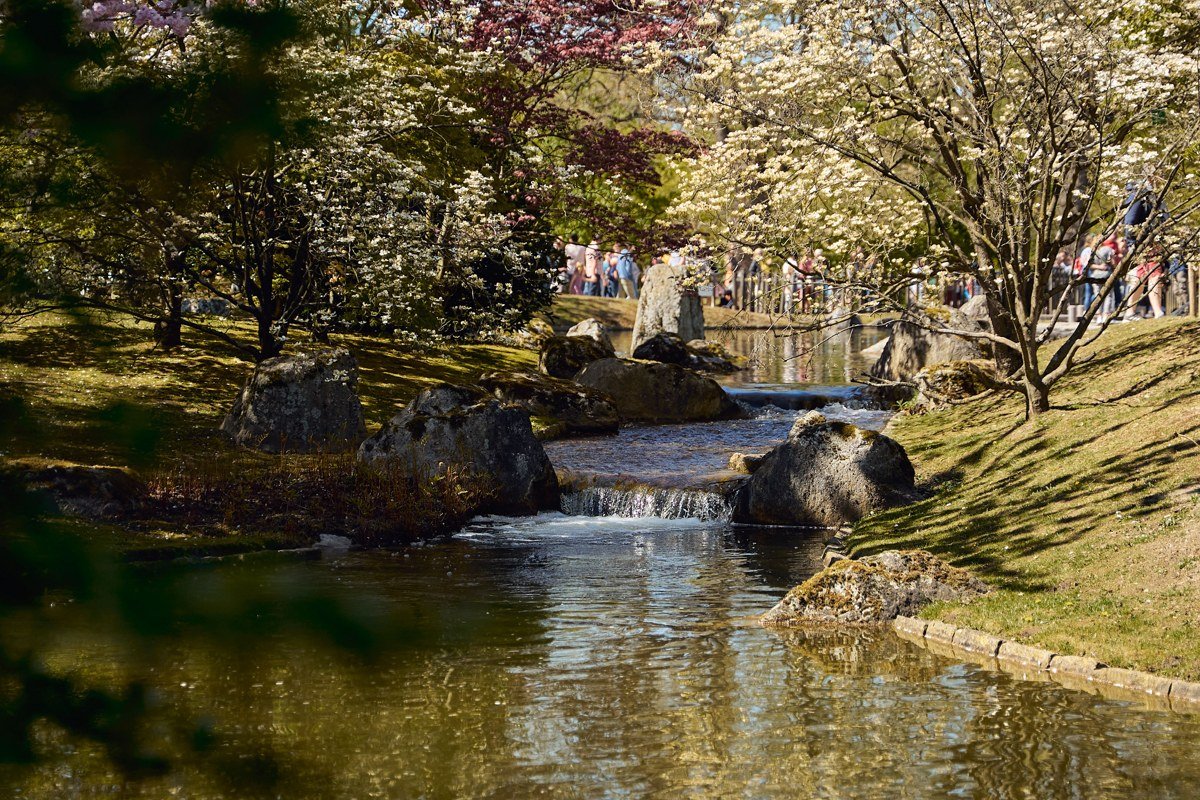
This is the river most Gatlinburg cabin listings mean when they say “creek,” and it runs wide enough near town that a handful of properties, including several in Timber Tops’ and Eden Crest’s river cabin lineups, have genuine, flat, walkable bank instead of a steep drop. Late April brings dogwood bloom along the banks and water that’s cleared from the March runoff but still cold enough that you won’t want more than your ankles in it. Wait until deep summer and the same stretch turns into a tubing corridor, loud from mid-morning on. If a listing says “riverfront,” ask the rental company for photos of the actual bank grade. Plenty of these lots end in a retaining wall, not a beach.
Wears Valley, Tennessee, best in early May
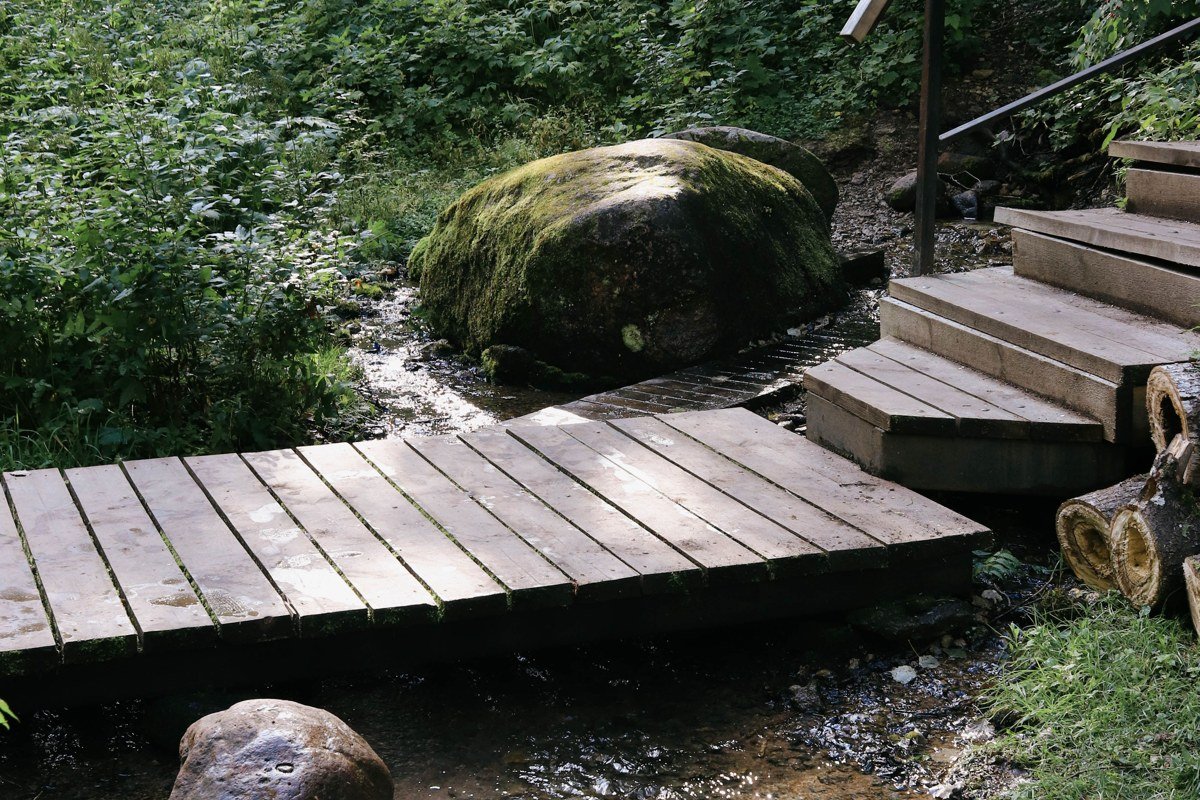
Wears Valley sits between Pigeon Forge and Townsend, quieter than either, and several of its cabin clusters, the kind you’ll find listed under names like Hidden Springs Resort, back onto small, spring-fed creeks with actual footbridges rather than a view from forty feet up. Early May gives you full water flow, wildflowers still going, and rates that haven’t jumped to summer pricing yet. A one-bedroom creekside cabin here typically runs $130 to $180 a night in early May, compared to $220 and up once June arrives. The tradeoff: a few access roads are gravel and get soft after heavy spring rain, so ask specifically whether your cabin’s road is paved before you commit an SUV-less rental car to it. This is also the stretch where “private pool” and “creek access” overlap most often, useful if your group can’t agree on one or the other.
Elkmont, Tennessee (day trip only, no cabin rentals), best in mid-May
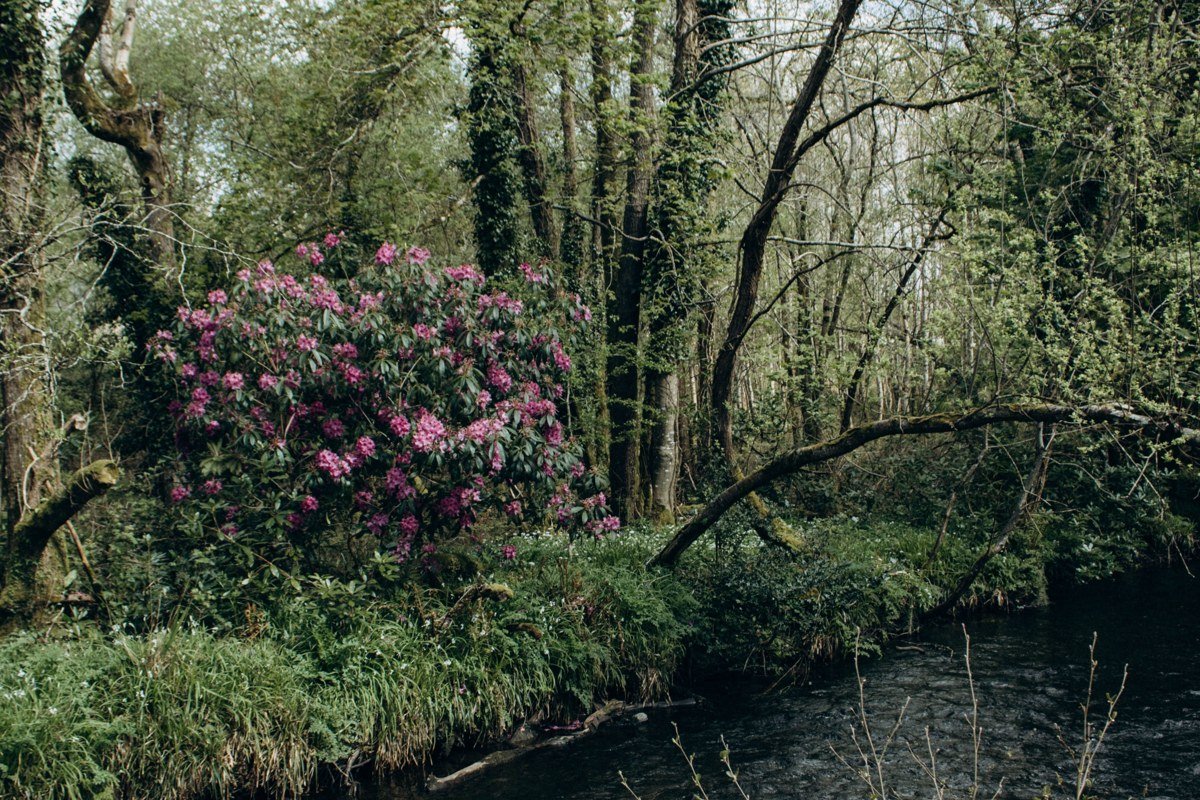
Elkmont isn’t a rental cabin district. Most of the old cottages are preserved ruins inside the national park, maintained as a historic district rather than lodging, but it’s worth including because so many searchers land here expecting bookable cabins and find historic structures instead. Stay in a nearby Gatlinburg or Townsend rental and day-trip to walk the river trail past the old cabins, which runs right along the Little River the whole way. Mid-May is generally the window for the synchronous firefly event nearby, but it moves year to year depending on weather and requires an advance lottery reservation through recreation.gov, not a walk-up ticket. Check the park’s current-year dates and apply well before your trip if that’s the draw; the lottery opens and closes months in advance. Skip August here entirely: the river’s low, the fireflies are done, and you’re just looking at old foundations in the heat.
Greenbrier, Tennessee, best in late May
Greenbrier is the quiet cousin of Roaring Fork, a Gatlinburg-adjacent section of the park with a gravel entrance road that a lot of GPS apps still route people around by mistake. Cabins on its edge back onto rocky, shallow creek sections perfect for actual wading, not the deep pools people picture. Late May is the sweet spot: water’s up from spring rain, the road (paved for the first couple miles, then gravel) is dry and graded, and the crowds haven’t shifted from Cades Cove yet. Locals sometimes call this area overrated for exactly this reason: no big swimming holes. If that’s what you want, go to Metcalf Bottoms instead, ten minutes away, which has an actual designated picnic and wading area with parking.
Townsend, Tennessee, best in June
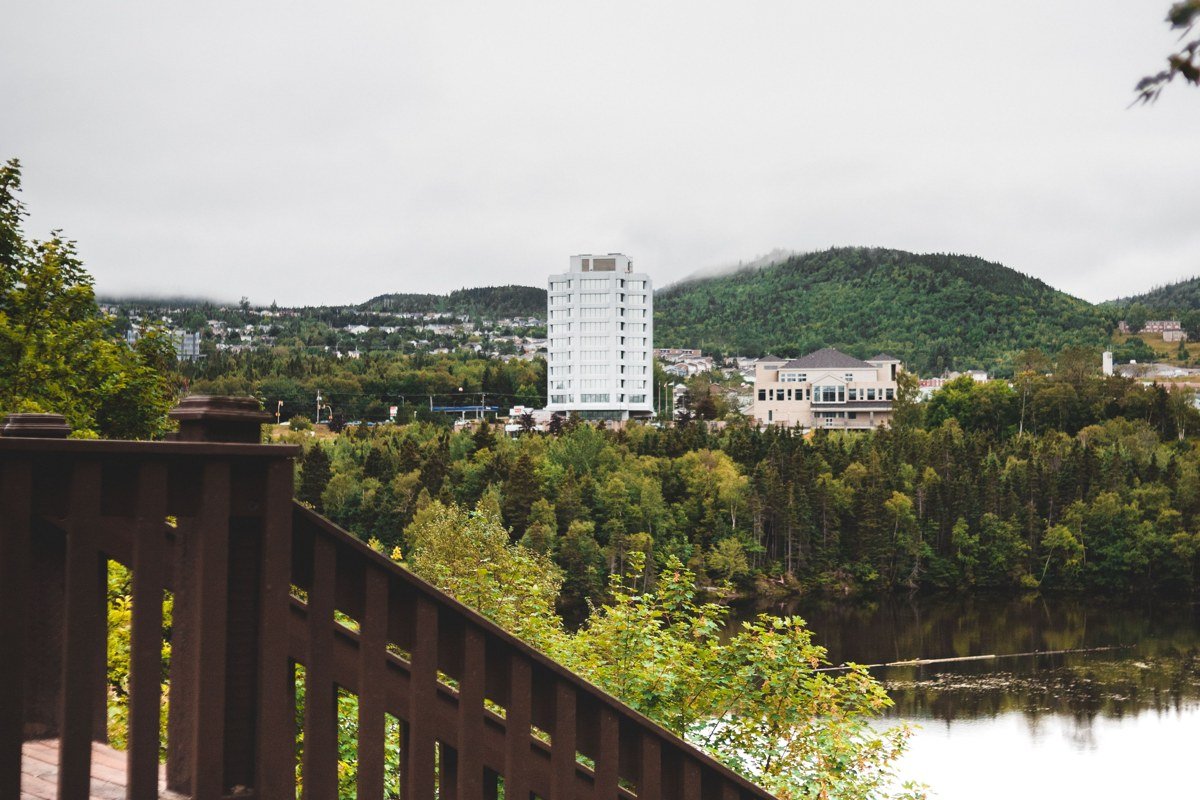
Townsend calls itself “the peaceful side of the Smokies,” and it earns that mostly through zoning. Fewer high-rise chalets, more cabins set directly on the Little River with actual stairs down to the bank instead of a scenic overlook. Peak summer nightly rates for a riverfront cabin here run $250 to $350; the same cabin in June, before the Fourth of July rush, often books for $190 to $250. June is when the water’s still cool enough for tubing without a wetsuit and the crowds haven’t peaked yet. Book anything with real river frontage at least four to five months out. The good ones, single-story, walkable bank, private dock or steps, go first, and Smoky Mountain River Rentals and similar local agencies sell through those fast. July and August get crowded with tubers renting from outfitters right in town, so if quiet matters more than convenience, June wins.
Deep Creek, Bryson City, North Carolina, best in late June
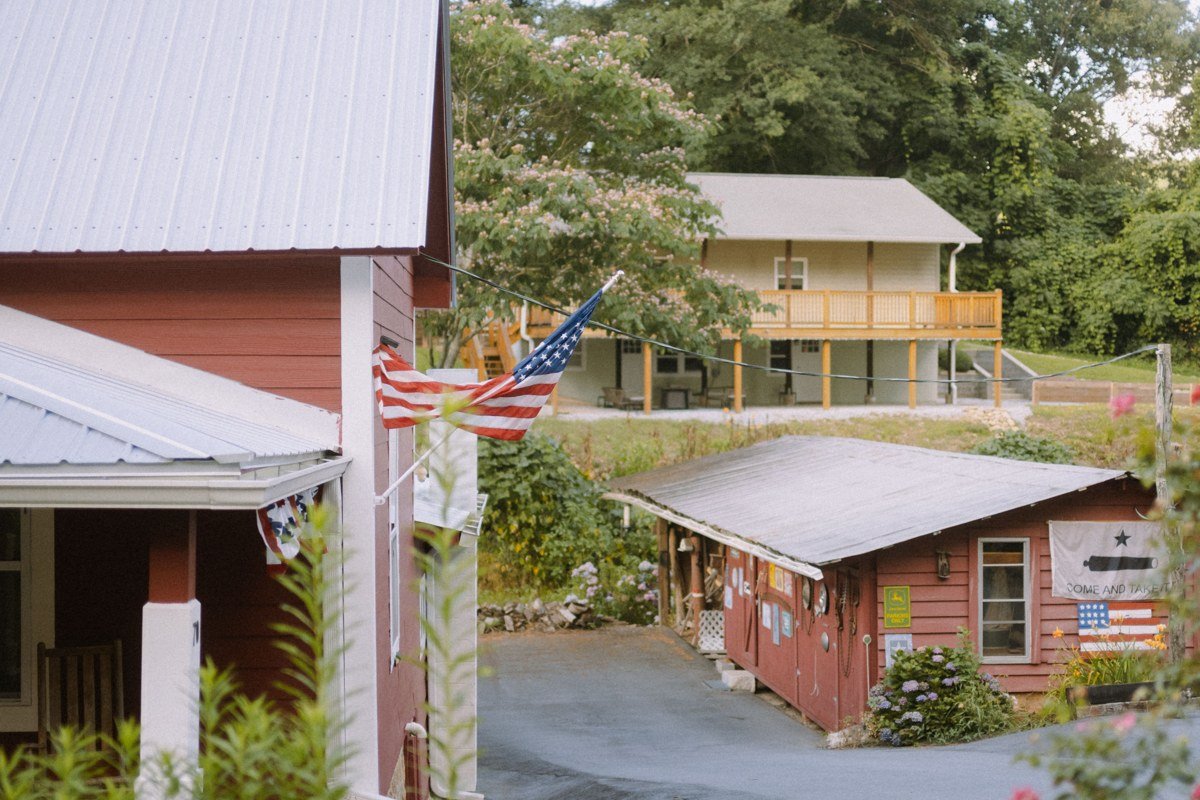
Deep Creek sits on the North Carolina side of the park, about a ninety-minute drive from Asheville and roughly three hours from Atlanta. It’s built for tubing in a way Tennessee’s creeks generally aren’t: there’s a designated tubing area with outfitter rentals, including Deep Creek Tube Center and Rowdy’s, right at the trailhead. Cabins a short walk from the creek entrance, several bookable through Deep Creek Cabin Rentals, let you skip the shuttle and just carry your own tube down. Late June has full water flow and summer warmth without the July crush, when trailhead parking fills by mid-morning. Outside summer, this creek is beautiful but genuinely cold, better for photos than for wading, so don’t book a “creek cabin” here in October expecting to get in the water.
Cataloochee Valley, North Carolina (day trip only, no cabin rentals), best in early September
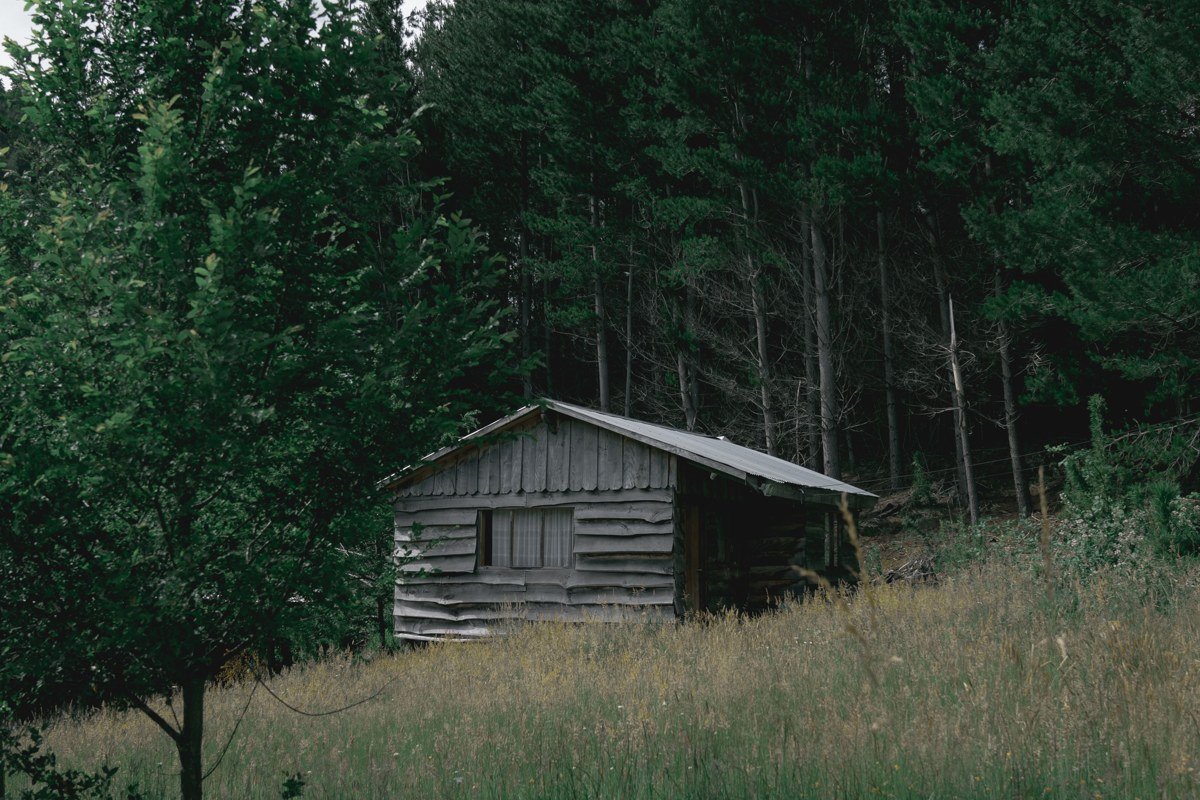
Cataloochee is the least-visited section of the national park on either state side, reached by a winding, partly gravel road that keeps casual sightseers away. There is no lodging inside the valley itself, and no cell service once you’re in it. Early September brings cooler nights, the start of elk rutting season in the meadows, and creek water low enough to cross safely but still flowing. Go in spring instead and you’ll deal with a muddier access road and higher, colder water that’s less pleasant underfoot. Book a cabin in Maggie Valley or Waynesville, both about 30 to 45 minutes out, and treat the creek and elk-viewing as a half-day trip rather than trying to stay inside the valley.
Cosby, Tennessee, best in late September
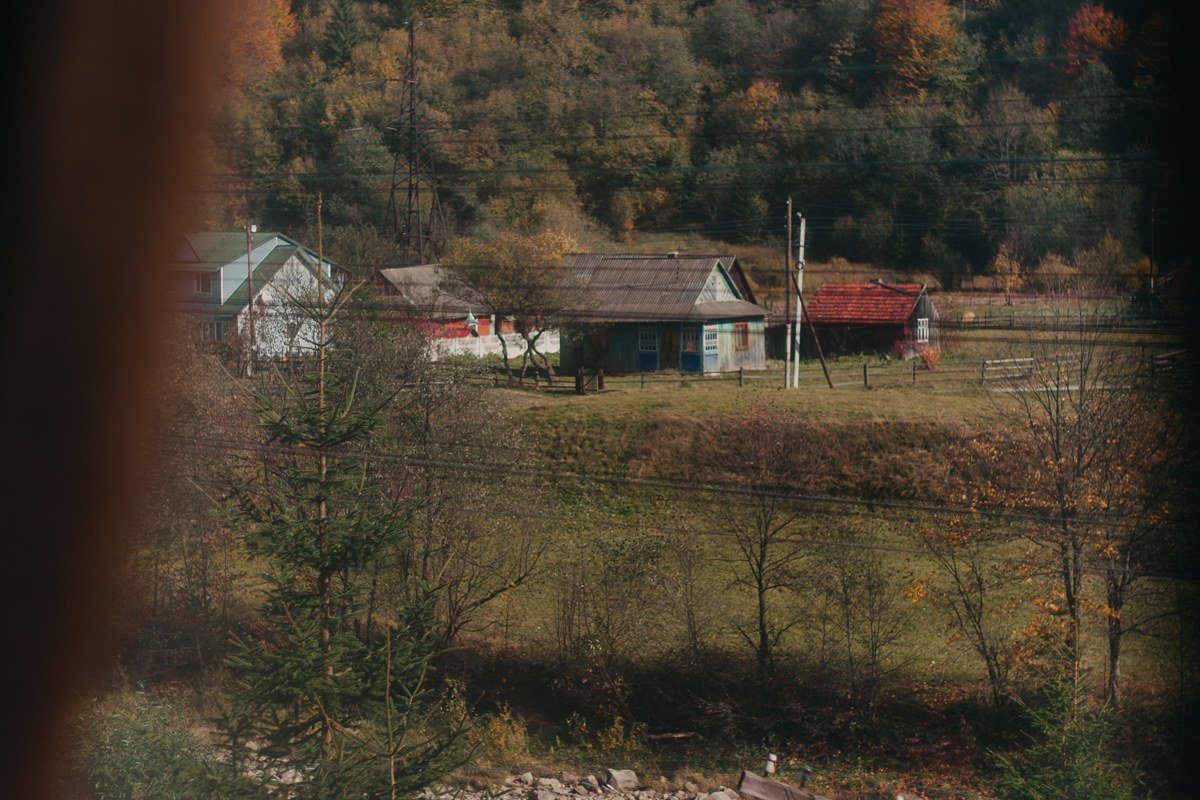
Cosby sits on the quiet northeastern edge of the park, past Gatlinburg’s crowds. Cabins here back onto smaller, steeper creeks fed by high-elevation runoff that stays cold even in summer. Late September: crowds thin from their summer peak, leaf-peeping traffic hasn’t yet clogged Newfound Gap Road, and the creek runs clear after the season’s storms pass. It’s a narrow window, maybe three weeks, before nighttime temperatures drop enough to make wading unpleasant. Fall foliage here tends to run about a week behind the higher elevations. Color and warm feet in the same trip, that’s the trade this area offers that a cabin higher up the mountain can’t.
Month by month
- January: none of these peak, but Gatlinburg cabins are cheapest and least crowded if you don’t need the water
- February: same, off-season rates, creeks are running high and cold, not for wading
- March: Roaring Fork Motor Trail typically reopens (check the park’s current-year dates), scout, don’t wade
- April (early): Roaring Fork, Gatlinburg
- April (late): Little Pigeon River, Gatlinburg
- May (early): Wears Valley
- May (mid): Elkmont, Tennessee (day trip only)
- May (late): Greenbrier, Tennessee
- June: Townsend
- June (late): Deep Creek, Bryson City
- July/August: expect crowds and low, warm water everywhere on this list, book only if quiet isn’t the priority
- September (early): Cataloochee Valley (day trip only)
- September (late): Cosby
- October/November: foliage is stunning but creeks run cold, better for a view cabin than a wading trip
- December: off-season quiet returns, some roads (Roaring Fork, Cataloochee’s approach) may close after snow