
Most people book their Zion trip around the wrong calendar. They pick a date based on school breaks or flight prices, then discover at 7am in the shuttle line that Utah picked that same week to send a huge crowd into Zion Canyon. The shuttle is mandatory for canyon-floor trailheads during the main season (roughly April through October) and it solves the park’s traffic problem, but it also means your trip’s quality depends on timing, not just on showing up. A few entries below, the Narrows and Angels Landing, don’t actually skip the shuttle at all; you still ride it to the trailhead. What you’re timing there is crowding and risk, not the bus. The other seven trailheads genuinely sit outside the shuttle zone and you can drive straight to them, any month of the year.
Before any of this: Zion’s entrance fee is $35 per vehicle, good for seven days (America the Beautiful annual passes are accepted). Angels Landing requires a separate permit on top of that. The shuttle itself requires no extra reservation or ticket, just a wait in line, though some recent seasons have piloted a reservation system for the Zion Canyon shuttle during the busiest months, so check the park’s current alerts before you go. Below are nine trailheads, arranged by the month each one peaks.
Kolob Canyons, Utah – best in early April
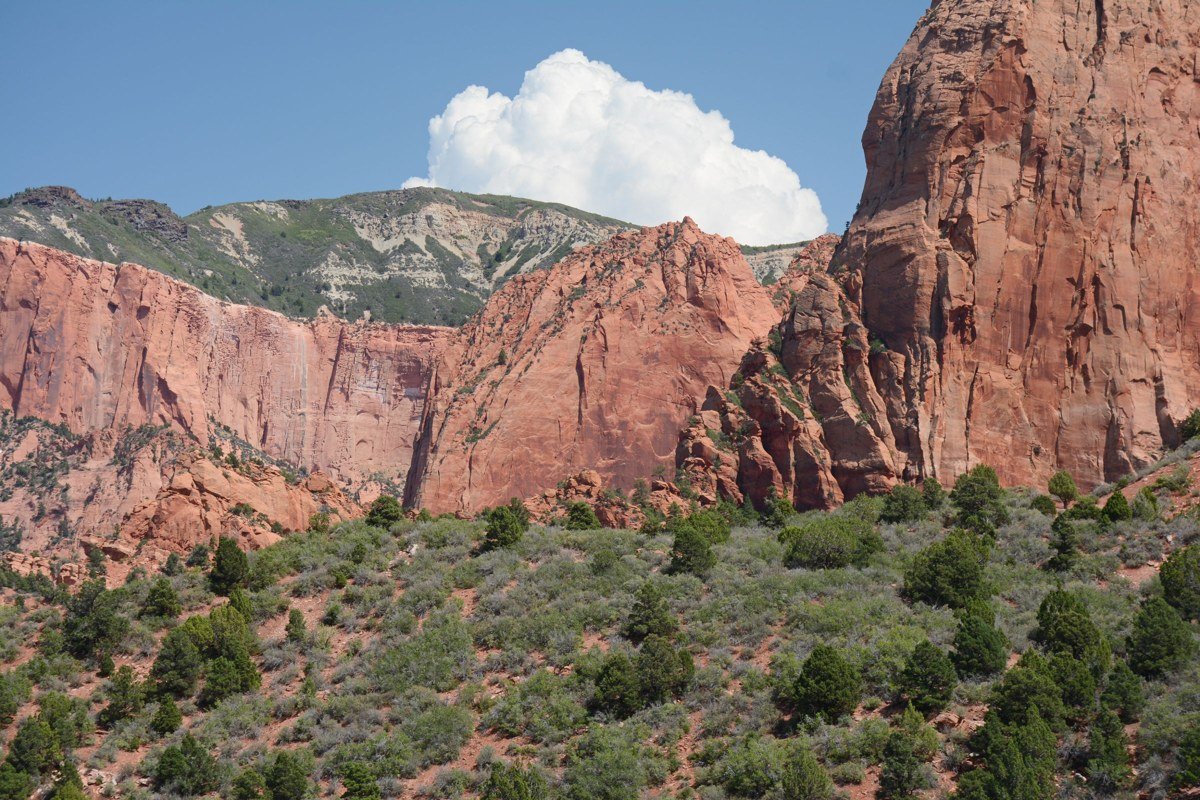
Kolob Canyons is the part of Zion most visitors never see: a separate entrance off I-15 about 40 miles north of the south entrance town of Springdale. It has its own visitor center, its own five-mile scenic drive, and no shuttle system at all. The Taylor Creek Trail here runs 5.4 miles round trip to the Double Arch Alcove, with about 450 feet of elevation gain, and takes most hikers three to four hours. Early April brings wildflowers low in the canyons, snow still on the high points, and daytime temperatures typically in the 60s, which makes the trail pleasant rather than punishing. Come back in July and the same trail is shadeless and hot by mid-morning. The visitor center parking lot is small and fills by mid-morning even in shoulder season, so get there early. Entry is covered by the standard park pass; no separate fee.
The Narrows (bottom-up), Utah – best in mid-May
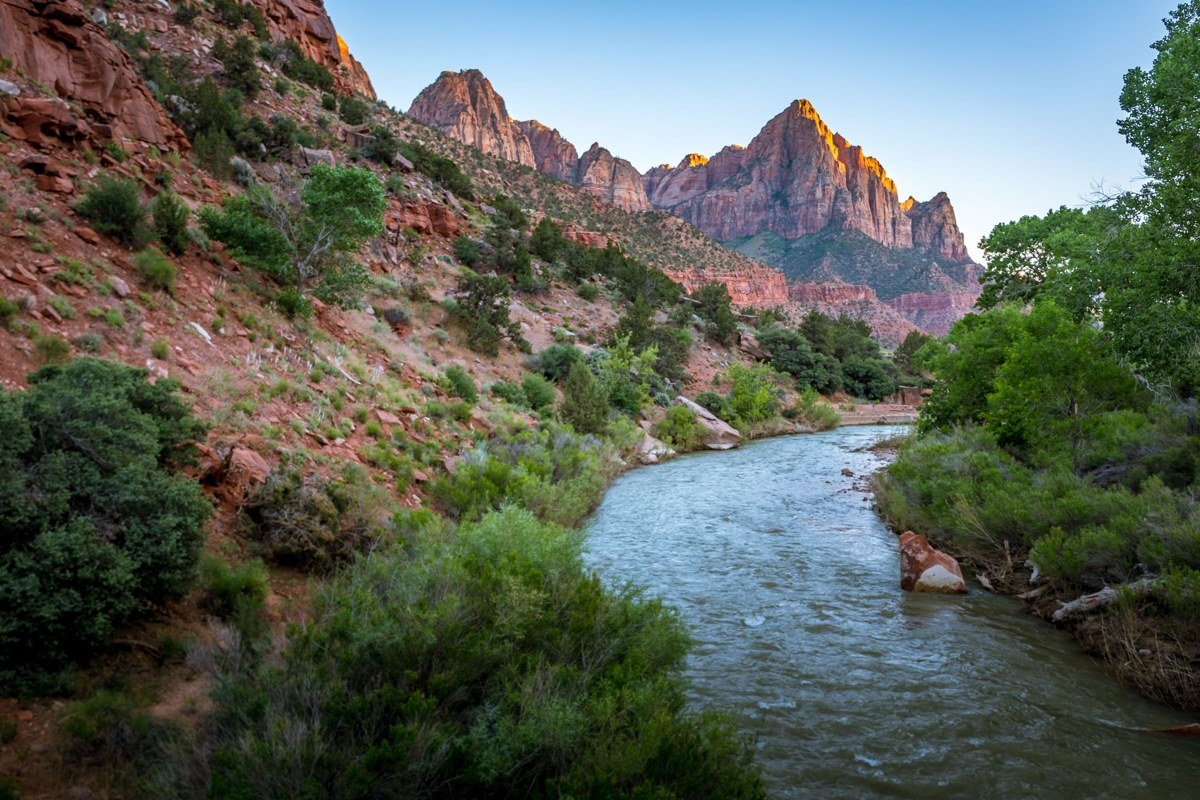
The Narrows is the hike everyone searches Zion for, and here timing is about survival, not crowd avoidance. You still take the shuttle to the last stop, Temple of Sinawava; the bottom-up route starts there and you walk upstream in the river itself. A short round trip to the first major bend and back can be done in two to three hours; hiking as far as Big Spring, a popular turnaround, runs closer to 10 miles round trip and 6 to 8 hours, with minimal elevation gain but constant river crossings over uneven rock. Flow volume and water temperature matter more than weather. Mid-May usually threads the needle: spring runoff has dropped enough that the river isn’t dangerously high, but it hasn’t warmed into the algae-heavy flow of late summer. Hike during peak snowmelt (often into April) and you risk closure from high water; hike during a monsoon week in August and you risk a flash flood warning that shuts the canyon with no notice, since this is one of the most dangerous places in the park to be caught in a storm. The paved Riverside Walk from Temple of Sinawava to the Narrows’ mouth needs no permit. Only the top-down, full-canyon route (hiked from outside the park, roughly 16 miles) requires a wilderness permit, booked separately from the Angels Landing lottery.
Angels Landing, Utah – best in late May
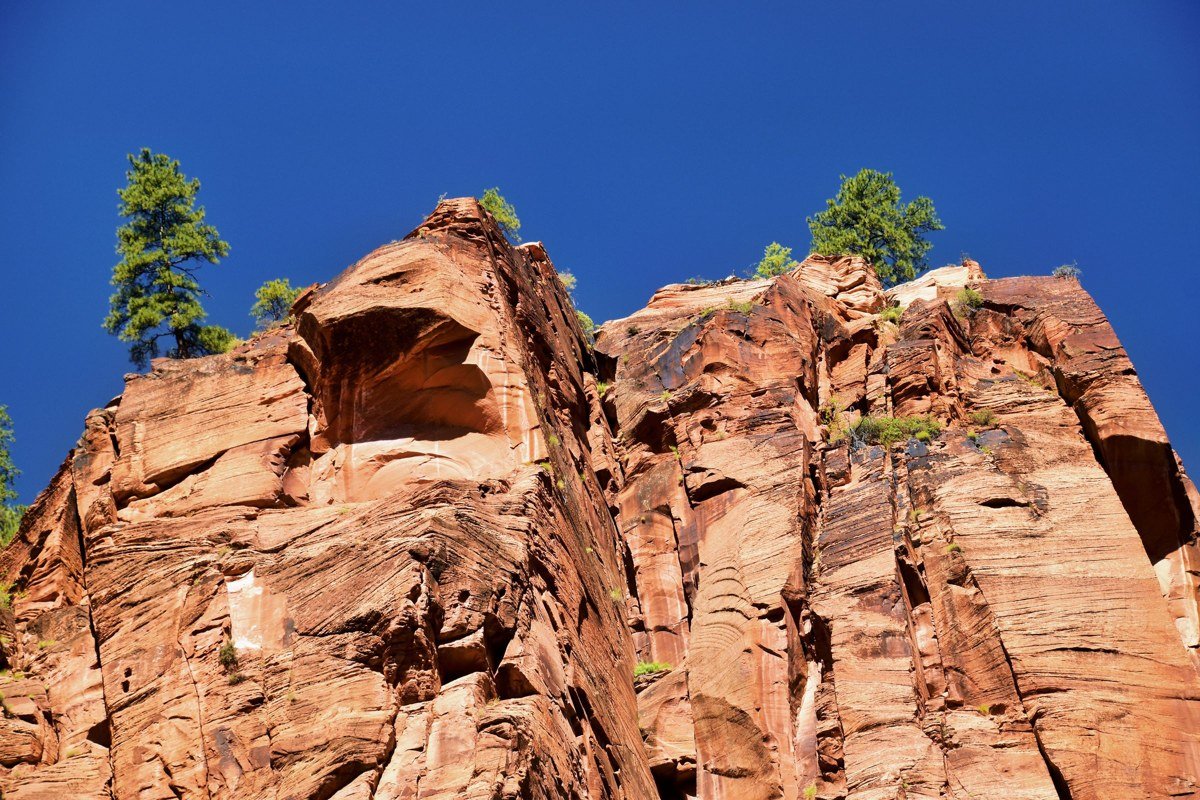
Angels Landing also still requires the shuttle to Grotto trailhead; the permit system layered on top of your park pass is a crowd-and-safety control, not a shuttle alternative. The trail itself is about 5 miles round trip with roughly 1,500 feet of elevation gain, and most hikers take 4 to 5 hours including the exposed chain section near the top. Permits are issued through a seasonal lottery and a day-before lottery, each with a small non-refundable application fee. Late May gets you long daylight, drier chain sections, and better odds in the day-before lottery than the compressed midsummer rush. Miss your permit window and there’s no talking your way past the ranger checking wristbands at Scout Lookout. Summer heat is brutal on the exposed sandstone, but the bigger problem is volume: the narrow chain sections back up into a standing line, and that’s where falls happen. If you didn’t win the seasonal draw, apply for the day-before lottery the evening you arrive in Springdale.
Observation Point via East Mesa Trail, Utah – best in early June
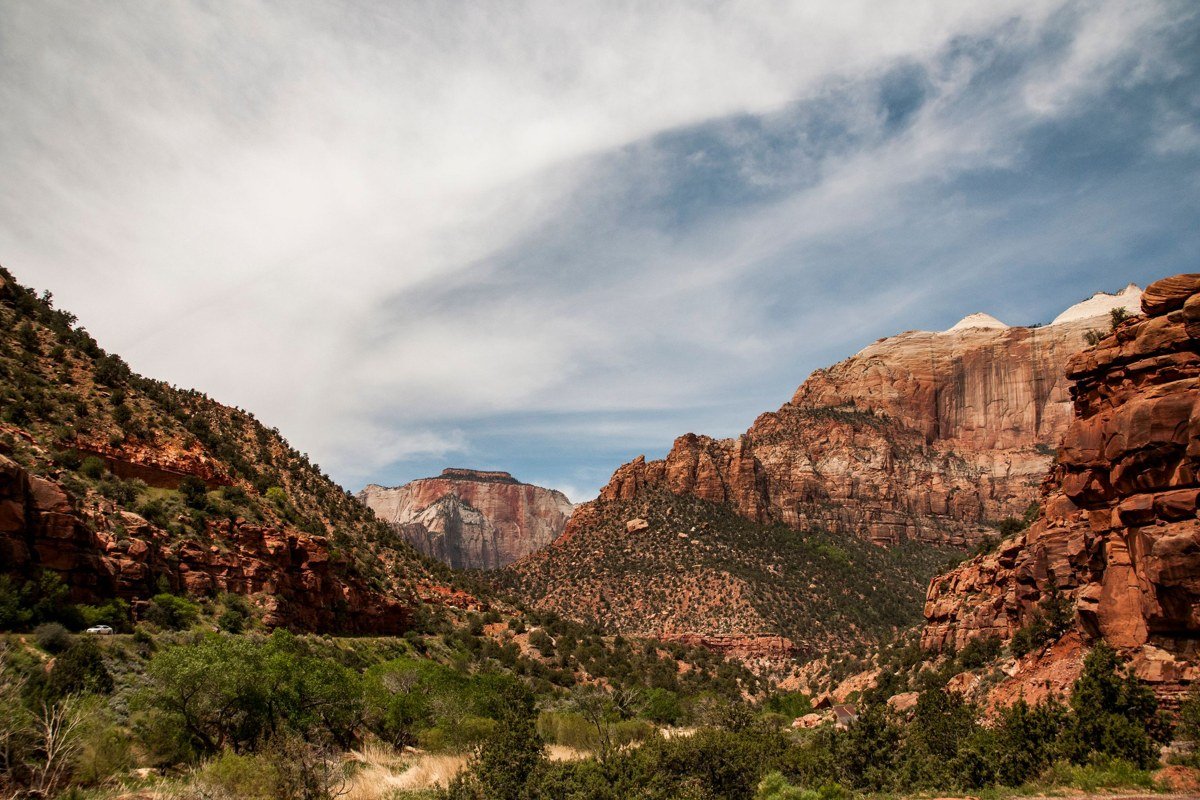
This is the trailhead that actually lets you skip the shuttle for a canyon-floor view. East Mesa Trail starts outside the park boundary, off a gravel road near Zion Ponderosa Ranch, and reaches Observation Point in about 6.5 miles round trip with roughly 700 feet of elevation gain, a 3 to 4 hour hike. Compare that to the traditional route from Weeping Rock: about 8 miles round trip with over 2,000 feet of gain, and a trailhead that’s been closed at times due to rockfall. Early June works because snowmelt has usually cleared the gravel access road (rough or rutted earlier in spring), and the heat that bakes the canyon floor by July is milder up on the plateau. High clearance helps on that access road; four-wheel drive isn’t required in dry conditions.
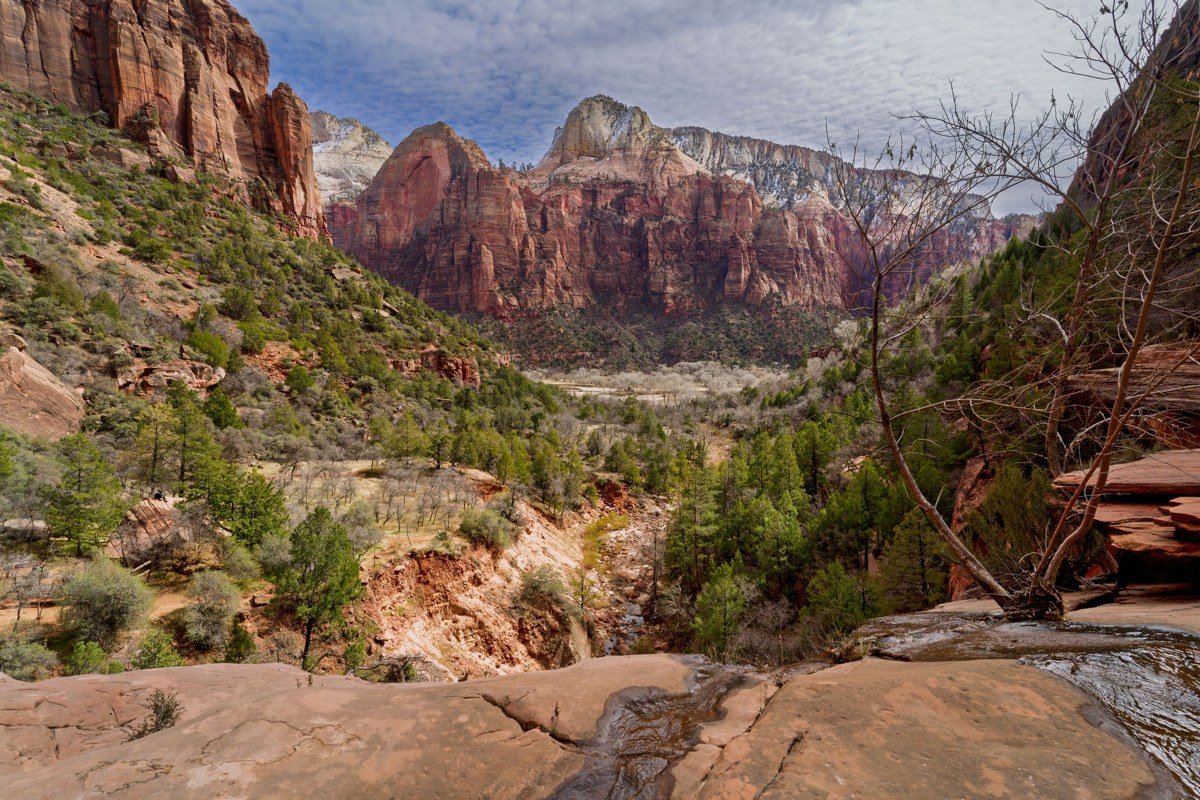
Zion Canyon Scenic Drive, Utah – best November through February
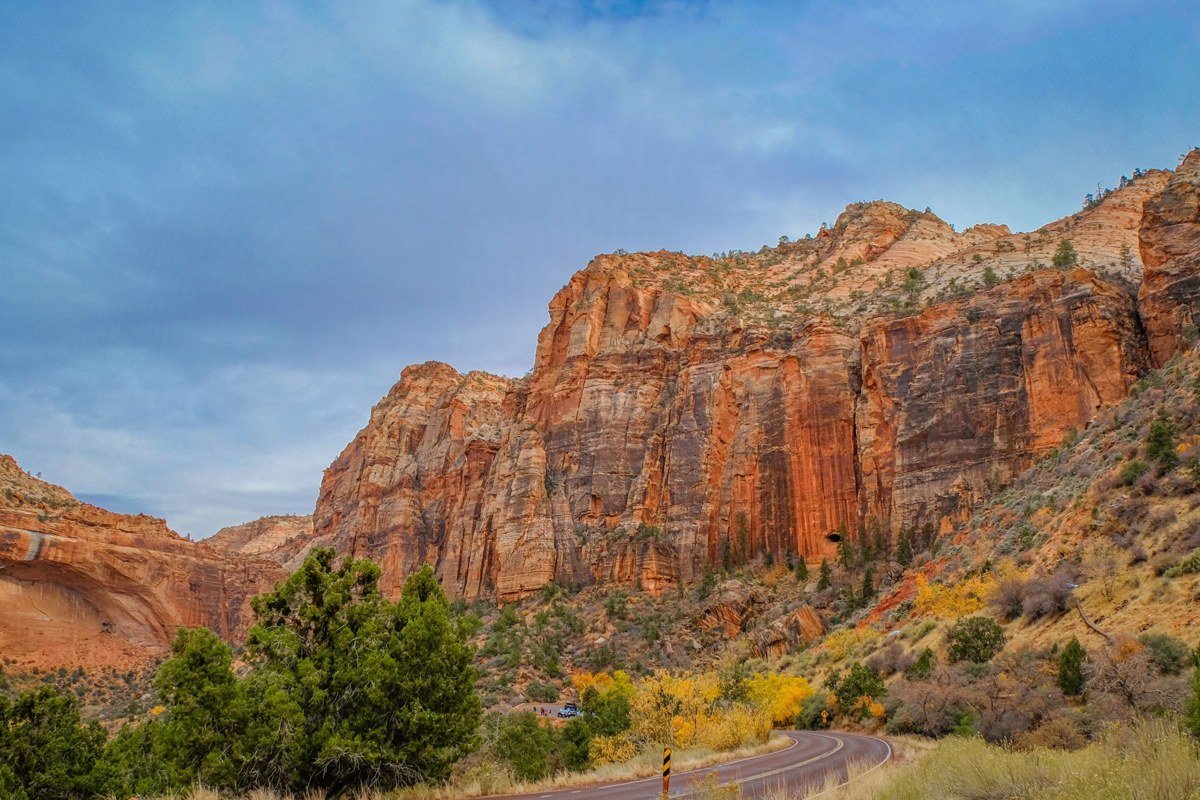
The Scenic Drive is the 6-mile road past the Zion Canyon Visitor Center, Temple of Sinawava, and the main canyon trailheads. Outside shuttle season, roughly late November through February, it’s open to private vehicles with no shuttle required at all. During the shuttle season, the road is closed to private cars, full stop; there’s no reliable early-morning exception, so don’t plan a summer trip around sneaking a car through. If you want to drive this road yourself, the dependable way to do it is to visit in winter. Parking at the main pullouts (Temple of Sinawava, Weeping Rock, the Grotto) is limited and fills on clear winter weekends, but traffic is nothing like summer.
Kolob Terrace Road (Lava Point and Subway access), Utah – best in late June
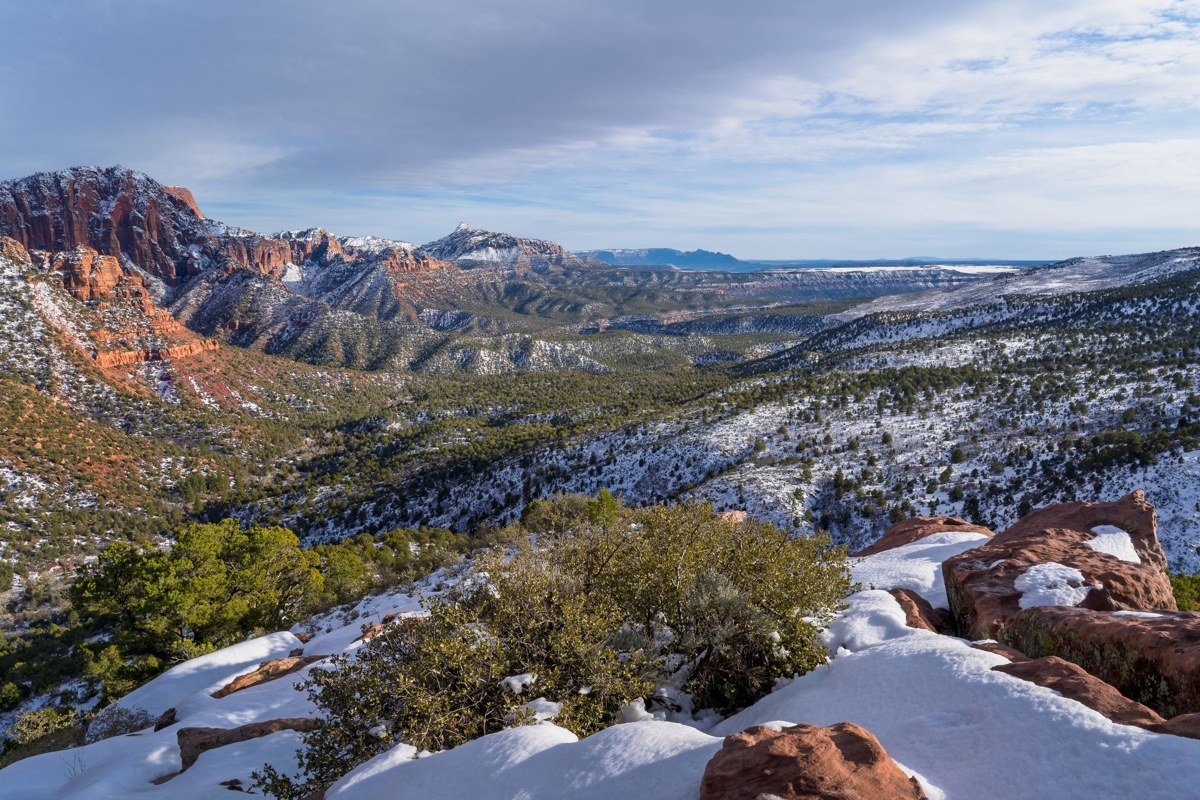
Kolob Terrace Road branches off SR-9 at Virgin, Utah, climbing from desert into pine forest. It’s entirely outside the shuttle system; this is a separate, car-accessible route year-round when it’s open. Late June is the sweet spot: the road has usually cleared of snow by then (it can stay closed or icy into May near Lava Point), and you beat the worst of the monsoon season, which turns the Subway’s narrow canyon into a flash-flood risk. In winter the road is typically gated at higher elevations. The Subway requires its own permit, a separate lottery from Angels Landing’s and booked months ahead, so build your travel dates around the permit result rather than the other way around. The bottom-up Subway route is about 9 miles round trip with roughly 1,600 feet of elevation loss and gain combined, and takes most permit holders 7 to 9 hours.
Zion Lodge grounds and Emerald Pools, Utah – best in mid-September
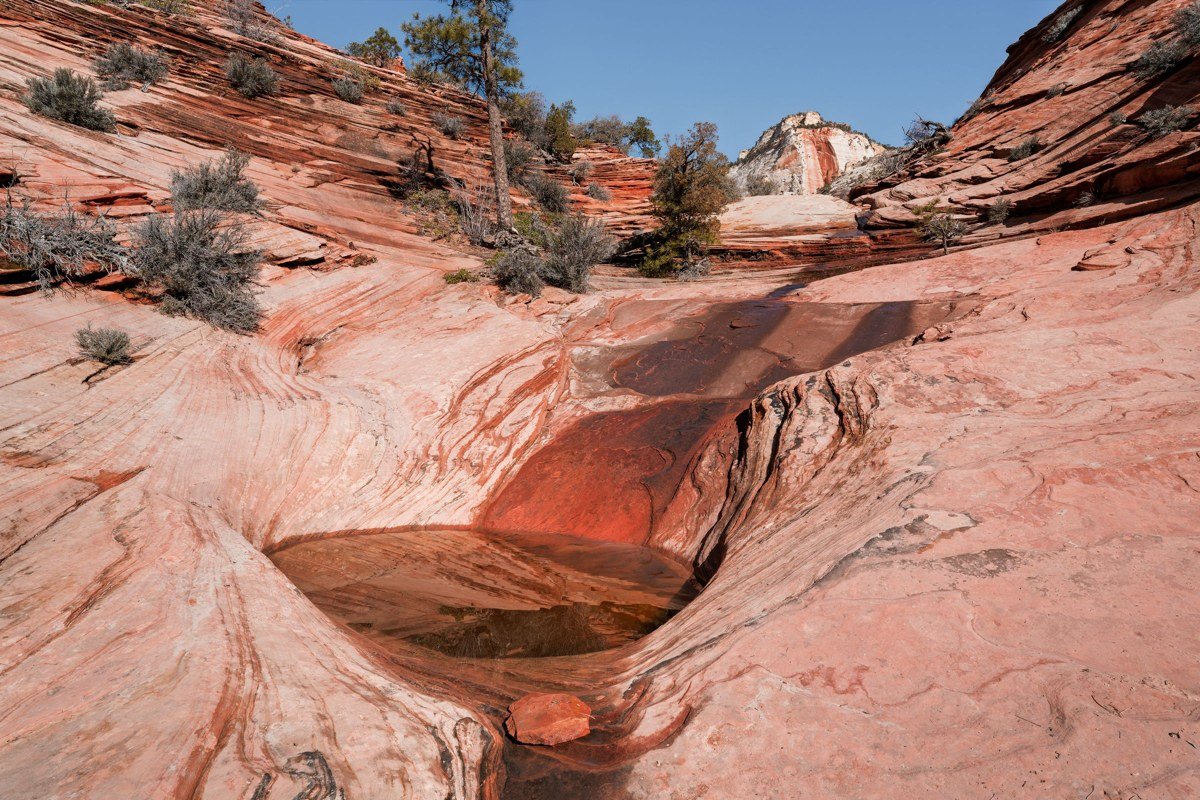
Zion Lodge is the only in-park lodging, sitting at its own shuttle stop, but the Lower Emerald Pools trailhead is a short walk away, and overnight guests get a small lodge parking area that skips the shuttle lot entirely on arrival and departure days. The Lower and Middle Emerald Pools loop is about 2 miles round trip with under 400 feet of elevation gain, an easy 1.5 to 2 hour walk; the Upper Pools add another mile and more climbing. Mid-September falls after the mid-July-to-mid-September thunderstorm window (afternoon storms here bring real flash flood risk into the pools’ drainage) but before summer crowds have fully thinned. Book the lodge six to twelve months out; it’s the only hotel inside park boundaries and fall weekends sell out first. In July and August, avoid lingering on the pools trail past noon when storms build.
Canyon Overlook Trail, Utah – best in early October
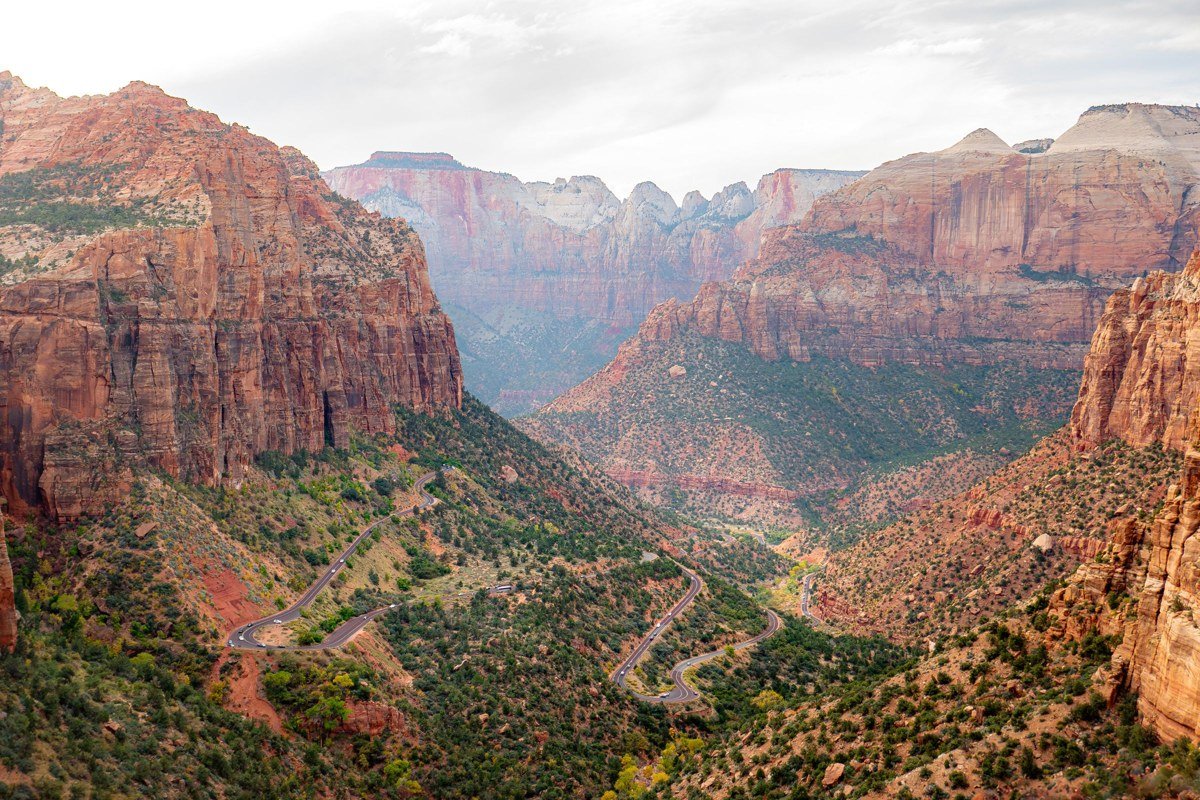
This trailhead sits at the east end of the Zion-Mount Carmel Tunnel, reached by driving SR-9 from the east entrance, and needs no shuttle since it’s outside the canyon shuttle zone. The hike is about 1 mile round trip with roughly 160 feet of elevation gain, a 1 hour round trip for most people, though the exposed ledges make it feel longer than the distance suggests. Early October brings clear air and cool mornings, but the small parking lot (a few dozen spots) still fills by mid-morning, so arrive at sunrise. Large vehicles need a tunnel escort here: a flat fee covers two trips through the mile-long tunnel within a seven-day window. RVs and trailers over roughly 7 feet 10 inches wide or 11 feet 4 inches tall must arrange this at the entrance station, or they’ll be turned around at the tunnel mouth. Visit in August instead and you’re fighting heat, haze, and the same tunnel traffic.
East Entrance Trailheads via US-89, Utah – best in late October
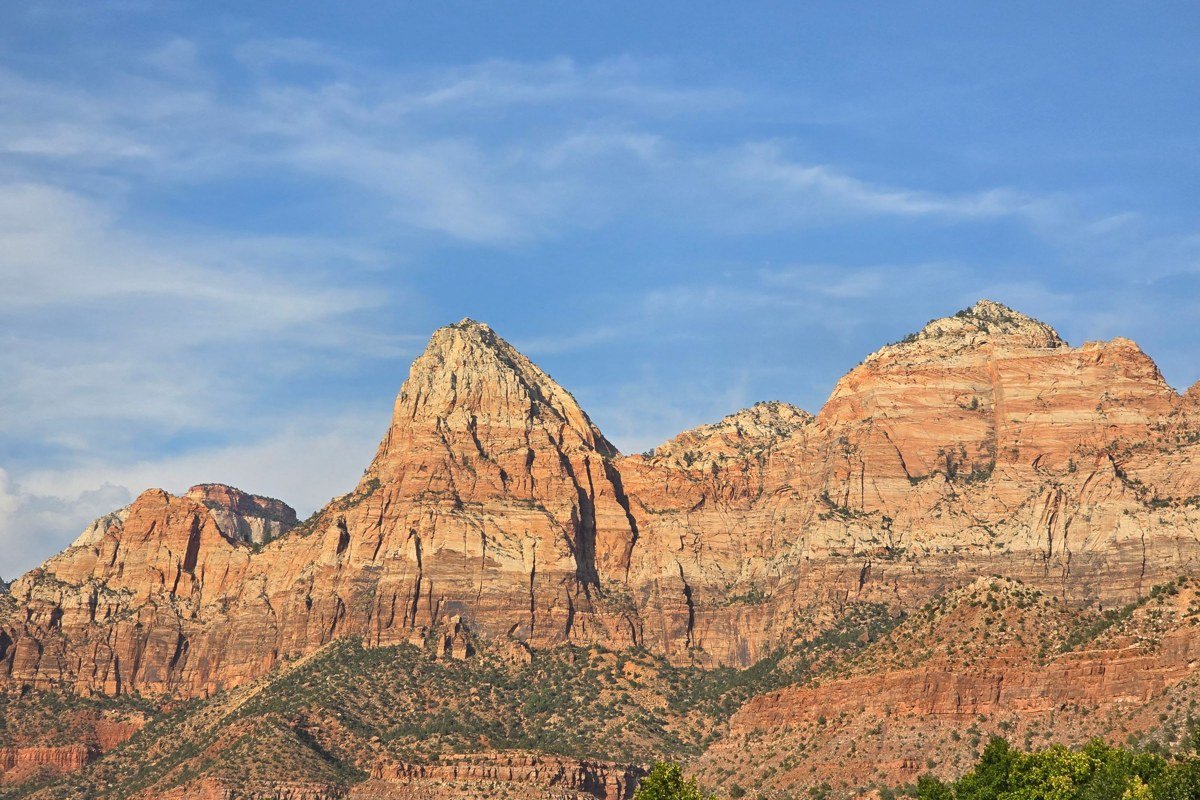
The stretch of SR-9 east of the tunnel, including the pullouts for Checkerboard Mesa, is skipped by most shuttle-bound visitors, and late October is its best window: cottonwoods along the Virgin River turn color, summer crowds have thinned, and daytime highs typically sit in the comfortable 60s and 70s. These are roadside stops and short walks rather than formal trails, so there’s no shuttle, permit, or significant elevation gain to plan around. This route from US-89 at Mount Carmel Junction is also the easiest way in if you’re driving from Bryce Canyon or the Grand Canyon’s North Rim. Winter storms can bring snow to these higher eastern sections even when the main canyon stays rain-only, so late October is past the worst thunderstorm risk and just ahead of early snow.
Month by month
- January: Zion Canyon Scenic Drive (shuttle closed, drive it yourself, expect cold, possible snow)
- February: Zion Canyon Scenic Drive, still privately drivable before shuttle season resumes
- March: skip canyon-floor hikes if you can, this is peak precipitation and flash flood risk is high
- April: Kolob Canyons
- May: The Narrows (mid-May) and Angels Landing (late May), both still require the shuttle to the trailhead
- June: Observation Point via East Mesa Trail, Kolob Terrace Road
- July: avoid canyon floor hiking after midday, thunderstorm season has begun
- August: still monsoon season, flash flood risk remains high in slot canyons
- September: Zion Lodge and Emerald Pools
- October: Canyon Overlook Trail (early month), East Entrance Trailheads (late month)
- November: Scenic Drive reopens to private cars as shuttle season ends
- December: Scenic Drive, quiet and cold, good light for photos