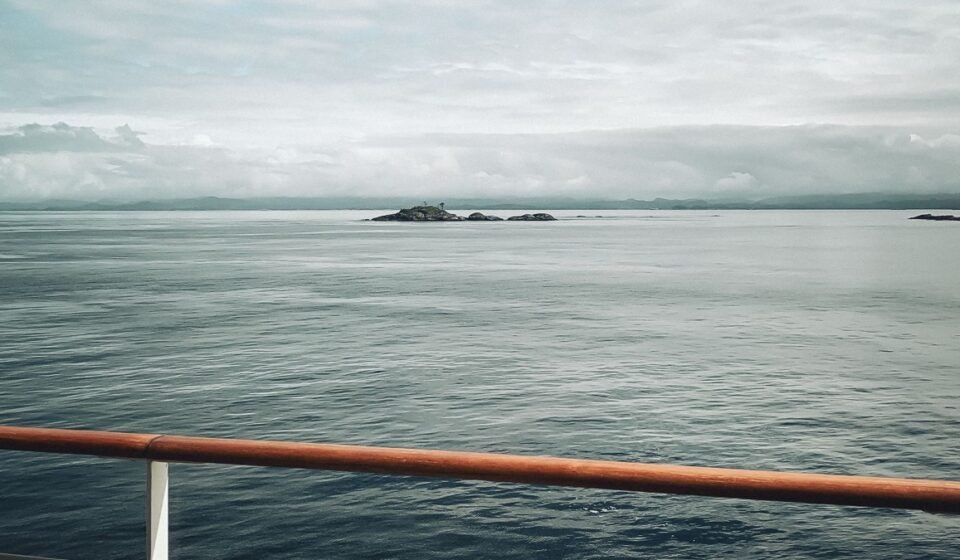

Miss the September window in the San Juan Islands, Washington, and you get fog instead of the flat silver water everyone photographs. Show up in February expecting Roche Harbor’s gardens in bloom and you’ll find a quiet marina and a closed restaurant. The Washington State Ferries schedule shifts by season too, with fewer sailings and earlier last-boat times in winter, so the same nine-stop route that feels effortless in July can strand you on a dock in January if you don’t check ahead. Timing isn’t a detail here. It’s the whole trip.
The good news: you genuinely don’t need a car. Washington State Ferries runs the Anacortes-Lopez-Shaw-Orcas-Friday Harbor route out of Anacortes, Washington (about 90 miles north of Seattle, roughly a 1.5 to 2-hour drive), with walk-on and vehicle service to all four islands. A standard interisland walk-on fare runs a few dollars per stop; check the current schedule and fares at wsdot.wa.gov/ferries before you go, since sailing counts change by season. Friday Harbor, Orcas Village, and Eastsound all have rental options and shuttle vans if you want a car for a single day. Below are nine stops across San Juan, Orcas, Lopez, and Shaw islands, ordered by when each one is genuinely at its best.
Lime Kiln Point State Park, Washington – best in early May
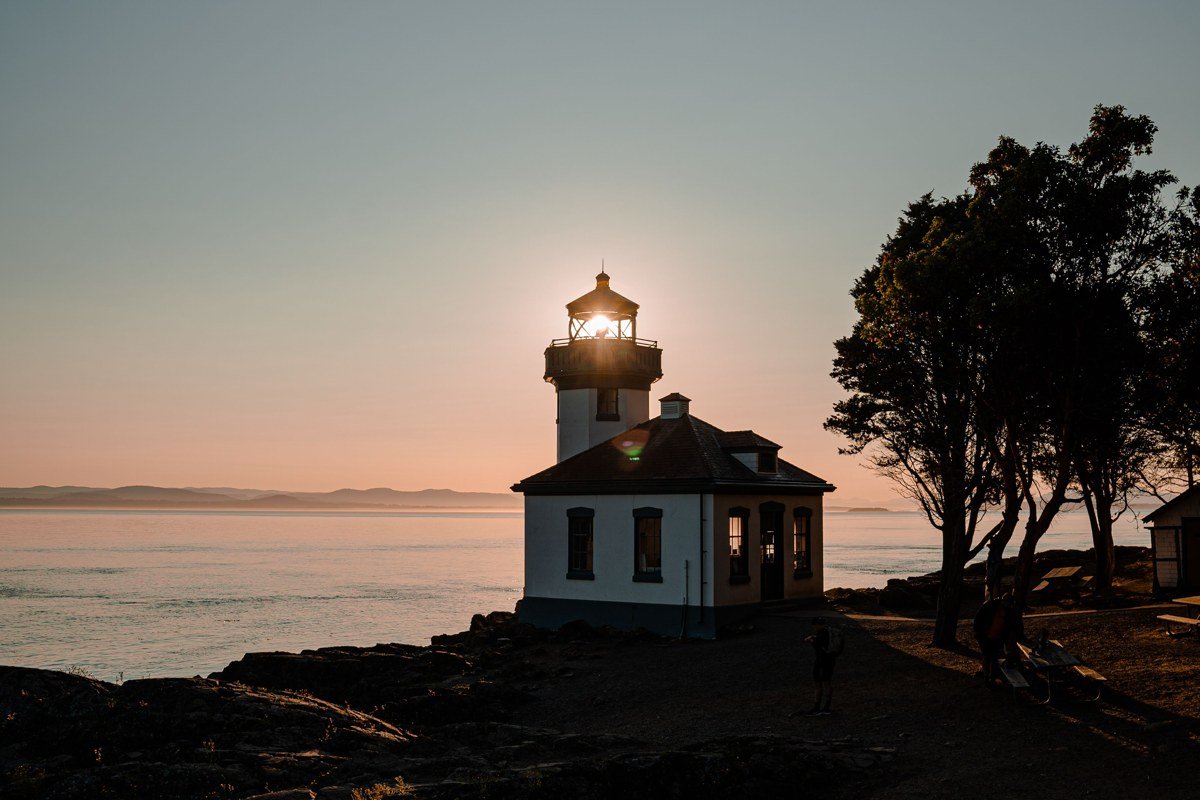
Early May is when resident orca pods start showing up reliably along the west side of San Juan Island, and this park (often cited as one of the first parks in the country established specifically for whale watching from shore) is the spot to stand and wait. Crowds are still thin, the lighthouse and rocky bluffs aren’t jammed with tripods yet, and you can walk here from Friday Harbor via the county road if you’re patient, though most people bike or take a tour van. Come in August and you’ll fight for a rock to sit on. Bring binoculars and layers; the wind off the strait is sharper than the mainland weather app suggests. Park entry is free; the small lot fills early on clear weekends, so arrive before 10 a.m. if you want to park at the trailhead.
Friday Harbor, Washington – best in mid-June
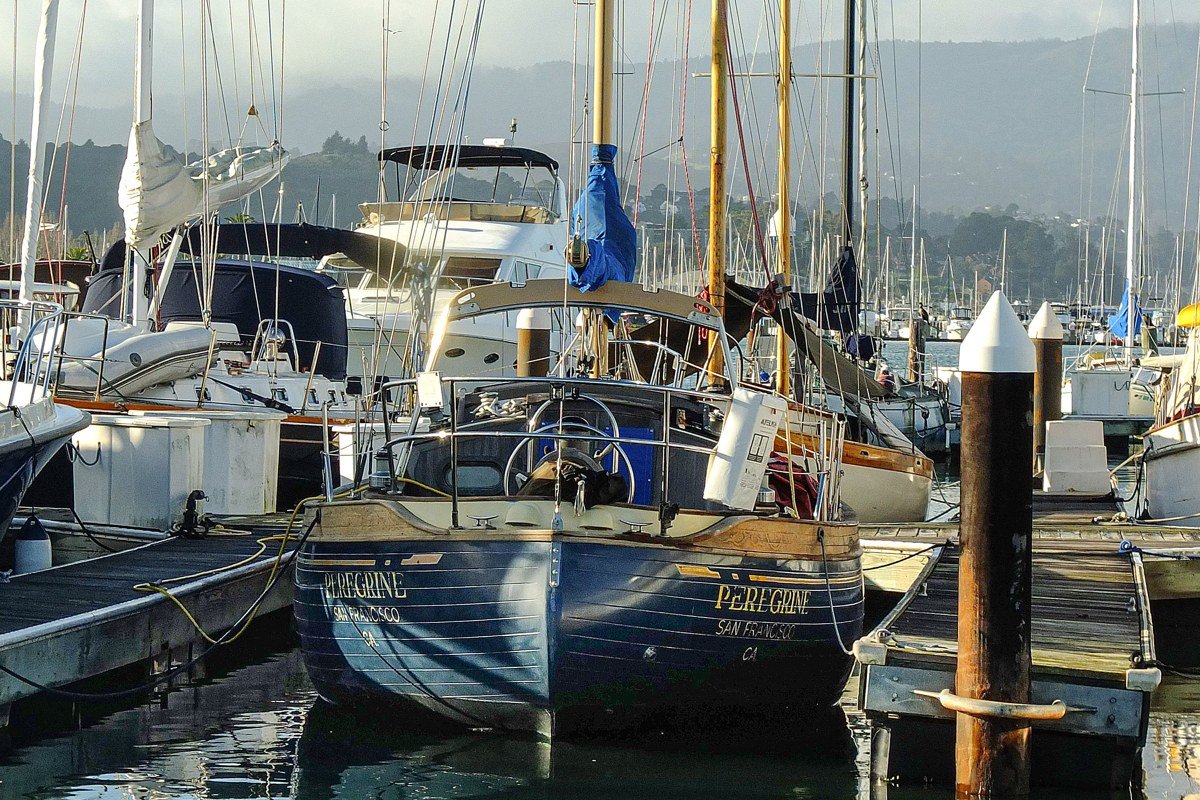
Mid-June gets you the town at its most functional: the Whale Museum ($10 adult admission at last check), the San Juan Islands Museum of Art, and kayaking outfitters like San Juan Outfitters are all fully open, but the ferry lines and restaurant waits haven’t hit their July-August peak yet. This is the hub of San Juan Island, Washington, and the only stop on this list where you don’t need to plan around limited hours. Skip a car entirely here; everything worth doing is walkable from the ferry landing. The tradeoff for visiting later in summer is real: August vehicle reservations book out weeks ahead through the ferry system’s reservation line, though walk-on passengers can almost always still get on.
Roche Harbor and Orcas Village, Washington – both best in late June
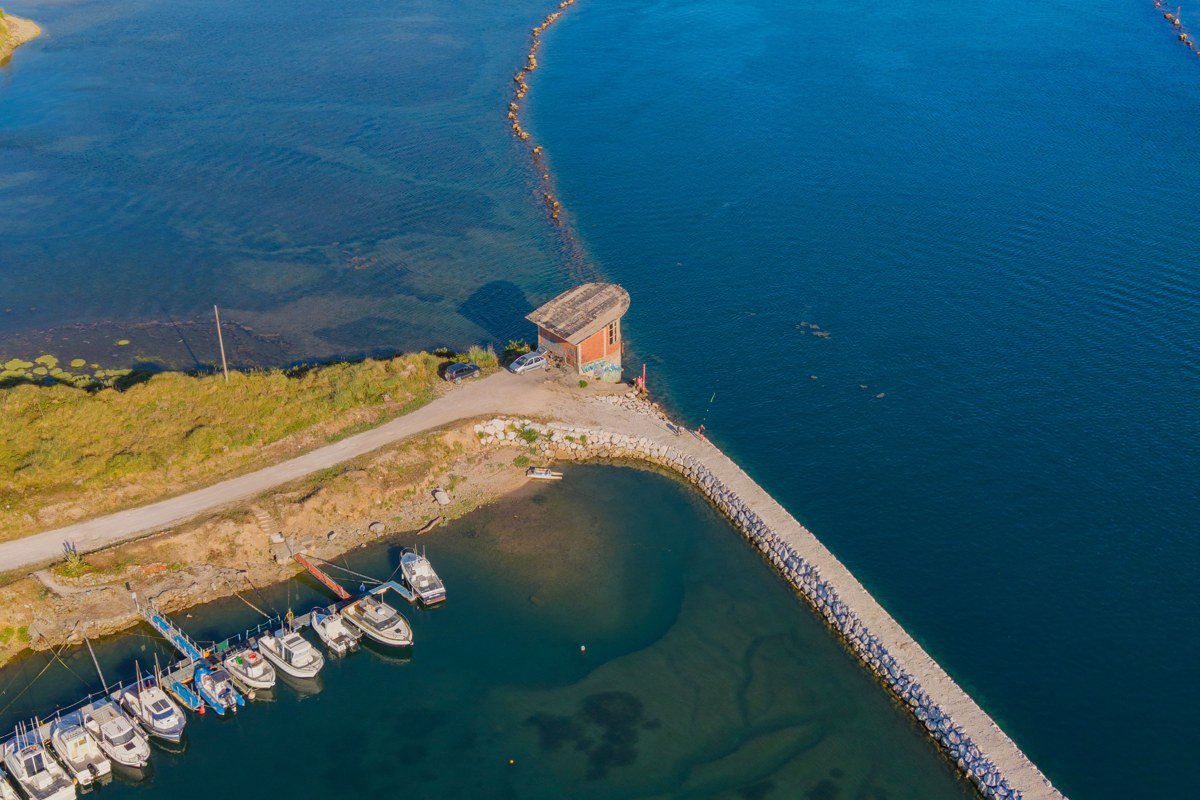
These two stops share a season for the same reason: late June is when both islands are running full summer service but haven’t hit the July-August crush, so it’s the window with the most open access and the fewest lines. At Roche Harbor, the formal gardens are near full bloom and the outdoor sculpture park, dozens of works scattered across the grounds (the exact count changes as pieces rotate; ask at the visitor kiosk for the current map), has good light without the midday glare of July. Roche Harbor sits at the island’s north end, a shuttle ride or a pleasant hour-plus bike ride from Friday Harbor. San Juan Island National Historical Park’s British Camp, tied to the boundary dispute known as the Pig War (the standoff began in 1859), is a short walk from the marina and usually near-empty even when the harbor itself is busy with boats.
Orcas Village works as a car-free base in the same window because the shuttle van up to Eastsound and Moran State Park (fares run a few dollars one-way; check Orcas Shuttle’s posted schedule at the ferry dock) is on full seasonal hours, and the inland roads, which get genuinely narrow and hairpin-heavy, are dry and clear. This is the horseshoe-shaped island, the most mountainous of the group, and Mount Constitution’s summit road inside Moran State Park delivers a view over most of the archipelago that’s hard to beat on a clear day. Outside summer, both the gardens at Roche Harbor go dormant and shops shutter, and the Orcas shuttle schedule thins out fast, so you’re relying on a rental car or a very long walk at either stop. Book the shuttle or a rental in advance if you’re coming for a day trip rather than staying over.
San Juan Island National Historical Park (American Camp), Washington – best in early July
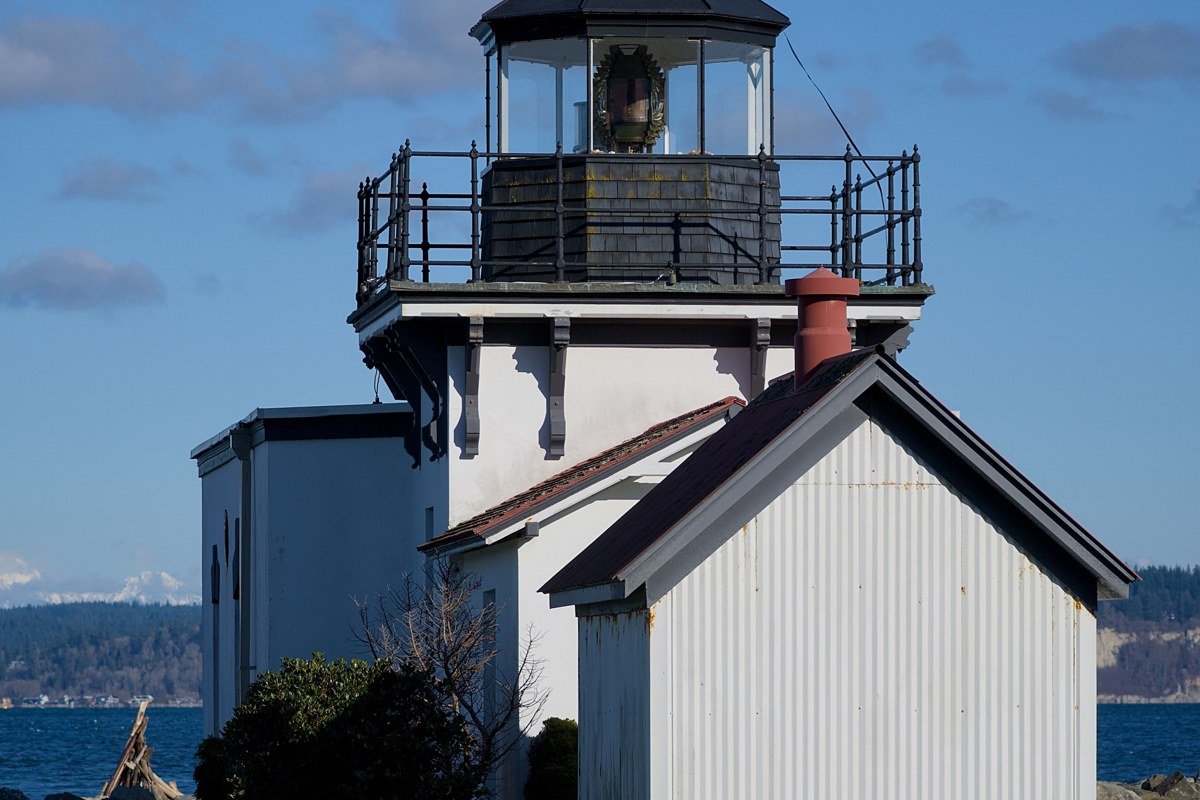
Early July gives you the prairie grasslands at American Camp green and full of wildflowers, before the summer sun bakes them tan by August. This southern half of the historical park is more exposed and windswept than British Camp near Roche Harbor, with long sightlines toward the Olympic Mountains. It’s a bus or bike ride from Friday Harbor, flat enough to walk if you’ve got a few hours. Entry is free, no reservation needed. The site is open year-round and the history doesn’t change with the seasons, but the landscape photography does, so early July is the sweet spot before things dry out.
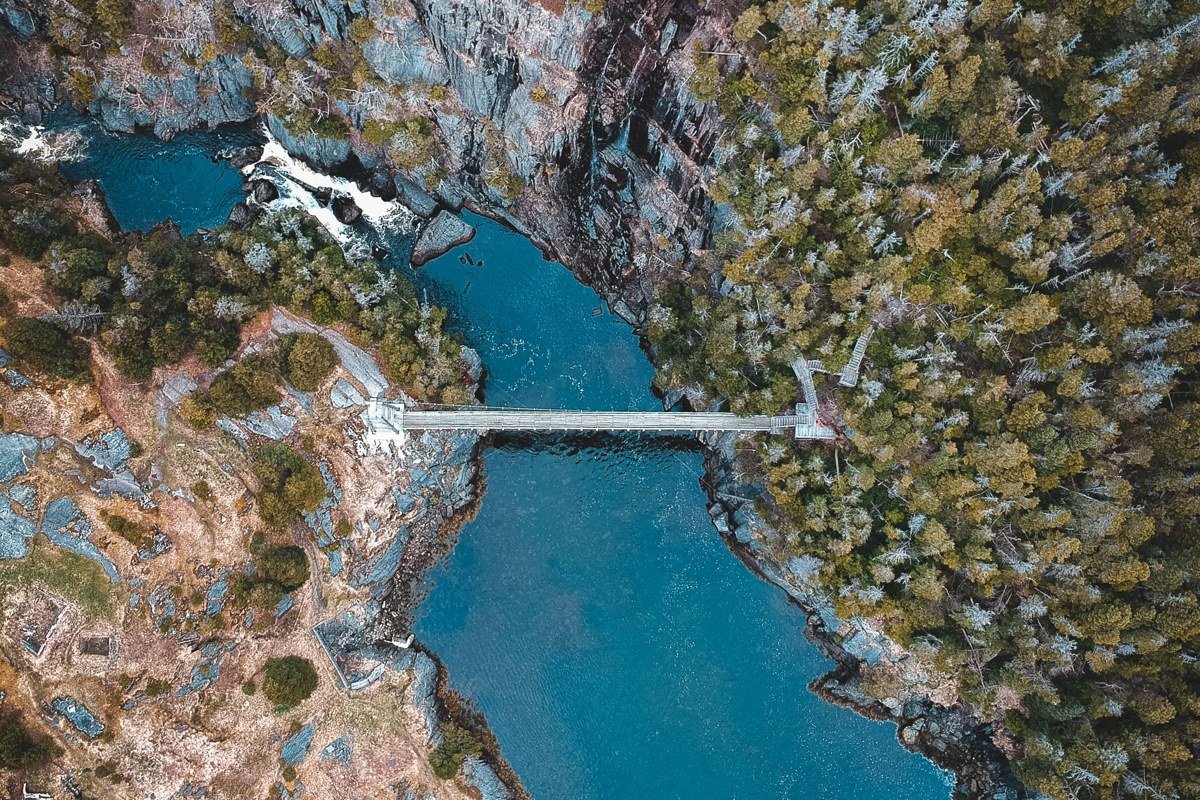
Lopez Island, Washington – best in mid-July
Lopez in mid-July is the flattest, most bike-friendly island in the chain, and this is peak season for its farm stands and roadside honor-system produce stalls. It’s the island locals half-jokingly call “Slow-pez,” and it earns the name; there’s less to “do” here than San Juan or Orcas, which is the point. Lopez Bicycle Works rents right off the ferry dock for around $10 an hour or roughly $40 for a full day, and the island’s low hills make it manageable even for casual riders. Spend a day looping past beaches like Shark Reef Sound, then eat at the Lopez Islander Resort’s waterfront restaurant before the last ferry back. Outside summer, several farm stands close and the pace slows from relaxed to genuinely dormant.
Shaw Island, Washington – best in late July
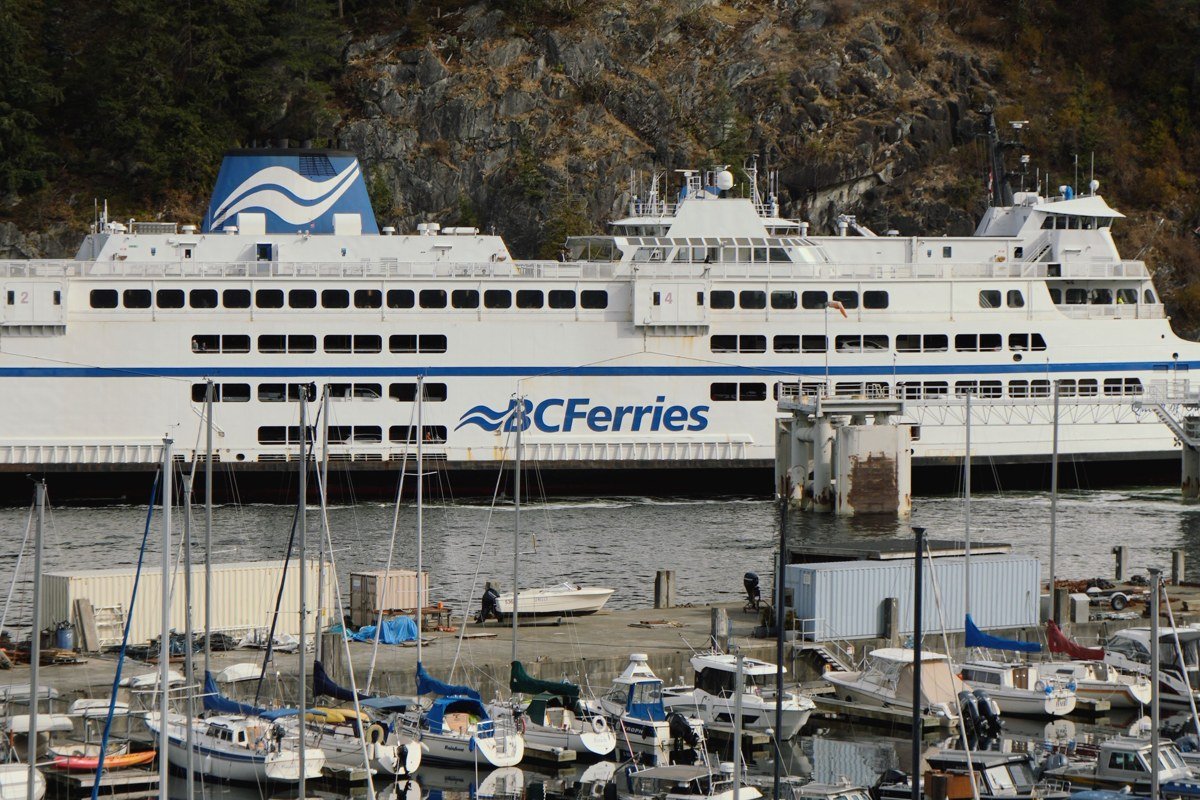
Shaw is the island most visitors skip entirely, which is exactly why late July here is worth it: no crowds, even at the height of summer. There’s little infrastructure (a small store near the ferry landing is about it) and no rental services, so this is a walk-on, look-around, catch-the-next-ferry stop rather than an overnight base. The ferry crossing from Friday Harbor runs about 30 to 40 minutes depending on the route that day, and there’s often over an hour between sailings, so check the timetable before you commit to a visit. Come for the quiet and the county park’s beach access, not for restaurants or shops. If you want a genuine sense of what these islands looked like before tourism, this is the stop.
Eastsound, Washington – best in mid-August
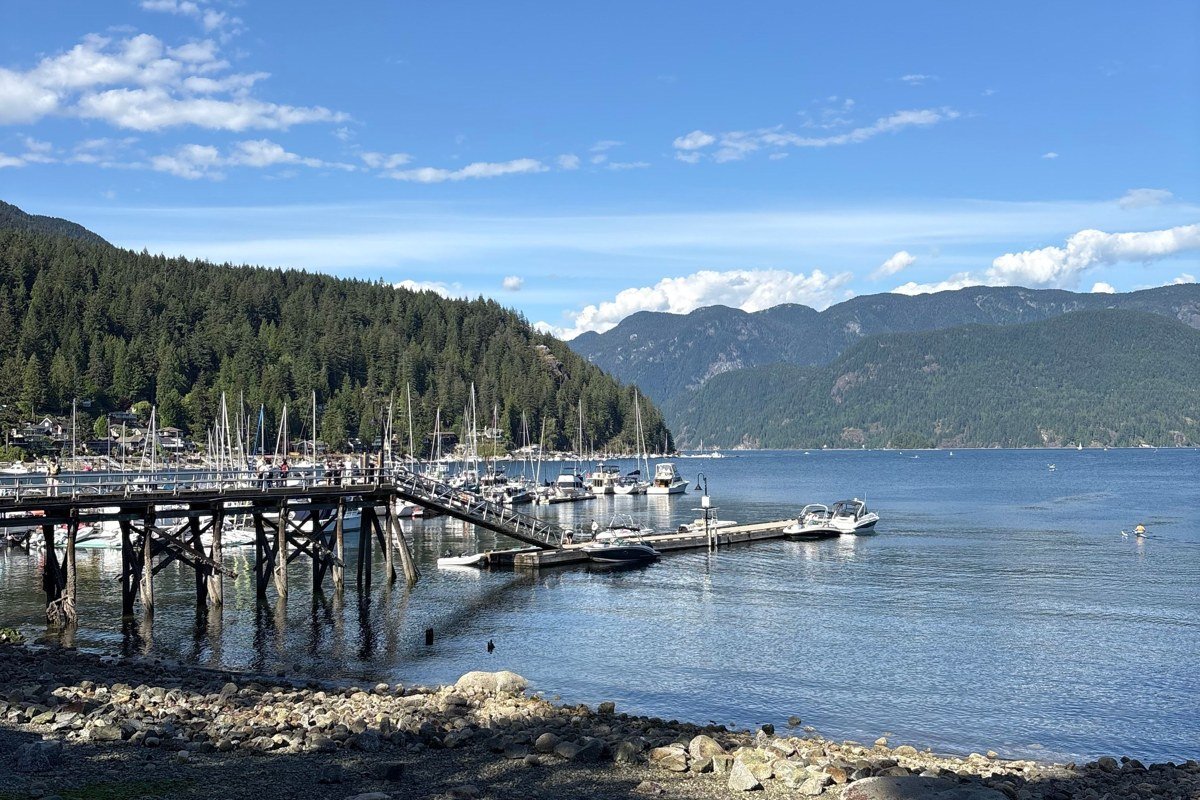
Mid-August is Eastsound at its liveliest. The farmers market, gallery openings, and waterfront restaurants on Orcas Island are all running full tilt, and the weather stays comfortable when the mainland is sweating through a heat wave (the islands sit in the Olympic rain shadow and generally run several degrees cooler than Seattle in summer). This is a reasonable place to base yourself for a couple of nights, since it has the island’s best concentration of car-free lodging and dining within walking distance of the shuttle stop. The catch: mid-August is also when everyone else has the same idea, so book rooms and restaurant tables well ahead, ideally a month or more out. For a lot of people weighing which San Juan island to pick, this is the answer: a real town without San Juan Island’s ferry-line crowds.
Cattle Point, Washington – best in late September
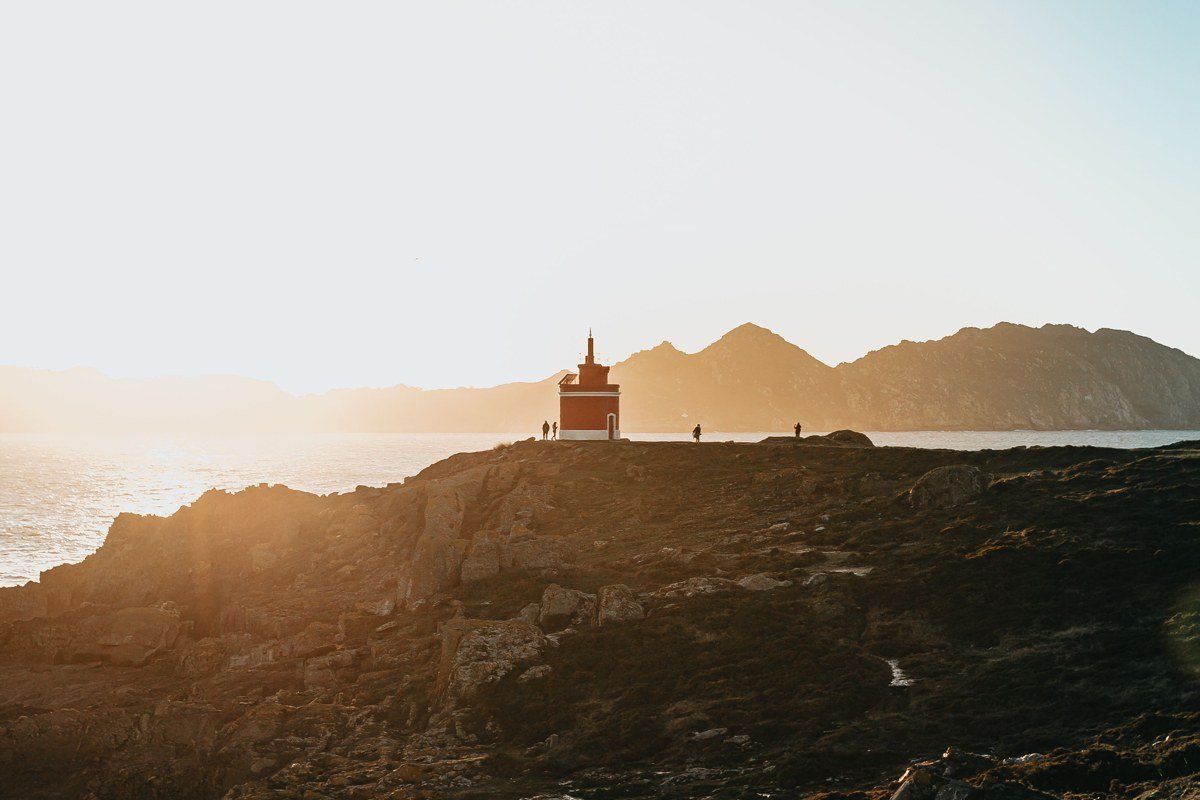
Late September is when this southeastern tip of San Juan Island tends to see the flattest water and clearest light of the year, after the summer wind pattern breaks and before the fall storms roll in. It’s the quiet bookend to a trip that started at Lime Kiln Point in May, and by this point the summer ferry crowds have thinned out substantially. The lighthouse and the beach below it are an easy walk from the American Camp area, so you can pair the two stops in one afternoon. Go much later into October and the wind and rain the islands are known for start showing up in earnest.
Month by month
- January: ferry sailings drop to a reduced winter schedule (fewer daily round trips on most routes); call ahead or check online, since the last boat off-island can be as early as late afternoon
- February: Friday Harbor is off-season and nearly empty; the Whale Museum keeps shortened hours and several waterfront restaurants close for the month
- March: still slow, with many Roche Harbor shops not yet reopened; a good window for budget lodging research if you’re eyeing San Juan Islands real estate
- April: transition month, some shuttle routes resume partial service; book spring ferry times early
- May: Lime Kiln Point State Park for early orca season
- June: Friday Harbor, Roche Harbor, and Orcas Village all hit their stride
- July: American Camp, Lopez Island, and Shaw Island
- August: Eastsound and peak whale-watching season overall
- September: Cattle Point for the calmest water of the year
- October: fall colors on Orcas Island, thinning crowds, and the Orcas shuttle switches to a limited fall schedule
- November: minimal services, most restaurants seasonal-closed, and several inter-island sailings are cut compared to summer frequency
- December: skip unless you want solitude and don’t mind rain and wind, and confirm your return sailing in advance since holiday-week schedules run thin
For most first-timers asking how many days they need: three full days covers San Juan and Orcas without a car, four lets you add Lopez, and five gets you Shaw too.