
The best beach towns in the US that stay quiet in August are the ones with a built-in bottleneck: a ferry schedule, a limited number of parking spots, a bridge that only fits one lane of traffic each way. Nantucket and Cape May are wonderful, but by the third week of July they are not empty by any definition. I found these ten by looking for the opposite of easy access, then checking that the town on the other side of the hassle was actually worth it.

Every place below is reachable without a passport, priced without a resort markup, and short on the kind of crowds that make August unbearable everywhere else. Some are barrier islands you reach by ferry. Some are just far enough from an interstate that the day-trippers give up. A few are cold-water towns that scare off the people who think “beach” only means Florida. Two of these (Port Aransas and Chincoteague) get real August crowds; I’ve kept them in because they’re still calmer than their nearest big-name comparison, not because they’re empty.
| Place | Best for | Getting there |
|---|---|---|
| Ocracoke, North Carolina | Off-grid Outer Banks escape | Ferry only, no bridge, 2-2.5 hrs from Hatteras or Cedar Island |
| Cumberland Island, Georgia | Wild beaches, 300-person daily cap | Ferry from St. Marys, GA, 45 min from I-95 |
| Cayucos, California | Laid-back retirement and vacation town | 20 min north of Morro Bay, 3.5 hrs from LA |
| Rockport, Maine | Raising a family, cold-water charm | 1.5 hrs from Portland via US-1 |
| Bald Head Island, North Carolina | Car-free family vacations | Ferry from Southport, no cars allowed |
| Chincoteague, Virginia | Kids, wild ponies, East Coast access | 3.5 hrs from DC, 30 min off US-13 |
| Port Aransas, Texas | Young adults, Gulf Coast nightlife-lite | Ferry or causeway from Corpus Christi, 20-40 min |
| Lincoln City, Oregon | Budget coastal living, dramatic scenery | 1.5 hrs from Portland on US-26/101 |
| Fernandina Beach, Florida | Retirees who want Florida without Florida crowds | 30 min from Jacksonville, near I-95 |
| Block Island, Rhode Island | East Coast escape without the Hamptons price tag | Ferry from Point Judith, RI, 1 hr |
Ocracoke, North Carolina

You cannot drive to Ocracoke, and that single fact keeps it off the radar for anyone unwilling to plan a ferry reservation. The free Hatteras-Ocracoke ferry takes about an hour, not two, and runs roughly every 30 to 60 minutes in summer; the longer routes from Cedar Island and Swan Quarter run about 2 hours and 15 minutes and currently cost $15 per vehicle. I spent a week here in early August a few years back and never waited more than one sailing to get a spot. The village itself is one square mile of sand-street charm, and the 16-mile stretch of national seashore beach north of town rarely has more than a scattering of trucks parked along the dunes even in peak season.
Cumberland Island, Georgia
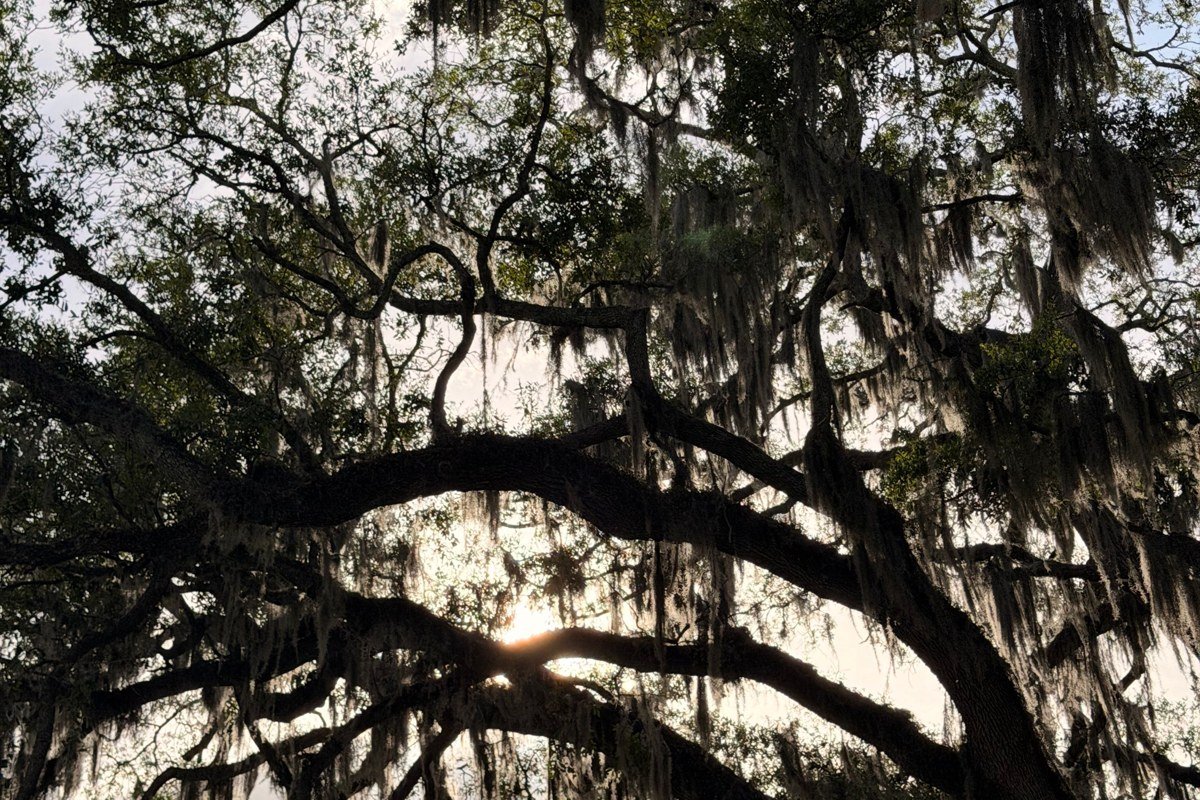
The National Park Service caps daily visitors here at 300, and that cap is the whole story. Most of that number gets absorbed by day-trippers who never make it past the first mile of beach, so if you walk twenty minutes south of the ferry dock, you can lose every other person on the island. The ferry runs twice a day from St. Marys, Georgia, a 45-minute detour off I-95 near the Florida line, and reservations sell out on summer weekends weeks ahead. There’s no store, no paved road, and no bridge, just live oaks, wild horses, and 17 miles of Atlantic beach that the Carnegie family kept undeveloped on purpose.
Cayucos, California

Cayucos is what Cambria was before Cambria got popular, and it sits close enough to Morro Bay that people forget to stop. The town has one main street, a wooden pier built in 1875, and a beach that stays walkable even on a warm August Saturday because there’s no big hotel pumping in day guests. Retirees favor it because the pace never changed, prices haven’t caught up to Santa Barbara, and the fog that rolls in most afternoons keeps the temperature bearable without air conditioning. The drawback is real: that same fog can sit over the coast into early afternoon in June and July, so pack a sweatshirt no matter what month it is.
Rockport, Maine
Rockport is not a sand-beach town. It’s a granite-and-pine-tree harbor town, and that’s precisely why families looking to raise kids near the water put it on their short list. The water is cold enough in August that swimming means the harbor or a quarry, not the ocean, which filters out the crowd chasing a classic beach vacation. Camden gets the tour buses; Rockport, one town over on US-1, gets the people who actually want quiet. The Merryspring Nature Center’s short loop trails and the harbor’s tidepools give kids something to do besides a boardwalk, and that trade-off is the whole appeal.
Bald Head Island, North Carolina
No cars are allowed on Bald Head Island, full stop, and that one rule does more crowd control than any pricing strategy could. Everyone gets around by golf cart or bike after a 20-minute passenger ferry from Southport, itself a detour off US-17 near Wilmington. Families come for exactly this reason: kids can move around the island independently in a way that’s impossible almost anywhere else on the East Coast.

The trade-off is cost, since rental homes here run higher than the mainland, and there’s a real learning curve to hauling a week’s groceries by golf cart.
Chincoteague, Virginia
Worth a caveat up front: Chincoteague is not empty in August, especially not the week of the pony swim in late July, when the town fills past capacity. Outside that window, though, it sits 30 minutes off US-13 on Virginia’s Eastern Shore, close enough to DC and Baltimore for a weekend trip but awkward enough to reach that it never fills up quite the way Ocean City, Maryland does an hour north. Assateague Island National Seashore, just across the channel, runs a lottery-based permit system for four-wheel-drive access to the more remote beach, which most visitors never bother with, leaving those stretches close to empty. The regular beach lot (about 1,100 spaces) fills by mid-morning in July and August, so arrive before 9am or plan around low tide instead.
Port Aransas, Texas
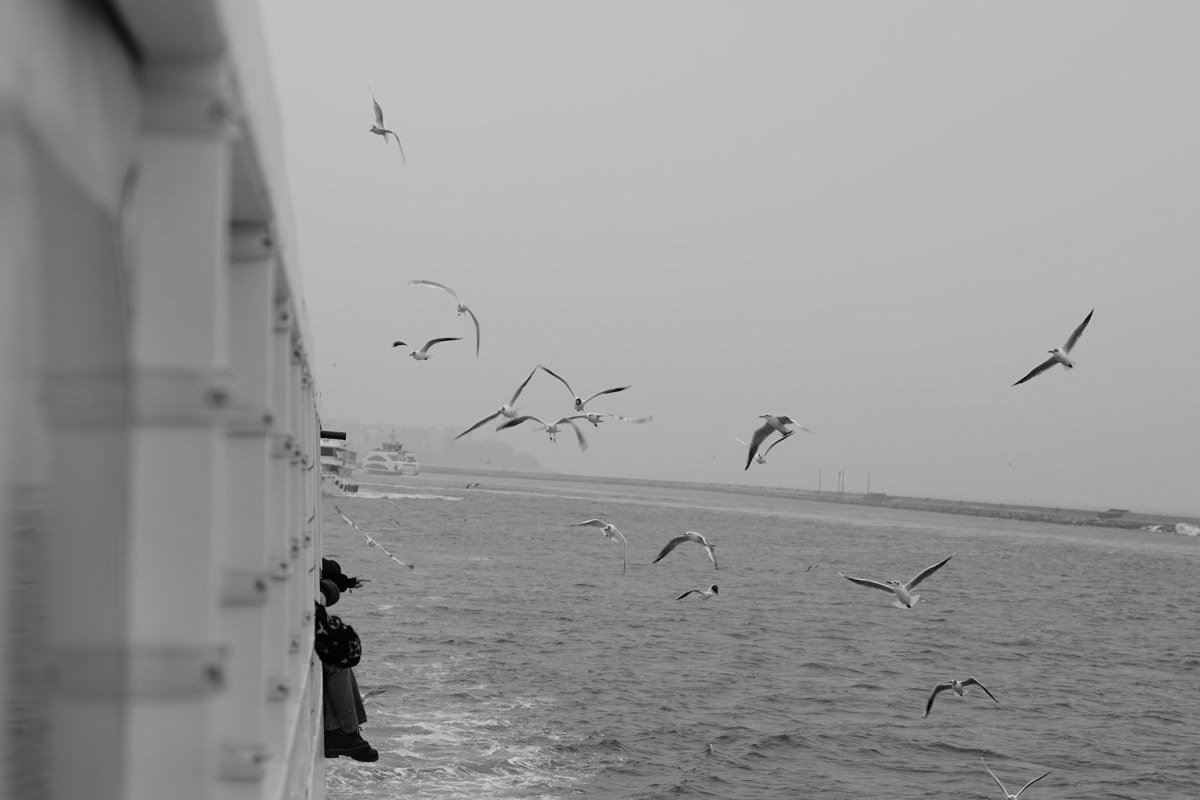
Port Aransas asks for a little more effort than South Padre, and that effort (either a short ferry ride or a long causeway drive from Corpus Christi) is enough to thin the crowd, though not by much on a July weekend when the ferry line itself can run past 30 minutes. It’s better understood as the calmer alternative to South Padre than as a quiet town outright. It’s become a favorite for young adults who want a Gulf Coast beach town with bars and rentals but without the spring-break reputation that follows South Padre year-round. The Gulf water here runs warm and flat most of the summer, better for floating than surfing, and the fishing off the jetties is genuinely good. September and October, after the kids go back to school, is the better window: warm water, thinner sand.
Lincoln City, Oregon
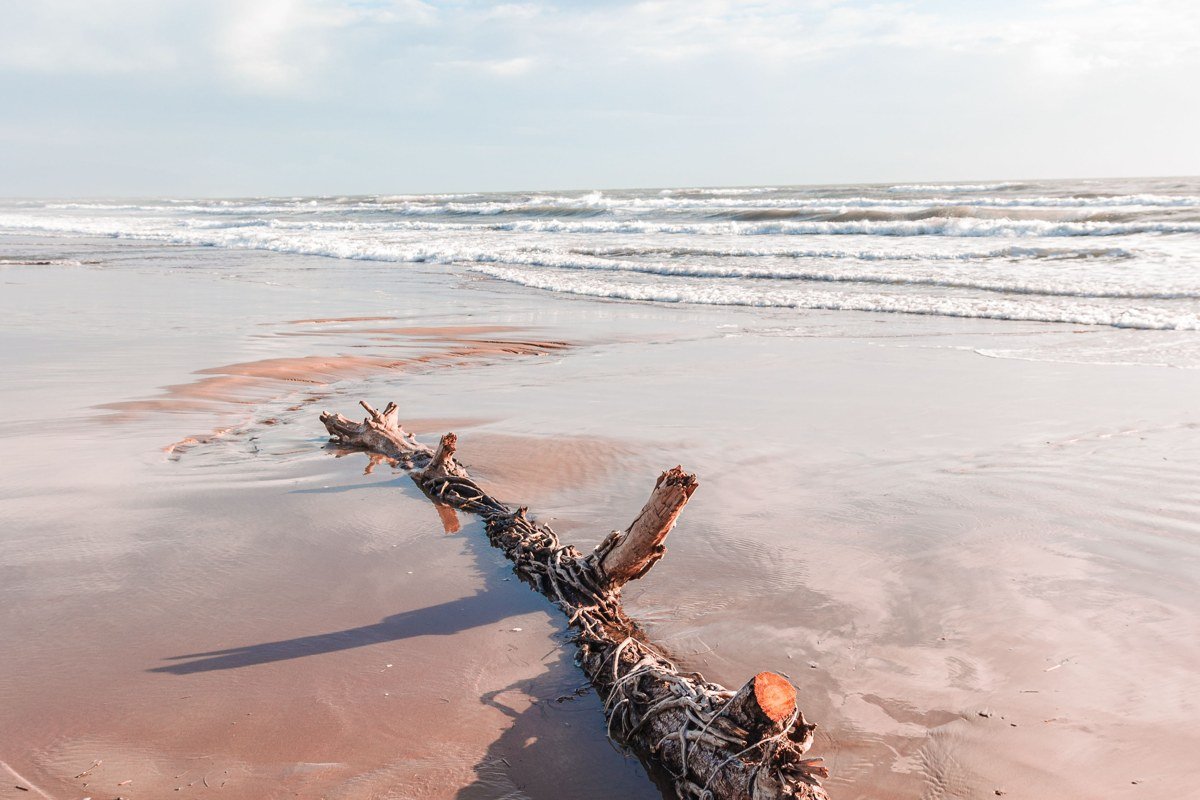
Nobody sunbathes in Lincoln City, and that’s the point. This is a beach town built around walking, kite-flying, and glass-float hunting rather than lying on a towel, since the water rarely climbs out of the 50s even in August. Oregon’s entire coastline is public by law, so there’s no such thing as a private beach pricing out access, which is part of why it holds up as an affordable place to actually live, not just visit. The drive from Portland takes about 90 minutes on US-26 to Highway 101, an easy day trip that somehow still doesn’t generate Cannon Beach-level congestion.
Fernandina Beach, Florida
Fernandina Beach sits on Amelia Island in Florida’s northeast corner, close enough to Jacksonville for an easy drive off I-95 but far enough from Orlando’s theme-park gravity that it never turns into a spillover crowd. Retirees favor it for the historic downtown (about 50 blocks of Victorian-era buildings), the shrimping-town character, and beach access that hasn’t been fully swallowed by high-rises the way much of Florida’s coast has. August here is genuinely hot and humid, no way around that, but the crowds are thinner than Jacksonville Beach fifteen minutes south, and the town center gives you somewhere to be when the afternoon heat gets unreasonable.
Block Island, Rhode Island
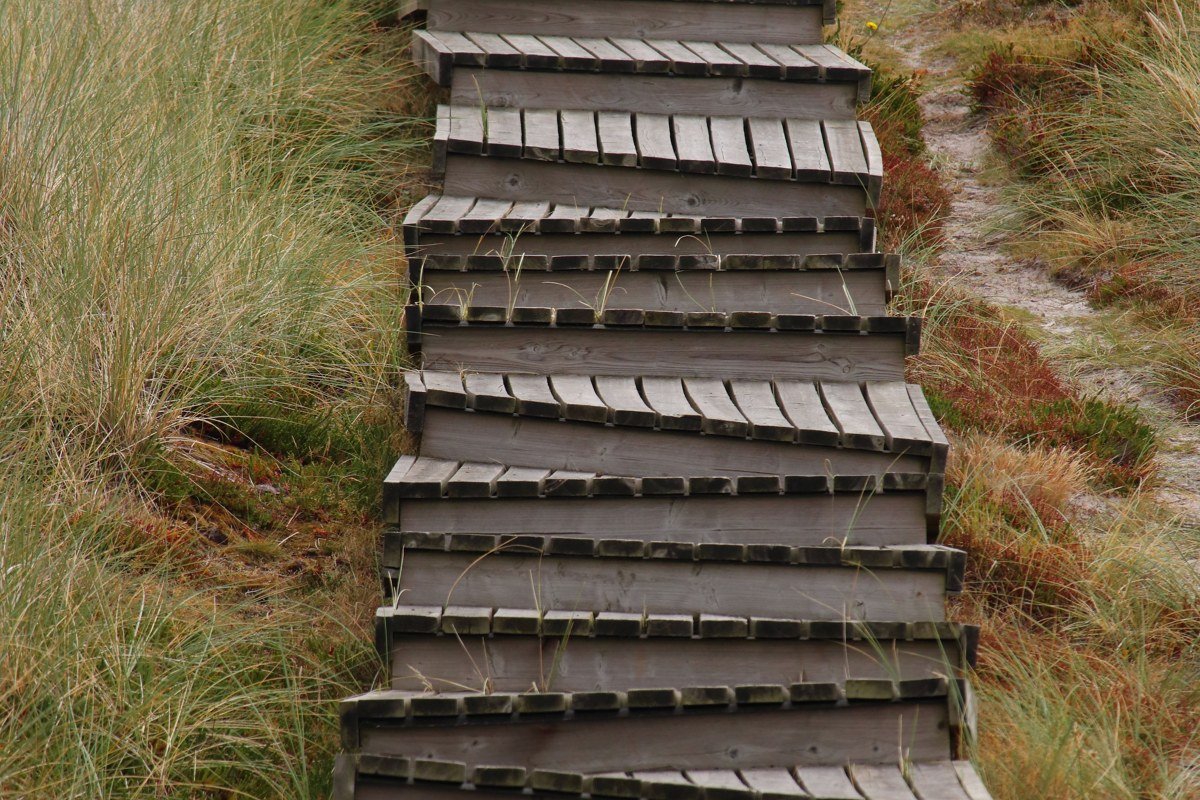
Block Island gets called the quiet alternative to Nantucket and Martha’s Vineyard often enough that the comparison has become a cliche, but it holds up. A one-hour ferry from Point Judith, Rhode Island, currently runs about $28 round trip for a walk-on adult and keeps day-trip numbers manageable, since cars are expensive enough to bring over that most visitors rent bikes instead. Mohegan Bluffs, on the island’s south side, requires a walk down (and back up) around 140 steps, which filters out anyone unwilling to make the climb, so the beach at the bottom rarely feels crowded. I went the second week of September once and had a half-mile of it to myself for an hour. Late August through mid-September is the sweet spot, after the July charter crowd thins out but while the water is still warm enough to swim.
FAQ
What’s the best beach town in the US for families specifically?
Chincoteague, Virginia and Bald Head Island, North Carolina both work well because they combine safe, walkable environments with something for kids to do beyond the sand. Bald Head’s no-car rule and Chincoteague’s wild ponies give kids a reason to remember the trip beyond the beach itself. Just avoid the pony-swim week in Chincoteague if quiet is the goal.
Which of these towns are good for retiring, not just visiting?
Cayucos, California and Fernandina Beach, Florida both show up regularly in that conversation, for opposite reasons: Cayucos for its mild climate and small-town pace, Fernandina for its historic character and lower cost relative to South Florida. Both have year-round communities rather than towns that shut down after Labor Day.
Is Ocracoke actually worth the ferry hassle?
Yes, and the ferry is the reason it’s still worth going. The Hatteras route is free and about an hour; reserve ahead for summer weekends regardless of which route you take. The payoff is an Outer Banks experience that Nags Head and Duck stopped offering decades ago.