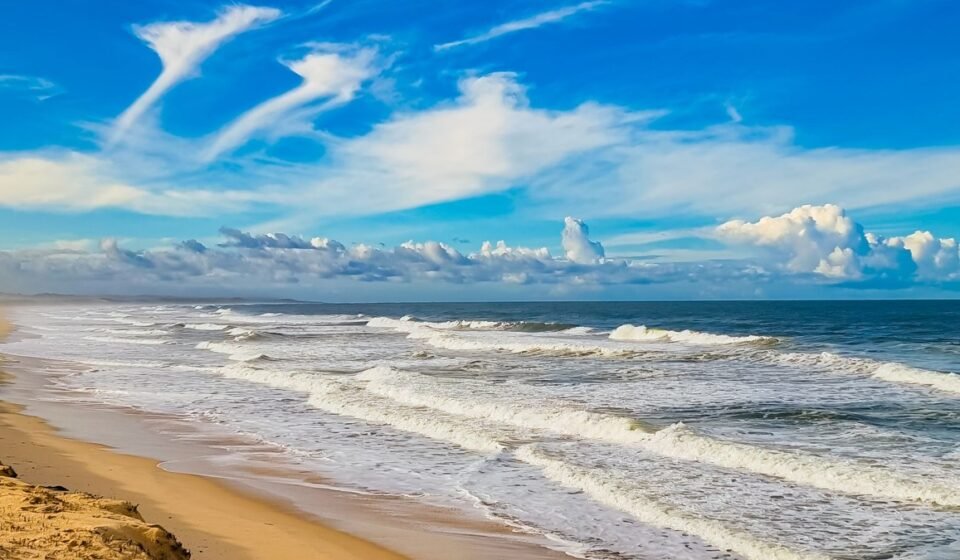

Corolla in July means bumper-to-bumper trucks hauling boogie boards down the Bypass and a wait for a table at every restaurant with an ocean view. Corolla in November means you can watch the wild horses graze on an empty beach and hear nothing but wind. That’s the whole case for visiting the Outer Banks, North Carolina in the off-season, and it holds true for nearly every town along this 200-mile ribbon of barrier islands. Driving the full length, Corolla to Ocracoke, takes about 4.5 to 5 hours including the ferry, or roughly 3 hours of actual driving if you break it at Hatteras Village for the ferry crossing.
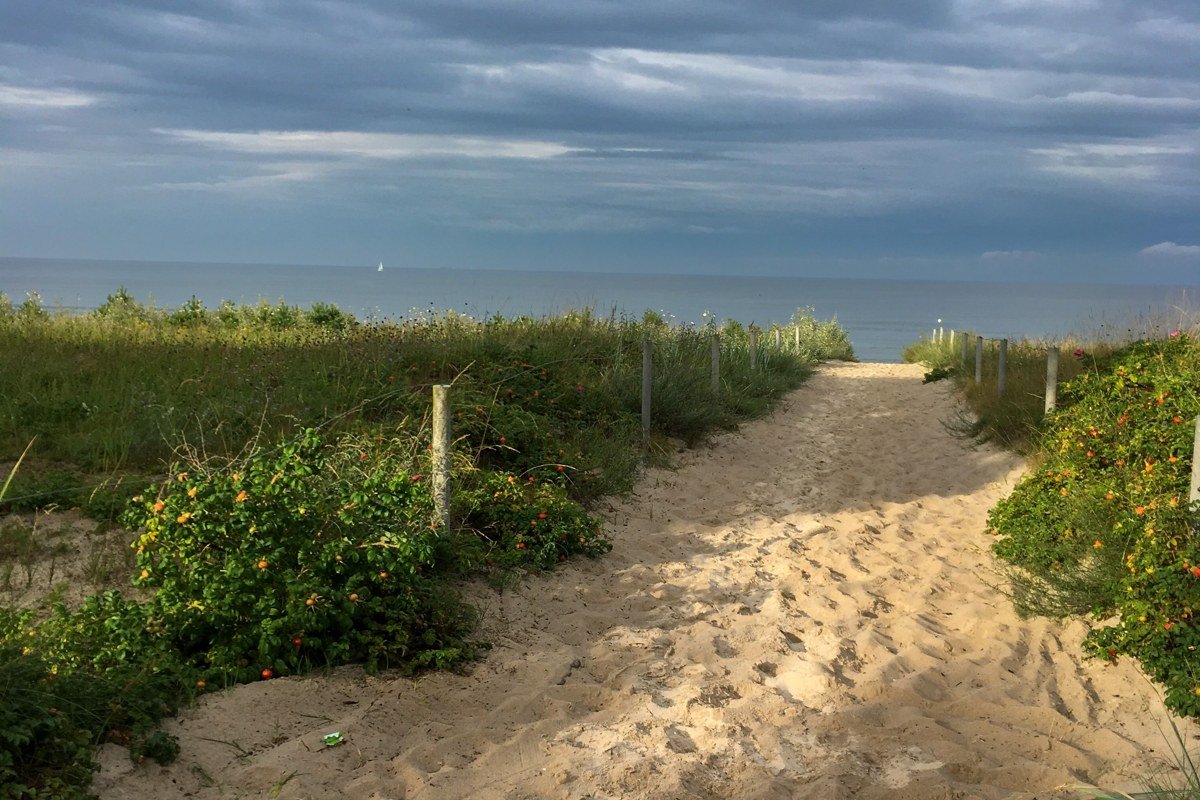
Winter here is mild by national standards but not warm: January averages a high near 50°F and a low near 36°F, with wind regularly gusting past 20 mph off the water. That wind is a selling point for hang gliders at Jockey’s Ridge and a headache for ferry schedules, since Ocracoke and Cape Lookout runs are the first things cancelled when a nor’easter comes through. Check ferry status before you drive to any dock between November and March.
| Place | Best for | Getting there |
|---|---|---|
| Corolla, NC | Wild horses, wide beaches | 2.5 hrs from Norfolk, VA; last miles by 4×4 north of the paved road |
| Duck, NC | Quiet walking, off-season dining | 20 min north of Kitty Hawk on NC-12 |
| Kitty Hawk, NC | History, easy access | First town north of Wright Memorial Bridge, MP 1-4 |
| Kill Devil Hills, NC | Wright Brothers Memorial, budget stays | MP 6-9.5, central hub with most year-round businesses |
| Nags Head, NC | Jockey’s Ridge, hang gliding | MP 10-16.5, 3.5 hrs from Raleigh, NC |
| Roanoke Island (Manteo), NC | History, aquarium, mild winters | 15 min west of Nags Head via US-64 |
| Rodanthe, NC | Storm history, surf breaks | Start of Hatteras Island, NC-12 south of Whalebone Junction, 45 min south of Nags Head |
| Hatteras Village, NC | Lighthouse, ferry connections | End of Hatteras Island, about 1 hr south of Rodanthe |
| Ocracoke, NC | True isolation, ferry-only access | Free vehicle ferry from Hatteras (about 1 hour) or fee ferry from Swan Quarter/Cedar Island ($15 per vehicle one way, reservations recommended) |
| Cape Lookout, NC | Undeveloped shoreline, wild ponies | Passenger ferry from Harkers Island, no bridge access |
Corolla, North Carolina
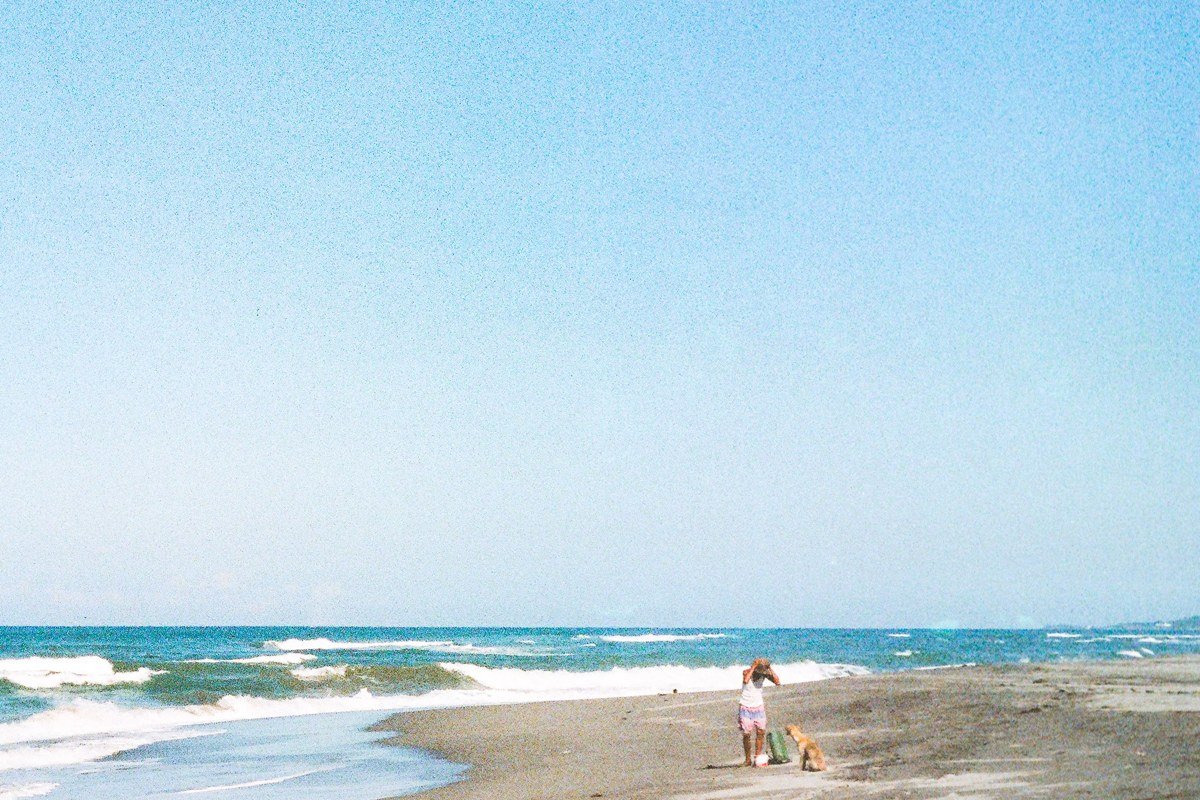
Corolla sits at the northern end of the paved road, and beyond the village the beach turns into a 4×4-only stretch called the Currituck Outer Banks, where Colonial Spanish mustangs still roam free. In summer, tour trucks queue up to show visitors the horses. In winter, you can drive the beach yourself at low tide with almost nobody else on it, though you’ll want an actual 4×4, not just an SUV. A beach driving permit runs $50 a year and is sold online through Currituck County’s website or in person at the Corolla permit office. The Whalehead Club and the Currituck Beach Lighthouse stay open on reduced schedules through winter, with the lighthouse climb priced at $12 for adults, and climbing it on a cold, clear day gets you views for miles without a line. Most restaurants thin out after October, but Uncle Ike’s Sandbar and Grill stays open year-round in the Monteray Shores area, so call ahead everywhere else.
Duck, North Carolina
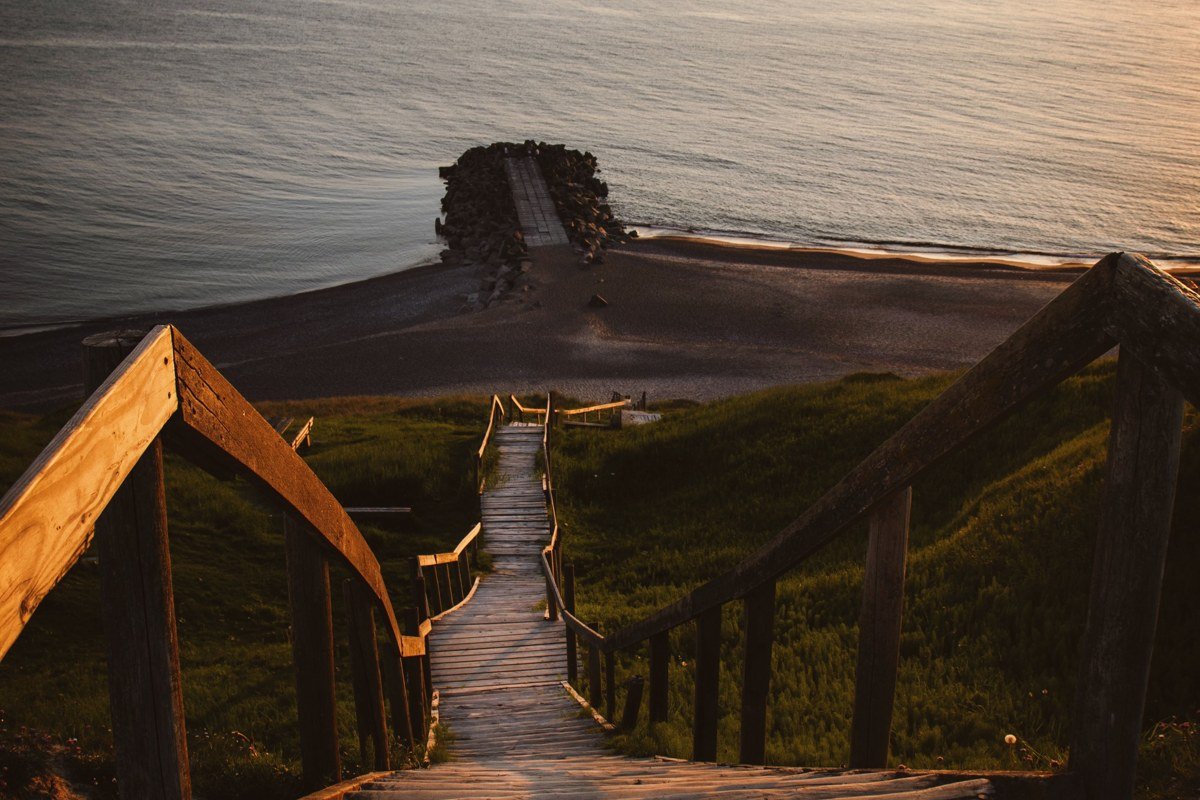
Duck built its reputation on a walkable downtown strip along the Currituck Sound, and it’s one of the few Outer Banks towns that makes an effort to stay alive in winter. The shops selling taffy and beach gear close up, but Duck Donuts and the Blue Point restaurant both keep regular winter hours, and the town’s soundside boardwalk is at its best in the cold months when the light comes in low over the water. It’s a good base if you want civilization within walking distance rather than a 20-minute drive for coffee. Parking, which is a nightmare in July, is simply not an issue from November through March.
Kitty Hawk, North Carolina
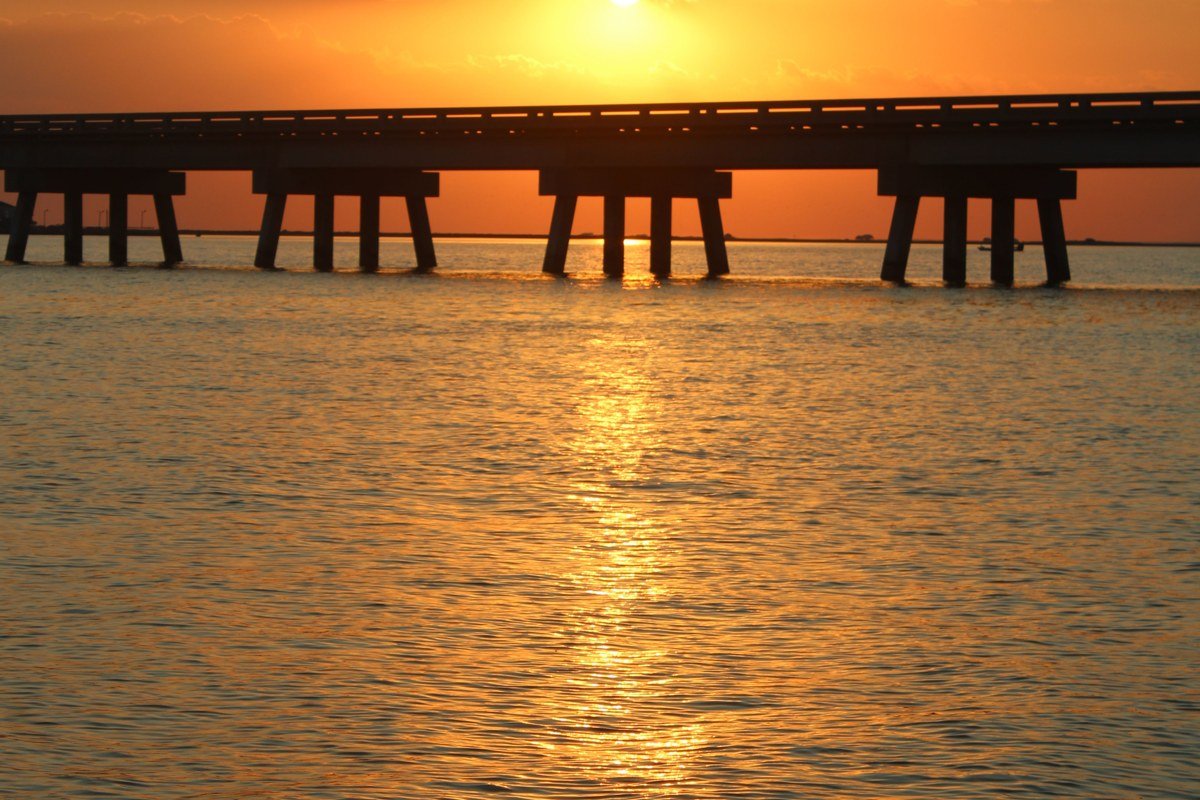
Kitty Hawk is the first town you hit crossing the Wright Memorial Bridge from the mainland, and it’s mostly residential, which makes it a sleeper pick rather than a headline destination. This is Milepost zero, where the green mile markers along the Bypass start counting up toward Whalebone Junction, and learning that system on day one will save you more confusion than any map app. Black Pelican Oceanfront Restaurant, in a former lifesaving station building, stays open through winter and is one of the few oceanfront dining rooms that doesn’t close for the season. The town has a quieter beach than its southern neighbors even in peak season, so in the off-season it borders on empty.
Kill Devil Hills, North Carolina
Kill Devil Hills is the commercial center of the northern beaches, home to the Wright Brothers National Memorial, where you can stand at the spot of the first sustained, powered flight and walk the markers showing how far each attempt actually traveled. The memorial is open year-round except Christmas Day. It’s a modest hill of a monument, and in summer the parking lot fills by mid-morning. In January you might be the only car there. Awful Arthur’s Oyster Bar has run year-round here since 1980 and is a safe bet on any January night when half the town’s kitchens are dark. The area also has the highest concentration of grocery stores, pharmacies, and chain hotels on the Outer Banks, which makes it the easiest place to stay if you want reliability over charm.
Nags Head, North Carolina
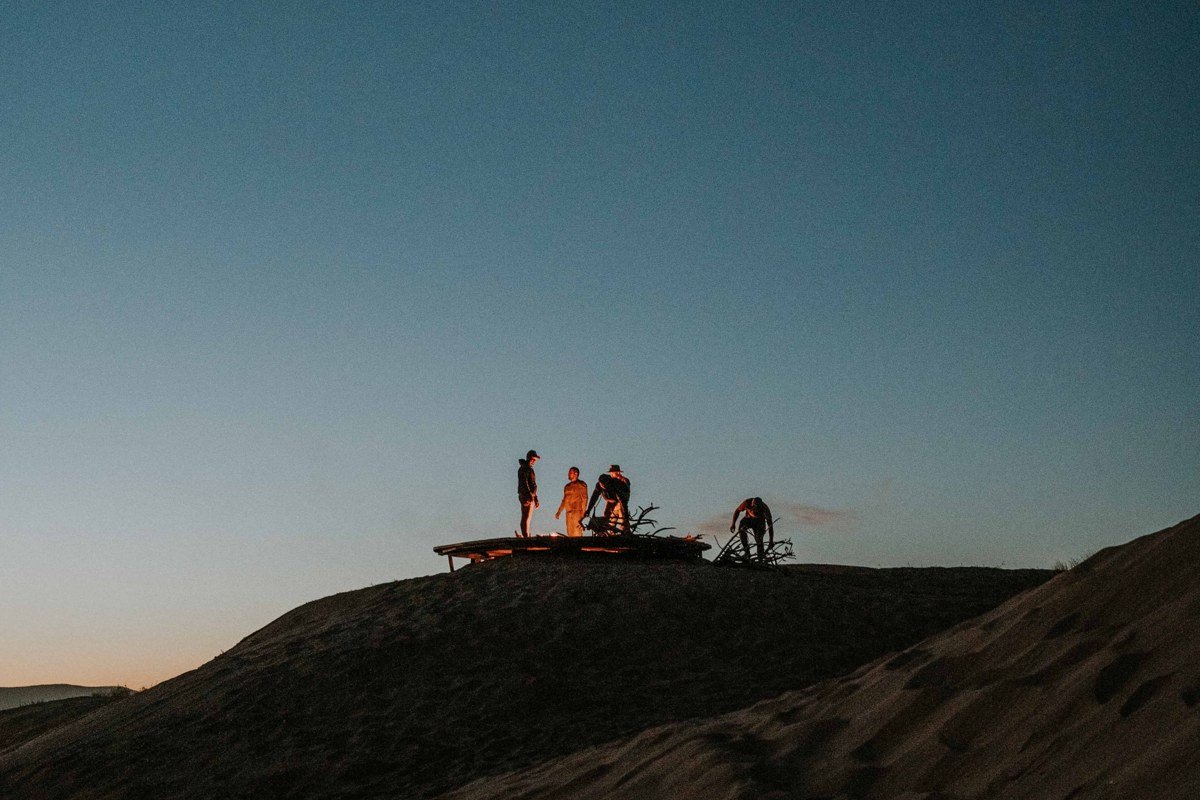
Nags Head is where Jockey’s Ridge State Park rises up, the tallest living sand dune system on the East Coast, and climbing it barefoot at sunset with a 20 mph wind at your back and no other footprints on the dune face is a different experience than the same climb in a July crowd. Hang gliding lessons run out of the park most of the year through Kitty Hawk Kites, and instructors will tell you that fall and spring winds are often more consistent for flying than summer’s. The pier and fishing scene here stay active through winter since striped bass fishing picks up when the water cools, and the Nags Head area typically hosts a fall striper tournament in November. This is also where the Beach Road and the Bypass are easiest to confuse, so watch for the green milepost signs, they run from about MP 10 to MP 16.5 through town.
Roanoke Island (Manteo), North Carolina
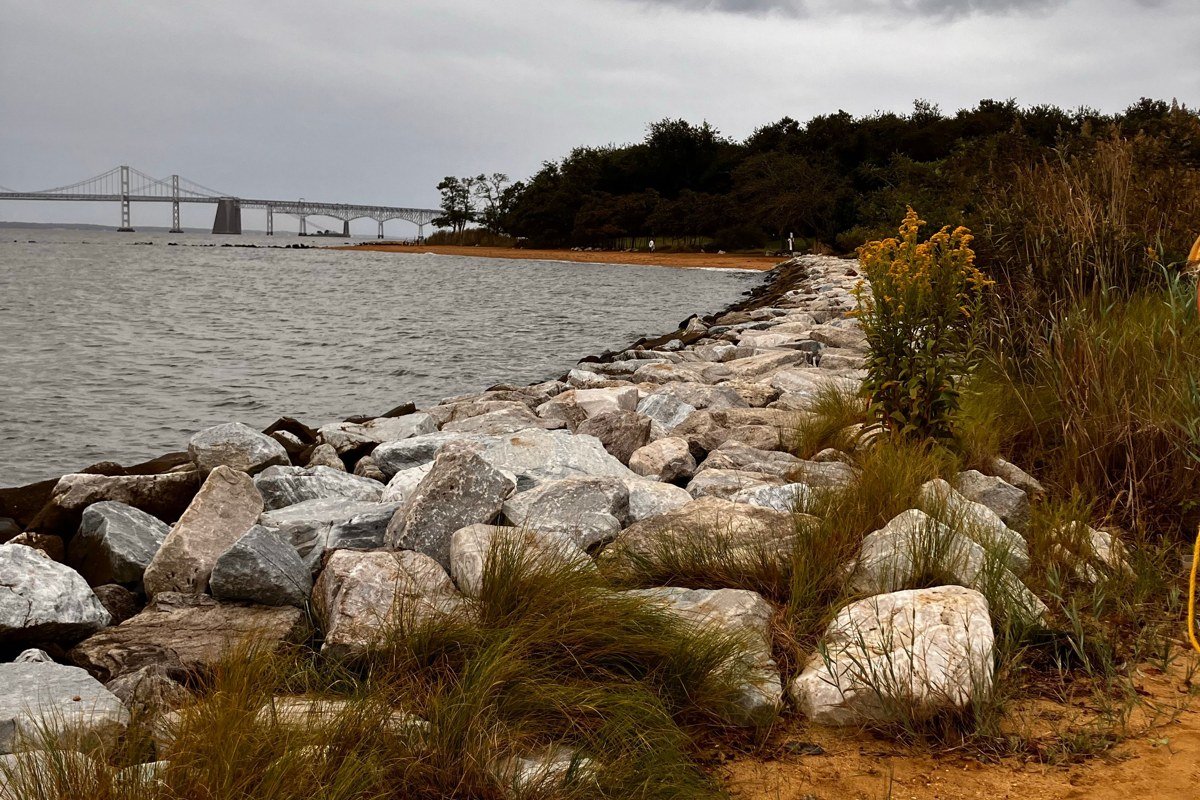
Roanoke Island sits between the beach towns and the mainland, and Manteo is its historic waterfront village, home to the North Carolina Aquarium and the site of The Lost Colony outdoor drama, which runs only in summer but whose story you can explore year-round at Fort Raleigh National Historic Site. Poor Richard’s Sandwich Shop on the downtown waterfront stays open through the winter months, as does the aquarium itself, which keeps regular winter hours aside from major holidays. Because it’s sound-side rather than ocean-side, Manteo runs a few degrees warmer in winter and a few degrees cooler in summer than the beach towns just east of it. It’s a smart rainy-day or off-season base since museums and indoor attractions don’t shut down the way beach shops do. Skip it if a room with an ocean view matters to you, there isn’t one here.
Rodanthe, North Carolina
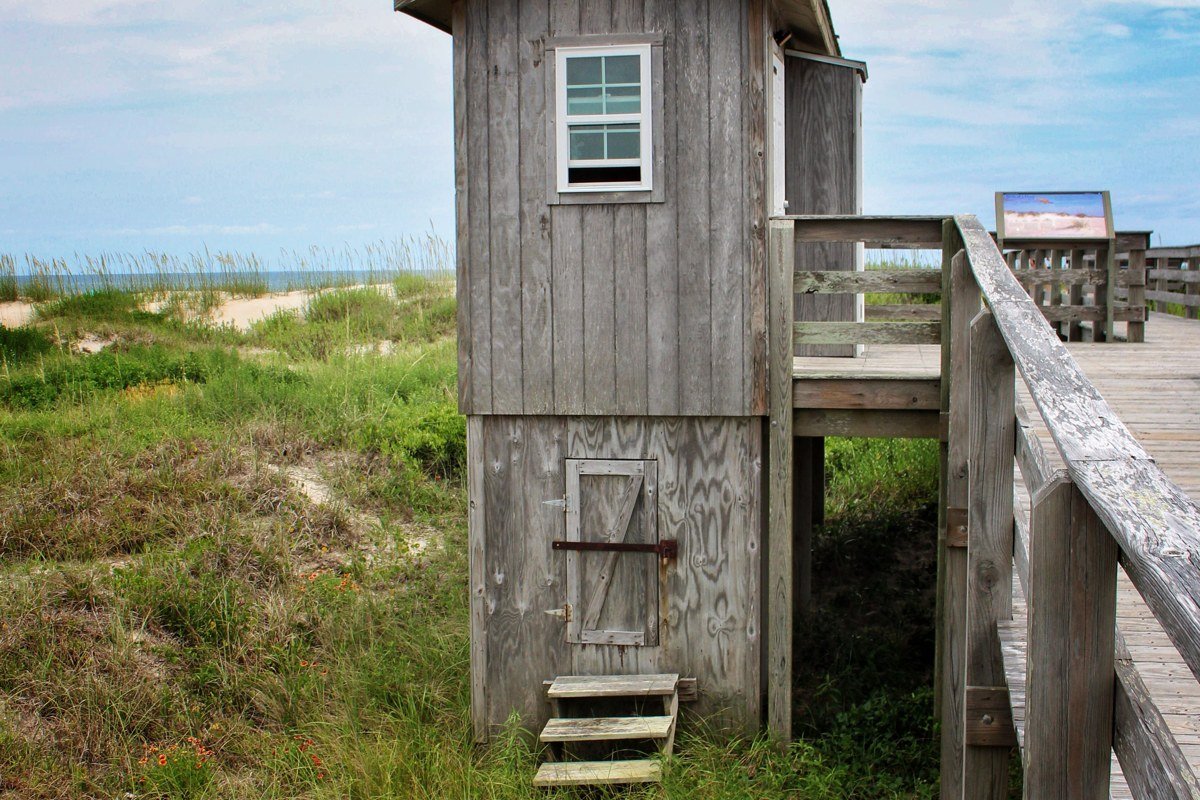
Rodanthe marks the start of Hatteras Island proper, a narrower, wilder stretch of the Outer Banks where NC-12 runs close enough to the ocean that storms occasionally wash it out. The Chicamacomico Life-Saving Station here is the most complete surviving site of its kind in the country, with its original station and outbuildings intact, though it operates on a reduced schedule from November through March, so check ahead before making the drive. Lisa’s Pizzeria stays open year-round and is one of the few reliable dinner options once the summer rental crowd clears out. Surfers know Rodanthe for its breaks, which get more consistent and less crowded in the off-season. Just know that NC-12 through this stretch can close after nor’easters, even in winter, so check road conditions before you commit to a drive south.
Hatteras Village, North Carolina
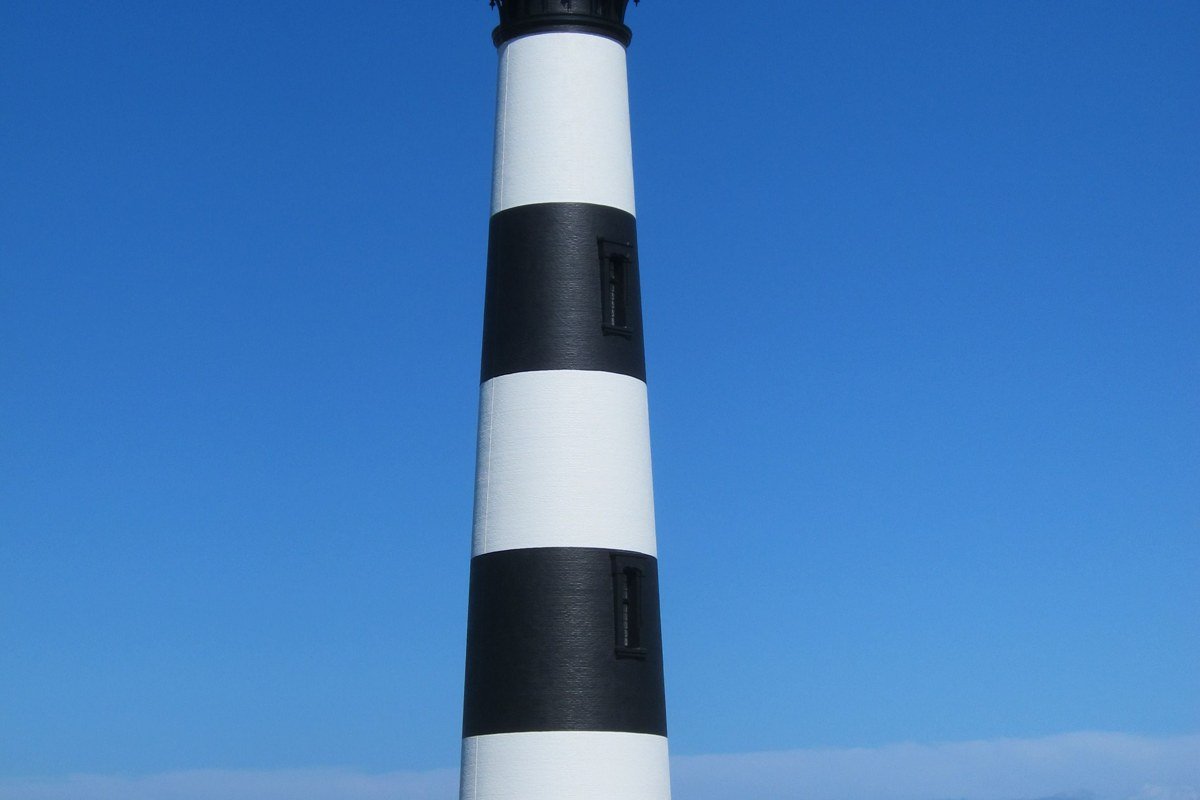
Hatteras Village sits at the southern tip of Hatteras Island, anchored by the black-and-white spiral of Cape Hatteras Lighthouse, the tallest brick lighthouse in the country. The climb costs $10.50 for adults and runs seasonally from mid-April through Columbus Day in early October, so if reaching the top matters to you, plan around those dates rather than a winter trip. This is also where you catch the free vehicle ferry to Ocracoke, and off-season the wait that can stretch for hours in July disappears almost entirely. Village Marina Restaurant and Hatteras Sol Waterside Grill both keep off-season hours, though trimmed back from summer. The village itself is sleepy and small, a scale shift you notice within an hour if you’ve just come from the busier northern beaches.
Ocracoke, North Carolina
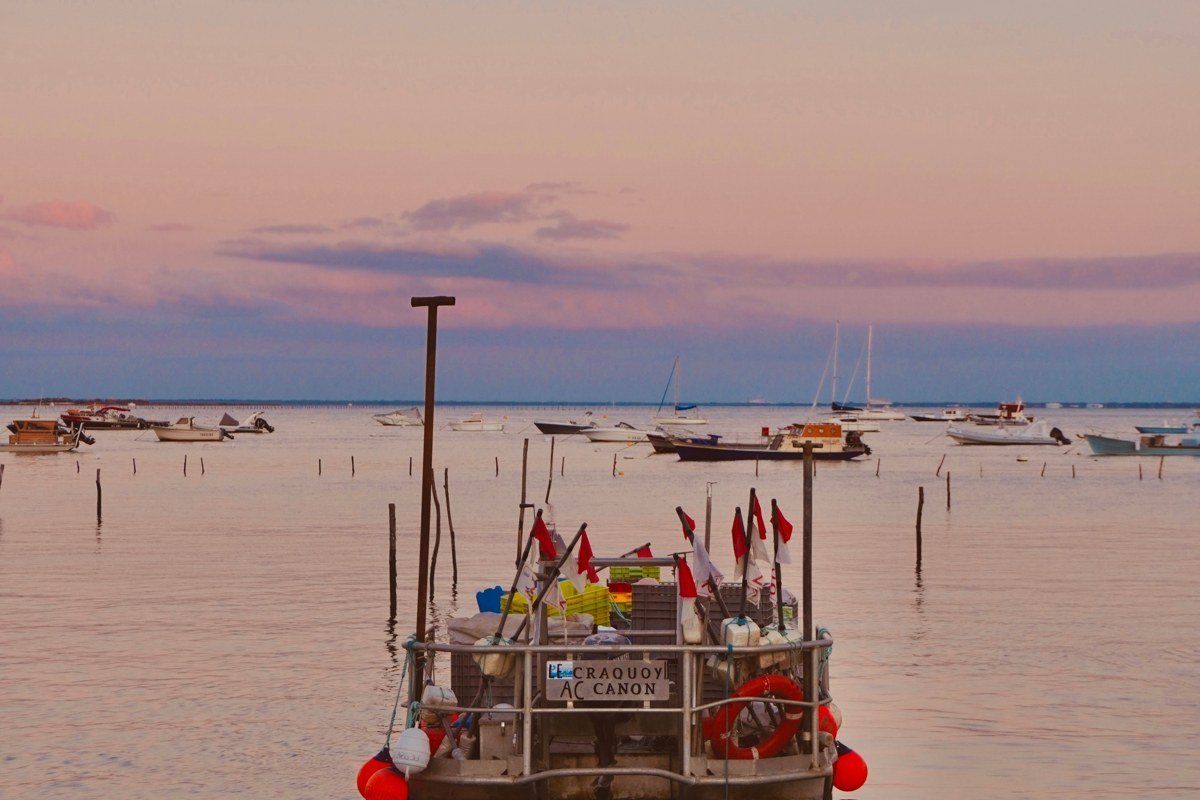
Ocracoke is reachable only by ferry or small plane, which alone filters out a huge share of casual summer traffic and makes the off-season here feel closer to a different decade. The free ferry from Hatteras takes about an hour, while the longer ferries from Swan Quarter or Cedar Island on the mainland cost $15 per vehicle one way and require a reservation, especially in shoulder season when schedules trim down. Zillie’s Island Pantry and the Ocracoke Coffee Company both stay open through winter and are reliable even when much of the village has shuttered. The village has a genuine fishing-town feel, wild ponies in a managed pasture, and a lighthouse you can photograph but not climb. Many other restaurants and shops close entirely from December through February, so this is more a target for November or March than the dead of winter, and the annual Ocrafolk Festival in early June, while not off-season itself, is worth building a spring trip around if the dates align.
Cape Lookout, North Carolina
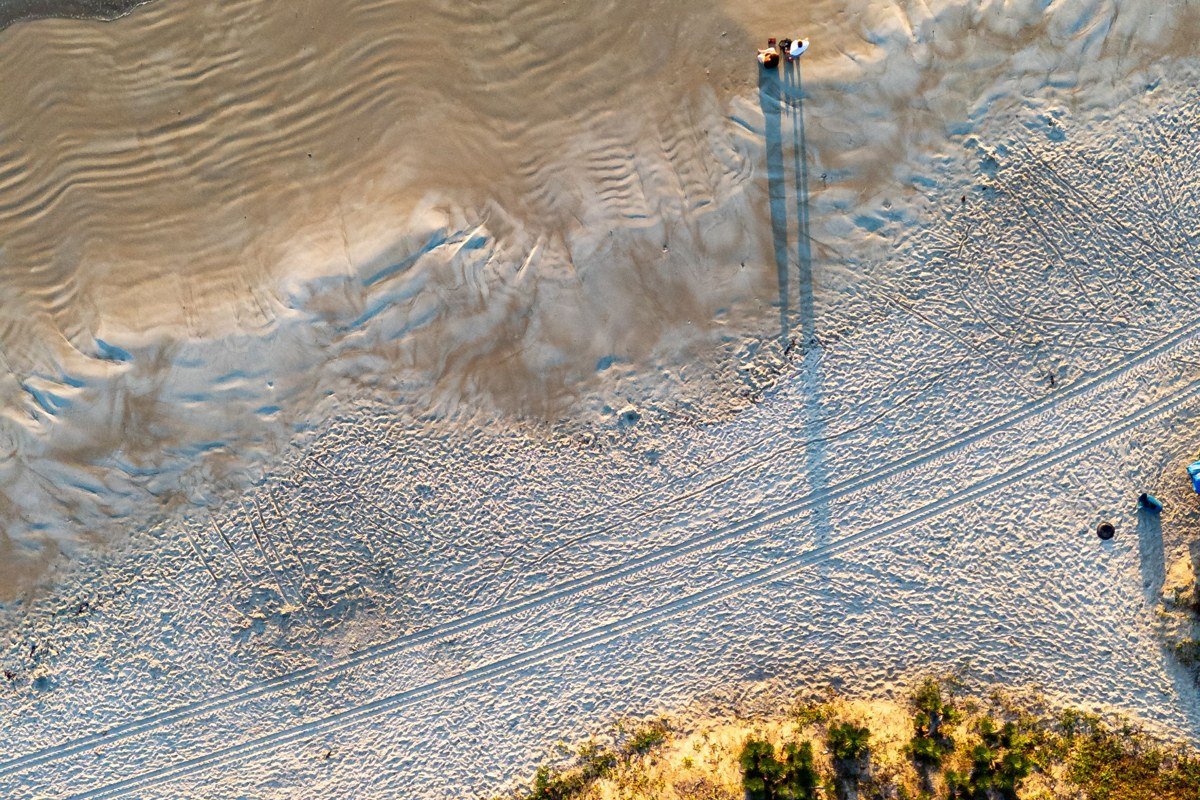
Cape Lookout National Seashore is the wild card on this list: no bridge, no paved road, and no permanent town, just a passenger ferry from Harkers Island or Beaufort out to an undeveloped barrier island with a distinctive diamond-patterned lighthouse. There’s no off-season crowd problem here because there’s barely an on-season crowd problem, but ferry schedules cut back significantly after fall, often to a few runs a week by December, and you should confirm a boat is actually running before you drive out to the dock. Wild horses roam the northern end near Shackleford Banks, and camping is primitive, meaning you bring everything in and out yourself, including fresh water. This is the pick for someone who wants the Outer Banks stripped down to sand, water, and a lighthouse, with nothing else built around it.
FAQ
Is Outer Banks, NC safe to visit?
Yes, for the vast majority of visitors, but the ocean itself is the real hazard here, not the towns. Rip currents are common along this coast, so swim at lifeguarded beaches when you can, check the surf forecast, and never swim against a current, swim parallel to shore until it releases you.
Does Outer Banks take place in North Carolina?
The Outer Banks is a real place in North Carolina, a chain of barrier islands stretching from the Virginia line down past Cape Lookout. If you’re thinking of the Netflix show of the same name, that’s fictional and was actually filmed mostly in South Carolina, not on the real islands.
What is the best time to visit Outer Banks to swim?
Water temperatures are most reliably warm for swimming from June through September, with July and August the warmest. If you want swimmable water without peak crowds, aim for early June or mid-to-late September, when the ocean has warmed up but the summer rental crush has eased.