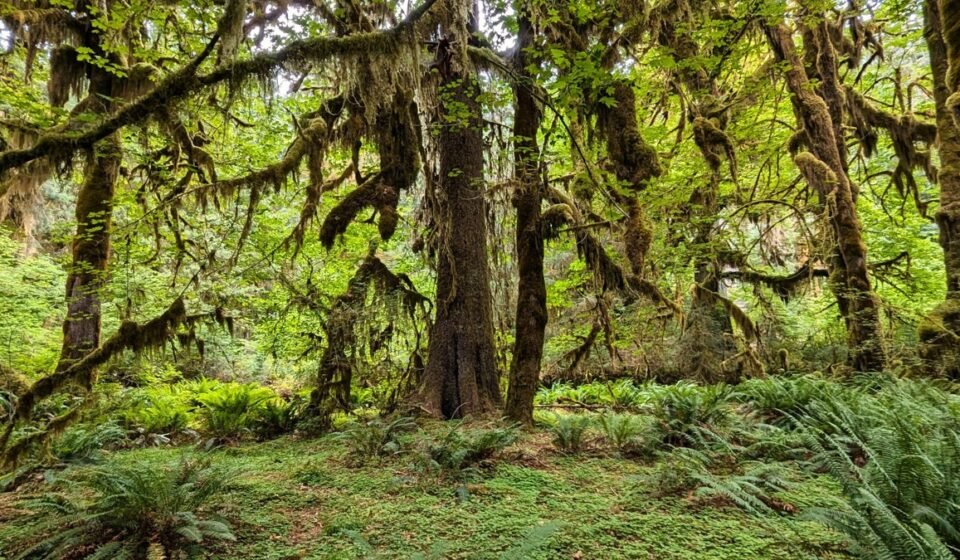

Most people drive the three hours from Seattle, Washington, arrive at the Hoh around noon, and wonder why their photos look flat and gray instead of like the ones that made them want to come. The light is the whole trick. Between roughly 5:30 and 7:30am, depending on the season, low sun angles through the canopy and hits the moss curtains from the side, and for about twenty minutes the whole forest looks like it’s lit from within. Get there before that window closes and you’ll understand why people keep coming back to this one particular rainforest and not the dozen others in the park.
One thing worth knowing before any of this: Olympic National Park charges a $30 per vehicle entrance fee, good for seven days, and an America the Beautiful annual pass ($80) covers it along with every other national park you’ll hit on a Pacific Northwest trip. There’s no fee booth at the Hoh entrance itself in the off season, but rangers do check at the Upper Hoh Road station in summer, so have it ready if you’re arriving before staff do, since unpaid entries get sorted out on your way back through.
Hall of Mosses Trail, Washington
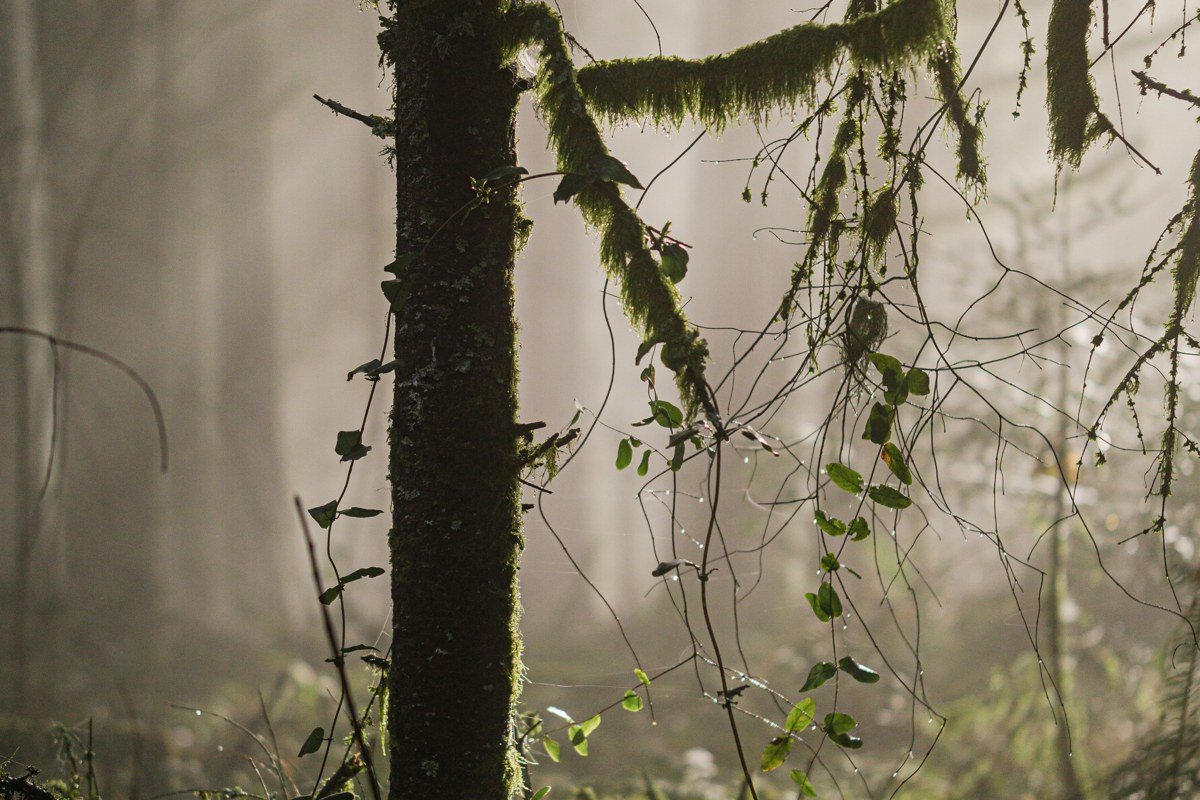
This is the trail everyone photographs, and it earns it. The 0.9-mile loop climbs gently through a grove of big-leaf maples so thickly draped in club moss that the branches look upholstered, and at dawn the fog still sitting in the understory catches the first light before it burns off. Walk it slowly twice: once for the wide shots, once for the close-ups of individual moss strands.
Worth knowing: The trailhead is at the Hoh Visitor Center, 18 miles down Upper Hoh Road from US-101, and that road has no cell service for most of its length, so download any map you need before you turn off the highway. A ranger at the visitor center once put it plainly: if you’re not in the parking lot by 6:15am on a July weekend, the tour vans (Olympic Hiking Co. runs day trips out of Port Angeles) have already claimed the first wave of light.
Skip if: You need solitude. By 9am this loop is the busiest trail in the entire park, even in shoulder season.
Spruce Nature Trail, Washington
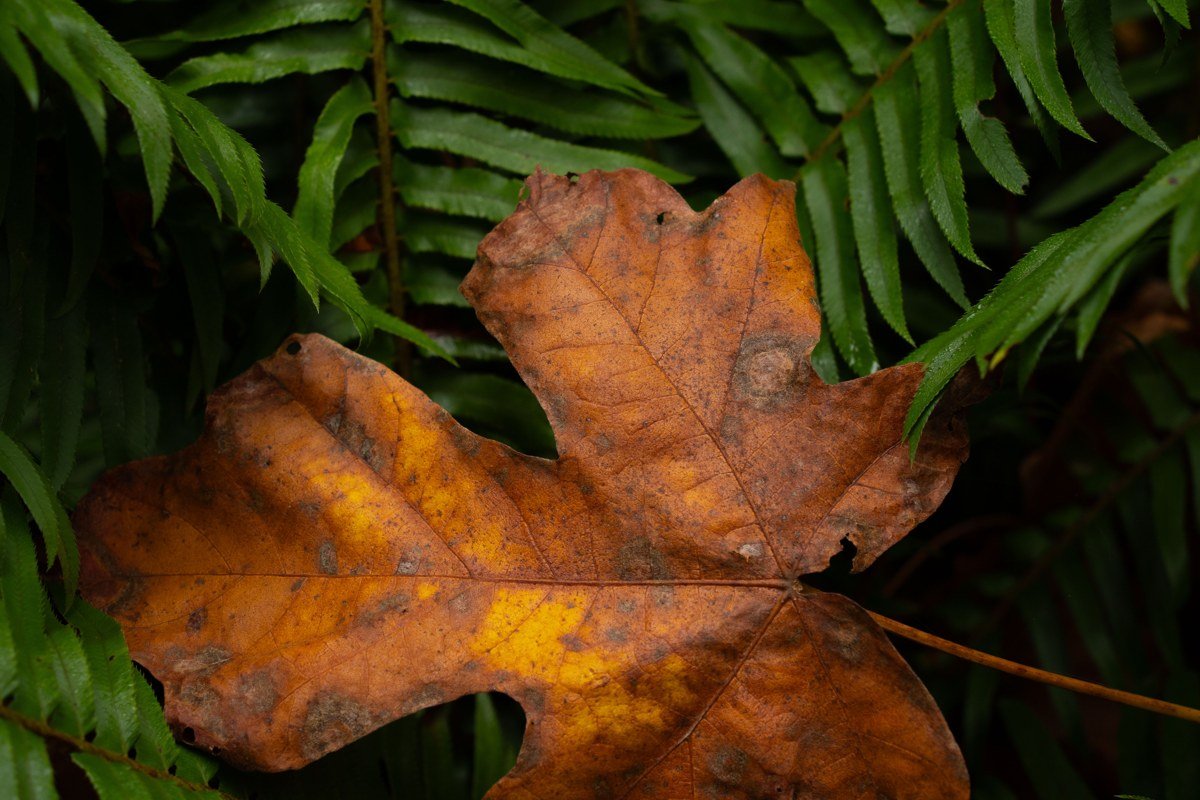
A 1.2-mile loop that gets a fraction of the Hall of Mosses foot traffic because it starts from the same parking area but heads the opposite direction, toward the Hoh River. The payoff is a stretch where the trail runs close enough to the water that mist off the river mixes with ground fog, and Sitka spruce trunks the width of a car disappear upward into it.
Worth knowing: This is the better dawn choice if Hall of Mosses is already crowded when you arrive. Same trailhead, same parking lot, opposite direction.
Skip if: You’re only doing one loop and want maximum moss density. That’s still Hall of Mosses.
Hoh River Trail (first mile), Washington
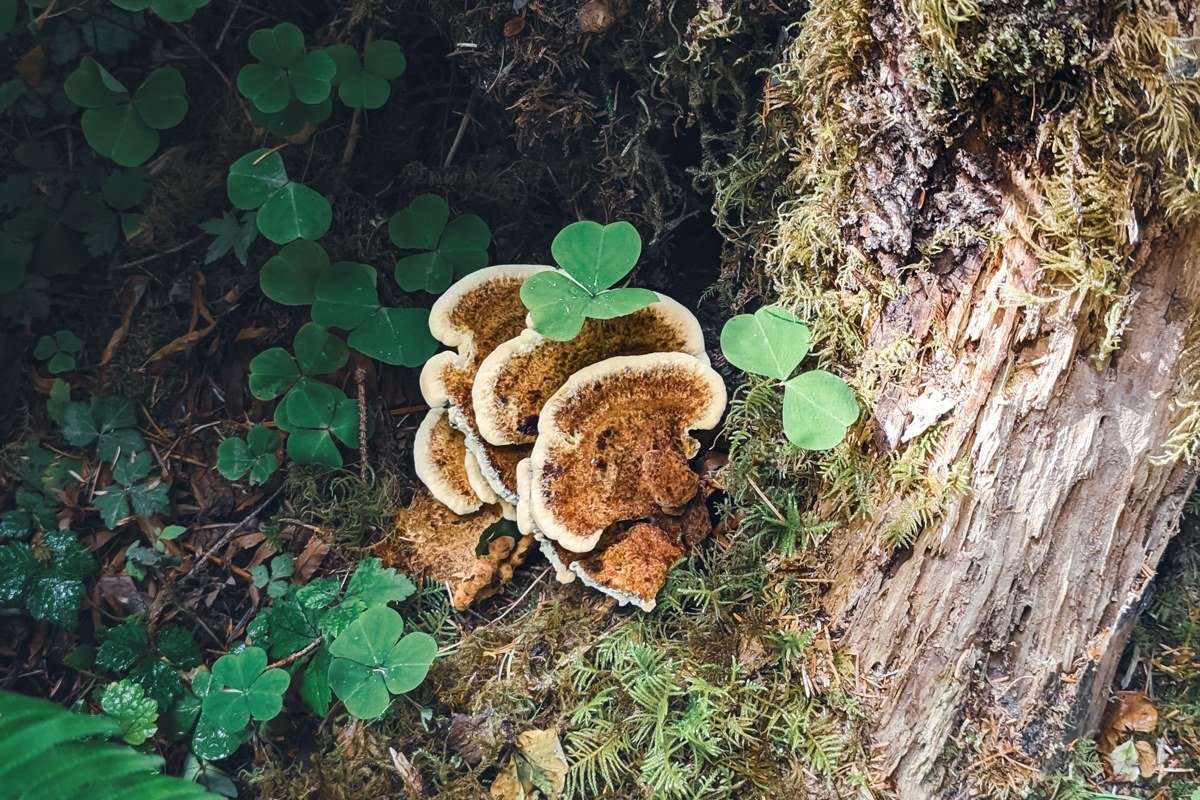
The full Hoh River Trail runs 17.3 miles one-way to Glacier Meadows below Mount Olympus, and almost nobody at dawn is doing that. But the first mile, flat and wide and shaded by old-growth Douglas fir and hemlock, is where backpackers pass through at first light with headlamps still on, and it’s worth walking even if you’re not continuing. The forest here is older and darker than the Hall of Mosses grove: less postcard, more cathedral.
Worth knowing: Past mile one, you need a wilderness permit booked through recreation.gov ($6 per person per night plus an $8 reservation fee), and the popular backcountry sites along the river, especially Olympus Guard Station and Elk Lake, typically open for booking in April and are gone for July weekends within days.
Skip if: You’re not a hiker at all. The trail is flat but the point is the length and quiet, and that takes more than twenty minutes to feel.
Mount Tom Creek Meadows viewpoint, Washington
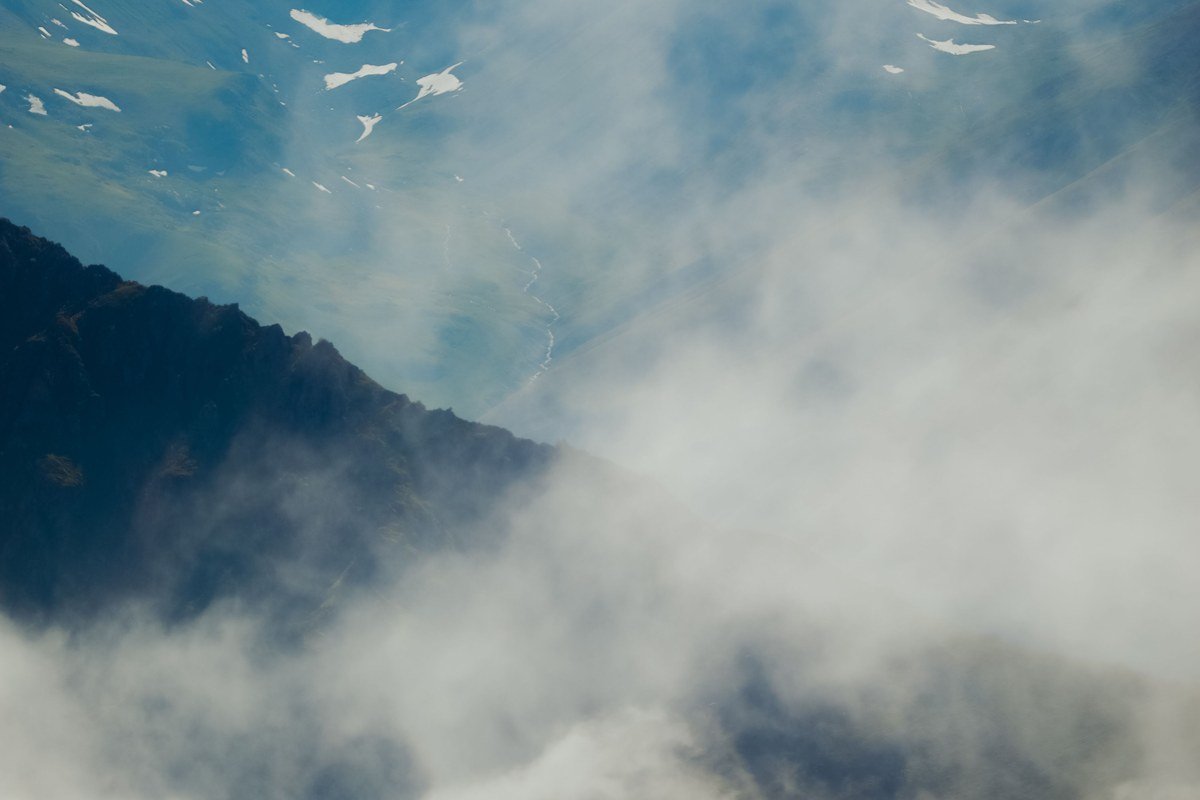
Roughly 3.7 miles up the Hoh River Trail from the visitor center, the forest opens into a meadow with a clear view toward Mount Tom, and on cold mornings this is where valley fog pools visibly below you while the peak stays lit. At about 7.4 miles round trip, it’s a longer out-and-back than most dawn visitors attempt, which is exactly why it’s quiet.
Worth knowing: Start in the dark. You want to be at the meadow as the sun clears the ridge, which means leaving the trailhead well before sunrise with a headlamp. Locals watch the overnight low at the Hoh Ranger Station: anything under 45°F with clear skies is the combination that produces the fog pooling worth getting up for. A muggy, overcast night rarely delivers it.
Skip if: You’re not comfortable hiking forest trails in low light. There’s no cell service to call for help if you turn an ankle.
South Fork Hoh Trail, Washington
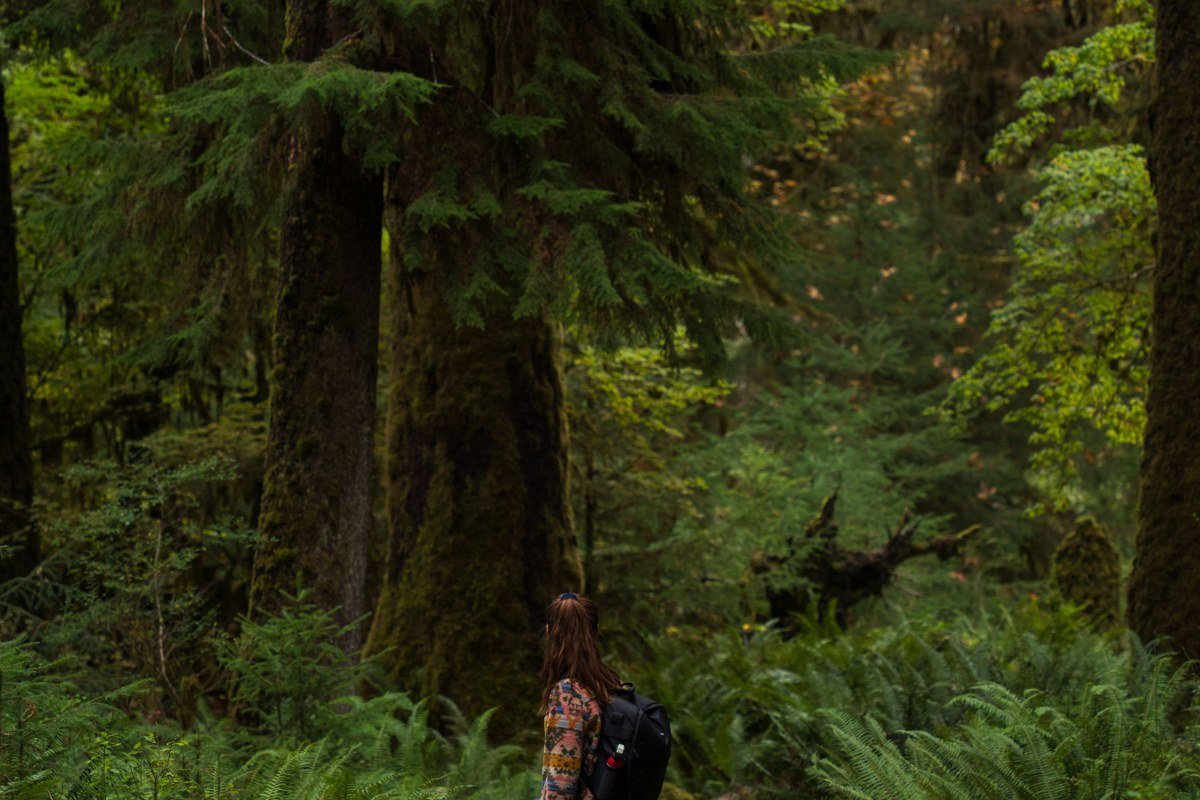
A separate, much less visited access point reached via Clearwater Road and South Fork Hoh Road off US-101, south of the main Hoh Road turnoff, this trail follows the South Fork of the Hoh River through forest that gets a fraction of the visitors the main valley does. Locals treat it as the fallback when the main Hoh corridor is full, but it holds its own on any morning with valley fog.
Worth knowing: The access road is unpaved gravel for its final few miles and can wash out after fall storms. High-clearance isn’t required in dry conditions, but call the Forks Chamber of Commerce or check the park’s current conditions page before committing, since this road doesn’t get plowed or graded on the same schedule as the main Hoh corridor.
Skip if: You have limited time and haven’t done the main Hoh trails yet. See those first.
Hoh River bar at river mile zero, Washington
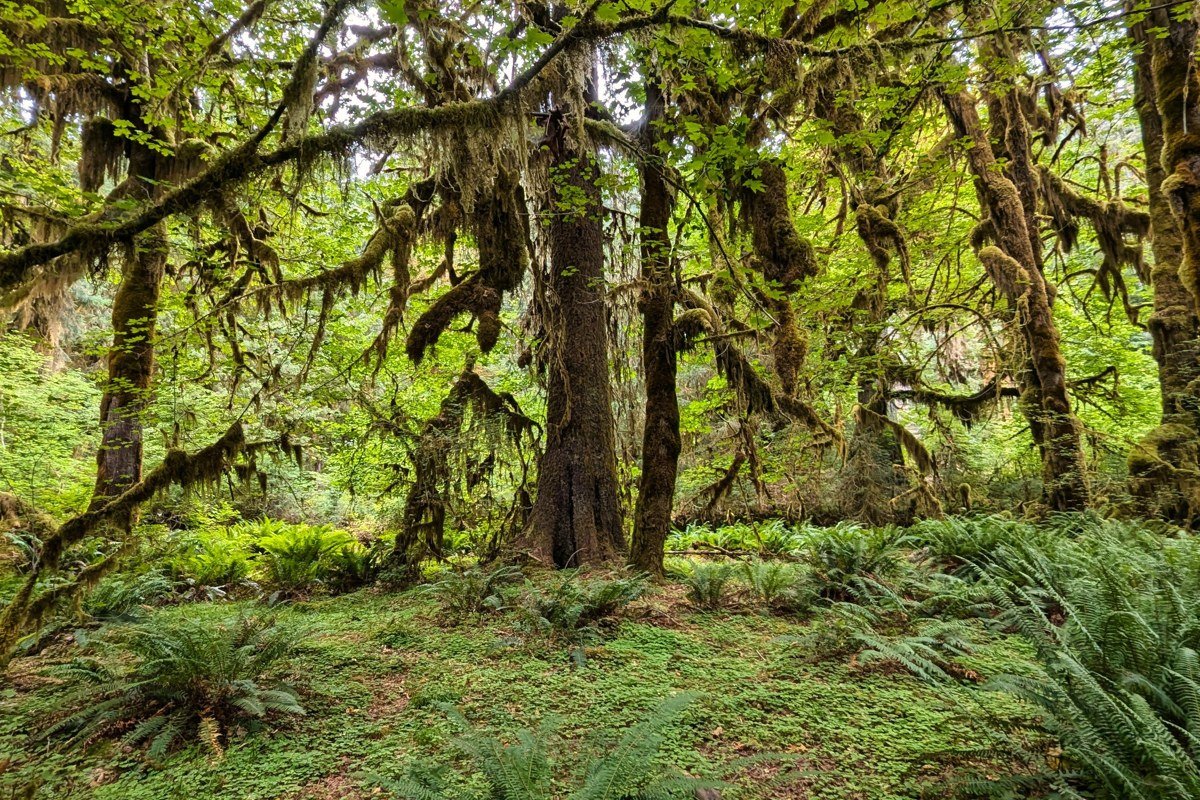
Where the Hoh River Trail crosses open gravel bars near its start, you get a rare unobstructed view straight up the valley toward the peaks, and at dawn the cold river air generates a low fog that sits right on the water while the sky above goes pink. It’s not a maintained overlook, just a place where the trail breaks out of the trees.
Worth knowing: River bars shift year to year with flooding, so what’s a clear gravel bar one season may be brushy the next. Ask at the visitor center what the current access looks like before you plan a shot around it.
Skip if: You want a guaranteed, repeatable shot. This spot changes with the river.
Hoh Visitor Center boardwalk, Washington
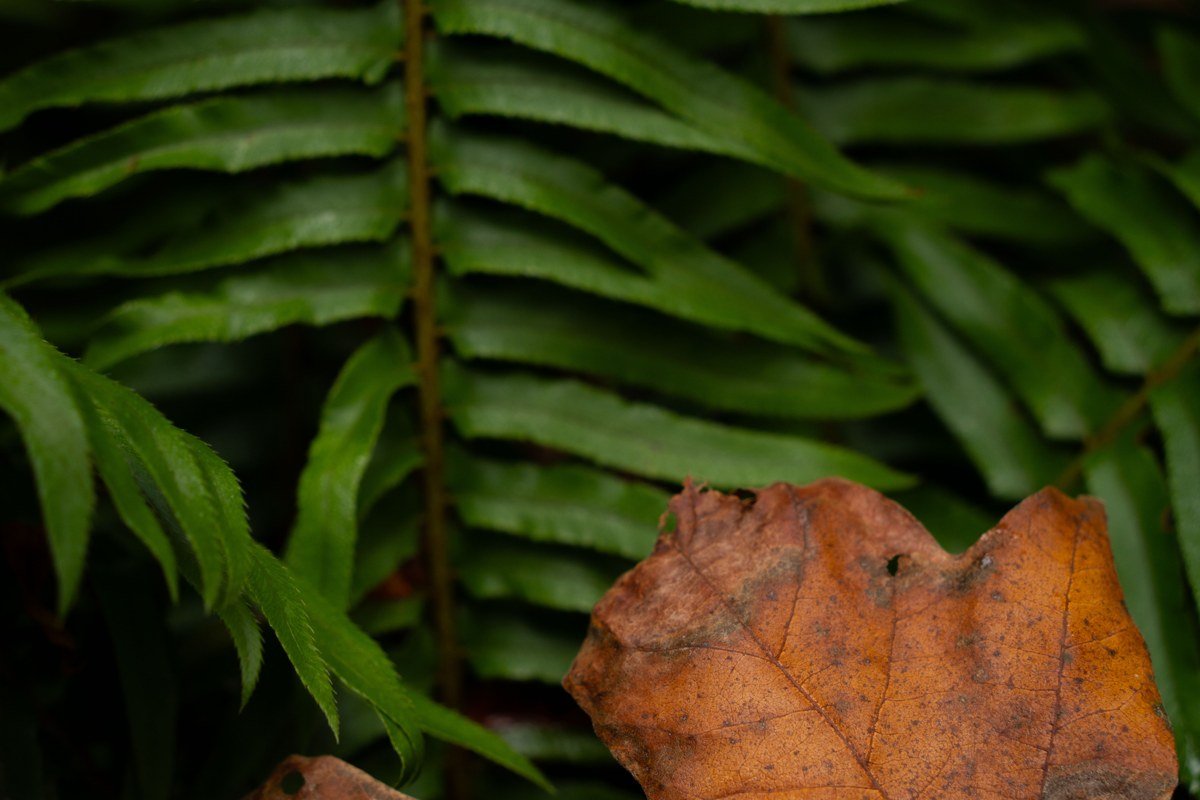
Underrated simply because people treat it as a bathroom stop rather than a destination. The short boardwalk loop just behind the visitor center gets the same dawn light as Hall of Mosses without the crowd, since most visitors walk straight past it toward the marked trailheads.
Worth knowing: The visitor center building itself doesn’t open until 9am, but the grounds and boardwalk are accessible whenever the road is open, which is generally year-round except during rare snow closures.
Skip if: You’ve already done Hall of Mosses and Spruce Trail. This is a smaller version of both.
Mistakes people make
- Treating “morning” as good enough. The moss-glow effect is real but narrow, generally within the first two hours after sunrise, and by mid-morning the light goes flat and the crowds arrive together, often in the same fifteen-minute window once the tour vans start showing up.
- Underestimating the drive. Port Angeles is the main service town for the park’s north side, but the Hoh sits on the west side, and the honest drive time from Seattle is closer to three to four hours depending on ferry timing and traffic through Olympia. Staying in Forks the night before is what actually makes a dawn visit possible.
- Picking the wrong season and not knowing it. July and August are the driest, most reliable months for clear mornings, but they’re also the busiest. Spring and fall bring more rain and more days where fog never lifts at all, which some photographers actually prefer, but you need to accept you might get three straight gray days with no glow. Winter access is usually fine on the Hoh Road itself, unlike Hurricane Ridge, which requires chains and can close outright, but river flooding occasionally shuts the lower trails after storms.
- Skipping the road itself. The 18 miles of Upper Hoh Road between US-101 and the visitor center pass through forest just as mossy as anything at the marked trailheads, with several pullouts where you can stop and walk fifty feet into ferns and old growth without another person in sight. Pull all the way off; the road is narrow with no shoulder in most places, and rangers and delivery trucks drive it fast in the early morning. Save this for the drive back out if you’re racing the light window.
- Writing off Kalaloch as not worth the time. It’s not in the Hoh valley, but if you’re staying near Forks, it’s a 25-minute detour on US-101 that pairs naturally with a Hoh dawn trip: coastal fog rolls in sheets over driftwood rather than pooling in trees, and it’s a solid second act once the forest light flattens out by mid-morning. US-101 enters park land here without a fee checkpoint, so it’s an easy add even before you’ve paid your entrance fee elsewhere. Only worth it if you have time beyond the Hoh trails themselves.