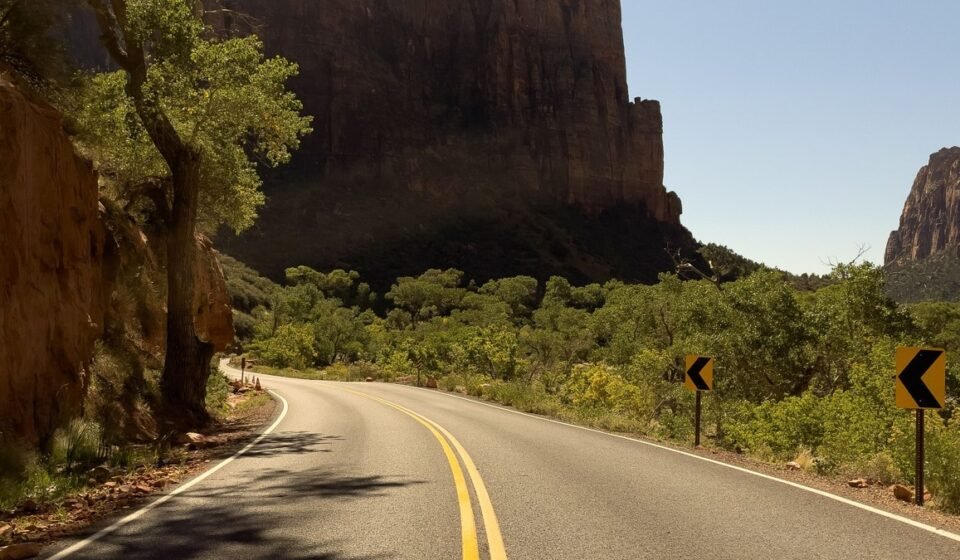

Zion, Utah, gets the crowds and the sunrise lines at Angels Landing. Capitol Reef, Utah, gets a gas station stop on Highway 24 and a glance out the windshield. That gap in attention is the whole problem with how most people plan a Utah national parks road trip: they treat Capitol Reef as the park between the parks, when it’s actually the one with the most room to breathe and some of the strangest rock formations in the entire state. Below are nine stops sorted by how much effort they take to reach, so you can build a trip around your actual time and tolerance for dirt roads, not just a list someone else made.
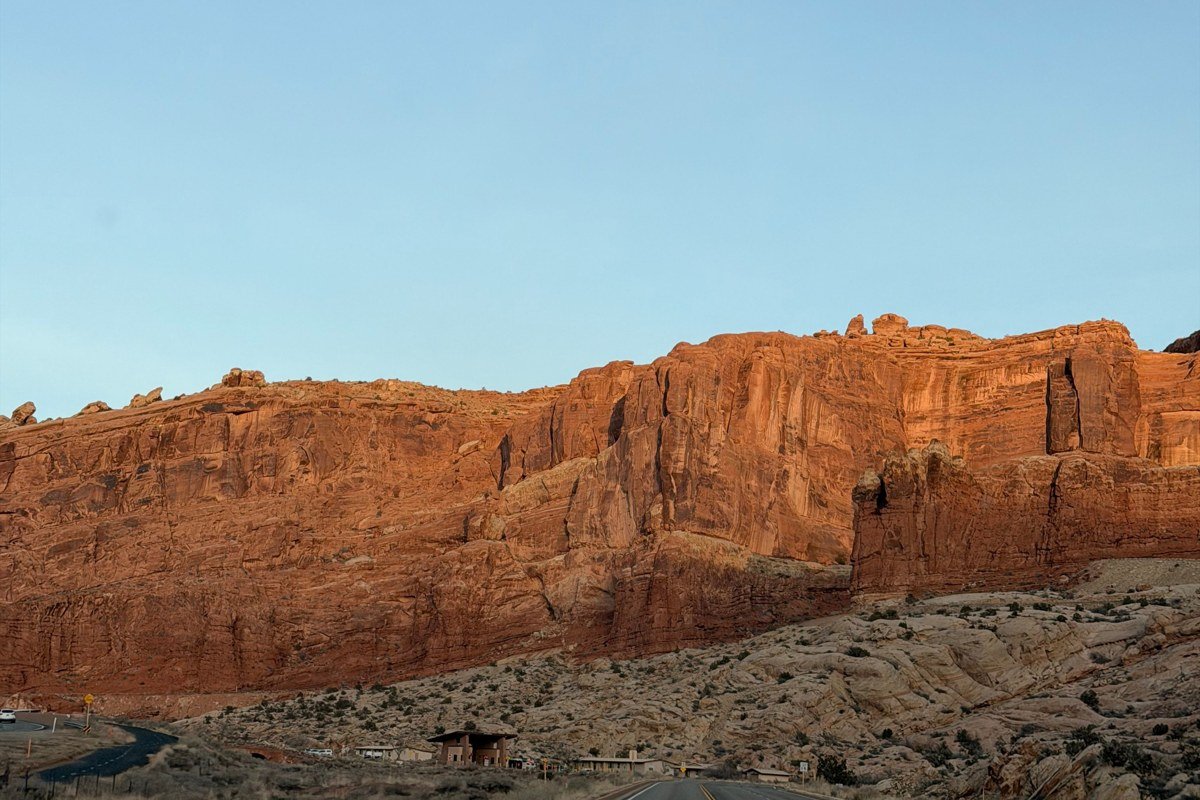
This tiering works whether you’ve got a long weekend or the full 10 days. First tier suits anyone flying into Las Vegas, Nevada, or Salt Lake City, Utah, with limited time. Second tier is for the standard 7-day loop. Third tier is for people who’ve already done Zion and Bryce Canyon, Utah, and want the version of this trip most travelers never bother with.
Easy wins (a weekend, no planning)
Zion National Park, Utah
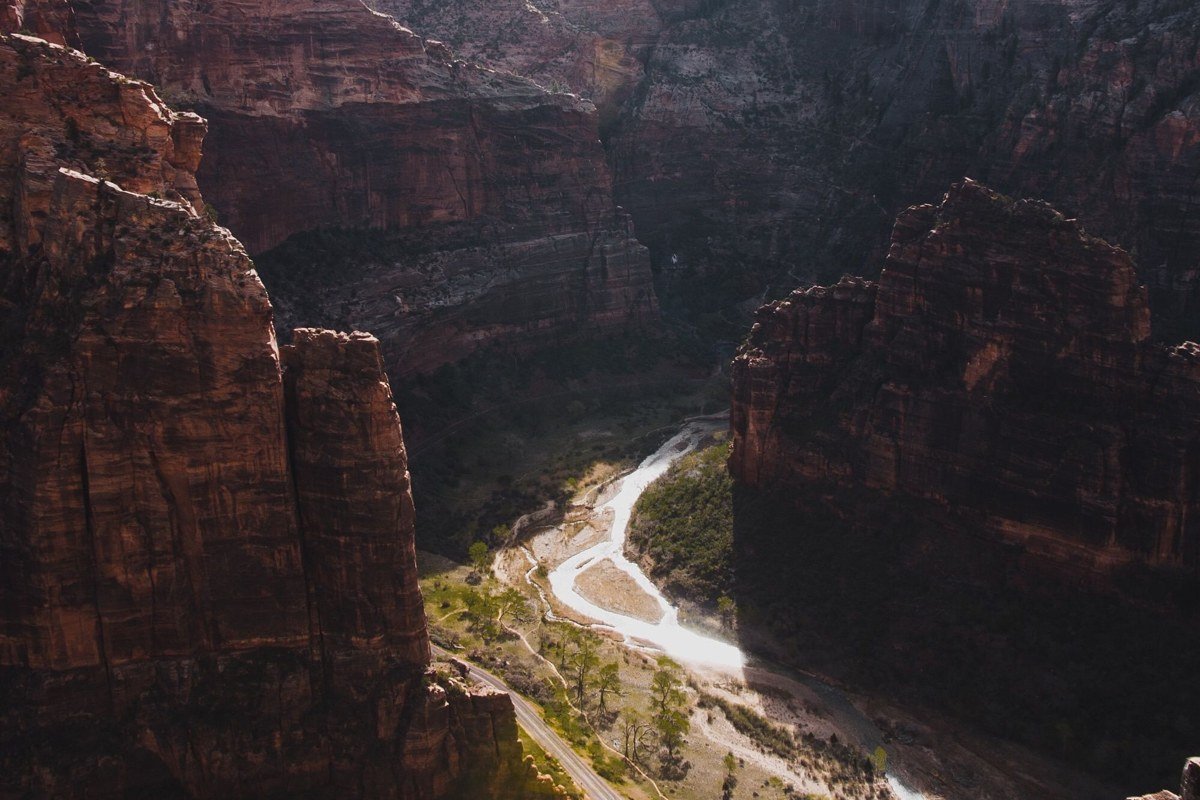
Zion is the park that sells the whole Southwest on postcards, and it earns it. The Narrows, the shuttle-only main canyon, and the view from the Zion-Mt. Carmel Highway tunnel all deliver on the first visit. It’s also the most crowded of the Mighty Five, especially from Memorial Day through early September, so plan on shuttle lines and a parking lot that fills before 8 a.m. in peak season.
Effort: 2.5 hours from Las Vegas by car, no permit needed for the main canyon (Angels Landing now requires a separate lottery permit). Entrance fee: $35 per vehicle.
Bryce Canyon National Park, Utah
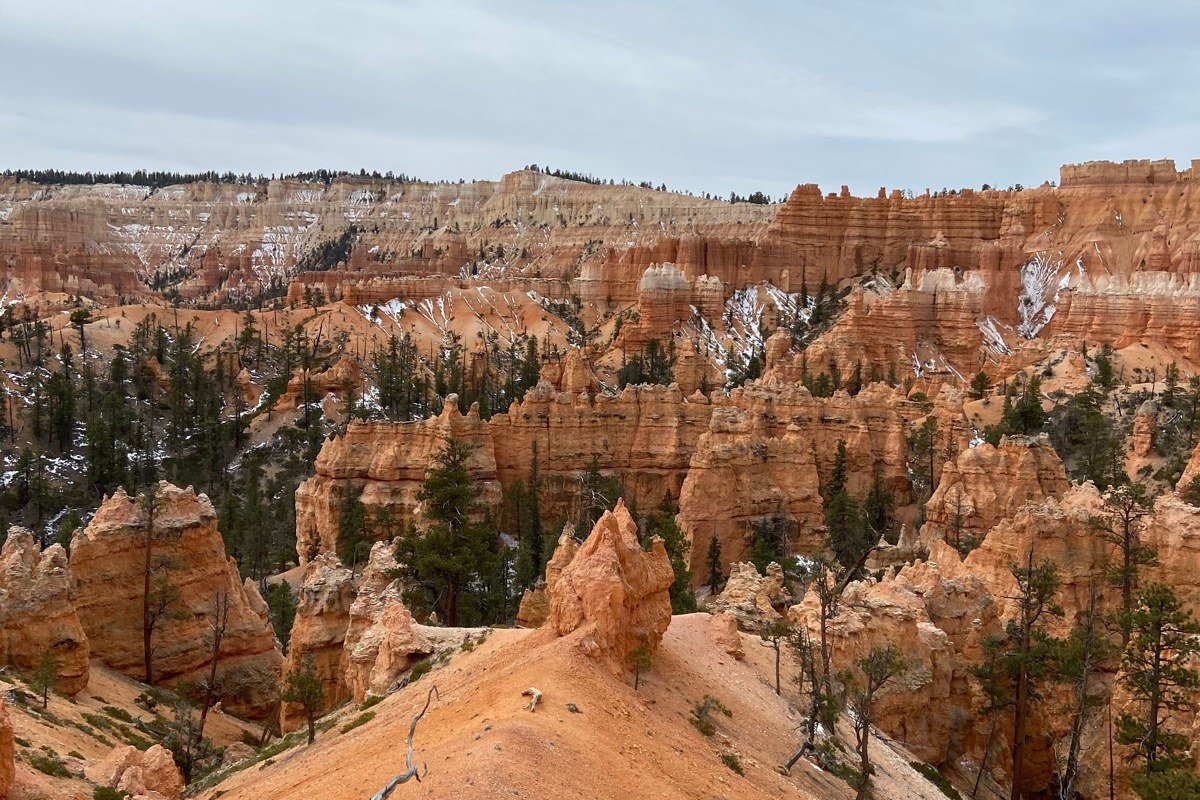
Bryce isn’t a canyon at all, it’s a horseshoe-shaped amphitheater packed with hoodoos that glow orange at sunrise from Sunrise Point. The Navajo Loop and Queen’s Garden combo trail is short enough for most fitness levels and gives you the hoodoo forest up close, not just the overlook view. Because Bryce sits above 8,000 feet, it stays cooler than Zion in summer and gets genuinely snowy in winter.
Effort: 1.5 hours from Zion, 3 miles round trip for the Navajo-Queen’s Garden loop. Entrance fee: $35 per vehicle.
Capitol Reef National Park, Utah (the roadside overlooks)
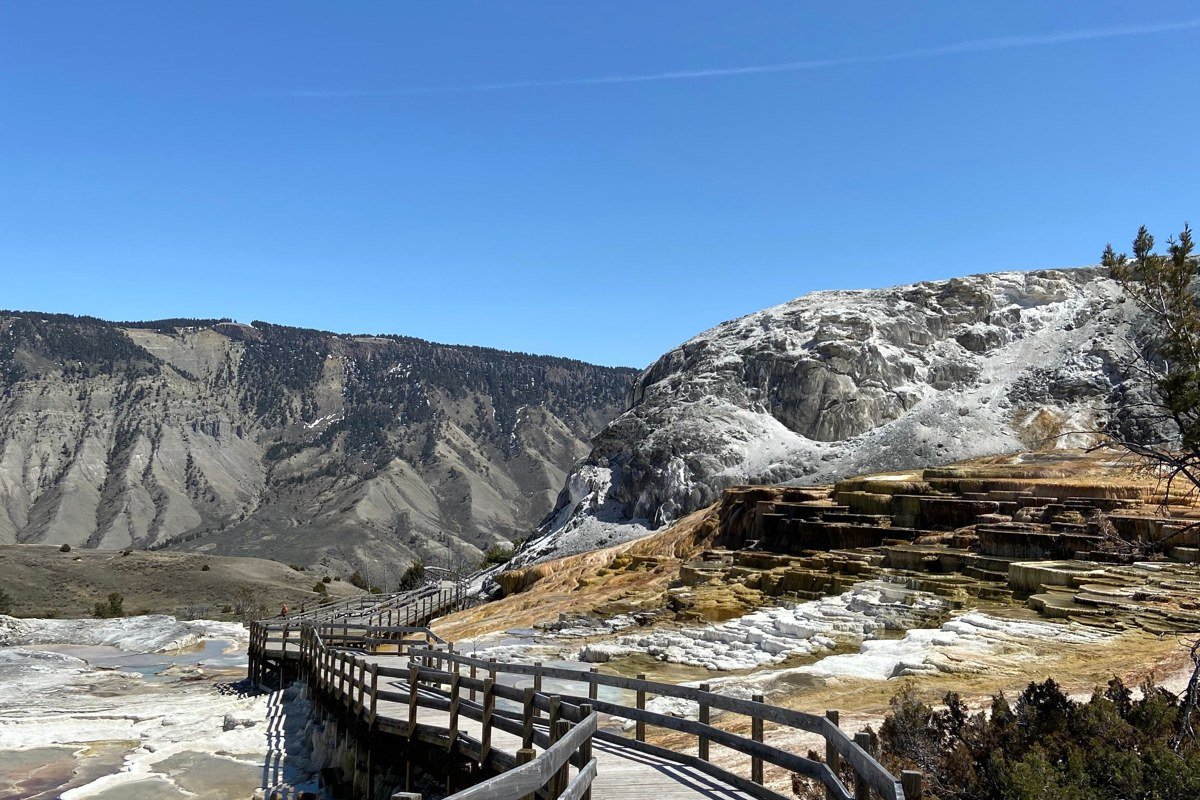
Here’s the easiest way to stop treating Capitol Reef as a drive-through. Highway 24 cuts directly through the park, and you can pull off at the petroglyph panel boardwalk or the Gifford Homestead without adding a mile of detour. The Waterpocket Fold, a 100-mile wrinkle in the earth’s crust, is visible right from the road, and almost nobody stops to look at it properly.
Effort: zero extra drive time if you’re already on Highway 24 between Torrey and Hanksville. No entrance fee for the Highway 24 corridor itself (the Scenic Drive beyond the visitor center is $20 per vehicle).
Worth the drive
Capitol Reef National Park, Utah (Capitol Gorge and the Scenic Drive)
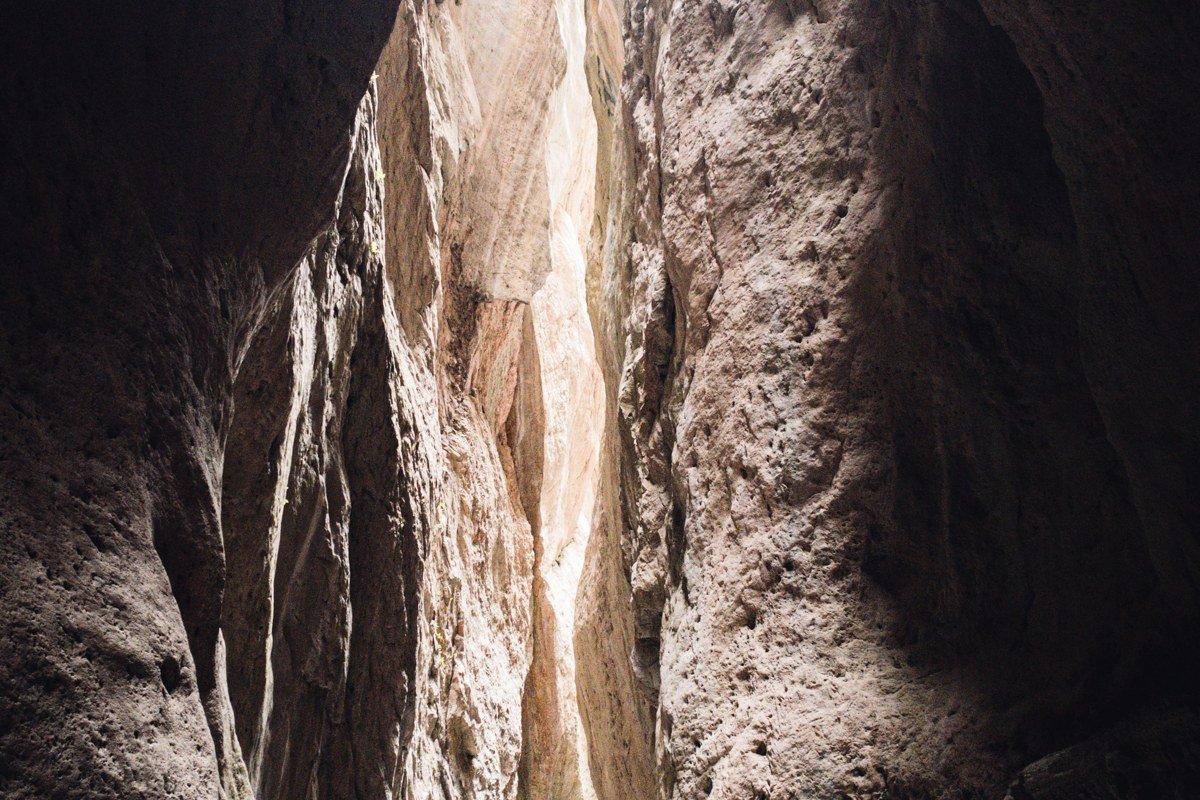
This is where Capitol Reef stops being a drive-by and becomes a destination. The paved Scenic Drive runs about 7.9 miles one way into the heart of the Fold, then turns to graded dirt through Capitol Gorge, a narrow canyon that was the only wagon route through this stretch of Utah until the 1960s. The pioneer register, names scratched into the rock by Mormon settlers in the 1880s, still sits along the gorge floor. Unlike Zion or Bryce, there’s no shuttle and no timed entry, and we had the gorge to ourselves except for one other couple the whole walk.
Effort: 30-minute drive from the visitor center plus a flat 2-mile round trip walk in the gorge. Entrance fee: $20 per vehicle for the Scenic Drive.
Grand Staircase-Escalante National Monument, Utah
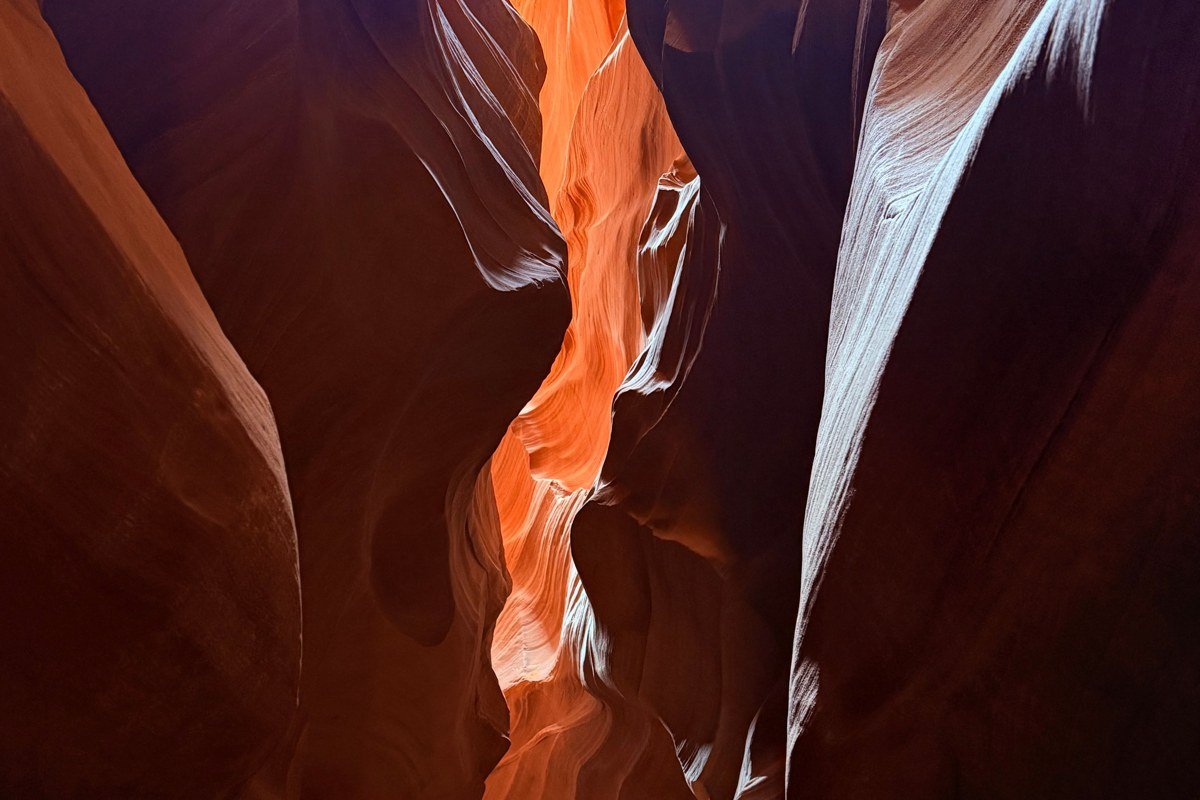
This is the land between Bryce and Capitol Reef that most itineraries skip because it’s not technically one of the Mighty Five. That’s a mistake. Lower Calf Creek Falls and the slot canyons near Hole-in-the-Rock Road reward anyone willing to add a half day. Much of the monument is dirt road and unmarked trailhead, so cell service disappears fast and a paper map earns its keep.
Effort: half day minimum, high-clearance vehicle recommended for Hole-in-the-Rock Road beyond the first few miles. No entrance fee, it’s a national monument with free access.
Goblin Valley State Park, Utah
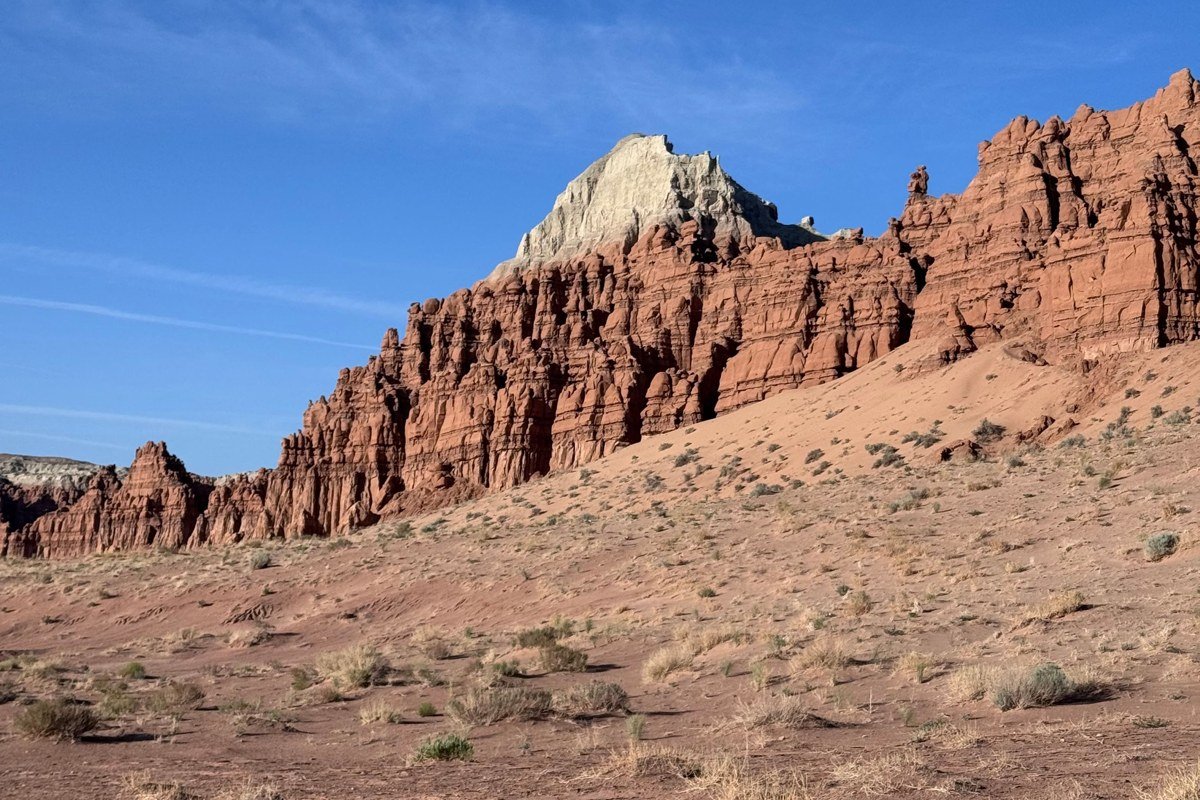
Not a national park, which is exactly why it’s underrated on a Mighty Five trip. Thousands of mushroom-shaped hoodoos spread across a valley floor you’re allowed to walk right into, no maintained trail required. It sits almost exactly between Capitol Reef and Moab, Utah, making it a natural break on the long drive east, and kids tend to love it more than any formal overlook.
Effort: 45 minutes off Highway 24, no permit. Entrance fee: $20 per vehicle.
Earn it (long haul, big payoff)
Arches National Park, Utah
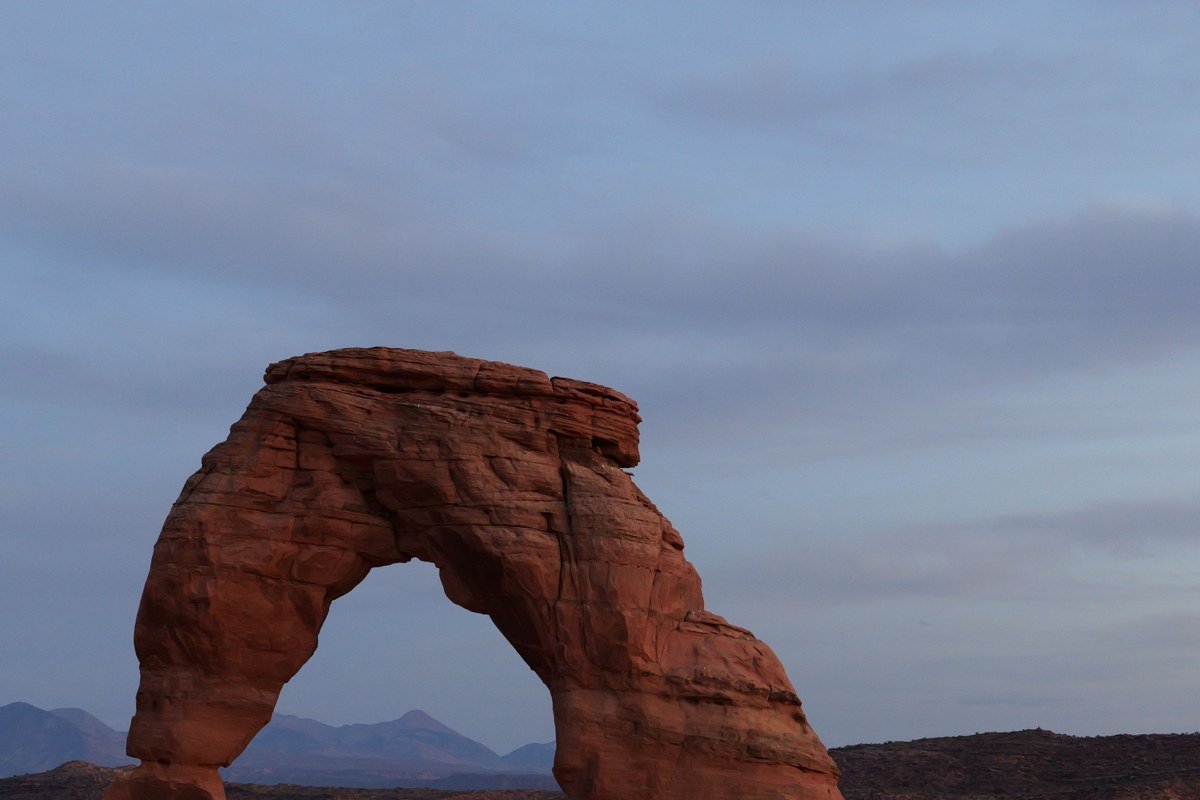
Arches now runs a timed-entry reservation system during peak season (roughly April through October), and that reservation sells out weeks ahead some years. Delicate Arch is the 3-mile round trip everyone’s seen in photos, with almost no shade and a steep slickrock final stretch that’s miserable in July heat. Go at sunrise or save it for a cooler shoulder-season month if you can.
Effort: timed-entry ticket required in peak season, 3 miles round trip to Delicate Arch, bring more water than feels necessary. Entrance fee: $30 per vehicle.
Canyonlands National Park, Utah (Island in the Sky)
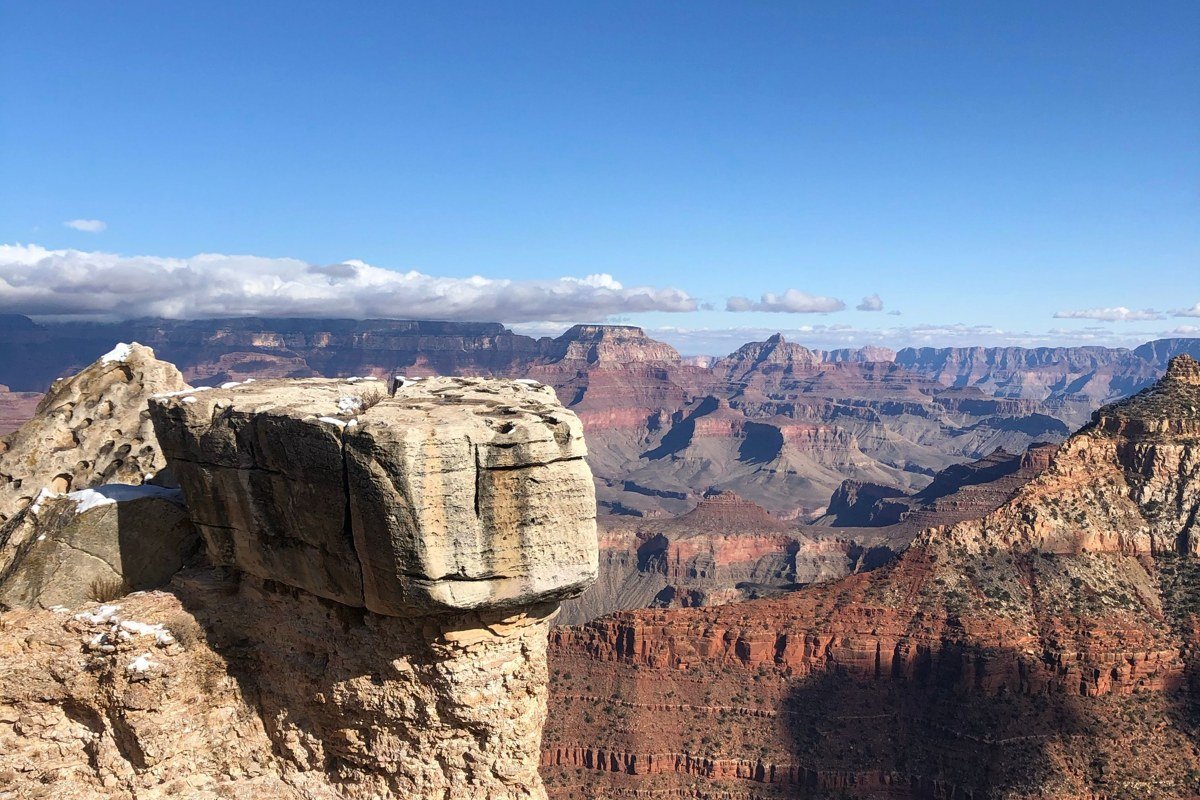
Canyonlands gets far fewer visitors than Arches despite sitting right next door, which makes Mesa Arch and Grand View Point feel almost private by comparison. The Island in the Sky district is an easy add-on from Moab, but the Needles district, 1.5 hours further south, demands actual planning and a full day to see properly. Most road trippers only do Island in the Sky, and that’s a reasonable call if time is tight.
Effort: 40 minutes from Moab to Island in the Sky, full day if you add the Needles district. Entrance fee: $30 per vehicle, covers both districts for three days.
Capitol Reef National Park, Utah (Cathedral Valley)
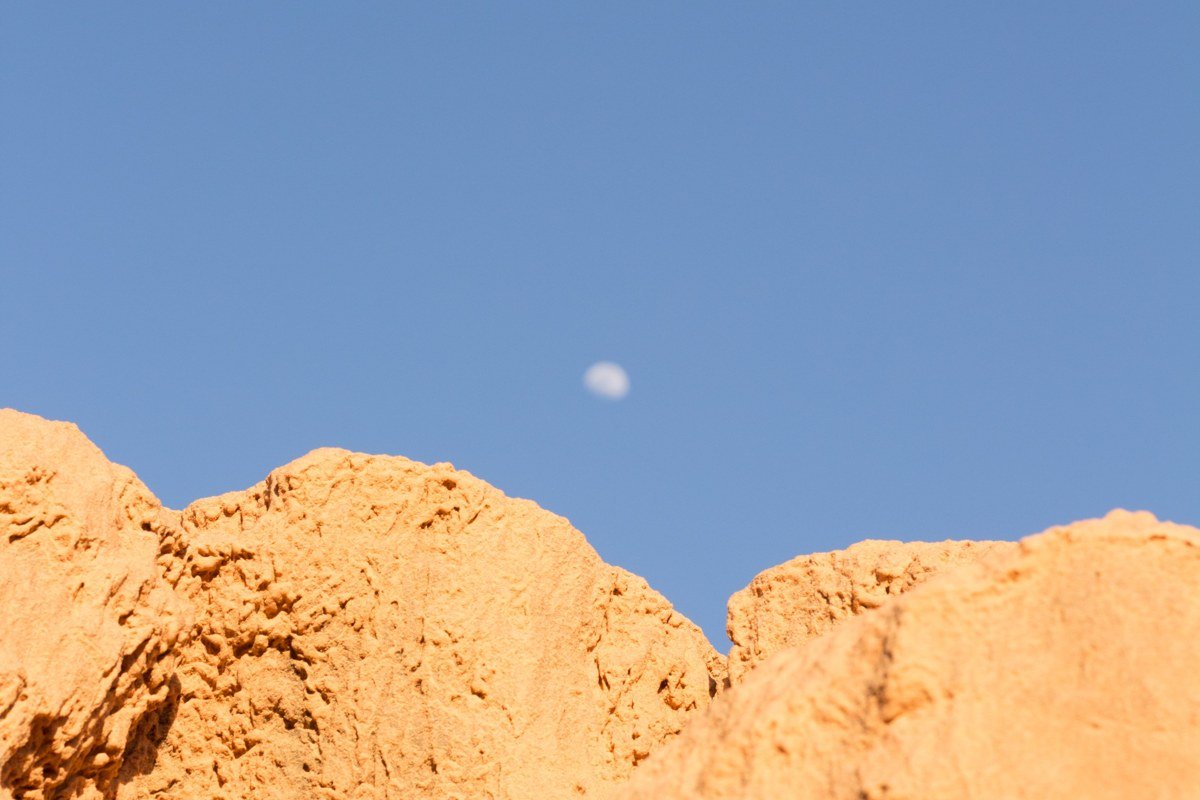
This is the payoff for anyone who’s already written off Capitol Reef as the skip-it park. Cathedral Valley is a remote district reached by a rough dirt loop road that opens with a ford of the Fremont River right at the start, no bridge, no cell service, and almost no other vehicles. The river crossing is usually fine in a high-clearance 4WD during normal summer and fall flow, but check current conditions at the visitor center first: spring snowmelt and any recent flash flooding can make it impassable, and the water depth isn’t marked. The sandstone monoliths here, Temple of the Sun and Temple of the Moon, are unlike any formation elsewhere in the park, and most visitors to Capitol Reef never even know this section exists.
Effort: full day, high-clearance 4WD required, no services or water anywhere on the loop. No separate entrance fee beyond the standard Capitol Reef pass.
Figuring out which tier fits your trip depends mostly on the calendar. A 5-day trip from Salt Lake City realistically covers Zion, Bryce, and the roadside parts of Capitol Reef. A 7-day itinerary can add the Scenic Drive and either Arches or Canyonlands. The full 10-day version is what it takes to responsibly include Grand Staircase-Escalante and Cathedral Valley without rushing. Choose November if thinner crowds matter more to you than road access, since cooler temperatures and lighter traffic come with the risk that an early snow closes high-elevation roads in Bryce or shuts down the Cathedral Valley loop entirely. Choose March if you need the Fremont River ford and backcountry roads reliably open, since shoulder season pricing and mild days come with nights still dropping near freezing. All five parks stay open year round, but visitor center hours and some unpaved roads shrink or close in winter, Capitol Reef’s Cathedral Valley loop among them.
Moving up a tier next trip usually just means swapping one paved overlook for one dirt road. If you did Capitol Reef’s roadside pull-offs this time, do the Scenic Drive next. If you’ve already driven the Scenic Drive, Cathedral Valley is sitting there, mostly empty, waiting for a vehicle with real clearance and a full tank of gas.