
Highway 1 narrows to two lanes south of Big Sur, past the Ragged Point turnoff, and stays that way for the next several miles of switchbacks. The fog that blankets San Francisco most of the year rarely pushes past this stretch with any conviction from late spring through early fall, and the marine layer typically burns off by midmorning once you’re south of the Big Sur cutoff.
That’s the geography that built this list: roughly 450 miles of coastline between Big Sur and San Diego, where the water warms a few degrees every hundred miles south and the towns get progressively less interested in impressing you. These aren’t the postcard pull-offs everyone already has saved. They’re places where people who live here actually buy groceries, where the best beach towns in the US still feel like working towns first and tourist stops second. (That’s the last time this piece will use that phrase; consider the SEO box checked.)
This is for travelers who want a real coastal drive instead of a highlight reel: couples planning a week off Highway 1, families cross-referencing beach towns that work for kids before booking a condo, and anyone quietly scouting where they’d actually want to live once the kids are grown or the remote job finally lets them.
The Big Sur fringe
Cambria
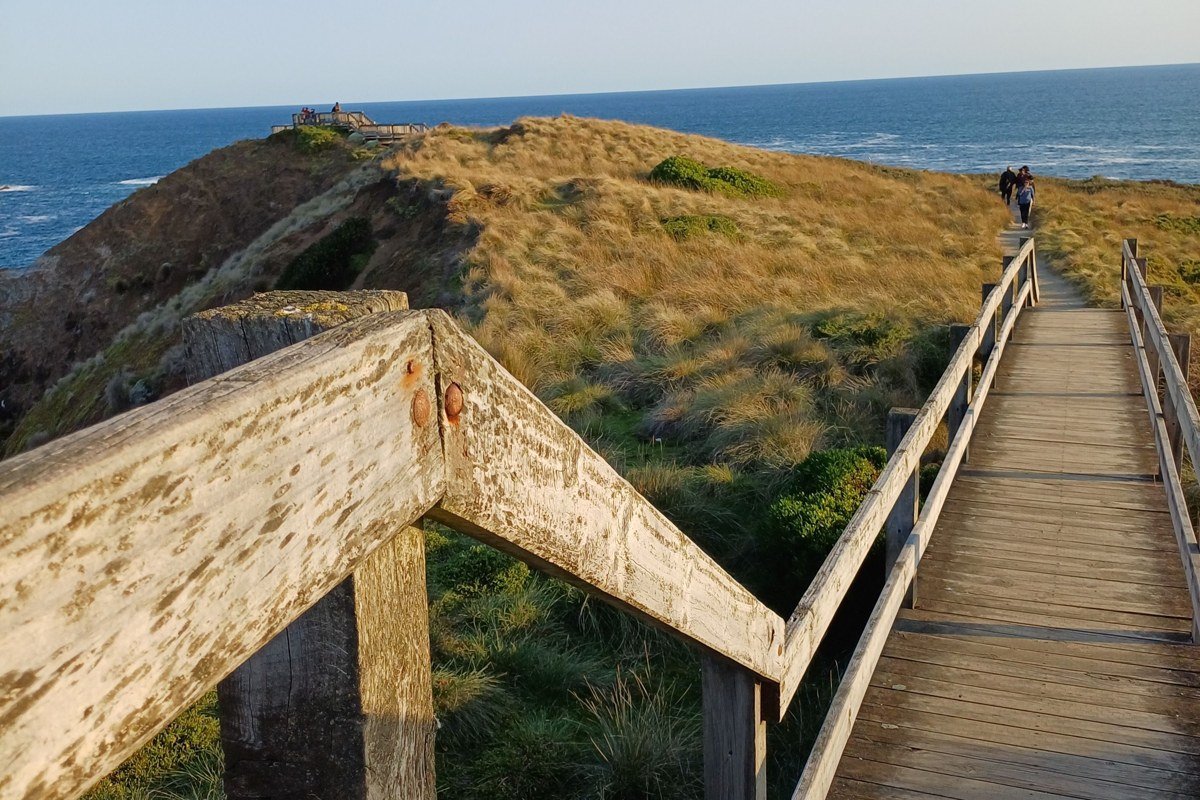
Cambria sits just far enough south of the Big Sur crush that it never got overrun, even though it’s the gateway most people use for Hearst Castle, eleven miles north. The Moonstone Beach boardwalk is flat, dog-friendly, and lined with weathered cypress that lean the same direction as the wind. Main Street still has a hardware store next to the wine bars, which tells you who the town is actually for.
Pair it with: Cayucos, a 20-minute drive south on Highway 1.
Cayucos
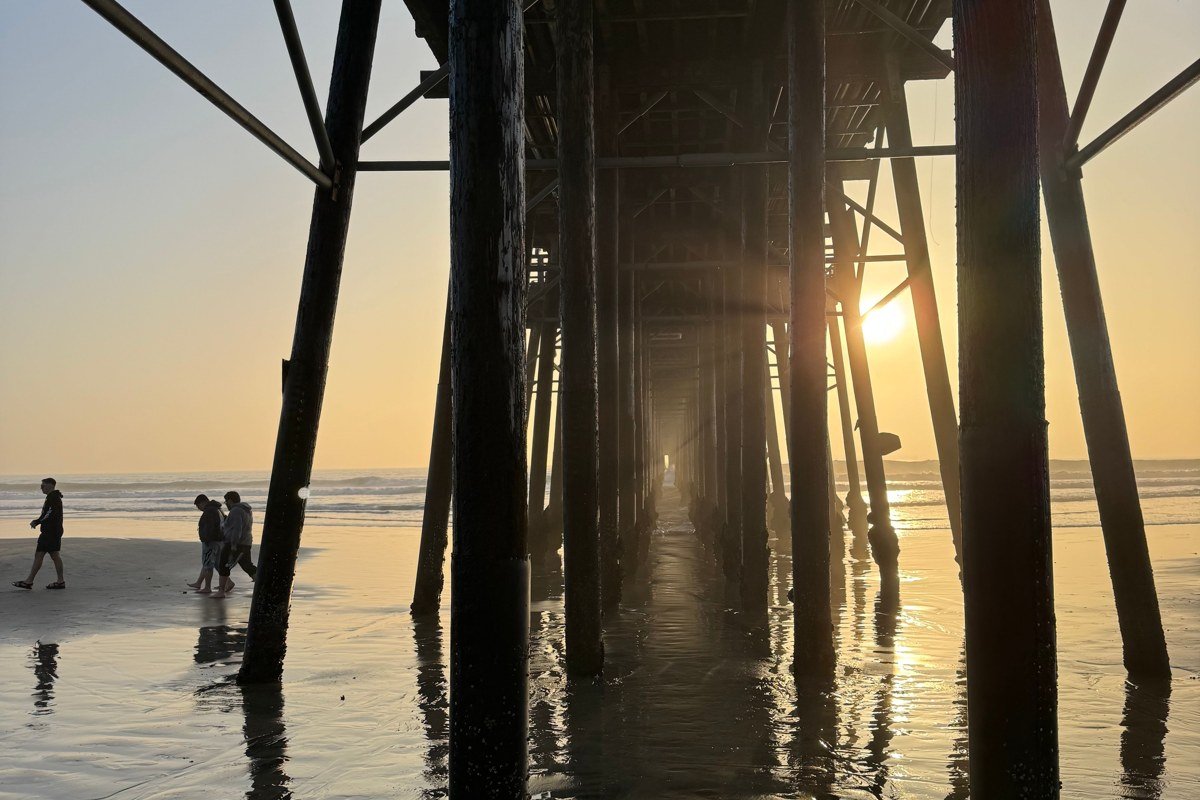
Cayucos has one stoplight, a century-old wooden pier, and a surf break mellow enough that it’s where a lot of San Luis Obispo kids learn to stand up. Parking on Ocean Avenue is free and usually available even in August, which is rare for this coast. Grab fish tacos at Ruddell’s Smokehouse, a few blocks off the pier, and eat them on the sand.
Pair it with: Cambria, a short drive north on Highway 1.
The Central Coast working harbors
Avila Beach
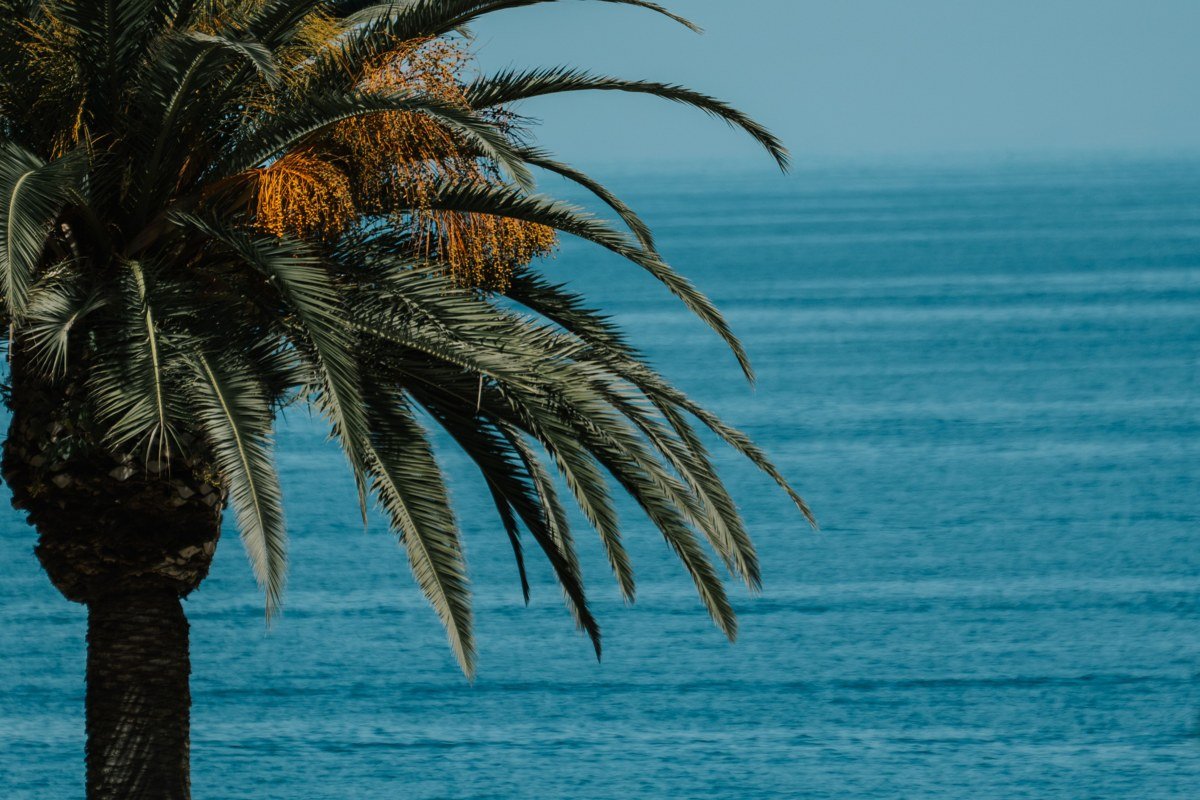
Avila Beach is tucked into a south-facing cove that blocks the wind other Central Coast towns can’t escape, so the water here runs calmer and noticeably warmer. It was a working oil town until the late 1990s, when a fuel leak forced a full excavation and rebuild of the waterfront; the pier’s fishing crowd still shows up at dawn regardless. The Avila Farmers’ Market runs Fridays from 4 to 8 p.m. on Front Street and draws people from San Luis Obispo, fifteen minutes inland, for the strawberries and the fish tacos sold off folding tables near the pier entrance.
Pair it with: Morro Bay, about 25 minutes north.
Morro Bay
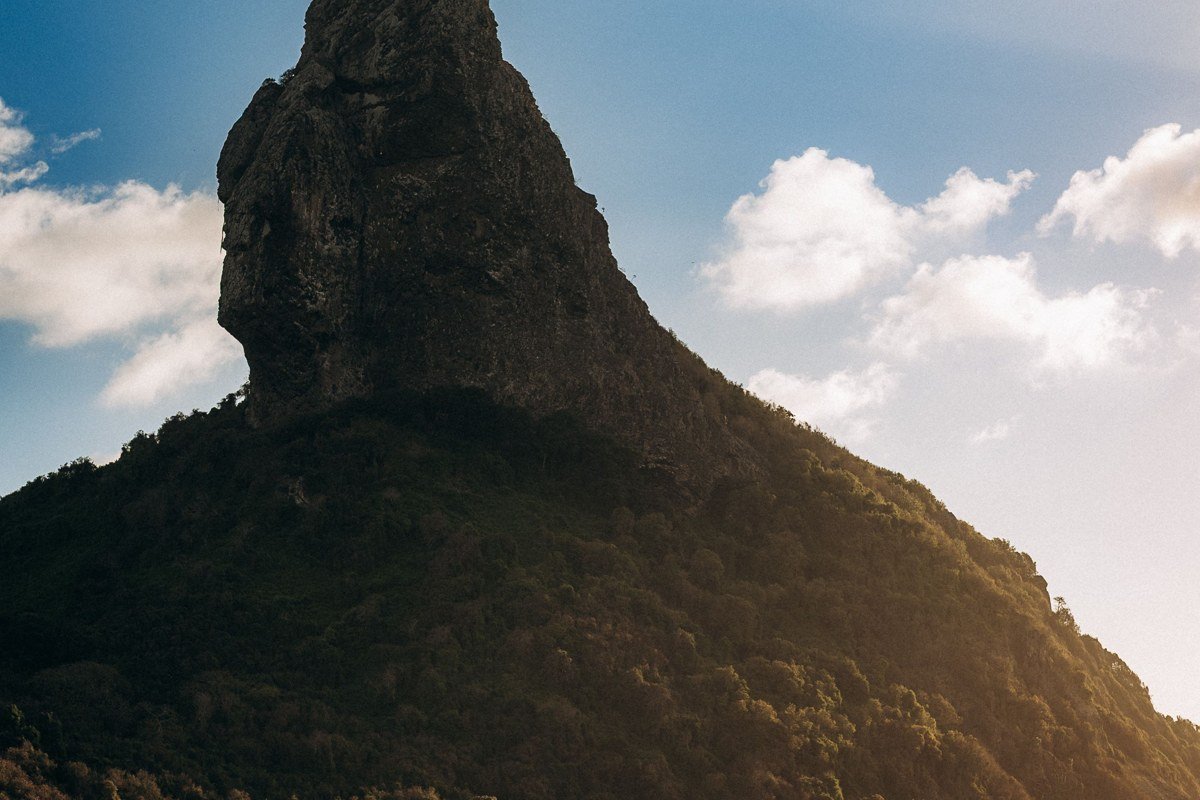
Morro Bay is built around a 576-foot volcanic plug that rises straight out of the harbor, and the town has organized itself around looking at it. This is still a working fishing port, not a reenactment of one. Watch boats unload the day’s catch at the embarcadero, then eat it twenty minutes later at Giovanni’s Fish Market, where the counter sells the catch both raw by the pound and fried in a basket, no wine list in sight.
Pair it with: Avila Beach, about 25 minutes south.
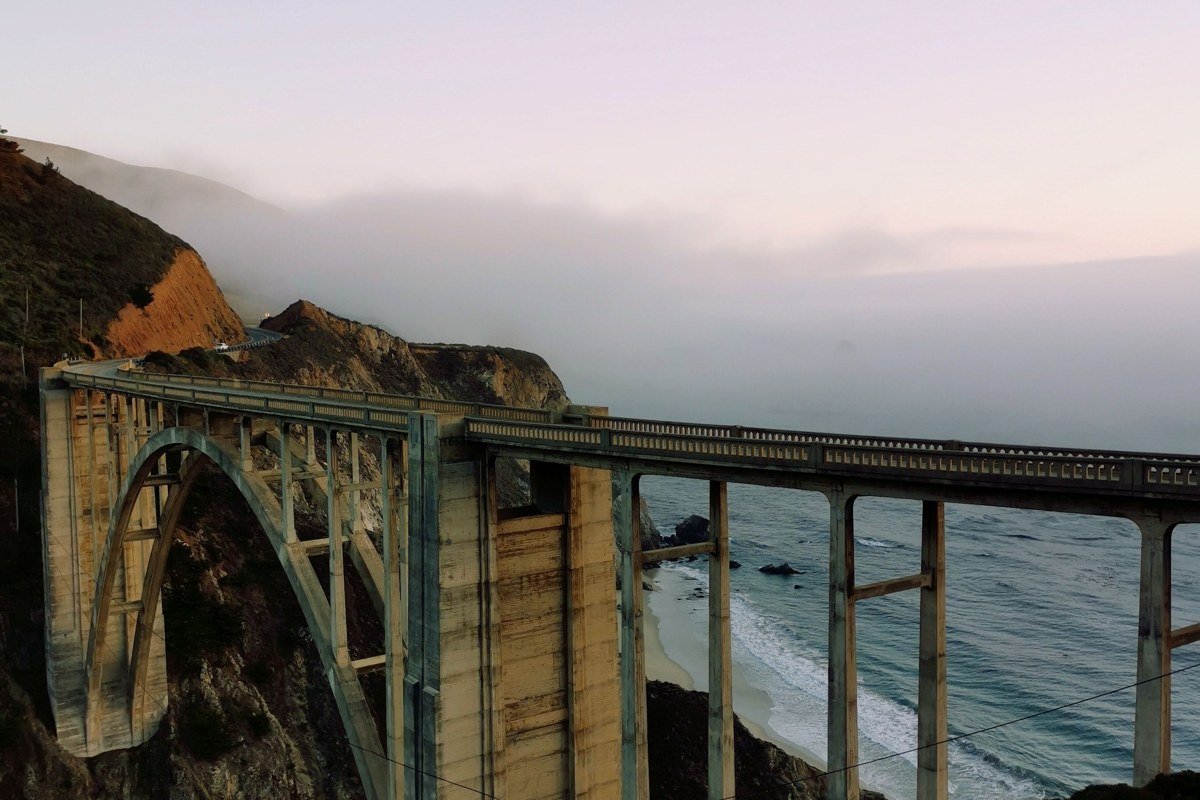
The Santa Barbara coastline, minus Santa Barbara
Carpinteria
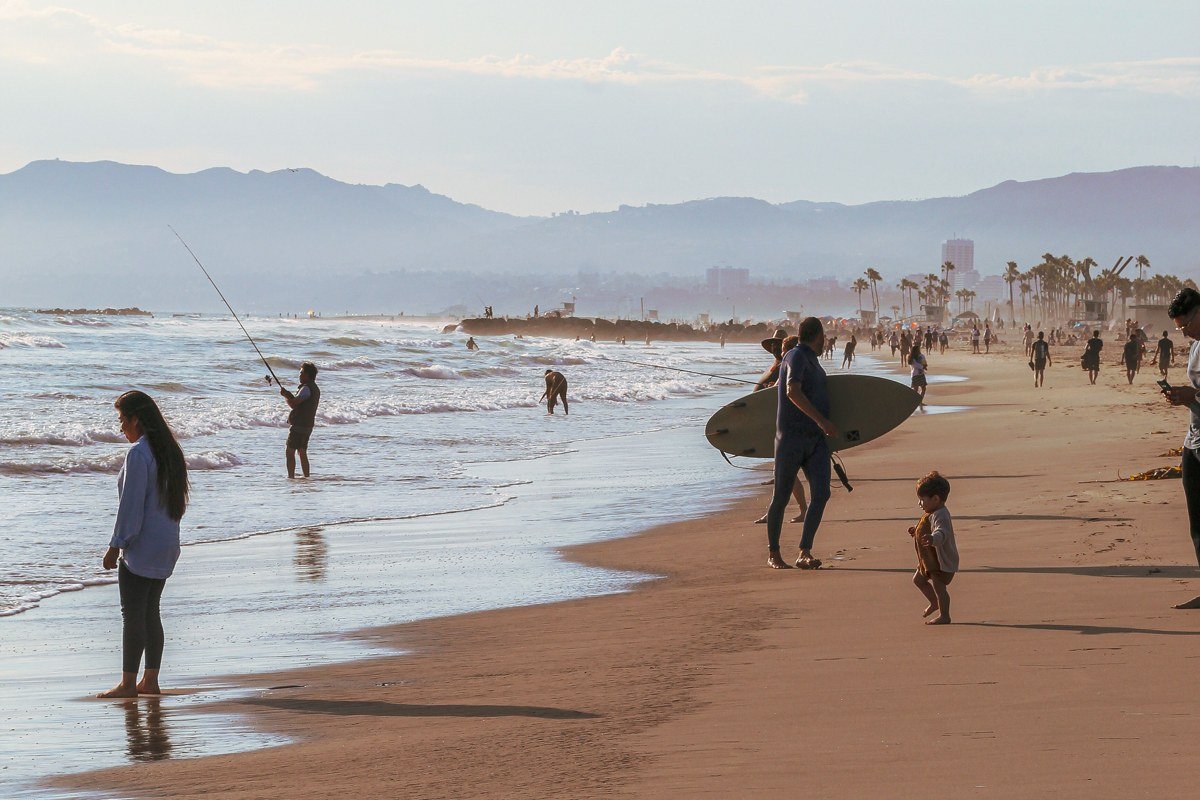
Carpinteria has long marketed itself as “the world’s safest beach,” a slogan tied to its reef-protected, shallow swimming area rather than any official safety ranking. Whatever the claim is worth, the sand is wide, the water stays shallow for a long way out, and the campground inside Carpinteria State Beach (sites run about $45-65 a night depending on season) books up for summer weekends by late winter. This is the town for people who want Santa Barbara’s climate without Santa Barbara’s traffic or prices.
Pair it with: Summerland, a 10-minute drive northwest.
Summerland
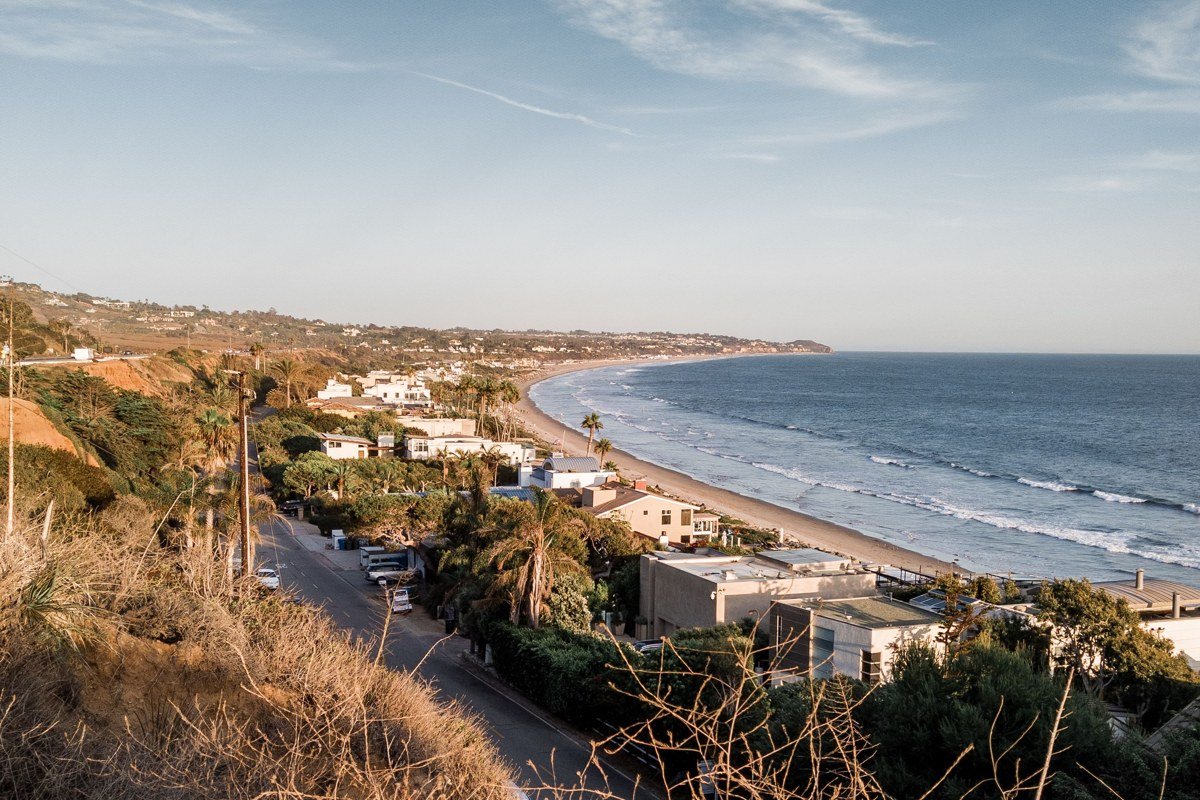
Summerland is barely a town, just a few blocks of antique shops and cafes stacked on a hillside above a clean, uncrowded beach. Train tracks run right along the sand, which sounds like a flaw until you realize how few people actually use this beach on a weekday. There’s no real downtown strip to get lost in, and no parking meters either, just a gravel lot off Lillie Avenue that rarely fills.
Pair it with: Carpinteria, a short drive southeast on Highway 101.
The underrated run to San Diego
Ventura
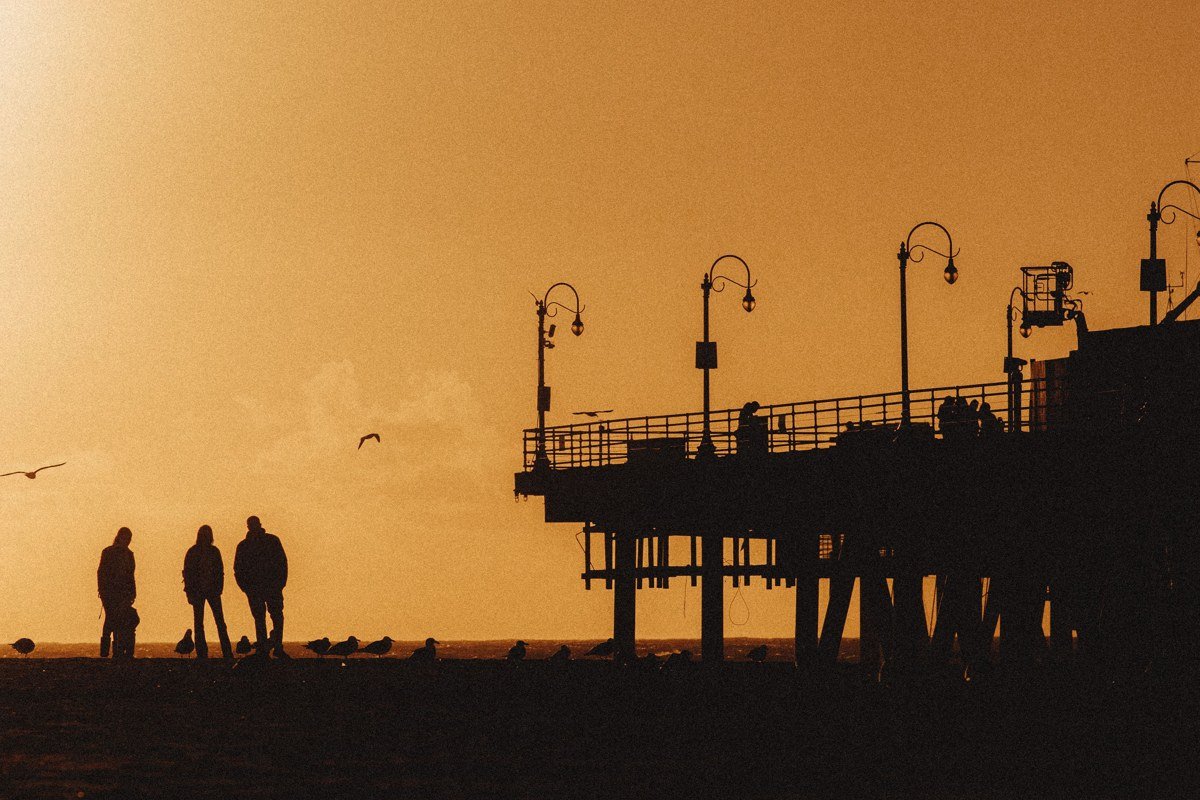
Ventura gets dismissed as the place you drive through on the way to Santa Barbara, which is exactly why it’s worth stopping. The pier, built in 1872 and rebuilt several times since, is one of the oldest on the California coast. The surf at C Street is consistent enough that it’s a legitimate training ground, and downtown Main Street still has independent bookstores and a secondhand shop or two between the newer restaurants. Median home prices here run well below Santa Barbara’s, twenty-five minutes up the coast, which is the real reason this one keeps coming up for people house-hunting along the water.
Pair it with: nothing nearby fits this cluster’s pace better, so budget a full day in town before continuing south.
Leucadia
Leucadia is technically part of Encinitas now, but longtime residents still fight to keep the name on the map. Highway 101 here is narrow, lined with eucalyptus, and dotted with surf shops that have been family-owned for decades, including a couple that still shape boards in the back room. Beacon’s Beach has a steep dirt trail down the bluff that keeps the crowd thinner than the beaches on either side of it.
Pair it with: Cardiff-by-the-Sea, a 5-minute drive south.
Cardiff-by-the-Sea
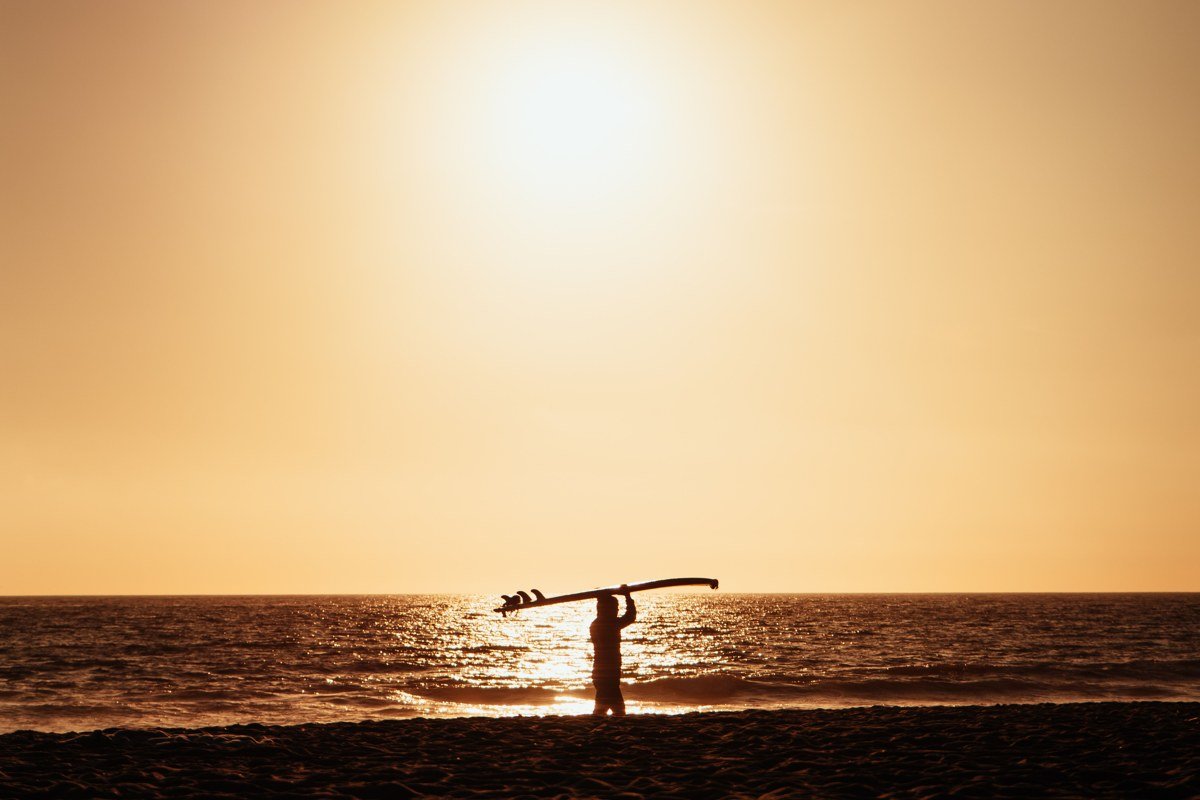
Cardiff has a reef break good enough that surfers plan trips around it, and a stretch of Highway 101 beach parking that fills early but turns over fast. Skip the hotel bars for Pipes Cafe or the fish taco counter at Seaside Market, where the board runs mahi, shrimp, and a blackened option, all under five dollars at last check. This is the town to pick if you want one solid beach day within easy reach of San Diego, 25 minutes south, without paying San Diego prices.
Pair it with: Leucadia, a 5-minute drive north.
A fair warning on the obvious disagreement: plenty of travelers will tell you Carmel or Montecito belongs on any serious coastal list, and they’re not wrong about the scenery. But those towns already get covered everywhere, they’re expensive even for a day trip, and summer weekend parking is close to impossible without a hotel reservation backing it up. The towns above get you the same coastline and a better shot at an actual parking spot.
If you’ve only got a long weekend, the Santa Barbara coastline cluster is the easiest call. Carpinteria and Summerland sit twelve minutes apart, the airport is Santa Barbara’s own small one, the weather is reliable from May through October, and you get both a classic family beach and a quiet retirement-town preview in one short hop. Save the full Big Sur to San Diego run for whenever you can give it five unhurried days.