
A stand of 2,000-year-old tree stumps that only surfaces during winter’s lowest tides, and a sea cave packed with roaring sea lions that smells best (or worst, depending on who you ask) in spring. Both are on the Oregon Coast. Both are extraordinary. And if you show up on the wrong week, one is a flat beach with nothing but sand, and the other is an empty cave with a closed elevator. On this coast, timing isn’t a detail, it’s the whole trip. Fog banks roll in on their own schedule, tides expose and bury things on a two-week cycle, and winter storms close roads that summer tourists never even notice exist. Here are eight of the coast’s most atmospheric, slightly strange landmarks, arranged by the month each one is actually worth the drive, running roughly north to south along U.S. Highway 101.
Neskowin Ghost Forest, Oregon – best in late December through February
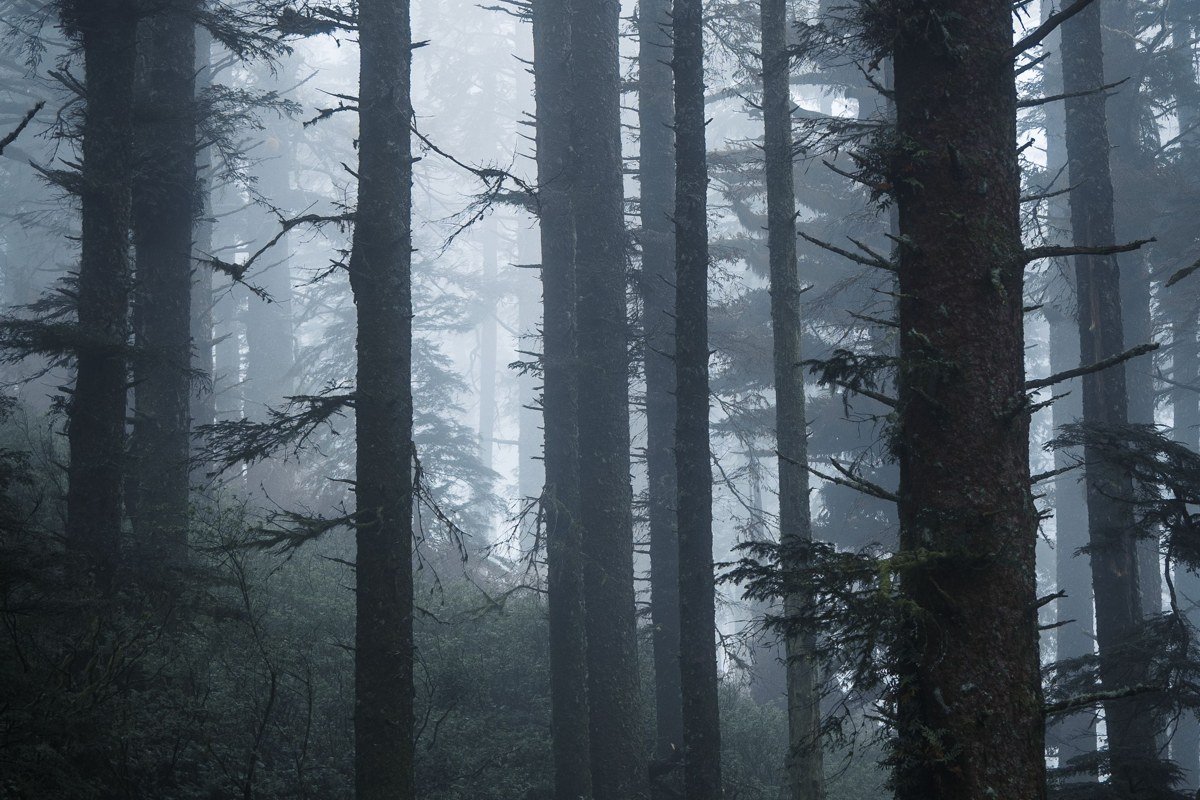
The ghost forest is a cluster of Sitka spruce stumps, remnants of a forest buried by a sudden geologic event roughly 2,000 years ago, that only fully emerges from the sand during the lowest winter low tides. In summer, shifting sand usually covers most of the stumps, and you’ll see maybe a knob or two poking through, which is why people who visit in July leave unimpressed and call it overhyped. Look for a minus tide of around -1.0 ft or lower on a winter morning, ideally right after a storm has scoured sand away from the beach. Park at the small public access near Proposal Rock in Neskowin and walk south along the sand. There’s no fee and no facility, just timing.
Thor’s Well, Oregon – best in late November through January, near high tide
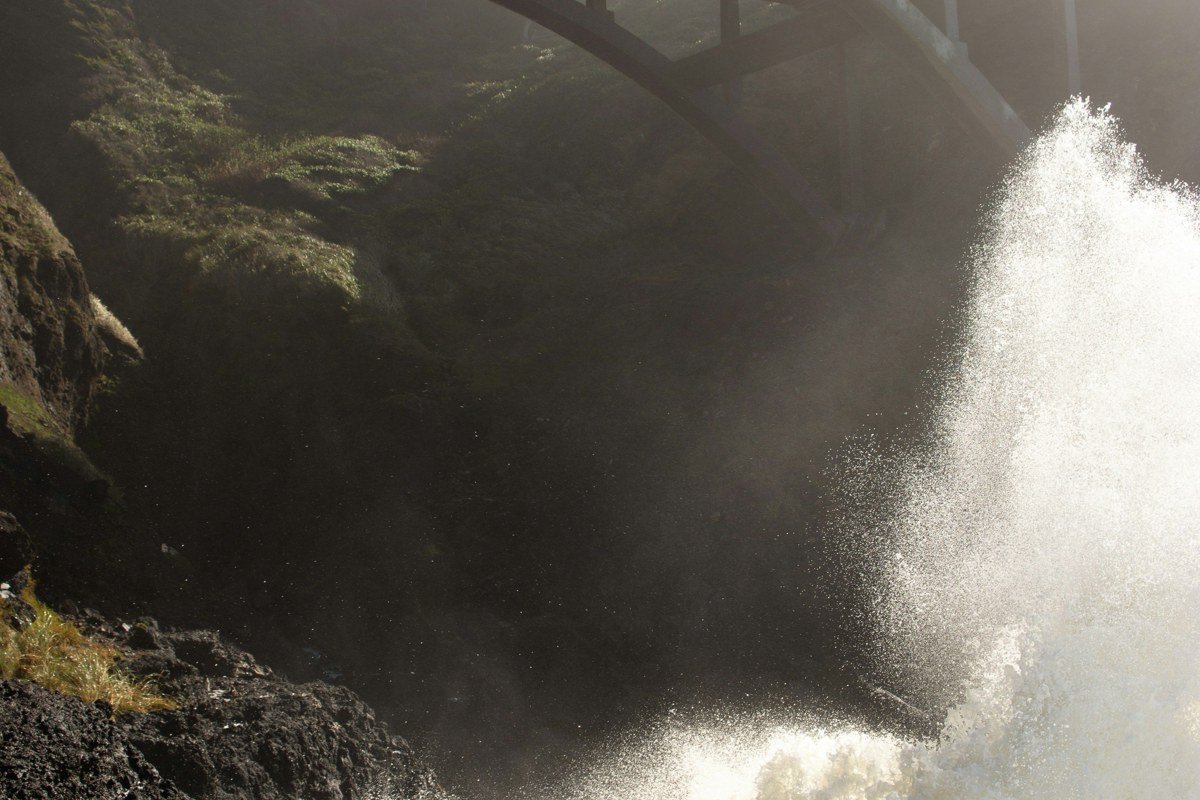
Thor’s Well is a hole in the basalt shelf at Cape Perpetua that appears to drain the Pacific Ocean itself, filling and emptying with each incoming wave. It’s dramatic any time there’s swell, but it turns genuinely eerie in late fall and winter, when storm surf collides with high tide and sends spray thirty feet into the gray sky. At low tide it’s a damp puddle. In bad surf at high tide it’s dangerous, and people have been swept off these rocks. The safe call is to watch from the viewing area about an hour before peak high tide, stay well back from the wet rock, and never turn your back on the ocean here. Cape Perpetua is about a 35 to 40 minute drive south from the Neskowin area, mostly along 101.
Oregon Dunes, Florence, Oregon – best in April and May

These dunes near Florence run for roughly forty miles and climb high enough to swallow the horizon. Spring gets you cool mornings, decent fog drama, and sand still firm enough to hike without sinking to your ankles, before summer heat and the peak ATV season arrive. Rent a sandboard in town if you want to ride the slopes instead of just photographing them. Summer weekends bring heavy off-highway-vehicle traffic and dust that cuts visibility, while winter rain can turn low areas into standing water. A day-use permit runs about $5 per vehicle at most trailheads, so budget for that before you park. Florence is roughly 55 to 60 minutes south of Cape Perpetua.
Oregon Coast Aquarium, Newport, Oregon – best in May and early June
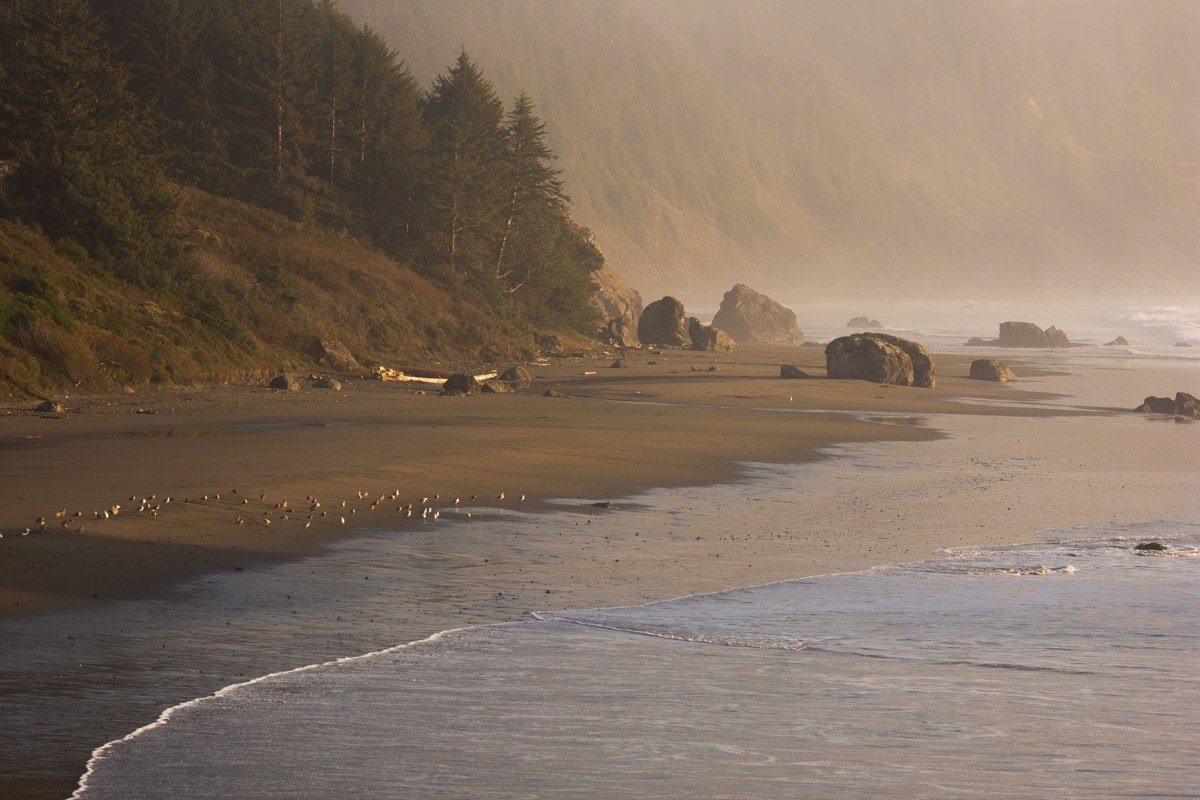
This isn’t a foggy ruin, it’s the coast’s best rainy-day anchor. Late spring is the ideal window: spring break crowds have thinned, but summer ticket lines haven’t started wrapping around the building yet. Tickets are sold timed-entry in peak season, so buying ahead online saves you from standing in a parking lot while your morning disappears. The adult admission runs in the $28 to $30 range as of recent seasons, so check current pricing before you go. Visit in December or January instead and you’ll have the galleries nearly to yourself, which has its own appeal if solitude matters more to you than good weather. Pair it with a walk along the Yaquina Bay bridge and the Newport bayfront, where sea lions haul out on the docks for free. Newport is about 25 minutes north of Florence.
Sea Lion Caves, Oregon – best in late May through June
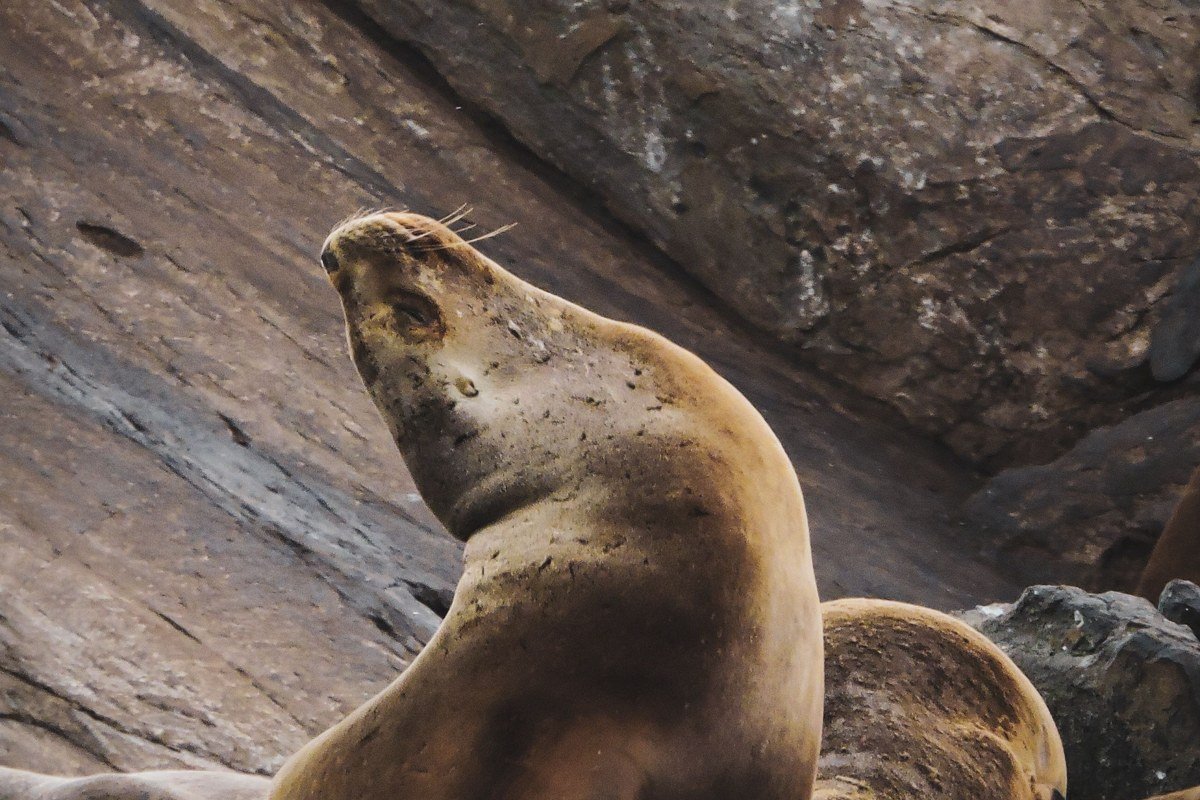
Between Yachats and Florence, this privately run sea cave is one of the few places on the Oregon Coast where wild Steller sea lions haul out inside a cavern you can actually walk into via elevator. Late spring, during pupping and breeding season, is when the colony is loudest, largest, and most active. It is also when the smell is strongest, so this is not a spot for sensitive noses. In winter storms the elevator sometimes closes for safety and you’re limited to the clifftop viewing area instead. Admission runs around $16 for adults at the gate. Locals will tell you it’s worth it exactly once a trip, not every time you pass by.
Hug Point, Oregon – best in July and August
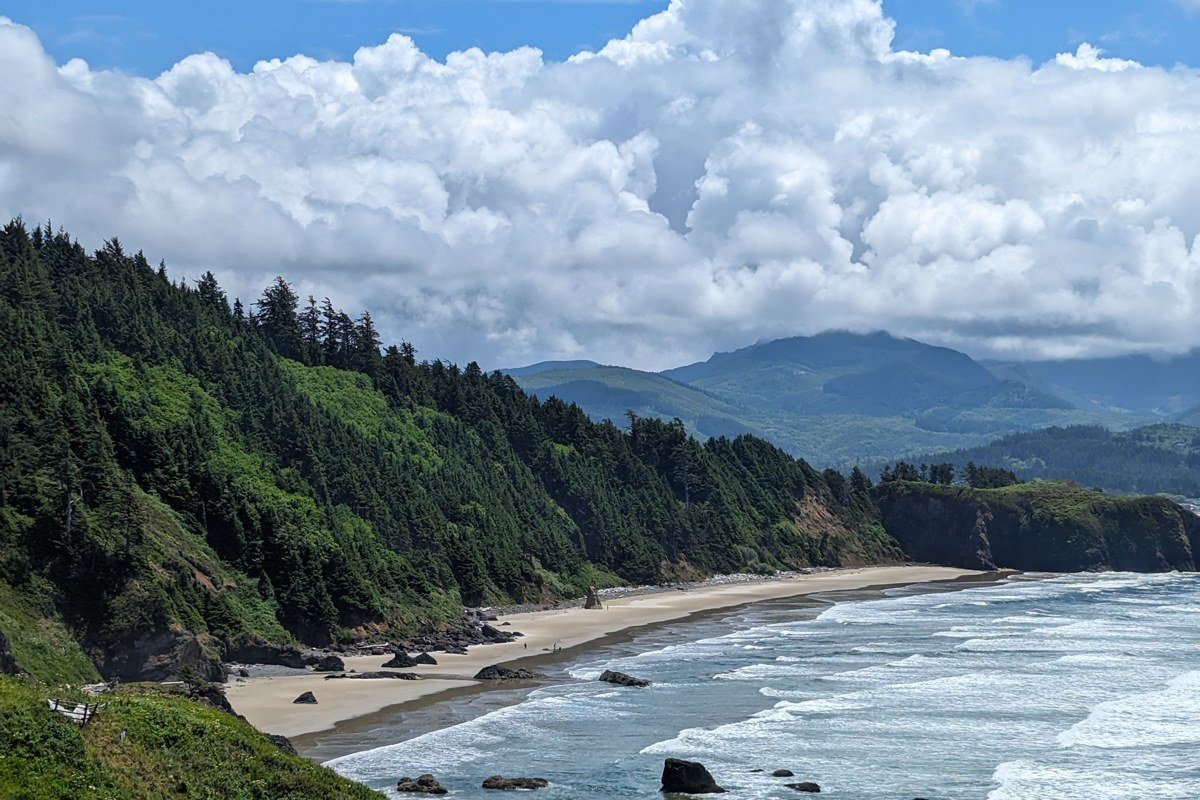
Hug Point, south of Cannon Beach, has sea caves, a small waterfall that drops straight onto the sand, and the remains of an old wagon road carved into the cliff face, all of which are only accessible at low tide, ideally 1 ft or lower. Summer gives you the longest dry-sand windows and the calmest water for exploring the caves safely. The headland also offers some shelter from the fog that regularly settles over stretches farther south, though “rain shadow” is a loose way to describe it: expect noticeably less fog, not none. Go at high tide and the caves are underwater and the beach disappears entirely, so plan around the tide chart rather than the clock. It’s one of the few places on this list that’s genuinely better without fog. Hug Point sits roughly 75 to 80 minutes north of Newport, making it an awkward add-on unless you’re running the coast end to end.
Oregon Coast Scenic Railroad, Garibaldi, Oregon – best in September
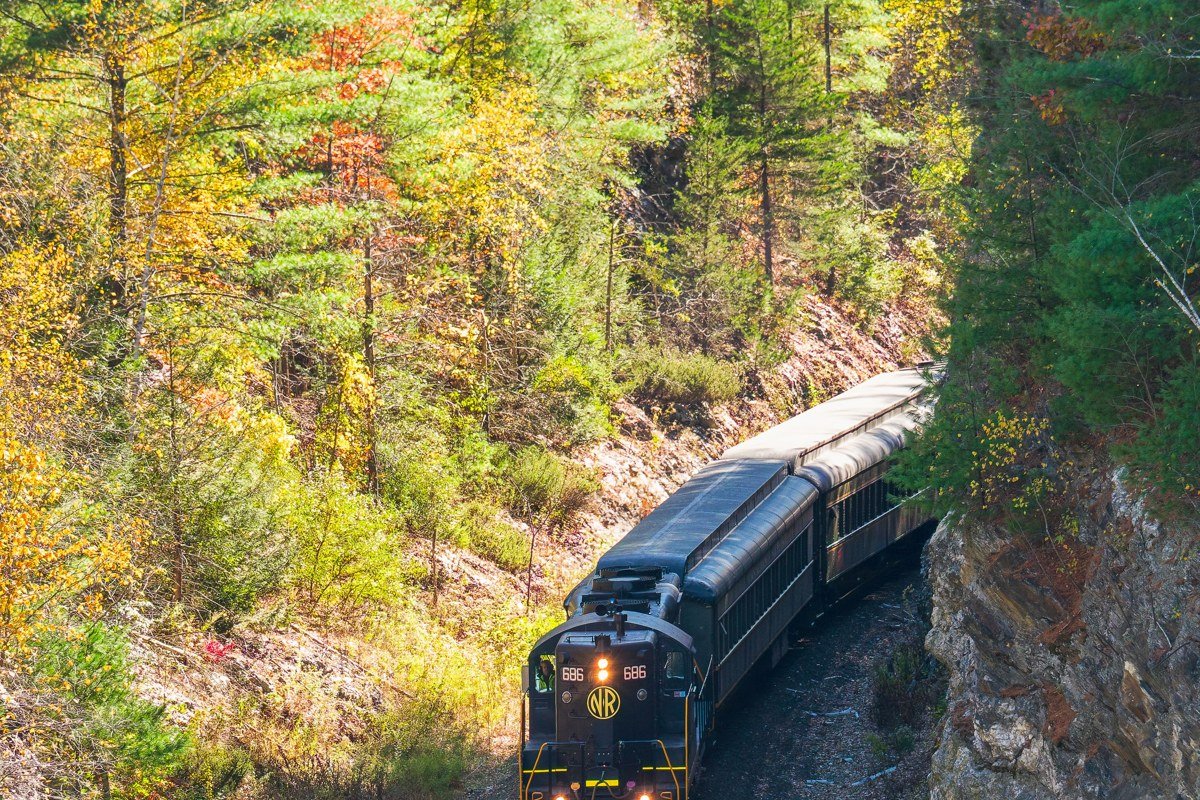
The Oregon Coast Scenic Railroad runs out of Garibaldi along Tillamook Bay, and September delivers the sweet spot: kids are back in school, so the train isn’t fully booked, the weather tends to be calmer than the stormier shoulder months, and the light along the bay turns gold on the late afternoon runs. Ride schedules shrink sharply in winter and some seasons the line doesn’t run at all, so check current departure days before building a trip around it. Combine it with the Tillamook Creamery nearby, where you can watch cheddar get made and grab free samples, a solid rainy-backup activity regardless of season. Garibaldi is about 30 minutes north of Hug Point.
Cape Kiwanda and the Pacific City Dory Fleet, Oregon – best in late September through October
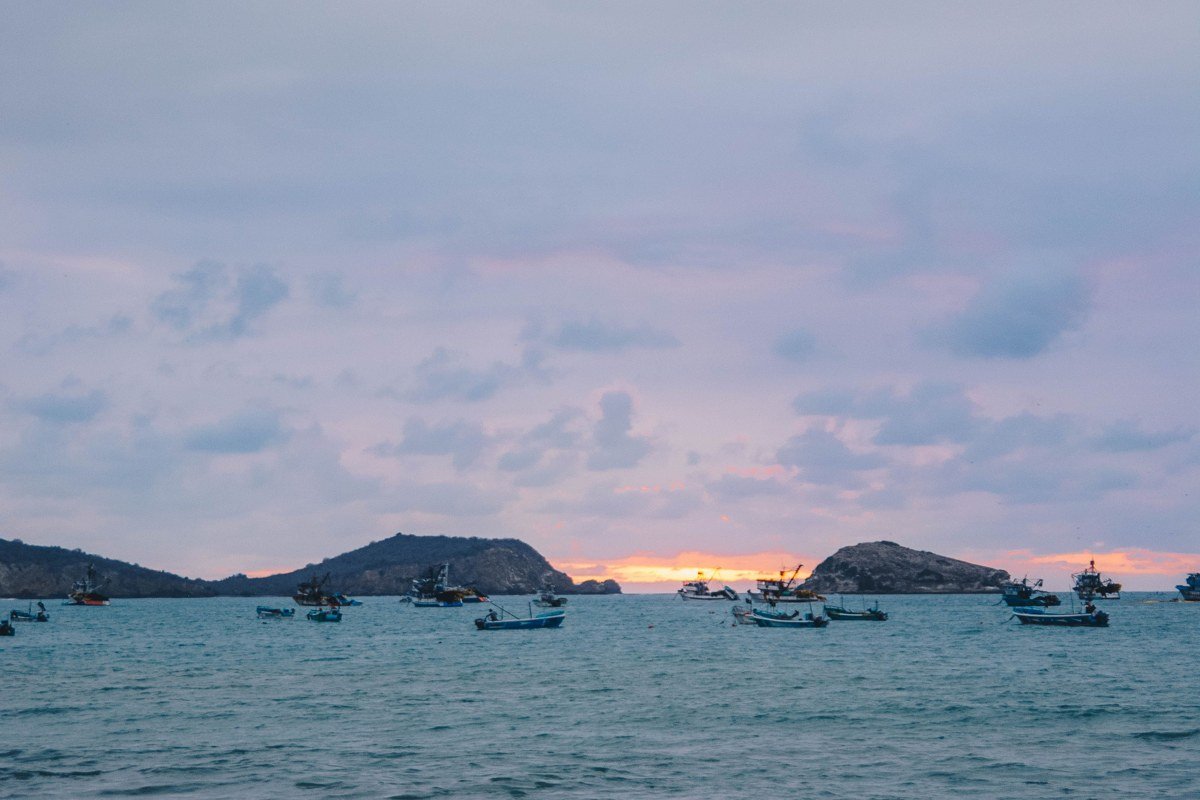
Cape Kiwanda’s orange sandstone headland and the dory fleet that launches straight off the open beach at Pacific City make this one of the most photographed stretches on the whole coast. Early fall is when it peaks: summer crowds thin, water temperatures (such as they are) hit their yearly high, and storm season hasn’t started pounding the dunes yet. The sandstone cliffs here erode constantly, so stay back from the edges no matter how good the photo looks. Parking fills fast on clear weekend afternoons, so aim for a weekday or early morning. Pacific City is a short 20 to 25 minute drive south from Garibaldi.
A note on whale watching
Gray whales migrate past this part of the coast in good numbers during the fall run, usually picking up through October and November, with a smaller push again in spring. Cape Kiwanda offers decent shore-based viewing, but Depoe Bay, about 45 minutes south, is the better base if a charter boat and closer views are the actual goal.
Month-by-month picks
- January: Neskowin ghost forest, Oregon (lowest tides of the year)
- February: Neskowin ghost forest, Oregon (still prime tide season)
- March: Oregon Coast Aquarium, Newport, Oregon (quiet before spring break)
- April: Oregon Dunes, Florence, Oregon
- May: Sea Lion Caves, Oregon (pupping season begins)
- June: Sea Lion Caves, Oregon (peak colony activity)
- July: Hug Point, Oregon (long low-tide windows)
- August: Hug Point, Oregon (calmest water)
- September: Oregon Coast Scenic Railroad, Garibaldi, Oregon
- October: Cape Kiwanda and Pacific City, Oregon (fall whale migration)
- November: Thor’s Well, Oregon (early storm season)
- December: Thor’s Well, Oregon (storm surf peaks)
If you’re building a full Oregon Coast road trip around U.S. Highway 101, the honest answer to “best time to visit” depends entirely on which of these eight you want most. Running south from Neskowin to Pacific City, the full stretch covers roughly 85 to 90 miles, closer to three hours of driving without stops. Chase storms and ghost forests, and go in winter. Chase sea lions and open sand, and go in late spring or summer. Either way, build the trip around the tide chart first and the weather forecast second.