
Most people planning a trip to Sedona, Arizona show up for golden hour at sunset, stake out a spot on a crowded overlook, and miss the real show entirely. The red rock color change happens twice a day, but the pre-dawn version, when the sandstone runs through gray, violet, and a deep rose pink before the sun ever clears the horizon, tends to be quieter and cooler, with fewer people fighting you for a spot on the rock. Sunrise in Sedona swings widely by season, around 6:12 a.m. in July versus closer to 7:40 a.m. in December, so check the exact time for your dates before you set an alarm. Airport Mesa tops this list because it delivers that full pink window after just a five-minute walk from the car, a combination of payoff and ease none of the other nine spots quite match.
Here are 10 places to catch it, counted up to the best.
10. Bell Rock, Arizona
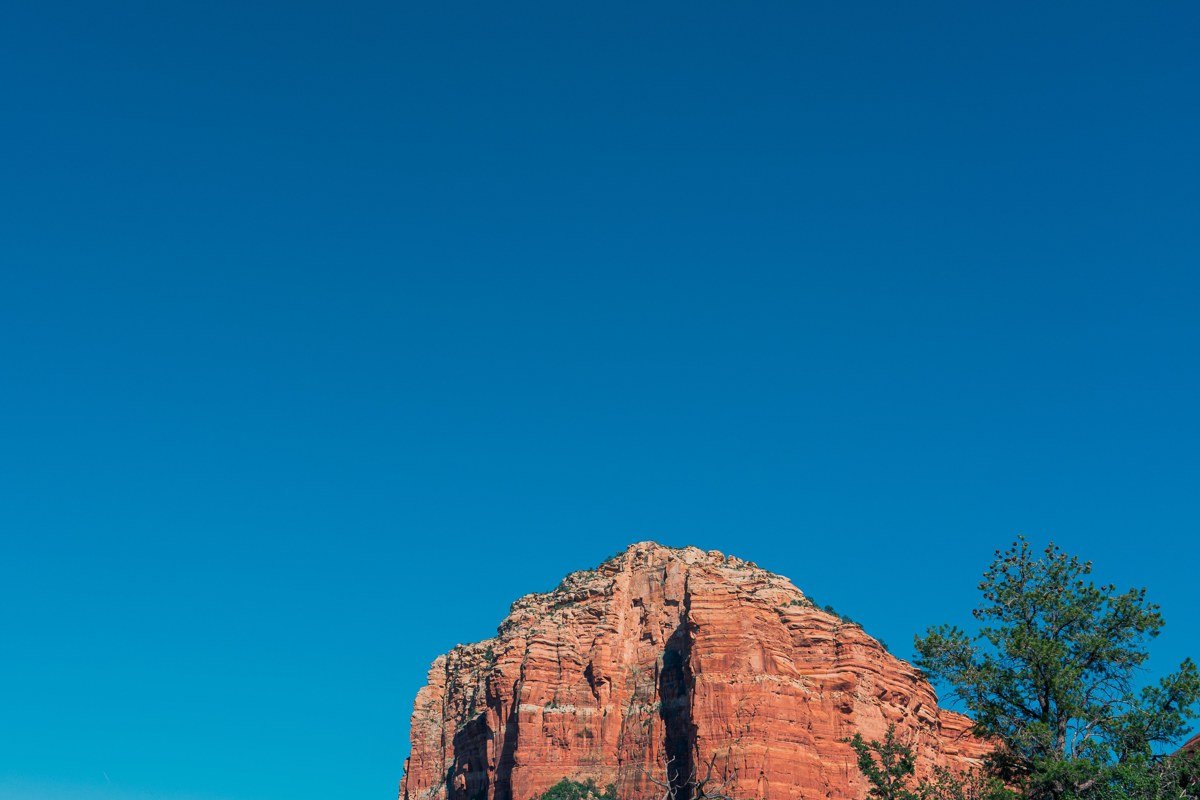
Bell Rock sits right off AZ 179 in the Village of Oak Creek, a bell-shaped butte visible from the highway without even trying. The pullout parking lot fills early because it also serves as the trailhead for the Bell Rock Pathway, a flat, easy trail that lets you walk toward the formation as the light changes instead of just standing still. Walk 10 to 15 minutes in from the lot so the rock isn’t flanked by parked cars in every photo. The downside: Bell Rock faces a direction that catches color a little later than spots further west, so you’ll wait longer in the cold for less drama.
9. Cathedral Rock (Back O’ Beyond Trailhead), Arizona
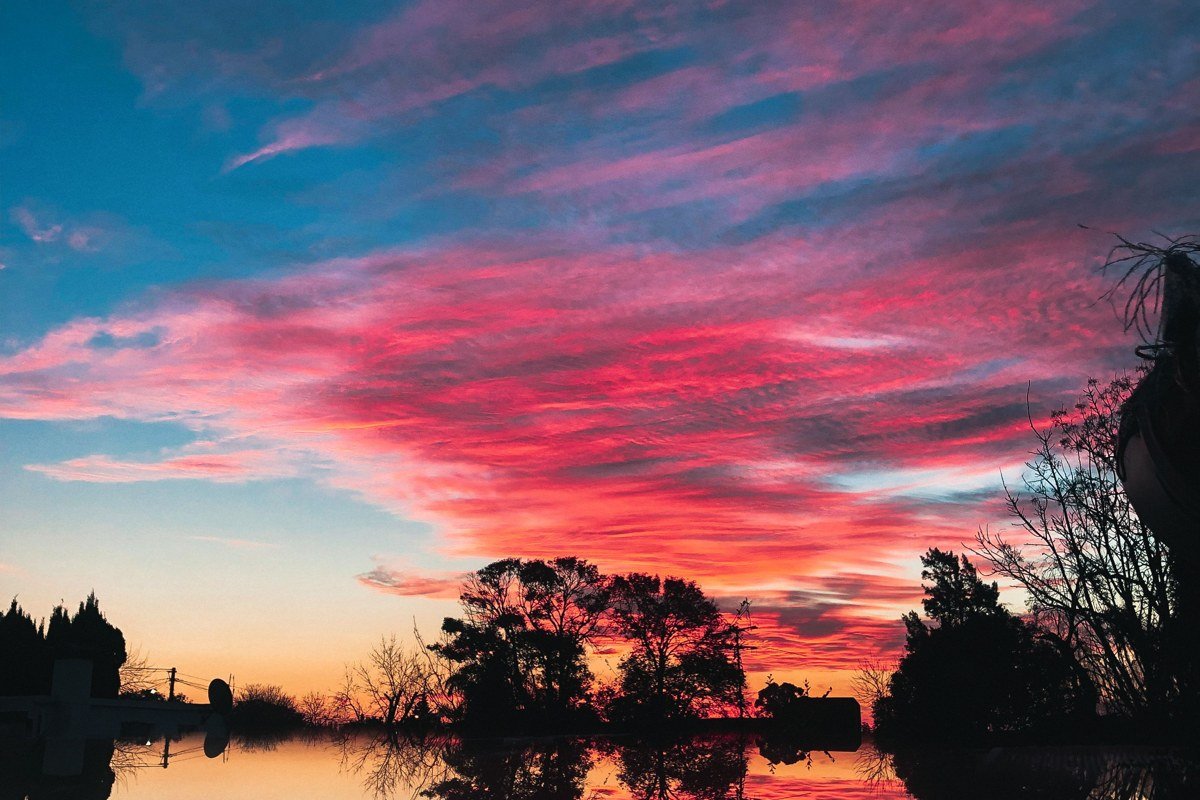
Cathedral Rock is the formation on every Sedona postcard, and the Back O’ Beyond trailhead off Upper Red Rock Loop Road gets you close without the climb. On a calm morning, Oak Creek nearby can mirror the pink rock face, which is the shot worth getting up early for. Do the short approach to the first viewpoint rather than pushing all the way up the saddle trail in the dark. The trade-off is a small, unpaved lot holding only a couple dozen cars, and it tends to fill before sunrise most weekends from spring through fall.
8. Red Rock Crossing / Crescent Moon Picnic Site, Arizona
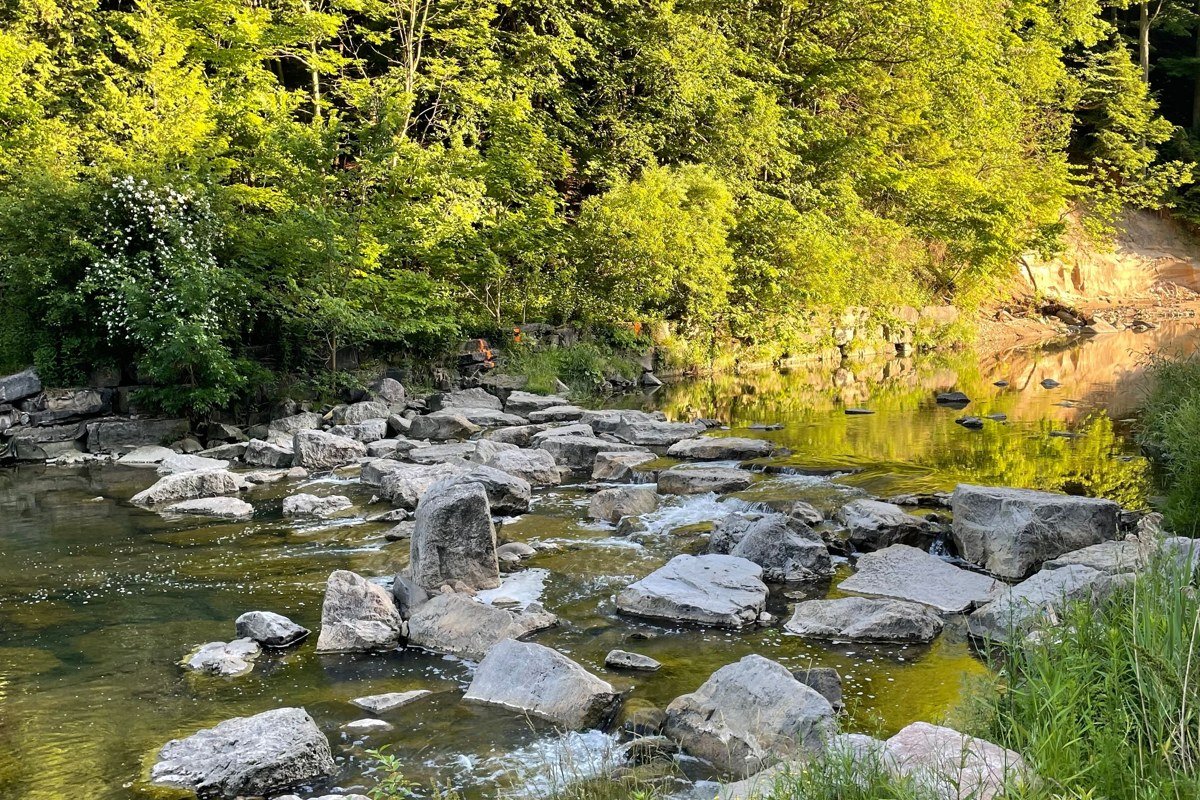
This is the other angle on Cathedral Rock, shot from across Oak Creek at a developed picnic area with actual restrooms and a parking lot, which matters at 5:30 a.m. in January. The creek crossing here is wide and shallow, framing the rock with water in a way Back O’ Beyond can’t. The entrance fee is $12 per vehicle, collected at a gate that doesn’t always open before sunrise in winter, so call the Coconino National Forest ranger station or check current gate hours before you commit to this one, since arriving to a locked gate in the dark is the most common complaint about this spot.
7. Airport Mesa Vista (the overlook, not the loop), Arizona
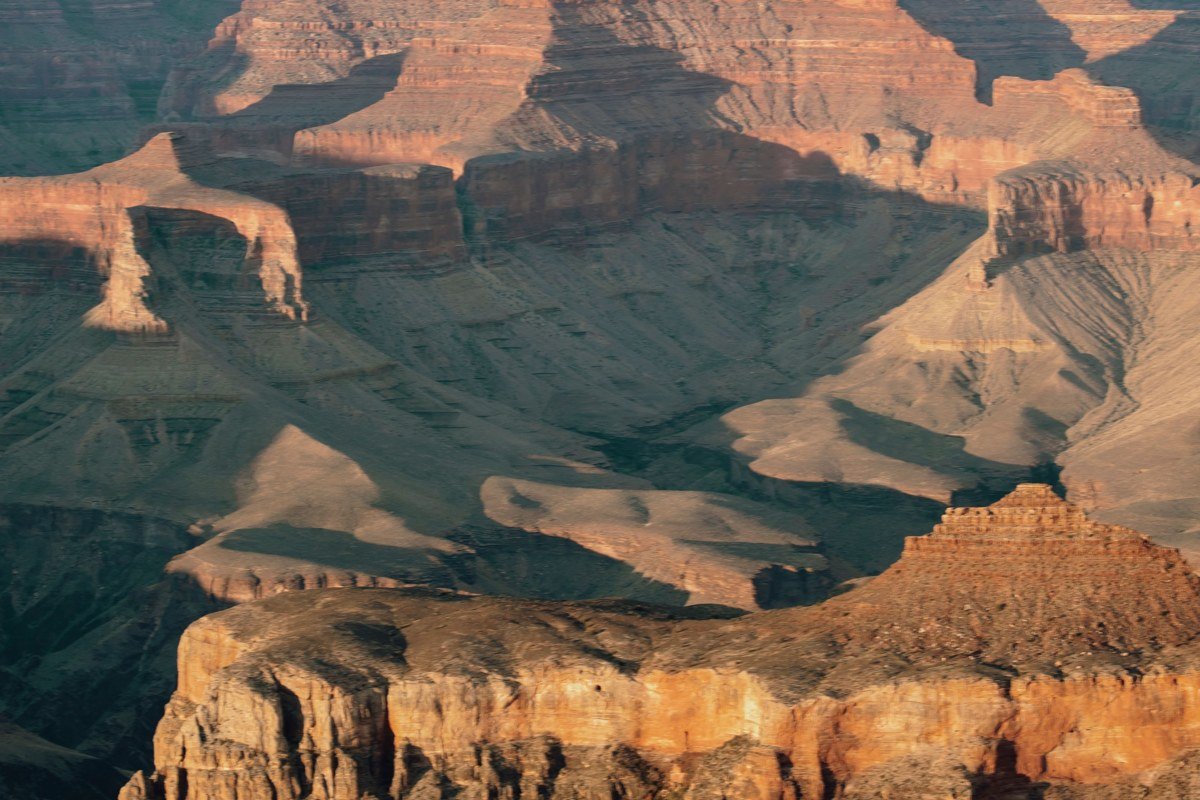
Not to be confused with the Airport Mesa summit higher up the road, this lower vista pullout gives a wide, unobstructed panorama across the Sedona valley without the scramble. It suits people who want the view without the rock-hopping, including families with kids or anyone visiting with knee or mobility limits. The parking area is small and shared with the road itself, so cars nose in along the shoulder before sunrise on weekends. Go on a weekday if you can; the overlook gets genuinely crowded during spring break and the busy fall color weeks.
6. Chapel of the Holy Cross, Arizona
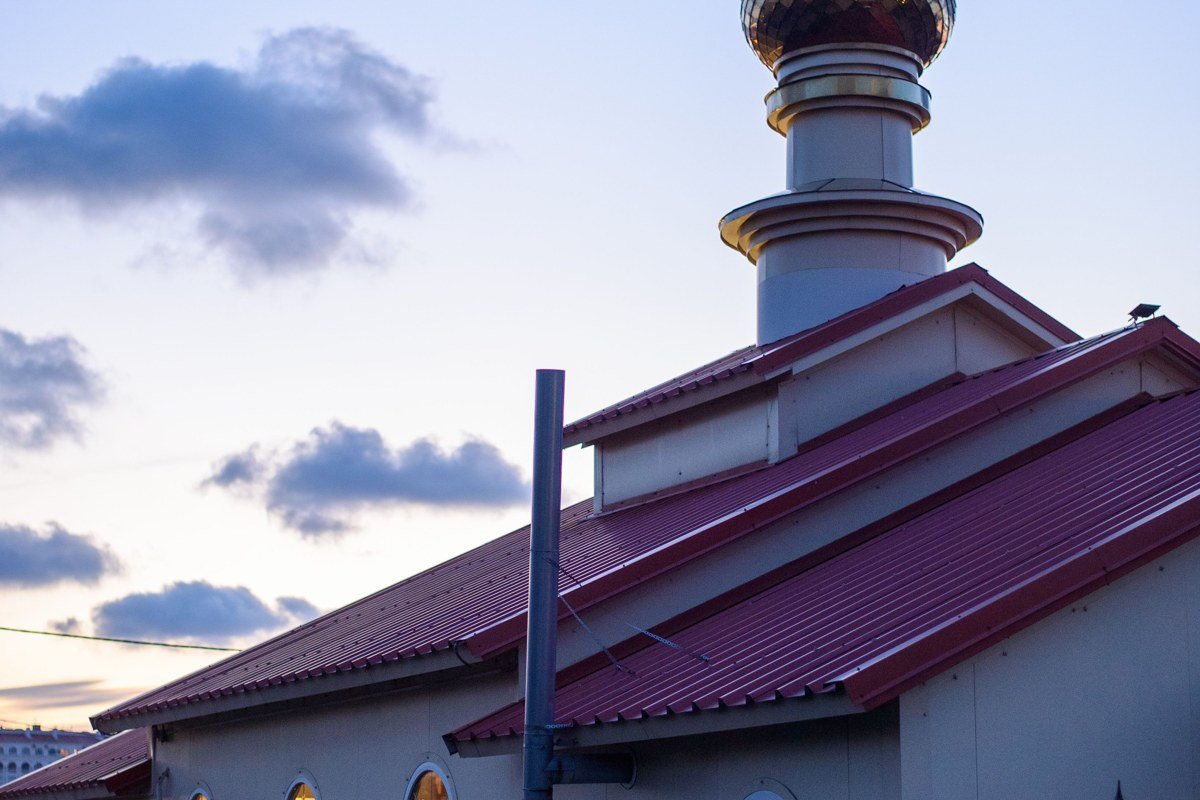
The chapel at 780 Chapel Rd is built directly into the red rock itself, making it one of the only spots on this list where the architecture and the landscape change color together. It’s open to the public early enough to catch first light most mornings, and the approach road and small parking area are usually calm before 7 a.m., a sharp contrast to midday when tour buses arrive. Step up to the viewing area in front rather than stopping at the parking lot for the better angle. The chapel draws a line for photos once the sun is fully up, so get there and leave before 8.
5. Oak Creek Canyon Overlook (AZ 89A), Arizona
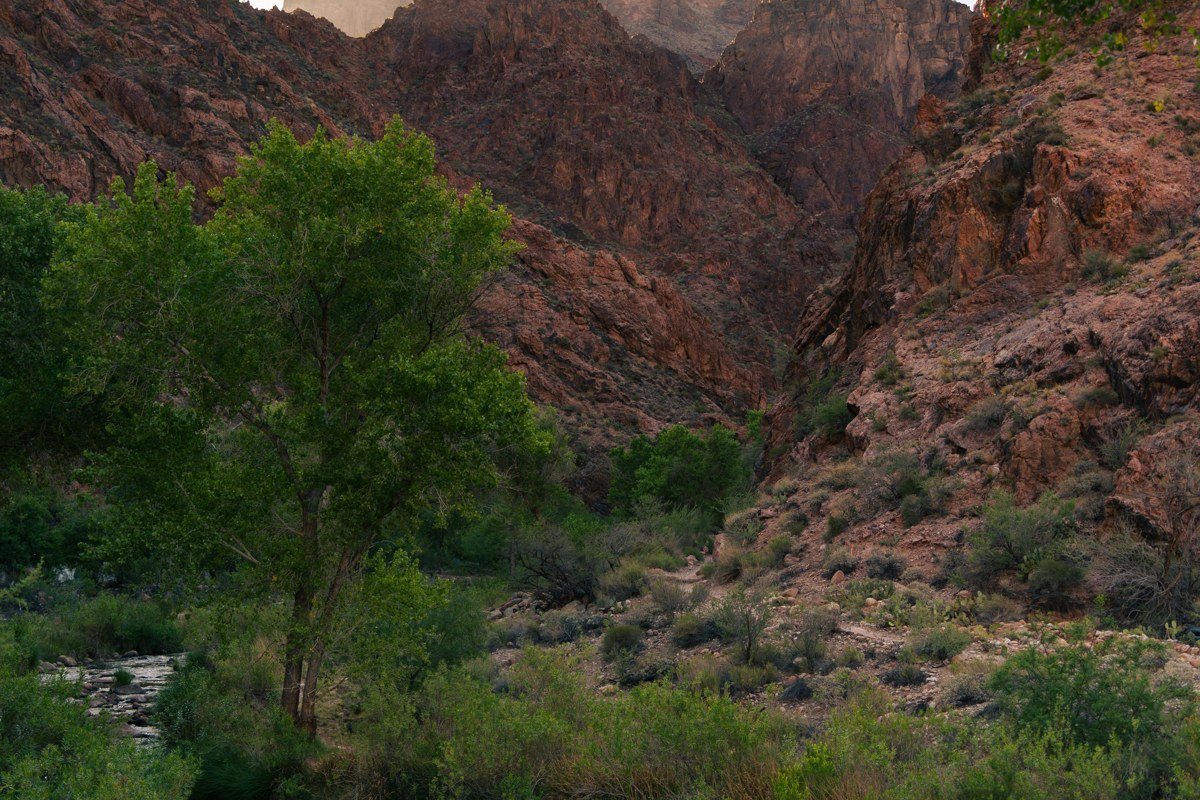
Heading north out of Sedona on AZ 89A toward Flagstaff, this overlook drops you above the switchbacks with a view straight down the canyon, where pink light pools in the lower folds of rock before it reaches the rim. This one tends to be better in late fall, when canyon mist mixes with the color change for a few extra minutes of drama. The pullout is paved and generous, which is rare up here. The catch is the 15 to 20 minute drive from town, plus a road that can ice over on winter mornings, so skip this one after a cold snap unless your rental has real tires.
4. Submarine Rock / Broken Arrow Trailhead area, Arizona

This is the pick for anyone who wants pink light without another tourist in the frame. The Broken Arrow trailhead, reached via Morgan Road off AZ 179, requires a Red Rock Pass displayed on your dash, $5 for a day pass or $15 for a week, sold at the Sedona Chamber of Commerce Visitor Center on Forest Rd and at several other outlets around town. The slickrock out here catches color in wide, open sheets rather than single dramatic peaks, which makes for a different kind of photo. Expect a rougher access road, best handled by high-clearance vehicles, and no amenities, so bring water and a headlamp for the walk in.
3. Doe Mountain Trailhead, Arizona
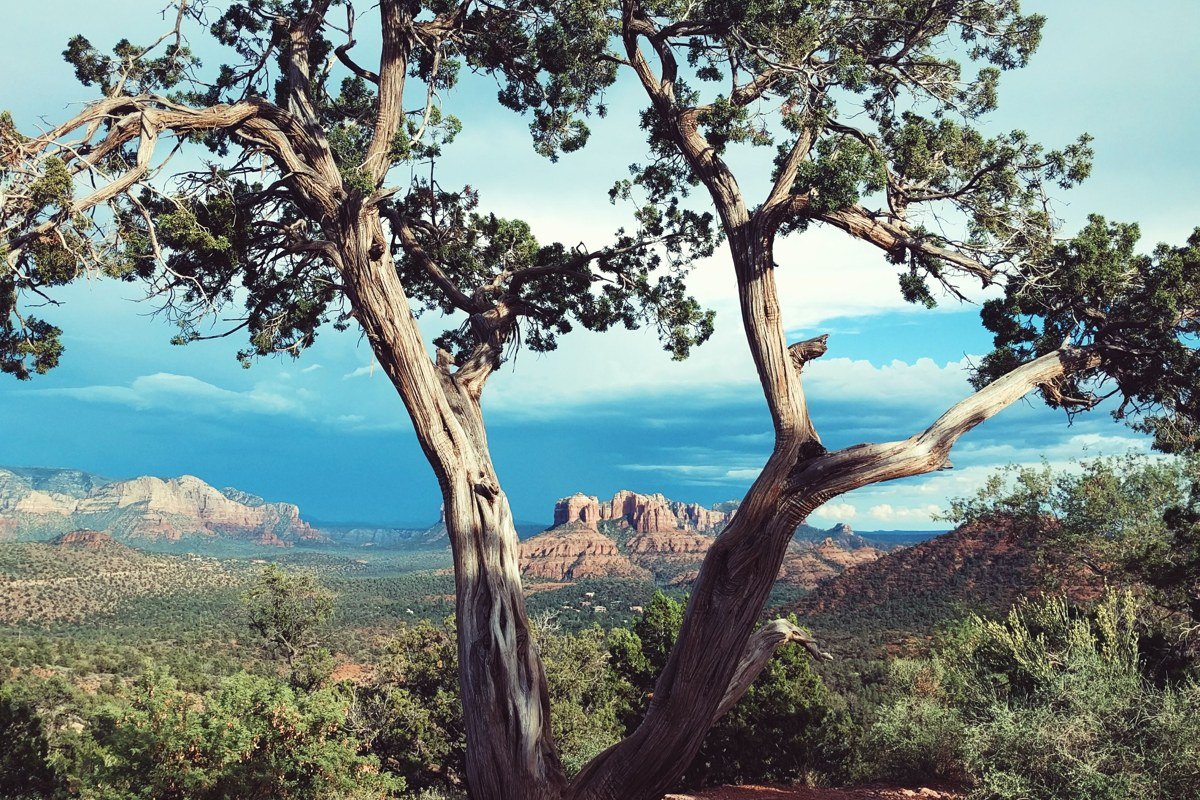
Doe Mountain is a short, steep switchback climb to a flat mesa top, and the payoff is a 360-degree view that few sunrise visitors bother to earn. From up here you watch the pink wash move across Bear Mountain and the surrounding buttes at once instead of focusing on one formation. It takes about 20 to 30 minutes to hike up in the dark, so a headlamp isn’t optional. This is the most physically demanding spot on the list, and a poor choice if you’re traveling with small kids or anyone unsteady on loose rock switchbacks before sunrise.
2. Schnebly Hill Road Overlook, Arizona
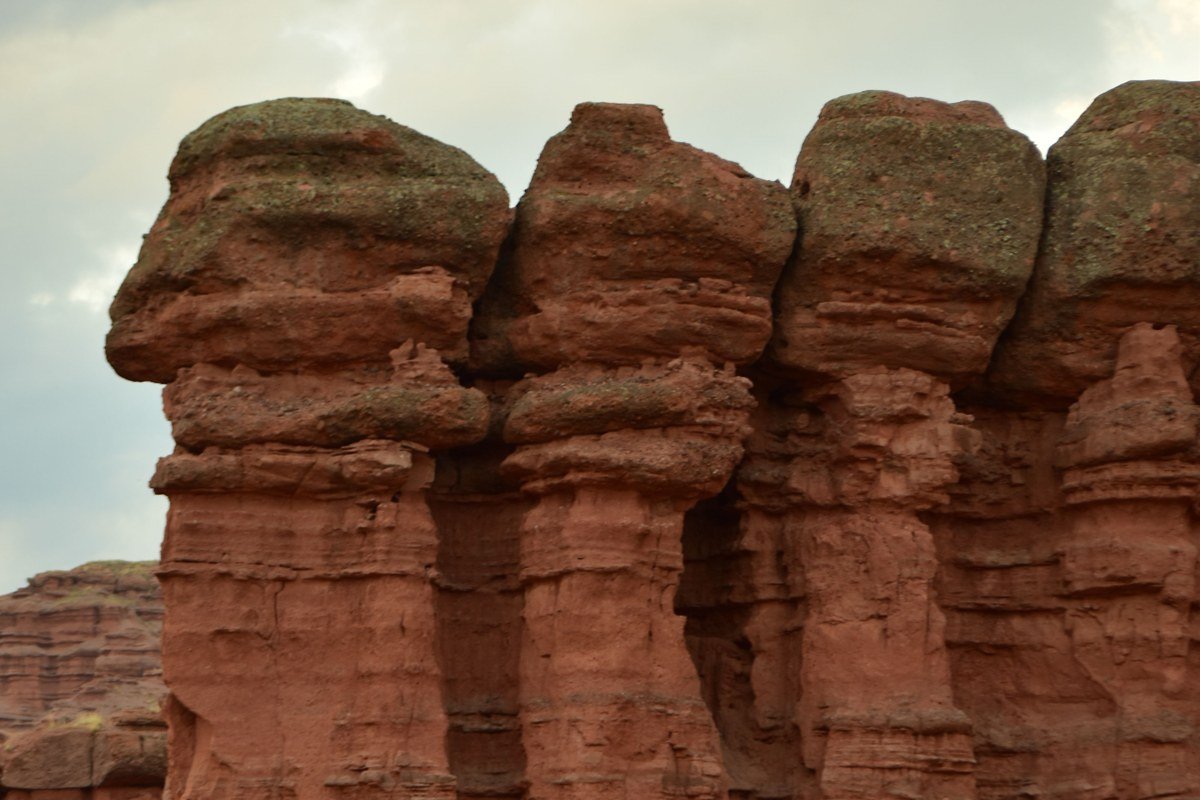
Schnebly Hill Road climbs out of town toward the back side of the red rocks, and the overlook a mile or so up delivers a vantage over Bear Wallow Canyon that most day-trippers never see, since the road turns unpaved and rough almost immediately past this point. You don’t need four-wheel drive to reach the first viewpoint, just patience with washboard gravel. The view stacks formation after formation into the distance, each one catching pink light at a slightly different moment. The road itself is sometimes closed for grading or after heavy rain, so check conditions before driving up in the dark expecting it to be open.
1. Airport Mesa, Arizona
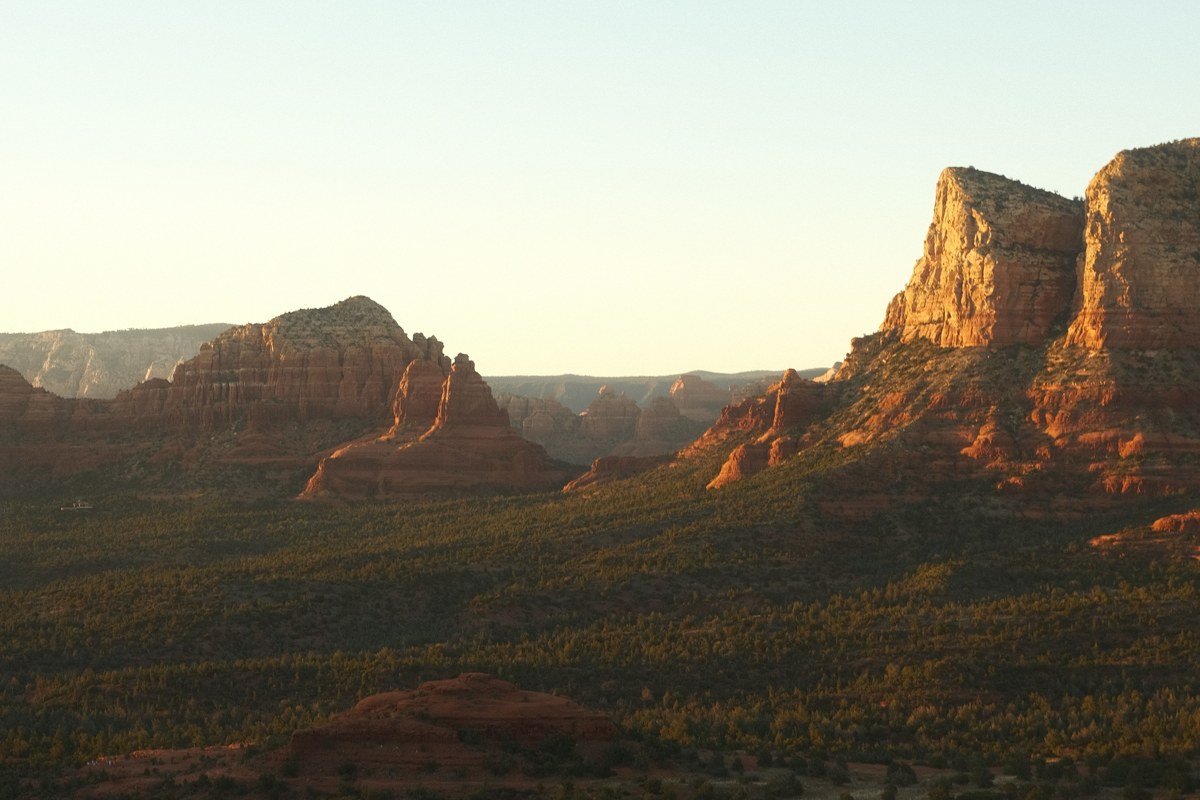
Airport Mesa wins because it asks almost nothing of you and gives back almost everything. Park at the upper vista lot near the Sedona Airport (arrive at least 20 minutes before official sunrise or you’ll be parking on the shoulder), walk a few minutes up the short rock scramble, and you get a 360-degree view that catches Sedona’s entire red rock skyline turning from gray to violet to deep pink over several minutes. Stay put through the whole sequence instead of snapping one photo and leaving; the best color often comes a couple of minutes after the sun first touches the rock, not at the moment itself. The honest downside is popularity: this is the best-known sunrise spot in Sedona, and the small lot can overflow fast on weekends and during the busy October through April stretch, when mild weather draws a steady stream of day-trippers up from Phoenix.
How I’d pick: First-timers with one morning and no hiking gear should go straight to Airport Mesa; it’s the highest payoff for the least effort. Families might prefer the Airport Mesa Vista overlook or Red Rock Crossing, both flat and forgiving. Couples chasing a quiet, romantic version should try Schnebly Hill Road or Submarine Rock. Anyone with just one weekend in town, arriving via I-17 from Phoenix (about 120 miles, roughly two hours depending on traffic through the Camp Verde stretch) and leaving the next afternoon, should do Airport Mesa one morning and Cathedral Rock or Red Rock Crossing the next. The hottest months, June through August, make any hike after 9 a.m. miserable, which is exactly why sunrise, not sunset, is the smarter time to build your whole trip around.