Apostle Islands to the San Juans: 8 Freshwater and Saltwater Escapes That Feel Like Different Countries

Stand on a sea kayak in Lake Superior’s Apostle Islands and the water is the color of dark tea, cold enough to stop your breath, and utterly silent except for loons. Stand on a ferry deck in the San Juans, two thousand miles away, and you’re scanning glassy salt water for orca fins while bald eagles work the thermals overhead. Both feel like islands. Neither feels like the rest of the country.
This isn’t one continuous loop, and it’s more useful to plan it that way. It’s two separate trips bundled into one guide: a freshwater long weekend in Bayfield and Madeline Island, and a saltwater week (or two) through the San Juans. The distance between them, roughly 32 hours of driving, means almost nobody does both back to back. Pick the one that matches the coast you’re closer to, or read both and pick the water you’d rather be cold in.
Stop 1: Bayfield and the Apostle Islands, Wisconsin
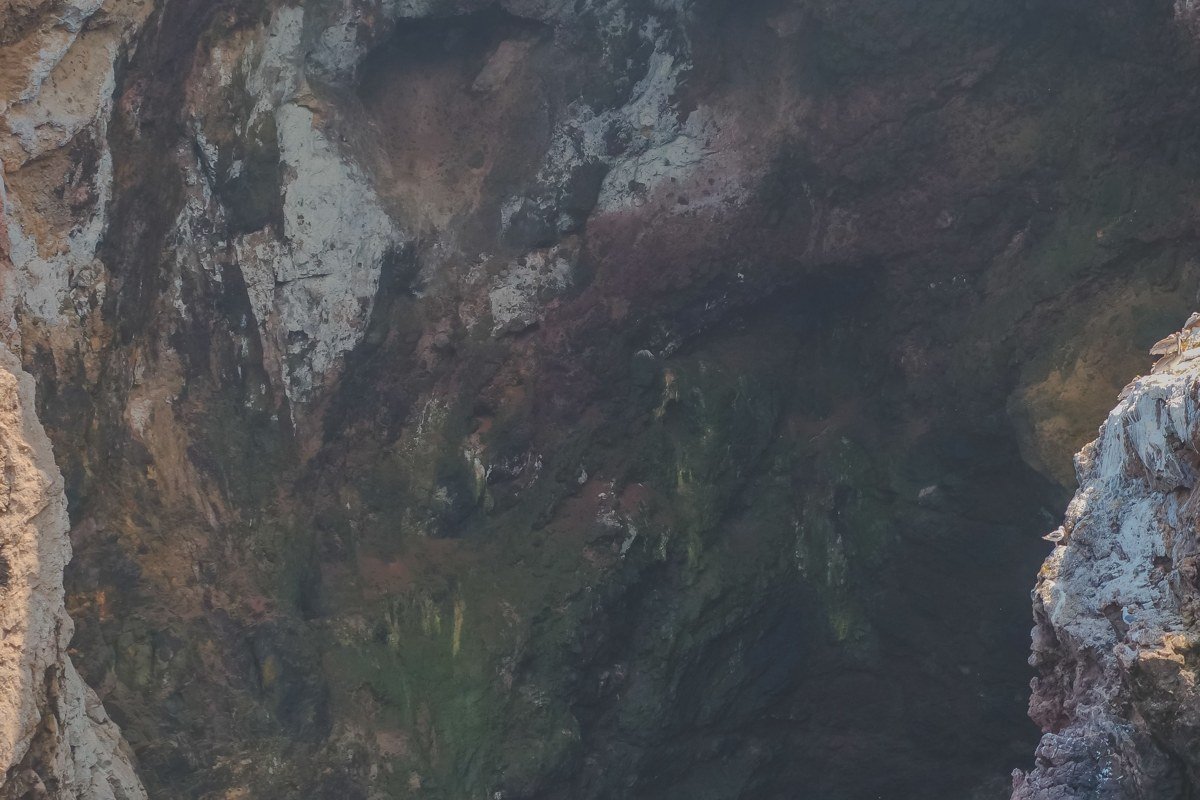
Bayfield sits on the tip of the Bayfield Peninsula, about a 3.5 hour drive northeast of Minneapolis, and it’s the launch point for all 21 Apostle Islands. The mainland sea caves, carved into sandstone cliffs along the Lake Superior shore, are the single best reason to come, and they’re only fully accessible by kayak or tour boat when the lake is calm, which rules out plenty of days even in July. Guided kayak tours to the caves out of Bayfield typically run from about $70 to $150 per person depending on length and outfitter. Ice caves form some winters when the lake freezes solid enough to walk on, but that window is unpredictable year to year and sometimes doesn’t open at all. Sailing charters out of Bayfield marina are the easier way to see multiple islands without committing to a kayak skill test in open water.
Next leg: 45 minutes north on WI-13 to Madeline Island.
Stop 2: Madeline Island, Wisconsin
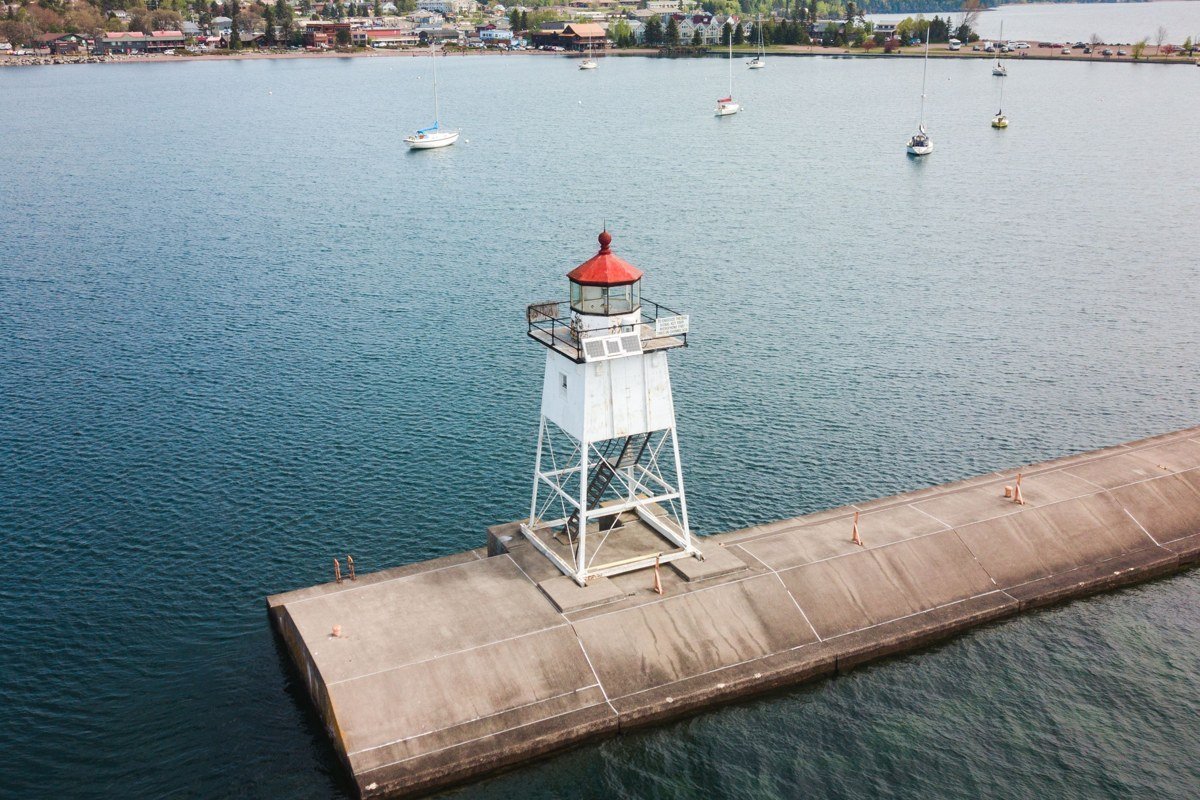
Madeline is the only one of the Apostles with year-round residents, reachable by a car ferry from Bayfield that takes about 20 minutes and costs around $15 to $25 round trip for a vehicle and driver, more with extra passengers. In winter, when ice makes the ferry impossible but isn’t thick enough for the ice road yet, the island is effectively cut off except by small plane or the wind sleds locals use to cross the ice, a workaround longtime residents describe as routine rather than remarkable. Big Bay State Park has the best swimming beach on the archipelago, sandy and shallow by Superior standards. Stay a night at the Madeline Island Inn in La Pointe and you’ll have the harbor mostly to yourself once the day-trip ferries stop running.
Next leg: this is the turnaround point for the freshwater half. From here, treat the San Juans as their own trip, most people fly into Seattle rather than drive.
Stop 3: Seattle to Anacortes, Washington
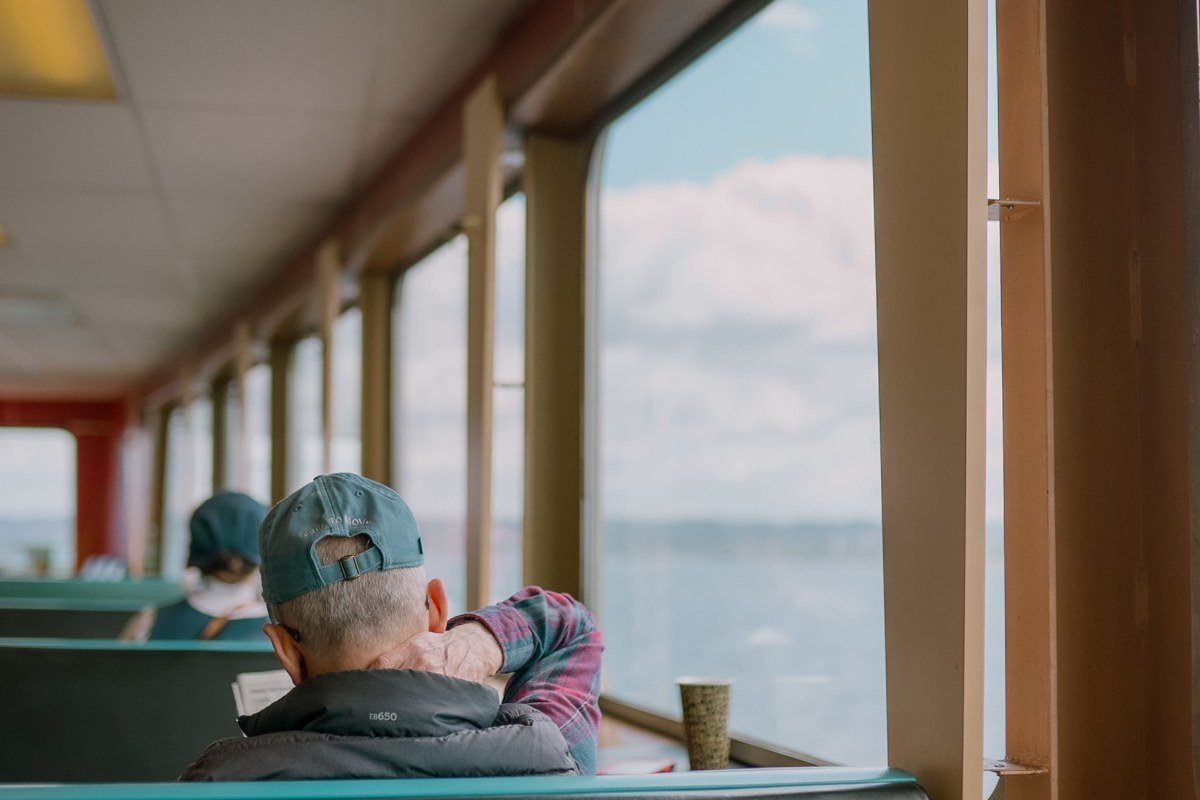
Seattle is the real gateway to this archipelago: it’s about 90 miles to the ferry terminal in Anacortes, roughly a 1.5 to 2 hour drive depending on I-5 traffic, then another hour or more on the water depending which island you’re headed to. Anacortes itself is worth a slow lunch before the ferry, not just a parking lot to rush through. Washington State Ferries runs the interisland system, and a round-trip vehicle and driver fare from Anacortes to Friday Harbor runs roughly $70 to $90 in peak season, less for walk-on passengers. Reservations matter in summer, walk-on and vehicle space fills up on July and August sailings, so book ahead if you’re bringing a car, or consider going as a foot passenger and renting bikes or a car on the island instead.
Next leg: ferry from Anacortes to Friday Harbor, about 1 hour 15 minutes depending on stops.
Stop 4: Friday Harbor, San Juan Island
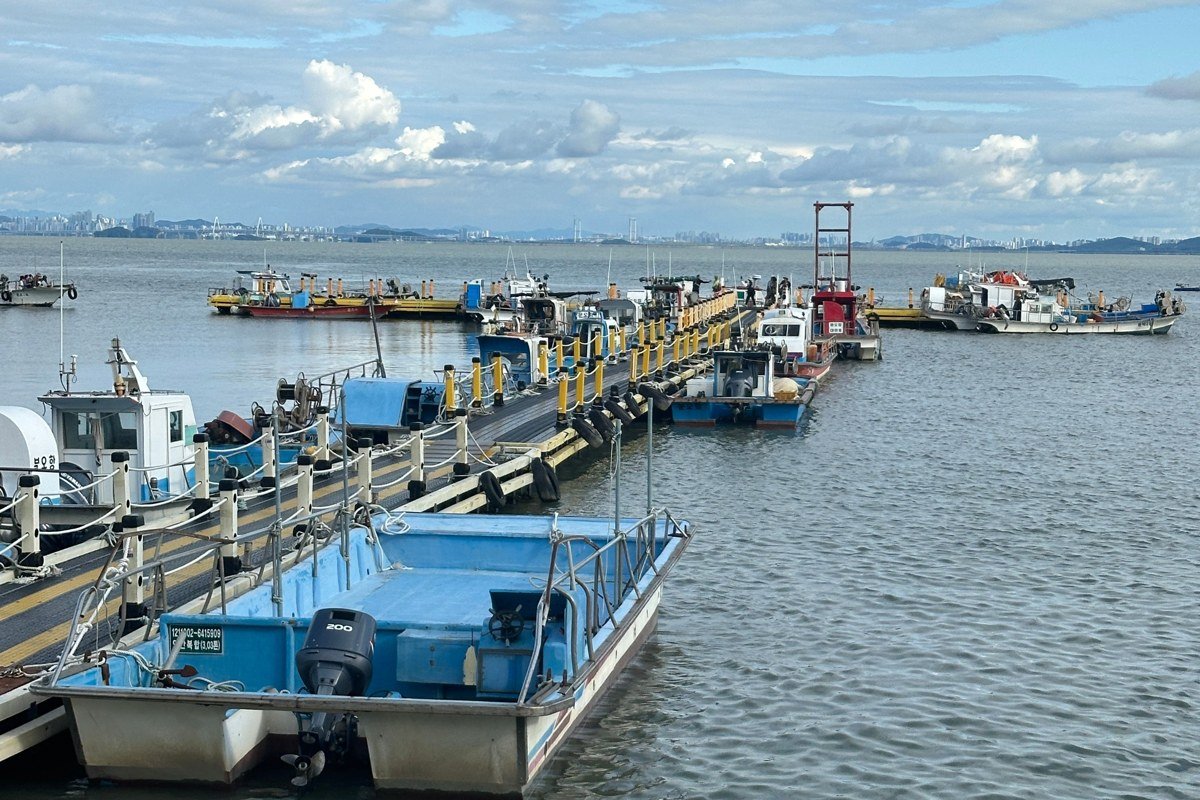
Friday Harbor is the commercial heart of the islands and the first stop for most ferries, which makes it the obvious base for a first visit. The Whale Museum here is small but genuinely useful before you go looking for orcas yourself, and the harbor is lined with seafood shacks and gift shops that make the town feel lived-in rather than staged for tourists. Whale watching tours depart from here spring through fall, when resident and transient orca pods move through the surrounding waters, with a half-day boat tour typically costing $99 to $150 per adult. For a first visit to the islands generally, San Juan Island wins on sheer density of things to do within a short drive of the ferry.
Next leg: 20 minute drive west on Bailer Hill Road to Lime Kiln Point.
Stop 5: Lime Kiln Point State Park
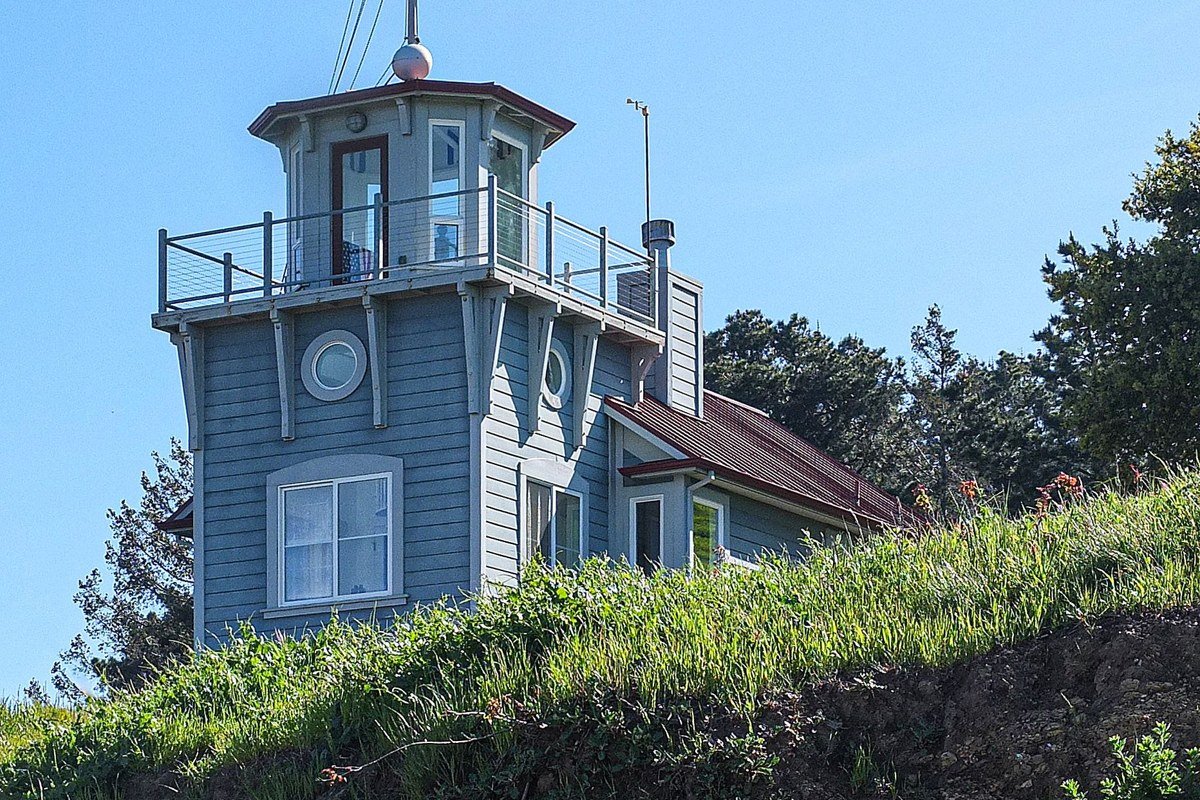
Lime Kiln Point sits on the west side of San Juan Island facing Haro Strait, a deep-water channel orcas use as a travel corridor, and the rocky shoreline here lets you watch from land, for free, no charter required. Bring binoculars and patience. Sightings depend on the season and the salmon runs the whales are following, so summer offers better odds than a December visit, though the lighthouse and the park itself are open and often empty in winter. Kayaking outfitters in Friday Harbor run trips along this same coastline, priced similarly to the Bayfield sea cave tours, for people who want to get closer to the water without a big boat.
Next leg: 15 minute drive north to Roche Harbor.
Stop 6: Roche Harbor
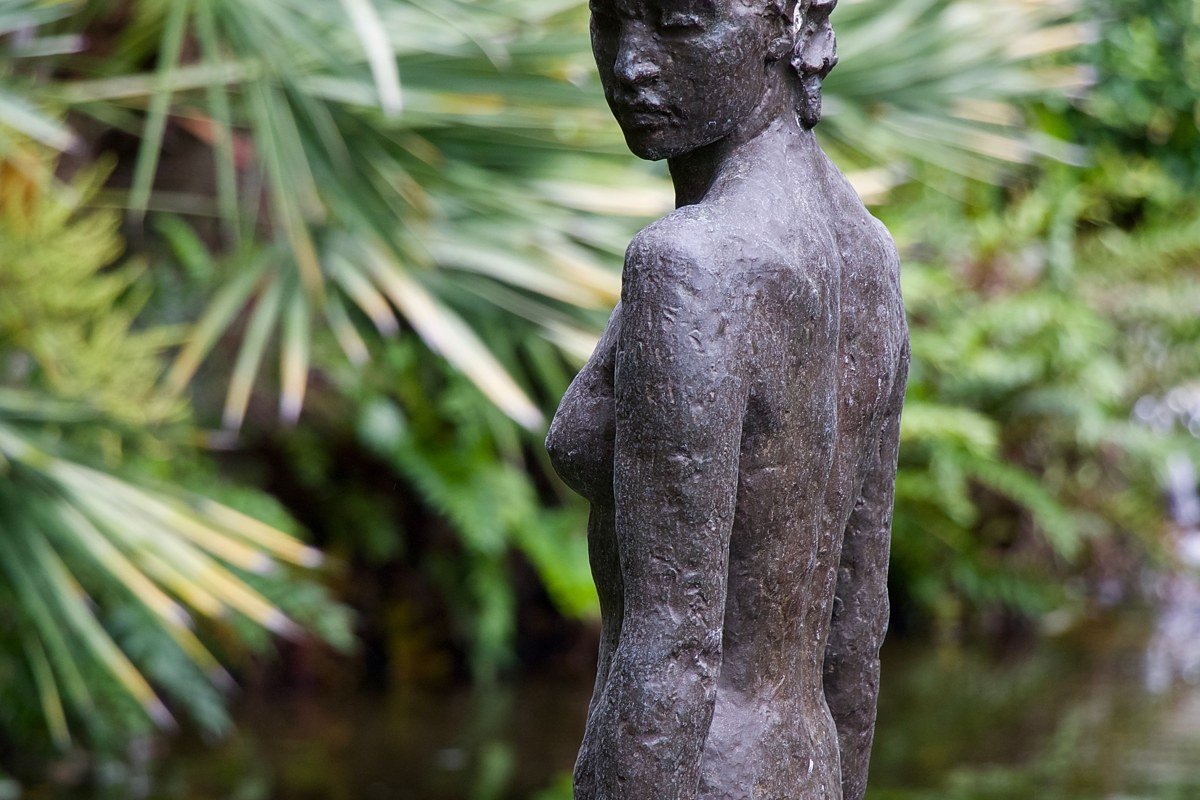
Roche Harbor feels like a different island from Friday Harbor entirely: a former lime works turned resort marina with a formal garden and a sculpture park scattered through the woods, more than 150 outdoor pieces spread across walking trails. The British Camp, part of San Juan Island National Historical Park, sits just south of here, marking one side of the 1859 Pig War, in which two nations nearly went to war over a shot pig and instead settled into a joint military occupation that lasted over a decade. History buffs should pair this with the American Camp south of Friday Harbor to get the whole story. Roche Harbor also has one of the better protected marinas for boaters riding out wind, which kicks up here more than visitors expect, especially in the shoulder seasons.
Next leg: ferry from Friday Harbor to Orcas Island, about 1 hour, or a drive-on connection depending on ferry routing that day.
Stop 7: Orcas Island
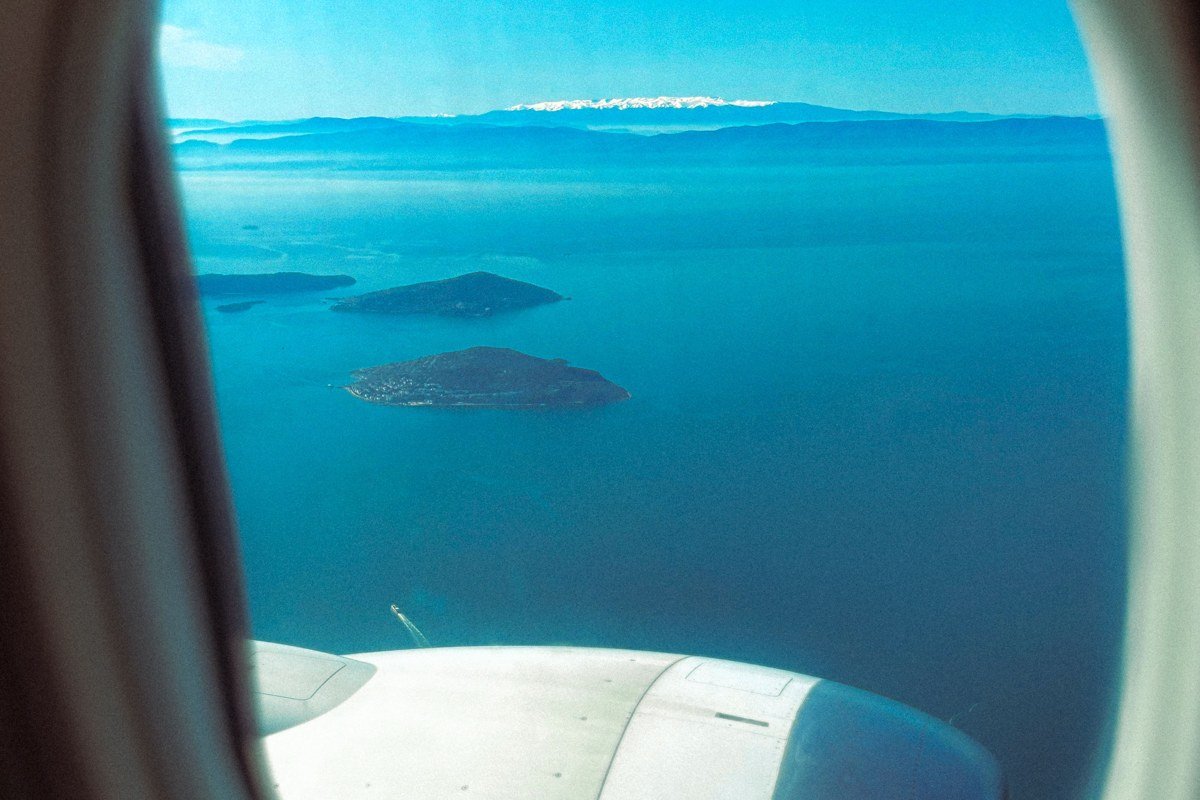
Orcas is the horseshoe-shaped, hillier sibling to San Juan Island, and it earns the most space in this guide for one reason: the drive up Mount Constitution inside Moran State Park. At 2,409 feet, it’s the highest point in the San Juans, and the summit lookout takes in dozens of forested islands scattered across the strait in a single sweep, worth timing for late afternoon light if the road and weather allow. The park below has lakes for swimming and paddling and enough trail mileage to fill a full extra day, not just a drive-up viewpoint.
Eastsound is the main village, small enough to walk end to end. Hogstone, a wood-fired pizza restaurant using island-grown produce, is the one worth the wait if you only eat at one place on Orcas. Car rentals are available here too if you came as a foot passenger, which is worth doing since Orcas rewards slow exploring of its back roads more than fast point-to-point driving. The smaller, roadless islands nearby are reachable only by private boat or water taxi; residents interviewed by local outlets have described getting around some of them on foot trails and occasionally by horse, since there’s no ferry service to justify keeping a car there.
Next leg: ferry from Orcas back through the interisland route, roughly 45 minutes to Lopez Island.
Stop 8: Lopez Island
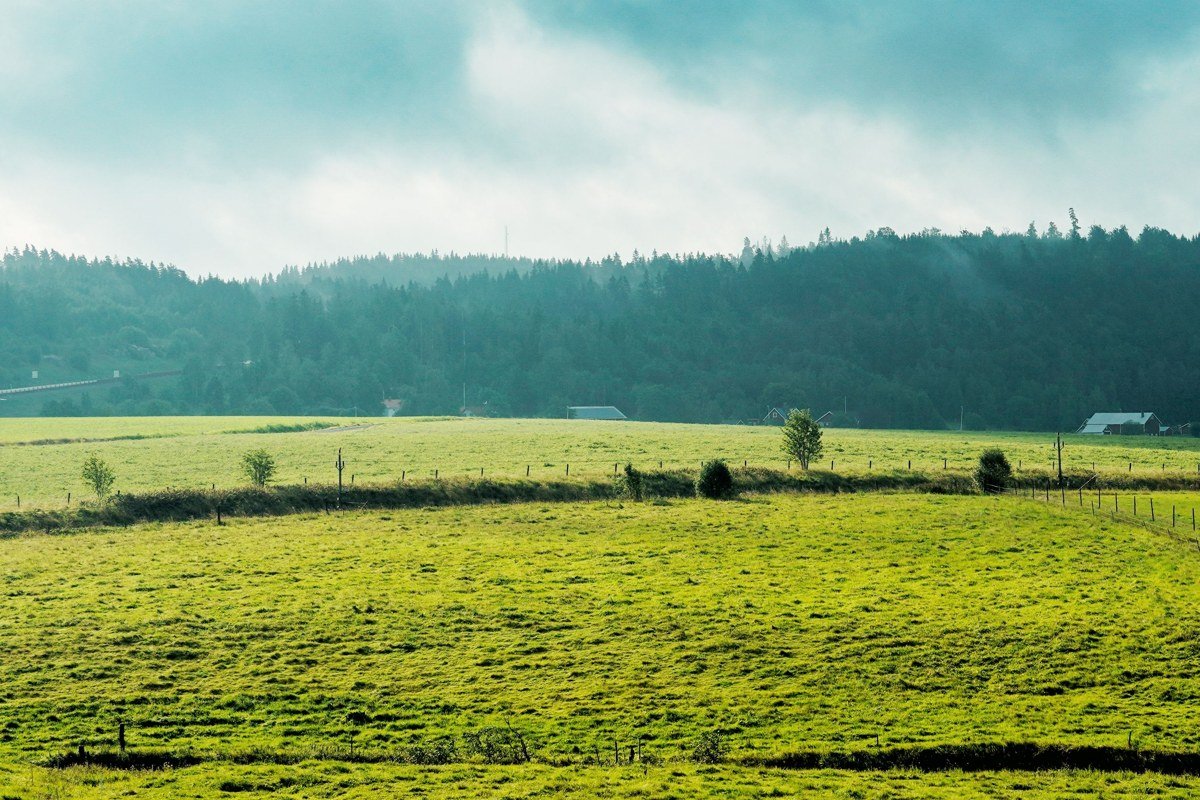
Lopez is flatter, quieter, and more agricultural than its neighbors, an island locals half-jokingly call “Slowpez” for its bike-friendly pace and the wave every driver gives every other driver. It’s the least visited of the main ferry-served islands and, for exactly that reason, the one people are most likely to call underrated. There’s no single blockbuster attraction here, which is the point: rent a bike, ride past sheep farms and small vineyards, and eat lunch at a picnic table by the water without a line. If Friday Harbor felt busy in August, this is where to cool off.
Best time of year, and doing it in reverse
Summer is the safest answer for a first trip: long daylight, calmer seas, and whale watching season in full swing, though August ferry lines and lodging prices reflect that everyone else knows it too. Visiting in December is a legitimate, different trip: fewer boats, moody skies, and a real chance the islands stay drier than soggy Seattle thanks to the Olympic Mountains blocking storms, though wind is the tradeoff to plan around. If you only have 3 days, do Friday Harbor, Lime Kiln Point, and Roche Harbor as one tight loop on San Juan Island alone, and save Orcas and Lopez for a return trip. The San Juans work just as well in reverse order, Lopez first, San Juan Island last, if you’d rather end on whales than farm roads.
FAQ
How far is San Juan Island from Seattle?
About 90 miles to the Anacortes ferry terminal, roughly a 1.5 to 2 hour drive, plus 1 to 1.5 hours on the ferry depending on the route.
Which San Juan Island is best for a first visit?
San Juan Island itself, for the density of sights within a short drive of the Friday Harbor terminal. Orcas rewards a slower second trip, and Lopez is better once you already know you want quiet.
What’s the best time of year to visit the San Juan Islands?
Summer for reliable weather and whale watching, winter for solitude, lower prices, and a real chance of drier weather than Seattle itself.