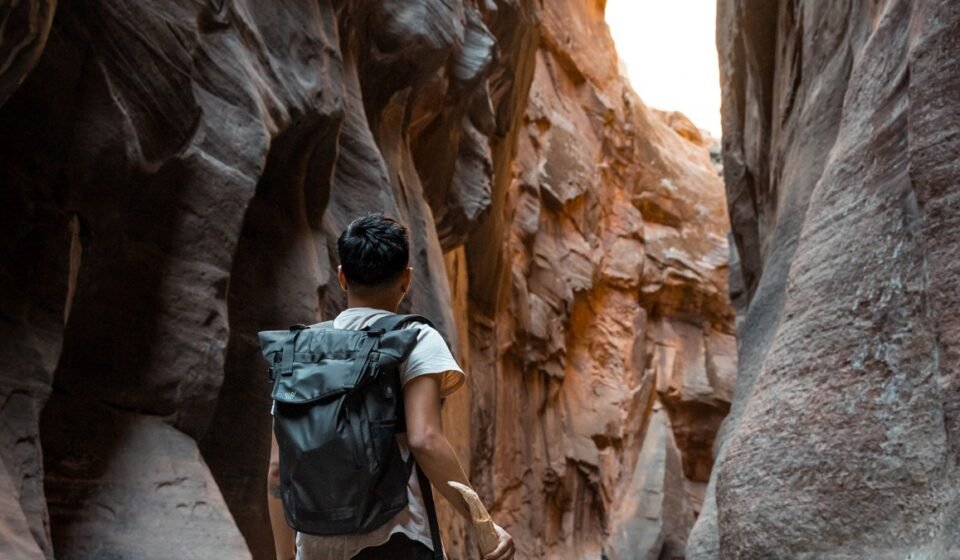

The mistake almost everyone makes is booking a guided trip through the Narrows or the Subway and calling it “Zion canyoneering,” then wondering why they spent half the day in a line of forty people waiting to rappel one pitch. Zion National Park, Utah, has more permitted slot canyons than most visitors ever learn exist, and the permit system that frustrates people is the same system that keeps the quiet ones quiet. Learn to work it instead of fighting it, and you get canyons with nobody in them.
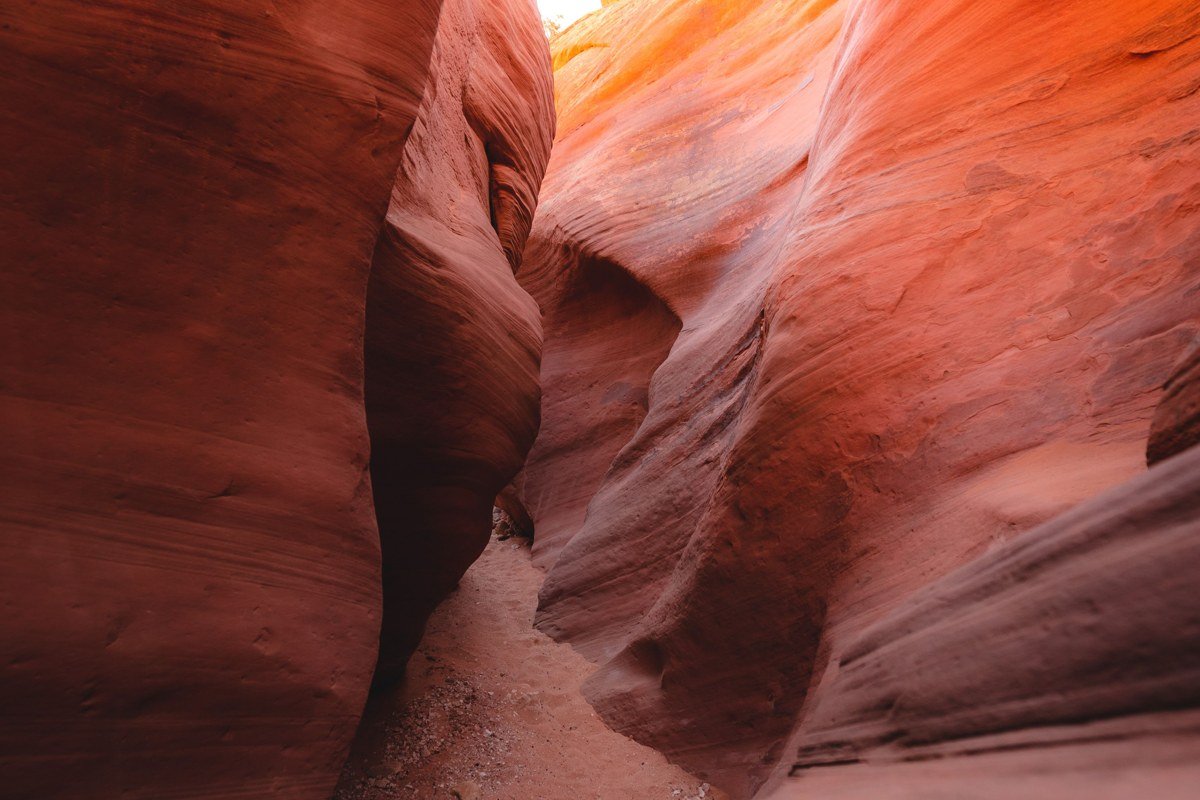
This list runs in three tiers, from routes you can walk into with a permit picked up that morning, to full-day technical descents that require real rope skills and a lottery win. Wherever you land depends on your rappelling experience, your group’s comfort with exposure, and how far in advance you’re willing to plan. All nine require a permit from the park, no exceptions, and that single fact is the whole point of this post.
Easy wins (a weekend, no planning)
These are the routes for people who want the canyoneering experience, not the canyoneering resume. Most require one or two rappels under 60 feet, no swimming, and can be added onto a normal Zion weekend without restructuring your trip.
Pine Creek Canyon, Utah
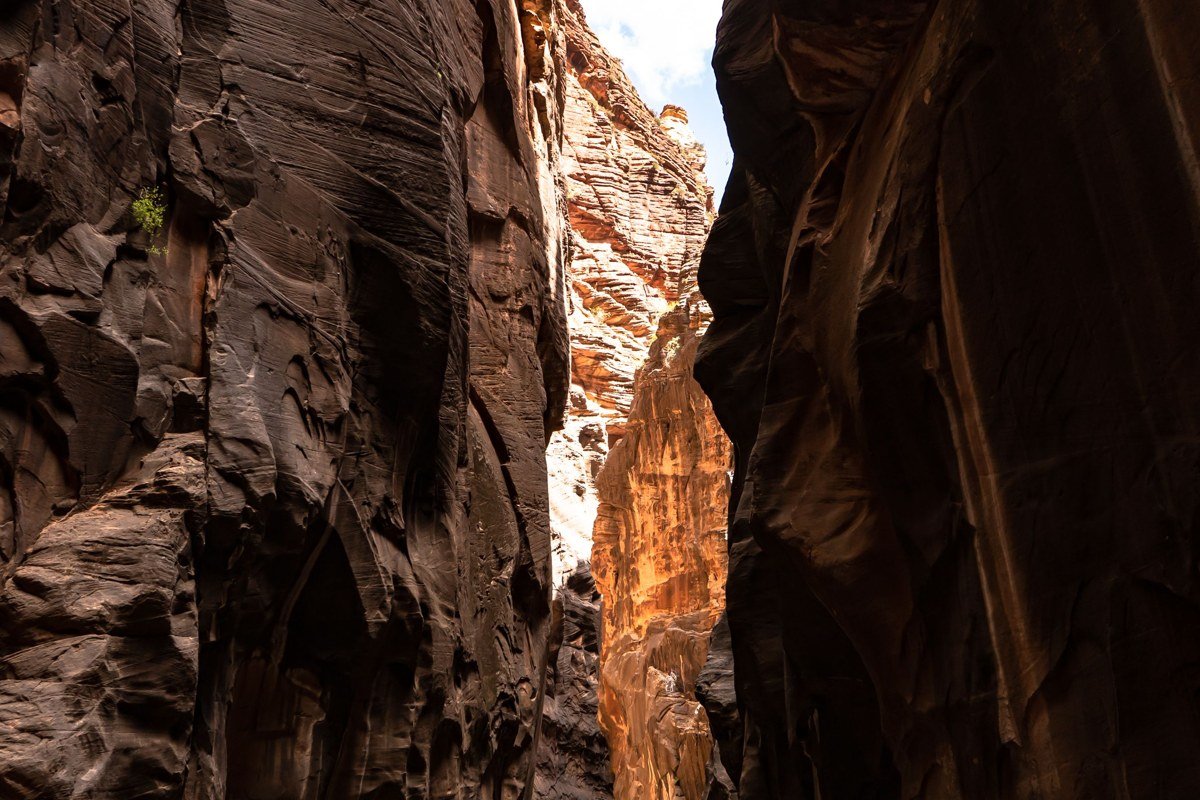
The trailhead pullout sits at the east entrance tunnel, roughly a five-minute walk from the parking area, not a backcountry slog. It has a handful of rappels (check current NPS canyoneering pages for exact heights before you go, since anchors and pitch lengths shift after flood seasons), plus a couple of keeper potholes that need a team to work through, which makes it a solid intro to technical canyoneering rather than a watered-down version of one. Cold water sits in those potholes even in summer, so a wetsuit top is worth the trailhead line at a gear rental shop in Springdale, Zion Adventure Company and Zion Guru both rent them by the day.
Effort: Half a day, permit available as a walk-up the same morning at the Zion Canyoneering permit desk, no advance reservation window needed.
Keyhole Canyon, Utah
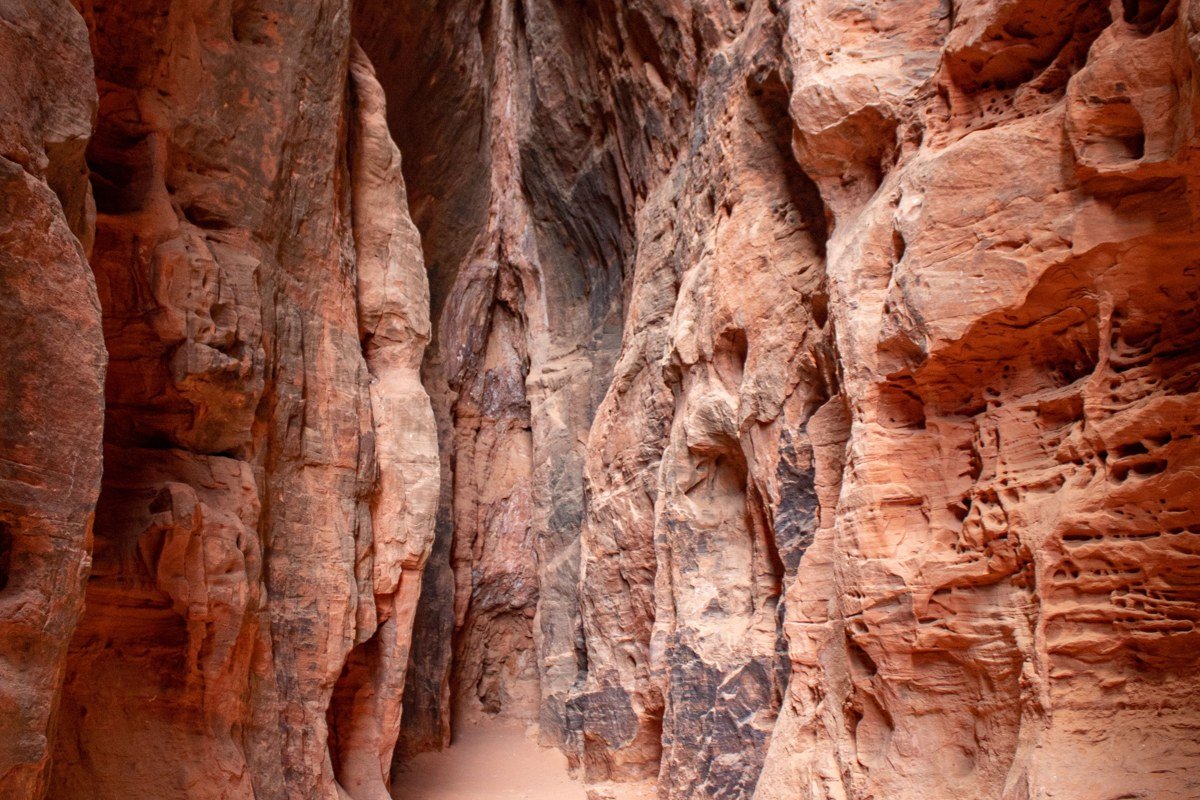
Keyhole is the shortest technical canyon in the park and the one most guide services use for a first-timer afternoon trip. Two or three short rappels, minimal swimming, and an approach so brief you can be back at your car in under three hours from the trailhead off Highway 9. It’s also the canyon people call overrated because it’s crowded on weekends, since every outfitter defaults to it. Go on a weekday morning instead, or ask your guide for Pine Creek if your group is fit enough, since it’s barely harder and far less trafficked.
Effort: 2 to 3 hours total, permit walk-up or online reservation, one of the easiest technical canyons in the park.
The Subway (Bottom-Up), Utah
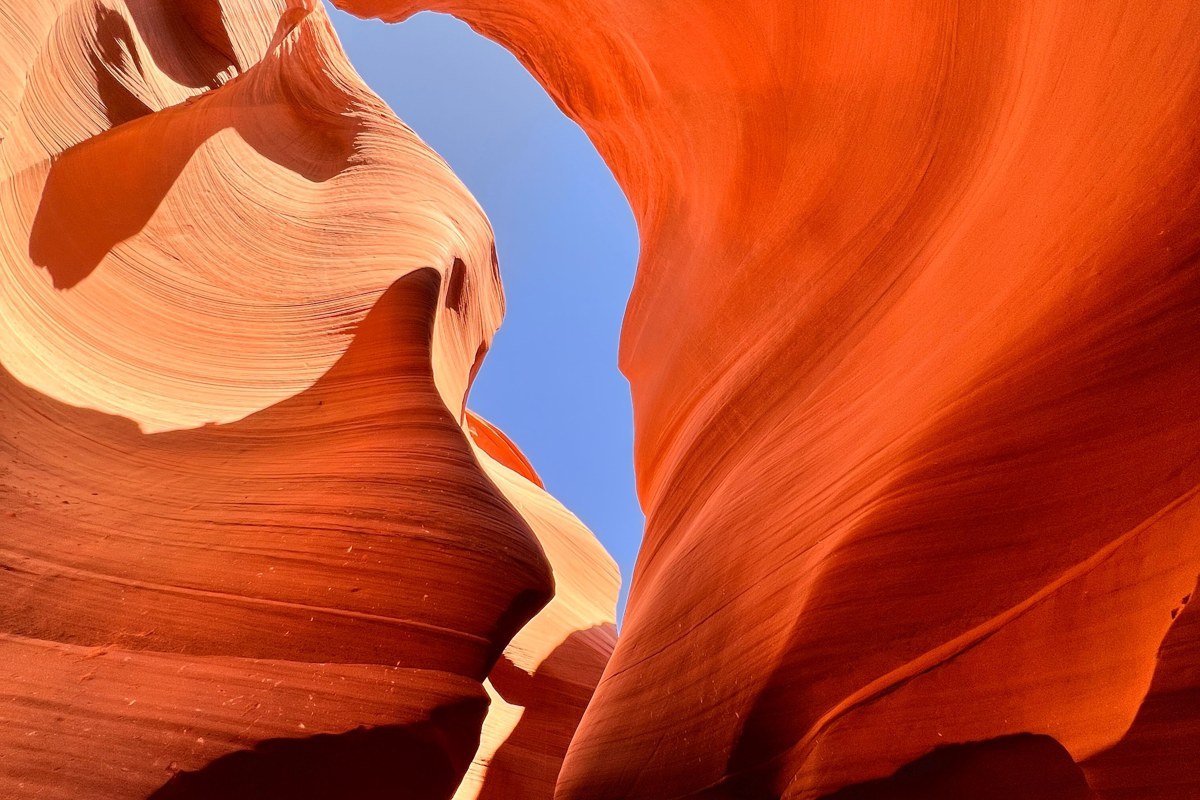
Everyone knows the Subway’s famous curved-tube photo, and that fame is exactly why the bottom-up route (a strenuous 8 to 9 mile round-trip hike, not a rope descent) gets its permits snapped up fastest. The technical top-down route covers about 9.5 miles and does involve rappels, downclimbs, and cold swims through a narrow tube of Navajo sandstone. Go top-down in September or October if you can get the permit, since summer afternoon storms turn this drainage dangerous fast, and flash flood risk here is real, not theoretical.
Effort: Full day (8 to 10 hours), permit through the lottery system (see below), rope skills required for top-down.
Worth the drive
These canyons ask for more: a longer drive from Springdale or St. George, Utah, a longer approach hike, or a full day of rope work. They reward you with real solitude, since the permit caps keep daily groups small no matter how popular the canyon becomes.
Mystery Canyon, Utah
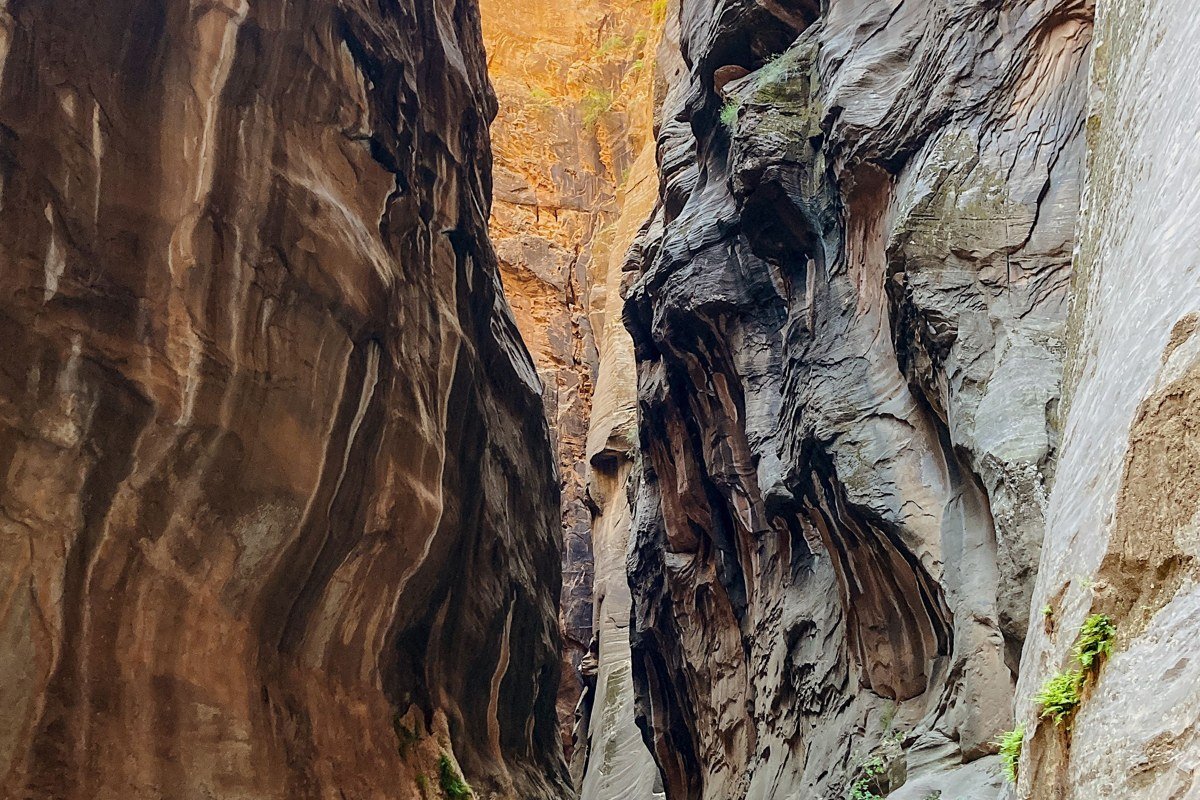
Mystery Canyon’s finale is a rappel that drops you directly into the Virgin River Narrows (verify current rope length against the NPS page, it’s commonly cited near 100 feet but check before you rig), often startling hikers coming upstream from the Temple of Sinawava. Getting there means a shuttle to the trailhead near the East Rim, then a cross-country approach of roughly two miles before the technical section starts. It’s the canyon most visitors don’t know exists precisely because it ends inside a canyon they’ve already hiked, which tells you how much of Zion’s terrain sits just out of sight of the main corridor.
Effort: 6 to 8 hours, permit reservation in advance, one long rappel near the finish, moderate route-finding on the approach.
Behunin Canyon, Utah
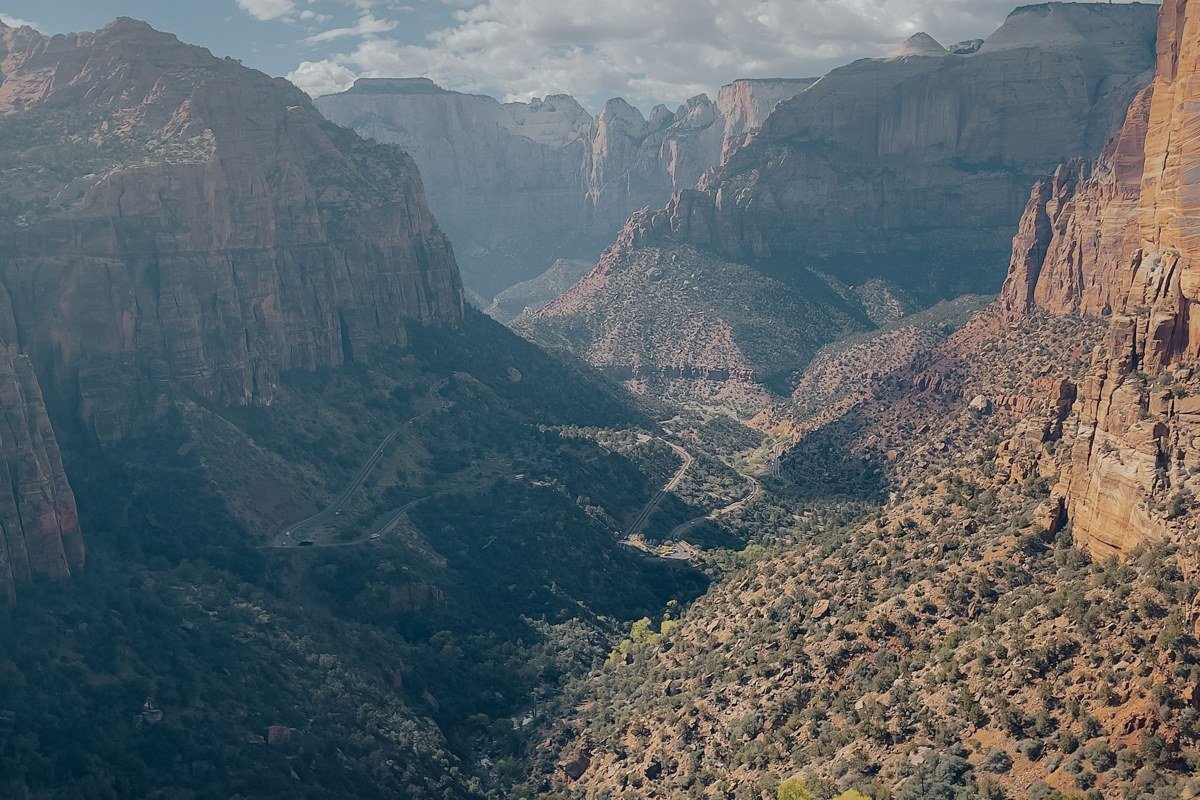
Behunin combines several rappels, the longest a genuine full ropelength drop (confirm exact footage on the NPS page, this one has been reported at up to 300 feet depending on rigging), with a scramble-heavy approach from the West Rim area. The exposure and length make it a step up from Pine Creek or Keyhole, and it’s a good canyon to attempt once you’ve done two or three easier ones and want a longer day without going full expedition. Views down into Zion Canyon from partway through the descent are some of the best in the park and you’ll likely have them alone.
Effort: 6 to 9 hours, permit reservation required, rappels approaching 300 feet, prior rope experience strongly recommended.
Spry Canyon, Utah
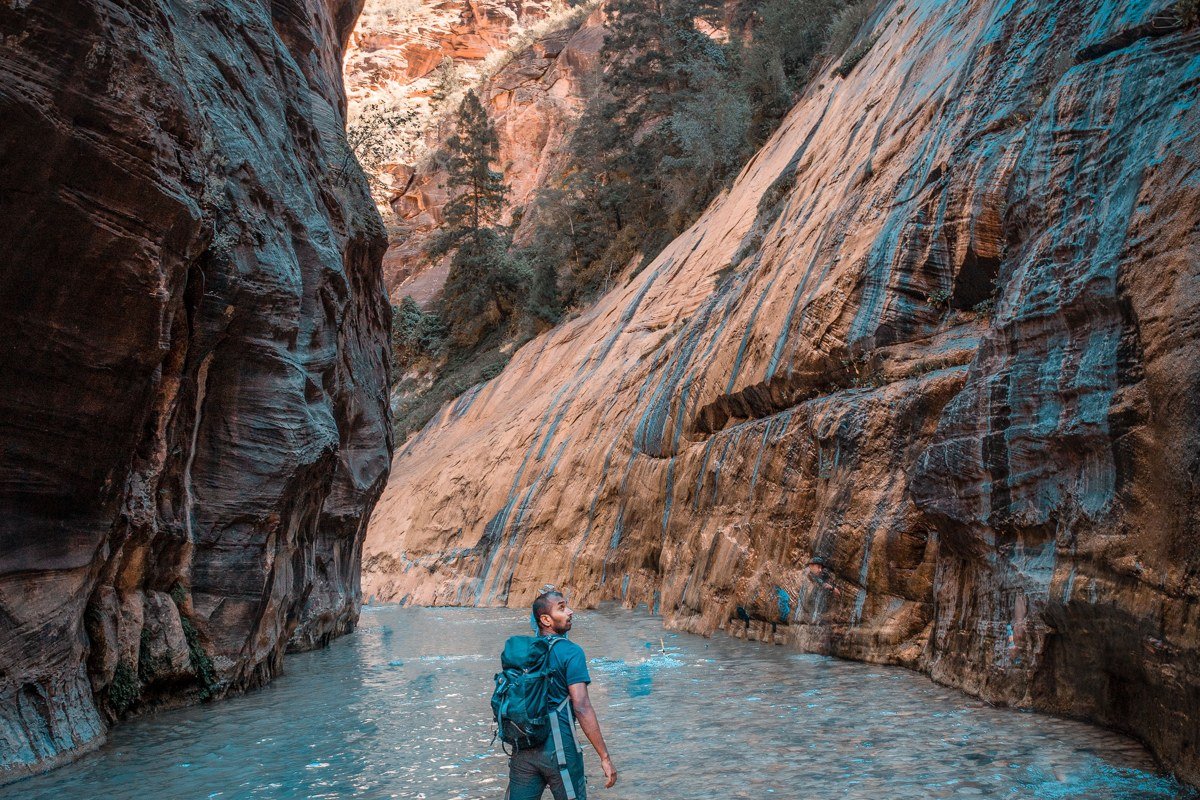
Spry is less photographed than its neighbors, which is exactly why it belongs on this list. Multiple rappels through pour-offs, a scrambly approach, and a finish that also connects into the Zion Canyon Narrows system make for a full technical day without another group in sight most weekdays. It sits at a similar difficulty to Behunin, so treat them as a pair to choose between based on permit availability rather than one being clearly better. Expect a full rack of technical skills here: this isn’t a canyon where you’re learning to rappel for the first time, it’s one where you’re applying skills you already have to pour-offs and downclimbs back to back.
Effort: Full day, permit reservation, several rappels, best attempted after you’ve completed at least two easier canyons on this list.
Earn it (long haul, big payoff)
This tier is for parties with real rope systems experience, comfortable with anchor-building, downclimbing wet rock, and spending 8 to 12 hours committed to a canyon with no easy bailout. Don’t attempt these as your Zion canyoneering for beginners trip.
Gear matters more here than anywhere else on this list. Bring a rope long enough for the longest rappel plus margin, most parties carry a 200-foot rope minimum for this tier and a pull cord or second rope for retrievable systems on multi-pitch canyons. Wetsuit thickness depends on season and water temperature: a 3/2mm suit is often enough in late summer, but spring snowmelt and cold pools call for a 5/4mm or a drysuit, and Heaps in particular has drowned the underprepared in wetsuits that were fine for Pine Creek but not for hours of immersion. Check current water temps and closure status with the Zion Canyoneering desk before you commit to a suit.
Heaps Canyon, Utah
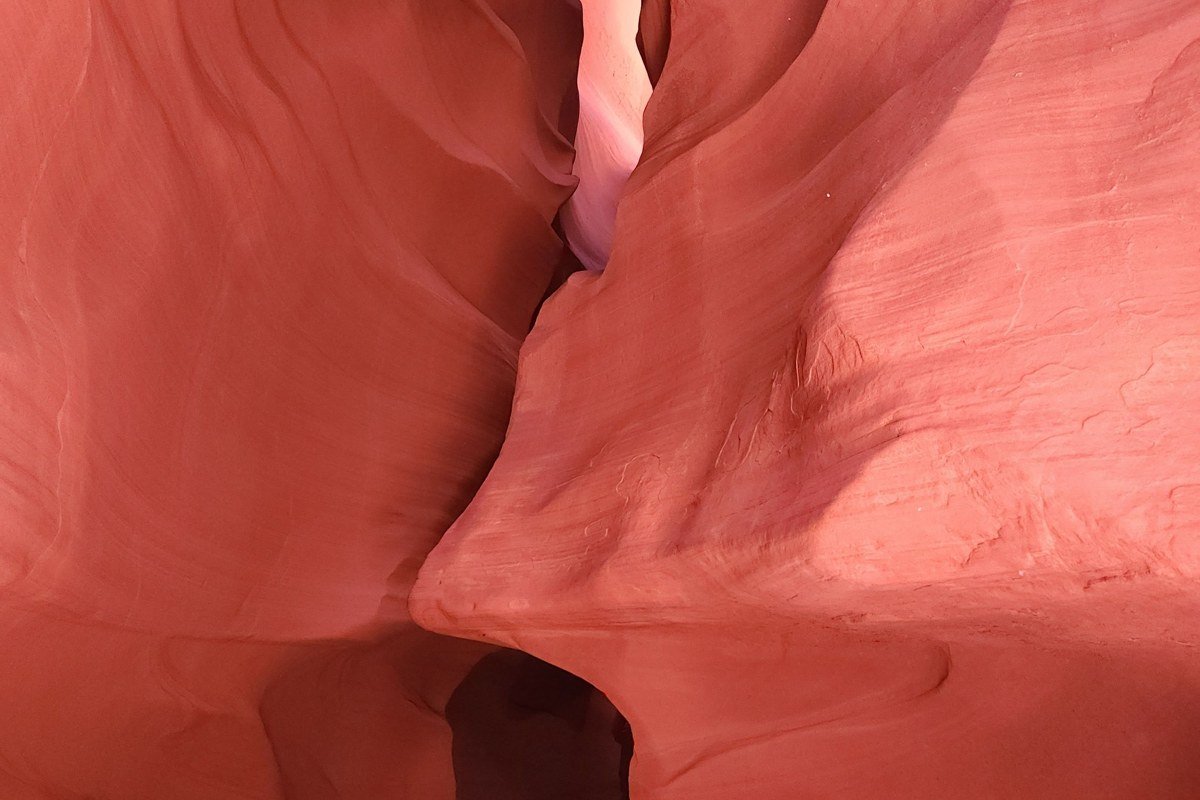
Heaps is widely considered the park’s classic technical test piece: a dozen-plus rappels, cold swims, long stretches of wading, and a full day that regularly runs 10 to 14 hours car to car. It drains straight into Emerald Pools, meaning your last rappel drops you right above one of the busiest trails in the park while your group looks like you emerged from another planet. Permits for Heaps are capped tightly and the canyon closes seasonally when water temperatures make swims dangerous, typically in winter and early spring, check the park’s current closure dates before planning around it.
Effort: 10+ hours, advanced rope and swimming skills, permit through advance reservation, closes seasonally for cold water.
Kolob Creek, Utah
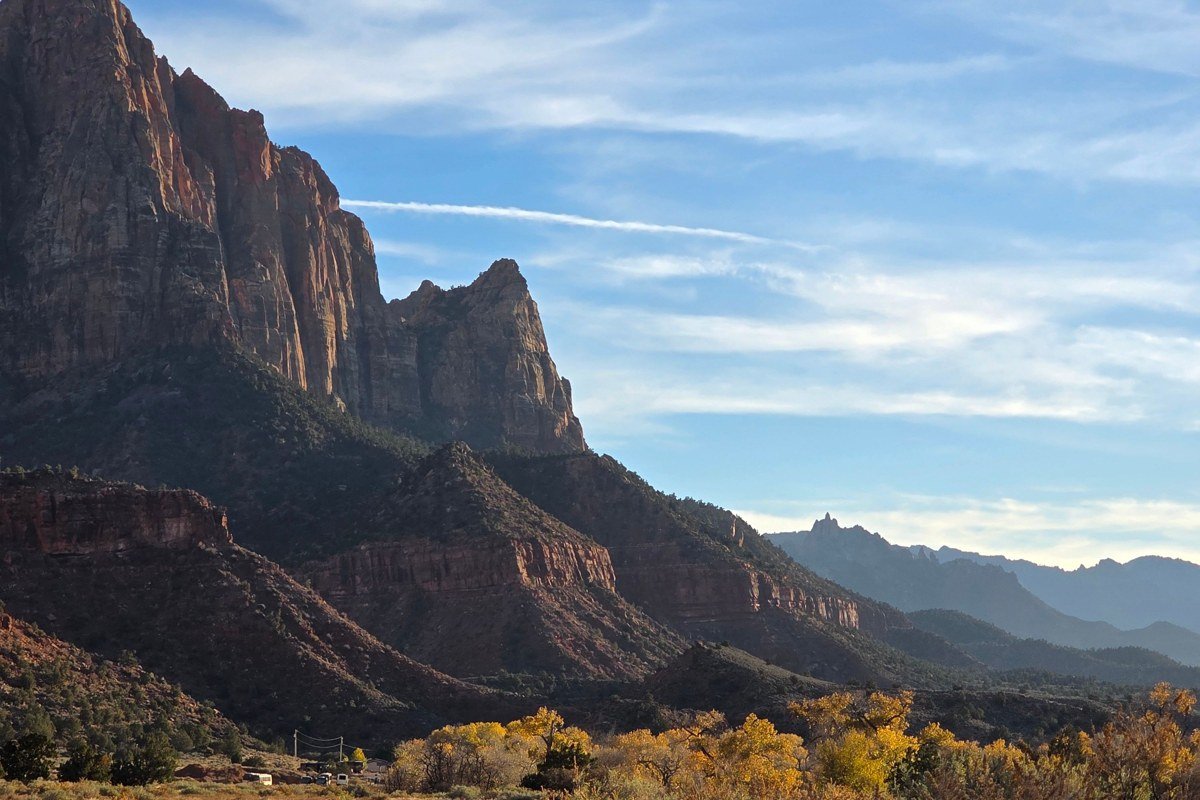
Kolob Creek sits in the park’s less-visited Kolob Terrace section, reached by a long drive up Kolob Terrace Road out of the town of Virgin, Utah, itself a detour most Zion visitors skip entirely. The canyon is long, remote, and committing, with big rappels and a real chance of getting stuck if water levels spike. It rewards experienced teams with total isolation: no shuttle traffic, no crowds, just desert varnish walls and a full day of technical work.
Effort: Full day plus significant drive time (over an hour from Springdale to the trailhead), advanced skills only, permit reservation and flow-dependent closures apply.
Englestead Canyon, Utah
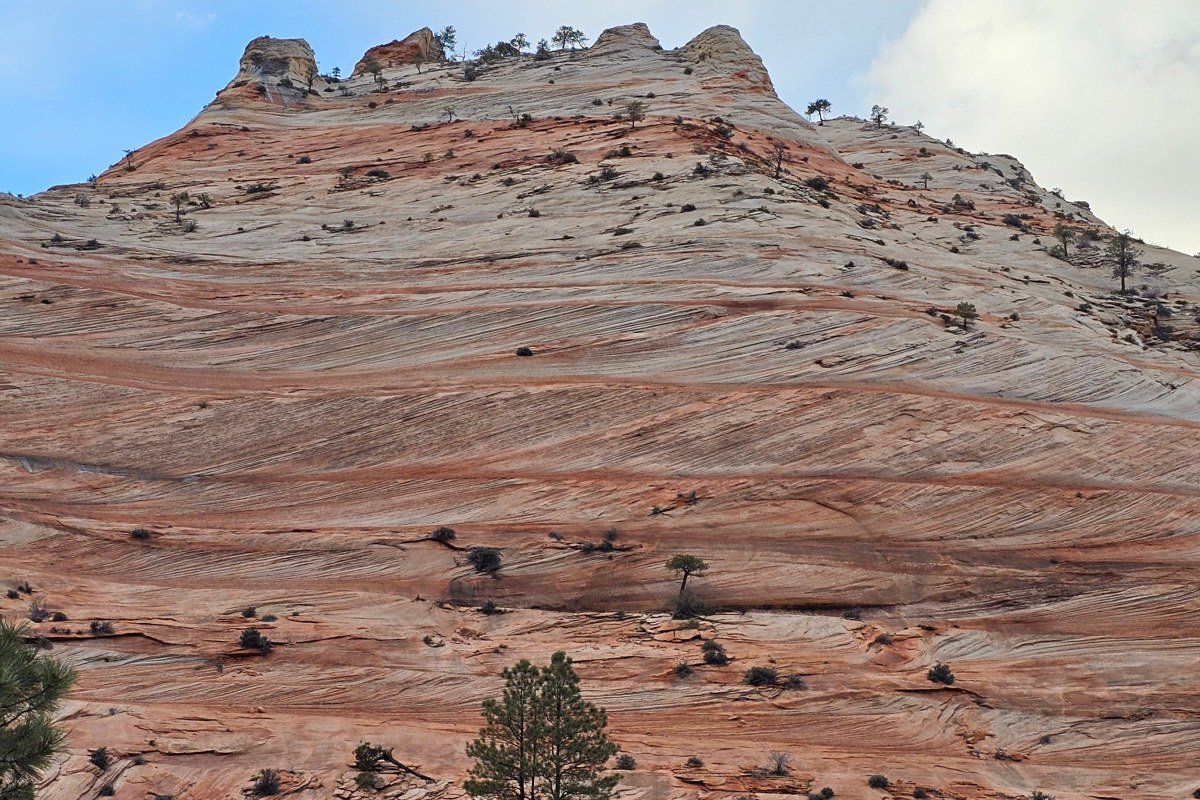
Englestead rarely appears on Zion canyoneering lists at all, which is the appeal. It’s a long, technical, remote route with high rappels and minimal foot traffic even by the park’s already-quiet permitted-canyon standards. Treat it as the reward canyon: something to save for a trip when you’ve built real systems and want a day that feels like true exploration rather than a checklist item.
Effort: Full day, remote approach, advanced rope skills, permit reservation required and rarely contested.
How the permit system actually works
Every technical canyon in Zion requires a permit, and the park splits them two ways. Popular routes like the Subway and Mystery Canyon go through an advance online lottery run through the recreation.gov system, with application windows opening a few months ahead of the season, plus a smaller last-minute drawing two days before your date if you’re flexible and unlucky in the main draw. Permit fees themselves are modest, roughly $5 to $15 per person depending on the canyon, but the lottery application carries its own separate non-refundable fee, so check recreation.gov directly for current amounts before you apply. Lower-demand canyons, including Pine Creek and Keyhole, can often be picked up as walk-up permits the same morning at the Zion Canyoneering desk in Springdale, though summer weekends still sell out by mid-morning.
Parking at the main Zion Canyon Visitor Center fills before 8am from spring through fall, so if your route starts inside the park, plan around the shuttle rather than a car. Zion canyoneering guided tours run by Springdale-based outfitters such as Zion Adventure Company and Zion Guru can book permits under their own commercial allotment, which is often the easiest path if you want Zion canyoneering for beginners without navigating the lottery yourself, though it costs more than a self-guided trip with rented gear.
Summer afternoons bring flash flood risk across nearly every canyon on this list, so mornings are non-negotiable May through September. Winter closes several routes outright due to cold water and ice on approach trails, and even where a canyon stays open, a wetsuit is not optional. If you’re weighing Zion canyoneering routes against each other, the honest advice is to match the canyon to your rope skills first and your crowd tolerance second, since an easy canyon done badly is more dangerous than a hard canyon done well.
Start in the first tier, build actual rappelling and anchor competence, then move up. The jump from Pine Creek to Heaps isn’t really about fitness, it’s about judgment under cold water and exposure, and that only comes from time in the easier canyons first. Do two or three routes in the first tier, take an actual canyoneering class through one of the Springdale guide services, and the harder permits will make sense instead of feeling like a lottery you got lucky on.