
The best fog in coastal Maine rolls in on summer mornings, usually between 5am and 9am, when warm air moves over the still-cold Gulf of Maine water. Late June through July is peak fog season, not the crisp October days everyone photographs for foliage. If you want the lighthouses to disappear and reappear, go earlier in the season than you think and get up earlier in the day than you want to.
I built this list around the places where fog does the most work: narrow points where the horizon erases itself, working harbors where foghorns still matter, and a few coastal Maine towns that get overlooked in favor of Bar Harbor but reward anyone willing to drive the extra twenty minutes.
| Place | Best for | Getting there |
|---|---|---|
| Pemaquid Point, Maine | Classic fog-shrouded lighthouse photos | 1.5 hrs from Portland |
| Bass Harbor Head, Maine | Fog over dark spruce and granite | 45 min from Bar Harbor |
| Marshall Point, Maine | Empty-feeling coastal walk | 2 hrs from Portland |
| Owls Head, Maine | Foghorn-heavy working harbor views | 1.5 hrs from Portland |
| West Quoddy Head, Maine | One of the foggiest lighthouses in the country | 4.5 hrs from Portland |
| Portland Head Light, Maine | Easy access, big payoff, no long drive | 20 min from Portland |
| Monhegan Island, Maine | Fog rolling over a car-free island | Ferry from Port Clyde or Boothbay Harbor |
| Schoodic Point, Maine | Acadia’s fog without the crowds | 45 min from Bar Harbor |
| Stonington, Maine | A real, unpolished lobstering town in mist | 2.5 hrs from Portland |
Pemaquid Point, Maine
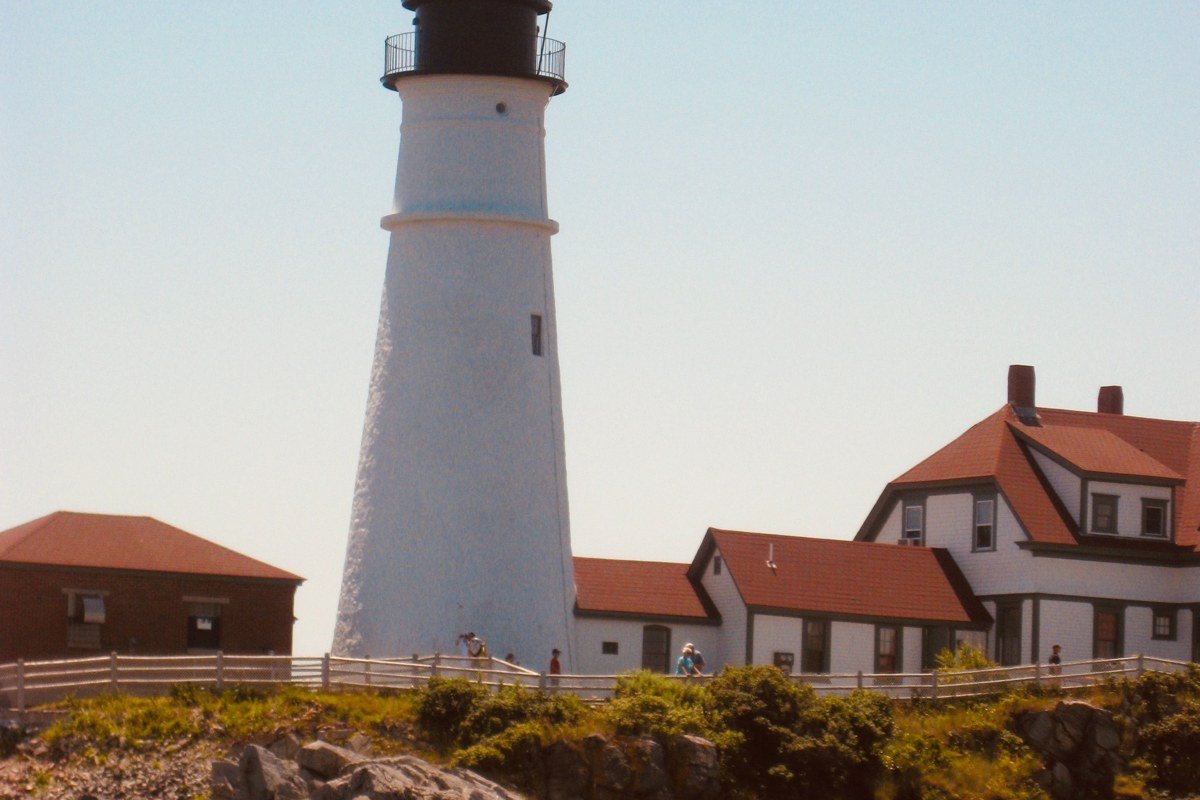
This is the lighthouse on Maine’s state quarter, and on a foggy morning it looks like it’s floating on nothing. The striated granite ledges below the tower, tilted almost on their side from ancient glacial pressure, are the real draw. Get there right after sunrise, before the small lot on Lighthouse Road fills and before the fog burns off, which it often does by mid-morning in summer. Entry is $3 per person in season (Fishermen’s Museum included), and the museum is only worth the stop if the fog hasn’t lifted yet and you need somewhere dry to wait it out. The gift shop next door, the Pemaquid Point Lighthouse Gift Shop, opens before most cafes in town, so it’s a reasonable place to get coffee while you wait for visibility to drop again.
Bass Harbor Head, Maine
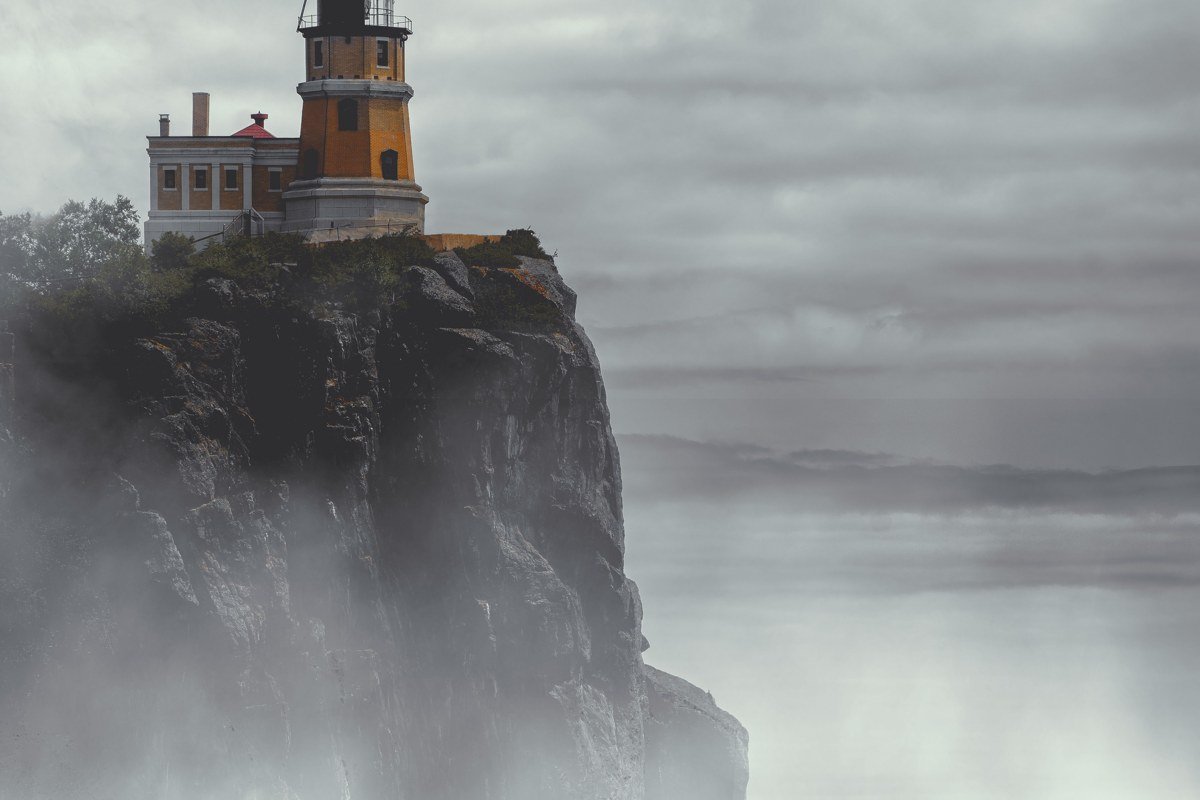
Bass Harbor sits on the “quiet side” of Mount Desert Island, away from the Bar Harbor crowds but still inside Acadia National Park, so you’ll need a park pass ($35 per vehicle for seven days, or $70 for the annual Acadia pass). Fog here tends to hang low in the spruce. The lower rocks, reached by a short unmarked scramble to the right of the tower, give you the classic angle, but they’re slick and steep, not a spot for small kids or flip-flops. Parking is genuinely tight, about a dozen spaces off Route 102A, so this is a dawn errand, not a leisurely midday stop. Locals will tell you the foghorn hasn’t sounded regularly in years since the light was automated, but the building housing it is still there to photograph.
Marshall Point, Maine
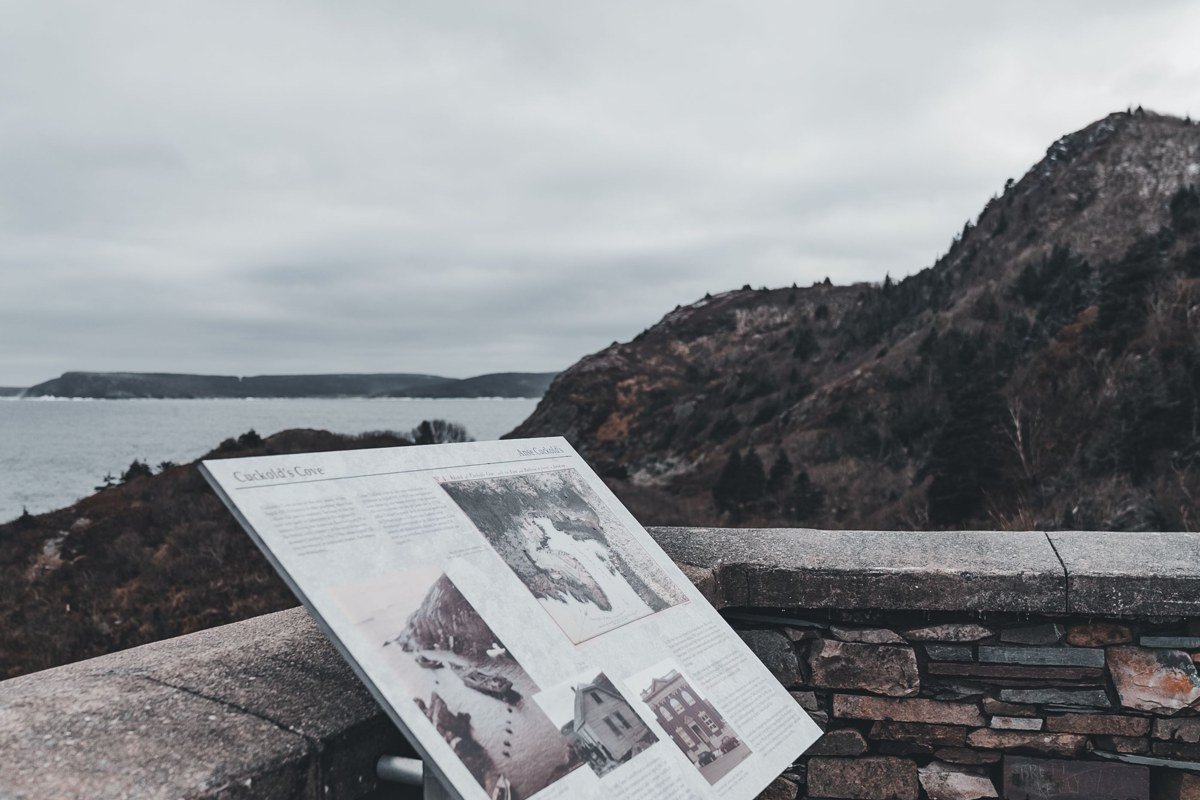
The wooden walkway out to this lighthouse, the one Forrest Gump ran across, vanishes into the mist. Port Clyde, the village it sits in, is worth visiting precisely because nothing much is happening there. There’s no entrance fee and no real crowd management because there’s rarely a crowd to manage. The small museum in the old keeper’s house is run by volunteers and keeps irregular hours, so don’t plan around it. Combine the stop with the ferry dock a five-minute drive away if you’re heading out to Monhegan; the Elizabeth Ann usually has room for walk-ons on weekday mornings.
Owls Head, Maine
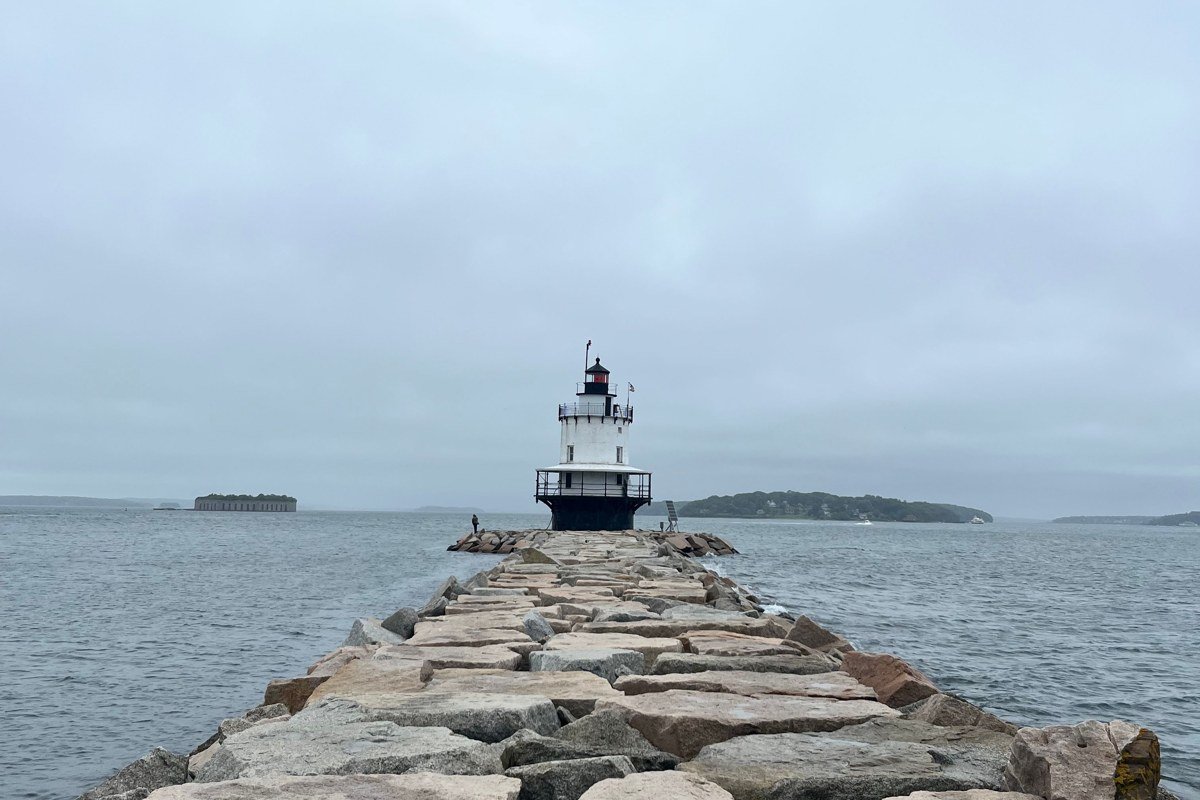
Owls Head still operates as an active aid to navigation, and the fog signal building next to the tower gets used, not just displayed. This is a working harbor town outside Rockland, and the light sits on a short bluff off Main Street with room to walk the grounds for free. The approach road narrows to one lane near the end, and the small lot fills fast on weekends, so weekday mornings are the move. If you only have time for one lighthouse near Rockland, locals will argue for this one over the more famous Rockland Breakwater Light, mostly because you don’t have to walk almost a mile of exposed breakwater to reach it.
West Quoddy Head, Maine
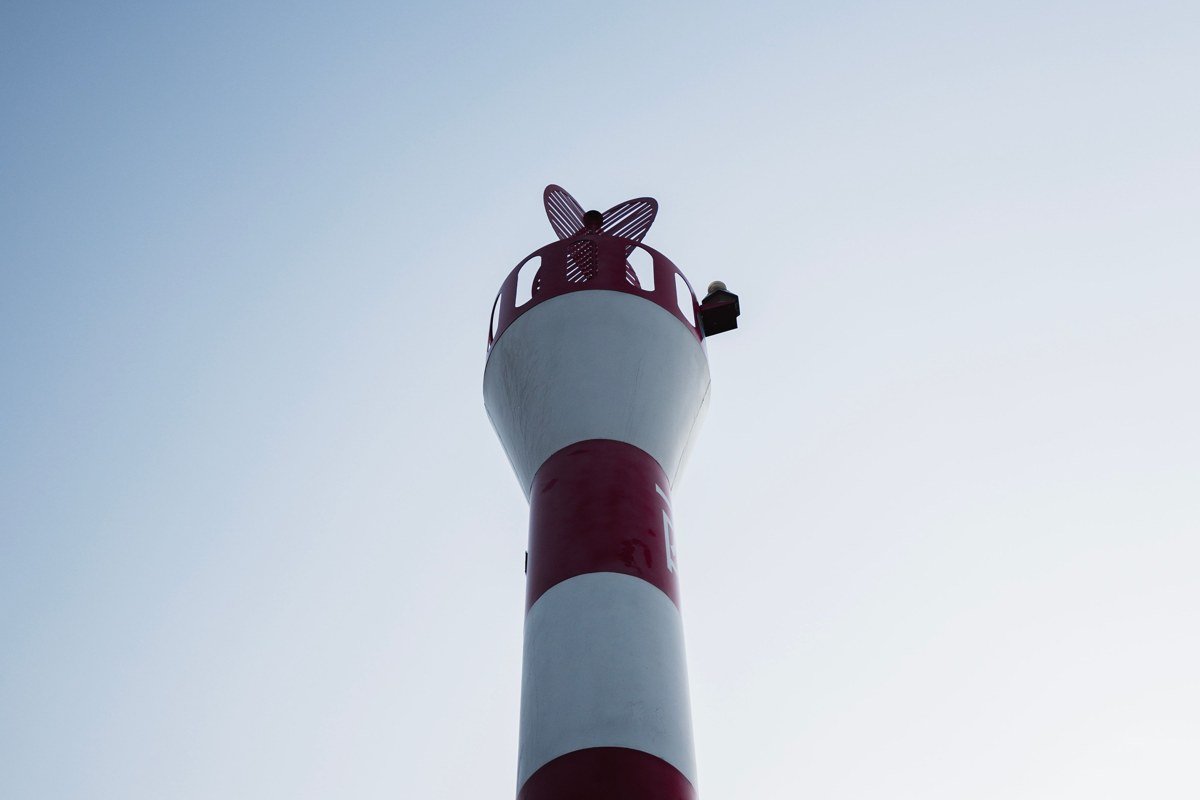
This is the easternmost point in the continental US, and local lore (backed loosely by NOAA data on regional fog frequency) often ranks it among the foggiest lighthouses in the country, thanks to the Bay of Fundy’s cold water and strong tidal action. The drive from Portland runs close to five hours, which rules it out as a day trip from anywhere except Bangor or Bar Harbor. Quoddy Head State Park surrounding it has coastal trails along dramatic cliffs, including the Coastal Trail out to Green Point, that are genuinely underused, since most visitors stop their Maine trip at Acadia. Entry to the state park is $4 per adult. Go if you want fog with almost no other tourists in the frame, and check the tide charts before you go: low tide around Carrying Place Cove exposes tidepools that are easy to miss otherwise.
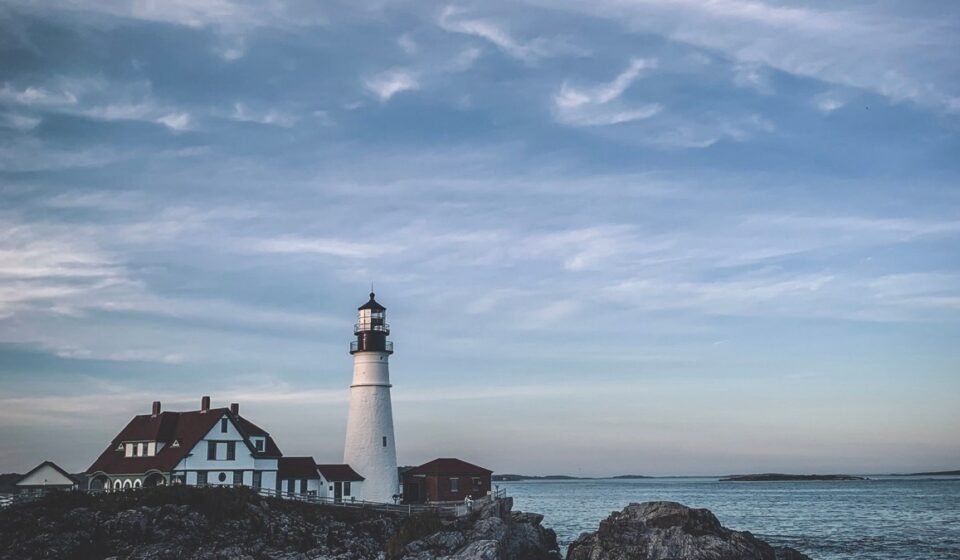
Portland Head Light, Maine
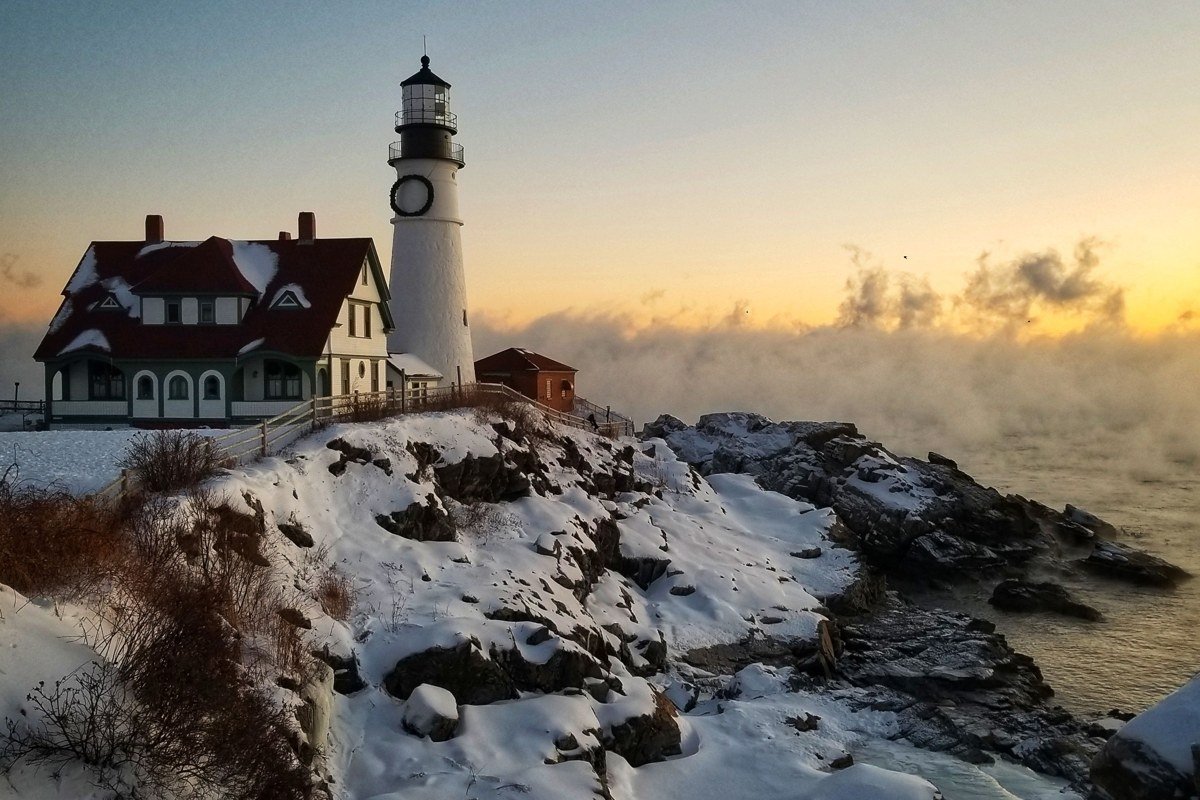
This is the lighthouse everyone pictures when they picture Maine, and it’s inside Fort Williams Park just twenty minutes from downtown Portland, so there’s no excuse not to see it even on a short trip. Fog here is less guaranteed than at the more exposed points further Downeast, but when it rolls in off Casco Bay it’s dramatic precisely because the setting is so groomed and green. Parking costs $2 an hour and fills by mid-morning on summer weekends; the overflow lot near the old fort bunkers is the one to try first once the main lot is full. This is the spot to send someone who wants the classic shot without committing to a real road trip.
Monhegan Island, Maine
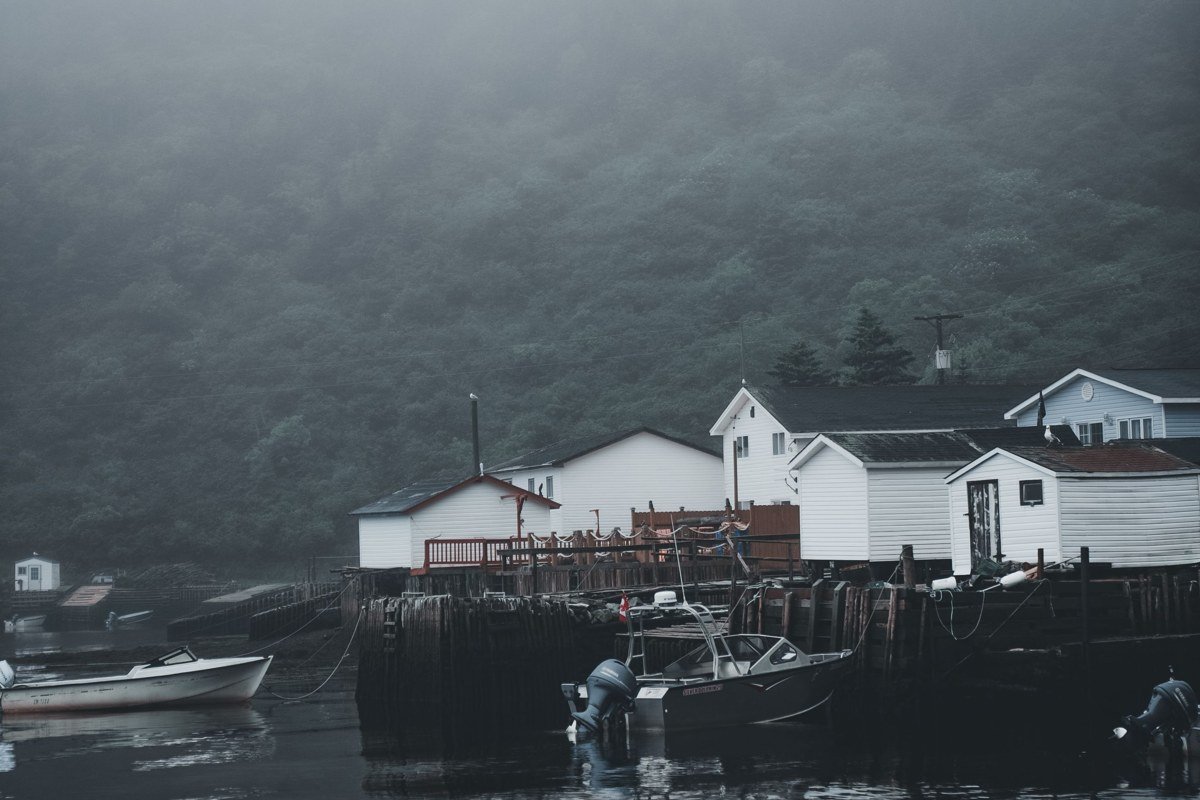
Monhegan is a car-free island roughly an hour by ferry from Port Clyde (the Monhegan Boat Line) or Boothbay Harbor (Balmy Days), and fog treats it differently than the mainland points because it can sit over the whole island for a full day. The lighthouse sits above the village on Lighthouse Hill, an easy ten-minute walk uphill from the dock, past the small Monhegan Museum in the old keeper’s house. Ferries are limited and book up in summer, so this isn’t a spontaneous stop; it needs planning a few days out and ideally an overnight, since the last boat back usually leaves by mid-afternoon. Most day-trippers regret not staying the night once they see the place empty out after 4pm, when the day-trip crowds head for the dock.
Schoodic Point, Maine
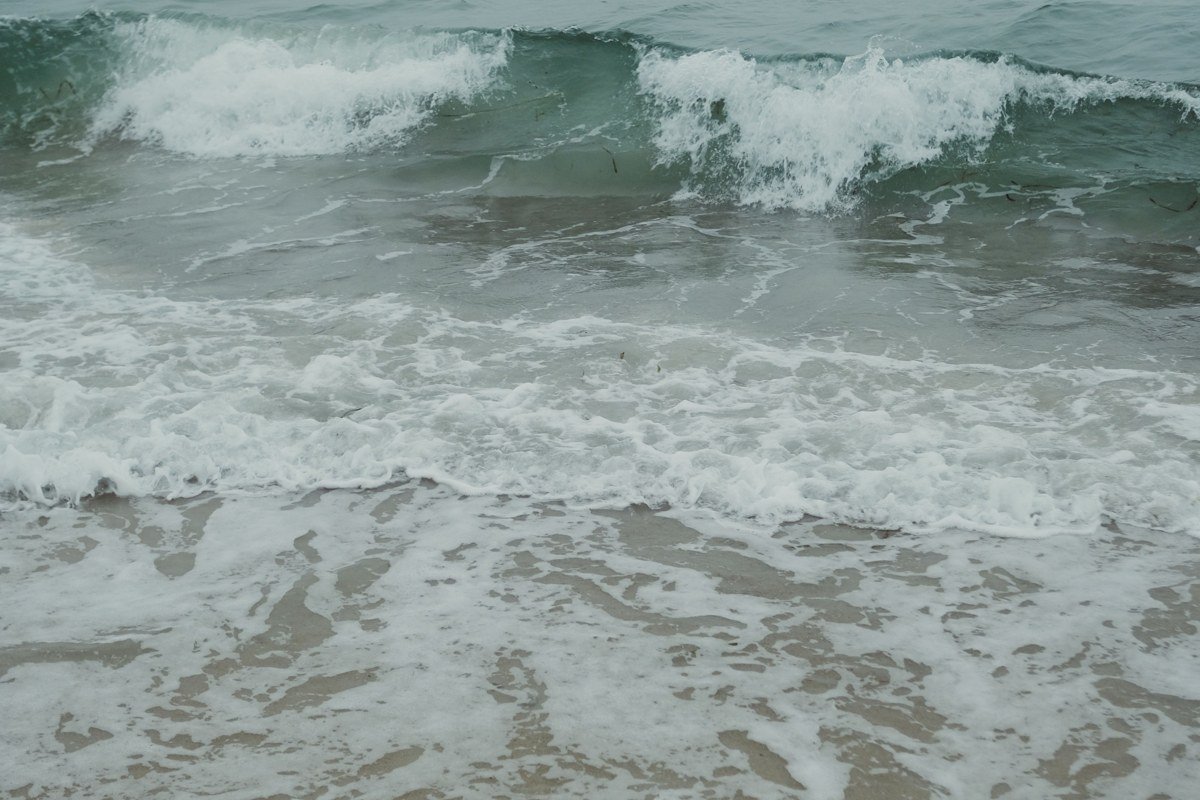
Schoodic is the only part of Acadia National Park on the mainland, across Frenchman Bay from Mount Desert Island, and it gets a fraction of the visitors. The granite shoreline takes a real pounding from surf at the point itself, and fog softens the scene into gray on gray. There’s no lighthouse right at the point, but Winter Harbor Light is visible offshore from Schoodic Point, appearing and disappearing depending on how thick the fog sits that morning. Frazer Point, the first pull-off on Schoodic Loop Road, is a quieter alternative if the main point parking area is full. Skip the loop road entirely if a summer weekend feels crowded at Bar Harbor; this is the release valve.
Stonington, Maine

Stonington is a real lobstering town on Deer Isle, not a resort version of one, and its harbor still runs on the tides and the boats, not on tourism schedules. Fog settles into the harbor most mornings in early summer, blurring the moored boats into shapes before it lifts by midmorning. Boats start heading out well before dawn, and the fish co-op on the waterfront sells lobster rolls straight off the dock if you’re there by mid-morning. There’s no marquee lighthouse in town, but nearby Isle au Haut, reachable by mailboat from the town landing, has one inside Acadia’s quieter district; the mailboat runs on a limited schedule, so check times before planning a same-day return.
FAQ
Does fog actually help or hurt lighthouse photography?
Thin, moving fog is better than a thick, static bank. Thin fog lets the tower fade in and out over a few minutes, which is what makes the classic shots work; a solid wall of fog just erases the lighthouse entirely for the hour it takes to lift. Arriving thirty to forty minutes before sunrise gives you the best chance of catching it while it’s still moving.
Do I need a park pass for all of these stops?
Only Bass Harbor Head and Schoodic Point fall inside Acadia National Park and require the $35 vehicle pass. Pemaquid Point and West Quoddy Head charge their own small state park or municipal fees, and Portland Head Light, Owls Head, Marshall Point, and Monhegan’s lighthouse grounds are free to walk.
Is it safe to drive between these spots in heavy fog?
Coastal Route 1 and the smaller peninsula roads (like the one out to Pemaquid or Corea) can drop to near-zero visibility in patches, especially in low areas near tidal marshes. Locals slow down and use fog lines on the shoulder rather than the centerline as a guide; budget extra time between stops during peak fog weeks rather than assuming highway speeds.